REVIEW · ROME
Fettuccine, Ravioli & Tiramisu Cooking Class in Rome
Book on GetYourGuide →Operated by Master pasta makers srl · Bookable on GetYourGuide
Rome smells like butter and coffee. That’s the vibe of this hands-on class near Piazza Navona. You’ll learn classic Roman comfort food step-by-step, then eat what you made with drinks in a relaxed restaurant setting.
What I like most is the focus on fresh pasta skills—kneading, rolling, and shaping—guided by an English-speaking chef. I also love that you get to choose a fettuccine sauce (Cacio e Pepe, Amatriciana, or Tomato & Basil), so the meal feels personal instead of one-size-fits-all.
One thing to keep in mind: the experience takes place in an active restaurant space, and the pace can feel quick. Some people also felt the final pasta tasting didn’t match what they personally produced, so if you care a lot about eating your exact portions, it’s worth asking how servings work.
In This Review
- Key things to know before you go
- Cooking class steps from Piazza Navona (Via Giuseppe Zanardelli, Restaurant Gusto)
- What you’ll make: Tiramisù, fresh Fettuccine, and Ravioli from scratch
- Sauce choices that feel Roman: Cacio e Pepe, Amatriciana, Tomato & Basil
- Hands-on pasta skills: kneading, rolling, and getting the dough right
- The meal moment: wine, dinner, and a sweet finish with limoncello or coffee
- Restaurant setting, group energy, and pacing (what to watch for)
- Price and value: is $82 for 3 hours worth it?
- Who should book this class (and who should consider alternatives)
- Before you go: simple ways to get the most from your 3 hours
- Should you book the Fettuccine, Ravioli & Tiramisu cooking class in Rome?
- FAQ
- Where is the meeting point for the cooking class?
- How long is the experience?
- What dishes will I make?
- What sauces are included for the fettuccine?
- Are drinks included?
- Is the class suitable for children and is it wheelchair accessible?
Key things to know before you go
- Piazza Navona area meetup at Via Giuseppe Zanardelli 14, Restaurant Gusto
- From-scratch trio: Tiramisù, fresh Fettuccine, and Ravioli
- Sauce choices for fettuccine: Cacio e Pepe, Amatriciana, or Tomato & Basil
- Wine plus a sweet finish with either limoncello or Italian coffee
- English instruction with lively, friendly teaching (names seen include Mimi, Lori, Maria, Tommy, and Tomi)
- Watch the pace and the setting since it’s a working restaurant environment
Cooking class steps from Piazza Navona (Via Giuseppe Zanardelli, Restaurant Gusto)
This class puts you in the thick of Rome without turning the day into a logistics puzzle. The meeting point is Via Giuseppe Zanardelli 14 at Restaurant Gusto, and you’re essentially close enough to Piazza Navona that you can make this your main activity before or after exploring the squares and side streets.
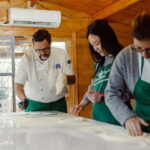
The setting matters because it shapes your expectations. This isn’t a quiet, studio-style workshop. It’s a restaurant space where you learn, cook, and then eat, which keeps things social—but it can also mean you’re cooking with foot traffic and a warm room.
If you like your food experiences practical and active (flour on your hands, timers running, sauce choices in real time), this format fits. If you’re looking for a slow, calm class where everything is perfectly spaced and you can take your time, you might find the pace a bit brisk.
You can also read our reviews of more cooking classes in Rome

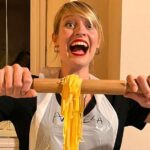

What you’ll make: Tiramisù, fresh Fettuccine, and Ravioli from scratch
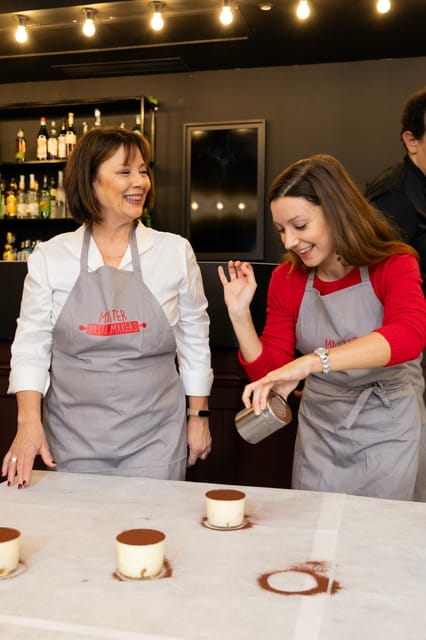
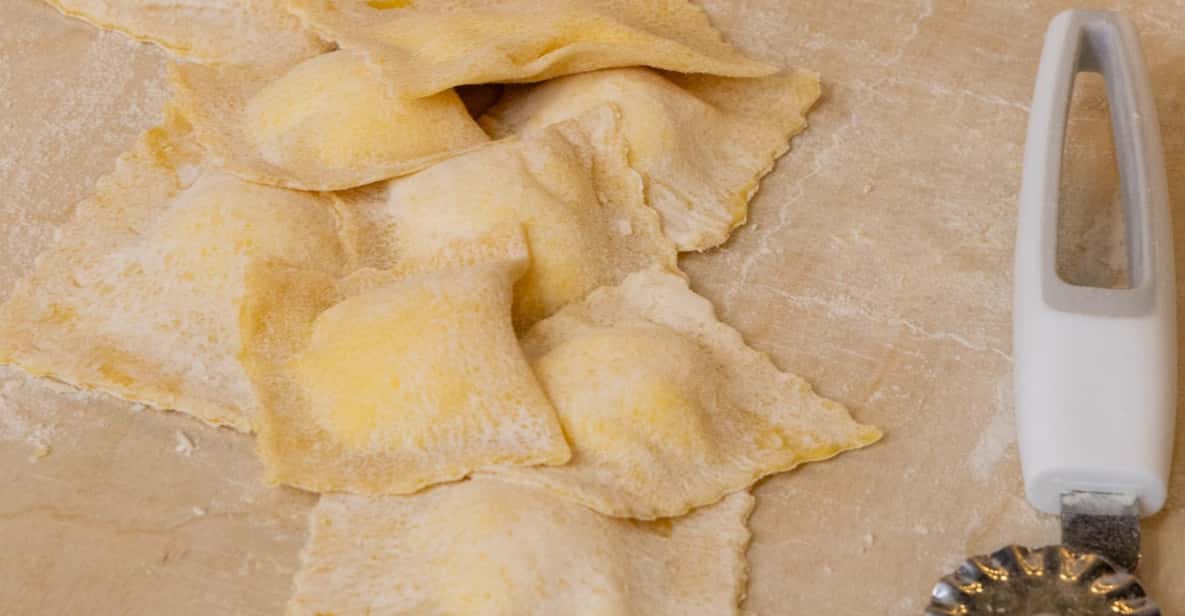
The menu here is classic and very Roman in feel: Tiramisù, fresh Fettuccine, and Ravioli, all made from scratch. The chef guides you through the core pasta process—kneading and rolling dough—so you’re not just assembling plated food from pre-made parts.
That matters for value. A lot of cooking classes in Europe are “hands-on” in name only. Here, the center of the experience is your work with the dough: forming it, rolling it, and learning how it behaves.
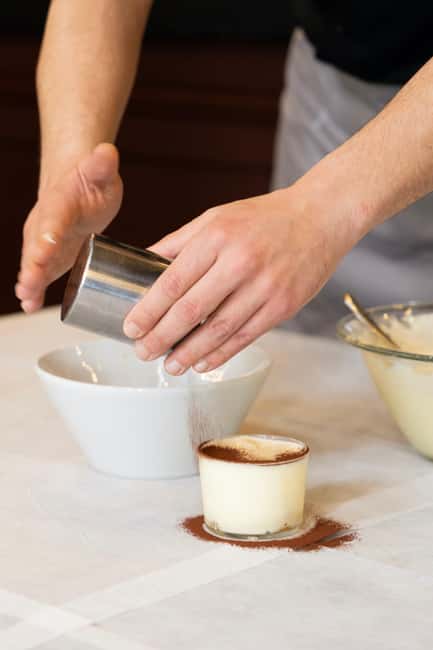
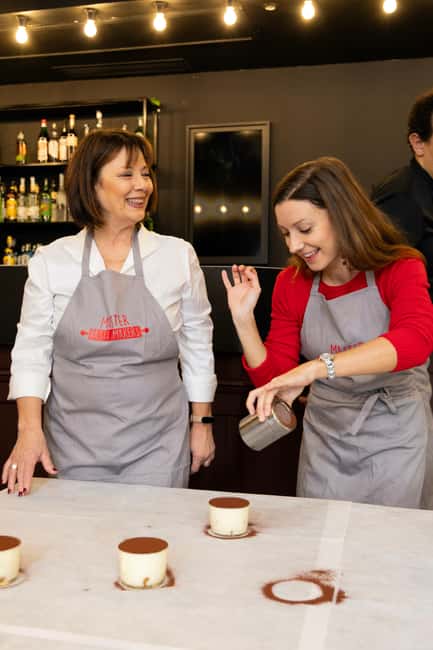
Expect the course flow to prioritize the meal you’ll eat right away: you start with dessert, then move to the pasta, and finally you sit down to enjoy everything together. One review pattern shows up clearly: people tend to rate the pasta portion highest, while tiramisù is often viewed as a nice finish rather than the whole show.
A small practical note: you’re offered a full meal, but not every part of the process may result in exactly what you individually shaped ending up on your plate. If that’s a must for you, ask the staff how tastings and servings are handled before you begin.
Sauce choices that feel Roman: Cacio e Pepe, Amatriciana, Tomato & Basil
The fettuccine sauce selection is where you can make the class feel like your meal. You choose among three options: Cacio e Pepe, Amatriciana, or Tomato & Basil.
Why this is a smart design for a short 3-hour class: you get one of the most important lessons in Italian cooking—flavor direction—without having to learn five sauces. You walk away knowing how different Roman styles taste and how they change the whole dish.
Cacio e Pepe is the kind of sauce that teaches restraint—cheese-forward, peppery, and best when the texture is right. Amatriciana brings a more savory, tomato-based mood. Tomato & Basil leans bright and straightforward. Even if you’re not a sauce wizard today, you’ll likely remember the differences tomorrow when you try to recreate it at home.
Hands-on pasta skills: kneading, rolling, and getting the dough right
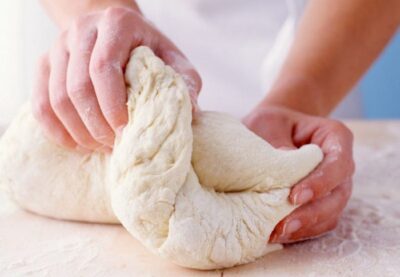
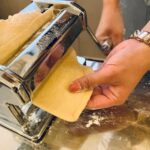
This class is built around technique, not just eating. You’ll knead and roll pasta dough under an expert guide, and you’ll learn the key mechanics that make fresh pasta taste different from dried.
Here’s what you can realistically take away:
- How dough feels when it’s ready to roll
- How thin rolling changes texture and cooking speed
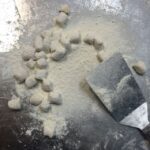
- How shaping affects how sauce clings
In past sessions, instructors like Lori, Maria, and Tommy have been described as energetic and fun to learn from, and that energy matters when you’re holding a dough ball that’s either cooperating or rebelling. You need quick feedback, and these teachers seem to give it.
One caution: because this is happening in a busy restaurant environment, you may feel a bit of time pressure. If you’re the type who learns best when you’re not rushed, consider asking for a slower moment or an extra check on dough consistency as you go.
The meal moment: wine, dinner, and a sweet finish with limoncello or coffee
After the cooking work, you eat your creations. You’ll enjoy a glass of wine (or a non-alcoholic drink) with dinner, and the class includes unlimited water throughout the experience. That’s a practical touch—no one wants to play water-chicken while their pasta is cooling off.
Then comes the finish: limoncello or Italian coffee, depending on what you choose or what’s offered for your session. Even if you don’t care much about alcohol, having the dessert-and-coffee endcap turns the class into a complete Rome meal instead of just a lesson.
A couple of review signals are worth factoring in:
- People often praise the pasta results as the high point.
- Some felt the tiramisù was good but not as memorable as the pasta.
- Others described service as enjoyable, with instructors keeping things lively from start to finish.
So think of tiramisù as part of a full meal experience. If you’re a dessert person who wants a full-on pastry masterclass, you might still enjoy it—but set expectations accordingly.
You can also read our reviews of more tours and experiences in Rome
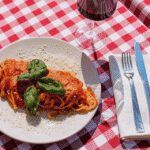
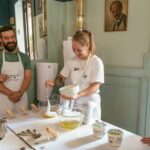

Restaurant setting, group energy, and pacing (what to watch for)
This is where your comfort level matters most. The class takes place inside a working restaurant setting, and reviews point to three common realities:
First, it can be busy. Cooking happens in an active space, and there may be foot traffic while you’re rolling and shaping.
Second, it can feel warm. Pasta rooms run hot—especially when you’re standing and working close to heat and equipment.
Third, pacing varies by instructor and how the class gels. Some chefs are described as dynamic and fast-moving, which is fun if you’re comfortable keeping up.
The biggest practical takeaway: if you want a very personalized experience where you eat exactly what you produced, you should confirm how the meal is served. One review mentioned pasta being mixed among participants for tasting. That doesn’t mean the food isn’t delicious—it just means your ideal version of hands-on might be more strict than the program.
Price and value: is $82 for 3 hours worth it?
At $82 per person for a 3-hour class, you’re paying for three things: an English-speaking chef, hands-on pasta instruction, and a full meal with drinks.
Is it good value? In my book, yes—if your priority is learning technique plus eating the results. You’re not just tasting; you’re making fettuccine, ravioli, and tiramisù, choosing sauces, and finishing with wine and either limoncello or coffee.
Where value depends on you: the more you care about the pasta-making process itself (dough handling, rolling, shaping, cooking), the more you’ll feel satisfied. If you’re mainly seeking a dessert-focused experience, or you need the tasting to be strictly tied to your individual portions, you might feel less “wow” from the tiramisù or the final plating.
One more value detail I like: unlimited water helps keep the experience comfortable. Small things like that matter when you’re working up a sweat over dough.
Who should book this class (and who should consider alternatives)
This class is a strong match for:
- Couples who want a shared activity that ends with a meal
- Small groups of friends who like interactive planning-free fun
- Food lovers who want to learn core pasta skills you can repeat at home
- Anyone who enjoys Roman flavors—cheese-and-pepper, tomato sauce, and sage-butter style ravioli
It may be less ideal for:
- Very young kids. It’s not suitable for children under 4.
- People who want a quiet, low-pace experience without restaurant bustle.
- Dessert purists expecting tiramisù to be the centerpiece of the entire lesson.
If you’re choosing between this class and another “light tasting” option, this one is clearly more hands-on. If you’re choosing between this and a pastry-only class, pick this if pasta technique is what you want more.
Before you go: simple ways to get the most from your 3 hours
You’ll learn faster if you go in ready to work with your hands. Wear clothes you don’t mind getting a little pasta-dough dust on, and keep your phone away until you’re done shaping.
Also, decide in your head which sauce you want to try. Choosing between Cacio e Pepe, Amatriciana, and Tomato & Basil isn’t just flavor—it changes your cooking experience and the lesson you’ll remember later when you shop for ingredients at home.
Finally, be honest about what you want from the class:
- If you want skills, ask questions during dough rolling.
- If you want a clear connection between what you made and what you eat, ask about serving and tasting format at the start.
That little check-in can turn a good class into a great one.
Should you book the Fettuccine, Ravioli & Tiramisu cooking class in Rome?
Book it if you want a practical pasta class in the heart of Rome that ends with a full meal: fettuccine with your chosen Roman sauce, ravioli with butter and sage, and tiramisù to close out the night. At $82 for 3 hours with wine (plus limoncello or coffee), it’s a fair deal if learning and eating both matter to you.
Think twice if you need a super slow, quiet workshop, or if you expect every course to be perfectly tailored to your exact personal portions. The cooking is the star here, and for most people that’s exactly what they came for.
FAQ
Where is the meeting point for the cooking class?
The class meets at Via Giuseppe Zanardelli 14, Restaurant Gusto.
How long is the experience?
It lasts 3 hours.
What dishes will I make?
You’ll make Tiramisù, fresh Fettuccine, and Ravioli from scratch.
What sauces are included for the fettuccine?
You can choose Tomato & Basil, Cacio e Pepe, or Amatriciana.
Are drinks included?
Yes. You’ll get a glass of wine or a non-alcoholic drink, plus unlimited water. The experience also includes limoncello or Italian coffee.
Is the class suitable for children and is it wheelchair accessible?
It’s not suitable for children under 4 years. It is wheelchair accessible.