REVIEW · ROME
Colosseum, Forum & Palatine Hill Guided Walking tour
Book on GetYourGuide →Operated by Tourismotion · Bookable on GetYourGuide
Three stops, one ancient pulse. The Colosseum, Roman Forum, and Palatine Hill tour is built to pack the big Rome moments into one smooth guided walk, with skip-the-line entry and a real guide steering the story.
I really like two things: the local English-speaking guides who explain what you’re seeing in plain terms, and the built-in earphones that keep the commentary clear even when the crowds get loud.
One heads-up: you won’t get arena access, since arena entrance is not included. You’ll still see a lot, but if you’re hoping to stand inside the arena space, plan for disappointment.
In This Review
- What Makes This Tour Worth Your Time
- The Big Win: Seeing Colosseum, Forum, and Palatine Hill Without Replanning
- Starting Smart: How the Meeting Point Works (and Why You Should Be Early)
- Colosseum: Spectacle, Engineering, and What the Guide Makes Click
- Roman Forum: Politics in Stone, Daily Life Between Temples
- Palatine Hill: Myth, Imperial Residences, and Views Over Rome
- The Role of the Guide: What You’re Paying For
- Earphones and Group Control: Why It Feels Easier Than Independent Touring
- Price and Value: Is $72.49 a Fair Deal?
- What to Bring and What to Leave Behind
- Timing Reality: Two and a Half Hours Can Feel Longer
- Who This Tour Suits Best
- Should You Book the Colosseum, Forum & Palatine Hill Guided Walking Tour?
What Makes This Tour Worth Your Time
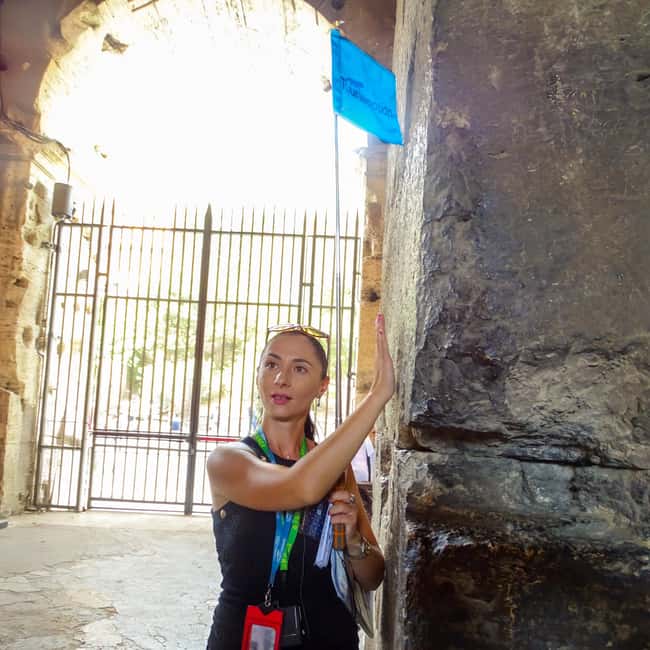
- Skip-the-line entry keeps your morning from turning into a queue simulator.
- Three iconic sites together means you connect the dots between spectacle, politics, and imperial power.
- Small-group feel helps you ask questions and stay with the guide instead of drifting.
- Earphones included so you don’t miss key details while moving through busy areas.
- Tight route and clear pacing across Colosseum, Forum, and Palatine Hill in about 2.5 hours.
The Big Win: Seeing Colosseum, Forum, and Palatine Hill Without Replanning
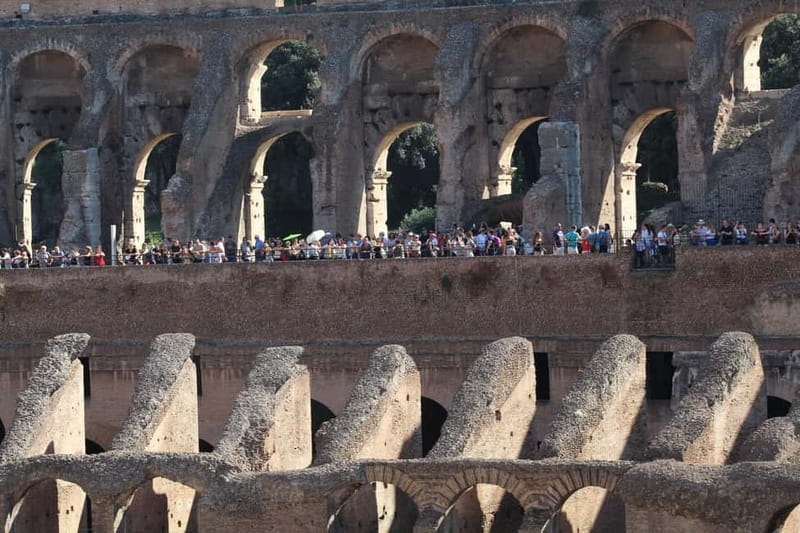
Rome is wonderful, and also a little chaotic. This tour helps you avoid the classic approach of hopping between sites on your own, losing time at entrances and missing the “why does this matter?” parts.
You’ll move through three layers of the city’s story. The Colosseum is entertainment and public life. The Roman Forum is government and daily power. Palatine Hill is myth and elite living—where emperors and aristocrats turned Rome’s views into a lifestyle.
If you want one guided plan that covers the essential highlights, this is the kind of experience that saves energy for the rest of your trip.
You can also read our reviews of more walking tours in Rome


Starting Smart: How the Meeting Point Works (and Why You Should Be Early)
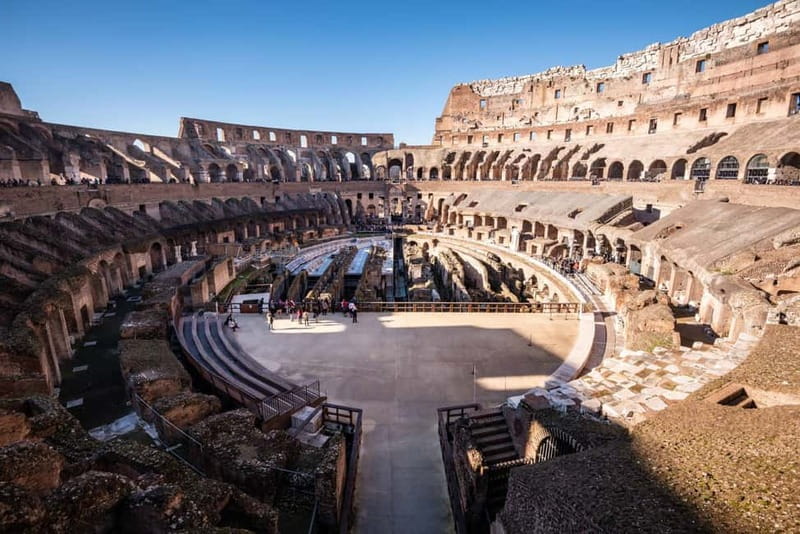
You meet outside the Colosseo Metro Station (Line B) on Via dei Fori Imperiali, opposite Colosseum Square, between the green kiosk and a wall-mounted fountain. Your guide holds a Tourismotion flag, and you’re expected to arrive at least 15 minutes early.
This matters because the area can be crowded and it’s easy to waste time searching. I’d treat your first job as getting your bearings fast: arrive early, locate the green kiosk area, and then match the flag with your group.
At the end, the tour finishes back at the meeting area, and you’re required to exit the archaeological area with the guide (you can’t stay inside after the tour ends).
Colosseum: Spectacle, Engineering, and What the Guide Makes Click
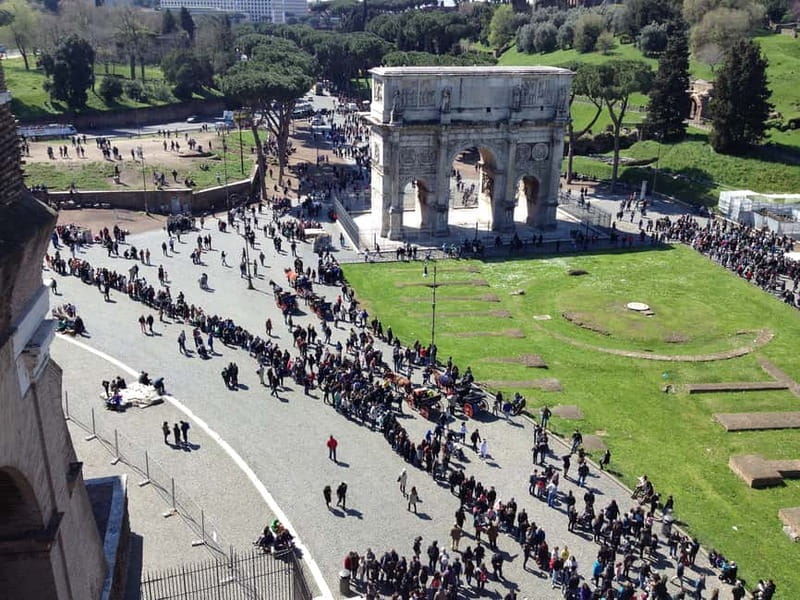
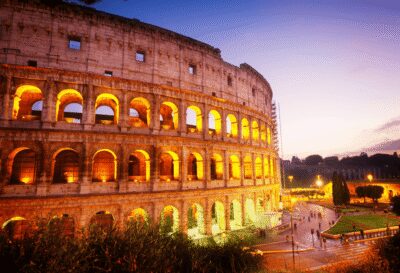
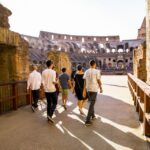
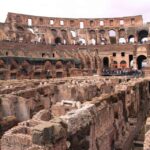
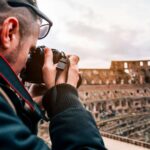
Your Colosseum portion runs about 1.5 hours of guided time. This is where the tour sets its tone: story-first, not just photo-stop sightseeing.
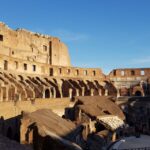
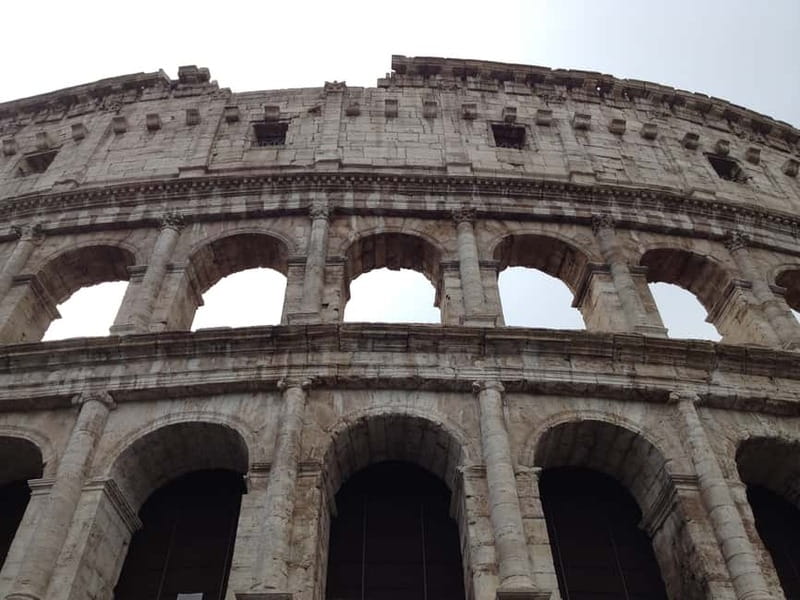
You’ll stand facing a structure that looks simple from afar and complex up close. Expect your guide to walk you through Roman engineering and explain how the Colosseum fit entertainment into everyday Roman life. You’ll hear about gladiatorial contests and public spectacles, but the bigger value is how the guide ties it back to Roman culture and social expectations.
A couple practical points:
- The tour includes access with tickets and skip-the-line handling, so you’re not burning your energy waiting in a long ticket queue.
- Arena entrance is not included, so you won’t get that full inside-arena experience.
Based on guide comments from the experience, the best part isn’t just facts. It’s delivery. Some guides lean on humor and keep a steady rhythm while handling groups carefully, calling out names so everyone stays accounted for.
Roman Forum: Politics in Stone, Daily Life Between Temples
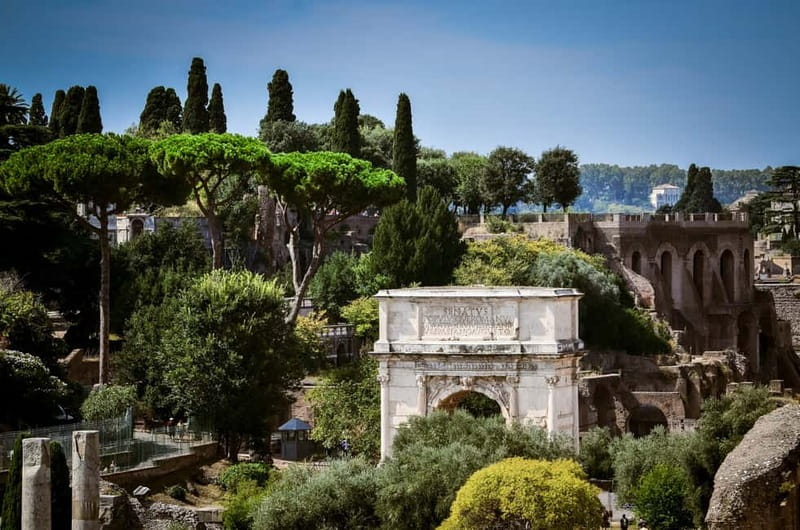
After the Colosseum, you’ll spend about 1 hour at the Roman Forum with guidance. This is where the ruins stop feeling random and start looking like a city.
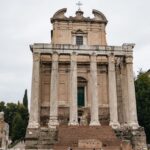
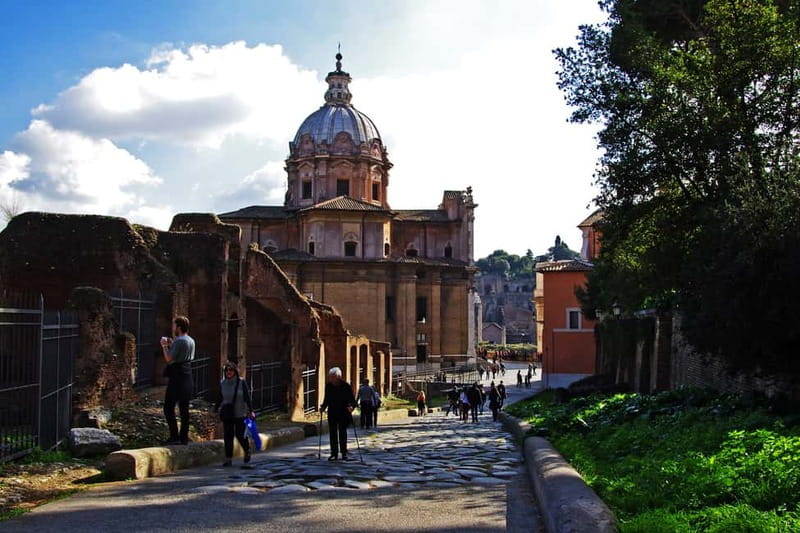
The Forum is often described as the center of Roman public life, and that’s exactly what the guide brings to the surface. You’ll walk among remnants of temples, basilicas, and public buildings, and your guide should help you picture the Forum as a busy hub where politics, commerce, and civic identity all met.
Expect explanations tied to major structures and stories, including references such as the Temple of Saturn and the Arch of Titus. Even if you’ve seen pictures before, a good guide makes the layout feel legible—why these buildings sit where they do, and how the space reflected power.
This stop is also a reality check: it’s still an archaeological site, not a museum set. So you’ll want comfortable shoes and patience. You’ll cover ground at a walking pace, with the guide deciding where to spend time so you don’t miss the most meaningful bits.
Palatine Hill: Myth, Imperial Residences, and Views Over Rome
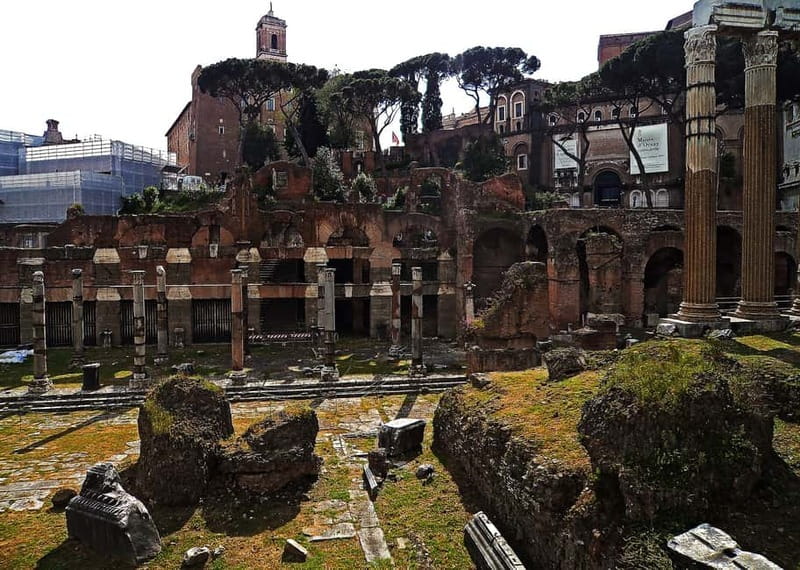
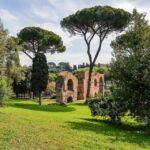
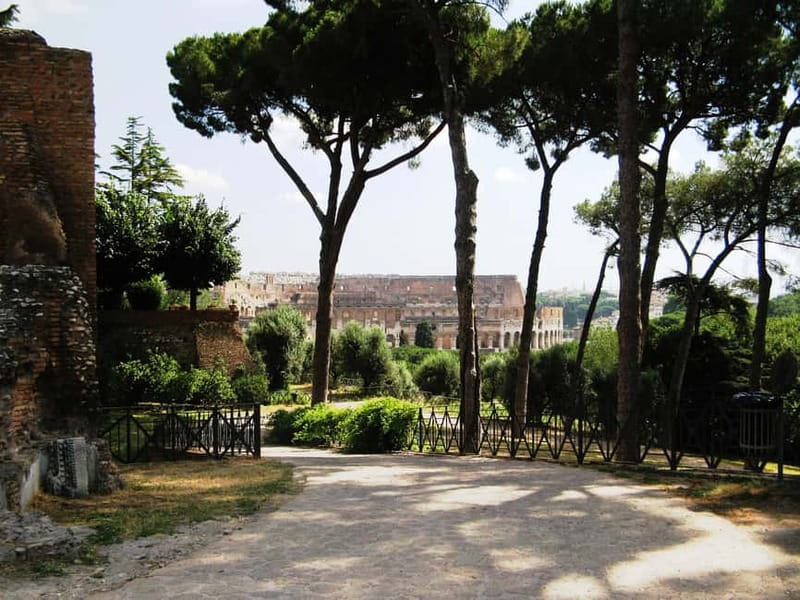
Palatine Hill is the smaller time chunk at about 30 minutes, but it’s packed with significance. This is the hill tied to Rome’s origin stories—the myth of Romulus and Remus—and it later became the preferred residential area for emperors and aristocrats.
The guide-led experience here focuses on both story and place. You’ll hear how Palatine transformed from legendary beginnings into a political stage for the elite. Expect mentions of remnants connected to imperial residences, including Domus Flavia and Domus Augustana.
And yes, the viewpoints are part of why you’re here. The guide will point out ways you can connect what you’re standing near to what stretches out below, including sightlines toward the Roman Forum and the Circus Maximus.
One trade-off: because Palatine is only about half an hour in this format, you’re getting the highlights, not an extended wander. If you love doing everything slowly and lingering at every corner, this tour may feel a bit fast for your style. If you want a guided “greatest hits” sweep, it works well.
You can also read our reviews of more guided tours in Rome
The Role of the Guide: What You’re Paying For
This tour leans hard on the guide experience, and the quality shows up in the consistent themes. Guides are described as enthusiastic, with strong English and a knack for explaining both the bright and darker sides of Roman history without turning it into lecture-mode.
Names that came up in strong ratings include Matteo, Christina, Alexandra, Simona, Andrea, Federica, and Robert. I can’t promise any one of these guides will be on your date, but it’s a useful clue about what the experience is designed to deliver: confident English-speaking local experts who can keep a group moving while still answering lots of questions.
Also worth noting: some guides handled weather well, doing their best to keep people drier when conditions changed. So even when the day isn’t perfect, the human part of the tour is still trying to keep you comfortable and on track.
Earphones and Group Control: Why It Feels Easier Than Independent Touring
The inclusion of earphones is a quiet but big upgrade. In the Colosseum and Forum areas, sound can get swallowed by crowds and echoes. With earphones, you get clearer commentary without having to constantly “shout across the group.”
Group management also matters. One detail that stands out from strong feedback: guides actively ensure everyone is accounted for, even by calling names at key points. That reduces the stress of moving as a cluster and helps you feel like the tour is running, not just happening around you.
And since the tour is described as a smaller group experience, you’re more likely to feel connected to the story than if you were stuck in a huge herd.
Price and Value: Is $72.49 a Fair Deal?
At $72.49 per person for roughly 2.5 hours, you’re paying for two things: organized access and expert guidance.
Here’s what’s included that protects your value:
- Ticketed access for the Colosseum, Roman Forum, and Palatine Hill
- A guided English tour across all three
- Skip-the-line ticket handling
- Earphones
- On-site helpline/check-in team support
Here’s what you’re not getting:
- Meals
- Transfers on site
- Arena entrance
For many first-time Rome visitors, this price lands as reasonable because you’re not paying separately for three ticket entries plus the guide, plus the time lost to logistics. You’re also getting context that’s hard to replicate if you just show up with a guidebook and a set of screenshots.
If you already love wandering ruins on your own and you’re fine paying for tickets and doing your own research, you might spend less. But if you want the sites to make sense in real time, the cost is doing work.
What to Bring and What to Leave Behind
The basics are simple and important:
- Bring your passport or ID card. The Colosseum requires the original document, and photos or copies won’t work.
- Wear comfortable shoes.
- No luggage or large bags, and no backpacks.
This matters because the sites can be strict at entry. If you show up with the wrong bag, you can turn a great plan into a stressful scramble.
Also, this tour is not suitable for wheelchair users, since it’s a walking-focused experience.
Timing Reality: Two and a Half Hours Can Feel Longer
The tour is listed at about 2.5 hours, with 1.5 hours at the Colosseum, 1 hour at the Forum, and 30 minutes on Palatine Hill. In practice, some people report it running a little longer than the stated timing.
On a hot day, the Colosseum portion plus walking can feel like more time than the clock says. One practical mindset shift: treat it as one continuous guided walk. You’re not getting a “stop, sit, then wait” experience. The pacing is part of how the guide keeps the story coherent.
Who This Tour Suits Best
You’ll likely enjoy this tour if:
- You want one guided plan covering the top three ancient Rome landmarks.
- You like having an expert interpret what you’re seeing instead of guessing.
- You’re okay with a walking-focused format and a packed route.
You might want a different approach if:
- You specifically want arena entrance, since this tour doesn’t include it.
- You need wheelchair-friendly access.
- You prefer long, slow independent exploring over structured time.
Should You Book the Colosseum, Forum & Palatine Hill Guided Walking Tour?
If your goal is to leave with a clear mental map of ancient Rome—entertainment, politics, and imperial power—this is a strong bet. The skip-the-line setup, earphones, and consistently praised guide style make it one of those tours that feels worth paying for.
Book it if you want the highlights in one organized shot and you like asking questions while the guide translates the stones for you. Skip it if arena access is a must, or if you want lots of quiet, unstructured time.