REVIEW · ROME
Florence in 1 Day: Renaissance Tour from Rome
Book on GetYourGuide →Operated by Gray Line I Love Rome · Bookable on GetYourGuide
Florence in a day sounds impossible. This one works because you start with a high-speed train and then get a tight, guided route through the city’s biggest Renaissance hits. I especially like the professional walking tour with headsets, which helps you follow along without constantly craning your neck at the guide or the crowd.
There’s also a built-in afternoon of freedom, so you’re not locked into a rigid schedule after the main sights. One thing to consider: this is a walk-heavy day and it has firm rules on clothes and bags, plus it’s not suitable for people with mobility impairments.
In This Review
- Key Highlights You’ll Notice Right Away
- Rome-to-Florence by High-Speed Train: The Smart Way to Save a Day
- Meeting at Via Marsala and Starting on Time (7:30 AM)
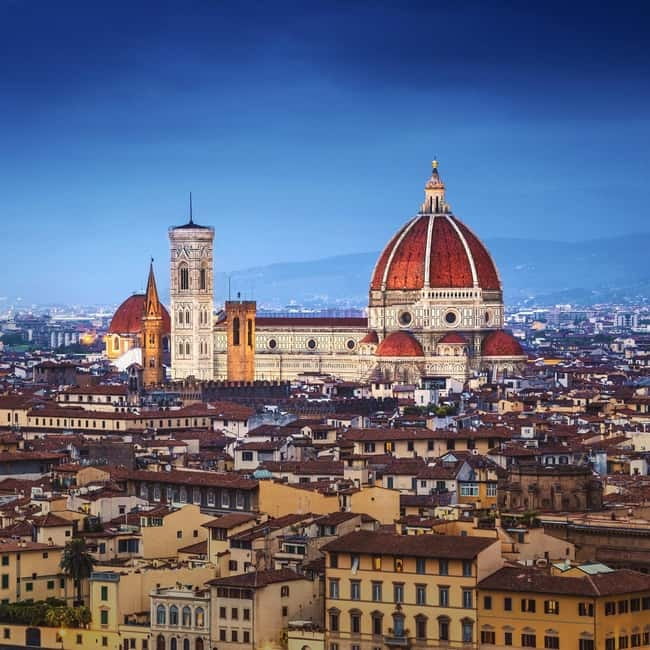
- Florence Duomo Complex: Where the Renaissance Starts to Make Sense
- The Next Guided Stop: A Quick Context Break Between Big Sights
- Piazza della Repubblica: A Square You’ll Recognize Fast
- Piazza della Signoria: Art in the Open Air
- Ponte Vecchio: The Bridge That Walks Like a Museum
- The 6 Hours of Free Time: How to Use It Without Wasting It
- What’s Included (and Why That Matters for Value)
- Weather, Dress Code, and Carrying Rules: Small Details That Change Your Day
- Who This Day Trip Is Best For (and Who Should Skip It)
- Price and Logistics: What You’re Really Paying For
- Should You Book This Florence in 1 Day Tour?
- FAQ
- FAQ
- What time do I meet for this Rome to Florence day trip?
- Where does the tour end?
- How long is the trip?
- How long is the train ride from Rome to Florence?
- What are the main guided stops in Florence?
- Do I get free time in Florence?
- Which languages are available for the tour?
- Are headsets provided?
- What should I bring?
- What are the rules for clothing and bags?
Key Highlights You’ll Notice Right Away
- High-speed train round-trip from Rome: You gain real sightseeing time instead of spending half the day traveling.
- Headsets for the walking tour: Makes explanations easier, especially in busy squares and around major monuments.
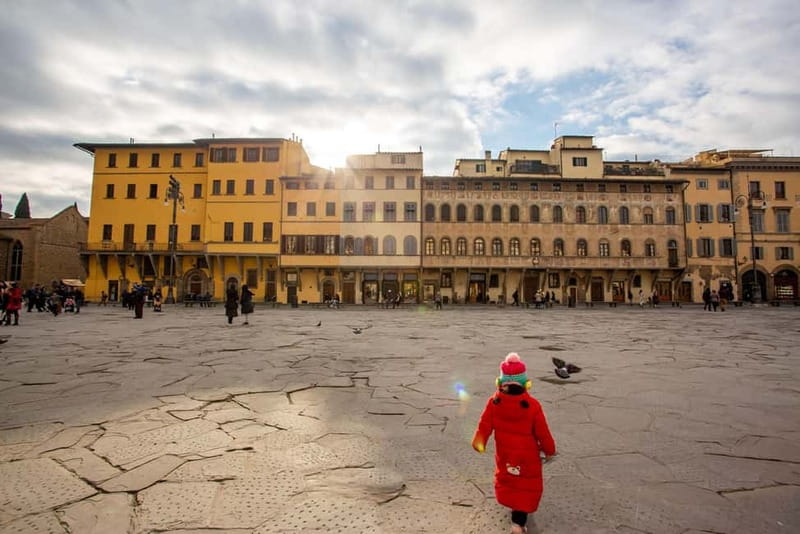
- Duomo Complex and major squares: You hit the landmarks that define Florence’s Renaissance reputation.
- Ponte Vecchio at the perfect moment in the route: A short, guided stroll gives you the story without turning it into a long detour.
- 6 hours of free time: Enough time to browse, snack, and choose your own pace.
- Guides who keep things moving in bad weather: When weather turns, the plan still works.
Rome-to-Florence by High-Speed Train: The Smart Way to Save a Day
The best thing about this trip is simple: it’s built around time efficiency. You leave Rome by high-speed train for about 100 minutes, spend the day in Florence, and head back on another 100-minute train. That means you’re not burning daylight on slow transport or complicated connections.
This is also why the day feels structured but not exhausting. The guided portion is concentrated into a clear route, then you switch to personal discovery for the rest of the afternoon.
You can also read our reviews of more tours and experiences in Rome
Meeting at Via Marsala and Starting on Time (7:30 AM)
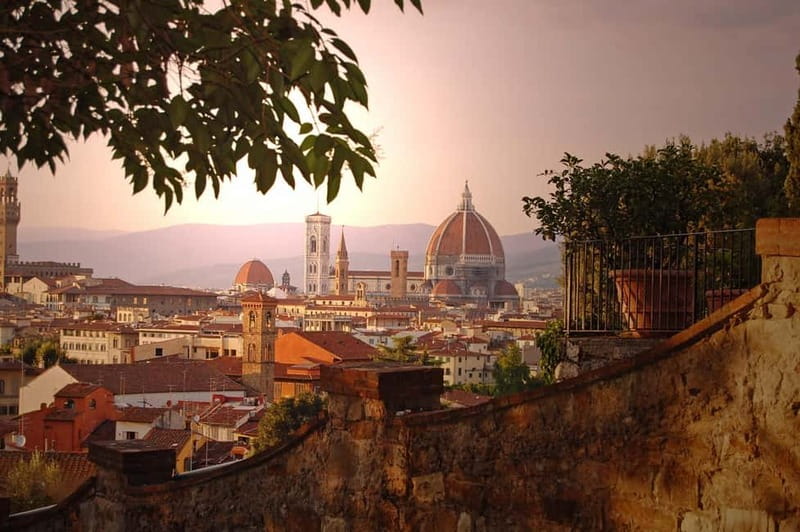
You meet at 7:30 AM at Via Marsala, in front of bar Caffè Trombetta. That early start matters because your train timing drives everything that follows, and Florence moves fast once you’re there.
Also, you’ll want to be ready for a day that’s mostly on your feet. Bring comfortable shoes and plan to stand and walk through crowded sights. If you’re the type who hates being late, this tour style will feel like a relief.
Florence Duomo Complex: Where the Renaissance Starts to Make Sense
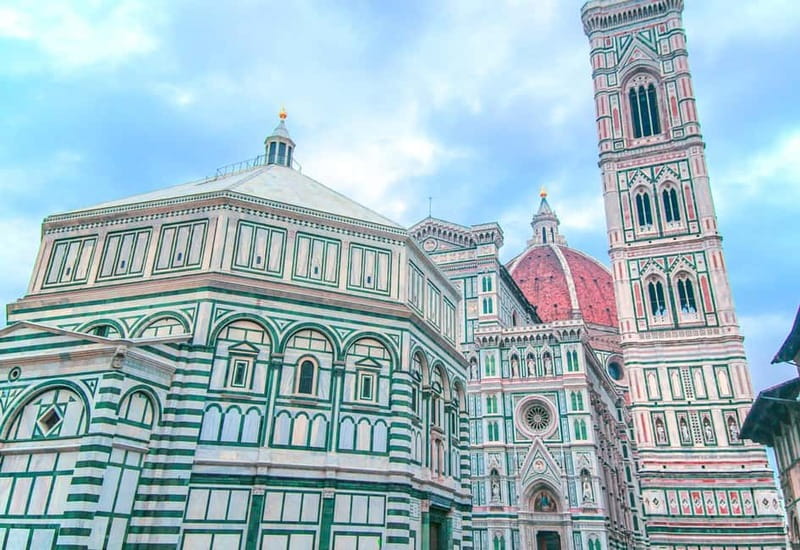
Your first major Florence stop is the Duomo complex area, with a guided tour and about 15 minutes of walking. Even if you’ve seen photos, Florence’s cathedral complex lands differently in person because the scale is hard to “get” until you’re close.
What I like about the way this day is set up is that you don’t just wander. A guide helps you connect what you’re seeing to why it mattered—so the dome and surrounding structures aren’t only impressive, they’re understandable.
And yes, churches mean practical realities: people cluster, sightlines change, and sound carries. This is exactly where having headsets helps you keep up without trying to hover over the guide.
The Next Guided Stop: A Quick Context Break Between Big Sights
Right after the Duomo complex, there’s another guided segment with about 15 minutes of walking. The itinerary keeps the momentum going rather than turning the day into one long “stand and stare” session.
This is a good moment to mentally reset. After the cathedral area, the next stops (squares and bridges) read more clearly when you’ve had that extra bit of orientation from the guide.
If you’re sensitive to crowds, keep your expectations realistic. Florence’s center is busy, and this tour is designed for daytime sightseeing, not solitude.
Piazza della Repubblica: A Square You’ll Recognize Fast
Next up is Piazza della Repubblica, with guided time and about 15 minutes of walking. This square is famous enough that you’ll often spot it again later in photos and postcards, but seeing it on a guided route gives you more than a quick landmark fix.
Squares are where Florence’s history gets practical. They’re meeting places, transit spaces, and social stages. The guide’s explanations help you connect what you’re walking through now with how the city shaped daily life back then.


Piazza della Signoria: Art in the Open Air
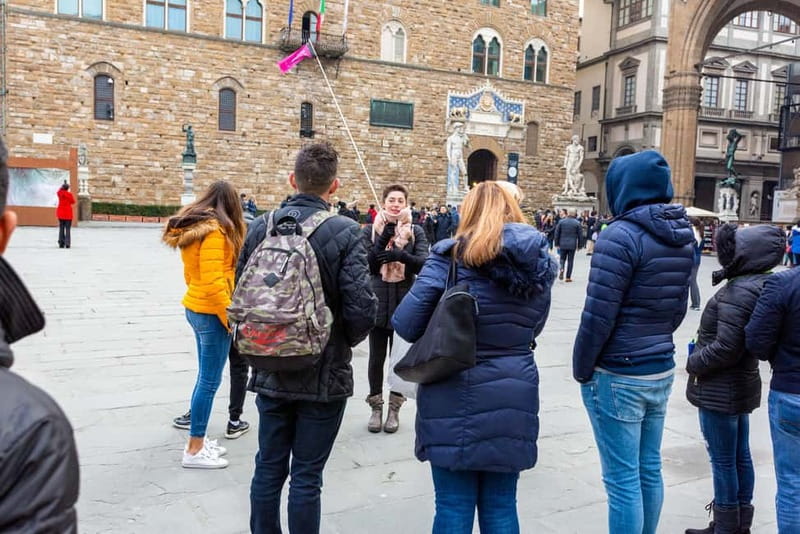
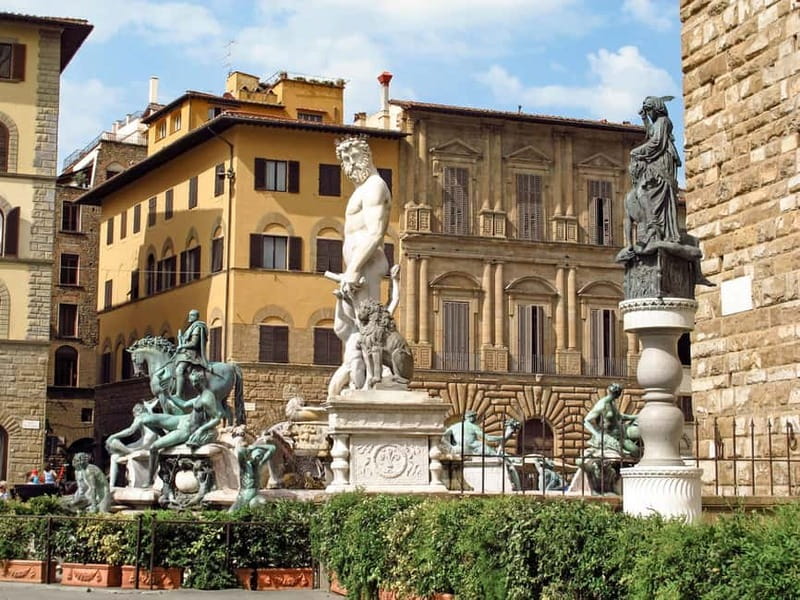
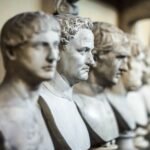
From there you head to Piazza della Signoria, again with guided time and about 15 minutes of walking. This is one of those places where you can’t help but look around—statues, facades, and the feeling that the city has been performing for centuries.
I like that the tour gives this a guided lens instead of treating it like a photo stop. When someone points out what to notice, you see patterns in the art and symbolism that you’d normally miss during an independent stroll.
The drawback is the typical one for major plazas: it can be loud and crowded. If you want to slow down, you’ll have plenty of that during the free time.
Ponte Vecchio: The Bridge That Walks Like a Museum
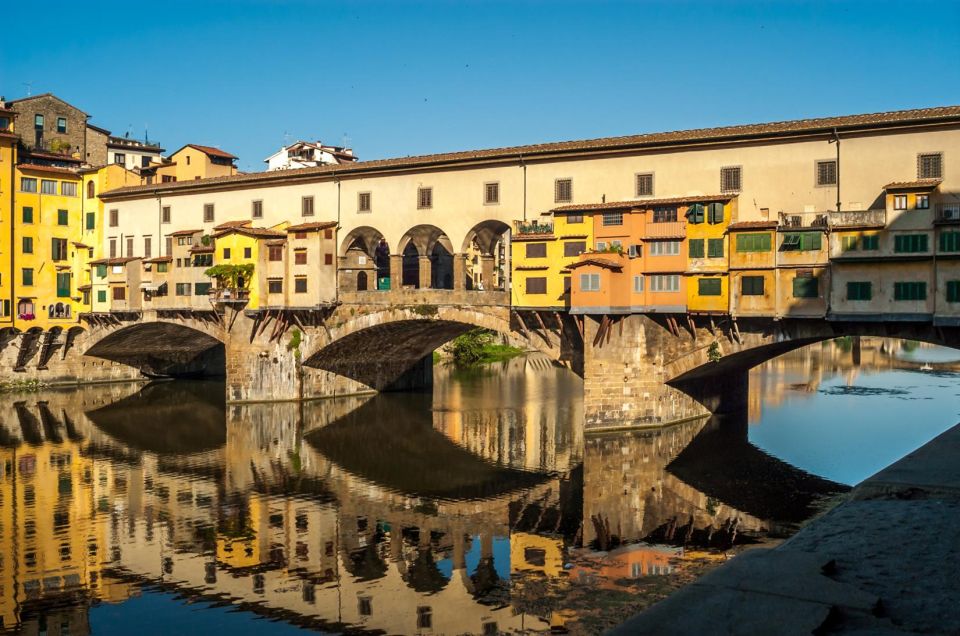
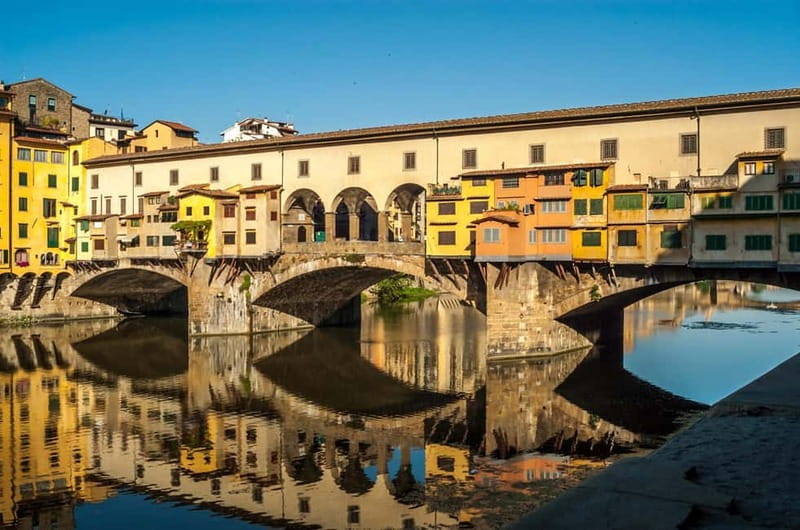
Then comes Ponte Vecchio, with about 20 minutes of walking and guided storytelling along the way. This bridge is one of Florence’s most recognizable symbols, and it’s also an easy place to understand how commerce and culture blended over time.
The guide helps you focus on details instead of just scanning for the best photo angle. That makes a short stop feel more satisfying, and it prevents Ponte Vecchio from becoming only a “been there, done that” moment.
If you’re hoping for a quiet bridge experience, plan on crowds during daytime. The upside is that your route timing keeps it from feeling rushed, and the guide’s context makes it worth the busy atmosphere.
The 6 Hours of Free Time: How to Use It Without Wasting It
After the guided walk, you get about 6 hours of free time. This is where the day can turn either into your best memories or a stressful scramble, depending on how you use it.
Here’s the approach I recommend:
- Start with a simple goal: pick one neighborhood to wander and one “must-eat” option for lunch or an early snack.
- Use your guide’s momentum: you now know what to look for—cathedral area context, Renaissance squares, and why the bridge mattered.
- Plan for breaks: even with comfortable shoes, you’ll likely want a pause for espresso or a sit-down bite.
One of the nicest parts of this tour format is that the guides are willing to help with practical recommendations. In particular, Mateo was noted as especially friendly and helpful, including pointing people to a good viewpoint and a sandwich shop. That’s the kind of local tip that’s hard to replicate if you’re winging it.
Also, keep expectations about food flexible. The tour doesn’t include everything, so you’ll be choosing your own trattoria or snack option during your free time.
What’s Included (and Why That Matters for Value)
This tour includes round-trip high-speed train tickets, a guided walking tour with a professional local guide, and headsets. It also includes assistance during the trip, which helps you stay oriented in a city where getting from A to B can still feel like a maze if you’re tired.
The value is less about “see everything” and more about see the right things quickly, with good explanation. You’re paying for the structure: the guide’s route planning and interpretation, plus the train that keeps the day realistic.
The tour also offers English and Spanish options, so you’re not stuck trying to translate key moments in your head.
Weather, Dress Code, and Carrying Rules: Small Details That Change Your Day
This is where things get real in Florence. The tour asks you to check Florence weather conditions before departure, because the plan is a walking day.
Then there’s the dress code. Shorts, short skirts, and sleeveless shirts aren’t allowed, and you can’t bring luggage or large bags. It’s not meant to be annoying; it’s meant to keep you moving smoothly through sights and into tighter spaces.
If you want an easy day, wear layers you can adjust, and use a small bag you can manage comfortably. Also remember: even “short” guided walking segments stack up, and you’ll spend most of the day in the center area.
Who This Day Trip Is Best For (and Who Should Skip It)
This tour is a great fit for you if you want a strong Florence introduction without spending days planning or charting a route. The combo of train + guided core sights + 6 hours free time works well for travelers who like structure but also want to roam.
It’s also a solid match if you appreciate explanations. Headsets mean you can actually listen, and you’ll get guided context at the Duomo complex, the squares, and Ponte Vecchio.
The tour isn’t suitable for people with mobility impairments. If you need step-free movement or longer seated breaks, this setup may feel too demanding.
Price and Logistics: What You’re Really Paying For
I don’t want to oversell it as cheap or fancy, because the day has a real cost in effort and rules. But as a value concept, it’s smart.
You’re paying for:
- Transport that makes the itinerary possible (high-speed train round-trip)
- A guided route that avoids the biggest “where do I start?” traps
- Headsets so the tour quality doesn’t collapse in crowds
If you’d otherwise spend hours coordinating train times and building your own Florence route, the guided day buys you time and clarity. If you prefer fully independent travel with no structure, you might find the fixed walking segments slightly limiting.
Should You Book This Florence in 1 Day Tour?
Yes, if you want the Renaissance landmarks that almost everyone goes to—but with guidance that makes them click—and you still want hours to wander on your own. The train timing keeps your day grounded, and the headsets plus professional guide help you avoid the classic problem of doing big sights without understanding what you’re seeing.
Skip it if you can’t meet the walking demands, can’t follow the clothing and bag rules, or you need a mobility-friendly option. This tour is designed for people who can handle a full sightseeing day with comfortable shoes and a flexible attitude about crowds.
FAQ
FAQ
What time do I meet for this Rome to Florence day trip?
You meet at 7:30 AM at Via Marsala, in front of bar Caffè Trombetta.
Where does the tour end?
The tour ends back at the same meeting point on Via Marsala.
How long is the trip?
It runs as a 1-day experience, with the full schedule set by the train timing.
How long is the train ride from Rome to Florence?
The train ride is about 100 minutes each way.
What are the main guided stops in Florence?
You’ll have guided time at the Duomo complex, Piazza della Repubblica, Piazza della Signoria, and Ponte Vecchio.
Do I get free time in Florence?
Yes. After the guided portion, you’ll have about 6 hours of free time.
Which languages are available for the tour?
The tour is available in English and Spanish.
Are headsets provided?
Yes, headsets are included for the walking tour.
What should I bring?
Bring comfortable shoes.
What are the rules for clothing and bags?
Shorts, short skirts, sleeveless shirts, and luggage or large bags are not allowed.