REVIEW · ROME
Rome: 2-Hour Gladiator School
Book on GetYourGuide →Operated by Gruppo Storico Romano · Bookable on GetYourGuide
Two hours, one Roman battle plan. This hands-on gladiator school on the Via Appia Antica turns history into action, from safe swordplay to stories about life in the arena. I love the constant, interactive training (not a lecture), and I love that you get a real sense of gladiator culture before the final showdown. One drawback: it’s an active outdoor experience, so plan for heat and the occasional mosquito.
I came out with a simple truth: this isn’t about acting out a movie scene. It’s about learning basic fighting technique, understanding Roman weapons and gladiator life, and then putting it together in a fun end-of-class battle. It’s also a rare Rome activity that works for mixed ages, from kids to adults who thought they’d just watch.
In This Review
- Key Highlights Worth Your Time
- Arriving at the Gladiator School on the Appian Way
- Museum Stop: Roman Gear That Makes the Training Click
- Tunic On: Safety-First Swordplay That Still Feels Real
- Learning Roman Fighting Technique Without the Hollywood Myths
- Gladiator-Life Stories: What You Hear Between Moves
- The Final Arena Battle and the Certificate Keepsake
- Price and Value: Is $135.94 Worth It?
- Who This Gladiator School Suits Best (and Who It Might Not)
- Weather, Mosquitoes, and Heat on the Appian Way
- Pairing It With Other Rome Stops
- FAQ
- What is the duration of the Rome Gladiator School experience?
- Where does the experience meet?
- Is there a specific bus stop nearby?
- What’s included in the price?
- What languages do the instructors speak?
- Is the activity suitable for children?
- Can parents or companions avoid paying if they don’t attend the course?
- Is the experience wheelchair accessible?
- What if my plans change?
- Can I book without paying right away?
- Should You Book Rome: 2-Hour Gladiator School?
Key Highlights Worth Your Time
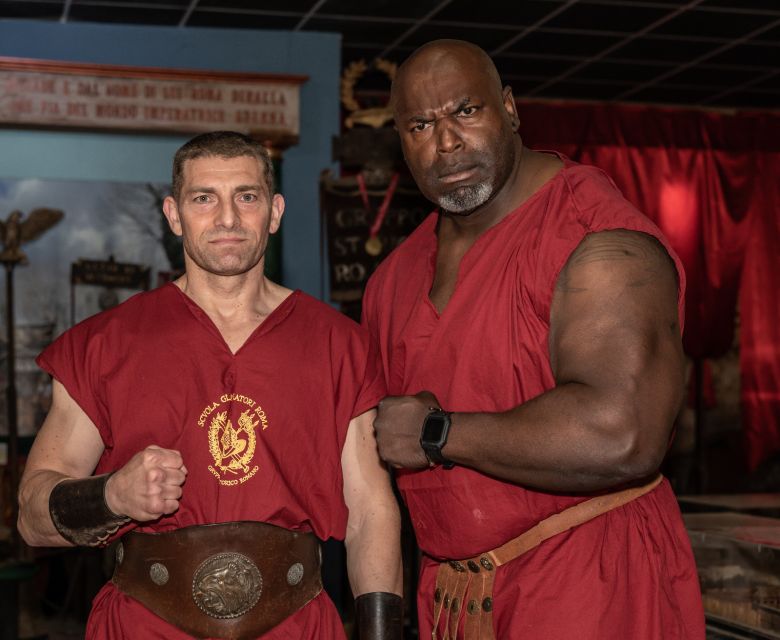
- Appian Way setting: you train on the ancient Via Appia Antica, which instantly makes it feel different from a standard studio class
- Hands-on swordplay: you practice basic gladiatorial sword techniques safely, with real coaching
- Mini museum + artifacts: you get a guided look at Roman gladiator items before you start training
- Gladiator-life storytelling: you hear how fighters lived and what shaped their world
- Final arena battle: the class ends with a practice fight that makes everyone cheer
- Certificate and drinks: a satisfying wrap-up with a keepsake and refreshments included
Arriving at the Gladiator School on the Appian Way
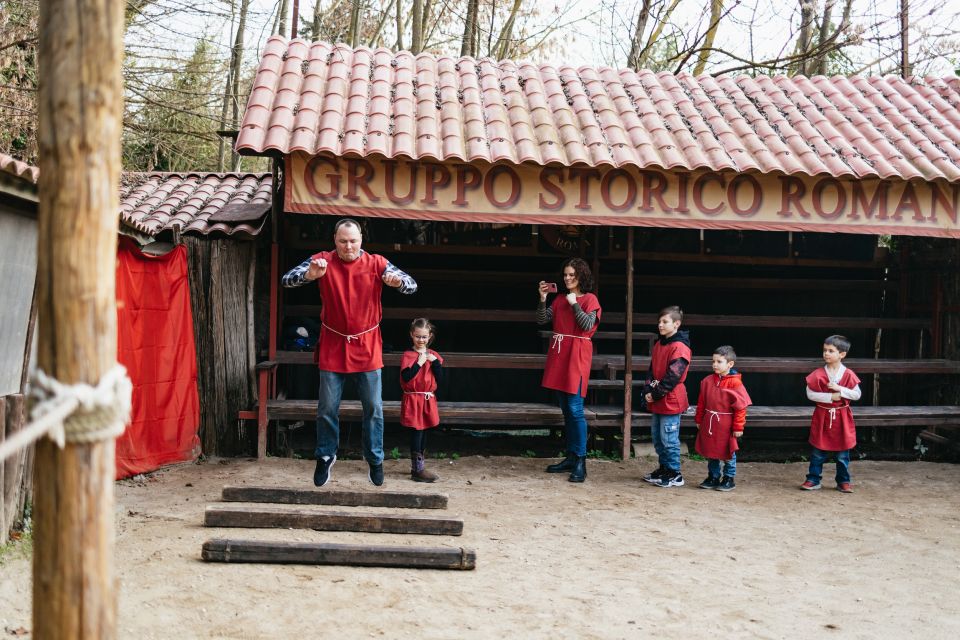
Your morning (or afternoon) starts at the Gladiator School of Rome on the Appian Way. The big win here is location. The Via Appia Antica is one of those places where you can feel the age of the road under your feet. Even before you put on anything gladiator-shaped, the setting sets the tone: you’re training in a Roman-style environment, not just doing a theme-park activity.
Getting there is straightforward. If you’re using public transport, the nearest bus stop is Appia Antica-Travicella (lines 118 or 218). And the activity finishes back at the meeting point, so you’re not stuck planning a complicated route after you’re done.
What I like for planning purposes: this is a tight 2-hour commitment. That makes it easy to fit into a sightseeing day without losing half your itinerary. It also helps if you’re traveling with kids, because it’s long enough to feel like a full experience, but short enough that you’re not bargaining for patience.
You can also read our reviews of more tours and experiences in Rome



Museum Stop: Roman Gear That Makes the Training Click
Before anyone hands you a weapon, you do a museum visit. Expect something compact and focused, with Roman and gladiator-related objects you can actually look at up close. This part matters because it gives context. When you later practice with the equipment and learn the basic techniques, you’re not guessing what you’re looking at. You understand how the pieces fit into gladiator life and fighting style.
A smart approach here is to treat the museum as your warm-up, mentally. Don’t just walk through it. Pay attention to the explanation of Roman weapons and the role of gladiators in the imperial city. That background turns the training into something more than play-acting. It becomes problem-solving: what works, what you’re learning, and why it matters.
There’s also a learning rhythm that keeps the class from dragging. The history and object talk doesn’t sit alone. It supports what comes next, so even adults who aren’t into costumes usually find this step useful.
Tunic On: Safety-First Swordplay That Still Feels Real
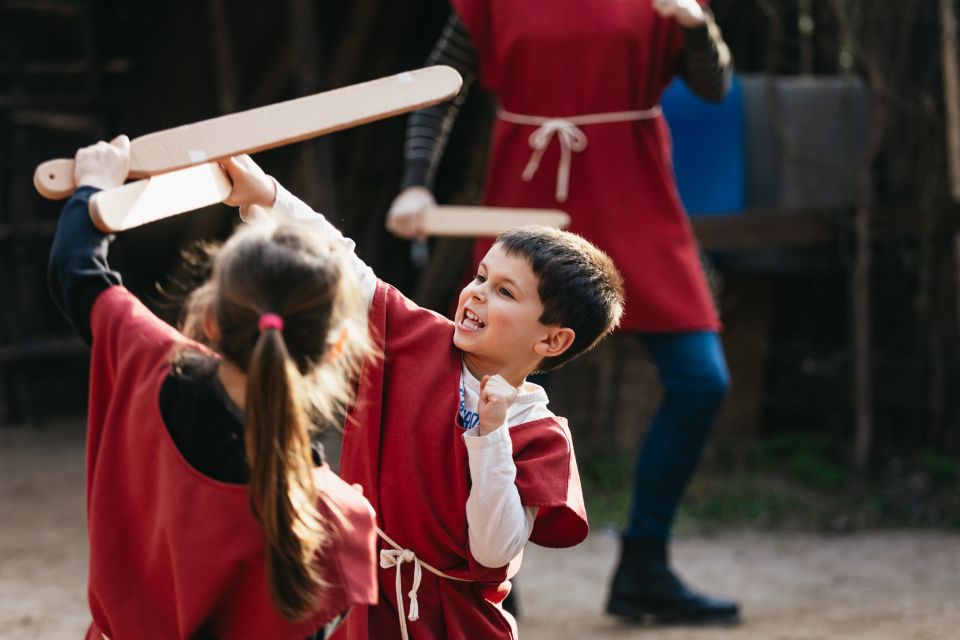
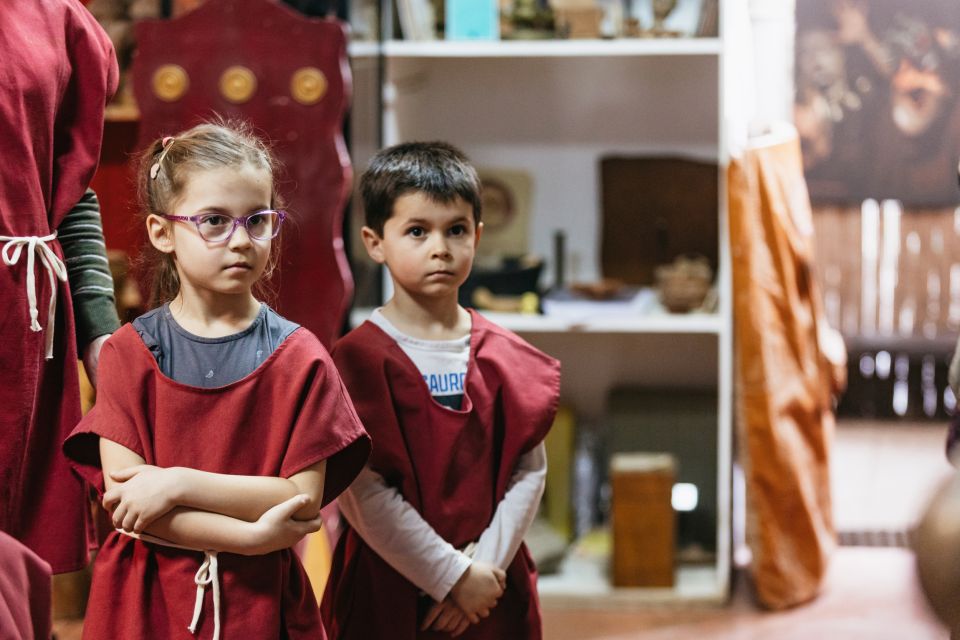
Then it’s time to dress the part and start training. You’ll wear a gladiator tunic and move into a coach-led sword-fighting session designed for safe, supervised practice. The key phrase here is safe—but the experience doesn’t feel watered down. You’re actively doing the skills, not just watching someone demonstrate from a distance.
This is where many families are pleasantly surprised. If you’re worried it’ll be mostly rules and speeches, you’ll likely find that it’s the opposite. The best moments are the coach corrections and technique drills, followed by getting back into position and trying again. That back-and-forth keeps energy high and helps kids (and adults) feel like they’re progressing.
One small practical tip: wear closed-toe shoes and dress for the weather. Since this is in Rome and outside for part of the program, you’ll want to be comfortable enough to move. On warm days, the school includes drinks, and you’ll feel the benefit of staying hydrated while you practice.
Learning Roman Fighting Technique Without the Hollywood Myths
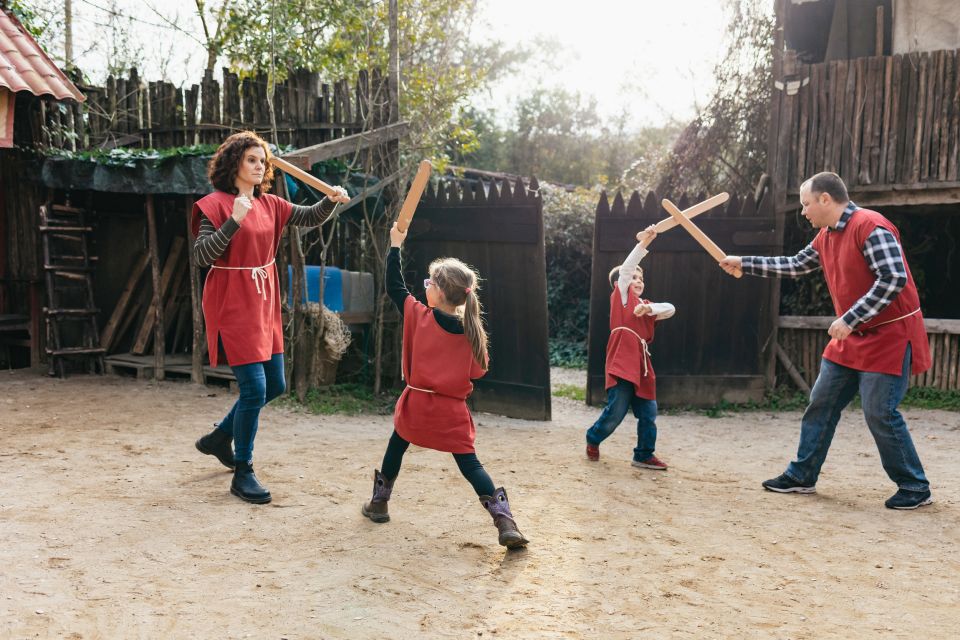
The core of the 2-hour class is basic techniques of gladiatorial sword fighting, taught step by step. You’ll get top tips on how to handle Roman weapons and how to practice the movements safely. The goal isn’t to turn you into a professional fighter by the end of the session. It’s to give you the fundamentals and the confidence to understand what gladiators did and how their style worked.
What makes this valuable in the Rome context: gladiators weren’t just entertainment. They were part of a larger Roman system involving training, status, discipline, and spectacle. When you learn the basics of swordplay alongside that context, you start seeing connections you might miss if you only visit monuments.
If you’re traveling with teens or adults, this is also a nice alternative to yet another museum room. You get movement and feedback. Even if you’re not naturally coordinated, the coach style helps you keep going and not freeze up. And once you’ve practiced the fundamentals, the later arena battle makes sense instead of feeling random.
Gladiator-Life Stories: What You Hear Between Moves
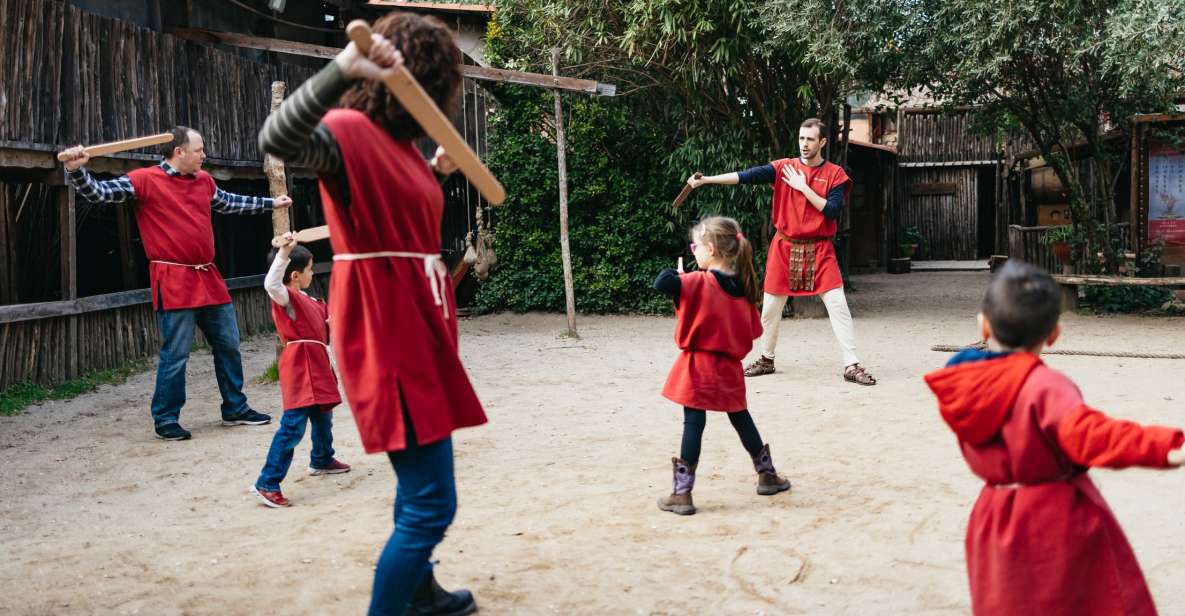
This class doesn’t treat history as background noise. It includes explanations about life as a gladiator in Ancient Rome and ties it back to what you’re doing physically. You’ll also hear about life in the imperial city—how spectacle, training, and social expectations all shaped the gladiator world.
Here’s why I think this works so well: it answers the question most people have in Rome. Yes, the Colosseum is huge and iconic. But what was daily life like for the people inside that system? This course gives you a human-scale picture. You leave with more than a costume photo; you leave with a clearer mental model of the world that produced the arena spectacle.
You may meet instructors who bring the topic to life with energy and humor. Names I’ve seen associated with the program include Cena, Mirko, Marko, Patriccio, and Olympus. The common thread is engagement. They don’t talk at you for two hours, and they do a good job keeping different ages interested.




The Final Arena Battle and the Certificate Keepsake
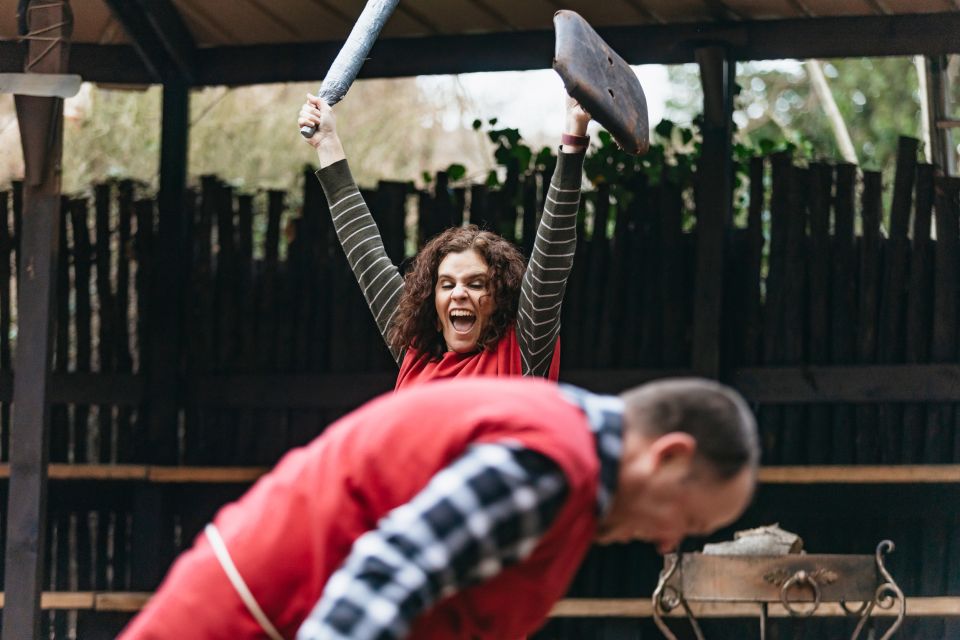
The best part, for most people, is the ending: a final arena-style battle using safe practice gear (often with foam swords). After you’ve learned and practiced techniques, you get to apply them in a structured, friendly showdown. It’s the moment where the whole class clicks, because you finally see what the training was building toward.
This also explains why the experience tends to land well for mixed groups. Some people are there for history, some for action, and some for the chance to do something silly-but-satisfying as a family. The final battle gives every person a role. Adults who think they’ll just watch often end up participating too.
Then you wrap up with a certificate and included drinks. It’s a small detail, but it gives the experience closure. It turns the class from something you did into something you can remember.
Price and Value: Is $135.94 Worth It?

At $135.94 per person for a 2-hour class, you’re paying more than a typical museum ticket. So the real question isn’t whether it’s expensive. It’s whether you’re getting enough value for that money.
In my view, you do get real value here because you get four things in one package:
- A guided museum visit
- Gladiator training with instructor coaching
- A final practice battle
- Drinks plus a certificate
Also, the format matters. You’re not just paying for access to a space. You’re paying for supervision, safety, and instruction—especially the kind that works for kids and adults together.
Could it be less worth it for you? If you want pure Roman ruins and architectural detail only, this won’t replace the big monuments. But if you want a high-energy, hands-on activity that adds variety to a Rome trip, the price can feel justified fast—especially when you see how much everyone engages for the full 2 hours.
Who This Gladiator School Suits Best (and Who It Might Not)

This activity is designed to be suitable for children and adults, and it shows. It works especially well if:
- You’ve already visited major sites like the Colosseum and want something more active
- You’re traveling with kids who need movement, not just talking
- You want a shared family activity with photos and a real ending moment
- You like the idea of learning basics of swordplay safely
It might be less satisfying if:
- You’re hoping for a long, quiet lecture or a deeply academic history session
- You dislike hands-on activities and would rather observe from a distance
- You can’t handle outdoor conditions (heat, bugs, long standing in summer)
Even then, there’s a silver lining: parents and/or companions do not have to pay for a ticket if they do not attend the course. That can make it easier to build the day around what different family members want.
Weather, Mosquitoes, and Heat on the Appian Way

Rome weather can be sneaky, and the Appia Antica area can feel very outdoors. One practical detail I’d take seriously: bring insect repellent. Mosquitoes show up, and it can make the museum-and-waiting moments less pleasant.
Also plan for heat on sunny days. The good news is that the experience includes drinks, and the training location tends to have shaded spots, which helps. Still, I’d treat it like any warm-weather activity: water, sun protection, and comfortable clothing go a long way.
Pairing It With Other Rome Stops
This course fits nicely into a Rome day because it’s short and high energy. If you’re doing a Colosseum-heavy itinerary, this gives you a different angle. Instead of just looking at stone and arches, you add action and human context.
It also pairs well with other walks around central Rome, because it ends back where you start. You won’t lose time trying to coordinate a complicated pickup.
If you’re building a family schedule, this is also a great “break from the crowds” option. You can channel the energy from kids into something constructive instead of pushing through another long line.
FAQ
What is the duration of the Rome Gladiator School experience?
The course lasts 2 hours.
Where does the experience meet?
You meet your instructor at the Gladiator School of Rome on the Appian Way.
Is there a specific bus stop nearby?
Yes. The nearest bus station is Appia Antica-Travicella (lines 118 or 218).
What’s included in the price?
It includes a museum visit, gladiator training, a certificate, and drinks.
What languages do the instructors speak?
The instructor is available in English and Italian.
Is the activity suitable for children?
Yes. It’s suitable for children and adults alike.
Can parents or companions avoid paying if they don’t attend the course?
Yes. Parents and/or companions do not have to pay for a ticket if they do not attend the course.
Is the experience wheelchair accessible?
Yes, it’s wheelchair accessible.
What if my plans change?
You can cancel up to 24 hours in advance for a full refund.
Can I book without paying right away?
Yes. You can reserve and pay later.
Should You Book Rome: 2-Hour Gladiator School?
Book it if you want a Rome experience that’s hands-on, energetic, and genuinely family-friendly. For many people, the combination of museum context, coached safe swordplay, and a final practice battle is exactly what turns Roman history into something you actually remember.
Skip it if you’re only interested in quiet, monument-only sightseeing or if outdoor conditions are a deal-breaker for your group. Otherwise, this is one of the more memorable ways to spend a couple hours on the Appia Antica—active fun with real learning built in.