REVIEW · ROME
Colosseum Arena Tour, Palatine Hill and Roman Forum
Book on GetYourGuide →Operated by P.M.K. Leisure S.R.L · Bookable on GetYourGuide
Rome’s most dramatic ruins start from the arena floor. This tour takes you inside the Colosseum and onto the sand of the arena, then continues up Palatine Hill and across the Roman Forum with a guide who connects the big names to everyday power struggles.
I especially love the walk-on-the-arena feeling. You go in through the same kind of entrance route associated with gladiators (the Gladiator’s Gate), and your guide turns the stadium into a place with scenes, not just stones.
One practical catch: there’s no real stopping for long breaks. If you don’t eat beforehand, you’ll want to bring snacks and plan for sustained walking through three major sites.
In This Review
- Key highlights to look for
- Entering the Colosseum from the Arch of Constantine
- Colosseum arena floor: the Gladiator’s Gate route
- What I’d do to make the most of the arena walk
- Palatine Hill: where Rome says it began
- Why Palatine works after the Colosseum
- The Roman Forum: the city’s decision-making center
- A practical pacing note at the Forum
- The guide experience: stories that connect power and punishment
- Price and value: what $50 really buys you
- Timing, tickets, and what to bring (so you’re not rushed)
- Food and water: the simplest way to avoid stress
- Who should book this Colosseum Arena Tour?
- Should you book this Colosseum + Palatine + Forum tour?
- FAQ
- Where is the meeting point?
- How long is the tour?
- Is the tour in English?
- Does the tour include access to the Colosseum arena?
- What’s included in the price?
- Is hotel pickup and drop-off included?
- Do I need to bring ID?
- Is there a ticket line to wait in?
- Is this tour suitable for wheelchair users?
- Can I get a refund if my plans change?
Key highlights to look for
- Arena floor access through the Gladiator’s Gate, guided start-to-finish inside the Colosseum
- Palatine Hill founding myths and imperial power, including the Hut of Romulus and Imperial Palace views
- Roman Forum at human scale, with stories tied to Julius Caesar, triumphs, and 69 AD
- Licensed local guide plus radio headset, so you don’t miss details while walking
- Small group format that keeps the pace friendly for photos and short pauses
- Real-world practical help on-site, including assistance during entry checks
Entering the Colosseum from the Arch of Constantine
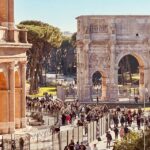
Your meeting point is the Arch of Constantine, easy to spot because it has three arches. It sits right next to the Colosseum on the Palatine side, and the stonework includes reused reliefs from older monuments—one small reminder that Rome built new things on top of old stories.
From the start, you’re not stuck staring at ticket counters. The tour is designed to get you moving, with skip-the-ticket-line access and on-site assistance. That matters here, because time inside the Colosseum feels precious once you’re actually in the flow of security checks and stairways.
This is also the moment to mentally switch from sightseeing mode to story mode. The Colosseum isn’t just an ancient venue; it’s a machine for spectacle, discipline, and political messaging.
You can also read our reviews of more tours and experiences in Rome.

Colosseum arena floor: the Gladiator’s Gate route
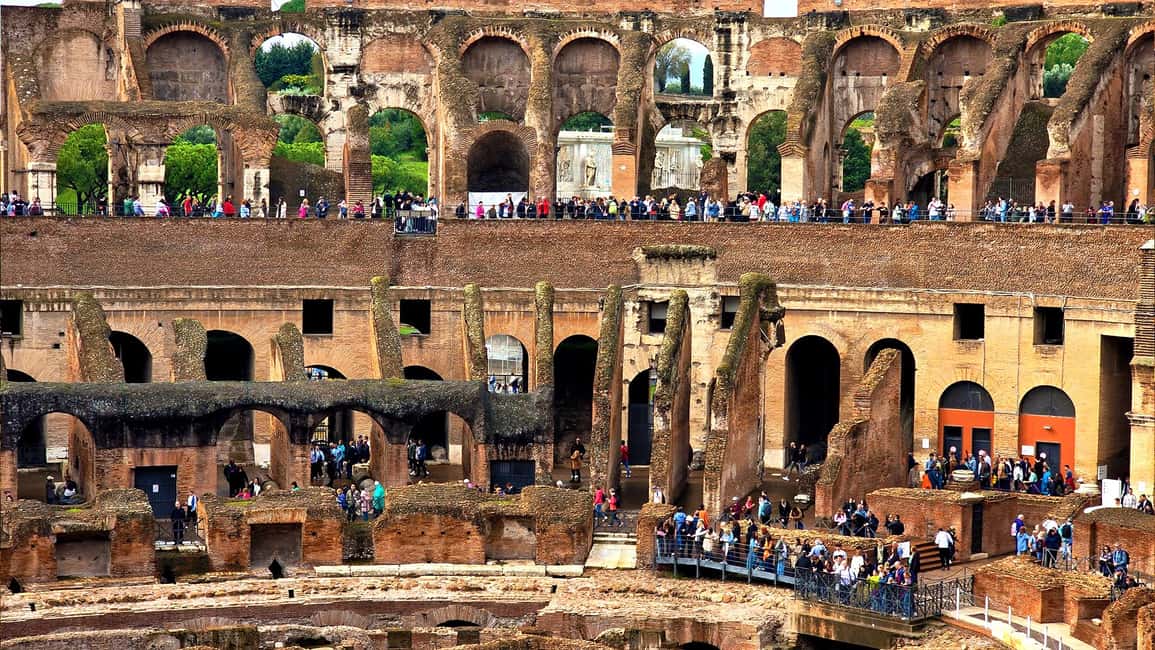
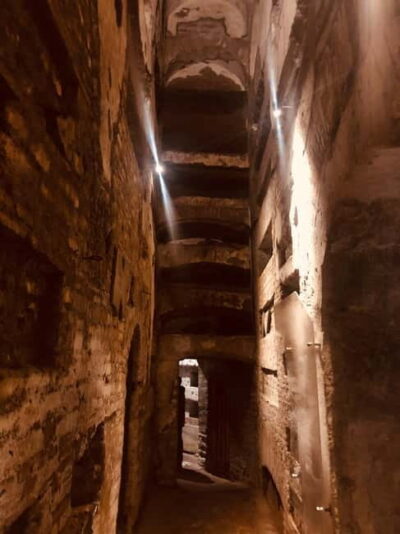
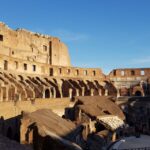
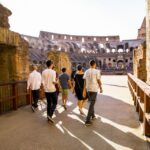
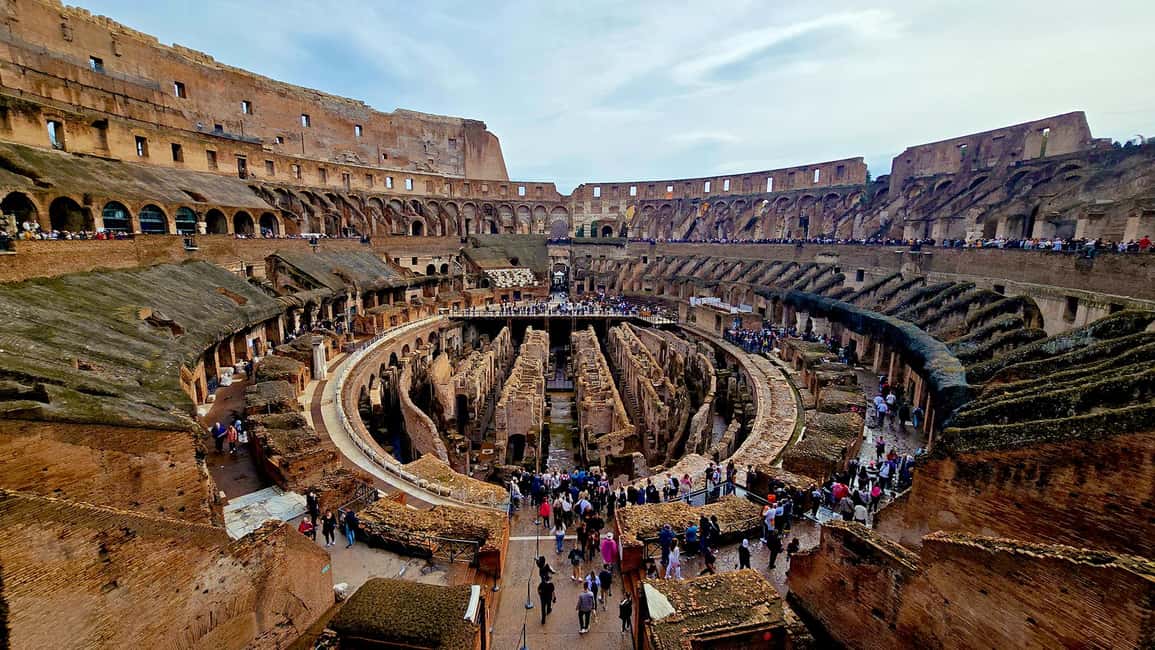
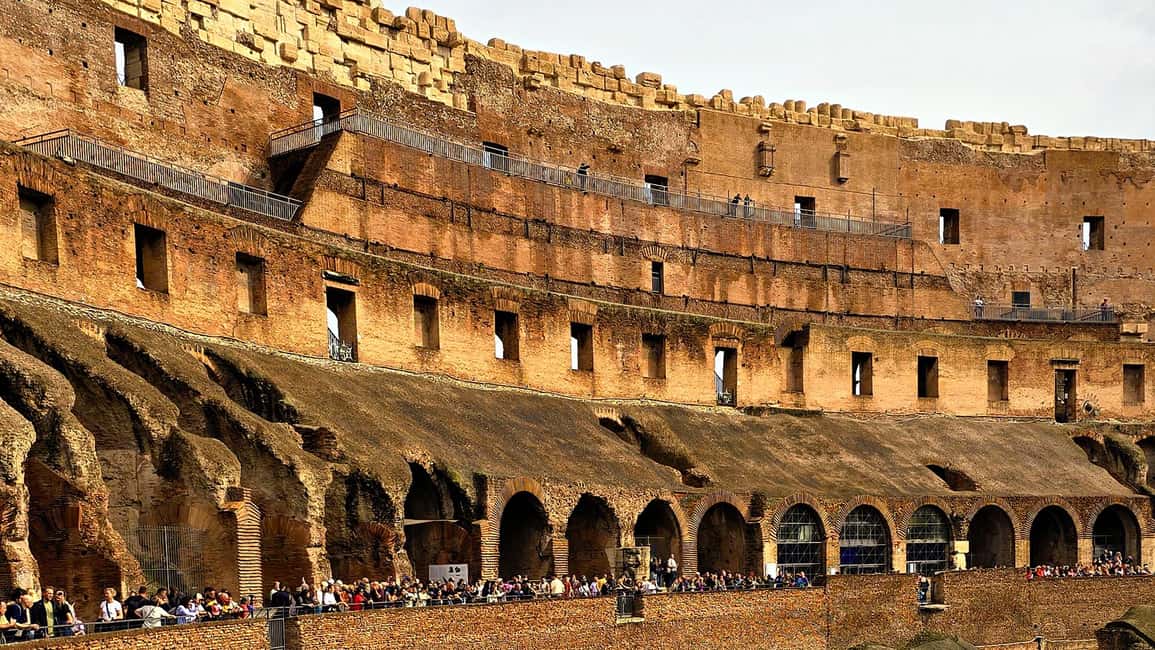
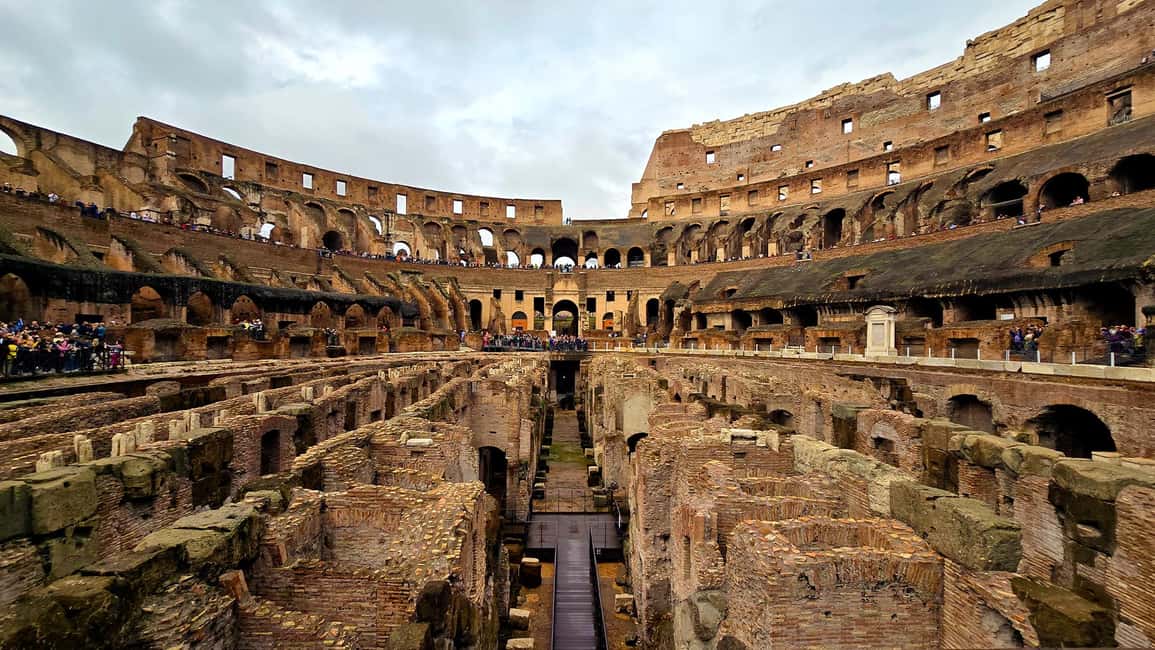
The heart of this experience is the Colosseum Arena Floor visit. You’re guided straight into the ancient amphitheater and then onto the arena floor area through the Gladiator’s Gate. Walking there changes how the building reads. From the stands, it looks like architecture. From the arena, it feels like a stage built for crowds, noise, and control.
Your guide walks you through what’s happening across the space: where people stood, why certain spaces mattered, and how the building functioned during Rome’s imperial height. That includes the emotional contrast that Rome does so well—moments of cruelty alongside ideas of discipline and even clemency.
This part usually takes around 1.5 hours, and that time is not wasted. You’re shown what to notice, not just told facts. You also get a guided structure that helps you make sense of the building’s scale, the way entrances channel movement, and how the arena connects to the larger complex.
What I’d do to make the most of the arena walk
Go in with a water plan. Since there’s limited opportunity to stop later, it helps to arrive ready. If you can, wear shoes you’re comfortable walking in for a few hours without a true break.
Also, don’t treat photos as a single burst. The best shots tend to happen when you’re standing where the guide pauses—so you’ll want to stay close enough to hear what’s being explained.
Palatine Hill: where Rome says it began
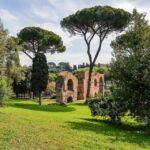
After the Colosseum, you move on foot to Palatine Hill, often described as Rome’s founding ground. This is more than a scenic overlook. Palatine is an archaeological patchwork with settlements stretching from the Iron Age to the 1500s.
The tour highlights key sites your guide uses to build the origin story of power. You’ll get views linked to legendary beginnings like the Hut of Romulus, plus a look at what remains and what can be inferred about the Imperial Palace area—where emperors worked through ruling, politicking, and yes, scheming.
If you like your history tied to locations you can actually stand in, Palatine delivers. You can see why emperors wanted to control the symbolic high ground as well as the administrative heart of the empire.
Why Palatine works after the Colosseum
The Colosseum shows you a city’s public face: entertainment, control, and propaganda. Palatine shifts the lens to the private engine behind it—how rulership was practiced, not just displayed. Put together, the two stops help you understand Rome as a system, not a museum.


The Roman Forum: the city’s decision-making center
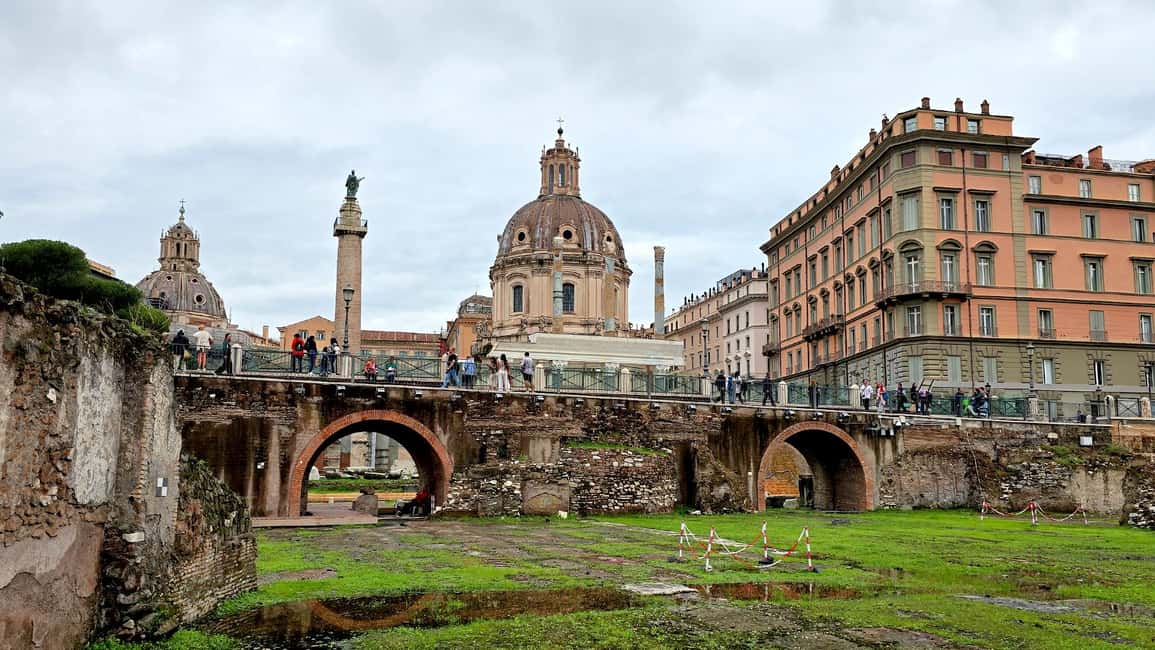
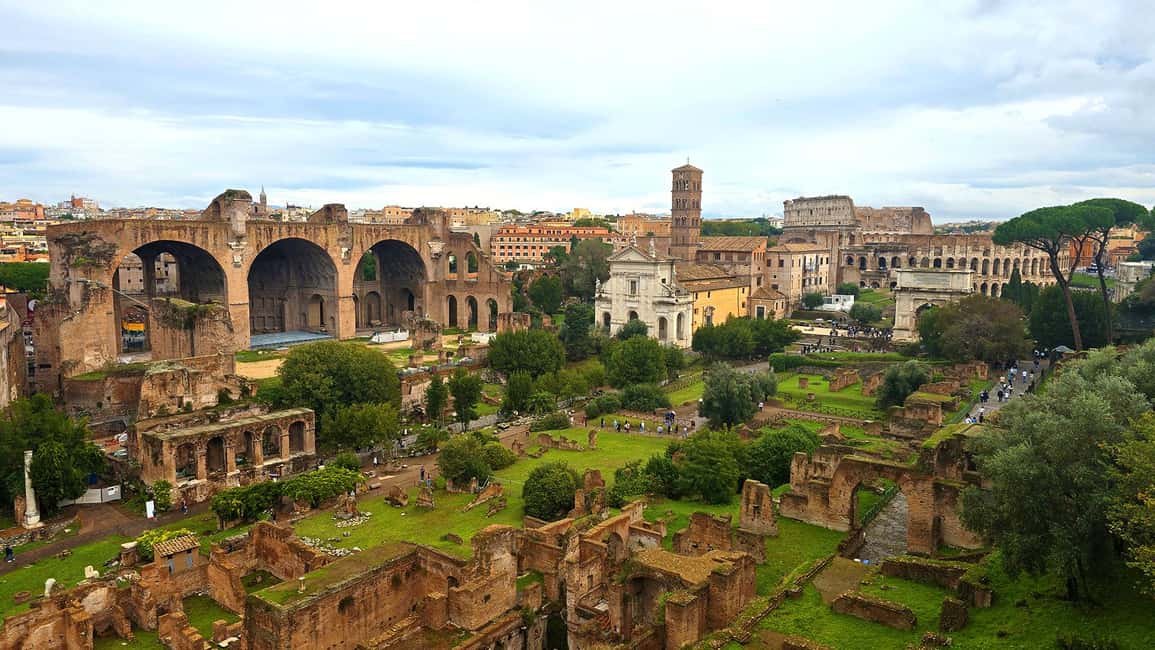
The last stop is the Roman Forum, often called the beating heart of ancient Rome. Here, you’re not just seeing temples and ruins; you’re walking through the layers of public life—markets, law courts, and political spaces.
This tour ties specific moments to the landscape. You’ll hear about events like the cremation of Julius Caesar, the marching energy of victorious Triumphs with the spoils of conquest, and the brutal political shock surrounding two disgraced emperors murdered in 69 AD.
There’s also a focus on rhetoric and influence. You’ll hear about Cicero’s speeches, and how those words shaped Western political culture for centuries. Even without a classroom tone, the Forum makes the idea of persuasion feel real—because you’re standing in the physical corridor where power tried to convince people.
A practical pacing note at the Forum
The Forum is easy to over-walk. Your guide will show the key points, but once the tour ends, you can continue at your own pace. That’s useful if you want to linger where the story makes you pause or if you like to read a bit more at specific monuments.
The guide experience: stories that connect power and punishment
The quality of this tour often comes down to the guide. The best versions I’ve seen of this experience are led by people with serious Rome credentials and a gift for turning facts into scenes.
One guide associated with this tour style is Paola from Whatsinitaly.com, known for being engaging and for adjusting the pacing to the group. Another guide type you may encounter has a background like a former archaeologist in Rome for 30 years, which shows up in the way details are explained—especially the why behind what you’re seeing.
This is where the tour’s promise about cruelty, discipline, and clemency matters. You’re not handed a list of dates. Instead, you get context for how Rome justified control—sometimes through spectacle, sometimes through laws and leadership, and sometimes through mercy when it served political stability.
And because you’ll use a radio guide, you’re less dependent on hearing distance. That helps a lot inside busy areas where sound bounces and crowds shift.
Price and value: what $50 really buys you
The price is listed at about $50 per person, and what you’re paying for is more than entry tickets. The tour includes entrance fees for the Colosseum, arena area, Palatine Hill, and the Roman Forum, plus a licensed local guide and a guided experience with a radio headset.
Value-wise, the standout is the combination. Many tours pick one big site. This one strings together the Colosseum’s spectacle, Palatine’s origin-and-power setting, and the Forum’s political stage into a single guided thread in roughly 3 hours.
You also get “how to look” help. If you’re the type who can read signs but wants the story placed in your head, this format tends to feel worth it. If you’re only interested in quick photos and don’t care about context, you might prefer a cheaper self-guided ticket route.
Timing, tickets, and what to bring (so you’re not rushed)
This experience runs about 3 hours total, and that’s realistic if you want to keep the pace enjoyable. Still, remember the practical rhythm: one major complex after another, with security checks and walking time between stops.
Bring a passport or ID card. Your ticket is nominative, which means the name on the reservation has to match your document. If you’re traveling with someone else and you’ve mixed up names on booking details, fix that before arrival.
Packing matters too. You should not bring luggage or large bags. Also, alcohol and drugs are not allowed. The site rules are strict because security is part of how these entrances operate.
Food and water: the simplest way to avoid stress
Food and drinks are not included. Based on the way the tour flows, you’ll want to eat beforehand or carry light snacks. Water refills can be available along the way, but don’t rely on a refill moment appearing exactly when you need it.
Who should book this Colosseum Arena Tour?
Book it if you want:
- Guided arena-floor access plus Palatine Hill and the Forum in one run
- Clear storytelling that connects power, punishment, and politics
- A small group setting with audio support (radio headset)
Skip it (or consider a different format) if you:
- Want a long, slow day with frequent breaks
- Dislike walking continuously across multiple major sites in a short window
- Need wheelchair accessibility, since it isn’t suitable for wheelchair users
Should you book this Colosseum + Palatine + Forum tour?
I think it’s a smart booking when you’re trying to get the most meaning out of Rome’s core monuments in limited time. The main reason is the sequencing: arena first (the spectacle), Palatine next (the origin and imperial setting), and the Forum last (the political engine). That order helps the city make sense fast.
If you’re comfortable with a guided schedule and you handle the food-water reality upfront, this tour can feel like seeing Rome with the lights on—especially because you’re not just looking; you’re walking through the spaces where the stories played out.
FAQ
Where is the meeting point?
You meet at the Arch of Constantine, which has three arches and is next to the Colosseum on the Palatine side.
How long is the tour?
The total duration is 3 hours.
Is the tour in English?
Yes, the live tour guide is English.
Does the tour include access to the Colosseum arena?
Yes. The experience includes guided access into the Colosseum and onto the arena floor through the Gladiator’s Gate.
What’s included in the price?
The price includes entrance fees for the Colosseum, arena, Palatine Hill, and Roman Forum, plus a licensed local guide, guided experience, and a radio guide. There is also on-site assistance. Food and drinks are not included.
Is hotel pickup and drop-off included?
No. Hotel pickup and drop-off are not included.
Do I need to bring ID?
Yes. You must bring a passport or ID card, and the ticket is nominative, so your name must match your document.
Is there a ticket line to wait in?
The tour offers skip the ticket line access.
Is this tour suitable for wheelchair users?
No. It is not suitable for wheelchair users.
Can I get a refund if my plans change?
Yes. There’s free cancellation up to 24 hours in advance for a full refund. The provider also notes that certain last-minute bookings within 5 days prior to the tour cannot be guaranteed.