REVIEW · ROME
Rome: Appian Way and Roman Countryside Electric Bike Tour
Book on GetYourGuide →Operated by Rome for You - RM - 1436156 · Bookable on GetYourGuide
Rome’s oldest road rides like a time machine. This Appian Way electric bike tour takes you out of the city and onto the Regina Viarum, with stops that connect Roman power, Christian history, and the countryside look that inspired 19th-century writers.
What I like most is the comfort of e-biking over cobblestones and hills, plus the way the guide turns ruins into a clear story, not just photo stops.
I also like that the route mixes big landmarks with quieter countryside stretches—so you get both the famous names (like the catacombs) and the calmer setting where Rome’s past feels close. One thing to consider: a couple of hiccups show up in the experience—an e-bike battery/support problem can happen, and in at least one case the tour didn’t stop inside the catacombs even though the description mentions them.
In This Review
- Key Things to Know Before You Go
- What This Appian Way E-Bike Tour Feels Like (And Why It’s Worth It)
- Entering the Regina Viarum: Rome’s First Highway in Plain Terms
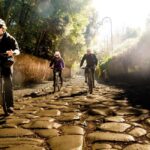
- E-Bike Reality Check: Hills, Cobblestones, and Your Comfort
- Stops That Matter: Ruins, Statues, Imperial Power, and Burial Space
- Roman ruins and monumental markers
- An imperial palace moment
- Saint Callixtus and Saint Sebastian catacombs
- Aqueducts Park: Two Roman Aqueducts You Can Still See Clearly
- Back Through Caffarella Park: Archaeology Plus a Working Countryside
- Guides and Pace: The Human Side of the Route
- Price and Value: Is $88 Good for This 4-Hour Ride?
- Logistics That Actually Save Your Time
- Who Should Book This (And Who Should Skip It)
- Should You Book This Appian Way Electric Bike Tour?
- FAQ
- How long is the Rome Appian Way and Roman Countryside electric bike tour?
- Where does the tour meet?
- What’s included with the tour price?
- Is food included?
- Which catacombs are mentioned on this tour?
- What do I need to bring?
- What languages are the live guides available in?
Key Things to Know Before You Go
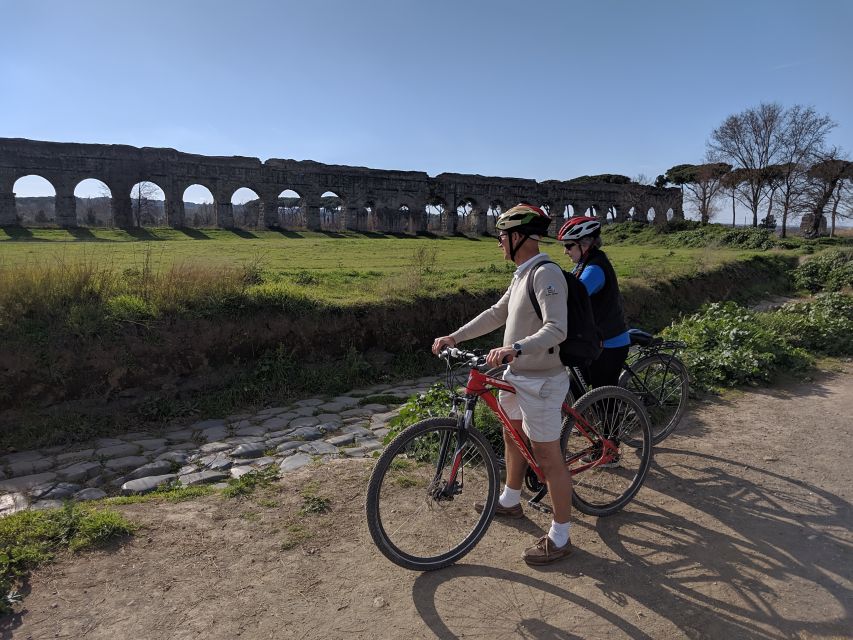
- Regina Viarum on ancient paving: you ride the first road built by the Romans, with much of the original surface still there
- Catacombs + mausoleums: Christian spaces and pagan tombs in the same overall route
- Aqueducts Park stop: one park that preserves two Roman aqueducts still in excellent condition
- Caffarella Park on the return: archaeological sites plus a working farm feel
- Guides make or break it: strong storytelling shows up in feedback, including guides like Emiliano and Libero
- Plan for a real ride: expect around 20 miles of cycling on an e-bike
What This Appian Way E-Bike Tour Feels Like (And Why It’s Worth It)
If you’ve only seen Rome from viewpoints and museum rooms, this tour gives you a different angle: history under your wheels. The Appian Way was built as a practical tool—military logistics first, then elite tomb building—and that “purpose-built” vibe still comes through when you ride its surviving stretches.
What makes it interesting is the mix. You don’t just pass one type of attraction. You move through a corridor where Rome’s political and military reach meets the religious world—first pagan monumental burial, later Christian burial in the catacombs. That contrast makes the route feel like a timeline you can physically travel.
The e-bike matters because it changes what you can enjoy. The roads here aren’t smooth. You’ll deal with cobblestones and some climbing, and on a regular bike that can turn “history walk” into “painful endurance.” On an e-bike, the ride stays fun long enough for the guide to do the real work: explaining why each place mattered.
You can also read our reviews of more cycling tours in Rome


Entering the Regina Viarum: Rome’s First Highway in Plain Terms
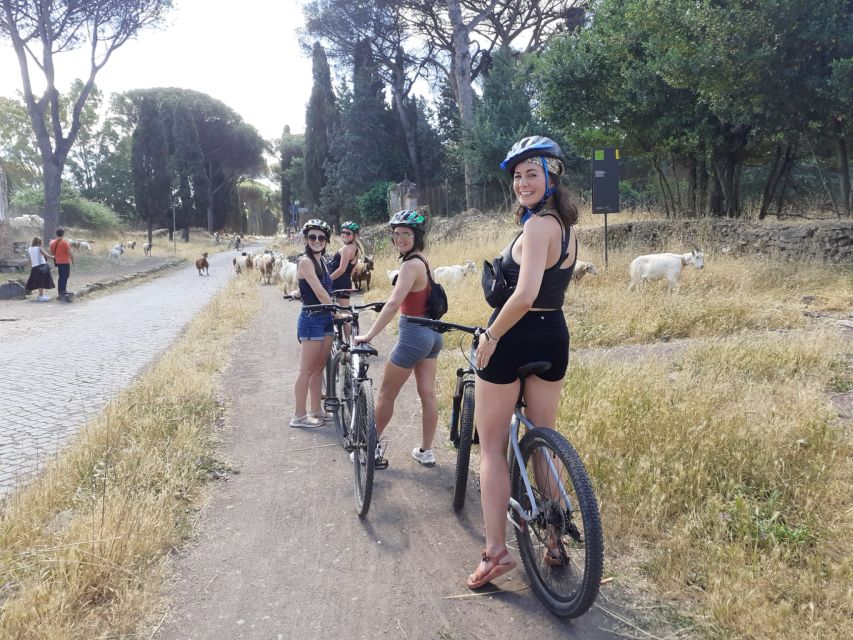
The core of the tour is the Appian Way, also known as the Regina Viarum, often described as the most famous “early highway” idea from Roman engineering. Constructed in the 4th century BC, it was built for moving supplies and people quickly—especially for military purposes. Over time, it became a prestigious address for influential families who wanted tombs and mausoleums along the road.
Here’s what to pay attention to as you ride: the road isn’t just a scenic track. It’s an infrastructure statement. A Roman road like this is about control—who can move, how fast, and where. When you later see burial sites clustered along the route, the spacing starts to make sense. The same road that helped armies travel also helped elite families mark their presence.
This is also where your guide’s role becomes important. With good guidance, you’ll understand what the route was conceived to do: connect political, military, and religious power along one long corridor of movement and meaning.
E-Bike Reality Check: Hills, Cobblestones, and Your Comfort
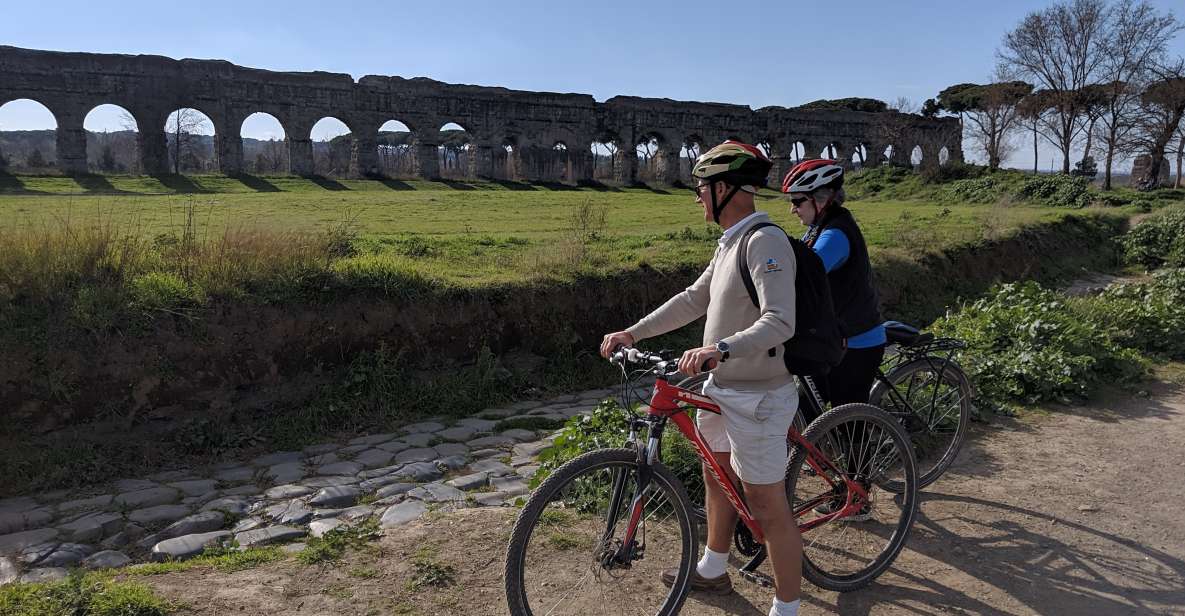
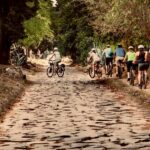
This tour is designed to be bikeable for most people who can ride, but it’s still outside the “flat city stroll” category. The return trips and countryside sections can involve some hills, and parts of the historic surfaces are uneven.
The practical win is that you’re on comfortable e-bikes with helmets provided. That said, don’t ignore comfort details. Based on what riders reported, it helps to wear athletic shoes and shorts you don’t mind getting a little dusty. One rider specifically noted that for this tour they wore shorts and tank tops comfortably, because you don’t hit strict dress-code situations during the stops listed.
What I’d also plan for: the battery system is technology, and technology can fail. One review described a bike assist issue midway. The tour may not be able to change everything on the spot, so I’d go in with flexibility and a calm, patient attitude—especially if you’re traveling with someone who hates surprises.
Stops That Matter: Ruins, Statues, Imperial Power, and Burial Space
The itinerary is built around a sequence of Roman and early Christian sites, and that sequence is the point. It’s one thing to see ruins. It’s another to see how the route ties them together.
Roman ruins and monumental markers
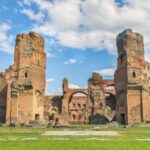
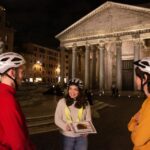
As you ride, expect stops for ancient ruins, statues, and the kind of monumental structures that made the Appian Way feel like an outdoor archive. The road served as a public corridor, so burial spaces were not hidden away. They were placed where movement happened.
You can also read our reviews of more tours and experiences in Rome

An imperial palace moment
The tour also includes an imperial palace stop. This matters because it shifts the story from “roads and tombs” into state-level power. You start seeing the Appian Way as part of a wider system—space controlled and shaped by rulers, not just by local families.
Saint Callixtus and Saint Sebastian catacombs
Christian burial is a centerpiece here, with Saint Callixtus and Saint Sebastian specifically mentioned. These are the kinds of sites where context matters. Without an explanation, you can end up with a pile of dates and names that doesn’t stick.
One thing to consider: at least one participant said they passed by without actually going inside the catacombs, even though the description highlighted them. That doesn’t mean it’s always like that, but it’s a good reason to ask your guide during the tour if the catacombs will be fully visited before you’re already moving on.
Aqueducts Park: Two Roman Aqueducts You Can Still See Clearly
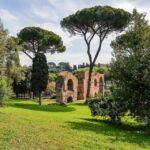
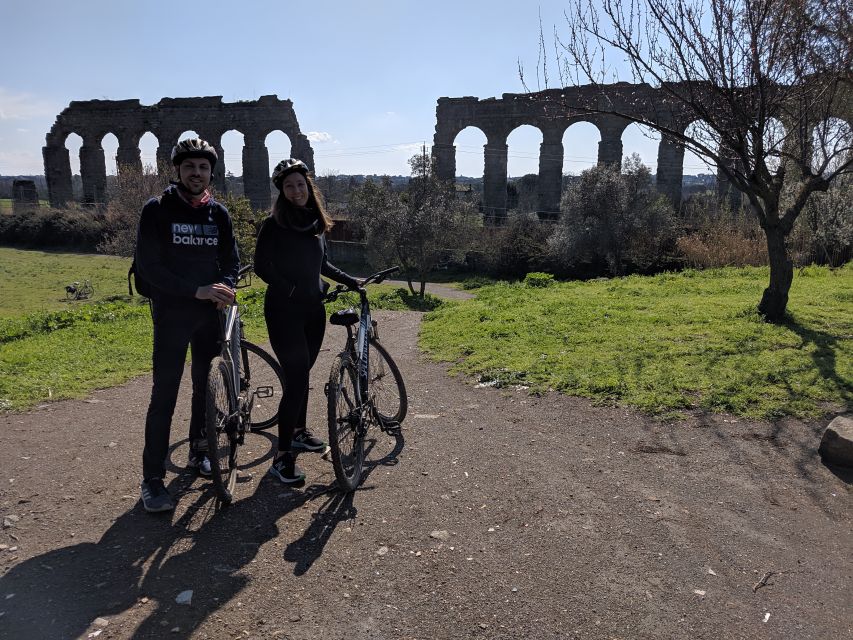
After the heavier history stops, you get a big relief: a countryside-feeling ride through Aqueducts Park, called out as the only park in the world that preserves two Roman aqueducts still in excellent condition.
This is more than a pretty photo break. Aqueducts were the “plumbing” behind Roman daily life—water delivery that supported cities, baths, fountains, and the prestige of having it all. By riding here, you’re seeing another side of Roman power: not just roads that moved armies, but systems that supported urban civilization.
If you love architecture details, look closely at how the aqueduct structures sit in the environment. Even from a bike, you get a sense of scale that’s hard to get from a quick bus ride. The guide can also connect this back to the region’s broader Roman infrastructure.
Back Through Caffarella Park: Archaeology Plus a Working Countryside
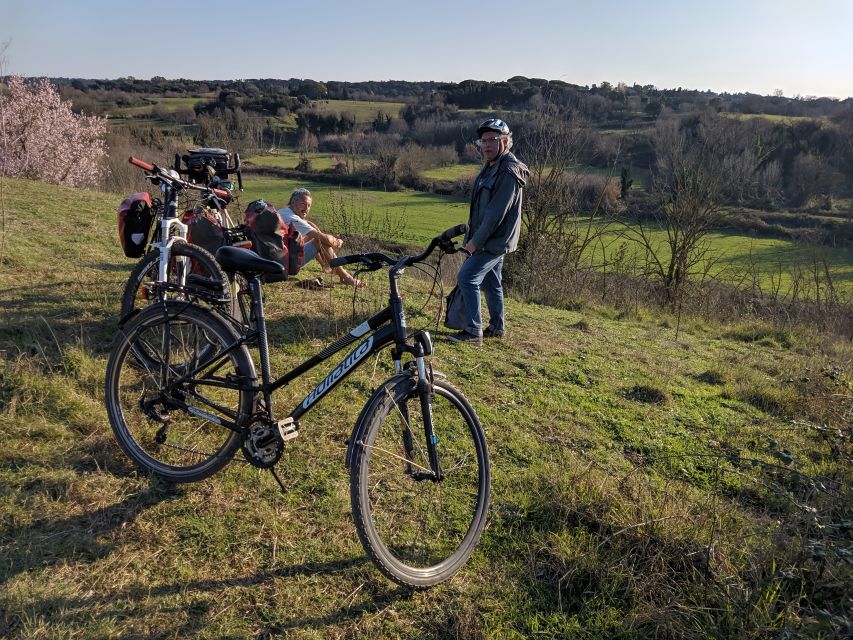
On the second half of the tour, you ride back through Caffarella Park. This stretch stands out because it’s not only about ruins. The area includes several archaeological sites and a working farm, and it’s described as having considerable ecological value.
What that does for you is give the tour a more honest ending. Rome isn’t just “ancient stuff in the city.” Around Rome, history sits inside live landscapes—farms, paths, and everyday local use. It’s a good counterweight to the feeling that everything ancient is fenced off and untouchable.
If you’re the type who likes seeing how people use space now, this part will feel satisfying. Even if you’re not a big nature person, it helps the whole tour land with a sense of place.
Guides and Pace: The Human Side of the Route
The difference between a good e-bike tour and a forgettable one is how the guide paces the group and how they narrate. The best feedback here repeatedly highlights guides who are welcoming and energetic, with plenty of warmth and humor.
There are also practical signs of a well-run tour:
- The guide helps with pace so the ride stays enjoyable.
- You get time for photos and chances to ask questions.
- Comfort and safety feel intentional, not rushed.
Two guide names show up in strong feedback: Emiliano and Libero. That suggests the operator can staff experienced, passionate people for this specific route. If you’re booking and you care about storytelling, this is where the value is built—not in “more sites,” but in clearer meaning.
Price and Value: Is $88 Good for This 4-Hour Ride?
At $88 per person for about 4 hours, you’re paying for three things at once: a live guide, e-bike transport out of central Rome, and the structured access to the Appian Way corridor.
It’s not just “bike rental.” The guide’s job is to connect road engineering, burial practices, and early Christianity into one route you can actually understand. If you’re the kind of traveler who would otherwise spend extra time reading interpretive boards or hiring separate guides for different sites, bundling it into one experience can feel like a bargain.
You do need to plan around what’s not included. Food and drinks aren’t included, and there’s no hotel pickup/drop-off. That means you should budget a snack strategy yourself—especially since you’ll likely cover around 20 miles of riding on an e-bike, which still counts as active time.
Included: e-bikes and helmets. Not included: food/drinks and transportation to/from your hotel.
Logistics That Actually Save Your Time
This tour starts at Via di S. Calisto, 9. Arrive about 15 minutes early so you’re not scrambling for helmets, bike setup, and your briefing.
Bring a passport or ID card (a copy is accepted). That’s one of those small things that can trip people up, so handle it before you leave for the meeting point.
Also note the basic rule: it’s not suitable if you can’t ride a bike. Even with electric assistance, balance and comfort on a bike are required.
Who Should Book This (And Who Should Skip It)
This is a great fit for you if:
- You want an Appian Way experience that’s active but not punishing
- You like guided history that connects places into a story
- You want Roman countryside scenery, not just city monuments
- You’ll appreciate a route that mixes ruins, burial sites, and infrastructure like aqueducts
It may not be the best choice if:
- You expect fully smooth roads like a park trail
- You get stressed by small equipment issues (like a bike battery/support glitch)
- You’re mainly looking for one famous indoor site, rather than a full corridor ride
Should You Book This Appian Way Electric Bike Tour?
Yes—if your goal is to see more of Rome’s ancient “outer life” than you’d get from a typical city-only itinerary. The combination of the Appian Way, catacomb history, aqueducts, and Caffarella Park gives you a well-rounded sense of how Rome worked beyond the Colosseum-and-Vatican loop.
Book it with two smart expectations: first, that the ride is real countryside cycling even on an e-bike. Second, that while catacombs are part of the plan, you should still confirm stop timing with your guide once you’re there. If you handle those points, you’ll end up with an experience that feels different—historic, outdoorsy, and guided in a way that makes the road’s purpose click.
FAQ
How long is the Rome Appian Way and Roman Countryside electric bike tour?
It lasts 4 hours.
Where does the tour meet?
The meeting point is Via di S. Calisto, 9.
What’s included with the tour price?
The tour includes e-bikes and helmets.
Is food included?
No. Food and drinks aren’t included.
Which catacombs are mentioned on this tour?
The tour description includes Saint Callixtus and Saint Sebastian catacombs.
What do I need to bring?
Bring a passport or ID card (a copy is accepted).
What languages are the live guides available in?
The tour offers live guiding in English, French, Italian, and Spanish.