REVIEW · ROME
Rome: E-Bike Tour of the Seven Hills
Book on GetYourGuide →Operated by Golf Cart and E-Bike Tour in Rome · Bookable on GetYourGuide
Seven hills and an e-bike is a smart combo in Rome. This guided electric bike tour pairs classic monuments with hilltop views, so you get the city’s big moments without burning your legs.
I especially liked the easy, confident feel of the bikes on climbs and the way the guide keeps the story moving from the Roman Empire era through Christianity and the Renaissance. One heads-up: this is not a slow, relaxed Sunday cruise, because you’ll spend time riding through busy traffic near top sights.
In This Review
- Key highlights to look for
- Why a Seven Hills e-bike tour makes sense in Rome
- Your 3-hour route: Via dell’Orso to Castel Sant’Angelo
- Piazza del Quirinale, Trevi Fountain, and the grand-square start
- Santissima Trinità dei Monti and Pincio: where the views start paying off
- Piazza Navona and Piazza della Rotonda: iconic squares with time to take it in
- Ancient Rome moments: Largo di Torre Argentina, Portico d’Ottavia, Campidoglio
- Circus Maximus to the Tiber: changing scenery and a sense of scale
- Trastevere pass-by and Castel Sant’Angelo photo stop
- The e-bikes: comfortable fat-bike assist and how the ride feels
- Traffic and pacing: the only real drawback to plan for
- Guides make the day: Sven and Andre’s storytelling style
- Price and value: what $81 buys you
- Who should book this, and who should skip it
- Should you book this Rome Seven Hills e-bike tour?
- FAQ
- How long is the Rome E-Bike Tour of the Seven Hills?
- Where do we meet for the tour?
- What sights are included on the route?
- How far will we ride?
- What’s included in the price?
- Are entrance fees included for monuments?
- What languages are the tour guides available in?
- Is the tour suitable for beginners or first-time e-bike riders?
- What should I bring?
- Who can’t participate?
Key highlights to look for
- Small group (up to 8): more time with the guide and less waiting around at stops.
- Seven hills with panoramic photo stops: expect frequent viewpoints, rooftops, and long city views.
- Guides who connect eras: Sven and Andre (plus other English/French/Italian/Norwegian options) explain how Rome changes over time.
- Electric fat bikes for real first-timers: the ride feels approachable even if you’ve never biked with assist before.
- Roughly 15 km including uphill climbs: plan on movement and basic stamina for a 3-hour loop.
- Helmet + insurance included: built-in safety helps you focus on the sights.
Why a Seven Hills e-bike tour makes sense in Rome
Rome is famous for two things that don’t always play well together: intense sightseeing density and steep hills. This 3-hour e-bike format is a practical answer. You cover a lot of ground, hit major landmarks, and still save your energy for enjoying what you actually see.
The best part is the mix of ride + story. As you roll between plazas and viewpoints, the guide ties the stops to major chapters: the Roman Empire, the birth of Christianity, then the Renaissance and Baroque era down to modern Rome. That turns a list of sights into a route with meaning.
My other favorite angle is the viewpoint rhythm. Instead of treating hills as a nuisance, the tour treats them like the point. You’ll climb up to spots where you can see domes, rooftops, and the city spread out beyond the street level.
You can also read our reviews of more cycling tours in Rome


Your 3-hour route: Via dell’Orso to Castel Sant’Angelo
The tour begins at Via dell’Orso, 21. From there, the schedule is built like a loop: photo stops, short walk time at a few key places, and plenty of time riding between areas. The itinerary also sets you up for views at different elevations, so you’re not waiting all 3 hours just for one moment.
Here’s how the flow usually feels, in rider terms:
- You start central, then work your way through big squares and classic tourist icons.
- You move into the hillier stretches where the e-bike assist really earns its keep.
- You finish with more riverside and evening-light friendly areas before returning to the shop.
That structure matters. In Rome, timing can make or break your day. When the route is planned to keep you near major sights but still spaced for views, the ride feels like progress instead of a stop-and-go crawl.
Piazza del Quirinale, Trevi Fountain, and the grand-square start
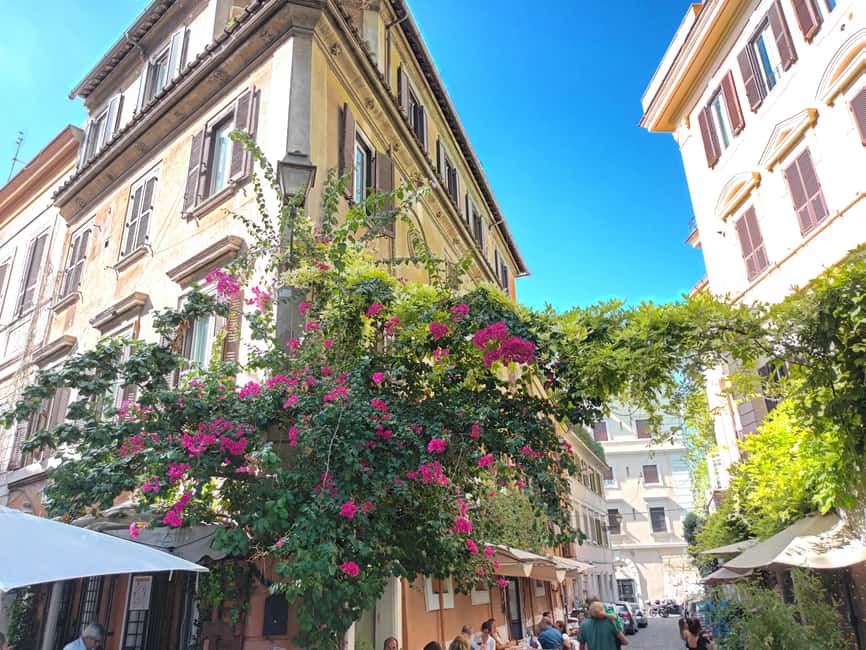
Early on, you’ll pass through and stop around Piazza del Quirinale, then head to Trevi Fountain for a photo stop and a visit. This is a strong way to start because the early sights are recognizable and easy to anchor in your mind.
From a rider’s perspective, those first segments also function like training wheels. The guide gets everyone comfortable on the bike, and you start to learn how the e-bike handles when you’re turning corners and moving off at light traffic rhythms.
A key detail: the tour mixes photo stops with short on-foot time. At Trevi, you’re not just snapping from the curb. You get a chance to actually experience the space before you head back onto the bike.
Santissima Trinità dei Monti and Pincio: where the views start paying off
Next, you’ll reach Santissima Trinità dei Monti for a photo stop and scenic ride segments. Then you roll toward Terrazza del Pincio, another photo stop built for wide views.
This section is where you feel the “Seven Hills” concept in your body. Even with assist, you’ll be riding uphill often enough that comfortable shoes matter. The good news is that the viewpoint payoff tends to be immediate: you climb, stop, take photos, and the city opens up.
Pincio-style terraces are especially good for orientation. Once you’ve seen the rooftops and domes from a higher point, your later moments in street-level Rome make more sense. It’s the difference between collecting photos and building a mental map.
Piazza Navona and Piazza della Rotonda: iconic squares with time to take it in
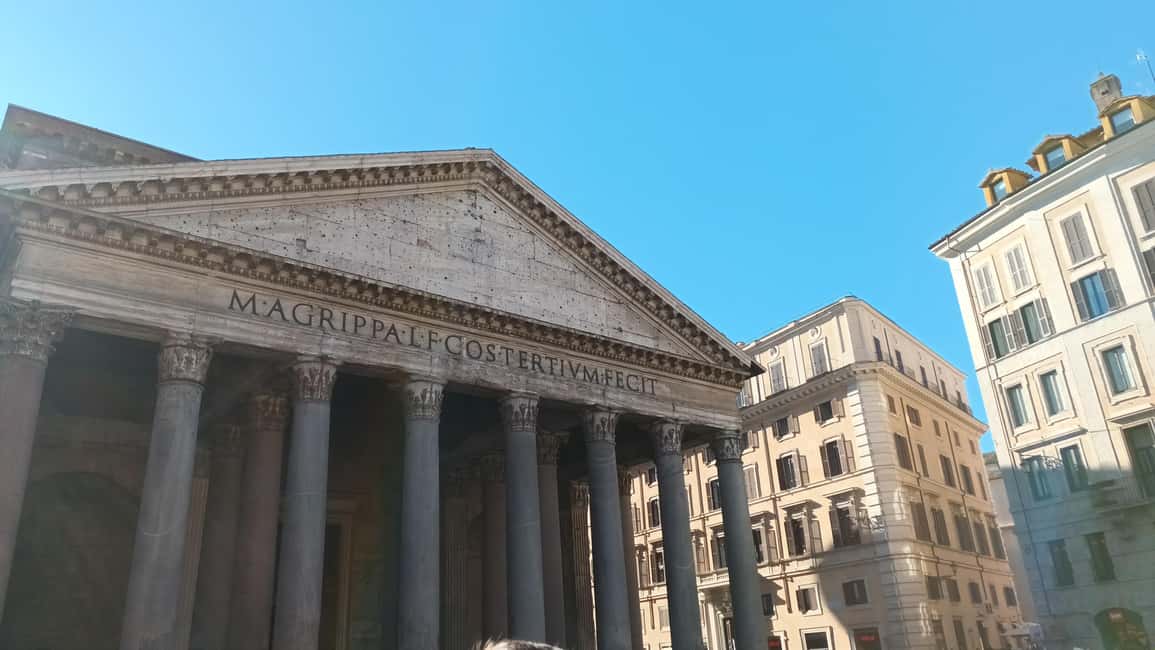
After Piazza del Popolo (mostly a pass-through), the tour moves to Piazza Navona for a photo stop and a visit. Piazza Navona is one of those places where the energy comes from how the square works at human scale.
Then you’ll stop at Piazza della Rotonda for a photo stop and electric-bike ride segments. Even if you’re not lingering for a long walk, stopping here helps break the route into chapters. You’re not stuck in just one neighborhood vibe.
This part of the tour is also where you should watch your pacing. Squares can be crowded, and you’ll be transitioning between biking and standing still. If you keep your breaks short and let the guide manage the group flow, the whole ride stays fun instead of exhausting.
You can also read our reviews of more tours and experiences in Rome

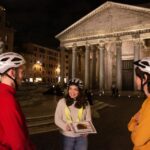
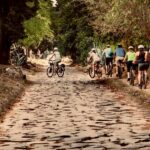
Ancient Rome moments: Largo di Torre Argentina, Portico d’Ottavia, Campidoglio
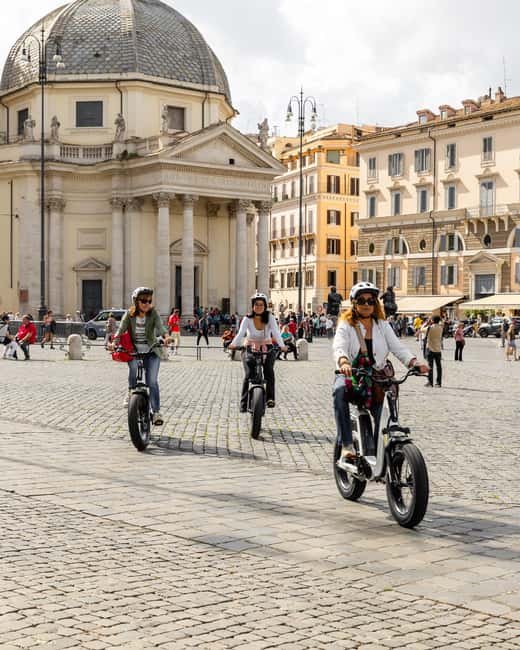
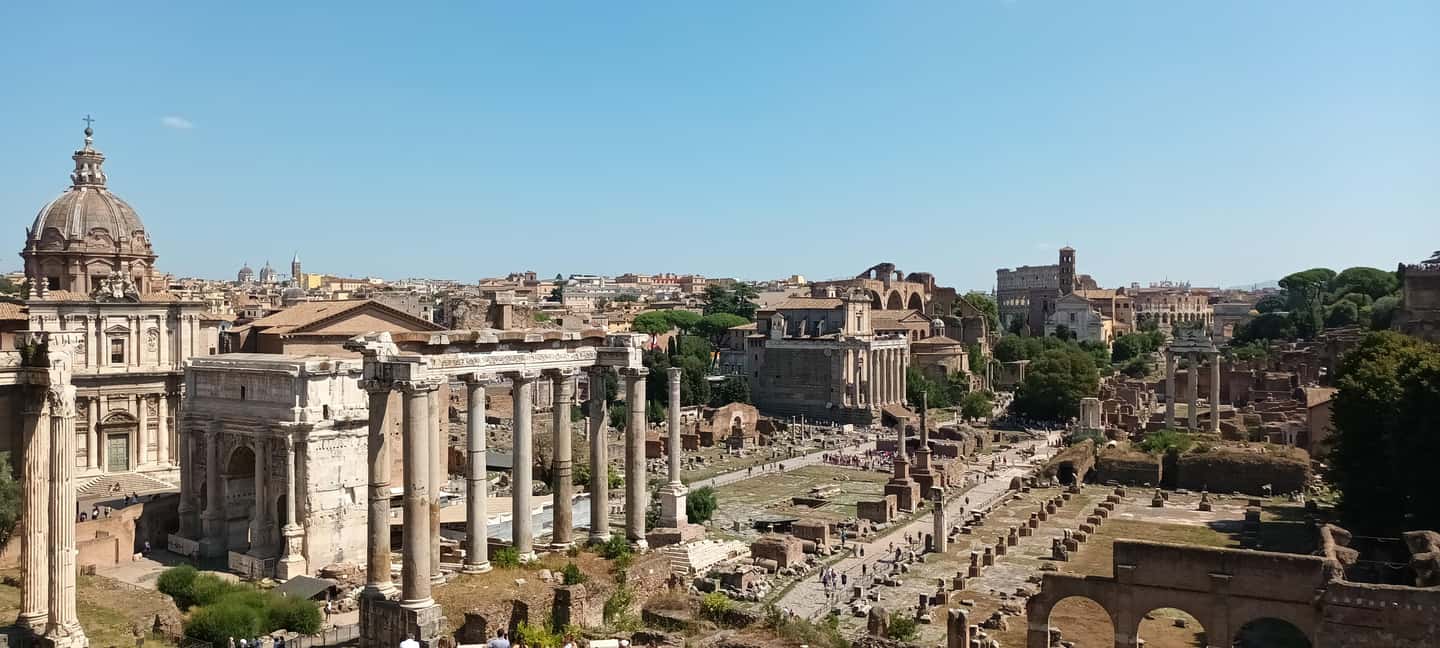
The itinerary then turns toward classic old-city layers with Largo di Torre Argentina (pass by), Portico d’Ottavia (photo stop and visit), and Piazza del Campidoglio for a photo stop and scenic ride segments.
This is where the guiding really helps you connect dots. The tour is designed to cover major epochs, and these areas support that storytelling. The Roman Empire thread is easier to grasp when you’re moving through the parts of the city that still feel ancient in layout and atmosphere.
Portico d’Ottavia is one of the stops that benefits from the bike-to-walk rhythm. You get a chance to step in and look around before you’re back on the saddle. It’s a small but important change because it gives your brain a moment to reset.
At Piazza del Campidoglio, you’re again positioned for views. Think of it as one of those “pause and breathe” moments during a busy sightseeing day.
Circus Maximus to the Tiber: changing scenery and a sense of scale
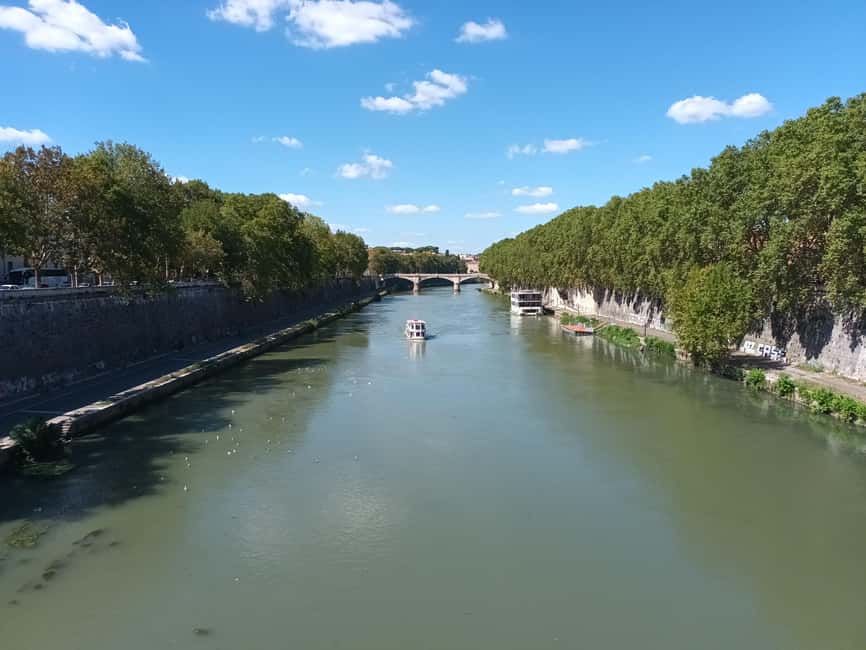
Next, you’ll pass Circus Maximus, then head toward Aventine Hill for a photo stop and scenic ride segments. After that comes Tiber Island, another photo stop and ride segment.
This section is a nice shift because it moves you from tight square-hopping into bigger-feeling city spaces. Even when you’re still in central Rome, the river and island moments tend to widen your sense of space.
Aventine Hill also reinforces the tour’s biggest promise: the hills aren’t just a hurdle. They’re viewpoints. With the e-bike assist, you can focus on the vista rather than grinding uphill for every photo.
Trastevere pass-by and Castel Sant’Angelo photo stop
The route continues with a Trastevere pass by, then finishes with Castel Sant’Angelo for a photo stop before returning to Via dell’Orso, 21.
Trastevere is a smart inclusion as a pass-by because it keeps the tour varied without turning it into an all-day wandering session. You get a taste of a different neighborhood feel and then you wrap up with a landmark stop that’s naturally good for photos.
Castel Sant’Angelo at the end is also useful for momentum. By then, you’re usually settled into the rhythm of riding and stopping. It’s the kind of finale that lets you collect your last big view, then head back with your legs feeling better than you’d expect after 15 km and hills.
The e-bikes: comfortable fat-bike assist and how the ride feels
The e-bike setup matters here. One review specifically mentioned electric fat bikes, which tend to feel stable and easier to handle than narrow-tire bikes, especially for first-timers. If you’ve never ridden an e-bike, that kind of stability can make the difference between nervous and confident.
You should still take the effort seriously. The tour covers about 15 km and includes uphill climbs. E-bikes help a lot, but you’re still riding for 3 hours. Comfortable shoes and basic fitness are part of the deal.
Also, you must be able to ride a bike. If you’re shaky on balance or braking, this is not the time to learn. The tour runs in all weather conditions, so wear layers and bring water.
If you’re thinking, I can do this but only barely, you’ll likely be fine if you pace yourself and let the guide set the flow. The small group size helps too.
Traffic and pacing: the only real drawback to plan for
One note you should take seriously: this tour is designed for major tourist zones, and those zones can mean traffic and stop-and-start movement. One rider pointed out that the hills are not just a scenic background; you’re actively navigating around busy areas near top sights.
That doesn’t make the guide wrong. It’s just how Rome works. But it does change expectations.
If you’re hoping for a calm, car-free ride where you can glide like a tourist postcard, you might feel less relaxed than you planned. If you instead like guided logistics and don’t mind moving through crowds with a plan, you’ll probably enjoy the ride much more.
Guides make the day: Sven and Andre’s storytelling style
The human factor is a big part of why the rating stays high. Names like Sven and Andre show up in the feedback, and the common thread is clear: the guide doesn’t just point at monuments, they connect them to how Rome evolved.
Sven in particular is described as friendly, taking time with the group, and explaining Rome from multiple time periods with a pace that works for first-time e-bike riders. Andre also gets credit for both the e-bikes and a good guiding approach.
Here’s the practical takeaway for you: during the story parts, listen even if you’ve heard a textbook version of Rome. The tour frames the history through locations you can actually see and feel, which sticks better than a memorized timeline.
Price and value: what $81 buys you
At $81 per person for 3 hours, the value comes from what’s included. You get an e-bike rental, helmet, live tour guide, and insurance. That’s a lot you’d otherwise have to organize yourself in Rome, where last-minute rentals and self-guided route confusion can get pricey.
What’s not included is also important: entrance fees to monuments. The itinerary includes visits at a few stops, but you should be ready to pay if any place requires a ticket on the day you go.
So is it worth it? For most people who want a structured highlights route and don’t want to rent a bike plus figure out where to go, yes. If you already know Rome well and you’re comfortable riding in busy areas, you might find a cheaper option. But if you want the hills, the viewpoints, and the “why this matters” context without planning, this price feels reasonable.
Who should book this, and who should skip it
This tour is a strong fit if you:
- Want to see a lot in a short time without extreme walking.
- Can ride a bike and are comfortable with some uphill effort.
- Like guided explanations that link sites to major eras.
- Prefer a small group atmosphere over crowds and large tours.
It’s not suitable if you:
- Are pregnant.
- Have mobility impairments.
- Need a tour that’s not bike-based.
- Have children under 12 years.
If you’re traveling with older teens who can ride and handle hills, the age limit is clear: under 12 can’t join. For everyone else, the bigger question is your bike comfort level, not your sightseeing appetite.
Should you book this Rome Seven Hills e-bike tour?
Book it if you want a practical Rome day where the hills become part of the fun, not your enemy. With a small group, a guide who connects the city’s timeline, and e-bikes that help you keep going, it’s a smart way to cover major landmarks and viewpoints in just 3 hours.
Skip it if you truly need a quiet ride with minimal traffic interaction. This route goes through some of the city’s busiest sightseeing zones, and the riding experience depends on that reality.
If you’re on the fence, here’s my simple decision tool: If you’re the type who wants direction, history context, and big views without overplanning, you’ll like this tour. If you prefer wandering solo at your own pace and you enjoy figuring logistics, you might do just as well with self-guided exploring.
FAQ
How long is the Rome E-Bike Tour of the Seven Hills?
The tour lasts 3 hours.
Where do we meet for the tour?
You meet at Via dell’Orso, 21.
What sights are included on the route?
The route includes stops and/or passes by landmarks such as Piazza del Quirinale, Trevi Fountain, Santissima Trinità dei Monti, Terrazza del Pincio, Piazza Navona, Piazza della Rotonda, Largo di Torre Argentina, Portico d’Ottavia, Piazza del Campidoglio, Circus Maximus, Aventine Hill, Tiber Island, Trastevere, and Castel Sant’Angelo.
How far will we ride?
The tour covers approximately 15 km, including uphill climbs.
What’s included in the price?
Included are e-bike rental, helmet, a live tour guide, and insurance.
Are entrance fees included for monuments?
No. Entrance fees to monuments are not included.
What languages are the tour guides available in?
The live tour guide is available in English, French, Italian, and Norwegian.
Is the tour suitable for beginners or first-time e-bike riders?
You must be able to ride a bike, but e-bike assistance makes it more manageable. The tour is described as having a basic level of fitness requirement.
What should I bring?
Bring comfortable shoes, a camera, sunscreen, and water.
Who can’t participate?
Children under 12 aren’t allowed, and the tour is not suitable for pregnant women or people with mobility impairments. It’s also for people who can ride a bike.