REVIEW · ROME
From Bones to Gods: Capuchin Crypt to Pantheon walking tour
Book on GetYourGuide →Operated by Rome - Tour · Bookable on GetYourGuide
Bones, saints, and the Pantheon in one walk. This Capuchin Crypt to Pantheon tour works because it links Rome’s extremes—macabre bone artistry to a temple-turned-church—while a local guide keeps the story moving. I especially love the way the guide turns the sites into a narrative (I’m still thinking about the Capuchin legends and the Pantheon’s pagan-to-Christian shift). I also love that your Pantheon entry ticket is included, so you’re not scrambling at the last minute. The only real drawback is the tight schedule: it’s a 2-hour loop, so you’ll be doing plenty of looking and listening, not lingering.
You start near Barberini / Piazza della Minerva (your exact meeting spot depends on the option you book), then you finish back around Piazza Barberini. One smart plus: the tour is built for small or private groups, and the guide languages cover a wide range from English and French to Arabic, Persian, and Russian.
In This Review
- Key highlights to look for before you book
- From Bones to Gods: how this 2-hour walk tells Rome’s story
- Start near Barberini or Piazza della Minerva: where you’ll meet
- Capuchin Crypt: the bones-and-art stop with strict rules
- Trevi Fountain in 30 minutes: coin toss plus a guided reset
- Pantheon in 30 minutes: from pagan temple to church and mausoleum
- Guide quality and languages: why this tour earns such high marks
- Pace, group size, and what 2 hours really means
- Price and value at $76: what you’re actually getting
- What to wear and bring: the practical stuff people forget
- Should you book this tour?
- FAQ
- How long is the Bones to Gods tour?
- What’s included in the $76 price?
- Where do I meet the guide?
- Is hotel pickup or drop-off included?
- What should I bring and wear?
- Are there restrictions on bags or luggage?
Key highlights to look for before you book
- Capuchin Crypt storytelling that explains what you’re seeing and why it matters
- No-picture crypt rules plus a guided, 45-minute visit that helps you focus
- Trevi Fountain coin toss timing during a short guided stop
- Pantheon entry included with guide-led context from 25–27 B.C.
- Real-world guide flexibility, including waiting when people arrive a few minutes late
- Multi-language guide support (many languages are offered)
From Bones to Gods: how this 2-hour walk tells Rome’s story
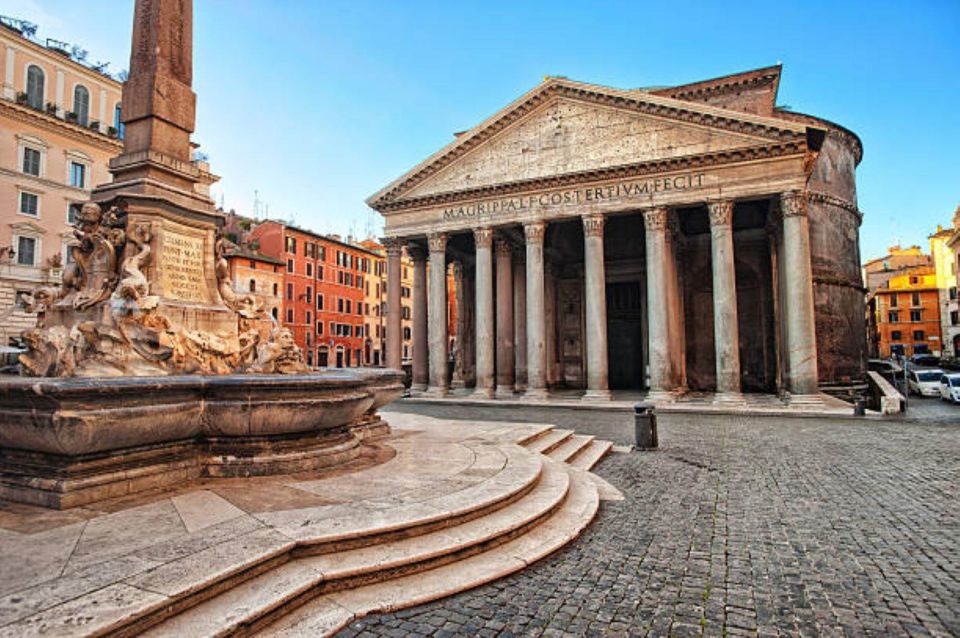
This tour is only two hours, but the route covers a lot of emotional ground. You begin in a place where bones and devotion share the same walls, then you walk back into daylight and classic Rome at the Trevi Fountain, and you end at one of the city’s most famous monuments: the Pantheon.
What makes this work is the way the guide connects the dots. The Capuchin Crypt isn’t just an oddity you pass through; it’s presented as part of Rome’s long habit of mixing art, belief, and symbolism. Then the Pantheon gives you the other side of the coin—literally, in the Trevi stop—because it began as a pagan temple and later became a church and mausoleum.
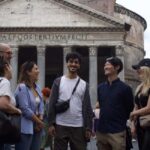
If you prefer tours that feel like a guided conversation rather than a rapid checklist, this one fits well. Many people specifically rate their guides highly for keeping them engaged and for making it easy to ask questions, even when the group is very small.
You can also read our reviews of more walking tours in Rome



Start near Barberini or Piazza della Minerva: where you’ll meet
You’ll choose a starting option at booking, and the meeting point can vary. The listed options include areas around Barberini and Piazza della Minerva (72), plus Piazza Barberini (21).
Why this matters: Rome routes can be confusing fast, and Capuchin Crypt timing is unforgiving. Your best move is to double-check the exact pin location or address for your selected starting option before you leave your hotel. Wear comfy shoes. You’re walking through central streets for the full length of the tour.
The good news is that finishing is straightforward: you end in Piazza Barberini. That’s a convenient location for continuing on your own right after the guided portion ends.
Capuchin Crypt: the bones-and-art stop with strict rules

Your first major stop is the Capuchin Crypt, with a guided visit lasting about 45 minutes. This is where the tour earns its name. Bones and artistry aren’t treated as shock value here; the guide frames the display with legends and context, so you understand what you’re looking at instead of just staring and wondering.
A practical heads-up from past participants: the crypt is not underground in the way some people expect. You also shouldn’t plan around photos, because pictures are not allowed in the crypt area. That means your “memory-making” will be more mental than camera-based, which actually helps. When you’re forced to look with your eyes, you notice details you’d otherwise miss.
Dress matters more here than in some other churches. The tour requires you to avoid things like sleeveless shirts and short skirts, so plan accordingly before you go. Comfortable shoes are non-negotiable because you’ll be on your feet for the walking portions too.
What I like about this start is the emotional jolt. It’s the kind of stop that makes the rest of the day’s history feel more real, not less.
Trevi Fountain in 30 minutes: coin toss plus a guided reset
After the Capuchin Crypt, you head toward the Trevi Fountain for a guided visit around 30 minutes. This stop is simpler than the crypt, but it’s still useful. The guide helps you notice what matters and keeps you moving in the right direction so you don’t lose time figuring things out.
The Trevi Fountain moment also gives you a reset. You’ve just been dealing with a very heavy theme. Here, you get bright stone, classic Rome, and the tradition of tossing a coin to return to the Eternal City.
Two tips to get more from this segment:
- Plan for a quick, focused look rather than a long photo session.
- If you’re more into stories than snapshots, you’ll enjoy it more because the guided context makes the fountain feel less like a postcard.
This is also where the pacing becomes clear: the tour is designed to fit three major draws (crypt, fountain, Pantheon) into a compact loop. If you want extra time anywhere, you’ll likely choose between the fountain and the Pantheon.
Pantheon in 30 minutes: from pagan temple to church and mausoleum
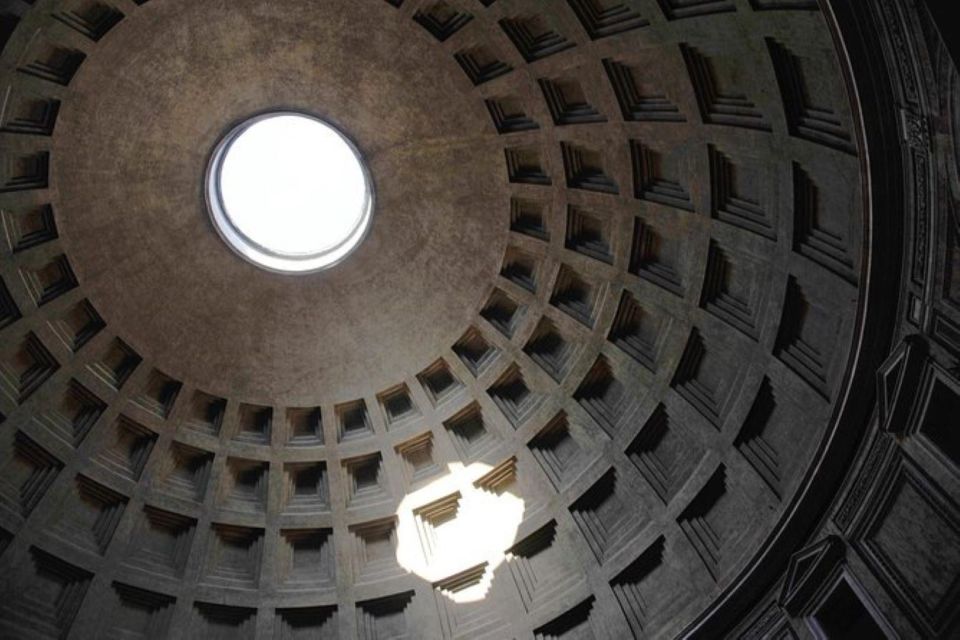
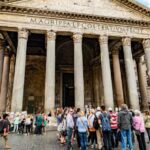
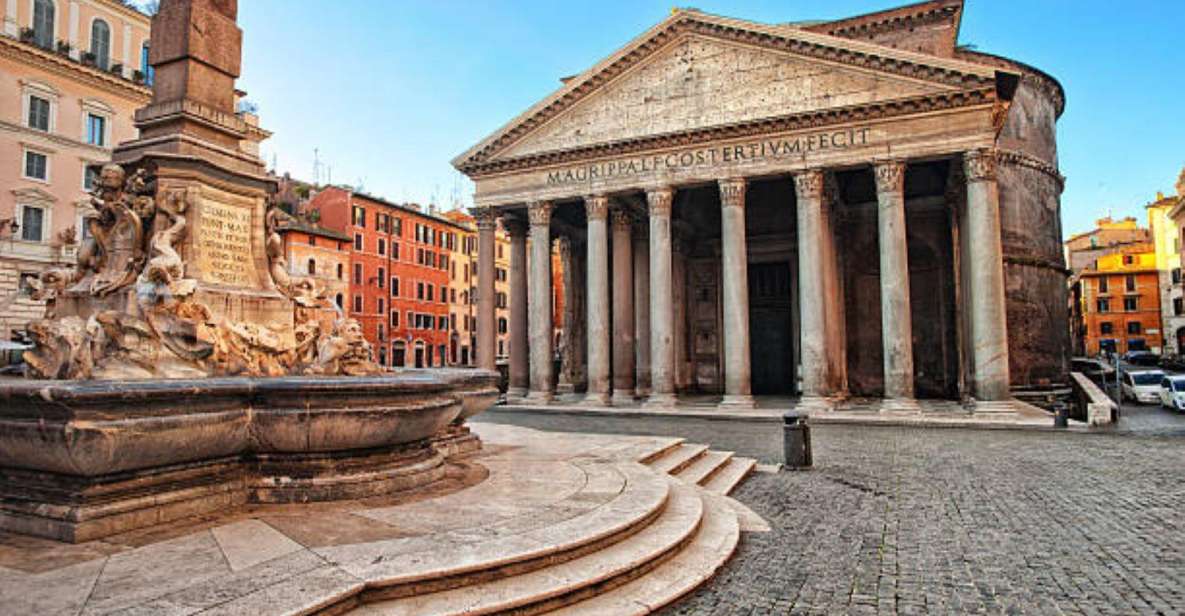
Your final highlight is the Pantheon, with a guided visit of about 30 minutes. The big context piece you should know upfront: this site dates to 25–27 B.C., and it began as a temple dedicated to the gods of pagan Rome before it became a church and mausoleum.
That transformation is the heart of the guide’s explanation. You’re not just looking at old architecture; you’re watching Rome change its mind about power, belief, and who gets honored. With a guide, that shift becomes understandable instead of vague.
Even better, your Pantheon entry ticket is included, so you’re booking less chaos into your day. This can be a real value win because the Pantheon is popular, and timed access is often the difference between a smooth visit and a stressful one.
Can you spend longer there on your own? Yes. But as the last stop on a two-hour tour, 30 minutes works best if you want to see it with an explanation first, then linger afterwards if you’re still hungry for details.



Guide quality and languages: why this tour earns such high marks
This tour stands or falls on the guide, and the scores reflect that. People highlight guides like Gabriela/Gabby, Clara, Joseph, and Alma for keeping the visit interesting and for explaining what they’re seeing in a way that sticks. A few comments also praised the guides for being especially good with families and for handling Q&A comfortably, even when the group is small.
You also get a wide range of languages: French, English, Spanish, Arabic, Italian, Persian, Portuguese, Russian, German. That matters more than it sounds. A historical tour feels different when you’re not piecing everything together in translation.
What to expect in practice:
- The guide leads you inside the Capuchin Crypt with a clear focus on what you’re looking at.
- You keep moving at a steady pace between stops.
- You get stories for both the “bone” side of Rome and the “gods to church” side at the Pantheon.
If you’re the type who wants a guide to help you interpret, this is a good fit.
Pace, group size, and what 2 hours really means
The duration is about 2 hours, and that’s a key part of the value. You’re doing three heavy hitters with tickets included: Capuchin Crypt, Trevi Fountain, and the Pantheon.
Because time is limited, you should mentally switch from tourist mode to student mode. You’re going to look, listen, and absorb. If you want to read every sign carefully on your own, you’ll need extra time after the tour.
Group style is another practical factor. This activity offers private or small groups, which usually means less crowd pressure and more room to ask questions. One past booking noted that when the group was just a single person, the guide stayed natural and allowed the visit to slow down without awkwardness.
Also, be realistic about city timing. In one reported case, people ran a few minutes late due to bus issues, and the guide waited so they could still make the time slot at the Capuchin Crypt and Museum. That’s not a guarantee you should build your day around, but it’s reassuring that the guides know delays happen and try to help within reason.
Price and value at $76: what you’re actually getting
At $76 per person for a 2-hour guided walk, you’re paying for three things bundled together:
- Expert local guide time
- Entry tickets to the Pantheon
- Entry tickets to the Capuchin Museum
When you price that out on your own, this format often makes sense because it covers both the guidance and the paid access. The walk also pulls in a major sight stop at Trevi Fountain, which keeps the day from feeling like it’s only about ticketed interiors.
And since hotel pickup/drop-off isn’t included, you’ll save a little money by handling getting to the meeting point yourself. Just plan to arrive on time. In central Rome, “almost on time” can turn into “running late very fast.”
What to wear and bring: the practical stuff people forget
Keep it simple:
- Bring comfortable shoes.
- Dress with the tour’s restrictions in mind: no luggage or large bags, and avoid short skirts and sleeveless shirts.
That dress code isn’t just etiquette. For religious sites and closely managed interiors, it can affect whether you can enter smoothly.
Also, think about what you carry. A large bag can become a hassle, so travel light. Since the tour includes ticketed sites, you don’t want to spend the morning searching for a place to stash stuff.
Should you book this tour?
Book it if you want a fast, guided route that explains Rome’s contradictions: devotion and bones at the start, a world-famous monument at the end, and a classic coin-toss moment in between. The included tickets and strong guide reputation make this one of those options where the structure helps you get more out of less time.
Skip it (or plan to add your own extra time) if you hate timelines. This is not a slow stroll. The pacing assumes you’re okay with moving from one meaningful stop to the next and leaving time for a deeper solo visit afterward.
If you’re in Rome for a short stay and you want your first look at the Capuchin Crypt and Pantheon to come with context, this is a smart booking.
FAQ
How long is the Bones to Gods tour?
The tour duration is 2 hours.
What’s included in the $76 price?
You get an expert local guide and entry tickets for both the Pantheon and the Capuchin Museum.
Where do I meet the guide?
The meeting point may vary depending on the starting option you book, with listed options around Barberini and Piazza della Minerva (72) or Piazza Barberini (21).
Is hotel pickup or drop-off included?
No. Hotel pickup and drop-off are not included.
What should I bring and wear?
Bring comfortable shoes. Avoid short skirts and sleeveless shirts.
Are there restrictions on bags or luggage?
Yes. Luggage or large bags are not allowed.