REVIEW · ROME
Rome: Colosseum, Roman Forum, and Palatine Hill Tour
Book on GetYourGuide →Operated by TVR di Stefano Donghi · Bookable on GetYourGuide
Gladiators and architects in the same 3 hours. You can tour the Colosseum with a licensed guide and headsets for clear stories, or switch to a self audio guide with multilingual narration and 44 points of interest. I like that you’re not just looking at ruins—you’re getting the why behind them, from bloody arena entertainment to the construction tricks that made this place possible. One thing to keep in mind: airport-style security can add a real wait, especially at busy times.
After the Colosseum portion, the tickets are valid for 24 hours, so you can continue to the Roman Forum and Palatine Hill without rushing like you’re being chased. I also like the structure of the visit: a focused stop at each site (about 75 minutes, then 45, then 45) means you get the big moments without losing half your day. The trade-off is that this is stairs-and-hills walking, so wear good shoes and expect a moderate workout.
In This Review
- Key points I’d center in your planning
- Two ways to see the Colosseum: guided tour vs self audio
- Timing reality: 2.5–3 hours, security checks, and how the order can shift
- Colosseum walkthrough: gladiator stories and the engineering you can spot
- Roman Forum: the nerve center of Rome’s power in human scale
- Palatine Hill viewpoints: where emperors lived above the city
- Price and value: why about $54 can work (or not)
- Who this tour suits best (and who should skip it)
- Should you book this Colosseum + Forum + Palatine Hill tour?
- FAQ
- How long is the Rome Colosseum, Roman Forum, and Palatine Hill tour?
- What’s included with the guided tour option?
- If I choose the self audio-guided tour, do I get a guide?
- Does the tour include tickets?
- Can I download the audio guide to my smartphone?
- How many points of interest are included in the audio guide?
- What languages are available?
- What should I bring?
- Is wheelchair access available?
- Will I have to go through security lines?
Key points I’d center in your planning
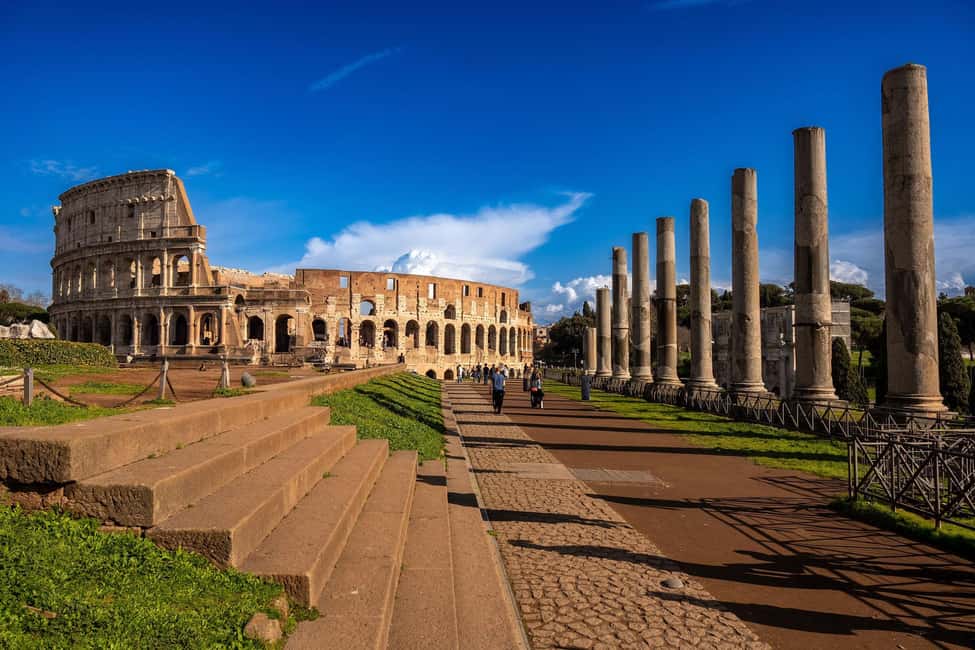
- Two options for the same route: guided tour with headsets or self audio at your own pace
- 44-point self audio plan in multiple languages to guide your eyes across the sites
- Tickets with 24-hour validity that let you keep moving to the Forum and Palatine Hill after the Colosseum stop
- A tight trio of sights (Colosseum, Roman Forum, Palatine Hill) designed for limited time
- Security checks before entry with possible 20–30 minute waits in high season
- Licensed English-speaking guidance available for the guided version, with multiple other live languages too
Two ways to see the Colosseum: guided tour vs self audio
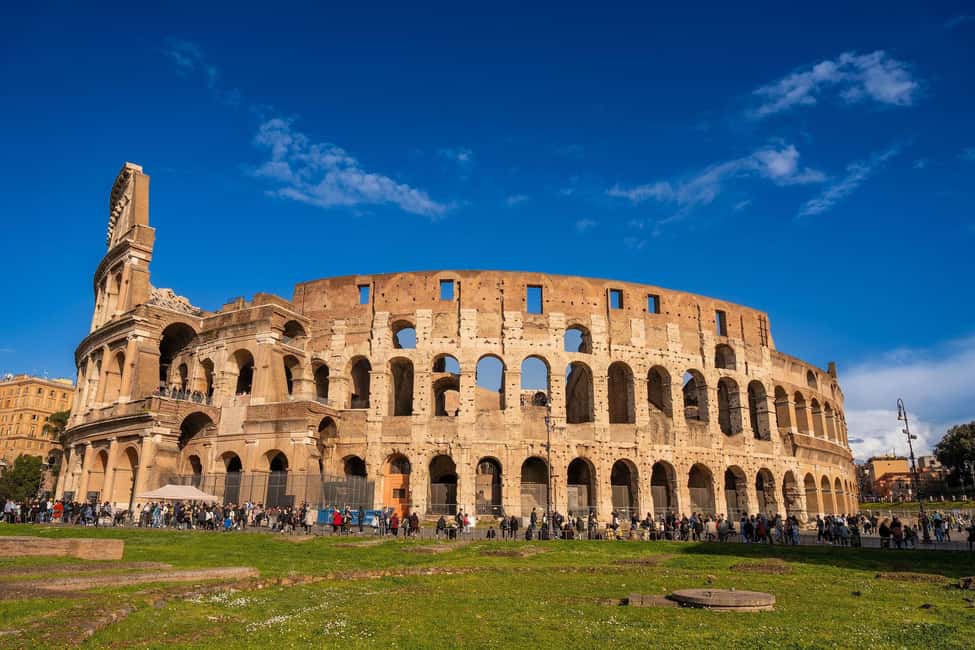
This experience is built around the same headline idea: see the Colosseum plus the Roman Forum and Palatine Hill as one archaeological day, even if you only have a couple hours.
Choose the guided option if you want a human to point things out as you walk. You’ll have a professional, licensed guide (English-speaking, and the live tour languages can include Chinese, English, French, German, Italian, and Spanish). You also get a headset system, which matters here—because between crowds, echoing spaces, and the speed of the group, hearing the guide is half the value.
Choose the self audio option if you prefer to linger at your own pace. The audio is multilingual (English, Chinese, German, French, Italian, and Spanish), and it includes 44 points of interest. The audio is described as downloadable to your smartphone, so you’re relying on your phone’s battery and your comfort using your own headphones.
A key practical difference: with the self audio option, there is no live tour guide. That’s great for flexibility, but it also means you won’t get real-time clarifications if something is hard to follow.
You can also read our reviews of more tours and experiences in Rome.

Timing reality: 2.5–3 hours, security checks, and how the order can shift
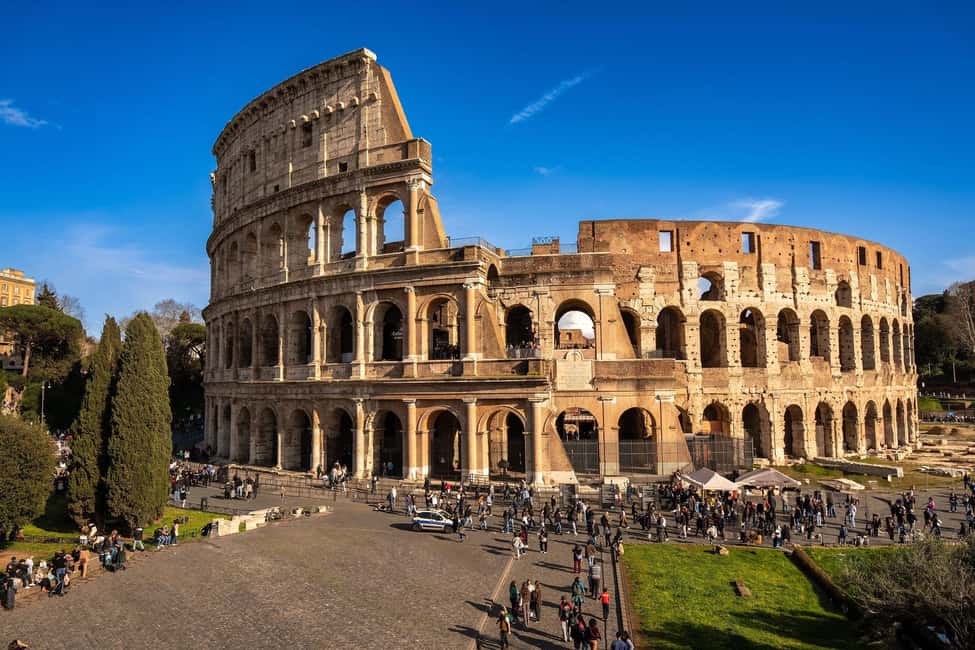
The total time is listed as 2.5–3 hours, with a Colosseum-first flow in the planned itinerary. In practice, the order of the stops may vary, so treat this as a “three-site loop” rather than a rigid script.
Here’s the typical pace:
- Colosseum: about 75 minutes (photo stop, visit, guided tour, walking)
- Roman Forum: about 45 minutes (photo stop, visit, guided tour, walking)
- Palatine Hill: about 45 minutes (photo stop, visit, guided tour, plus scenic viewpoints along the way)
Now for the part that can mess with your schedule: security. Everyone must pass through airport-style screening, and in high season you may wait 20 to 30 minutes. That wait doesn’t disappear just because you booked a tour. If you’re trying to fit this between other tickets or reservations, give yourself breathing room.
This tour runs rain or shine, and you’ll be walking hills and stairs. It’s not a “sit on a bus, enjoy the view” type of plan. You’ll want comfortable shoes and a phone that’s charged (especially if you’re doing self audio).
Colosseum walkthrough: gladiator stories and the engineering you can spot
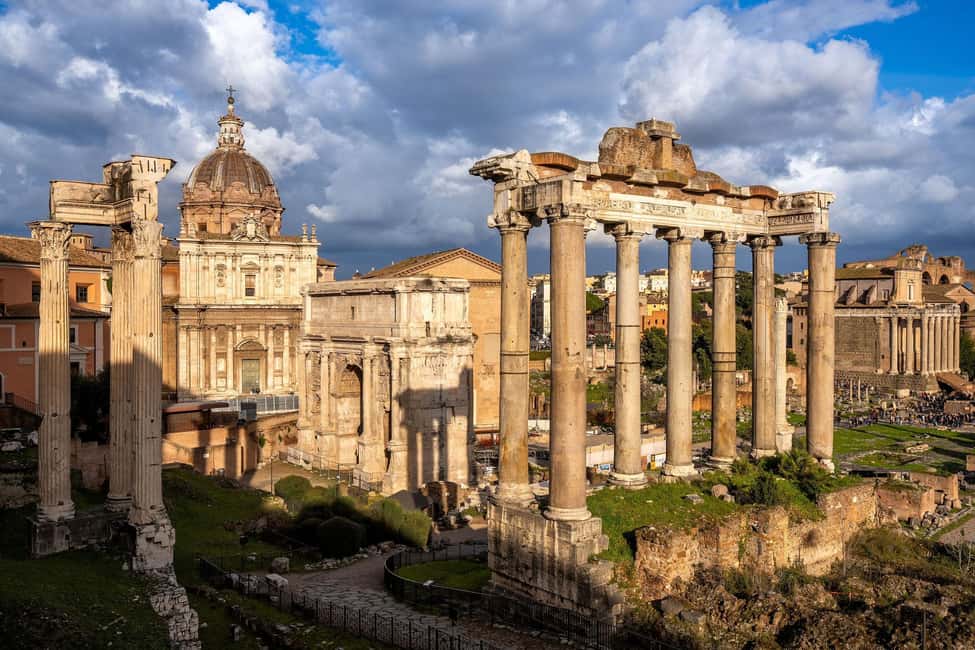
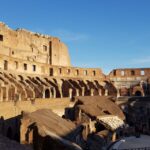
The Colosseum is the main event, and the experience leans hard into storytelling. Depending on the option you pick, you’ll hear dramatic accounts of the entertainments associated with the arena—gladiators, animal hunts, and other spectacles tied to the Roman imagination. The guided version also points you toward the larger context behind the scenes, including the daring construction techniques used to create the Flavian Amphitheater.
What I love about seeing the Colosseum with a guide (or with structured audio cues) is that it changes how you look at the structure. Instead of “big oval building,” you start noticing how the Romans solved problems: how space was organized for crowds, how the architecture supported events, and why the layout became a symbol of Roman power.
Also, don’t assume you’ll be able to photograph everything. Expect busy spots and the reality of moving with a group or with audio stops. If you’re sensitive to crowd noise, plan your patience for the entry areas and the busiest viewing points.
One practical note from the self audio idea: if you’re the type who likes tight, step-by-step instruction, you might find the self audio experience less straightforward than a live guide. The audio can still be a good tool, but it takes your attention and good headphones.
Roman Forum: the nerve center of Rome’s power in human scale
After the Colosseum, you head to the Roman Forum, and this is where the day starts feeling less like spectacle and more like government. You’ll see remains of the buildings that were part of Rome’s core political and religious life.
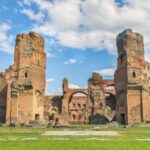
Expect to connect names to places as you walk. The tour description highlights the Senate area, temples dedicated to Roman gods, the House of the Vestals, triumphal arches, and even the altar associated with Julius Caesar’s cremation. That list is a good mental checklist while you’re there: you’re not just seeing stones—you’re walking through the locations tied to real authority, ritual, and public memory.
The Forum can feel confusing on your own because so much is broken and so many structures overlap visually. That’s exactly why guided narration (or a structured audio map) helps. The best part is that the scale is human. You’re walking paths between remnants where Roman leaders and priests once moved daily power through ceremony and politics.
Your time here is shorter—about 45 minutes—so it’s smart to decide what you want most: politics and civic buildings, religious sites, or the Caesar connection. You won’t see everything in microscopic detail in this time frame, but you’ll get a coherent big-picture view.
Palatine Hill viewpoints: where emperors lived above the city
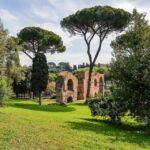
Palatine Hill is the payoff if you like your Rome with a view. The plan includes a scenic route with photo stops along the way, and you end with panoramic perspectives over the Circus Maximus valley.
The Palatine isn’t just about looking out. It’s about understanding status. The tour highlights the remains of sumptuous palaces where emperors lived—places built to show control, wealth, and legitimacy. When you walk this slope and see what remains, the feeling is different from the Forum. The Forum tells you how power was performed publicly. Palatine Hill shows you where power was housed and protected.
The group portion lasts about 45 minutes, but the scenery is what makes this stop stick in your memory. If you’re planning to visit Rome for the first time, Palatine Hill is one of the spots where you start to understand how geography shaped the city: who could see what, who had the advantage, and why the rulers chose certain high ground.


Price and value: why about $54 can work (or not)
The price is listed at about $54 per person with a duration of 2.5–3 hours. Whether that’s a good deal comes down to what you’re buying with that number.
You’re generally paying for:
- Tickets to the Colosseum and the sites in the same complex area
- A guided walkthrough (for the guided option) and headset system
- A structured experience that keeps you moving efficiently
- In the self audio option, multilingual narration and built-in points of interest
What’s not included:
- Transportation to and from the attractions
- Food and drinks
- A mobile device and headphones
That last part matters more than it sounds. For self audio, you’ll need your own smartphone and headphones. If you’ve arrived in Rome without decent earbuds, you may end up paying to borrow or buy them.
Also note: the activity is non-refundable. That’s common for timed Rome attractions, but it means you should only book if you’re confident your schedule and energy level can handle crowds and walking.
One last value check: the security line is real. It can reduce the “efficiency” feeling if you’re stuck waiting before you even start. Still, with limited time in Rome, having tickets bundled with an organized visit usually beats piecing it together from scratch.
Who this tour suits best (and who should skip it)
This works best if:
- You want the “big three” (Colosseum, Roman Forum, Palatine Hill) in one compact time block
- You like context and want someone to connect ruins to stories and politics
- You can do moderate walking on hills and stairs
- You’re okay with crowds and the possibility of a 20–30 minute security wait at peak times
It may not be the best fit if:
- You need wheelchair access. This tour is not accessible for wheelchairs
- You’re looking for a low-effort experience with minimal stairs
- You strongly dislike audio-only formats. The self audio option gives freedom, but it requires you to stay engaged and navigate using your phone
If you’re traveling with a private group option, it can be a good way to control the pace a bit more, especially if you have mixed interests in Roman politics versus architecture.
Should you book this Colosseum + Forum + Palatine Hill tour?
If your goal is to see the core landmarks quickly and still understand what you’re looking at, I’d book this—especially the guided version with headsets. In a city where ruins are everywhere, having an organized visit helps you avoid the “I stood there, took photos, and learned nothing” trap.
If you’re short on time and comfortable working from a phone, the self audio option can be a smart choice. Just go in knowing that you’ll be responsible for the audio experience working smoothly (battery, headphones, and your ability to follow along).
Book this if you’re ready for crowds, stairs, and a tight schedule. Skip it if mobility is an issue or if you want a slow, fully unhurried stroll where every detail gets its own deep reading session.
FAQ
How long is the Rome Colosseum, Roman Forum, and Palatine Hill tour?
The duration is listed as 2.5 to 3 hours. Times can vary depending on the option you select.
What’s included with the guided tour option?
The guided option includes a professional licensed guide, a headset system, and tickets for the Colosseum, Roman Forum, and Palatine Hill.
If I choose the self audio-guided tour, do I get a guide?
No. The tour guide is not included with the self audio-guided option.
Does the tour include tickets?
Yes. Tickets are included for the Colosseum, Roman Forum, and Palatine Hill, and they are valid for 24 hours.
Can I download the audio guide to my smartphone?
Yes. The self audio option is described as downloadable on your smartphone, with multilingual narration.
How many points of interest are included in the audio guide?
The audio guide includes 44 points of interest.
What languages are available?
Live guides can operate in Chinese, English, French, German, Italian, and Spanish. The self audio option is available in English, Chinese, German, French, Italian, and Spanish.
What should I bring?
Bring comfortable shoes, and for children bring a passport or ID card. You should also have headphones and a charged smartphone.
Is wheelchair access available?
No. This activity is not accessible for wheelchairs and is not suitable for people with mobility impairments.
Will I have to go through security lines?
Yes. All visitors must pass through airport-style security, and in high season waiting time may be up to 20 to 30 minutes.