REVIEW · ROME
Heart of Rome: Private Walking Tour
Book on GetYourGuide →Operated by LivTours - We craft tours, you live them · Bookable on GetYourGuide
Rome’s best sights, minus the stress. This private 2-hour walking tour links together Rome’s biggest landmarks with the kind of local guidance that turns long lines and traffic into a smooth route. I like that you start near the Spanish Steps and then slip through small piazzas and alleyways where Rome feels slow and human again.
I especially like the way the guide ties the stops together with street-level stories—little fountains, tucked-away squares, and Baroque-era details you’d usually miss. You also get skip-the-ticket-line help where it applies, plus a break that often lands at a gelateria or local café for a proper Roman-style pause. The one drawback to keep in mind: Pantheon entry can be excluded on the first Sunday of the month and certain national holidays, and there’s a strict dress code for sites of worship.
You’ll walk at a comfortable pace, and the tour is offered in several languages (including English, French, Spanish, Portuguese, and Italian if you request it). It’s priced at $165.40 per person, so it makes the most sense when you want a guided, door-to-door feel without sharing your headsets and pace with strangers.
In This Review
- Key things to know before you go
- Why this 2-hour Rome route feels efficient (and not rushed)
- Starting at Babington’s Tea House by the Spanish Steps
- Trevi Fountain and the coin ritual (plus that sweet break)
- Piazza Venezia: where the walk turns into a story
- Pantheon: the highlight you plan around
- The cafe break: a small pause that makes the last stretch better
- Piazza Navona and Bernini’s 4 Rivers Fountain
- Price and value: is $165.40 per person worth it?
- Who this walking tour suits best
- Should you book Heart of Rome: Private Walking Tour?
- FAQ
- How long is the Heart of Rome private walking tour?
- Where does the tour start?
- Where does the tour end?
- Is the tour private or shared?
- Which major sights are included?
- Is Pantheon entry always included?
- What languages is the guide available in?
- Do I need to dress a certain way?
Key things to know before you go
- Private guide for 2 hours: you control the questions, pace, and photo stops more than on group tours.
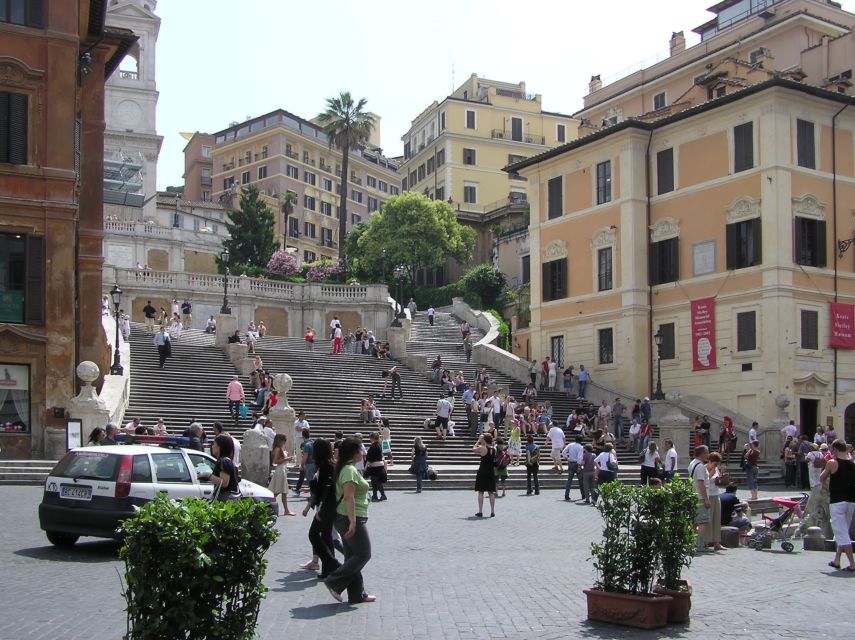
- Spanish Steps to major icons: Trevi Fountain, Pantheon, and Piazza Navona are all on the route.
- Traffic-crowd avoidance by design: you move through side streets and cobblestones, not main roads.
- Skip-the-ticket-line support: helpful for major stops when entry is included.
- Pantheon rules depend on the calendar: first Sundays and specific national holidays may change what you get.
Why this 2-hour Rome route feels efficient (and not rushed)
Rome can be overwhelming. Even when you know the names—Trevi, Pantheon, Navona—the real challenge is how to see them without wasting your day in transit and queues.
This tour is built to solve that. You cover multiple “must-see” sites in just two hours, but you do it on foot through the city’s maze of narrow streets. That matters because Rome’s charm isn’t just the postcard landmarks. It’s the moment you step off a busy street and suddenly find a small square with a fountain, a church facade, or a street-level detail that makes you stop and look up.
And since it’s private, the guide can steer the timing. If one spot is particularly crowded, you can often shift your focus slightly to keep momentum. That keeps the experience feeling lively instead of checklist-fast.
You can also read our reviews of more walking tours in Rome



Starting at Babington’s Tea House by the Spanish Steps
The meeting point is in front of Babington’s Tea House, at the bottom of the Spanish Steps in Piazza di Spagna. That’s a smart start point. You’re already in one of the most iconic “Rome views” areas, so even before the route really begins, you’re oriented to the city’s layout.
From here, you’ll visit the Spanish Steps with guidance. Even if you’ve seen photos, standing there in person is different. The steps are a stage for street life, and the geometry of the staircase helps you understand why this area has always drawn visitors. The guide’s job is to give you context, not just scenery—so you’re not only looking at a famous backdrop, you’re learning how the space fits into Rome’s evolution.
Practical note: you’ll be doing a walk with some cobblestones. Wear shoes that can handle uneven footing without complaining.
Trevi Fountain and the coin ritual (plus that sweet break)
Next comes Trevi Fountain, the world-famous scene where people throw coins and make wishes. Here’s what you’ll enjoy most on a guided stop: the fountain isn’t just a photo moment. It’s a Baroque masterpiece built for drama—movement, light, and theatrical scale.
Your guide will help you understand what you’re looking at as you admire the fountain and then continue walking. You’ll also have time to toss the coin, which is part tradition, part fun. It’s not essential to get the best experience, but it adds that little ceremonial moment that turns “I saw it” into “I did it.”
Then there’s a pause built into the flow. The tour includes a break at a local café, and the overall experience commonly includes gelato along the way. This is more than a snack stop. It’s the pressure-release valve in a two-hour stretch. One moment you’re navigating crowds and monuments; the next you’re sitting down with something cold and Italian, which makes the rest of the walk feel easier.
If you’re picky about flavors, use the break time to ask what’s good right now. A local guide’s recommendations usually beat guessing from the street.
Piazza Venezia: where the walk turns into a story
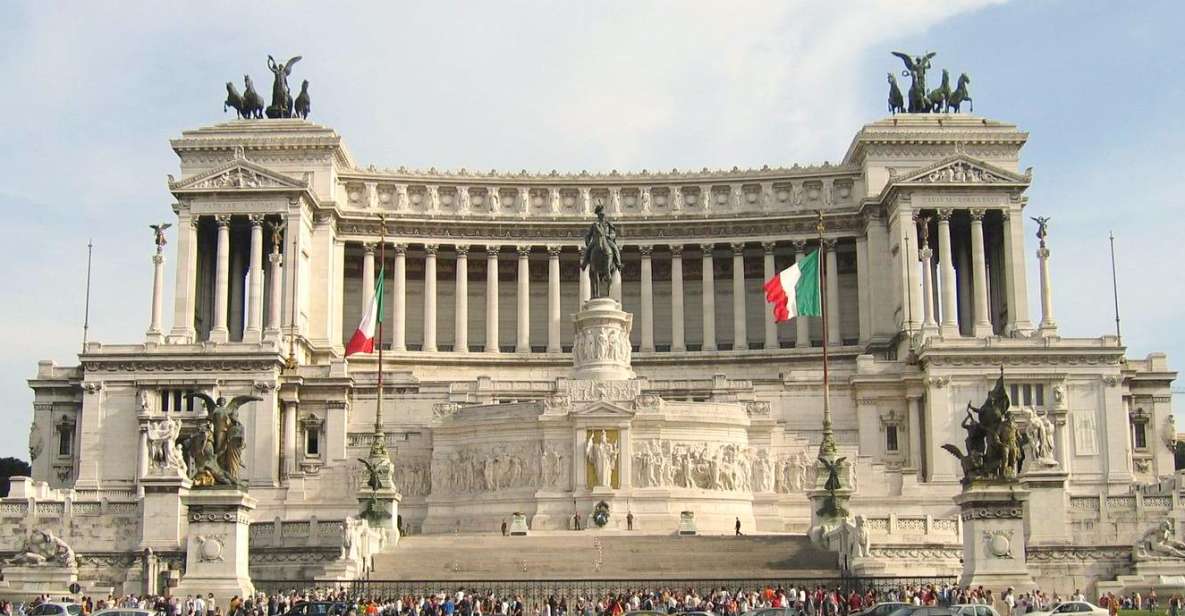
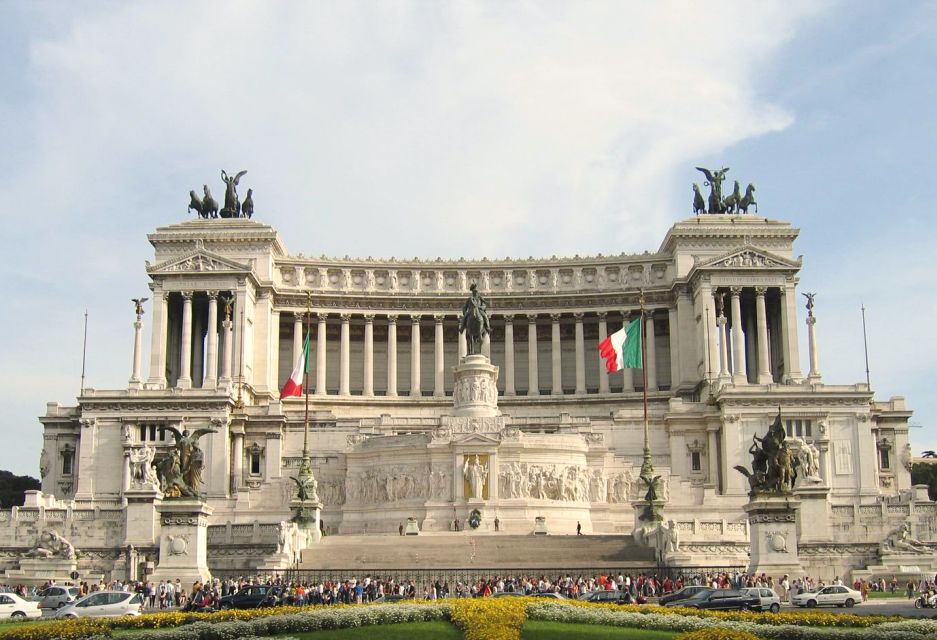
After Trevi, the route continues to Piazza Venezia, with guided touring and walking. This is one of those Rome squares that feels like a hub even if you don’t fully know why yet. Your guide helps connect the dots so the stop doesn’t feel like just another location name.
On a good Rome walk, the best guides don’t just describe what’s in front of you—they explain why it matters. Piazza Venezia is useful for that. It helps you understand how Rome’s public spaces act like living rooms for history, politics, and daily life, all stitched together through architecture.
You’ll move through smaller spaces too, not just broad views, and that’s where the tour shines. The city’s major icons are the destination, but the in-between streets are where the day feels real.
Pantheon: the highlight you plan around
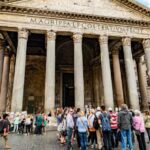
Then comes the Pantheon, one of the most impressive structures in Rome and the only completely intact pagan temple left in the city. Even if you’ve read about it, seeing it in person hits differently. The scale is real. The atmosphere is real. And the details feel sharper once you’re standing there.
The tour includes visiting the Pantheon with guidance. But here’s the key condition you need to know before you go:
Pantheon entry is not included on the first Sunday of the month or during national holidays—April 25, June 2, and November 4—because tickets may be unavailable. On those dates, there is no refund.
So how do you plan smartly?
- If your trip falls on one of those dates, you should treat Pantheon as a possible partial stop rather than a guaranteed entry.
- If Pantheon is your number one priority, try to schedule your walking tour on a different day.
- If you can’t change plans, still go. The guide’s storytelling around the area can still make the visit feel meaningful, even if entry is limited.
Also remember the dress code for places of worship: shoulders and knees covered. That means no tank tops or short dresses. If you’re traveling in summer, bring a light layer you can use without turning the day into a sweat marathon.
You can also read our reviews of more private tours in Rome



The cafe break: a small pause that makes the last stretch better
Midway through the walk, there’s a local café break time. In the flow of a two-hour highlight tour, that pause is worth valuing. It keeps you from hitting the big finale tired, hungry, or distracted.
Use it in a simple way:
- Take a minute to check your bearings.
- Sip something cold or warm depending on the weather.
- Reset your legs before the final approach.
This is also where your guide can adjust the pacing based on how you’re doing. If you want more time at Navona photos, you can often manage that by spending less time browsing during the break.
Piazza Navona and Bernini’s 4 Rivers Fountain
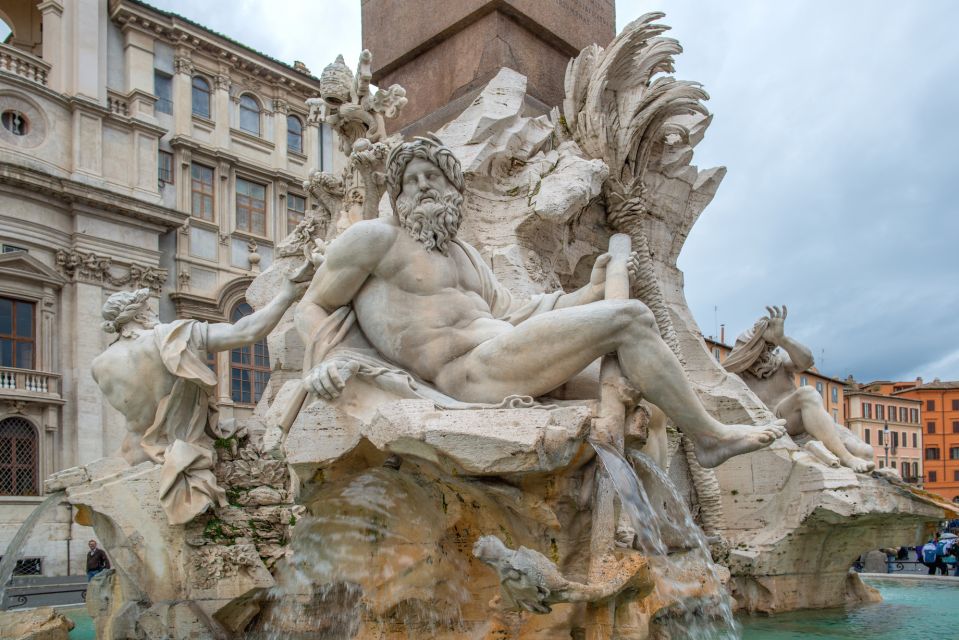
The tour ends at Piazza Navona, which is the kind of place that feels like it belongs in a film. This square is known for Bernini’s 4 Rivers Fountain, and it’s one of the best spots in Rome for a “look around” moment. Statues and architecture give you a strong sense of place, and the square’s street energy keeps it lively without needing ticketed attractions.
Your guided visit includes the fountain and the surrounding area, plus time to enjoy the atmosphere. You’ll likely spot sidewalk artists and musicians here. That’s part of the charm. It doesn’t replace the major landmark—it adds texture, so the last minutes feel like Rome, not just a museum hallway.
End point detail: the tour indicates it finishes at Piazza Navona, and it also lists that the activity ends back at the meeting point. In practice, expect the conclusion to be in the Piazza Navona area, near the end of the route, and confirm timing with the guide on the day.
Price and value: is $165.40 per person worth it?
At $165.40 per person for a 2-hour private walking tour, the price isn’t about budget travel. It’s about buying time, comfort, and attention.
Here’s the value case for this tour:
- You’re paying for a live guide who can turn famous sites into stories you can remember.
- You get a route that covers major landmarks—Spanish Steps, Trevi Fountain, Piazza Venezia, Pantheon, and Piazza Navona—without you needing to plan every turn.
- The private format helps you keep control: your questions, your pace, and your photo moments.
Is it worth it for everyone? Not automatically. If you’re traveling solo and you’re happy with self-guided wandering, you can spend less. But if you want a guided experience that helps you see Rome in a connected way—one that includes the major icons plus the in-between charm—this is the kind of tour that can pay off.
Also, with a small number of ratings available, the one consistent theme in comments is that the guide came across as a good host and the experience met expectations. That matters because a private tour lives or dies on the guide’s energy and clarity.
Who this walking tour suits best
This tour is a strong fit if:
- You want Rome highlights in two hours without getting lost.
- You prefer cobblestone side streets and small piazzas over big-road hopping.
- You like learning why things are important, not just where they are.
It’s also good for couples and small groups who want a shared experience with flexible timing. And if you’re short on time but still want Pantheon, Trevi, and Navona, this route is a practical way to compress a lot of Rome into a single morning or afternoon.
It might be less ideal if:
- You need a fully stroller-friendly route (cobblestones can be tricky).
- Your top priority is one specific site and you’re traveling on a date when Pantheon entry can’t be guaranteed.
- You don’t want to follow a strict dress code for religious sites.
Should you book Heart of Rome: Private Walking Tour?
If you want an organized, private way to see Rome’s headline sights with a guide who keeps it friendly and on track, I’d book it. The route is efficient, the in-between streets make it feel more authentic than a giant group loop, and the guided stops are exactly where a local voice helps most.
I’d hesitate only if your travel dates line up with the Pantheon entry exclusions, or if you’re unprepared for the shoulders-and-knees rule. If those two points are under control, this is a solid “see the classics” choice that still feels personal.
FAQ
How long is the Heart of Rome private walking tour?
It lasts 2 hours.
Where does the tour start?
It starts in front of Babington’s Tea House, at the bottom of the Spanish Steps in Piazza di Spagna.
Where does the tour end?
It ends at Piazza Navona. The activity also notes that it ends back at the meeting point, so confirm the exact wrap-up on the day.
Is the tour private or shared?
It’s a private group tour.
Which major sights are included?
You’ll visit the Spanish Steps, Trevi Fountain, Piazza Venezia, the Pantheon, and Piazza Navona. There’s also a café break.
Is Pantheon entry always included?
No. Pantheon entry is not included on the first Sunday of the month or during national holidays like April 25, June 2, and November 4 due to ticket availability.
What languages is the guide available in?
The tour is offered in English, French, Spanish, Portuguese, and Italian (request languages other than English in the additional notes).
Do I need to dress a certain way?
Yes. For places of worship, you must have shoulders and knees covered, with no tank tops or short dresses.