REVIEW · ROME
Rome: Homemade Pasta and Tiramisu Cooking Class
Book on GetYourGuide →Operated by Orange Umbrella Srl · Bookable on GetYourGuide
One rolling pin. Two plates of Roman comfort. In this 2.5-hour class at Osteria San Giorgio, you learn to make homemade pasta and the creamiest tiramisu you’ve ever cut. The two best parts for me are getting hands-on with the dough and walking away knowing how different shapes like pappardelle, tagliatelle, and tonnarelli cook up. A small consideration: this isn’t built for dietary restrictions like gluten or lactose, so it may not work if you need special accommodations.
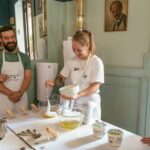
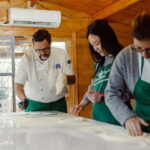
The vibe is practical and friendly, with English-speaking instructors such as Kristian, Luca, Elisabeth/Elisabeta, and Christian Simeoni showing the same core techniques while keeping things light. You’re not just watching. You’re making the food, then eating it right there with a glass of wine.
In This Review
- Key Things I’d Actually Pay Attention To
- Arriving at Osteria San Giorgio: Where the Class Really Starts
- Making Roman Pasta: Flour to Hand-Cut Shapes
- The Pasta Shapes You’ll Learn (and Why They’re Different)
- Ingredient Tips That Actually Help When You Shop
- Tiramisu Training: Espresso Dip, Cream, and Timing
- Eating Your Work: Dinner, Wine, and the Best Part After the Kneading
- How Long Is 2.5 Hours, Really?
- Price Check: What You’re Paying For at $65
- Who This Cooking Class Suits Best
- Practical Tips So You Leave Feeling Confident
- Should You Book This Rome Pasta and Tiramisu Class?
- FAQ
- FAQ
- Where is the meeting point?
- How long is the cooking class?
- What’s included in the price?
- Is the class taught in English?
- What will I make during the class?
- Do I get to eat what I cook?
- Is it wheelchair accessible?
- Is it suitable for vegan, gluten-free, or lactose-intolerant diets?
- Is there free cancellation and a pay-later option?
Key Things I’d Actually Pay Attention To
- You’ll cut fresh pasta by hand, so you can feel the difference between shapes like tagliatelle and tonnarelli
- Ingredient choices matter here, including tips on what to look for when shopping in Italy
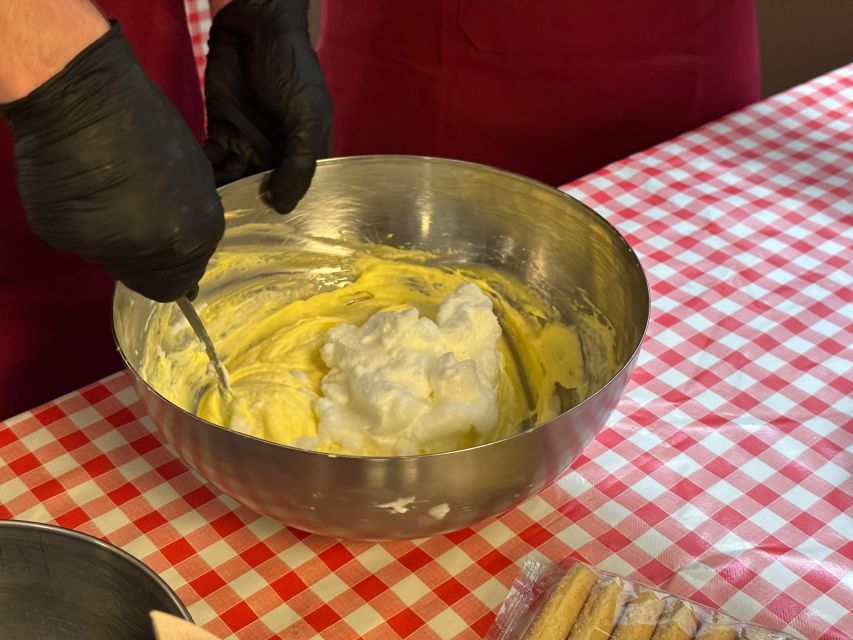
- Tiramisu is taught as a process, not an assembly line, with the espresso-dip logic explained
- You sit down for the meal you made, paired with a included glass of wine
- English instruction is standard, which makes this easier than many DIY-style classes in Rome
- Plan around dairy and gluten, since this class isn’t suitable for lactose intolerance, gluten intolerance, or vegan diets
Arriving at Osteria San Giorgio: Where the Class Really Starts
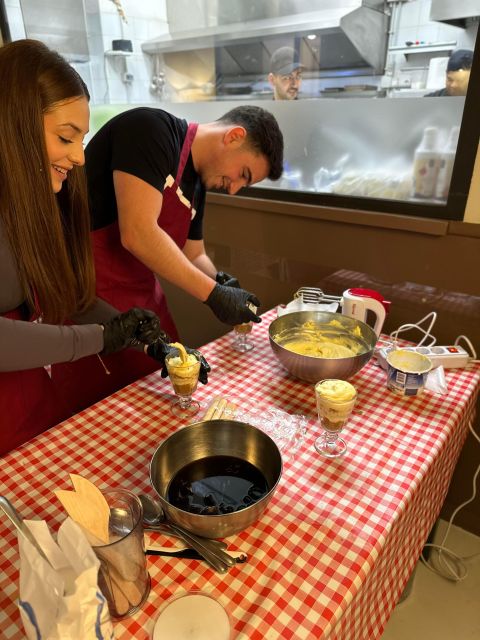
Your meeting point is Osteria San Giorgio. That matters more than you might think. In Rome, showing up at a working restaurant keeps the day grounded: you’re learning in a real kitchen environment, with real tools, and a place that understands how food gets from prep to plate.
Because the class is only 2.5 hours, you’ll want to show up on time (and with at least a basic readiness to roll up your sleeves). If you’re still bouncing between sights, it’s easy to underestimate how long it takes to get yourself organized—so treat this like a scheduled appointment, not a casual stop.
One detail I liked: the experience is explicitly wheelchair accessible, which is a real plus if you’re trying to design a stress-free itinerary.
You can also read our reviews of more cooking classes in Rome

Making Roman Pasta: Flour to Hand-Cut Shapes
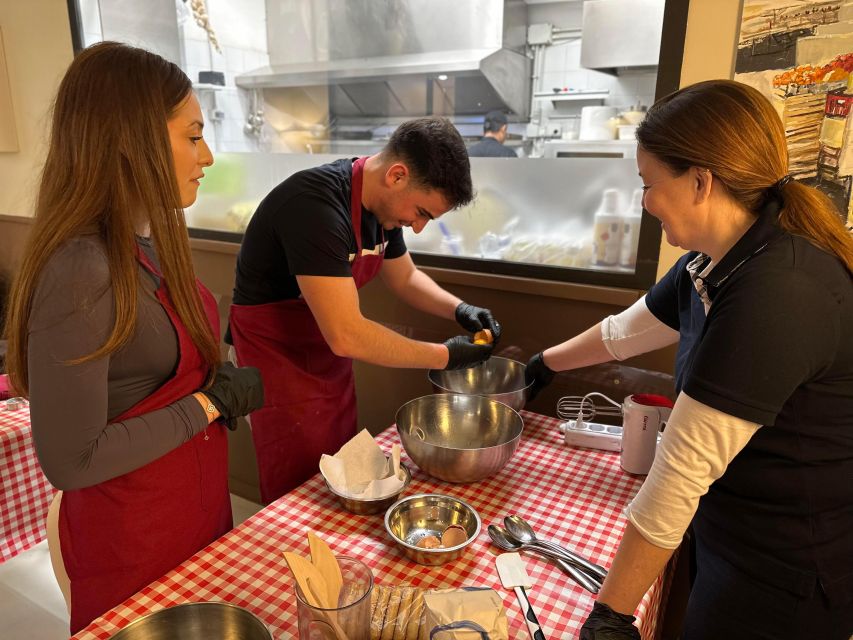
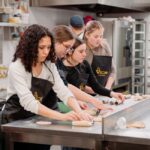
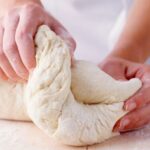
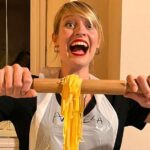
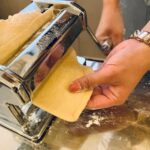
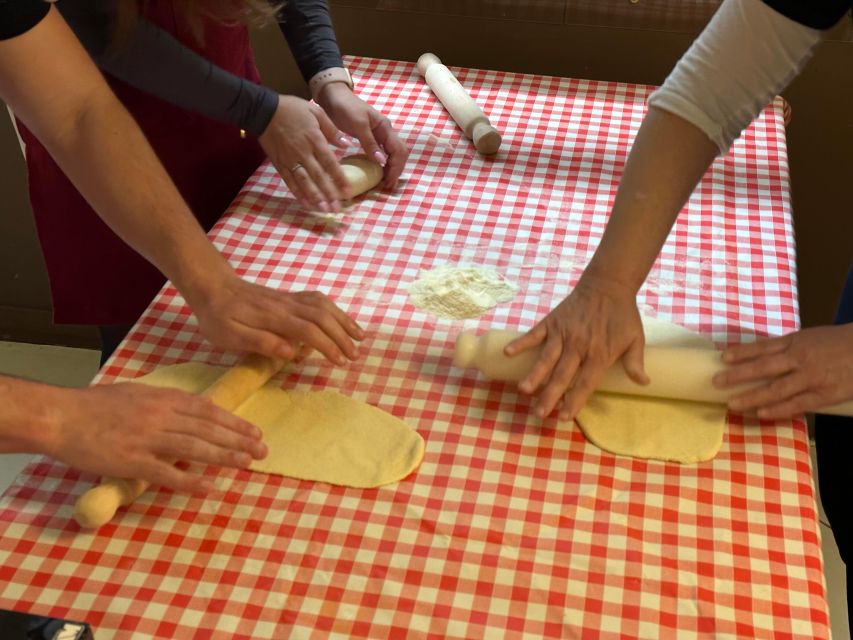
This is a true hands-on pasta session, not a tasting seminar. You’ll mix flour and water, knead dough, roll it out, and then cut. That sequence is where most of the value lives.
Why this matters: dried pasta is forgiving. Fresh pasta is not. When you make it yourself, you learn the feel—how the dough should come together, how rolling changes the texture, and what cutting does to cooking speed. Those lessons are hard to get from YouTube, and they’re exactly what helps you recreate it later at home.
The Pasta Shapes You’ll Learn (and Why They’re Different)
You’ll work with Roman pasta varieties including:
- Pappardelle
- Tagliatelle
- Tonnarelli
Even if you’ve eaten these before, making them helps you understand their personality. In plain terms: shape affects how sauce clings, and width affects cooking time and chew. In a class like this, you don’t just memorize differences. You experience them, hands-first, and that sticks.
You’ll also get guidance on the ingredients behind the dough—especially how to pick quality when you’re buying in Italy. That’s a practical skill, because the best-looking recipe on paper can turn disappointing if your ingredients are bland or off.
Ingredient Tips That Actually Help When You Shop
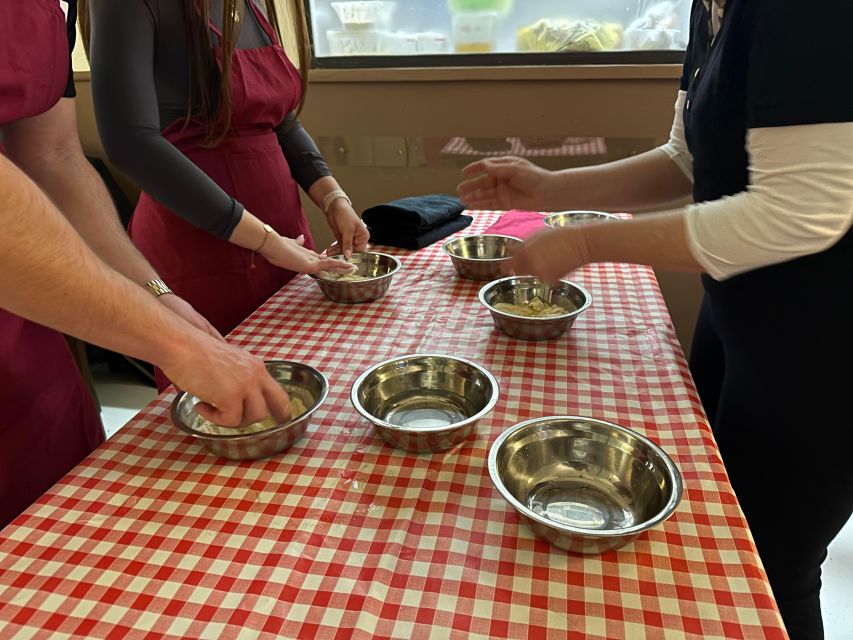
One of the most praised parts of the experience is the focus on sourcing and choosing. In Rome, you can get pasta ingredients quickly, but not all flour or eggs (depending on what your class uses) behave the same way in dough.
Here’s how to use what you learn:
- When you’re shopping for future attempts at home, prioritize ingredients that match the texture you want (smooth dough vs. crumblier dough).
- Pay attention to what your instructor says about what makes pasta taste “right.” Fresh pasta flavor isn’t just the dough; it’s also how it tastes once cooked.
Instructors named Kristian and Luca in the lessons I saw described the process in a way that felt doable, and Elisabeth/Elisabeta and Christian Simeoni were especially praised for explaining the why behind the steps. That’s the difference between copying a recipe and actually understanding it.
Tiramisu Training: Espresso Dip, Cream, and Timing
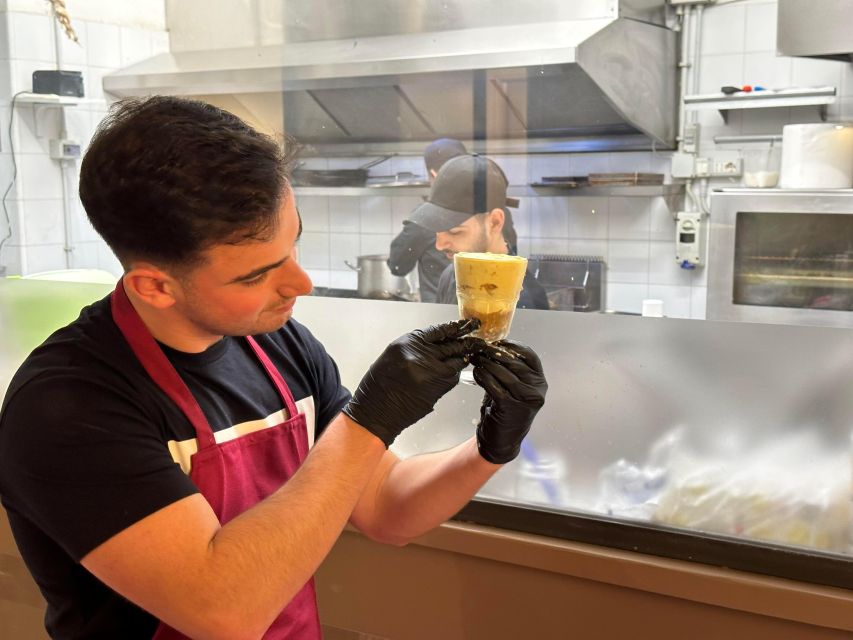
Then comes dessert: classic tiramisu. This class treats tiramisu like a technique workout. You’ll learn how to prepare it to perfection, especially the key part everyone talks about but few people can explain clearly—the espresso-dipped structure.
Why the method matters: if the dip is too aggressive or too long, tiramisu turns watery. Too little, and you lose the coffee depth that makes the whole thing taste balanced. When you learn it in a class setting, you get the “feel” for timing and how the cream should hold everything together.
You’re also learning how the dessert fits into Italian eating culture: it’s not a fussy display. It’s a comforting, make-ahead treat built around classic flavors you can taste right away.
You can also read our reviews of more tours and experiences in Rome
Eating Your Work: Dinner, Wine, and the Best Part After the Kneading
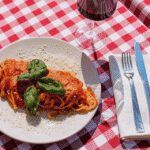
After you make both the pasta and tiramisu, you get to eat what you cooked. That’s a big deal, because it turns the class into a full mini meal instead of a one-bite demo.
You’ll also get a glass of wine and water included. This pairing doesn’t just feel festive—it also helps you understand the flavor balance. Fresh pasta can be delicate, and coffee-chocolate desserts can swing bitter or sweet depending on proportions. Wine and a finished dessert give you a clear reference point for future cooking at home.
The restaurant staff support you through the dining part, and that’s often what separates a good class from a stressful one. You’re not left feeling like you failed because you can’t plate like a pro. You get fed, and you get to talk about what you made while it’s still fresh.
How Long Is 2.5 Hours, Really?
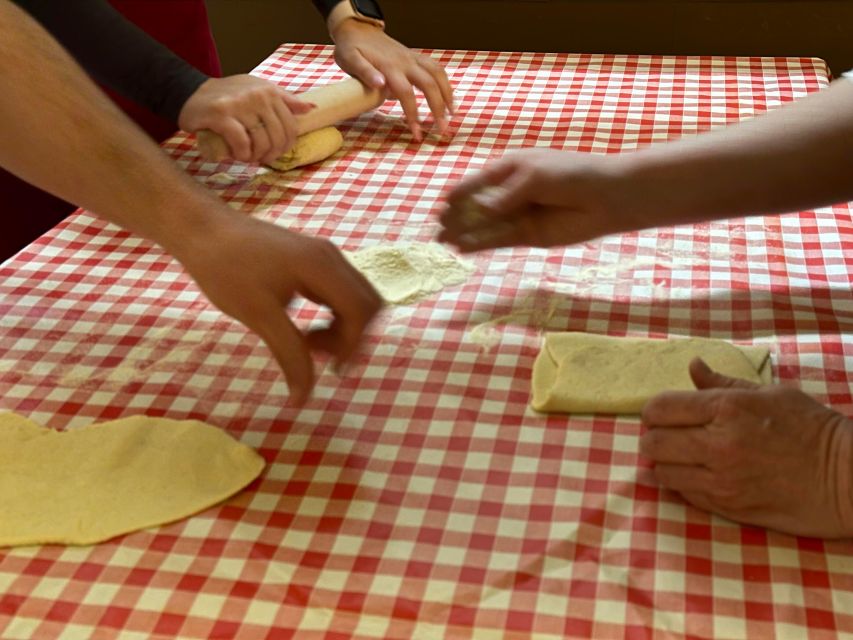
2.5 hours sounds short until you realize you’re doing two full components: rolling/cutting fresh pasta and building tiramisu.
In practice, this kind of pace works best if you arrive ready to focus. If you want to spend the whole class mentally photographing every step, it can slow you down. But if you like practical instruction and learning by doing, the timing feels just right.
Also, if you’re pairing this with a day of sightseeing, I suggest treating the class as a “centered reset.” It pulls you away from the hustle and gives you something tangible to do in Rome that isn’t walking.
Price Check: What You’re Paying For at $65
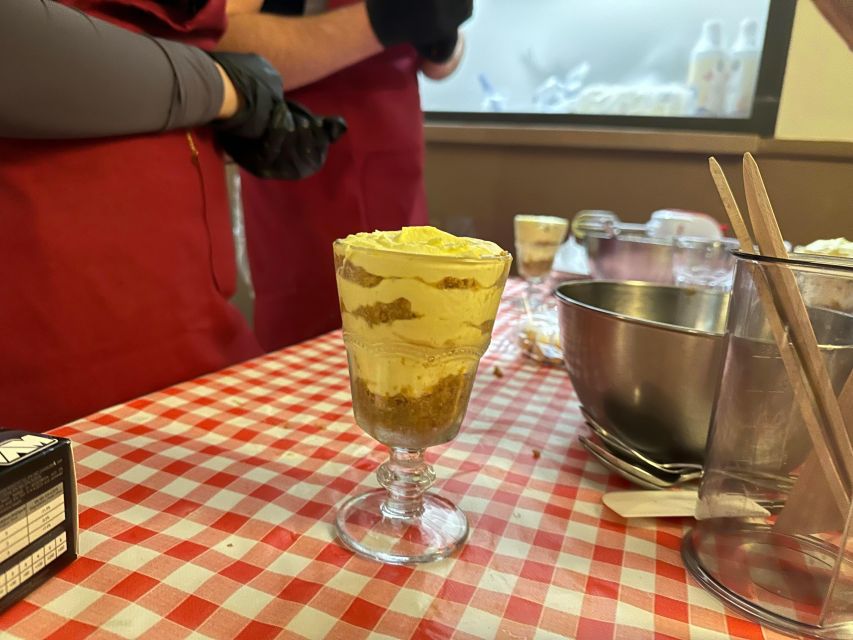
At $65 per person, you’re paying for more than a recipe. You’re paying for:
- an instructor guiding the technique (pasta + tiramisu)
- all ingredients and utensils
- water and a glass of wine
- the experience happening in a real Roman restaurant kitchen
Is it expensive? It’s not cheap. But it’s also not an overpriced “tour with a tiny food moment.” The value is in leaving with skills you can reproduce: the knead/roll/cut process, plus the tiramisu method. Many DIY food classes fail because they don’t give you enough time with your hands. This one is long enough to matter.
If you love Italian food and want a memory that isn’t only photos, $65 is a reasonable spend for a focused session that ends with a full meal.
Who This Cooking Class Suits Best
This is ideal if you:
- want a hands-on Rome food experience
- enjoy cooking, or at least want to learn a couple of “wow” dishes you can redo at home
- like meeting friendly instructors who teach with clear explanations and local context
It’s less ideal if you:
- need gluten-free or lactose-free options
- eat vegan and need a vegan-friendly menu
- want a class where you can watch quietly without participating
One additional consideration that came up in the way the kitchen can feel: small groups mean you’re more visible while you cook. If you’re shy in the center of a workspace, you might feel a little exposed. The instruction style is usually friendly, but the setting is still a kitchen with eyes on you.
Practical Tips So You Leave Feeling Confident
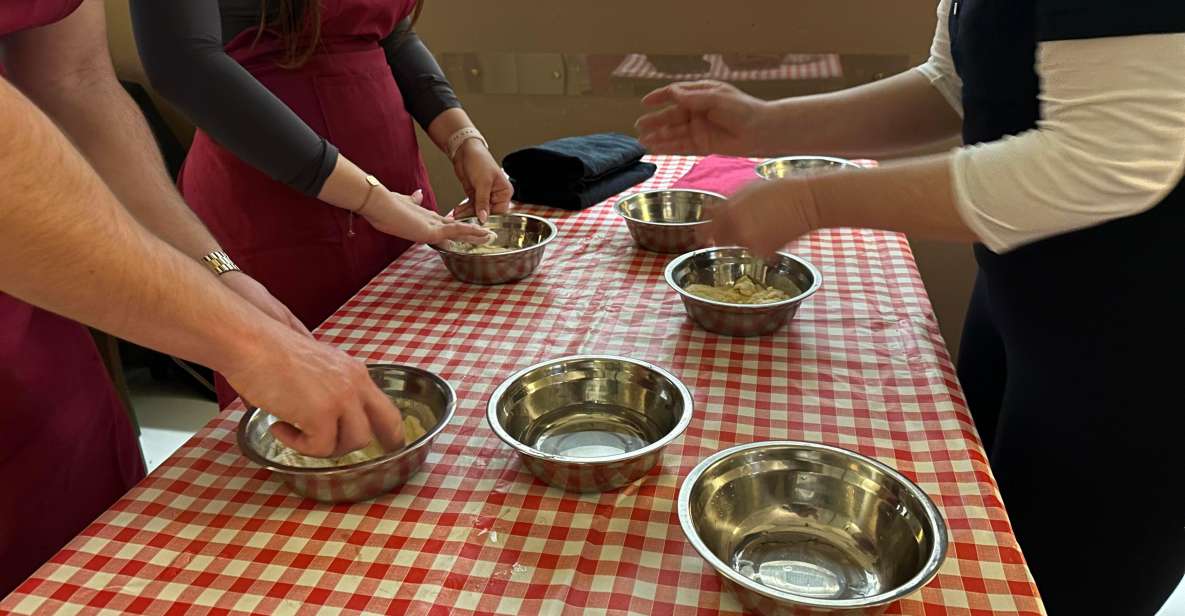
A few habits that make this class easier and more rewarding:
- Ask quick questions while you’re working, not after. Pasta dough changes while you wait.
- Take a moment to watch the instructor’s hand positions before you start cutting. Small differences matter.
- When you get tiramisu steps, note the timing logic behind the espresso dip. That’s the part you’ll reuse later.
- If you plan to shop afterward, keep your shopping list simple. The class focuses on ingredient sourcing in a way that’s meant to be actionable.
And yes, you’ll want to eat your dinner slowly. Fresh pasta and tiramisu are at their best when you don’t rush them.
Should You Book This Rome Pasta and Tiramisu Class?
If you want a Rome activity that gives you both a meal and skills, I’d say book it. The strongest reason: you’re not only learning how Roman pasta and tiramisu taste. You’re learning how they’re made—step by step—with an English-speaking instructor in a working restaurant setting at Osteria San Giorgio.
You might skip it if you’re gluten- or lactose-sensitive, vegan, or looking for a purely observational cooking experience. Also, if you’re uncomfortable being in the middle of a kitchen, choose this only if you’re ready to participate.
FAQ
FAQ
Where is the meeting point?
You meet at Osteria San Giorgio.
How long is the cooking class?
The experience lasts 2.5 hours.
What’s included in the price?
It includes the cooking class, an instructor, all ingredients and utensils, water, and a glass of wine.
Is the class taught in English?
Yes. The instructor is English-speaking.
What will I make during the class?
You’ll make Roman pasta (including shapes like pappardelle, tagliatelle, and tonnarelli) and classic tiramisu.
Do I get to eat what I cook?
Yes. After cooking, you savor your creations as part of the experience.
Is it wheelchair accessible?
Yes, it is wheelchair accessible.
Is it suitable for vegan, gluten-free, or lactose-intolerant diets?
No. It’s listed as not suitable for vegans, people with gluten intolerance, and people with lactose intolerance.
Is there free cancellation and a pay-later option?
Yes. You can cancel up to 24 hours in advance for a full refund, and you can use reserve now & pay later.