REVIEW · ROME
Rome: Colosseum Gladiator’s Arena and Roman Forum Tour
Book on GetYourGuide →Operated by Tour in the City - Travel Agency Rome - · Bookable on GetYourGuide
Stand on the Colosseum arena floor. This visit is built around Arena access through the Gladiators’ Entrance plus a full sweep of the Roman Forum and Palatine Hill, all in one tight 2.5–3 hour outing.
I especially like that you can choose self-audio for freedom or a private guide with headsets if you want the stories connected to the stones. The main catch: it’s a lot of walking in real Roman terrain, and Palatine Hill is rocky, so comfortable shoes matter.
In This Review
- Key Things You’ll Notice
- Entering The Colosseum Via Gladiators’ Gate
- Stepping Onto the Arena Floor: What You Should Look For
- Roman Forum and Palatine Hill: The Context After the Shock
- Self-Guided Audio vs Private Licensed Guide: Choosing Your Best Match
- Self-audio guided (your pace, your phone)
- Private guided tour (licensed guide + headsets)
- Price and Logistics: What $64 Really Buys
- Timing, Crowds, and Staying Comfortable in the Roman Heat
- Should You Book This Colosseum Arena and Forum Tour?
- FAQ
- What does this tour include?
- Do I get to stand on the Colosseum Arena floor?
- Is there a self-guided option?
- How long is the tour?
- Which languages are available for the private guide?
- Is the tour wheelchair accessible?
Key Things You’ll Notice
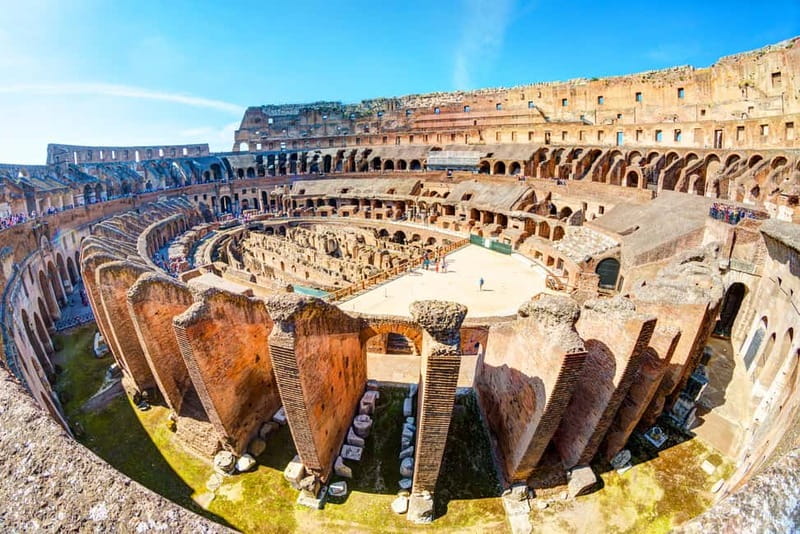
- Gladiators’ Gate / Arena floor access: you’re not just looking up at the Colosseum—you step onto the floor where the action happened.
- Two tour styles: self-audio on your smartphone, or a private licensed guide in many languages.
- Forum + Palatine Hill in the same block of time: you get political context and daily-life context, not just a big stadium photo.
- Headset system on private tours: clearer explanations even when crowds get loud.
- Tour pace varies by time and group: some parts may feel rushed if you want long photo stops or extra Q&A.
Entering The Colosseum Via Gladiators’ Gate
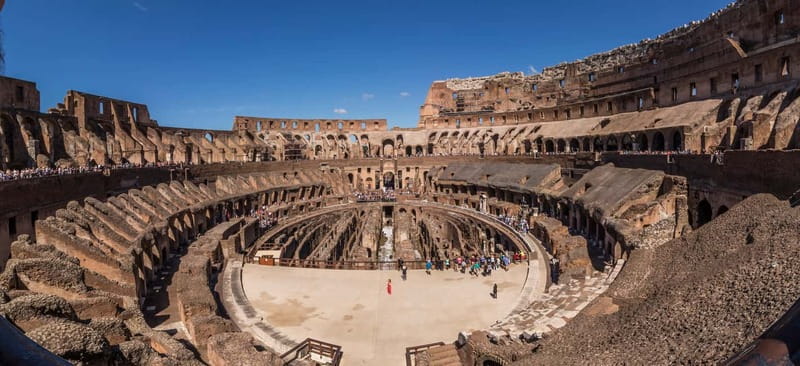
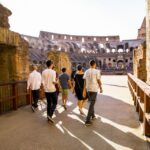
The Colosseum hits different when you’re finally inside the working space of the monument. This tour is structured around a special entry experience—through the Gladiators’ Gate—and then moving into the Arena floor area where you can actually imagine the roar, the tension, and the choreography.
What I like is how the experience is framed. You’re not wandering randomly with a map and guessing what you’re looking at. Even on the self-audio option, the commentary is aimed at helping you orient quickly: where gladiators entered, how the architecture shaped movement, and why certain angles look the way they do from the arena. The phone-based audio also means you can pause, replay, or speed up as your attention span and energy level allow.
On the private guided option, the payoff is the way the guide ties the structure to what Roman power and entertainment were doing at the same time. This is where names you might hear from other guests come in—guides like George (Jorge) and Johanna are mentioned for keeping the flow moving while still stopping for the details that matter. If you like asking questions or you want the human stories behind the stones, the private format is the better fit.
One practical note: Colosseum security and capacity rules can add delays at the venue. That means you should show up on time and accept that departure might not be perfectly smooth—especially on national holidays and event days. Still, the whole point of this tour format is to reduce the wasted time of ticket buying and slow entry lines.
You can also read our reviews of more tours and experiences in Rome.

Stepping Onto the Arena Floor: What You Should Look For
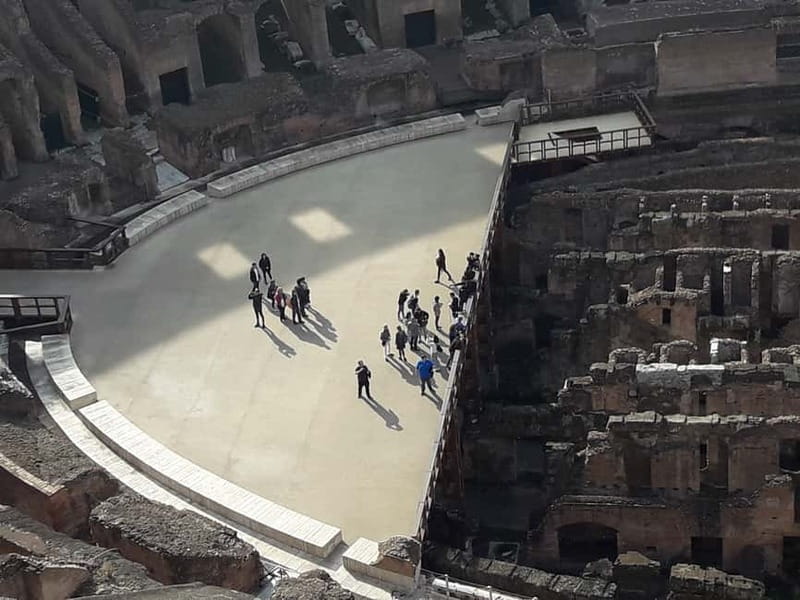
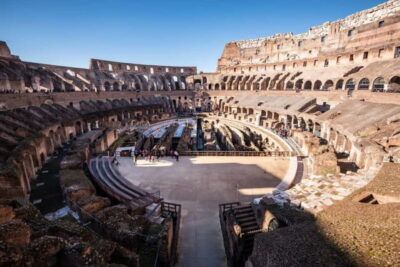
Most first-time Colosseum visits turn into a scramble of photos from the outside and then a quick glance at the interior. The big advantage here is that you get to stand on the Arena floor—a place that normally feels off-limits to visitors. That changes your mental model fast.
When you’re on the floor, focus on three things:
- Sightlines and movement: think about how spectators could track action and how people could move efficiently between entrances.
- Architecture logic: the structure isn’t just decoration. It’s designed to control flow, visibility, and crowd energy.
- The contrast: the Roman Forum and Palatine Hill are quieter and more “lived-in” feeling. The Arena is about spectacle. Seeing both on the same outing makes the contrast click.
The self-audio route gives you control over how long you linger at each moment. People note that the audio setup is easy to use on their smartphones, and the commentary helps make the experience feel less like a blur. If you’re going solo or your group has mixed interests, this flexibility is a big plus.
If you’re on a private tour, you’ll likely get extra context and real-time interpretation. Some guides also use visual aids—one guest mentioned tablet pictures showing how areas would have looked when the Colosseum was in use. Even when the visual doesn’t match exactly to your eye, it helps your brain stop treating the ruins like empty shell.
Either way, the Arena floor experience is the headline attraction. It’s also the moment where your expectations should be honest: you won’t have a private stage. Crowds exist, and you’ll be guided through a structured path with timing built in.
Roman Forum and Palatine Hill: The Context After the Shock
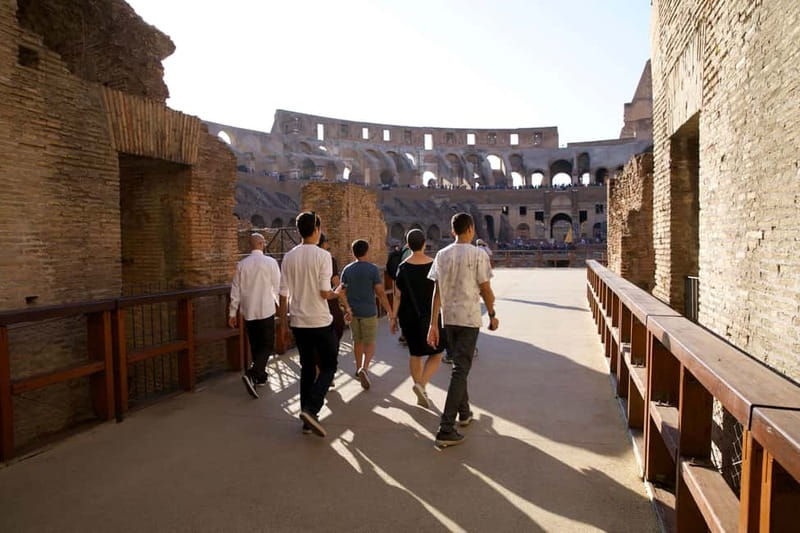
The Colosseum is the loud opening act. The Roman Forum and Palatine Hill are what explain the plot.
I like that the tour doesn’t end with the biggest postcard view. Instead, you shift from entertainment and empire theater to daily power: politics, religion, administration, and the elite residences that shaped what Rome looked like from the inside.
The Roman Forum part tends to be the most emotionally satisfying for many people because it’s where you can see how the city worked. It’s also the area where you might wish you had more time. On some visits, the pacing can feel like you’re moving through key points and not lingering to read every slab and inscription detail. That’s not a flaw in the tour so much as a reality of time limits—2.5–3 hours disappears fast once you add walking, security checks, and crowd navigation.
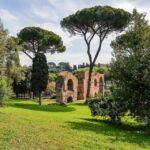
Then comes Palatine Hill. This is where the “elite living” angle really lands. Palatine Hill is often less crowded than the Forum and feels more open in places, but it’s also rocky, uneven, and not a casual stroll. If your group has anyone who struggles on uneven ground, this is where you’ll want to slow down and watch footing.
One helpful thing from past experiences: guides can handle the day’s heat smartly. Some guests talk about their guide finding shaded spots, pointing out water sources, and pacing the walk so the hottest stretches don’t feel like a punishment. If that kind of care matters to you, it’s another reason to consider the private guided version.
Self-Guided Audio vs Private Licensed Guide: Choosing Your Best Match
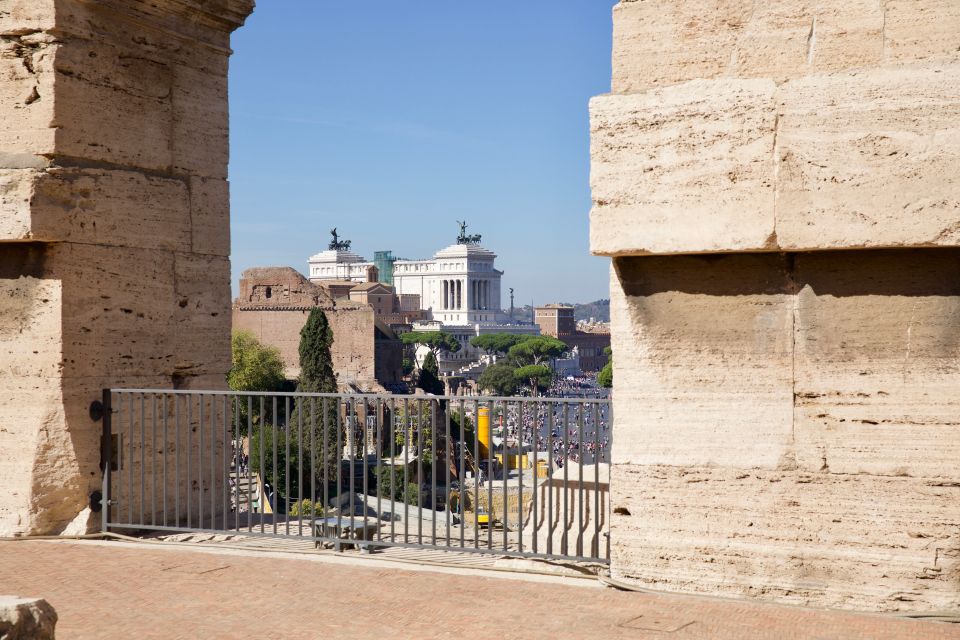
This experience is offered in two main styles, and choosing the right one can make the difference between a satisfying afternoon and a “we saw a lot but didn’t connect the dots” feeling.
Self-audio guided (your pace, your phone)
With the self-audio option, you get:
- Colosseum entry with Arena access
- Smartphone audio that covers the Colosseum, Roman Forum, and Palatine Hill
- A tour that is not a guided group session
This format is a good match if:
- You prefer to stop and start without worrying about catching up.
- You’re comfortable navigating in a crowd with a plan in your head.
- Your group has different energy levels or you want a calmer rhythm.
One practical benefit: you’re not tied to a group’s speaking cadence. If you like to linger at one building and skim another, you can shape the route mentally around what you find interesting in the moment.
The downside is exactly what you’d expect: you don’t have a live person to answer questions on the spot. If you love context—names, dates, how everything connects—private wins.


Private guided tour (licensed guide + headsets)
The private tour adds:
- A professional licensed guide
- Headsets for clear communication
- More ability to tailor the focus—architecture, politics, gladiatorial entertainment, or the stories between them
This works best if:
- You want someone to translate the site into clear, memorable explanations.
- You travel with kids, teens, or anyone who gets restless without a guided storyline.
- You want the tour to adapt as you go, including where you pause for shade or photos.
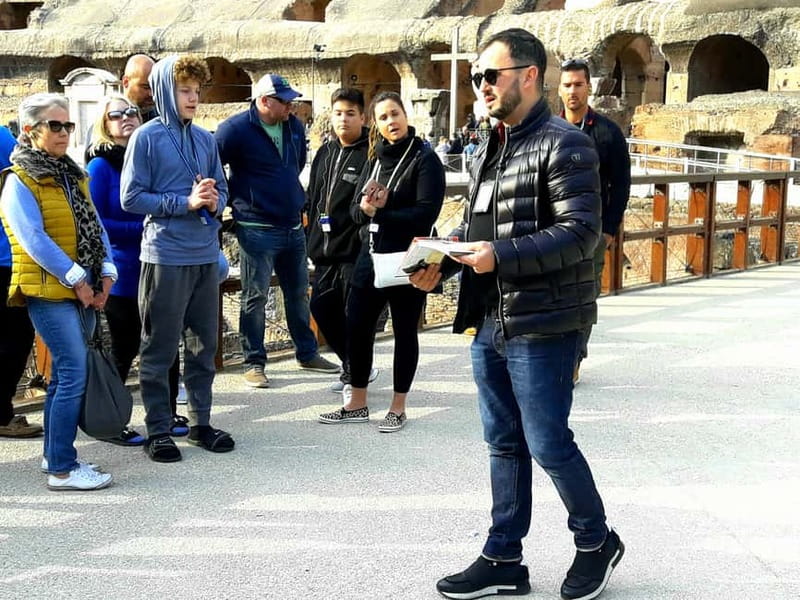
Guests repeatedly highlight the impact of the guide’s storytelling and pacing. Named examples include Simona Mariotti, Ricardo, and George (Jorge), with comments about clear explanations, a friendly approach, and keeping the group moving without feeling like a sprint. One person also mentioned the guide doing comedy/fun alongside the facts, which is a great sign if you learn better with humor.
Private tours can also handle the chaos factor better. Colosseum and Forum crowds are real. When a guide keeps the group tracked, it makes the whole thing feel calmer even if the environment is not.
Price and Logistics: What $64 Really Buys
At $64 per person for a 2.5–3 hour visit, the value equation comes down to what’s included:
- skip the long grind of buying entry on-site
- direct access through the Gladiators’ entrance
- Arena floor access
- coverage of three major sites: Colosseum Arena area, Roman Forum, and Palatine Hill
If you were to price those elements separately—especially the Arena floor access—this format starts to look like a fair deal. The ticketing and timed entry nature of the Colosseum is the other big reason. When you pay for a guided or organized entry, you reduce the time you’d spend guessing lines, ticket windows, and where to go next.
Still, price doesn’t fix everything. Some guests wished the tour had a little more time for questions or more room to browse inside the Colosseum gift shop. Others felt some listening segments were longer than they’d prefer. That’s the trade-off with structured tours: you gain coverage and context, but you surrender some control over time.
Logistics are straightforward, but you should plan well:
- Meeting point can vary, and one common start point is Via Labicana, 96 (Piazza di San Clemente).
- The tour ends at Piazza di San Clemente.
- The order of stops can vary depending on timing.
- You’re looking at moderate walking with steps and hills.
What to bring:
- Passport or ID card
- Comfortable shoes (seriously—Palatine Hill is rocky)
- A small bag if you have one
What not to bring:
- Pets
- Large bags/luggage (and there’s no cloakroom at the Colosseum)
- Selfie sticks inside the Colosseum for security reasons
And one hard rule: if you arrive late for the meeting time, you might not be able to join and may need to pay again, with no refund. So I’d treat “on time” as a requirement, not a suggestion.
Timing, Crowds, and Staying Comfortable in the Roman Heat
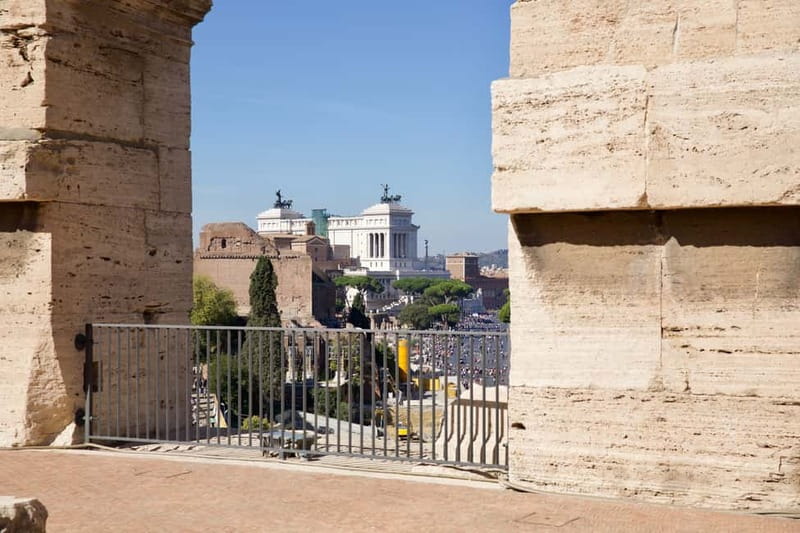
This is one of those Rome experiences where weather and timing matter. The tour operates only when conditions are favorable, and if poor weather cancels things, you should be offered an alternative date or a full refund. That’s reassuring, but it doesn’t change the day-of reality: the sites are open, sun is intense, and crowds compress your walking space.
A few comfort tips that help a lot:
- Wear shoes with grip for uneven surfaces on Palatine Hill.
- Plan for stairs and short climbs. The tour is built around major sites, not a flat promenade.
- Bring water if you can. Purchase points can be limited once you’re inside the flow of crowds.
The good news is that the best guides handle the heat intelligently. Some guests mention their guide actively finding shady spots, pointing out water fountains, and adjusting pacing so the afternoon feels manageable rather than punishing. If your day tends to run hot, a private guide is often worth it just for that real-world management.
Also, accept the “crowd physics” of the Colosseum. Even with direct access, capacity rules and security checks can slow the departure. On a busy day, you’ll move as groups do. The difference is whether you feel guided and oriented—or lost in the shuffle. This tour design tries to keep you oriented.
Should You Book This Colosseum Arena and Forum Tour?
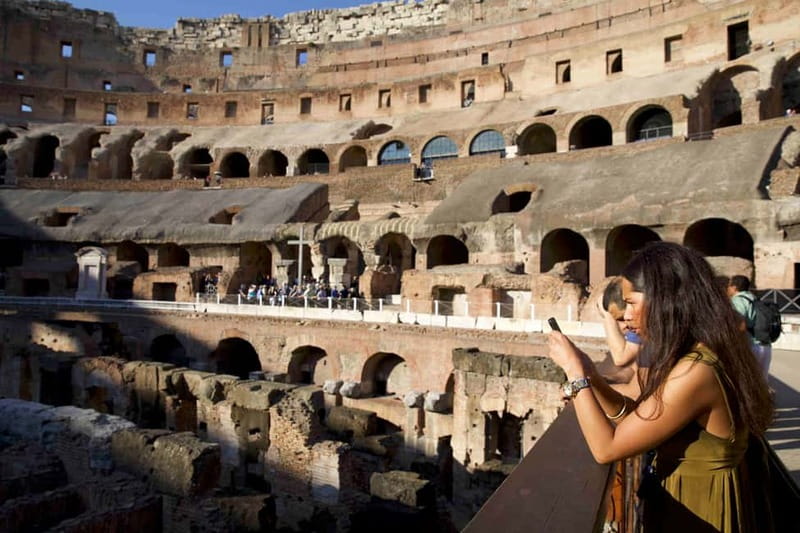
Book it if you want the best single outing that covers the Colosseum, the Roman Forum, and Palatine Hill without wasting hours. The Arena floor access is the reason to do it, and the tour’s structure is designed to make that access useful instead of just another photo moment. If you love stories—gladiators, emperors, and how the spaces served Roman power—choose the private guide and take advantage of the headsets and live interpretation.
Consider a self-audio option if:
- you like moving at your own pace
- you don’t need a live Q&A person
- your group has different interest levels or energy
Skip or rethink if:
- you struggle with uneven ground (Palatine Hill is rocky)
- you’re hoping for a fully unhurried experience with lots of solo wandering
- you’re late-prone, since arriving after the meeting time can cost you entry without a rebooking
If your schedule is tight—and it usually is in Rome—this is one of the more efficient ways to get real Colosseum impact and then connect it to the Forum and Palatine Hill context that makes Rome feel like a living system, not just a collection of ruins.
FAQ
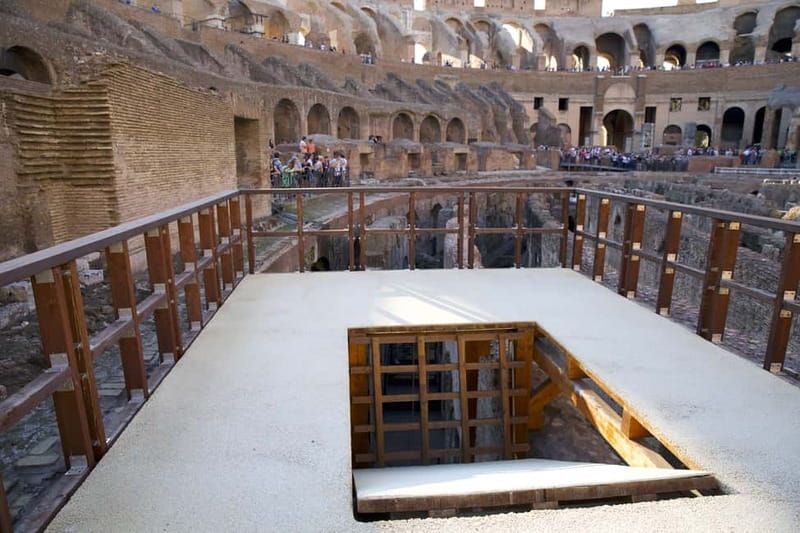
What does this tour include?
You get access to the Colosseum with Arena floor access, plus visits to the Roman Forum and Palatine Hill. You can choose either self-audio or a private guided option.
Do I get to stand on the Colosseum Arena floor?
Yes. The experience includes direct access through the Gladiators’ Entrance and exclusive access to the Colosseum Arena Floor.
Is there a self-guided option?
Yes. You can choose a self-audio guided tour using your smartphone. This is not a guided group tour.
How long is the tour?
It lasts about 2.5 to 3 hours.
Which languages are available for the private guide?
The private licensed guide can be provided in several languages, including English, Portuguese, French, Spanish, Italian, Chinese, Dutch, and Polish.
Is the tour wheelchair accessible?
No. This tour is not wheelchair accessible.