REVIEW · ROME
Rome: Castel Sant’Angelo Priority Line Ticket & Audio Guide
Book on GetYourGuide →Operated by Vox City International · Bookable on GetYourGuide
A castle with a direct line in. That’s what makes Castel Sant’Angelo with priority entry such an easy win in Rome. I really like the skip-the-line entry and the self-paced audio guide, and you’ll appreciate the 18 guided stops. The main thing to watch: you must have your downloaded e-ticket ready to show at the entrance, or you can lose time fast.
Once you’re inside, this place doesn’t feel like a single museum room. It moves through centuries, from the Mausoleum of Hadrian to a castle, then a prison, and finally a museum. I also like that the experience packages in a Vatican area audio add-on, so you can keep the momentum after your fortress visit.
In This Review
- Key highlights at a glance
- Priority Entry Into Castel Sant’Angelo: What You Save
- Finding the Fort: Where to Go (Lungotevere Castello 50)
- The Mausoleum to Museum Story: How the 18 Stops Work
- Courtyard and Prison Levels: The Tosca Connection
- Angel Statues and Panoramic Views From the Top
- Audio Guide Strategy: Make It Personal, Not Generic
- Vatican Area Self-Guided Add-On: Bridge of Sant’Angelo to St. Peter’s
- Price and Value: Is $17 a Smart Move?
- What’s Included, What You Must Bring
- Included
- Not included
- Timing: How Long You’ll Actually Need
- Small Group Option: Why It Helps (Even Without a Guide)
- Should You Book This Castel Sant’Angelo Ticket?
- FAQ
- Is priority entry included for Castel Sant’Angelo?
- How long does the experience take?
- What do I need to bring?
- How do I get the ticket and audio guide?
- Which languages are available for the audio guide?
- Is this suitable for wheelchair users?
Key highlights at a glance
- Priority entry via a separate entrance to reduce waiting time
- 18 points of interest inside Castel Sant’Angelo with multilingual commentary
- Panoramic viewpoints and angel statues to help you turn photos into memories
- Mausoleum to prison storytelling, including the Tosca connection in the courtyard
- Vatican area self-guided audio tour featuring the Bridge of Sant’Angelo and St. Peter’s Basilica
- Easy self-navigation with QR download access for the audio guide
Priority Entry Into Castel Sant’Angelo: What You Save
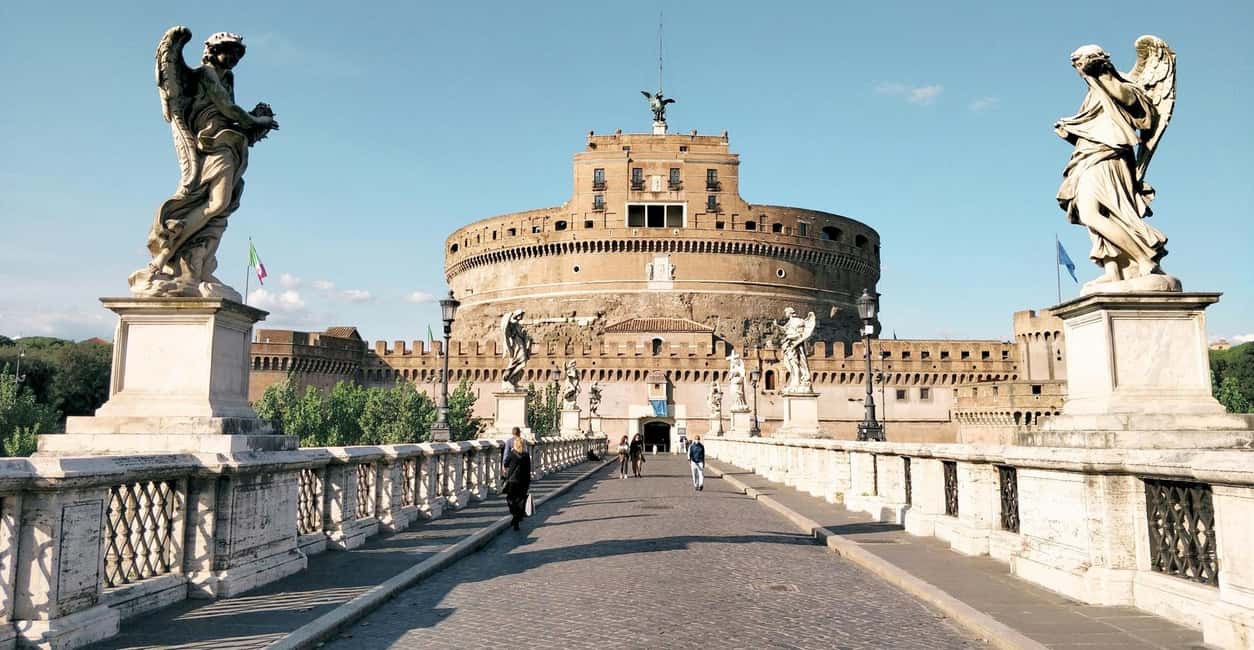
Castel Sant’Angelo is popular for a reason. It’s famous, central, and photogenic, which also means lines can get annoying. With this ticket, you get priority entry through a separate entrance, so your time stays focused on the views and the exhibits, not queue logistics.
What you’re buying here is control. You choose your pace. The audio guide keeps you on track, but you’re not locked into a group rhythm. In a city where you can easily burn hours standing, that matters.
One practical consideration: this is an e-ticket experience. You’ll want your QR code accessible on your phone before you arrive (more on that below). If you scramble at the gate, your priority ticket stops feeling like a priority.
You can also read our reviews of more tours and experiences in Rome


Finding the Fort: Where to Go (Lungotevere Castello 50)
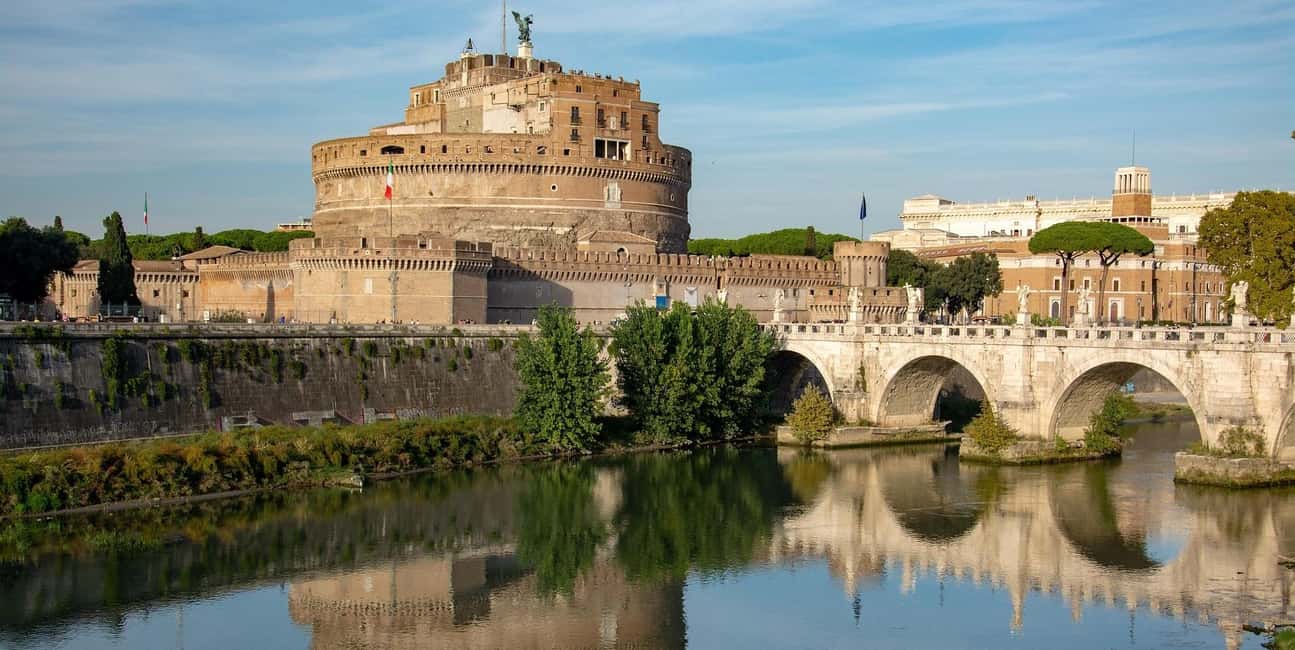
You can head straight to Lungotevere Castello, 50. That’s a big deal because you’re not waiting for a guide to escort you to a meeting point somewhere else in the area. The experience is designed so you can walk in and start.
Your ticket is sent by Vox City, and only Vox City tickets are accepted at the attraction. In practice, that means you should download and keep the QR code handy as soon as it’s delivered to you, not the night before.
If you’re planning to combine this with other sights near the Vatican, the location is convenient. You can pair it with your own walking route and use the audio add-on later when you’re in that part of Rome.
The Mausoleum to Museum Story: How the 18 Stops Work
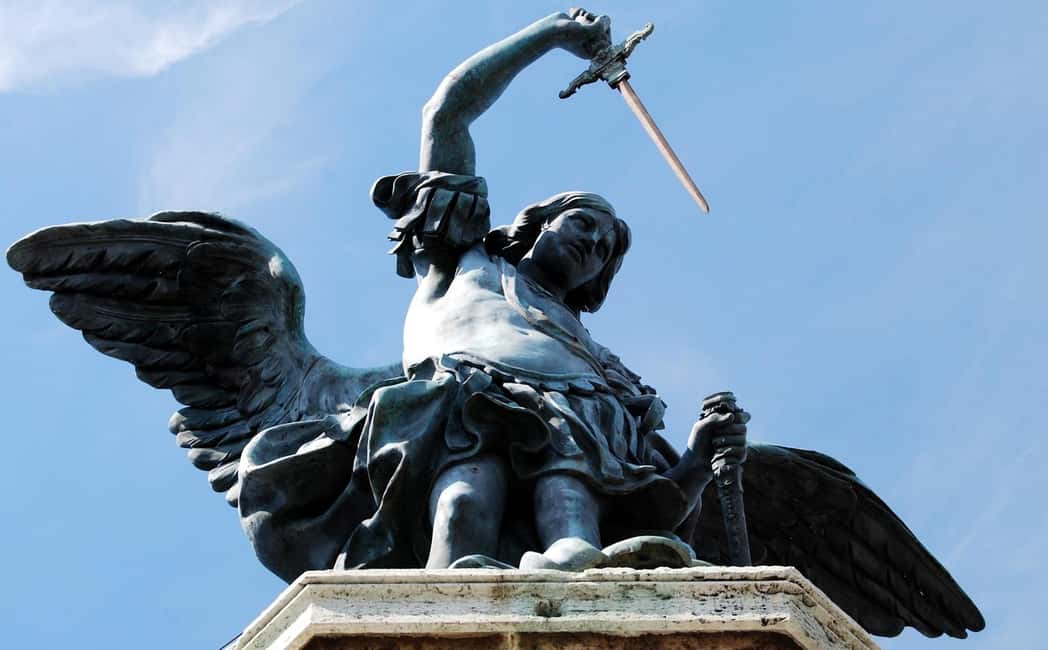
Inside Castel Sant’Angelo, the story is the show. You start with the site’s earliest identity, the Mausoleum of Hadrian, built nearly 2,000 years ago. As you move through the experience, the building’s purpose keeps changing, and the audio guide is there to connect the dots.
You’ll follow 18 points of interest, which helps a self-guided visit feel less random. Instead of wandering and hoping you catch the meaning, the commentary gives you a sequence to follow. You also get context for legends attached to the site, including the story that the plague of 590 ended when Archangel Michael stood on top of the mausoleum.
The building’s evolution is clear:
- mausoleum
- castle
- prison
- museum
That shift is more than trivia. It explains why the architecture feels layered. It also helps you notice details that you might otherwise miss if you only saw it as a viewpoint and statue spot.
Courtyard and Prison Levels: The Tosca Connection

Castel Sant’Angelo isn’t just pretty stone. It has a tense side. The courtyard was the site of executions, and parts of the experience describe how the castle later functioned as a prison.
This is where the audio guide adds a nice human thread. You’ll hear about characters from Puccini’s famous opera, Tosca, being imprisoned there. Even if you’re not an opera superfan, this kind of reference helps you remember what you’re looking at, because it turns the space into a story.
A small tip for how to use this: when the audio mentions executions or imprisonment, slow down. Stand still for a minute and look around. The fortress layout makes more sense when you let your eyes do the pacing that your feet usually do.
Angel Statues and Panoramic Views From the Top
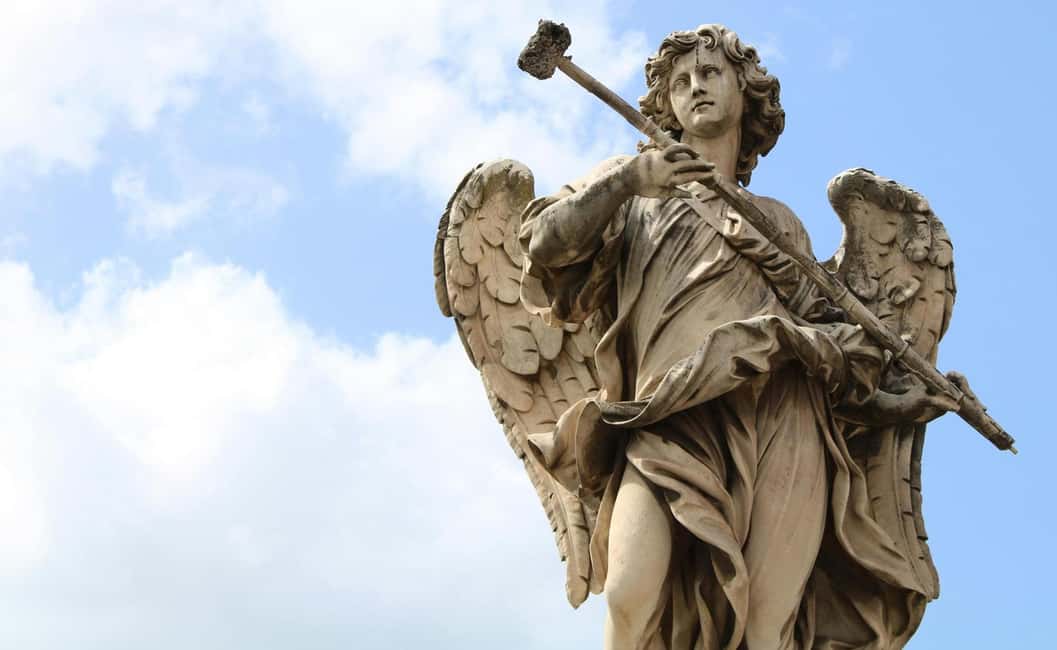
You didn’t come all this way just to listen. This fortress rewards your camera. One of the explicitly highlighted photo moments is the angel statues, and there’s also a panoramic viewpoint at the top.
The views from Castel Sant’Angelo work especially well in late afternoon or early evening, when light softens and the city feels less harsh. Even if you’re not chasing the perfect sunset, you’ll likely want a couple of slow photo stops so you get the scale of Rome.
One practical note: this is a self-paced visit, so don’t treat the photo moments as a quick dash. Build them into your timing. If you rush, you’ll end up with a dozen almost-great shots instead of a few real keepers.
You can also read our reviews of more guided tours in Rome
Audio Guide Strategy: Make It Personal, Not Generic
This ticket includes a digital audio guide with multilingual commentary in English, Italian, French, German, Portuguese, Polish, Spanish, and Chinese. You’ll also have a Vatican area audio tour add-on, which you can use after your fortress visit.
You’ll need headphones, and you need your own mobile device. The audio guide is downloaded via QR code from your voucher, so plan to have your phone charged and ready. The voucher QR matters because you download before arrival, not at random intervals while you’re standing in a hallway.
How I’d use the guide (so it feels worth your time):
- Listen while you walk between major areas, so the stories become a map.
- Pause before viewpoints and let the narration set the scene first.
- Skip ahead only when you’re staring at something you already understand.
This is the kind of museum where a little listening changes the entire experience.
Vatican Area Self-Guided Add-On: Bridge of Sant’Angelo to St. Peter’s
The experience doesn’t end when you walk out of the fortress. You get an additional Vatican area self-guided audio tour. It’s digital, so you can run it whenever your schedule allows.
Included topics cover top sights such as the Bridge of Sant’Angelo and Saint Peter’s Basilica, plus additional stops mentioned in the audio route. That’s a smart add-on if you’re already planning to be in the Vatican zone that day.
Here’s the best way to make this work: think of Castel Sant’Angelo as your “history and architecture” chapter. Then use the Vatican audio tour as your “what you’re seeing right now” chapter. You’ll likely make fewer wrong turns and spend less time checking your phone map between stops.
Price and Value: Is $17 a Smart Move?
At about $17 per person, the value comes from three things you’re actually saving:
- Priority entry (less waiting)
- A self-guided audio experience across 18 points
- A second audio tour for the Vatican area
If you were to buy a basic entry ticket and then separately add audio, your cost usually rises. Here, the audio guide is part of the package, and the add-on keeps it from being a one-and-done visit.
Would I pay the same price without the audio? Probably not. But with the audio guiding you through mausoleum-to-prison-to-museum, the ticket feels more like structured time than just access.
So yes, for most first-time Rome visitors, this is a solid value—especially if you want to move efficiently and still understand what you’re seeing.
What’s Included, What You Must Bring
Included
- Castel Sant’Angelo entry ticket
- Priority entry
- Digital audio guide
- Vatican area self-guided audio tour
- Multilingual audio commentary (the languages listed earlier)
Not included
- Guided tour
- Headset and mobile device
This is why your prep matters. Bring headphones and have your phone ready. If you forget headphones, you can’t really fix that on the fly without losing time.
Also note: this experience is not suitable for wheelchair users, so if accessibility is a concern, you’ll want to look for another option.
Timing: How Long You’ll Actually Need
The experience is listed as 2 hours, though it’s also shown as valid across the day depending on starting times you can choose. Practically, if you use the audio guide and still want photo time, plan around that two-hour window.
If you rush through the viewpoints, you might do it faster. If you pause often, you could stretch it. Either way, priority entry helps you avoid the most common time-waster: the line.
Small Group Option: Why It Helps (Even Without a Guide)
The ticket notes a small group available. Even though this isn’t a guided tour, small-group setups usually mean less crowding around entry and fewer “everyone follow the guide” moments.
You still control your pacing. The audio guide fills the role of narration, so you’re not dependent on a person’s voice or schedule.
Should You Book This Castel Sant’Angelo Ticket?
Book it if you want:
- Priority entry to keep your day moving
- an audio-guided visit through the site’s changing roles (mausoleum, castle, prison, museum)
- angel statues and top-floor views with time to breathe
- an extra Vatican area audio route so you can extend the day without extra planning
Skip it (or reconsider) if:
- you don’t want to manage a phone-based e-ticket and QR download
- you need a fully guided tour experience
- you rely on accessibility accommodations, since it’s not suitable for wheelchair users
My take: this is a smart buy for travelers who like independence but still want context. The priority entry plus 18 guided points is a practical combo, and the Vatican audio add-on is a nice bonus if you’re already headed that way.
FAQ
Is priority entry included for Castel Sant’Angelo?
Yes. This ticket includes priority entry, letting you use a separate entrance to skip the line.
How long does the experience take?
It’s listed as 2 hours. Starting times depend on availability on the booking date.
What do I need to bring?
You should bring headphones. A mobile device and headset are not included.
How do I get the ticket and audio guide?
Your e-ticket is sent to you digitally. The activity includes an e-ticket that becomes available for download and is sent via Whatsapp within 24 hours of your travel date, and you’ll also receive booking details by email. You’ll scan the QR code on your voucher to download the audio guide before arrival.
Which languages are available for the audio guide?
The audio guide includes multilingual commentary in English, Italian, French, German, Portuguese, Polish, Spanish, and Chinese.
Is this suitable for wheelchair users?
No. This experience is listed as not suitable for wheelchair users.