REVIEW · ROME
Rome: Colosseum, Arena and Palatine Hill Small-Group Tour
Book on GetYourGuide →Operated by Carpe Diem Tours · Bookable on GetYourGuide
You walk the gladiators route.
This small-group Rome tour is built around one standout moment: stepping into the Colosseum and onto the arena floor through the Gladiator’s Gate, the same passage gladiators used nearly 2,000 years ago. I also like how it ties three big sites together—Colosseum, Palatine Hill, and the Forum—so you leave with a clearer sense of how power and everyday life fit into the same Roman landscape.
One thing to weigh: the schedule is tight, and the order can switch depending on ticket times, so you may want more time in one area than the tour can realistically give.
You’ll get a lot of bang for the guided time.
The licensed local experts work with headphones so you hear every story clearly, and the pacing stays manageable even with groups reported as around 15. Guides like Giorgio, Lynn, Felicity, and Lia show up in the mix, and that matters here because this is the kind of place where good storytelling turns stone and arches into a scene you can actually picture.
The main drawback is timing, not access.
This is a 3-hour experience with set stops (Colosseum first for about an hour, Palatine Hill about 30 minutes, and then the Roman Forum finish), so if the Forum is your main obsession, you might feel the time squeeze. Also, be ready for the meeting flow to vary: you’ll either start with the Colosseum or with the Roman Forum/Palatine Hill based on what ticket times are available.
In This Review
- Quick hits that make this Colosseum tour worth your time
- Entering The Colosseum Arena via Gladiator’s Gate
- Colosseum building and design: what to notice while you’re there
- Palatine Hill: emperor villas, elite luxury, and the view down
- Roman Forum at the right pace (and the time trade-off)
- Meeting at the Arch of Constantine: the yellow-flag moment
- Small-group comfort: headphones and a guide you can actually hear
- Price and value: what $107.62 gets you
- What to bring: the simple stuff that saves your day
- Who this tour suits best (and who might want a different style)
- Should you book this Colosseum, Arena and Palatine Hill tour?
- FAQ
- How long is the Rome Colosseum, Arena and Palatine Hill small-group tour?
- Where do we meet for the tour?
- Where does the tour end?
- Is it a small-group tour?
- What’s included in the tour?
- Do I need ID?
- Is food or drink included?
- Is the Colosseum free on any dates?
- Is the tour refundable?
Quick hits that make this Colosseum tour worth your time
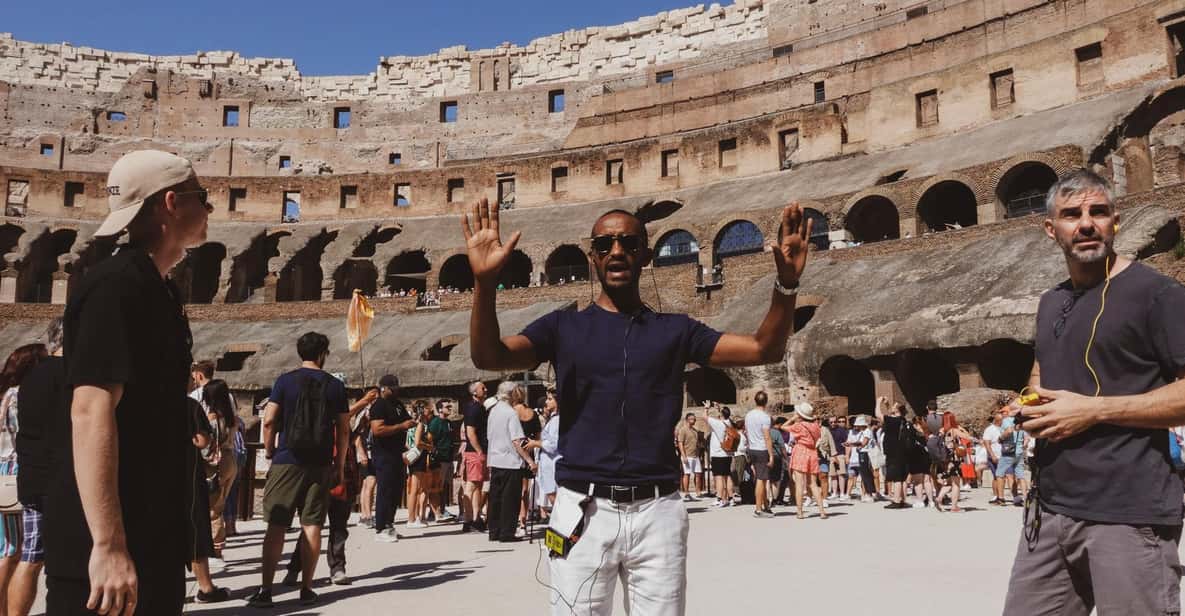
- Arena-floor access via Gladiator’s Gate, following the route gladiators took
- Small groups with headphones, so you can actually follow the guide without craning your neck
- Palatine Hill palace luxury, where emperors and elites built their showplaces
- Roman Forum focus on the daily machinery of the empire, not just impressive ruins
- Start order can change (Colosseum first or Forum/Palatine Hill first) based on ticket times
- Prime picture-taking help plus an effort to find shade on hot, sunny days
Entering The Colosseum Arena via Gladiator’s Gate
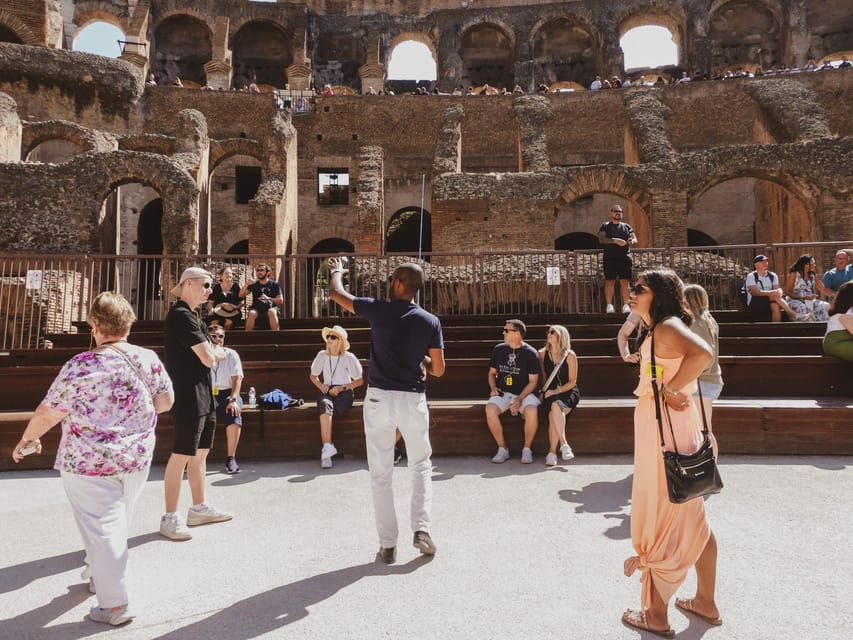
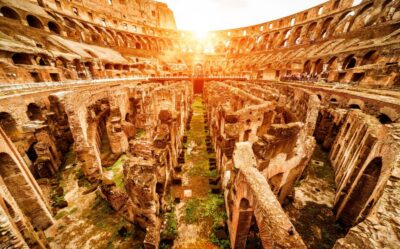
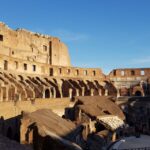
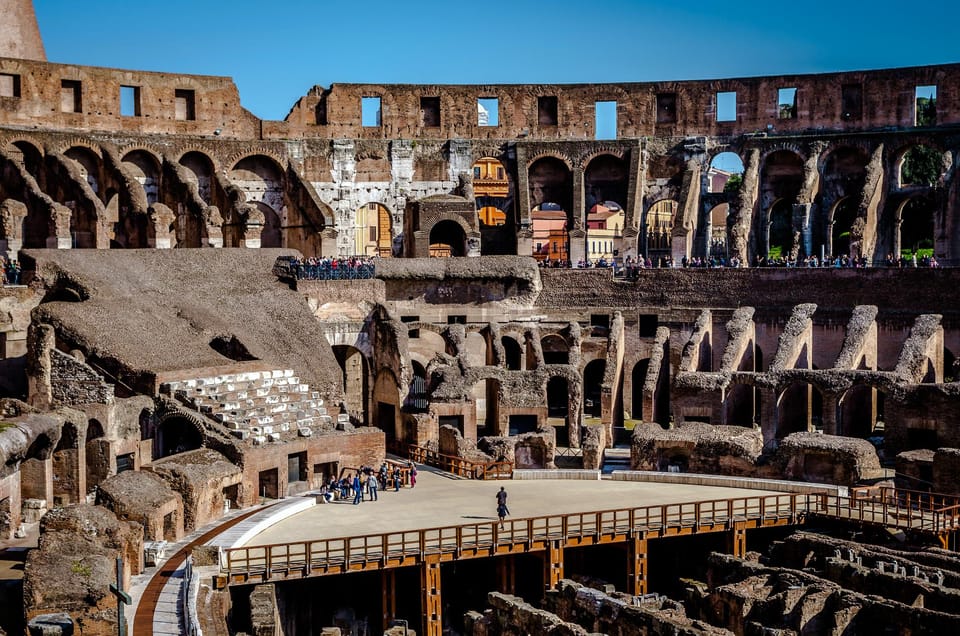
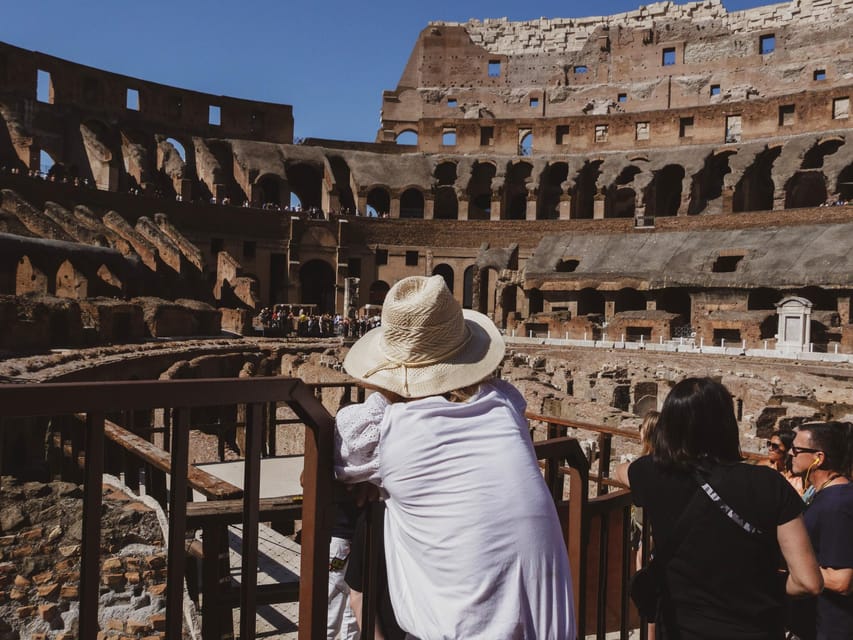
The Colosseum is the headline for a reason, but most tours keep you safely above the action. This one takes you where the drama happened: you step inside the ancient amphitheatre and go out onto the arena floor. The route includes the Gladiator’s Gate, so you’re not just looking at the Colosseum—you’re walking through the same kind of path that fed the spectacle.
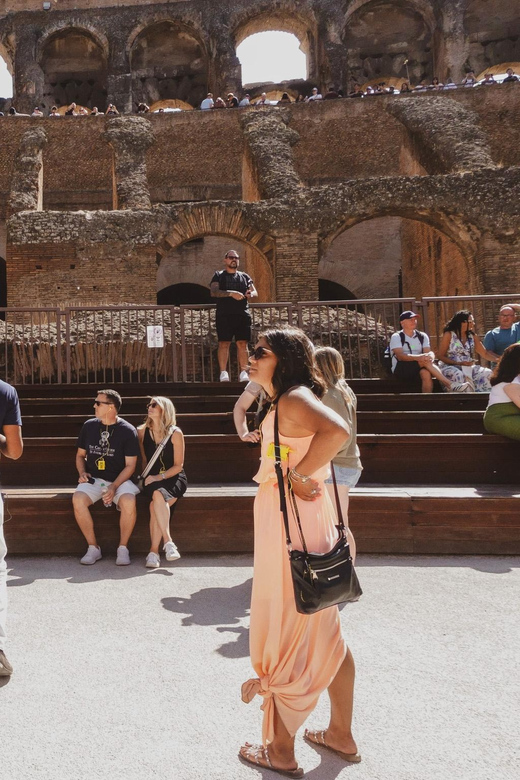
What’s useful for you here is how the guide frames the space. The arena floor is where the scale becomes real. When you stand in that flat, sand-toned world beneath the seats, the seating bowl suddenly makes sense as a machine built to amplify noise—cheers, jeers, and everything in between. The tour’s stories place you at the height of the Roman Empire when the Colosseum was a flagship showpiece for Rome’s power.
Also, you get about an hour of guided time at the Colosseum. That doesn’t sound long until you remember what you’re getting: entry inside, an arena-floor moment, plus context that helps you look past the obvious photos. It’s the difference between seeing a big stadium and understanding what kind of political theater it was.
You can also read our reviews of more tours and experiences in Rome.

Colosseum building and design: what to notice while you’re there
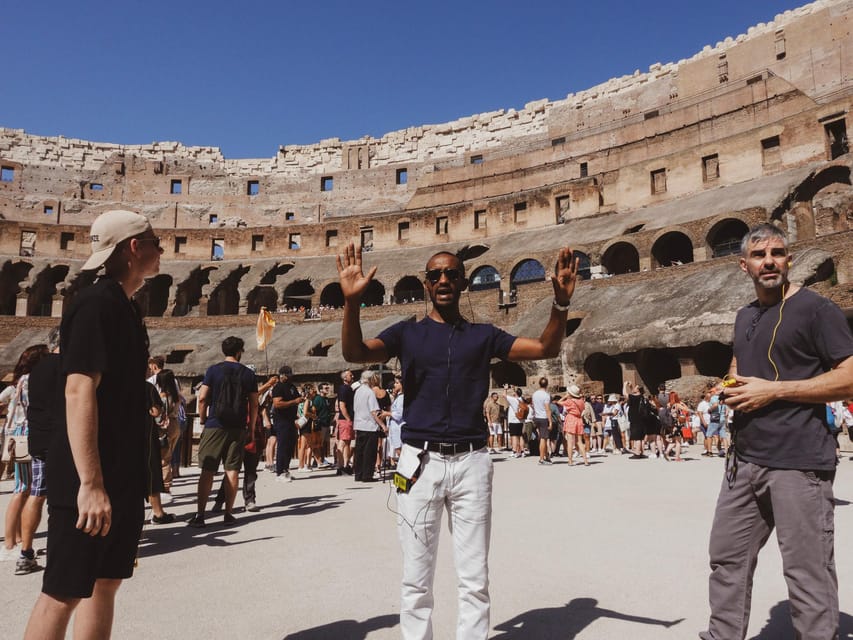
Even if you only catch part of the details, you’ll still benefit from knowing what to look for. In this kind of tour, your guide’s job is to point out the logic of the place: how Romans staged power through architecture, crowd movement, and the spectacle of animals and people brought into view.
During your Colosseum hour, keep an eye on the contrast between what you can touch (the walkable arena and nearby ruins) and what you’re mostly viewing from below (the seating tiers). The seating is the audience’s stage. The arena is where the “show” happened. If you let the guide connect those dots, the whole thing clicks fast.
One practical thought: arena-floor time can feel like a lot in a short window because it’s so memorable. So if you’re sensitive to heat or strong sun, plan to move quickly when you’re on exposed areas. A highlight from the guide experiences you’ll hear in the group is the effort to help with shade when possible on hot days.
Palatine Hill: emperor villas, elite luxury, and the view down
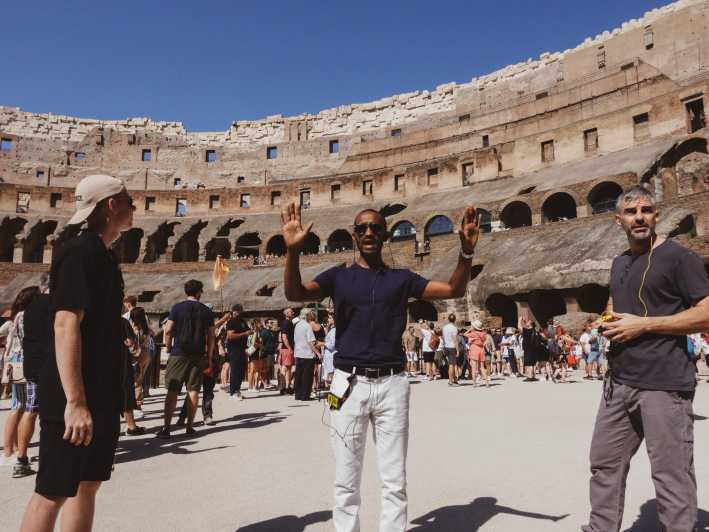
After the Colosseum, you head to Palatine Hill, the home base for Roman emperors and the power-broker elite. This is one of the most valuable parts of the tour because it changes the tone. The Colosseum is about performance. Palatine Hill is about possession—who had the space, who lived close to the seat of power, and why that mattered.
Your guided time here is about 30 minutes. That’s short, but it can work well if you use it to get oriented. From Palatine Hill’s remains and vantage points, you can start to imagine how neighborhood life and political life overlapped. The tour style focuses on rebuilding the neighborhoods around you, including the names and characters associated with the hill.
What I like for your decision-making: Palatine Hill helps you connect the empire to people. You don’t just get a monument; you get a sense of the “where” behind the “who.” The emperors’ palaces and elite villas are physical leftovers of a social ladder that ruled Rome.
Roman Forum at the right pace (and the time trade-off)
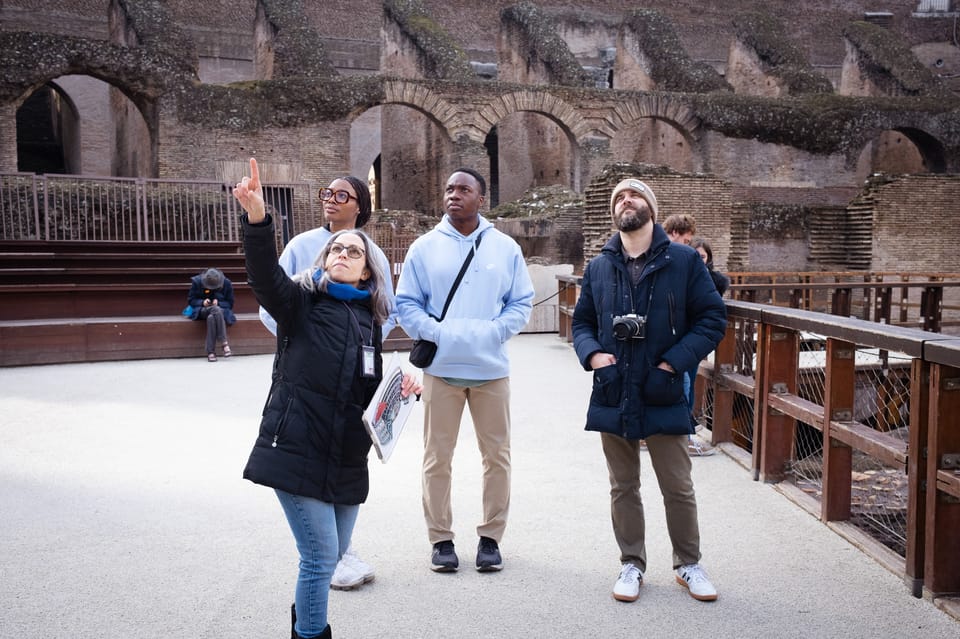
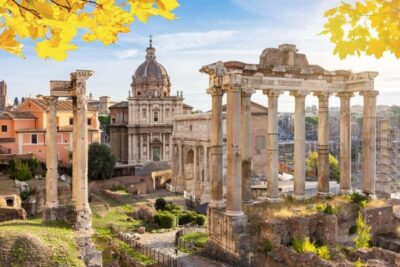
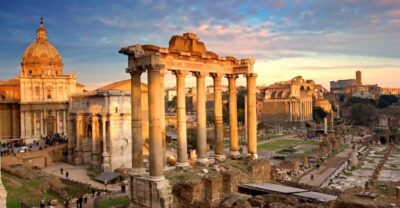
Then comes the Roman Forum, the heart of Ancient Rome’s daily pulse. This part is where the tour can feel especially rewarding if you enjoy cities as much as buildings. The Forum wasn’t just a backdrop—it was where the hustle and the working of power happened.
You’ll be weaving among enormous ruins with help from your expert guide to connect mythical founders, famous senators, and ordinary market-stall life into one big story about how Rome ran. The guide’s job here is tricky: there are a lot of broken walls and scattered pillars, and without commentary they can blur together.
The caution is simple: you finish the tour at the Roman Forum, but the whole experience is only about 3 hours. One downside you should consider is that you might want more time in the Forum and less in the Colosseum. If you’re the type who could happily spend hours walking every Forum lane, this might feel like a guided highlight rather than a slow stroll.
Meeting at the Arch of Constantine: the yellow-flag moment
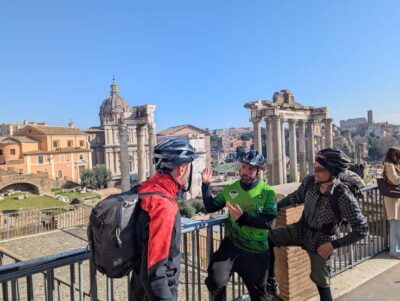
You start at the Arch of Constantine, and the guide holds a yellow flag. The meeting side is described as the side furthest away from the Colosseum, so don’t wander around the arch guessing. Stand where the guide can actually see you.
This matters because the tour’s order can switch. Depending on the tickets they can purchase, you’ll either start with the Colosseum or you’ll begin with the Roman Forum/Palatine Hill. That means your day might start with the big arena moment, or it might start with the “city center” context first. Either option can be great—you just need to know why your timeline feels a little different from what you might expect.
Also, the tour is listed as ending back at the meeting point, even though the itinerary says it finishes at the Roman Forum. In practice, that usually means you’ll be dropped back in the same general area so you’re not left guessing where to go next.


Small-group comfort: headphones and a guide you can actually hear
This tour includes headphones, which is a huge quality-of-life upgrade at the Colosseum. Big ruins are loud, windy, and visually demanding. When you’re walking with a guide, being able to hear the stories clearly lets you spend your brainpower on what the guide points out instead of just tracking their voice.
From the guide feedback you’ll see echoed across the experience reports, a recurring theme is how engaging and strong the guides are. Giorgio’s history-heavy approach comes up, with answers for questions. Lynn is described as fantastic and engaging. Felicity and Ivana are mentioned as doing clear explanations with humor and good flow. Lia is highlighted for passion that brings places to life, and Susana is noted for making the parallels between the Roman world and today feel accessible.
That’s not just nice. It’s genuinely practical. At the Colosseum and Forum, the most important thing you can do is understand what you’re looking at. A great guide helps you see patterns—why Romans built as they did, why power concentrated where it did, and how public spectacle connected to politics.
Price and value: what $107.62 gets you
At $107.62 per person for a 3-hour small-group tour, you’re paying for three things that are hard to recreate on your own:
First, you’re paying for entry and the guided route that gets you onto the arena floor through the Gladiator’s Gate. Second, you’re paying for time saved and clarity gained. The Colosseum and Forum are huge, and if you don’t have a plan, you can end up wandering with a camera and a foggy sense of what matters. Third, you’re paying for licensed guidance with headphones, which makes the experience more comfortable and more informative.
Food and drink aren’t included, so you’ll want to plan a snack or plan a meal before or after. The tour duration is short enough that you can still eat well, just don’t count on this being a meal stop.
If you’re visiting on the first Sunday of the month, there’s a helpful detail: Colosseum admission is free on that day, and tours are discounted. That can make the same guided route feel like an even better deal. If your dates are flexible, it’s worth checking that calendar.
What to bring: the simple stuff that saves your day
Bring a passport or ID card. The tour instructions are clear about having identification, especially for minors in your group.
For your comfort, think like you’re walking around an ancient site in full sun. Wear shoes you can trust on stone and uneven ground. Bring water if you’re able to carry it, since the tour doesn’t include food or drink. And don’t be shy about asking your guide where shade might be during breaks or quieter sections—some guides actively try to steer the group toward cooler spots on hot days.
A small packing win: keep your phone power in mind. You’ll be taking photos, and you’ll probably want to capture the arena-floor view and the hill perspectives.
Who this tour suits best (and who might want a different style)
This is a great pick if you want an efficient, high-impact overview that still feels human. You get arena access, Palatine Hill context, and a Forum walkthrough without spending a full day lost in guidebook pages.
It’s especially good for:
- First-time visitors who want the “big three” sites connected in one outing
- People who appreciate expert explanation, not just landmarks
- Anyone who values hearing the story clearly thanks to headphones
- Small-group travelers who don’t want to feel squeezed into a crowd
It might be less ideal if:
- You’re planning to prioritize the Roman Forum as your main obsession and want long, slow time there
- You prefer a fully flexible self-guided schedule where you can linger without a set stop length
Should you book this Colosseum, Arena and Palatine Hill tour?
If you want the best version of the Colosseum experience—arena floor access plus clear guidance through Palatine Hill and the Roman Forum—this tour is a strong choice. The value is in how it turns three major sites into one understandable story, with headphones and licensed expertise doing the heavy lifting.
If you’re picky about time allocation, you’ll want to go in with the right expectations: it’s a 3-hour tour with fixed guided windows. That’s enough for meaningful highlights, not enough for a long, lingering obsession tour of every Forum corner.
If your dates include the first Sunday of the month, double-check the free-admission angle and the discounted tour pricing, because that’s when the math often looks especially good.
FAQ
How long is the Rome Colosseum, Arena and Palatine Hill small-group tour?
It runs about 3 hours. Starting times vary based on ticket availability.
Where do we meet for the tour?
You meet at the Arch of Constantine. The guide is holding a yellow flag, on the side furthest away from the Colosseum.
Where does the tour end?
It ends back at the meeting point. The itinerary also notes that it finishes at the Roman Forum area.
Is it a small-group tour?
Yes, it’s described as a small-group tour, with a personal touch and manageable group sizes.
What’s included in the tour?
The tour includes a live English guide and headphones.
Do I need ID?
Yes. You should bring a passport or ID card.
Is food or drink included?
No. Food and drink are not included.
Is the Colosseum free on any dates?
Yes. Colosseum admission is free on the first Sunday of the month, and tours are discounted on those days.
Is the tour refundable?
No. The activity is non-refundable.