REVIEW · ROME
Rome: Colosseum, Palatine Hill and Roman Forum Guider Tour
Book on GetYourGuide →Operated by Discovery Live Tours · Bookable on GetYourGuide
Nothing hits like the arena floor.
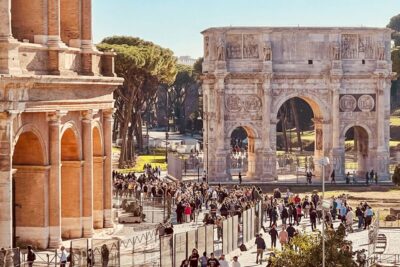
A guided route through the Colosseum, Roman Forum, and Palatine Hill turns scattered ruins into a story you can follow, with a guide explaining what you’re looking at and what life was like around these monuments. You start at the Colosseo metro area (yellow umbrella in hand), then move through Rome’s most important imperial spaces—fast enough to be efficient, structured enough to feel meaningful.
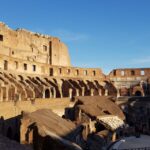
I especially like how the Colosseum visit is built around real perspective: you see the seating area and walk the spaces connected to the shows that drew 50,000–80,000 spectators. I also like that the guide brings it down to human scale—one guide mentioned in feedback, Nadezhda, is praised for sharing details about ancient lifestyle and even the rumors and gossip of the time—so it’s not just dates and names.
One consideration: this is not a casual shuffle. The experience involves outdoor walking over uneven ancient surfaces and it’s marked as not suitable for people with mobility impairments, plus it’s not a “slow museum tour” with hotel pickup or extra time to lounge.
In This Review
- Key things that make this tour worth your time
- What you’re really buying: a guided way to read three iconic ruins
- Meeting at Colosseo without stress: yellow umbrella + the right metro exit
- Entering the Colosseum: what you’ll see and why it clicks
- Palatine Hill after the arena: the emperors’ neighborhood on a guided launch
- Roman Forum: Rome’s power center, plus a chance to roam
- Guide style and quality: why headsets matter and how stories land
- Price check: what $96.29 gets you, and what it doesn’t
- Who this tour suits (and who should reconsider)
- Quick practical tips to make your day smoother
- Should you book the Colosseum, Palatine Hill and Roman Forum guided tour?
- FAQ
- Where is the meeting point for this Colosseum tour?
- Do I need to bring an ID?
- Is this tour actually guided at all three sites?
- How long is the guided part at the Colosseum and Palatine Hill?
- Are tickets included, or do you skip the line?
- What languages are available?
- Is the tour suitable for mobility impairments?
Key things that make this tour worth your time
- Skip-the-line entry to the Colosseum, so you spend less time waiting and more time looking.
- Certified, history/art-trained guide plus headsets for groups larger than 5.
- Forum + Palatine access after the main guided segments, so you can keep exploring at your own pace.
- Arena context: you learn what the shows were and why the building mattered.
- Clear meeting point near the Colosseo metro entrance—look for the yellow umbrella and arrive early.
- Language options including English (plus Russian and Italian).
What you’re really buying: a guided way to read three iconic ruins
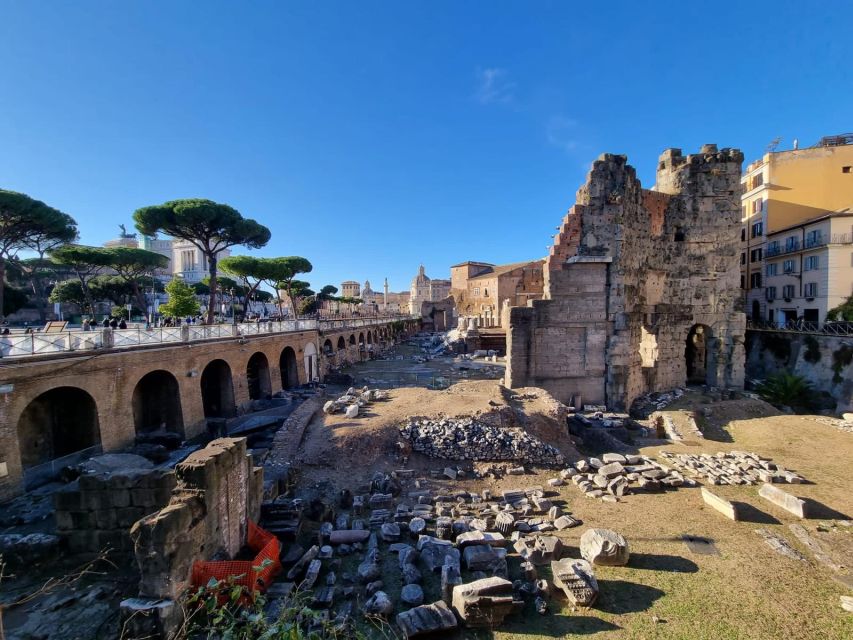
Rome’s big-ticket ruins can feel like three separate stops if you do them on your own. What makes this experience practical is that it gives you a guiding thread from showpiece to power center to emperor neighborhood. You start in the Colosseum, then shift to the Roman Forum, then climb to Palatine Hill—so you’re moving through the city in a way that matches how ancient Romans would have experienced it.
The other value is the guide format. A certified guide (with a university degree in history and/or art) is the difference between wandering and understanding. When you’re standing where the crowd once sat, you need someone to explain the layout and the purpose. That’s exactly what this tour is trying to do.
And you’ll still get room to breathe: after the guided pieces, you have access to continue exploring—useful, because the Forum and Palatine Hill are places where you’ll want to pause, look up, and re-orient yourself.
You can also read our reviews of more tours and experiences in Rome.

Meeting at Colosseo without stress: yellow umbrella + the right metro exit
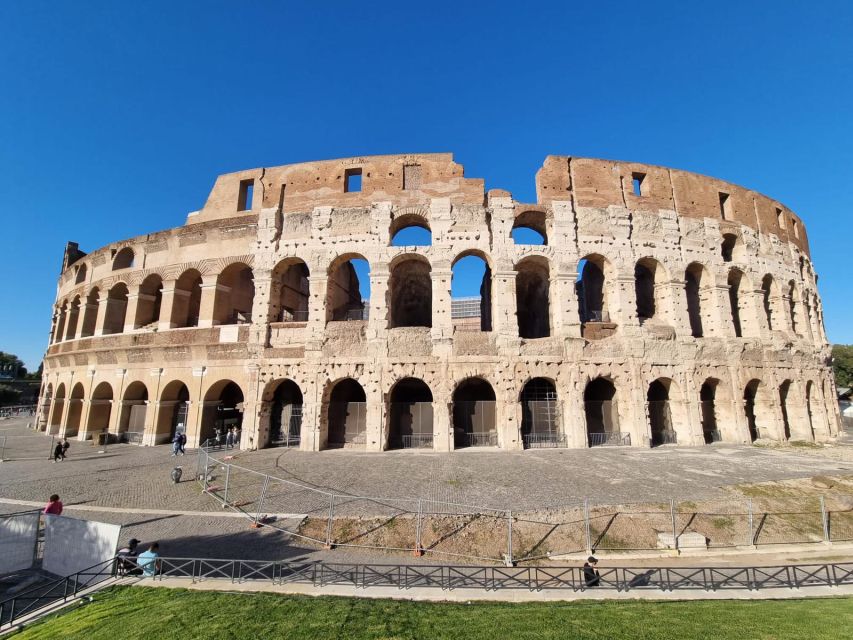
This tour is straightforward, but only if you get the meeting point right. Plan to arrive 15 minutes early at the front of the metro station Colosseo, where your guide will be holding a yellow umbrella.
Here’s the small detail that can save you from missing the start: use the ground level entrance/exit area. One helpful tip from feedback says people waited at the upper level exit and nearly missed the tour. Don’t risk it—go to the street-level meeting area.
What to bring is also simple and strict: you’ll need your passport or ID card. And you can’t bring luggage or large bags, so travel light. There’s no hotel pickup, either, so treat this as a self-directed meeting-and-walk experience.
Entering the Colosseum: what you’ll see and why it clicks
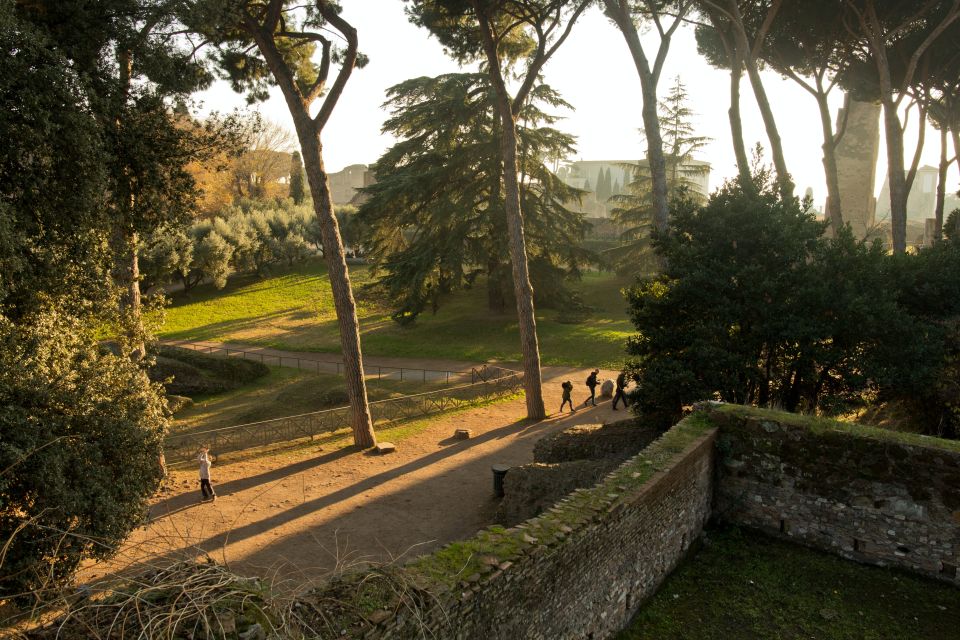
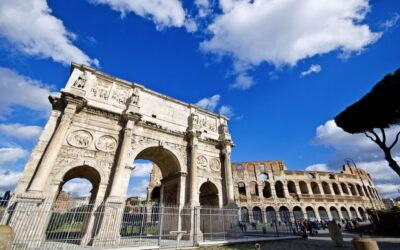
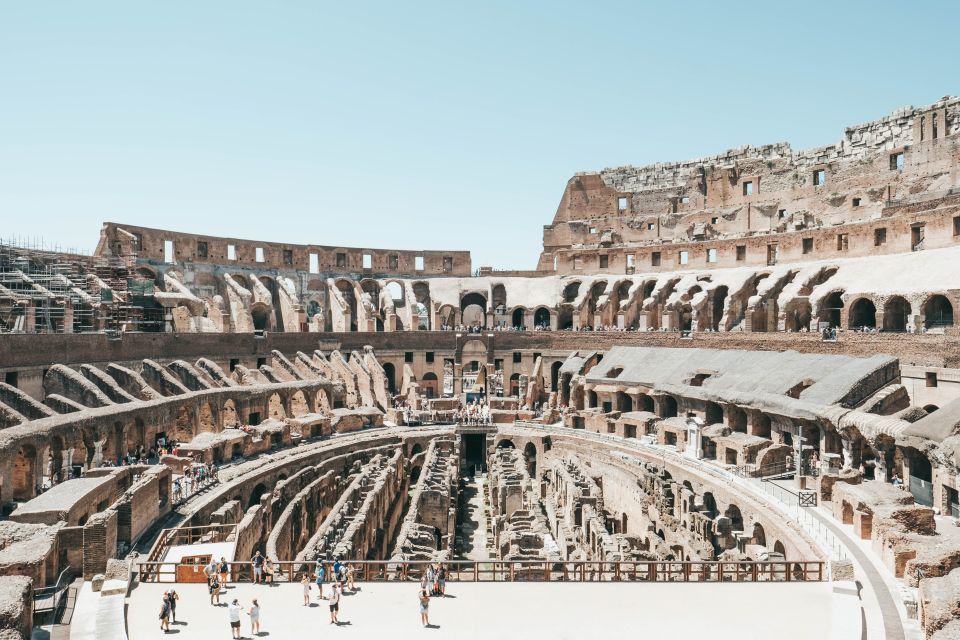
The Colosseum stop is the anchor of the whole day. The biggest advantage is that you skip the ticket line, which is a real time-saver in peak Rome season. Once you’re inside, you don’t just look at stone—you get help turning it into a mental map.
You’ll start with a photo stop and then a guided tour of about one hour focused on the Colosseum. The highlights are exactly what you’d hope for:
- learning about the arena events that once drew massive crowds
- walking through areas tied to where spectators sat
- understanding why this venue mattered in Roman public life
One detail I really like is the emphasis on the “where” and not only the “what.” Being guided through the spaces connected to the shows helps you imagine the energy of the crowd. And since the Colosseum once held an estimated 50,000–80,000 spectators, the scale lands differently once you hear it explained while standing in place.
A practical note: the Colosseum can be busy and loud. If you’re sensitive to crowds, the value of a guided route is even higher, because the guide helps you time your viewing—moving you along before you get stuck in the busiest angles.
Palatine Hill after the arena: the emperors’ neighborhood on a guided launch
After the Colosseum, you head to Palatine Hill, where the story shifts from public spectacle to elite power and private comfort.
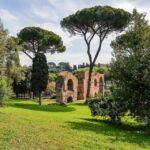
This is where you climb into the mindset of the wealthy: Palatine Hill was home to wealthy patricians who built sumptuous homes, and it’s also connected to the imperial decision-making that shaped how Rome governed itself. The tour includes a guided 45-minute segment and specifically calls out Octavian Augustus and the idea of placing the Imperial Palace here.
Why this stop works (even if you don’t feel like a “history person”): Palatine Hill teaches you to look at ruins as evidence of lifestyle. You can stand on the hill and understand that this wasn’t just a random cluster of remains—it was a deliberate residential and political landscape.
One thing to keep your expectations realistic: one note from feedback points out that the guided portion may be most focused on the Colosseum, with Palatine and the Forum giving you access to explore on your own after. The itinerary you’ll receive should clarify how much guidance you get at Palatine. Either way, the hill rewards you for slowing down and looking out over the city lines.
If you’re the kind of traveler who loves vistas, Palatine Hill is a great fit. If you’re short on time or don’t like climbs, bring that honesty to your planning—this part of Rome is walk-heavy.
Roman Forum: Rome’s power center, plus a chance to roam
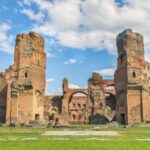
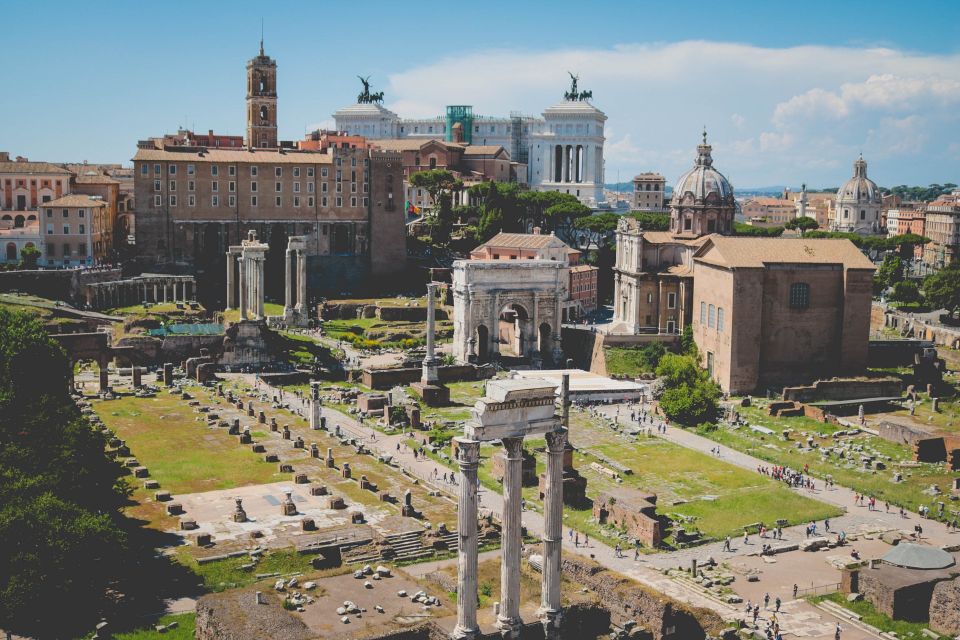
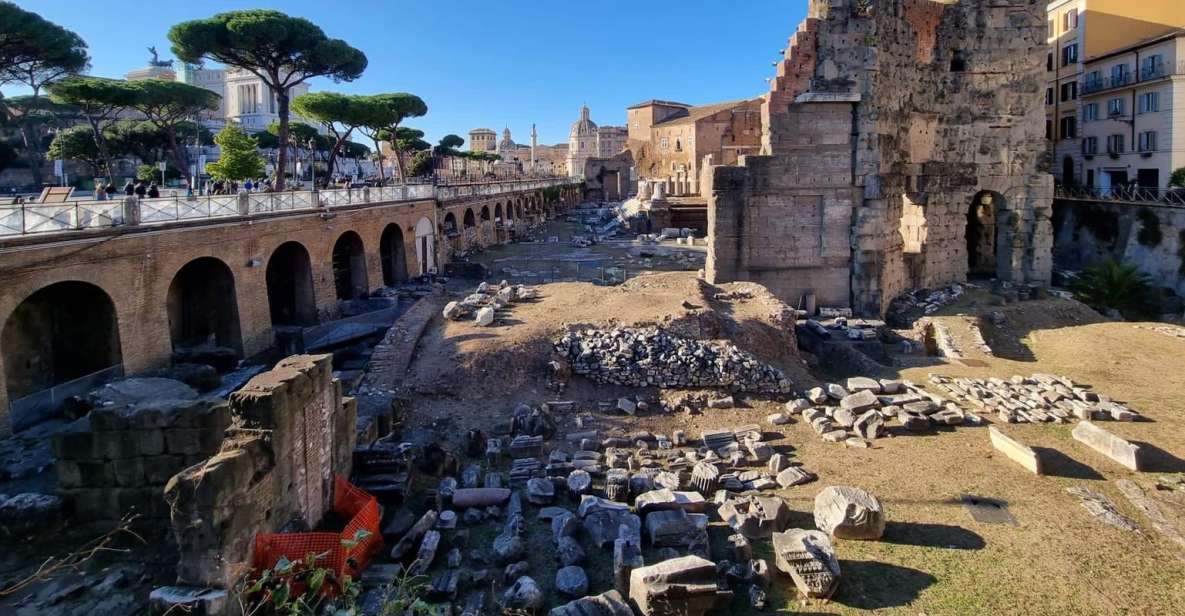
The Roman Forum is the other half of the mental picture. It’s described as the commercial, religious, and political center of Rome and the wider empire. That trio matters because it explains why the Forum wasn’t just impressive—it was functional. People came here to make decisions, worship, trade, and show status.
Your visit includes break time plus photo stops, and there’s also a guided Forum visit component (the schedule lists it, though the exact duration appears inconsistent in the provided details). The overall approach is still clear: you get guided context, then you have time to walk through the space and connect the dots yourself.
Here’s why I think this is a strong design for most visitors. The Forum can be overwhelming without direction. With a guide, you can place major areas into categories—politics here, religion there, civic life spread throughout—so your brain doesn’t treat everything as the same pile of stone.
And once the guided moment ends, the Forum becomes something else: your “choose-your-own-adventure” part. If you want to revisit an area for photos, or slow down where the ruins feel especially dramatic, you can.
Just remember: this is still outdoor wandering across uneven surfaces. If you go in thinking it’s easy, you’ll feel rushed. If you go in thinking it’s a walk with stops, you’ll enjoy it more.


Guide style and quality: why headsets matter and how stories land
A lot of tours promise history. The difference here is the structure and the guide background. You get a certified tour guide with a university degree in history and/or art, and you also get headsets for groups larger than five. That headset detail is small, but it changes the experience. It helps you hear explanations clearly as you’re moving through noisy crowds.
Language is also a practical plus. You can choose Russian, English, or Italian, which is rare for some Rome sites. If you’re traveling with someone who struggles with English, or you want the richest explanations possible, language choice can be a dealbreaker.
Feedback mentions guides like Rosa and Nadezhda, with praise for kindness and for making the material engaging. One comment singles out Nadezhda for telling historical information in an interesting way and for sharing details about daily life and the gossip of ancient Rome. That’s exactly what helps your visit feel like a lived place instead of a textbook.
In other words: you’re not just getting a checklist. You’re getting a translator for the ruins.
Price check: what $96.29 gets you, and what it doesn’t
At $96.29 per person, this tour is positioned as a paid-skip-the-line guided experience with a certified guide and some extra comfort features (like headsets for larger groups). The key value isn’t the price alone—it’s how much you’re paying to reduce friction.
What you get included:
- certified tour guide (history/art background)
- headsets when groups are larger than 5
- skip the ticket line
What you do not get:
- hotel pickup/drop-off
- food and drinks
So the real question for your budget is this: are you comfortable arriving on your own at the Colosseo metro meeting point and handling your own breaks? If yes, then the price makes sense because you’re buying time and clarity inside the busiest site.
If you need hotel pickup and a full-day meal plan, this probably won’t feel like the best value. But if you’re a flexible, independent traveler who’s happy to bring your own snacks and keep moving, it can be a very efficient way to cover three landmarks in one coherent arc.
Who this tour suits (and who should reconsider)
This is a good fit if you:
- want guidance at the Colosseum and some structure moving into the Forum and Palatine Hill
- prefer hearing explanations while you’re actually standing in the right spots
- like the idea of a planned route with photo stops and breaks
- can travel with a light bag since large bags and luggage aren’t allowed
It’s not a good fit if you:
- need mobility-friendly routes (it’s marked not suitable for people with mobility impairments)
- don’t like walking uneven surfaces and stairs
- expect hotel pickup, because there’s none
If you’re traveling with kids, seniors, or anyone with limited stamina, the guide can still help make it meaningful—but the physical demands are real, and you should plan breaks accordingly.
Quick practical tips to make your day smoother
- Wear comfortable shoes you can trust on stone. Rome’s ruins aren’t the level sidewalks you want after an hour of walking.
- Bring a valid passport or ID. You’re required to carry it.
- Travel light: if you can, pack so you don’t bring anything that counts as luggage or a large bag.
- If you’re picky about language, double-check your language selection ahead of time (Russian/English/Italian are offered).
- Don’t treat this like a casual stop-and-start day. The route has momentum, and the Colosseum part is the focus.
Also, keep in mind opening hours can change, since the tour depends on access to these sites.
Should you book the Colosseum, Palatine Hill and Roman Forum guided tour?
I’d book this tour if you want the Colosseum to feel understandable—not just famous—and you want the Forum and Palatine Hill connected to that bigger story. The skip-the-line entry, the certified guide, and the headset option (for larger groups) all point to a “use your time well” approach.
I’d skip it if your group needs minimal walking, or if you’d rather wander entirely on your own without timed guided segments. In that case, you might prefer a looser self-guided plan so you can control pace and avoid any pressure of meeting times.
Bottom line: at $96.29, you’re paying for efficiency and explanation. If you value that, this is a smart way to see three top sites without turning your day into chaos.
FAQ
Where is the meeting point for this Colosseum tour?
Meet at the front of the metro station Colosseo. Your guide will be holding a yellow umbrella. Arrive about 15 minutes early.
Do I need to bring an ID?
Yes. All visitors must carry an ID, such as a passport or an ID card.
Is this tour actually guided at all three sites?
The Colosseum includes a guided tour, and Palatine Hill also lists a guided visit. The Roman Forum includes a guided visit as well, but the amount of guided time versus self-exploring can vary—so check the details you receive.
How long is the guided part at the Colosseum and Palatine Hill?
The schedule lists about 1 hour for the Colosseum guided tour and about 45 minutes for the Palatine Hill guided tour.
Are tickets included, or do you skip the line?
You skip the ticket line for the Colosseum.
What languages are available?
The live tour guide is available in Russian, English, and Italian.
Is the tour suitable for mobility impairments?
No. It is marked as not suitable for people with mobility impairments.