REVIEW · ROME
Castel Sant’Angelo Skip-the-Line ticket
Book on GetYourGuide →Operated by Explore Rome Tours · Bookable on GetYourGuide
A fortress view over the Tiber is worth it. With a skip-the-line ticket, you get inside Castel Sant’Angelo fast, and the terrace views make the climb feel instantly worthwhile. The possible drawback: this is not a full guided tour, so if you love deep narration, you’ll want the audio guide option (if available).
This monument—the Mausoleum of Hadrian turned papal fortress—gives you Roman history you can walk through, plus a few genuinely spooky details if you’re into that sort of thing. Just note it isn’t a great fit if you have mobility limits: it’s listed as not suitable for wheelchair users or people with mobility impairments.
In This Review
- Key highlights at a glance
- Skip-the-line entry: your fast track past the crowds
- Castel Sant’Angelo basics: what you’re walking through
- Hadrian’s mausoleum to papal fortress: the story the walls tell
- Passetto di Borgo and Michael’s legend: the human drama behind the stones
- Prison cells and the unsettling corners: Sammalò and San Marocco
- Terrace time and Sant’Angelo Bridge photos
- Audio guide vs. no guide: making the most of 1 to 1.5 hours
- Price and value: does $17 make sense?
- Who this is best for (and who may prefer something else)
- Practical know-before-you-go tips that save hassle
- Should you book the Castel Sant’Angelo skip-the-line ticket?
- FAQ
- How long is the Castel Sant’Angelo visit?
- What’s included with the skip-the-line ticket?
- Is a guide tour included?
- Where do I get the tickets?
- What if I can’t download the PDF ticket?
- What do I need to bring for entry?
- Is this experience suitable for wheelchair users or mobility impairments?
- Are pets, strollers, or large bags allowed?
- What is the cancellation policy?
Key highlights at a glance
- Skip-the-line entrance so you can go straight in and save time near St. Peter’s
- Terrace viewpoints with postcard-style angles over Rome and the Tiber
- Hadrian’s mausoleum + papal fortress story, from imperial tomb to refuge
- Passetto di Borgo escape route context and how the popes used the site
- Prison-cell stops linked to the names Sammalò and San Marocco
- Sant’Angelo Bridge photo time, right where the views feel most dramatic
Skip-the-line entry: your fast track past the crowds
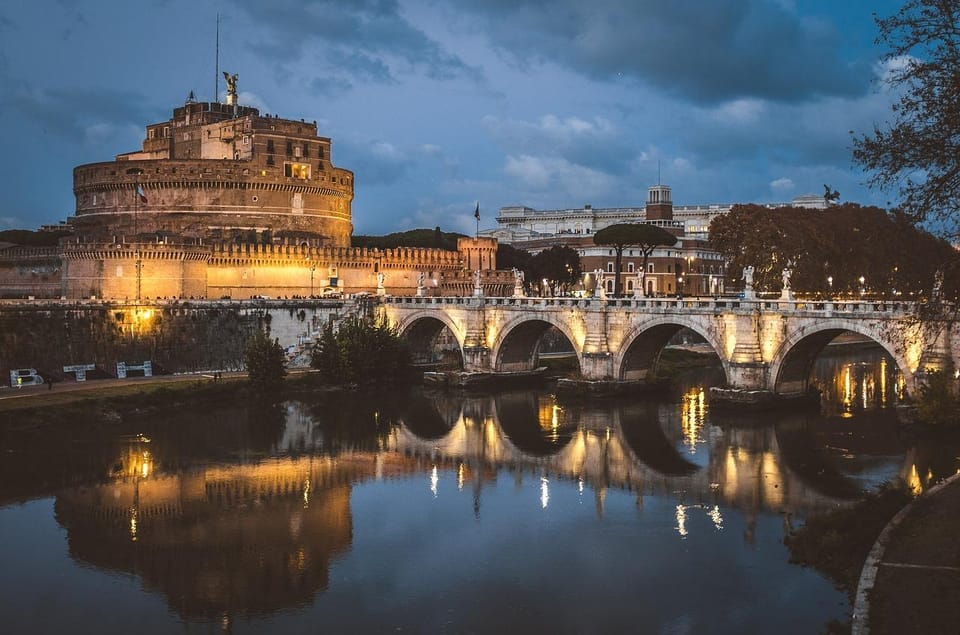
Castel Sant’Angelo sits in a prime spot. You’re close to St. Peter’s Basilica and the Vatican Museums, which is great for planning a compact day in Rome. It also means the area can get busy, especially around peak hours. That’s where this ticket shines: the whole point is that you don’t waste your time lining up at the entrance.
For most people, saving time in Rome is the difference between “I’ll enjoy this” and “I’m tired already.” With a 1 to 1.5 hour visit, you’ll want your energy for the highlights—inside views, the terrace, and the best photo angles over the river.
One more practical note: you’ll receive your ticket access digitally. Tickets are sent to your email and WhatsApp the day before your activity. If downloading the PDF causes trouble, you’re told to contact the provider by email or WhatsApp for help. That’s simple, and it matters, because Rome lines rarely forgive delays.
You can also read our reviews of more tours and experiences in Rome


Castel Sant’Angelo basics: what you’re walking through
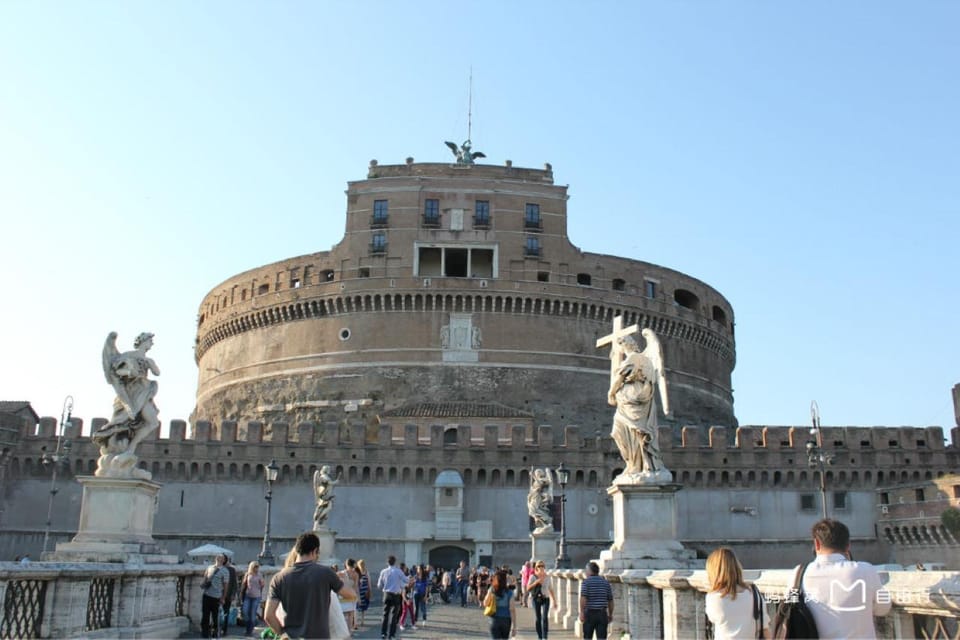
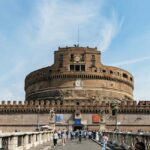
This site is commonly known as Castel Sant’Angelo, but it’s also the Mausoleum of Hadrian. That name is more than trivia—it’s the key to understanding the building.
You’re starting with a structure built for an emperor’s legacy, then watching it transform into something completely different over centuries. The monument later became a papal fortress, used as a refuge and working defensive structure. In other words, you’re not just touring a “pretty old building.” You’re moving through layers of Rome: imperial power, church authority, conflict, and eventually museum life.
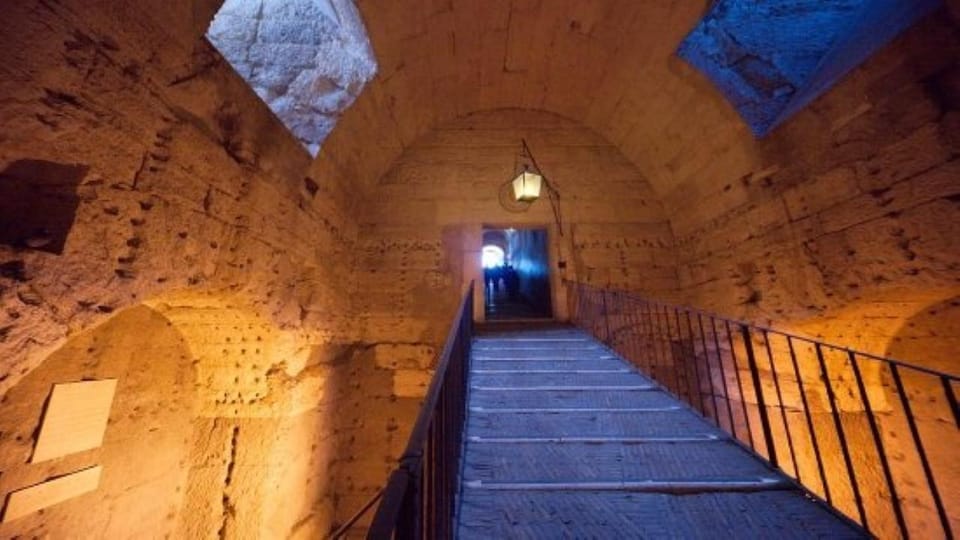
And yes, it’s the kind of place where the architecture helps you read the story. The same heavy mass that made it suitable as a tomb later made it useful as a fortress—thick structure, strategic position by the Tiber, and strong defensibility. Even if you’re not a history nerd, that “why this place, why here?” logic keeps your attention.
Hadrian’s mausoleum to papal fortress: the story the walls tell
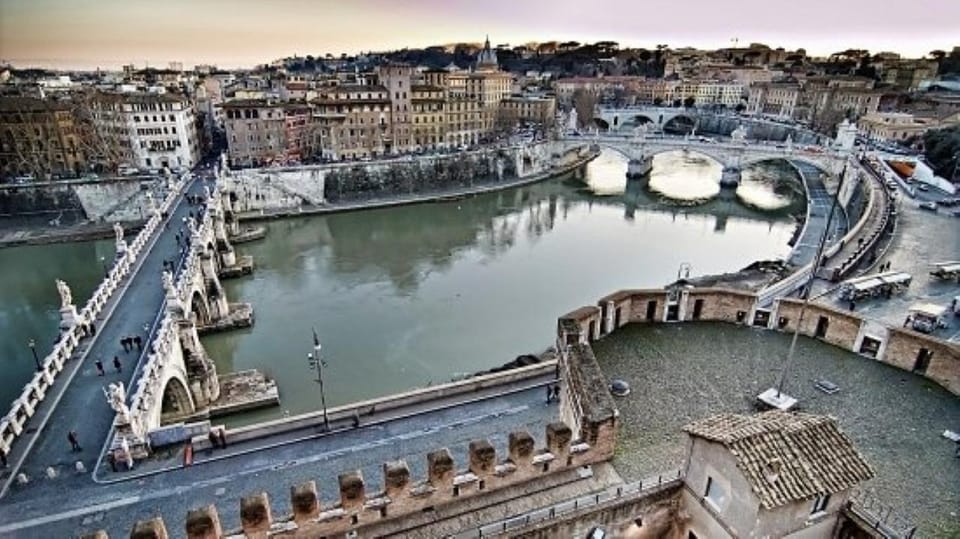
The big shift here is how the site kept getting repurposed.
Originally, the building is tied to Hadrian’s mausoleum—an imperial monument with serious symbolism. Later, it’s transformed into a papal fortress. That’s a huge conceptual jump, and it’s exactly why the visit feels more interesting than a standard museum stop.
You’ll also learn about the pope’s use of the site as a refuge. The information provided points to a specific feature tied to escape and survival: the Passetto di Borgo. You’ll be able to discover the idea of this passage and why it mattered during the invasion-era tension between Vatican and the outside world.
This is where the value of a short visit becomes clear. In about 1 to 1.5 hours, you can get the “main storyline” without spending half a day. If you’re planning a day that also includes the Vatican area, this format is pretty efficient.
Passetto di Borgo and Michael’s legend: the human drama behind the stones
Rome loves legends, but here the story is tied directly to the monument’s mood: protection, rescue, and survival.
One of the supplied themes is the legend of archangel Michael saving Rome from the plague at the end of the 6th century. The key for you isn’t memorizing dates. It’s understanding why a fortress-adjacent monument would carry spiritual meaning. When people are facing fear—plagues, invasions, political pressure—they look for signs, protection, and a story that makes the chaos feel survivable.
You’ll also get the dramatic framing of the popes using the castle for escape during invasion scenarios. That’s where Castel Sant’Angelo stops being a static relic and starts feeling like a real part of Rome’s stress points.
If you like history that has a pulse—power struggles, fear, strategy—this stop delivers. If you only want quiet religious art, this will feel more cinematic than contemplative.
Prison cells and the unsettling corners: Sammalò and San Marocco
This is the part many people find surprising.
The monument didn’t stay a fortress forever. From the mid-14th century onward, it’s described as being used as a prison, including frightening cells. Two cell names are specifically highlighted: Sammalò and San Marocco.
Even if you don’t get every detail in a short visit, the existence of named cells gives you a useful mental anchor. You’re not just walking through “a generic prison section.” You’re seeing a place with a documented reputation for confinement and fear.
Practical tip: if you’re traveling with teens or people who prefer lighter stops, you might want to read the room here. The prison-theme areas can be intense compared with other Vatican-area sights.
You can also read our reviews of more tours and experiences in Rome



Terrace time and Sant’Angelo Bridge photos
The terrace view is the reason many people put Castel Sant’Angelo on their list, and the ticket experience is built to get you there.
From the terrace, you’ll enjoy some of Rome’s classic sightlines—especially the perspective looking toward and around the river. This matters because Castel Sant’Angelo’s location is the whole point. Set on the Tiber’s bank, it’s naturally positioned for big views, and seeing the city from above helps you understand why the fortress location was so strategic.
And then there’s the photo moment tied to the Sant’Angelo Bridge. If you care about getting a few standout shots without spending an hour hunting viewpoints, this is one of the easiest wins in the area. You’re already at the spot where the bridge and the monument create a strong composition.
If your phone camera struggles in bright Italian daylight, do a quick test before you move on. One or two test shots can save you from realizing the lighting ruins your favorite angle.
Audio guide vs. no guide: making the most of 1 to 1.5 hours
Your ticket includes skip-the-line access, and there’s an audio guide ticket if you select that option.
This is important because the experience is timeboxed. In 1 to 1.5 hours, you’ll want interpretation, not just walking. If you’re even mildly curious about why the castle changed roles—tomb to fortress to prison to museum—audio support can turn “I saw rooms” into “I understand what I saw.”
If you decide not to take the audio guide, you can still enjoy it by focusing on big visual themes: thick defensive structure, the shift in purpose across centuries, and the terrace views. But you’ll have less context for the legend and the prison-cell story beats.
Group size is also mentioned as small-group available. Small groups can mean less chaos at the entrance and fewer bottlenecks while moving through rooms.
Price and value: does $17 make sense?
The price listed is $17 per person, with a duration of 1 to 1.5 hours. That’s not free, but it’s also not trying to be a luxury add-on. For this kind of site, value usually comes from two things: time saved and ability to see the key highlights.
- The skip-the-line entrance is the first value driver. In this part of Rome, lines near famous landmarks can eat up your day fast.
- The visit targets the big “why come” elements: the Mausoleum/Hadrian story, terrace views, and the photo angle for Sant’Angelo Bridge.
- The ticket structure is practical: you get in directly with your digital access, and the visit stays focused.
If you’re traveling on a tighter schedule, this ticket pays off quickly. If you have unlimited time and don’t mind lining up, you might question whether a skip ticket is worth it for you—but the whole point of Rome sightseeing is that your best hours go fast.
One small caution: I did see at least one report of a reservation cancellation by the company about 12 hours prior. That’s not the same thing as normal operating procedure, but it’s a reminder to keep your plans flexible when possible.
Who this is best for (and who may prefer something else)
This experience fits best if you want a focused hit of Rome history plus views, without committing to a long tour.
You’ll likely enjoy it if:
- you want fast access near the Vatican area
- you care about getting terrace views and photos without extra wandering
- you like a mix of history, strategy, and a touch of legend (Michael and the plague story)
You may want to rethink it if:
- you’re depending on wheelchair access or have mobility restrictions (it’s listed as not suitable)
- you want a full guided, narration-heavy walking tour with deep context—because a guide tour isn’t included in the base package
- you’re traveling with items that aren’t allowed, like large bags (not allowed), or baby strollers (not allowed), or pets (not allowed)
Also, plan your day so you’re not rushing. The site rewards a calm pace at the terrace and while you’re taking bridge photos.
Practical know-before-you-go tips that save hassle
Bring the basics: passport or ID card. You also need the same for children.
Name details matter here. You’re asked to provide participants’ full names in English for the ticketing process. That’s a small admin step, but it can prevent problems at entry.
On-site restrictions are clearly listed:
- no pets
- no weapons or sharp objects
- no baby strollers
- no luggage or large bags
If you’re the type who packs a lot “just in case,” go lighter for this stop. You’ll thank yourself later when you’re moving through tight museum corridors.
Should you book the Castel Sant’Angelo skip-the-line ticket?
I’d book it if your goal is simple: get inside quickly, understand the big story beats (Hadrian → papal fortress → prison → museum), and grab that terrace view plus Sant’Angelo Bridge photos in about an hour.
Skip-the-line access near St. Peter’s and the Vatican Museums makes this a smart use of time. The only real reasons to hesitate are mobility constraints or if you strongly prefer a live guided tour. If you fall into either category, look for a different format.
If you want a compact, high-impact Rome stop—this one is a solid pick.
FAQ
How long is the Castel Sant’Angelo visit?
The duration is listed as 1 to 1.5 hours. Starting times depend on availability.
What’s included with the skip-the-line ticket?
The ticket includes skip-the-line entry. It also includes an audio guide ticket if you select that option.
Is a guide tour included?
No. A guide tour is not included.
Where do I get the tickets?
Tickets are sent directly to your email and WhatsApp. They are sent the day before your activity.
What if I can’t download the PDF ticket?
If you encounter issues downloading the PDF, you can contact the provider via email or WhatsApp for assistance.
What do I need to bring for entry?
You should bring a passport or ID card. A passport or ID card for children is also required.
Is this experience suitable for wheelchair users or mobility impairments?
No. It is listed as not suitable for people with mobility impairments and not suitable for wheelchair users.
Are pets, strollers, or large bags allowed?
No. Pets are not allowed, baby strollers are not allowed, and luggage or large bags are not allowed.
What is the cancellation policy?
Free cancellation is available up to 24 hours in advance for a full refund.