REVIEW · ROME
Pantheon and Jewish Ghetto Tour
Book on GetYourGuide →Operated by QUO VADIS TOUR · Bookable on GetYourGuide
Two landmarks, one unforgettable Rome story. You’ll move from the Pantheon to the Jewish Ghetto, tying architecture, faith, and politics into one walk you can actually follow. It’s a great way to see Rome’s big-name monuments with a human guide instead of just a map and hope.
I especially like the Pantheon portion: you get skip-the-line entry plus headsets, so the tour guide’s explanation stays clear even with crowds. The other standout is how the Jewish Ghetto walk grounds the city’s famous sites in lived community history, ending at the Portico of Octavia where the past still has weight.
One drawback to plan around: the Pantheon can shift due to possible closures, masses, concerts, or other events, so your timing can change. And if you’re visiting with very tight schedule days, consider building in a little buffer.
In This Review
- Key Takeaways Before You Go
- Why This Pantheon + Jewish Ghetto Combo Works
- Pantheon Entry: Timing, Dome Drama, and the Tombs
- A quick practical note
- Piazza della Minerva and Largo di Torre Argentina: Roman Footprints You Can Still Touch
- Into the Jewish Ghetto: Piazza Mattei and the Streets Around Via del Portico d’Ottavia
- What to expect in your body, too
- Portico of Octavia: Ending Where Roman Civic Life Meets Jewish Legacy
- What You Get for $65: Value vs. What You’re Paying For
- Small-Group Feel, Real-World Timing, and Why to Stay Flexible
- Meeting Point and How to Prepare Like a Pro
- Who This Tour Suits Best
- Should You Book It
- FAQ
- How long is the Pantheon and Jewish Ghetto Tour?
- What sites does the tour include?
- Is the Pantheon included with skip-the-line tickets?
- Do I need headsets?
- What languages are offered?
- What should I bring for the tour?
- What dress code rules apply at the Pantheon?
- Are there restrictions on what I can bring or wear?
- Is the tour suitable for wheelchair users or mobility impairments?
- What happens if the Pantheon has closures or events?
Key Takeaways Before You Go
- Skip-the-line Pantheon entry saves time where it matters most.
- Headsets help you hear the guide clearly in noisy public spaces.
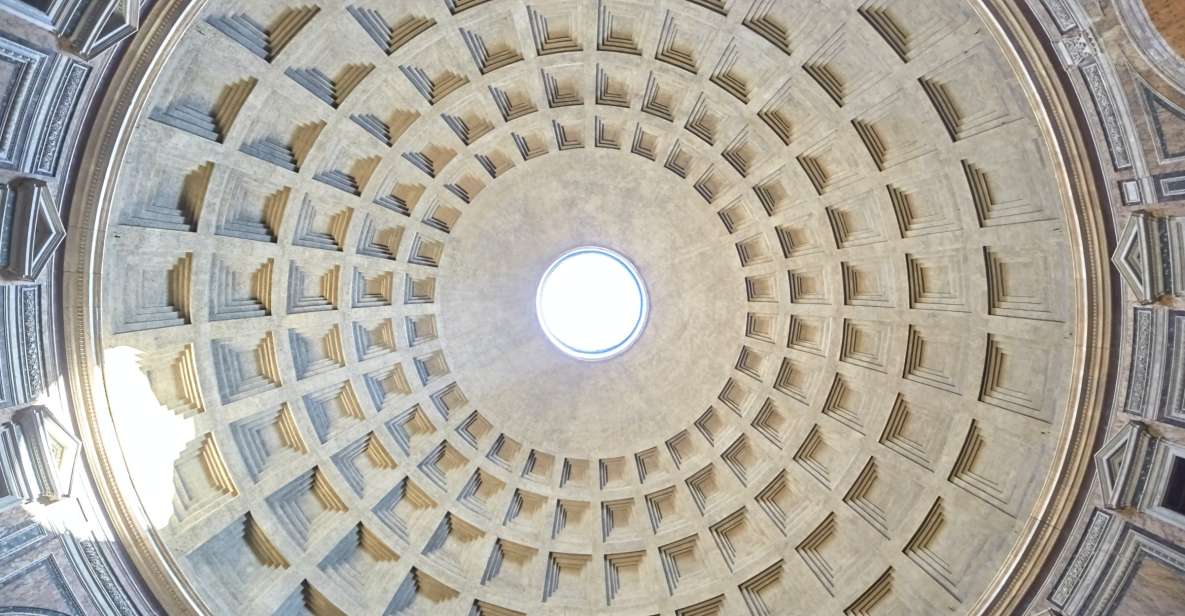
- Pantheon highlights include the dome and oculus, plus major burials like Raphael and past Italian monarchs.
- Jewish Ghetto walk follows well-known street areas such as Piazza Mattei and Via del Portico d’Ottavia.
- Portico of Octavia is a strong closing point that connects the story back to Rome’s civic life.
- Attire rules apply at the Pantheon, so plan what you’ll wear before you arrive.
Why This Pantheon + Jewish Ghetto Combo Works
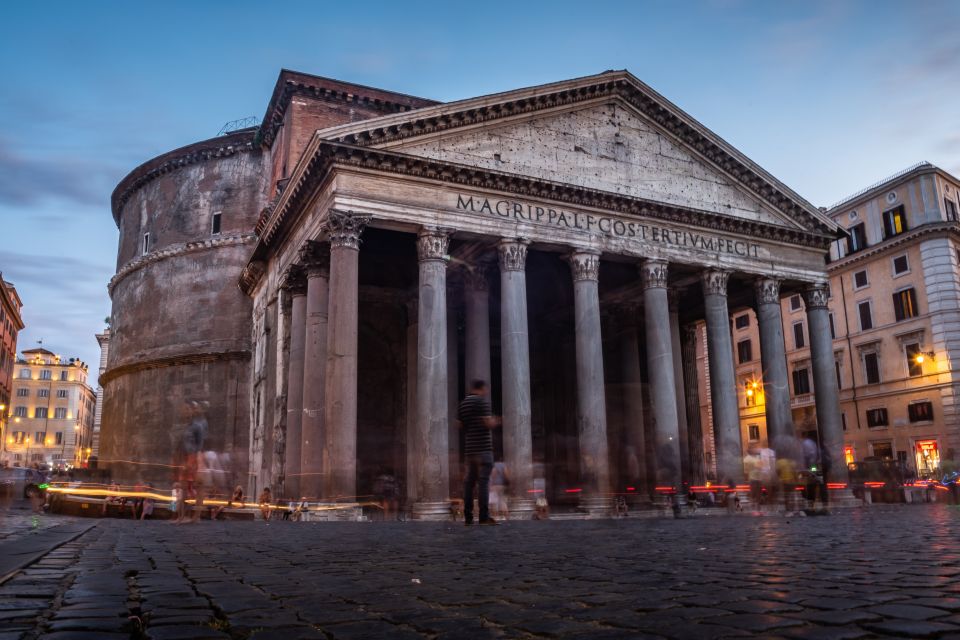
Most Rome tours treat sights like separate postcards. This one does better. You start with a monument that screams ancient power and engineering—the Pantheon—and then you shift gears into a neighborhood where religion, culture, and politics shaped daily life.
I like pairing them because the story theme stays consistent: who holds influence, who gets protected, who gets restricted, and how those changes show up in buildings and streets. Rome isn’t just ruins. It’s a record of changing communities layered on top of older layers.
Also, the tour is designed as a guided walk with headsets and a live guide in Spanish or English, which helps you keep track of names, dates, and why specific corners matter.
You can also read our reviews of more tours and experiences in Rome.

Pantheon Entry: Timing, Dome Drama, and the Tombs
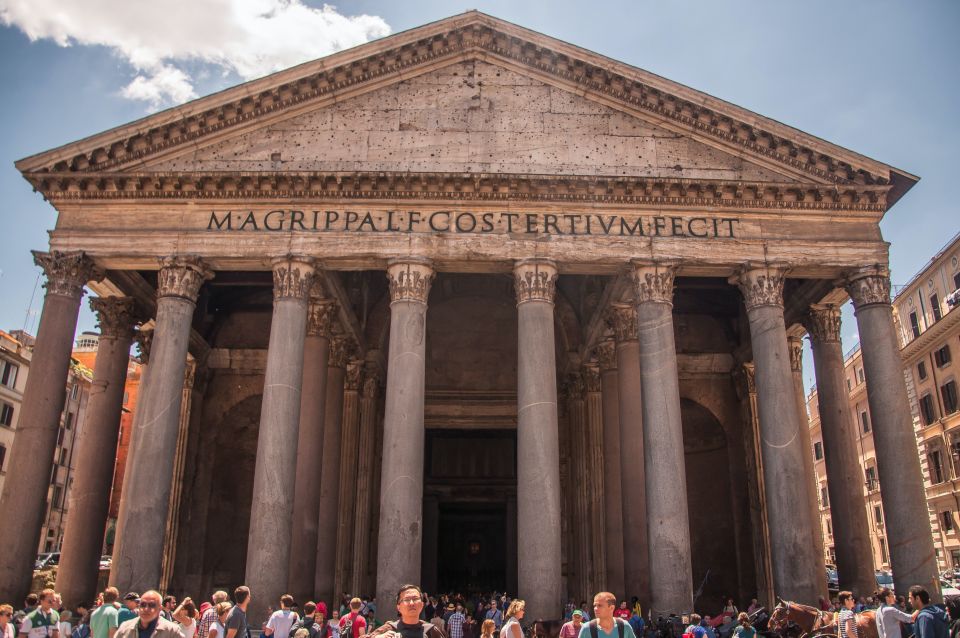
The tour begins at the Pantheon area, and the big win is practical: you get skip-the-line tickets and a guided entry to the Pantheon. On busy days, that time can be the difference between enjoying the interior and feeling rushed.
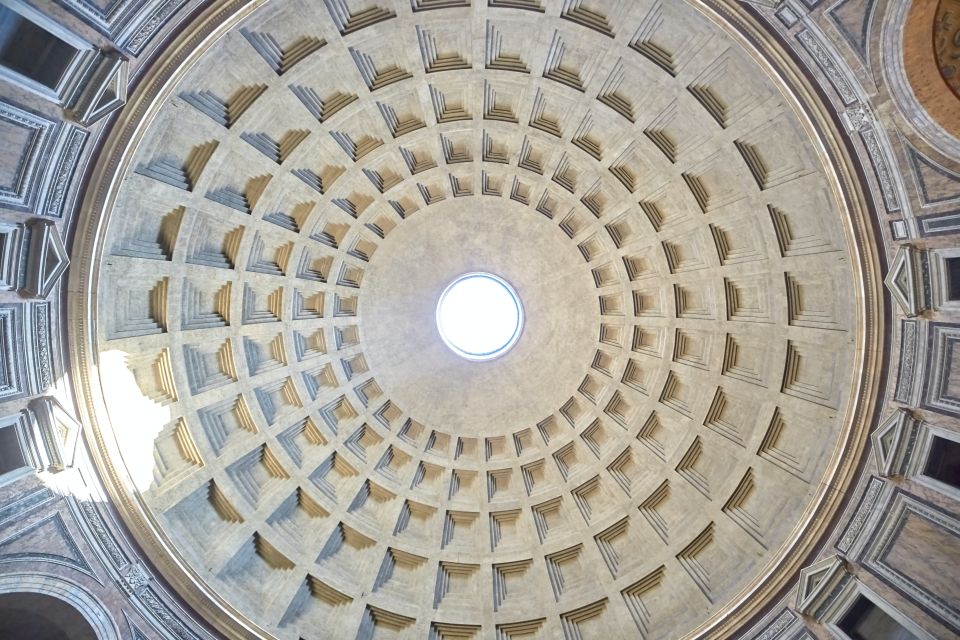
Once inside, the Pantheon’s core visual is obvious even before the guide starts talking: the grand dome with its central oculus. That open circle pulls in daylight and makes the interior feel almost weightless, which is part of why this monument still hits hard centuries later. The guide also frames the Pantheon’s original purpose: it was built as a temple honoring all gods. That matters, because the building’s identity shifted over time, and the tour helps you understand that shift rather than just admiring the architecture.
And then comes the part a lot of people remember afterward: the Pantheon isn’t only about ancient religion. It’s also a major resting place for notable figures. The tour includes seeing the tomb of the painter Raphael, and it also points out the resting place of former Italian monarchs. If you’ve ever wondered why this place feels both religious and civic, this is your answer. People with artistic and political power ended up here.
A quick practical note
Dress code rules are strict here. You’ll need attire that fits the site requirements—no shorts, no short skirts, and no sleeveless tops or vests for both men and women. Plan for it before you leave your hotel, especially in warmer months.
Piazza della Minerva and Largo di Torre Argentina: Roman Footprints You Can Still Touch
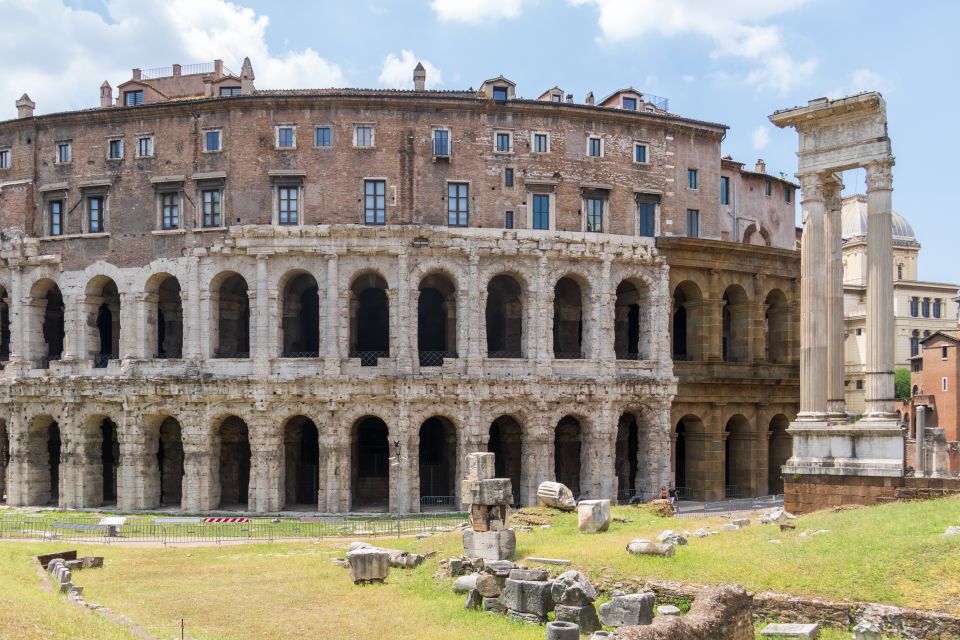
After the Pantheon, you won’t just sit in one spot admiring. You move through the city on foot and hit two areas tied to Rome’s deeper physical past: Piazza della Minerva and Largo di Torre Argentina.
This is where the tour starts to feel like a guided reading of the city. The Pantheon is a single monumental statement. These nearby stops are different: you’re looking at remnants and urban traces that show how Rome kept reusing space, rebuilding, and leaving older pieces visible. The guide helps connect those visible fragments to the wider story—what came before, what survived, and why some parts stayed more legible than others.
One benefit of these segments is pacing. Even if you’re not a “history person,” stepping between major landmarks and then reaching smaller, more specific sites keeps you from burning out too early in the tour.
Into the Jewish Ghetto: Piazza Mattei and the Streets Around Via del Portico d’Ottavia
Then the tour turns into its own kind of experience. The Jewish Ghetto section isn’t just a sightseeing loop—it’s the part where history changes from facts on a panel to the feel of a neighborhood.
You go toward Piazza Mattei and along Via del Portico d’Ottavia, described as the heart of the historic Jewish Ghetto area. On a guided walk, these street names become anchors. You’re not just watching buildings. You’re learning what those spaces meant, how the community existed within Rome’s changing political rules, and how identity shows up in what you see.
I like that the tour doesn’t treat the Ghetto as a museum piece. It frames the area as a place shaped by religion and civic decisions, which helps you understand why this part of Rome has a distinct emotional tone compared with the grand state monuments.





What to expect in your body, too
This is a walking tour and it’s not positioned as wheelchair-friendly. Comfortable shoes matter, and you’ll want to pace yourself. The good news: it’s still short enough—listed at about 2 hours—to fit into almost any Rome plan.
Portico of Octavia: Ending Where Roman Civic Life Meets Jewish Legacy
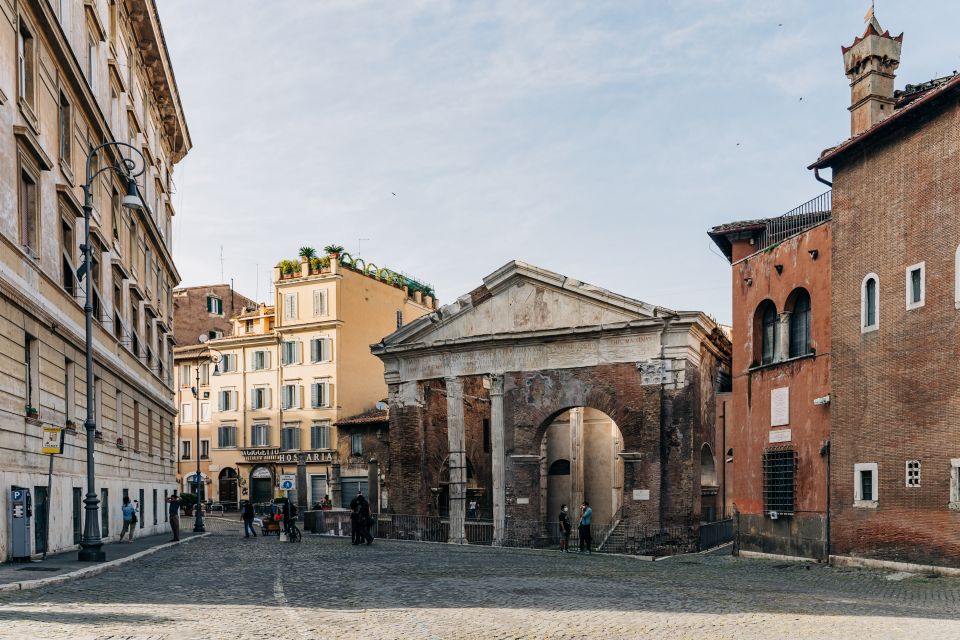
Your tour wraps with a strong visual stop: the Portico of Octavia.
Ending here works because it ties themes together. The Pantheon portion emphasizes religion and art intertwined with power. The Ghetto portion emphasizes a community’s endurance across changing political realities. Then the Portico point brings you back into Rome’s civic world—spaces that helped define how people lived, moved, and belonged.
If you’re the type of traveler who likes closure, this ending gives it. You finish with a monument that isn’t just pretty—it feels like a hinge between stories. The guide highlights it as a lasting reflection of the Jewish community’s cultural legacy in Rome, and that framing gives the final stop extra meaning.
What You Get for $65: Value vs. What You’re Paying For
At $65 per person for a guided tour focused on two major areas, I think this sits in a reasonable “good value” zone—especially if you price in what’s included.
Here’s what you’re actually buying:
- Skip-the-line tickets and guided entry for the Pantheon
- Headsets so you can hear the guide clearly
- Guided walking and interpretation for both the Pantheon side and the Jewish Ghetto
- A live guide in English or Spanish
What you’re not buying:
- Food and drinks
- Hotel pickup or drop-off
So the value comes from time saved (skip-the-line) plus guided context. Rome is full of self-guided options, but the “why” is what you’re paying for here. In just a couple hours, you want someone to stitch the monuments together so you leave with understanding, not just photos.
Small-Group Feel, Real-World Timing, and Why to Stay Flexible
This is described as a small-group guided tour, which is exactly what I want for this kind of pairing. Big groups can flatten the experience. With fewer people, it’s easier for the guide to keep the story flowing and for you to hear the details through the headsets.
That said, timing is real life. Some recent experience has included guide lateness or confusion with start times. The big lesson I take from that: don’t treat your tour start as the start of your day’s only perfectly scheduled plan. Build in a cushion, and double-check your meeting point instructions right before you go.
Also remember: the Pantheon may face anticipated closures or changes due to masses, concerts, or other events. That means the actual pace can shift. If you’re visiting during a period of high religious activity or major events, give yourself more breathing room.
Meeting Point and How to Prepare Like a Pro
The meeting point can vary based on the option you book, and it’s tied to the tour starting area near the Pantheon zone. The safest approach is simple: locate the exact meeting point instructions the day before, then arrive a bit early so you’re not scanning crowds with your heart racing.
Preparation that pays off:
- Bring a passport or ID card (the tour specifies ID for children too)
- Wear comfortable shoes
- Make sure your clothes meet the Pantheon requirements (no shorts, no short skirts, no sleeveless tops or vests)
- Avoid anything listed as not allowed, like weapons or sharp objects
One more practical note: if you’re sensitive to cold or heat swings, plan layers. Rome interior temperatures can feel different from the street.
Who This Tour Suits Best
This tour is a great fit if you want:
- A short, guided walk that still covers major ground
- Clear explanations thanks to headsets
- The kind of history that connects buildings to lived experience and power
It’s probably not your best choice if:
- You use a wheelchair or have mobility impairments, since it’s not suitable for wheelchair users
- You need total schedule certainty to the minute, given possible Pantheon changes
If you’re traveling solo, it also works well because a guide gives you structure. If you’re traveling with friends or family who like photos but also want context, the guide’s pacing helps both types of travelers feel satisfied.
Should You Book It
I’d book this tour if you want the Pantheon and the Jewish Ghetto treated as one coherent story. The skip-the-line entry plus headsets make it easy to get value fast, and the stops chosen—Pantheon, Piazza della Minerva, Largo di Torre Argentina, Piazza Mattei, Via del Portico d’Ottavia, and the Portico of Octavia—are strong, recognizable anchors for your Rome day.
My only caution is timing and attire. If you show up dressed for the Pantheon rules and you give yourself a little flexibility in your day, the experience has the kind of payoff that makes a 2-hour walk feel like more.
If you’re the type who hates waiting in lines and likes your history tied to real places, this is a solid choice.
FAQ
How long is the Pantheon and Jewish Ghetto Tour?
The tour duration is listed as 2 hours.
What sites does the tour include?
It includes a guided experience at the Pantheon and a guided walk through the Jewish Ghetto area, with stops in the surrounding landmark areas such as Piazza Mattei and Via del Portico d’Ottavia, ending at the Portico of Octavia.
Is the Pantheon included with skip-the-line tickets?
Yes. The tour includes skip-the-line tickets to the Pantheon and a guided tour there.
Do I need headsets?
Yes. Headsets are included so you can hear the guide clearly.
What languages are offered?
The live guide is available in Spanish and English.
What should I bring for the tour?
Bring a passport or ID card, and wear comfortable shoes.
What dress code rules apply at the Pantheon?
You must wear suitable attire. Shorts, short skirts, sleeveless shirts, and vests are not allowed.
Are there restrictions on what I can bring or wear?
Shorts and weapons or sharp objects are not allowed. The tour also specifies restrictions on skirt length and sleeveless tops.
Is the tour suitable for wheelchair users or mobility impairments?
No. It is not suitable for people with mobility impairments or wheelchair users.
What happens if the Pantheon has closures or events?
Access to the Pantheon is subject to anticipated closures, postponed openings, masses, concerts, or other events, which may vary the service time.