REVIEW · ROME
Rome: A Journey Back in Time to the Roman Era, Half Day Tour
Book on GetYourGuide →Operated by Welcome Italy by Spare Tour S.r.l. · Bookable on GetYourGuide
Rome has a quieter side of ancient history. This half-day tour leads you to Museo Nazionale Romano and the restored world of Terme di Diocleziano, where Roman art and architecture feel made for wandering instead of sprinting. You’ll also get a sharp shift into science at the Basilica di Santa Maria degli Angeli, with a rare planetary sundial that ties astronomy to everyday life.
My favorite part is how the time-crunched Roman highlights become small, human stories. You spend real time with standout pieces like Myron’s Discobolus and frescoes tied to Empress Livia, then you’re out of the heavy Colosseum energy fast. The only catch is practical: the basilica stop has a strict dress code, so plan your outfit to cover up and wear shoes you can walk in.
In This Review
- Key highlights you’ll actually feel
- Why this Roman-art route beats the Colosseum-and-photos loop
- Meeting at Santa Maria degli Angeli: the dress code matters
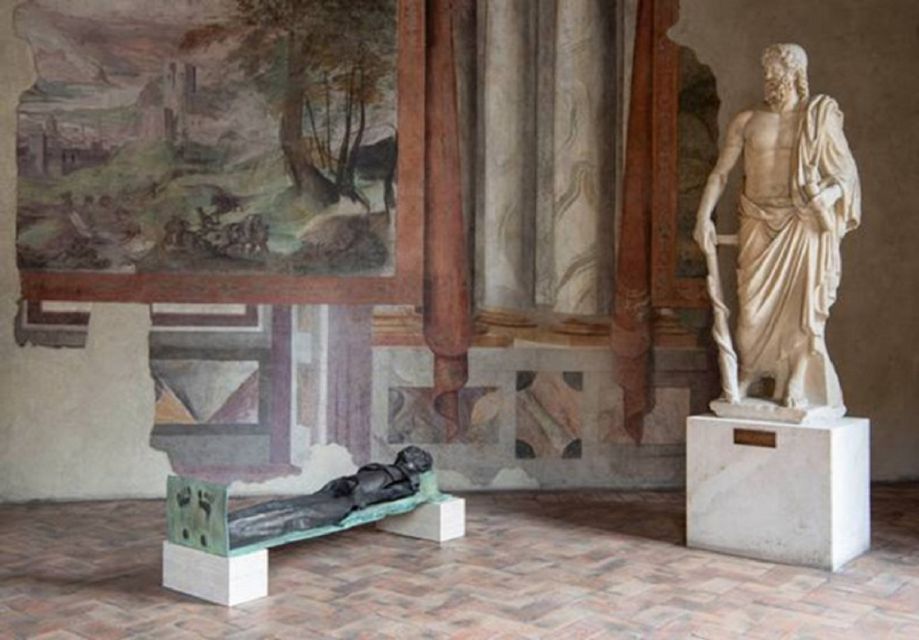
- Palazzo Massimo alle Terme: sculpture and painting you can follow
- Expect Roman sculpture with instant recognition
- Expect frescoes tied to power and daily life
- A museum stop where tomb culture shows up too
- The main drawback at this stop: the art is worth slowing down
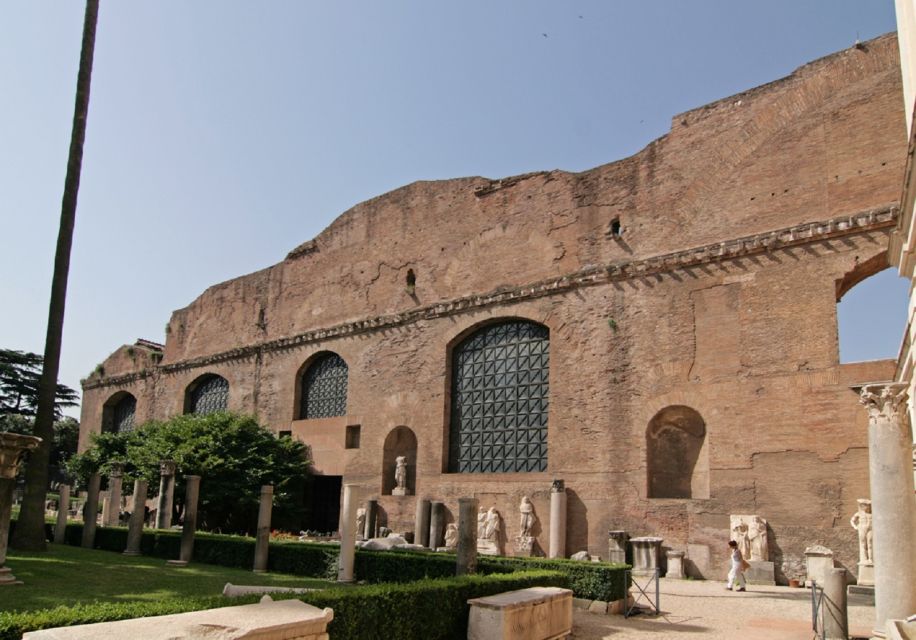
- Terme di Diocleziano: the bath complex as a restored, walkable experience
- Michelangelo’s restoration is part of what you’ll notice
- The evergreen-wood feeling is real
- Underground areas and worship spaces: don’t skip the guide here
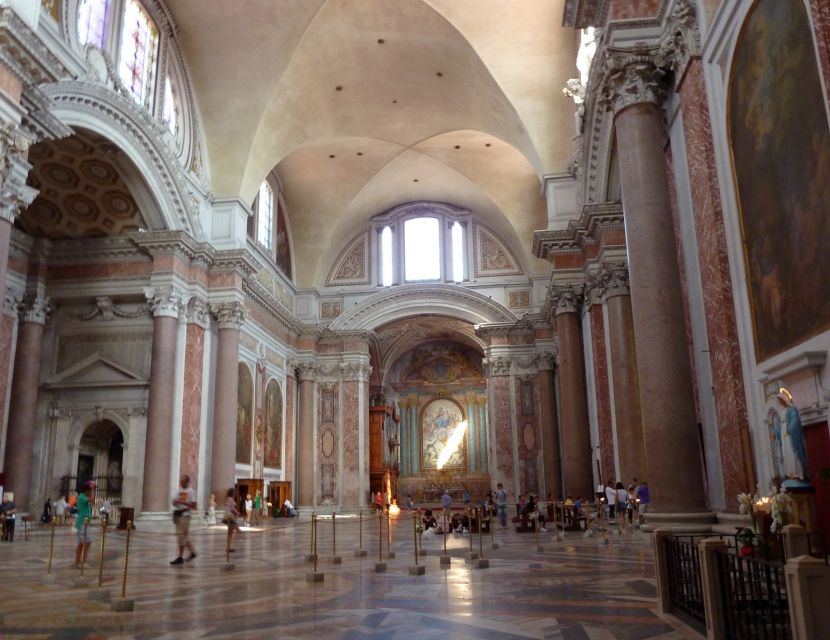
- Santa Maria degli Angeli again: the planetary sundial moment
- What to do with this information
- What’s included (and what you should plan for)
- Languages, weather, and comfort basics
- Price and value: is $167.66 worth 3 hours?
- Who this half-day tour suits best
- Should you book this Roman-era half-day tour?
- FAQ
- What is the duration of the tour?
- Where does the tour start and end?
- Which stops are included during the half day?
- What’s included in the price?
- What languages are offered?
- Is pickup or drop-off from a hotel included?
- What should I bring, and what should I wear to the basilica?
- Does the tour run in bad weather?
- FAQ
- Is the tour suitable for wheelchair users or mobility impairments?
Key highlights you’ll actually feel
- Roman masterpieces away from the crush: famous sculpture, frescoes, mosaics, and tombs in a calmer setting than the big outdoor sights
- Diocletian’s Baths, with a Michelangelo connection: you’ll walk through restored areas tied to one of Rome’s most important bath complexes
- Underground and worship spaces: the route includes underground areas and places of worship, not just open-air ruins
- Art that has names you can remember: Myron’s Discobolus (Discus Thrower) and the Old Boxer are part of the museum experience
- A 17th-century planetary sundial: you’ll see a rare astronomical tool used to track day/night through the seasons
- Guides who pace the visit well: guides such as Mohammed and Fabio are noted for taking their time and adding context beyond facts
Why this Roman-art route beats the Colosseum-and-photos loop
The Colosseum is huge. That’s the problem. It can turn into a checklist—look, photograph, move on—before you feel the details. This tour flips the angle. Instead of making you stare at scale, it helps you see what Romans valued and how they displayed it.
At the Museo Nazionale Romano side (Palazzo Massimo alle Terme), you’re looking at Roman art that’s often less crowded than the headline sites. You’ll also get a sense of Rome as a living culture: sculpture, painted decoration, mosaics, and burial culture all show up in one focused morning-style block.
The second reason I like this format is the pacing. The total tour is about 3 hours, with structured walks inside each stop. You’re not trying to cram five major sites at full speed. You’re guided through the art and spaces at a walkable rhythm—long enough to connect, short enough to still enjoy the rest of your day.
You can also read our reviews of more tours and experiences in Rome.
Meeting at Santa Maria degli Angeli: the dress code matters
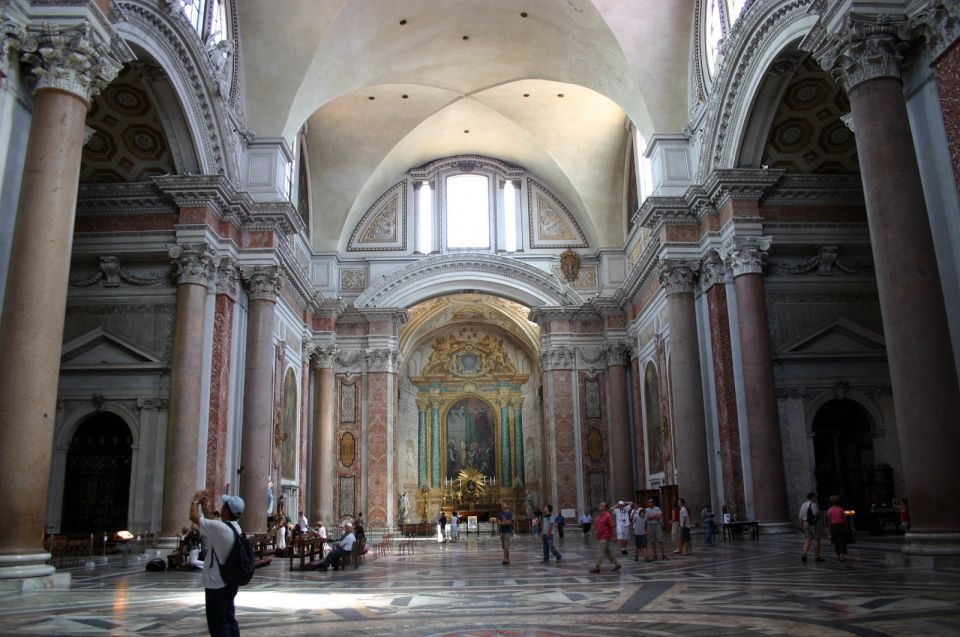
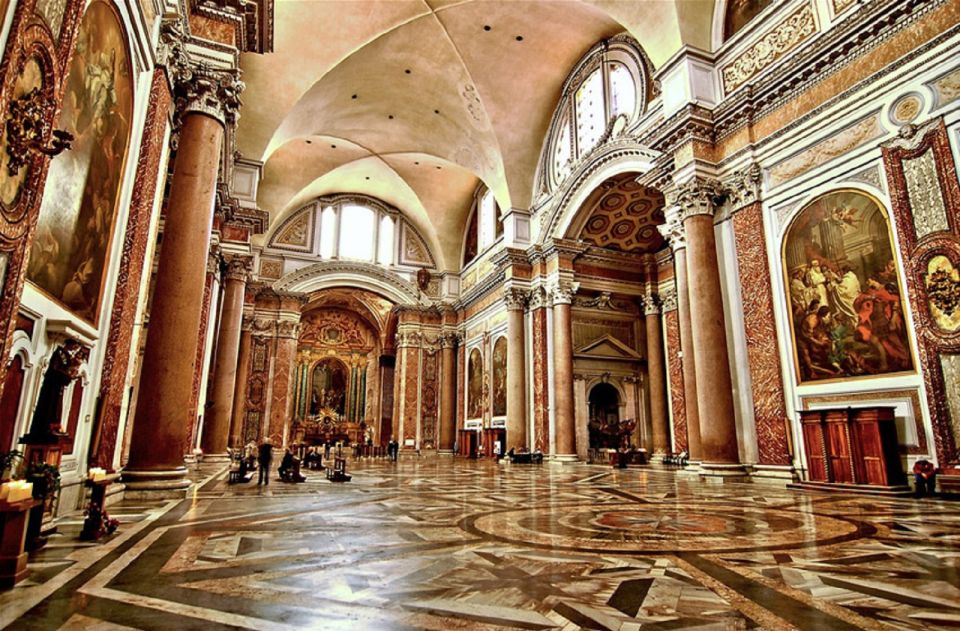
You start at the Basilica of Saint Mary of the Angels and Martyrs, and you’ll return for another guided segment there. That’s not random. This church is part of the point of the tour: it houses the planetary sundial and adds an astronomy-and-faith angle to the Roman story.
Here’s the consideration you should plan for: the basilica requires appropriate clothing. Shorts, miniskirts, and uncovered shoulders are not allowed. If you show up casually dressed, you may waste time dealing with the rules—or be forced to sit out. I’d rather you think about this before you get to the doorway.
Also, this is a walking tour. Comfortable shoes are not optional. Even when you’re not outside in Rome’s sun, you’ll be on your feet for museum corridors and the baths’ outdoor areas.
Palazzo Massimo alle Terme: sculpture and painting you can follow
One big advantage of this tour is that the museum component is not treated like a quick lobby stop. You get 75 minutes at National Roman Museum – Palazzo Massimo alle Terme, including photo time, a guided tour, and walking.
This is where the tour earns its reputation for turning Roman art into something you can hold in your head.
Expect Roman sculpture with instant recognition
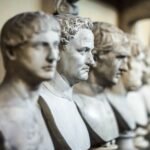
You’ll see famous works such as Myron’s Discobolus (Discus Thrower) and the Old Boxer. Even if you only know the names from books, the museum setting makes the physical details easier to read: the pose, the motion, the mood in stone. The guide’s role here matters because these pieces are more than decorative objects. They’re evidence of what Roman collectors wanted to own and display from Greek artistic traditions.
Expect frescoes tied to power and daily life
You’ll also get richly painted frescoes from the Garden Villa of Empress Livia. This is a shift from sculpture into narrative painting. Frescoes aren’t just pretty colors; they show how elite Romans imagined nature, rooms, and status. In a half-day tour, having this kind of visual variety keeps the visit from feeling repetitive.


A museum stop where tomb culture shows up too
You’ll encounter mosaics and tombs of different kinds. That’s a good thing, even if you normally skip “funeral” topics. Rome didn’t separate death from art and public meaning. Seeing tomb-related material in the same museum route as sculpture helps you understand the continuity: beauty wasn’t limited to palaces and temples.
The main drawback at this stop: the art is worth slowing down
The museum is not huge in time, but the content is deep. If you’re the type who likes to move quickly and just snap photos, you might feel the urge to rush. I’d suggest letting the guide guide you. The works make more sense when the context is delivered in the right order.
Terme di Diocleziano: the bath complex as a restored, walkable experience
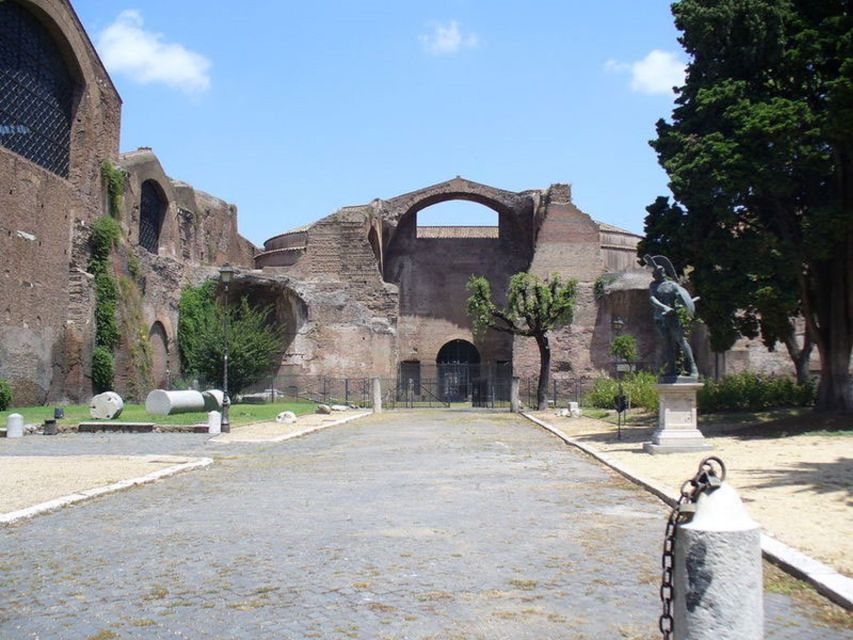
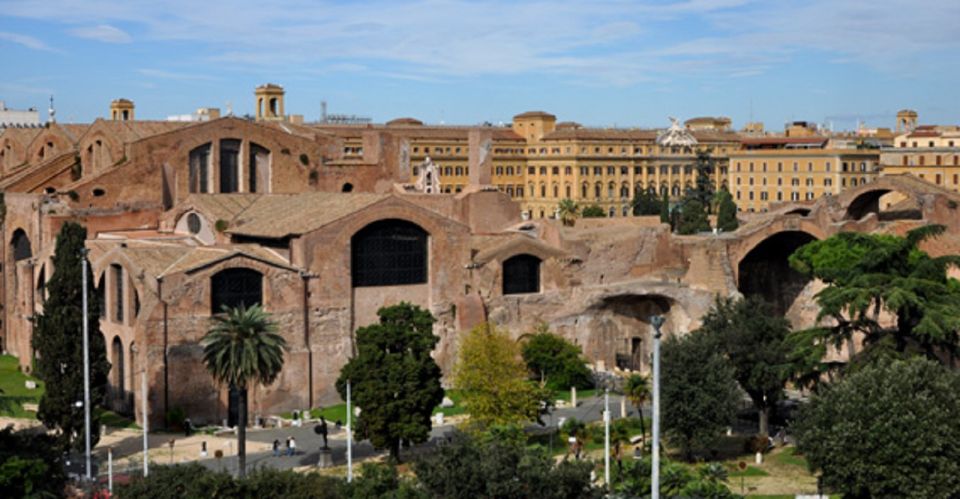
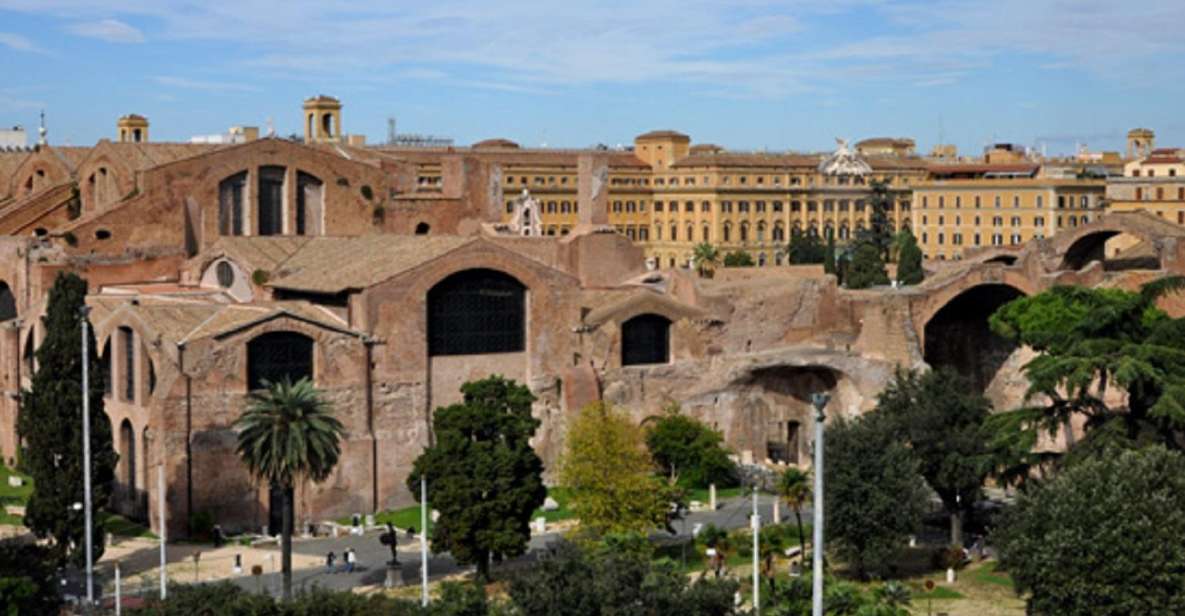
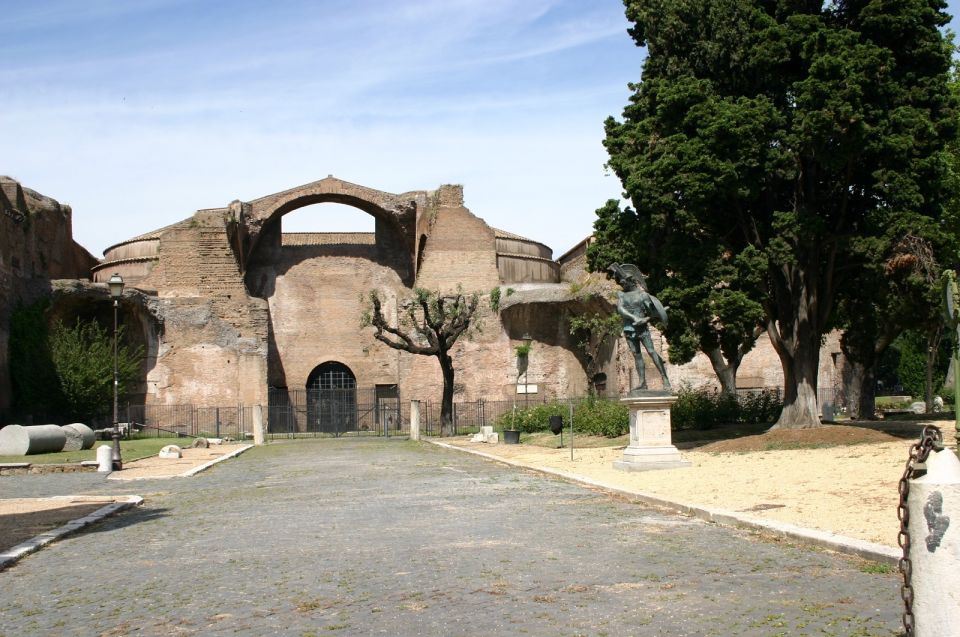
After Palazzo Massimo, you’ll head to the Baths of Diocletian, with about 1 hour of time including photo stops, guided explanation, and walking.
Roman baths are often described as big. This complex is also historically layered. You’re not just looking at broken columns. You’re entering an area that includes restored outdoor courtyards and spaces that feel like a living park today, but used to function as a major thermal environment.
Michelangelo’s restoration is part of what you’ll notice
One of the tour’s most interesting threads is that the courtyard was restored by Michelangelo. That matters because it turns the visit into a conversation across centuries. You’re not only seeing Roman engineering. You’re seeing how later artists and architects reshaped what they inherited.
The evergreen-wood feeling is real
You’ll stroll in an area that once belonged to the thermal baths—described as an evergreen wood. That kind of greenery in a Roman setting helps you breathe. It’s a change from the stone-and-crowd vibe that can take over near the biggest monuments.
Underground areas and worship spaces: don’t skip the guide here
This tour includes underground areas and places of worship. You’ll feel the difference between open-air Rome and what’s under it. The best part is that it’s not portrayed as spooky underground sightseeing. It’s presented as functional space—rooms and routes that supported how people lived, prayed, and gathered.
If you want a Roman day that feels human rather than just monumental, this is the section that delivers that.
Santa Maria degli Angeli again: the planetary sundial moment
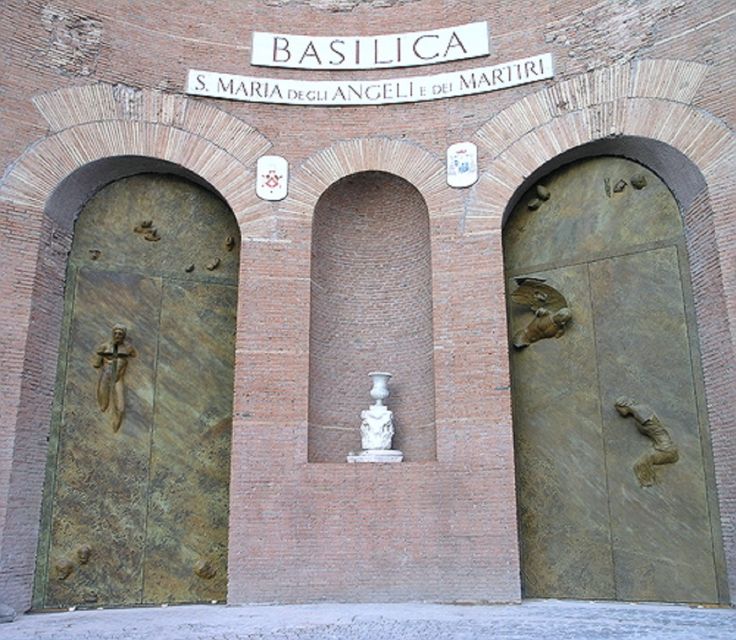
You get 45 minutes at the Basilica of Santa Maria degli Angeli as part of the route. This is shorter than the museum and the baths, but it’s the most unique payoff.
Here’s why: the basilica houses the one and only planetary sundial built by 17th-century astronomers for the Pope. It was used to calculate the perfect sequence of day and night through the seasons. That’s not a “cool display” detail. It’s a reminder that astronomy and religion weren’t separate tracks.
When you look at a sundial like this, you’re not just seeing a device. You’re seeing a way of organizing time—built with scientific intent and tied to spiritual decision-making in the period when it was constructed.
What to do with this information
If you’re the type who likes to connect dots, this is your moment. Try to notice how the sundial concept relates to everything you just saw in the museum and baths: Roman culture wasn’t just about buildings. It was also about systems—how people measured the world and arranged life inside it.
What’s included (and what you should plan for)
This tour includes:
- Entrance tickets to the museum
- 3 hours with a professional guide
Not included:
- Pickup and drop-off from your hotel
That last point is simple but important. You’ll want to plan how you get to the meeting point at the Basilica of Saint Mary of the Angels and Martyrs on your own. The payoff is that you’re not waiting on a hotel van shuffle. You get straight into the historical route.
Languages, weather, and comfort basics
The tour runs with live guides in English and Italian, and it operates in all weathers. That means you should treat the tour like any outdoor-and-indoor mix: bring what helps you stay comfortable if the skies change.
Bring:
- Comfortable shoes
- Sunglasses
- Camera
And again, keep your clothing basilica-ready, because the rules are strict: shorts, miniskirts, and uncovered shoulders aren’t allowed.
Price and value: is $167.66 worth 3 hours?
At $167.66 per person for a 3-hour guided experience, this isn’t the cheapest way to see Rome’s Roman-era highlights. But the value comes from three places:
- You’re paying for guided context. The best parts are not just the objects—they’re the explanations tying art, architecture, and science together.
- Your museum entrance ticket is included. That reduces what you have to pay out separately.
- You’re avoiding the biggest “overwhelm” problem. Instead of racing through the most famous outdoor ruins, you’re spending your limited time in spaces where art and meaning take center stage.
If you’re already planning to hit the big monuments, this tour works well as the alternative: less noise, more interpretation, and a surprising astronomy stop that most Rome itineraries skip.
If you’re on a tight budget, you might compare options. But if you care about understanding what you’re seeing—and you want that understanding delivered in a well-paced half day—this is priced like a guided museum-and-site package, not like a walk-and-hope stroll.
Who this half-day tour suits best
This is a strong fit if:
- You want Roman art and architecture without spending your whole day in crowds
- You like tours that connect objects to bigger stories (not just photos)
- You enjoy science themes, especially astronomy tied to historical timekeeping
- You’re comfortable walking through museums and outdoor bath grounds
It’s not suitable for:
- People with mobility impairments
- Wheelchair users
If you’re in the middle—okay walking, but you get tired quickly—this is still manageable because the total is about 3 hours with structured stop lengths. Just don’t plan it as a “do it after a full night of zero rest” activity.
Should you book this Roman-era half-day tour?
I’d book it if you want a Roman experience that feels curated around meaning, not just monument size. The combination is smart: Roman sculpture and painting at Palazzo Massimo, a walk through the Baths of Diocletian with that Michelangelo restoration link, then a final payoff at Santa Maria degli Angeli for the 17th-century planetary sundial.
Skip it if you’re mainly after the quickest possible exterior sightseeing, or if you know you won’t be able to follow the basilica dress expectations. Also skip if walking is a problem for you, because the route isn’t designed for mobility limitations.
FAQ
What is the duration of the tour?
The tour runs for about 3 hours.
Where does the tour start and end?
It starts at the Basilica of Saint Mary of the Angels and Martyrs and returns there.
Which stops are included during the half day?
You’ll visit National Roman Museum – Palazzo Massimo alle Terme, the Baths of Diocletian, and the Basilica of Santa Maria degli Angeli.
What’s included in the price?
Entrance tickets to the museum are included, along with a 3-hour professional guide.
What languages are offered?
The live guide is available in English and Italian.
Is pickup or drop-off from a hotel included?
No. Pickup and drop-off from your hotel are not included.
What should I bring, and what should I wear to the basilica?
Bring comfortable shoes, sunglasses, and a camera. For the basilica, shorts, miniskirts, and uncovered shoulders are not allowed.
Does the tour run in bad weather?
Yes. The tour operates in all weathers.
FAQ
Is the tour suitable for wheelchair users or mobility impairments?
No. It is not suitable for people with mobility impairments or wheelchair users.