REVIEW · ROME
Rome: Basilica of St Mary Major Catholic Pilgrim Tour
Book on GetYourGuide →Operated by Crucis Tours · Bookable on GetYourGuide
St Mary Major turns mosaics into lessons. This Catholic pilgrim tour is built around the most symbolic stops inside the Basilica of Santa Maria Maggiore, with a special focus on the Holy Door that matters during Jubilee years. You’ll start right at the basilica, get into the church with express security, and follow a devout guide who links what you see to what it means.
What I really like is how the tour spotlights the icon Salus Populi Romani by St Luke the Evangelist, plus other items you can actually view on site. Second, I love the emphasis on the ancient mosaics and their biblical symbolism, explained in a way that feels made for everyday visitors, not just specialists.
One consideration: you need to dress appropriately, since shorts and short skirts aren’t allowed. Also, at about 60 to 90 minutes, you’ll get a focused experience, not an all-day sit-and-stare marathon.
In This Review
- Quick hits worth your time
- Why St Mary Major’s Holy Door matters during a Jubilee
- Finding the fountain entrance and getting inside fast
- Outside meets inside: the Holy Door, the five names, and what to watch for
- Relics you can actually see: crib wood, Salus Populi Romani, and Pius V
- The crib relic wood
- Salus Populi Romani by St Luke
- The glass sarcophagus of Pope St Pius V
- The mosaics behind the altar: symbolism you can follow
- How the 60 to 90 minutes really works (and the Via Crucis option)
- Price and value: what $65 buys you in real terms
- The guide factor: why Wen and Tom stood out
- Who should book this St Mary Major Catholic Pilgrim Tour
- Should you book this tour?
- FAQ
- FAQ
- Where is the meeting point for the St Mary Major tour?
- How long is the tour?
- How much does the tour cost?
- Is there a way to avoid a long security line?
- What group size should I expect?
- What languages are offered?
- What should I wear inside the basilica?
- Are radio headsets provided?
- Can I request a homily?
- What is the cancellation policy?
Quick hits worth your time
- Holy Door visit up front: you’ll take time to look at it before entering the basilica
- Relics on display: including wood from the crib of the baby Jesus and the icon Salus Populi Romani
- St. Pius V glass sarcophagus: a striking, faith-focused stop many people miss
- Mosaics explained with meaning: symbolism tied to Old and New Testament themes
- Small group size (max 10): easier questions and a more personal pace
- Radio headsets for groups of 7+: helps you stay with the guide in a busy church
Why St Mary Major’s Holy Door matters during a Jubilee
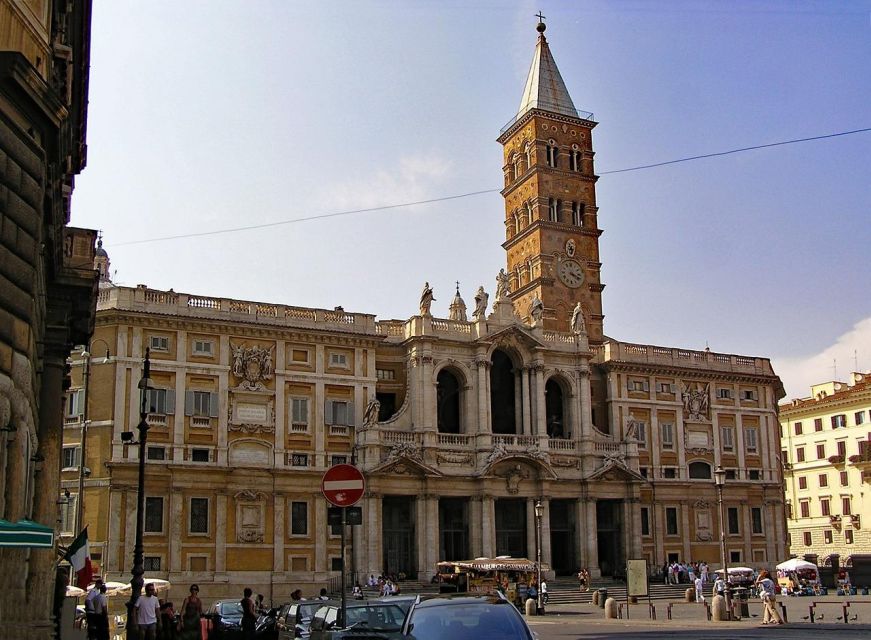
If you’re in Rome for a Jubilee year, the concept of the Holy Door is the big deal. This tour uses that framework in a practical way: you don’t just hear the idea, you see the Holy Door itself and learn why it’s part of pilgrimage.
St Mary Major (Santa Maria Maggiore) is one of Rome’s four Major Papal Basilicas, so it carries added weight even outside a Jubilee season. During a Jubilee, those sites become pilgrimage anchors, and that’s when the Holy Doors open for special graces. Here, the guide sets the scene before you walk into the church, so the building doesn’t feel like a random museum stop.
You can also read our reviews of more tours and experiences in Rome.
Finding the fountain entrance and getting inside fast
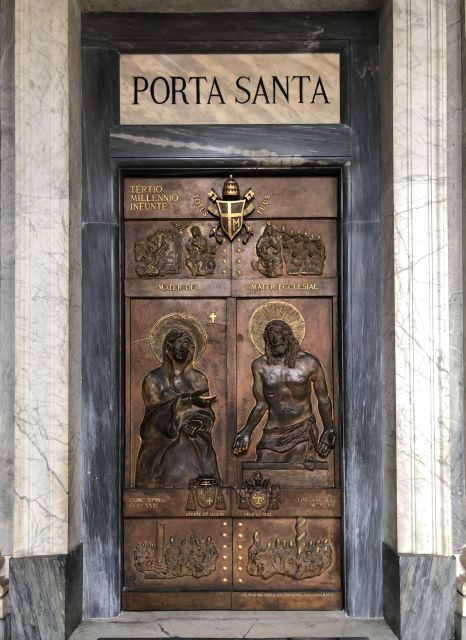
Meeting time and location are simple, but details matter in Rome. You meet your guide by the fountain directly in front of the Basilica Papale di Santa Maria Maggiore, on Piazza Santa Maria Maggiore. The listing note that the front faces Piazza Santa Maria Maggiore, not Via Cavour is worth taking seriously, because it changes where you’ll think you’re standing.
You’ll also be glad this tour includes express security. Rome’s church security lines can eat your momentum. Here, getting through faster means you spend more time where you came to be: inside the basilica.
One small practical tip: download WhatsApp so the provider can reach you in real time if anything goes slightly sideways. It’s not about being dramatic; it’s about avoiding that awkward five-minute loop around a piazza.
Outside meets inside: the Holy Door, the five names, and what to watch for
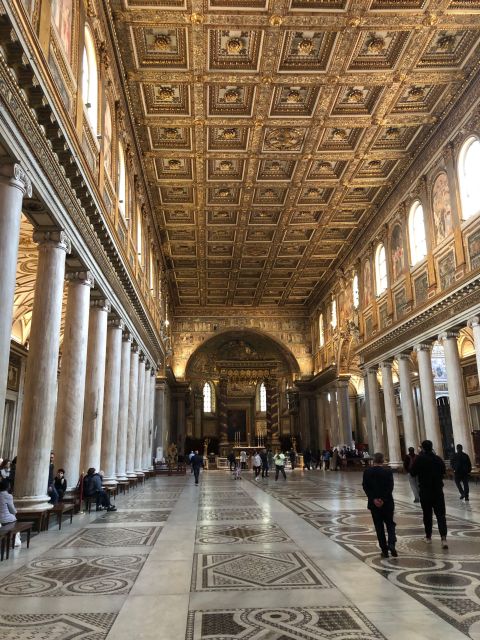
Before you enter, you’ll do a close look at the Holy Door. That matters because many people walk past church entrances without noticing the features that connect to Jubilee practice. Seeing it first helps you understand what you’re about to step into.
Once inside, you’ll learn the basilica is known locally as Santa Maria Maggiore, but it has had five different names over the course of its eventful history. That may sound academic until you realize what it does for you as a visitor. It gives you a story map: you start connecting eras, dedications, and why this basilica carries prestige as both a Major Basilica and a Papal one.
You’ll be walking as a group, but the emphasis isn’t on checking off boxes. It’s on noticing specific objects—so when your eyes land on a mosaic, an icon, or a relic display, you already know what to look for.
Relics you can actually see: crib wood, Salus Populi Romani, and Pius V
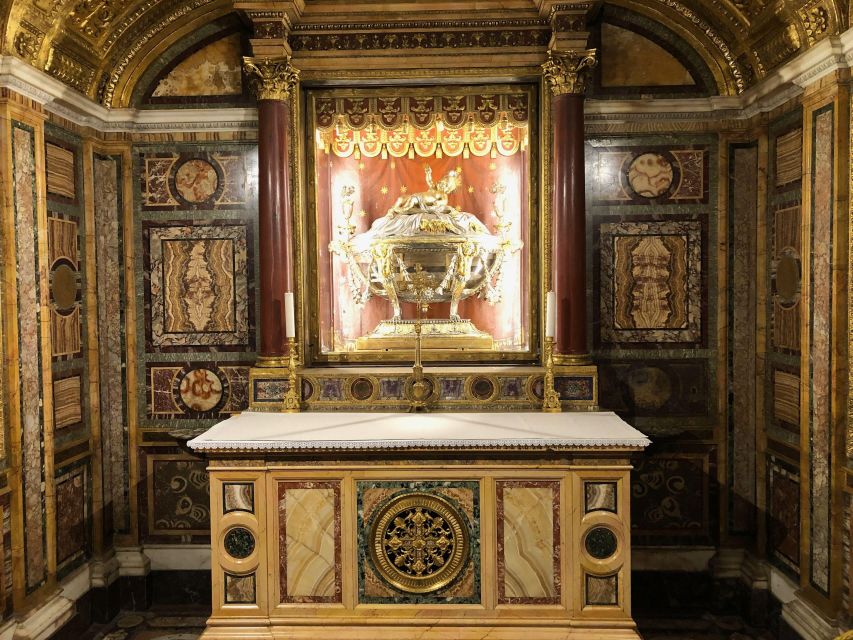
The most faith-forward part of this tour is that it isn’t just talking about devotion in general. You’re shown particular items tied to Catholic tradition.
The crib relic wood
One highlight is the wood from the crib of the baby Jesus. The tour explains that this is one of the relics from His life that were brought to Rome from the holy places in the east for pilgrims to venerate. Even if you’re visiting with curiosity rather than religious certainty, this is a powerful way to understand how pilgrimage works historically: people came carrying stories, then later came to see objects that represented those stories.

Salus Populi Romani by St Luke
Another stop is the icon Salus Populi Romani, traditionally held to be painted by St Luke the Evangelist. Whether you approach it as a believer or a cultural observer, icons like this are a window into how faith communicates visually. A good guide will point out what to notice—so the icon doesn’t become just a framed image across a room.
The glass sarcophagus of Pope St Pius V
You’ll also see the glass sarcophagus of Pope St Pius V. This is one of those objects that can feel unusually modern compared to the rest of the church experience, which is exactly why it sticks in your memory. The guide’s job here is to connect the display to the pope’s place in Catholic history and devotion, so it feels meaningful rather than random.
The mosaics behind the altar: symbolism you can follow
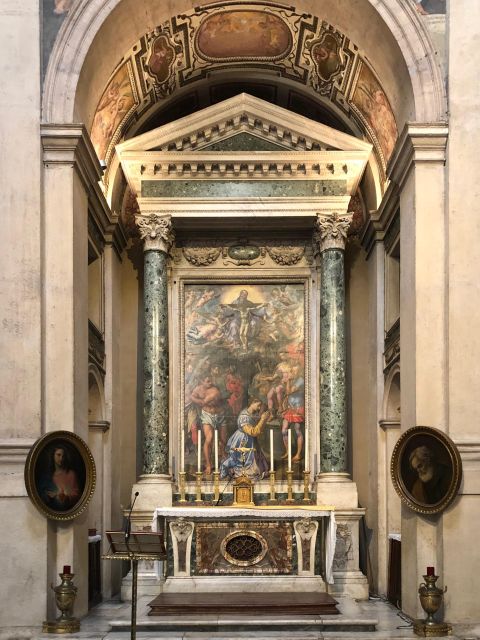
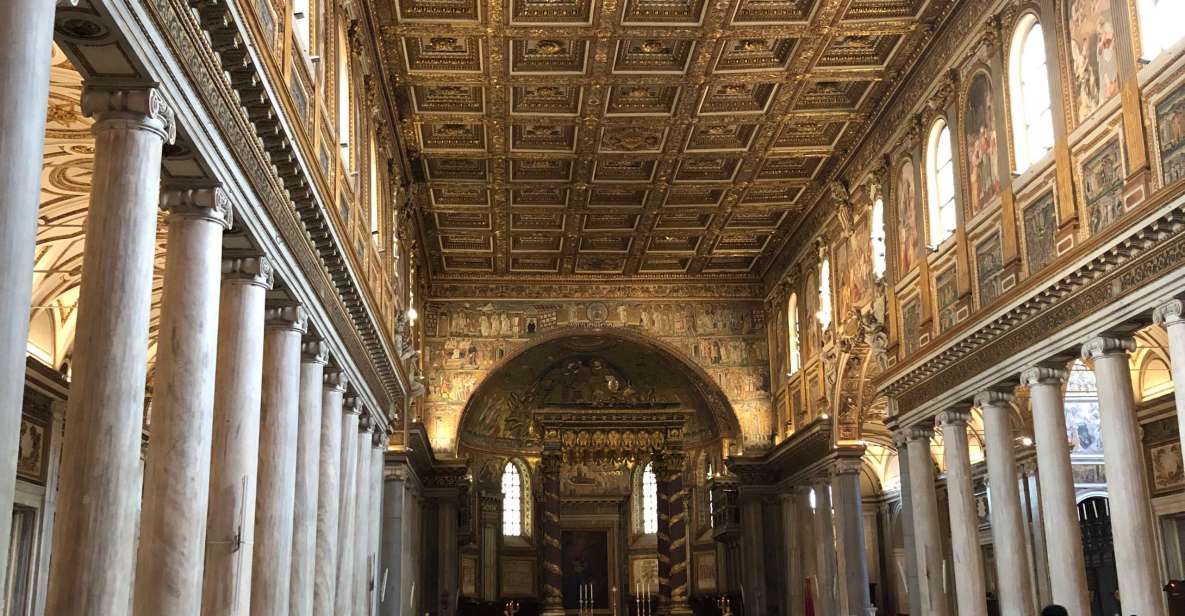
St Mary Major is famous for mosaics, but what you get here is the difference between seeing mosaics and understanding mosaics. Behind the altar, the mosaics brim with biblical symbolism, and your guide turns that symbolism into a guided lesson.
The tour emphasizes catechesis—teaching through imagery—with connections to both the Old and New Testaments. That approach helps you interpret what you’re seeing without needing to be an expert in theology. Instead of translating every detail, your guide focuses on the themes that tie the mosaic program together.
This is also where a mainstream tourist tour often falls short. Many guides glance at the walls and move on. Here, you’re paying attention to why the images are placed where they are, and how they function as a visual “story” for pilgrims.
How the 60 to 90 minutes really works (and the Via Crucis option)
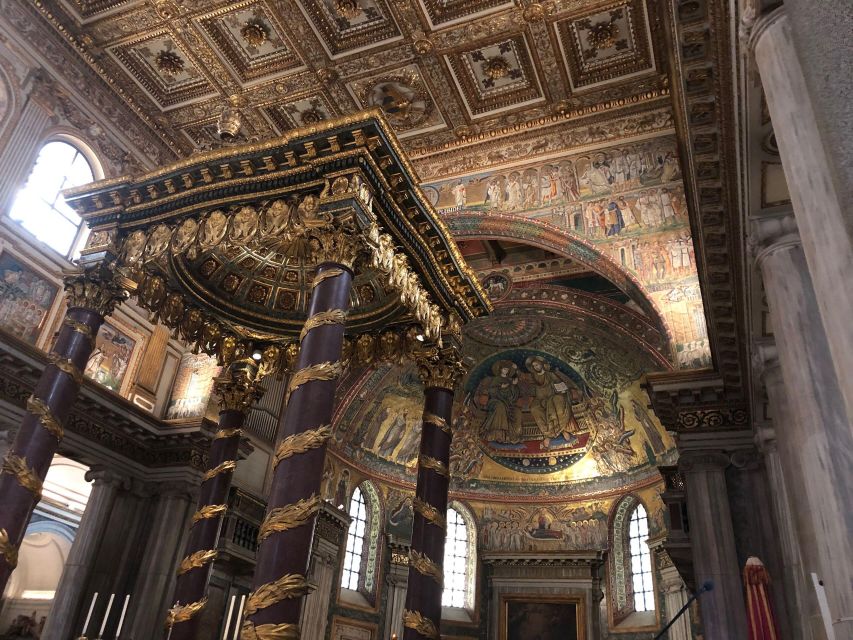
The tour length is listed as about 60 minutes, with an experience range of 60 to 90 minutes depending on the flow. Either way, the structure is designed to keep you oriented and engaged.
You’ll start at the basilica, do the Holy Door look, enter together, and then move through the key faith-focused highlights: relics, the icon Salus Populi Romani, the glass sarcophagus, and the mosaics behind the altar. The main tour typically concludes on the steps in front of the main entrance.
There’s also an option for a larger pilgrimage day if you choose the Via Crucis Pilgrim Tour extension. In that case, the guide departs with the group to see additional relics connected to Christ’s Passion and also the Major Basilica of St John Lateran among other things. If you’re trying to build a full “pilgrim route” in Rome, this is the natural fork in the road.
Price and value: what $65 buys you in real terms
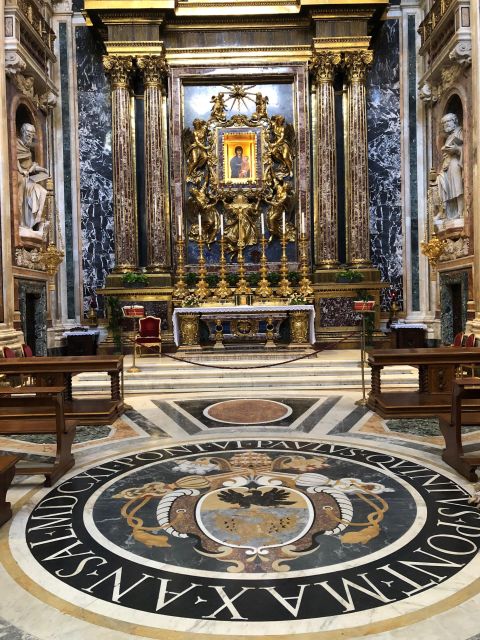
$65 for about an hour in one of Rome’s most important basilicas can feel either reasonable or steep, depending on your travel style. Here’s how I’d judge value based on what’s included:
- You’re not paying for transport you have to arrange yourself, but you do cover being brought into the experience at the right place and time.
- Express security saves time and stress, and time in Rome is expensive in a very practical way.
- Small group size (max 10) improves the whole experience. It reduces the feeling of being herded and makes it easier to ask questions.
- Radio headsets for groups of 7+ help you hear the guide in a place where sound can be tricky.
- Homily on request gives you an option if that part of the program matters to you.
Where value can vary is your expectations. If you want a full, independent wander through every chapel detail, you may find 60 to 90 minutes short. If you want a focused, explanation-heavy entry into the basilica’s main treasures, the structure fits well.
The guide factor: why Wen and Tom stood out
This tour leans heavily on the guide’s ability to connect objects and symbols into a coherent story. The best part is that the guide approach comes through clearly in the way they explain things and handle questions.
I noticed a pattern in how guides were described: Wen was praised for being excellent, knowledgeable, and professional, and Tom was described as extremely informative, easy to understand, and happy to answer questions. One review also highlighted Tom’s style as a dialogue with the group, including thought-provoking insight rather than a lecture that ends the moment you ask something.
That matters because St Mary Major can feel overwhelming if you don’t know what you’re looking at. A strong guide keeps you pointed at the key symbols, explains why they matter, and helps you leave with understanding instead of just photos.
Who should book this St Mary Major Catholic Pilgrim Tour
This is a great fit if you want:
- A faith-focused visit to Santa Maria Maggiore that treats relics and icons as the heart of the experience
- A guided interpretation of the mosaics behind the altar, not just a quick visual pass
- A small group setup where questions and attention are realistic
- A plan that can connect to a bigger pilgrimage route, if you want it
You might think twice if your priorities are purely architectural photography without religious interpretation, because this tour is clearly built around meaning, symbolism, and devotional items. Also, if you struggle with church dress expectations, plan ahead since shorts and short skirts aren’t permitted.
Should you book this tour?
I’d book it if you want a structured, respectful way to experience one of Rome’s top Marian basilicas without spending your whole day figuring out what to look for. The combination of the Holy Door emphasis, the specific relics and icon displays, and the mosaics explained with purpose is exactly the kind of value $65 can buy in Rome.
Pass if you already know the basilica well and prefer complete free-roam time. But if you want clarity, focus, and objects with real devotional weight, this is a smart use of an hour.
FAQ
FAQ
Where is the meeting point for the St Mary Major tour?
You meet at the fountain in front of the main entrance to the Basilica of St Mary Major (Santa Maria Maggiore). The front faces Piazza Santa Maria Maggiore, not Via Cavour.
How long is the tour?
The experience runs for about 1 hour, with a described range between 60 and 90 minutes.
How much does the tour cost?
The price is $65 per person.
Is there a way to avoid a long security line?
Yes. The tour includes an express security check.
What group size should I expect?
It’s a small group limited to 10 participants.
What languages are offered?
The live tour guide is available in English and Chinese.
What should I wear inside the basilica?
Shorts and short skirts are not allowed.
Are radio headsets provided?
Radio headsets are provided for groups of 7 or more.
Can I request a homily?
Yes. A homily is available on request.
What is the cancellation policy?
You can cancel up to 24 hours in advance for a full refund.