REVIEW · ROME
Rome: Capuchin Crypt experience with Panoramic transfer
Book on GetYourGuide →Operated by TICKETSTATION SRL · Bookable on GetYourGuide
The Capuchin Crypt is not your average church visit. This experience pairs a scenic panoramic bus ride with a museum walkthrough and the unforgettable Crypt-Cemetery stop. I especially like how it explains the Capuchin friars in plain terms, then gives you real objects to look at—not just big words.
I also love that you get an audio guide (plus a Rome app with 170+ points of interest) so you can connect what you’re seeing to the wider story of Rome. The main catch: the museum and crypt are sacred and photo-restricted, and the crypt is not for people who are claustrophobic or sensitive to human remains.
In This Review
- Key points I’d mark on your Rome map
- Where this visit fits in Rome (and what makes it special)
- Piazza Ara Coeli start: meet, redeem, and get your bus ticket
- The panoramic transfer to Barberini (with audio on board)
- Entering the Capuchin complex: Santa Maria della Concezione connection
- Inside the museum: the story told in 8 rooms
- Convent and Barberini influence (commissioned, completed in 1631)
- Saints and spirituality (images and stories)
- Everyday life items, vestments, and liturgical objects
- Vestments and objects as a lesson in priorities
- The Saint Francis painting (possibly Caravaggio)
- The Capuchins’ 20th-century story: spiritual, cultural, missionary, artistic
- The final stop: Crypt-Cemetery atmosphere and what to expect
- Audio guide during the journey and the Rome app you receive
- Price and value: what you’re paying for at $43.27
- Practical tips for a smooth, respectful visit
- Who this experience suits (and who might skip)
- Should you book this Capuchin Crypt experience with panoramic transfer?
- FAQ
- Where do I redeem my voucher for this experience?
- What time does the experience start?
- Does the experience include the Capuchin Crypt entrance?
- Is there an audio guide?
- How do I get from the meeting point to the Capuchin Crypt?
- What is included in the panoramic transfer?
- Do I need to queue for tickets?
- Can I take photos inside the crypt?
- Is this visit suitable for wheelchair users?
- Is the crypt recommended if I’m claustrophobic or sensitive to human remains?
- Is there a cancellation policy?
Key points I’d mark on your Rome map
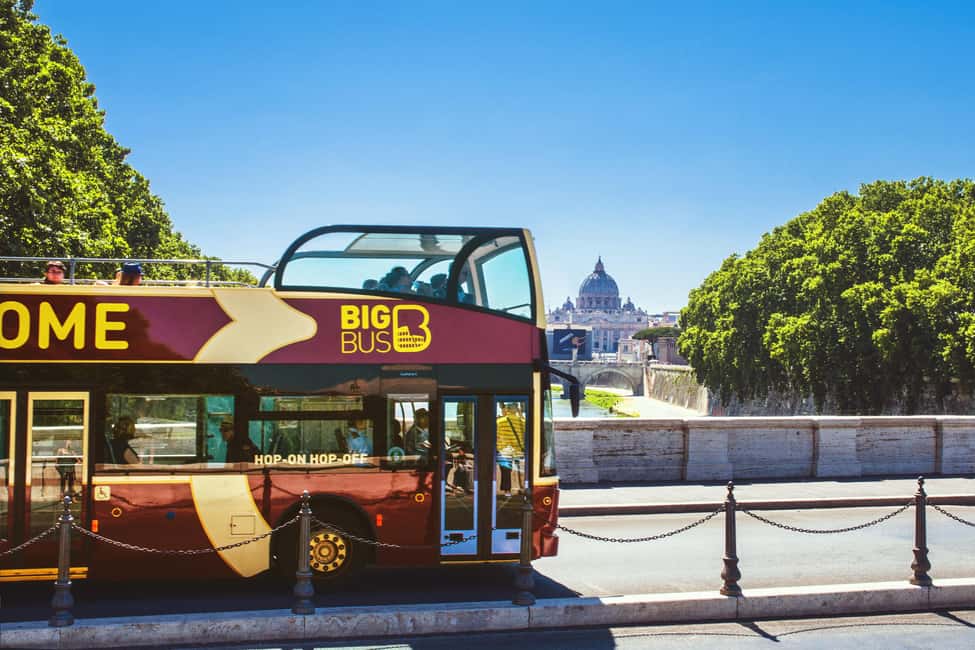
- Panoramic bus from Piazza Ara Coeli to Barberini keeps the first part of your visit easy and scenic
- Priority entry to the Capuchin Crypt helps you avoid wasting time in queues
- 8 museum rooms cover convent life, spirituality, everyday items, and the order’s wider work
- Saint Francis in meditation is a highlight that may be linked to Caravaggio
- Crypt-Cemetery closes the visit with the kind of atmosphere photos never capture
Where this visit fits in Rome (and what makes it special)
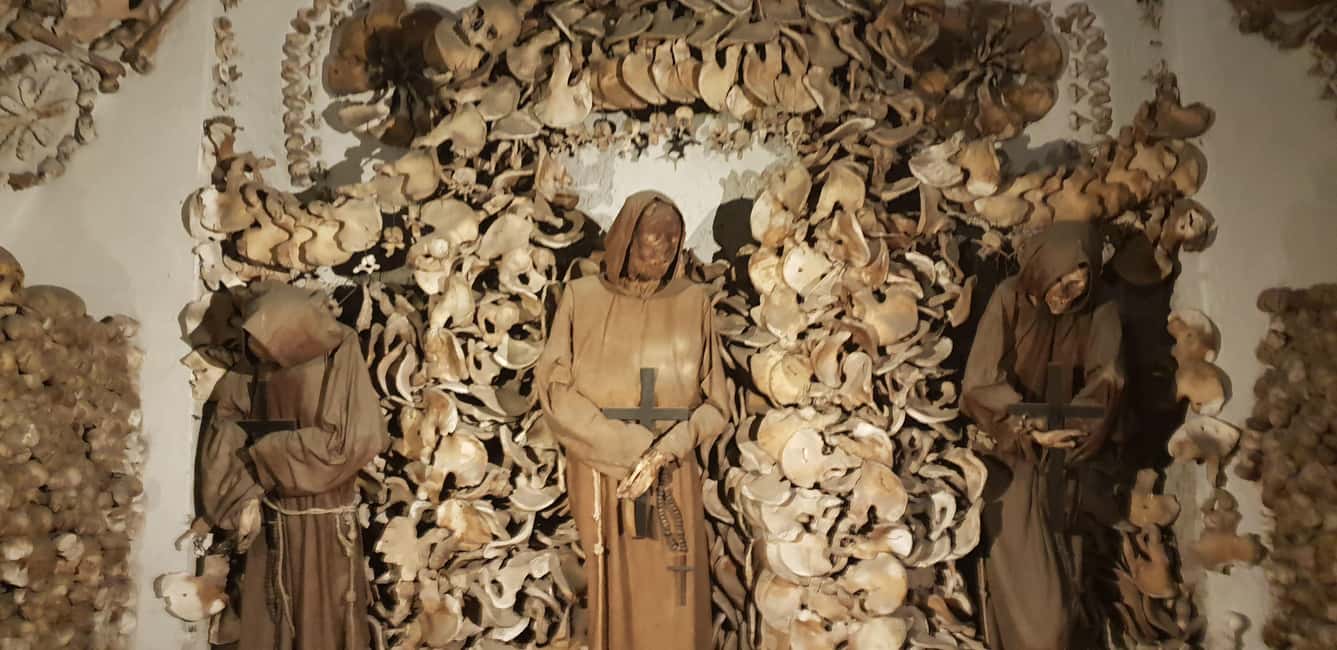
If your Rome plan includes classic stops like churches and fountains, the Capuchin Crypt is the odd one out in the best way. It’s attached to the baroque church of Santa Maria della Concezione, but the focus isn’t on grand architecture alone. Instead, you’re walking through the visual record of a religious order known for simplicity, closeness to the poor, and intense brotherhood.
This tour is short—about 2 hours—but it’s structured so you don’t feel rushed. You start with background (museum rooms), then you move into the most evocative part of the visit: the Crypt-Cemetery. That order matters because it helps you understand what you’re looking at, instead of just reacting to it.
You can also read our reviews of more tours and experiences in Rome

Piazza Ara Coeli start: meet, redeem, and get your bus ticket
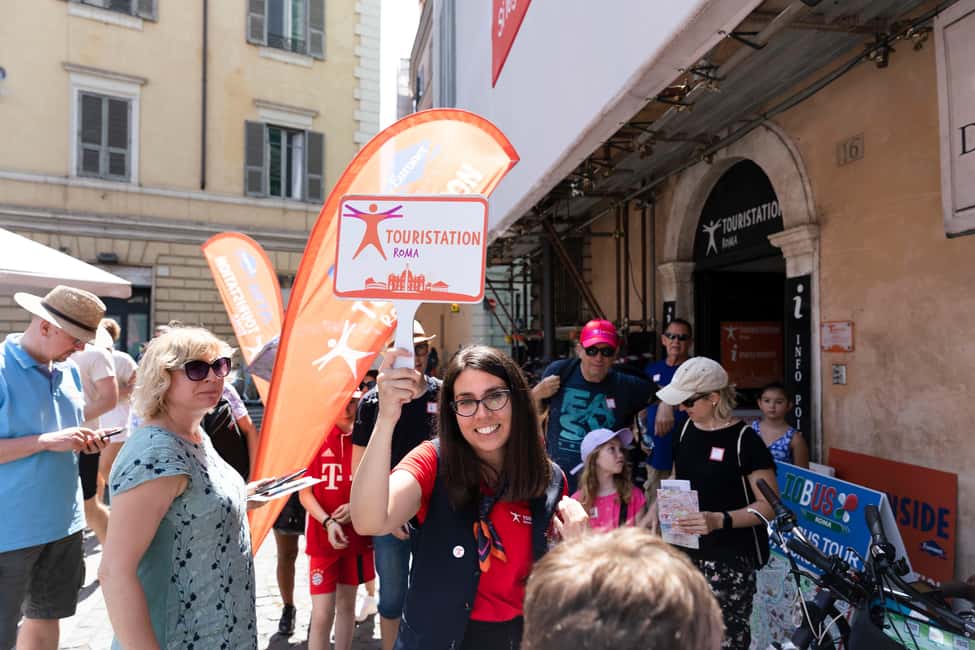
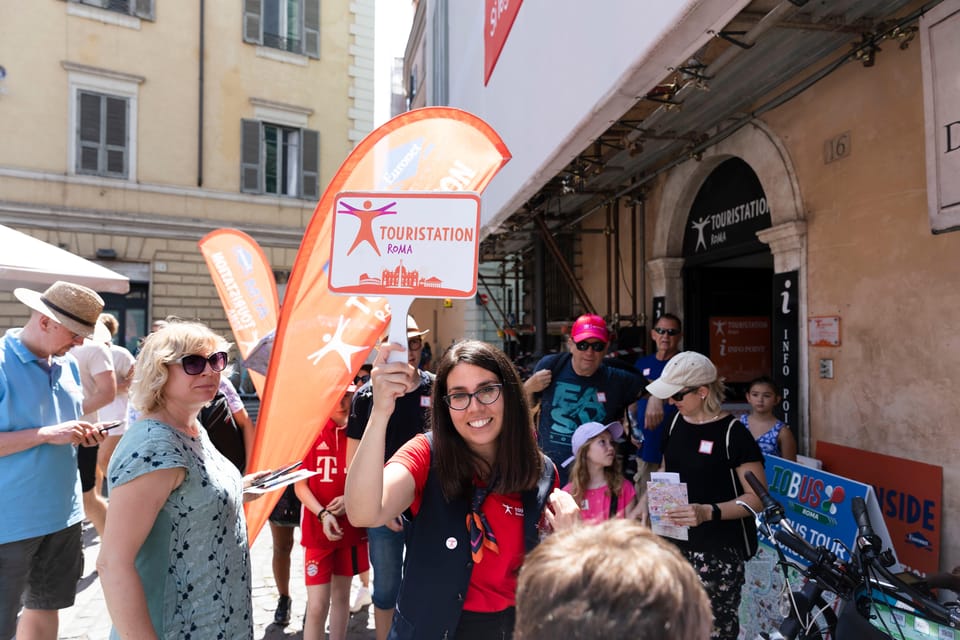
You begin at TOURISTATION ARACOELI, Piazza d’Aracoeli 16. When you redeem your voucher, look for a fountain under restoration and orange flags outside the office. It’s a very specific landmark, which is helpful in a city where “near the museum” can mean 20 different places.
Here’s what you’ll receive on site: the one-run panoramic bus ticket and priority entry to the Capuchin Crypt. That means you’re not scrambling right before the visit starts—you’re set up from the first minute.
The panoramic transfer to Barberini (with audio on board)
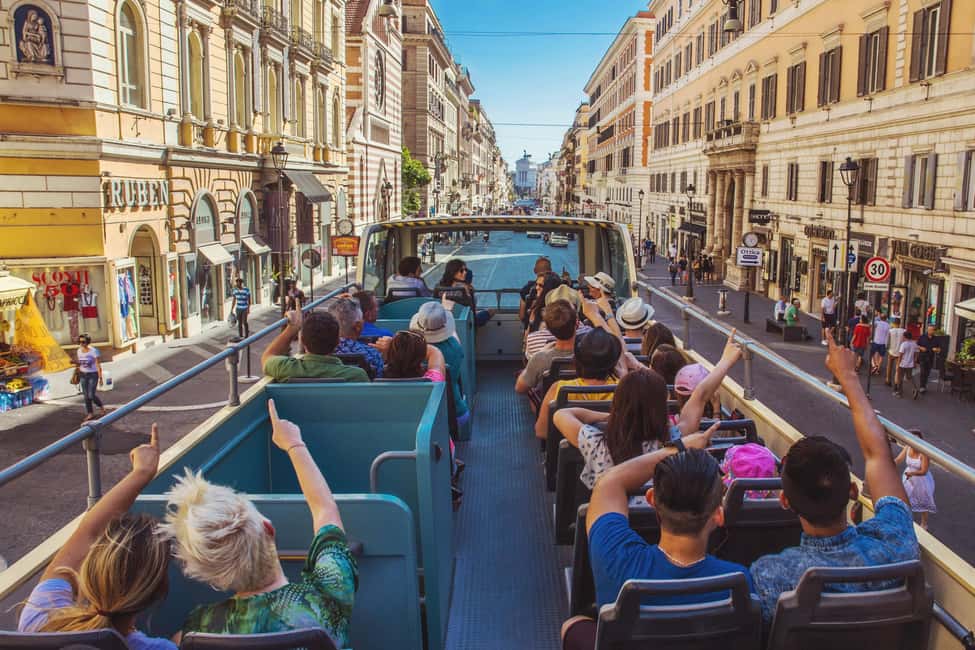
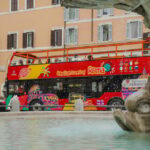
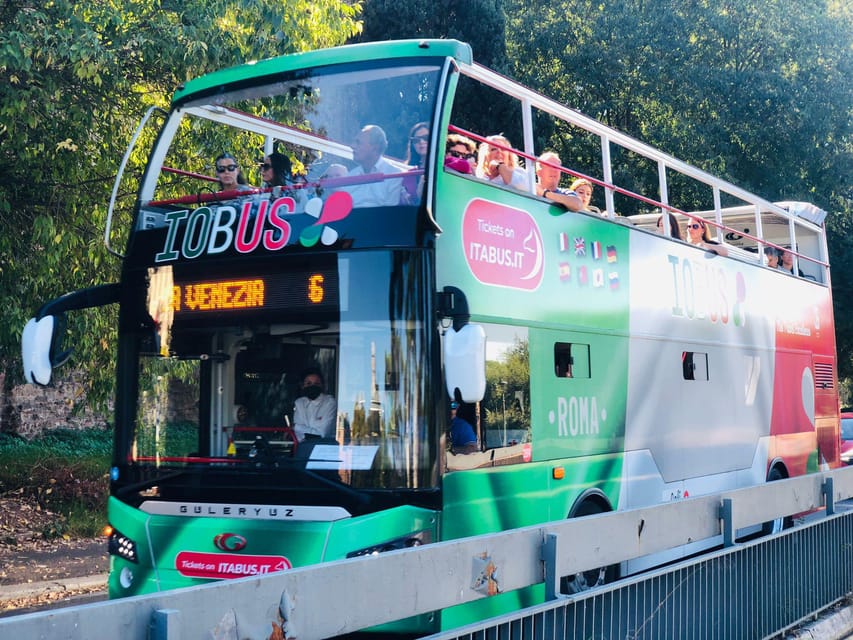
From the meeting point, the bus leaves directly in front of the meeting area and takes you to the Barberini stop, close to where the Capuchin Crypt is located. On the ride, you also get an audio guide for Rome, with main information about the city. It’s not just transportation; it’s a quick way to get your bearings while you’re moving.
One-run transfers like this are smart if you want to avoid complicated bus route math. You’re trading a bit of freedom for simplicity, which works well for a compact 2-hour experience.
Entering the Capuchin complex: Santa Maria della Concezione connection
The museum is located on Via Veneto, just a few steps from Piazza Barberini and attached to the baroque church of Santa Maria della Concezione. This setting matters because you’re not stepping into a stand-alone attraction—you’re walking into a sacred complex where the tone is different from a typical museum.
Plan for respectful behavior and appropriate attire, since the museum and crypt are considered sacred places. Also note the rules: no flash photography, and photography is restricted inside the crypt. Bring comfortable shoes because this experience is mostly walking through rooms and corridors.
Inside the museum: the story told in 8 rooms
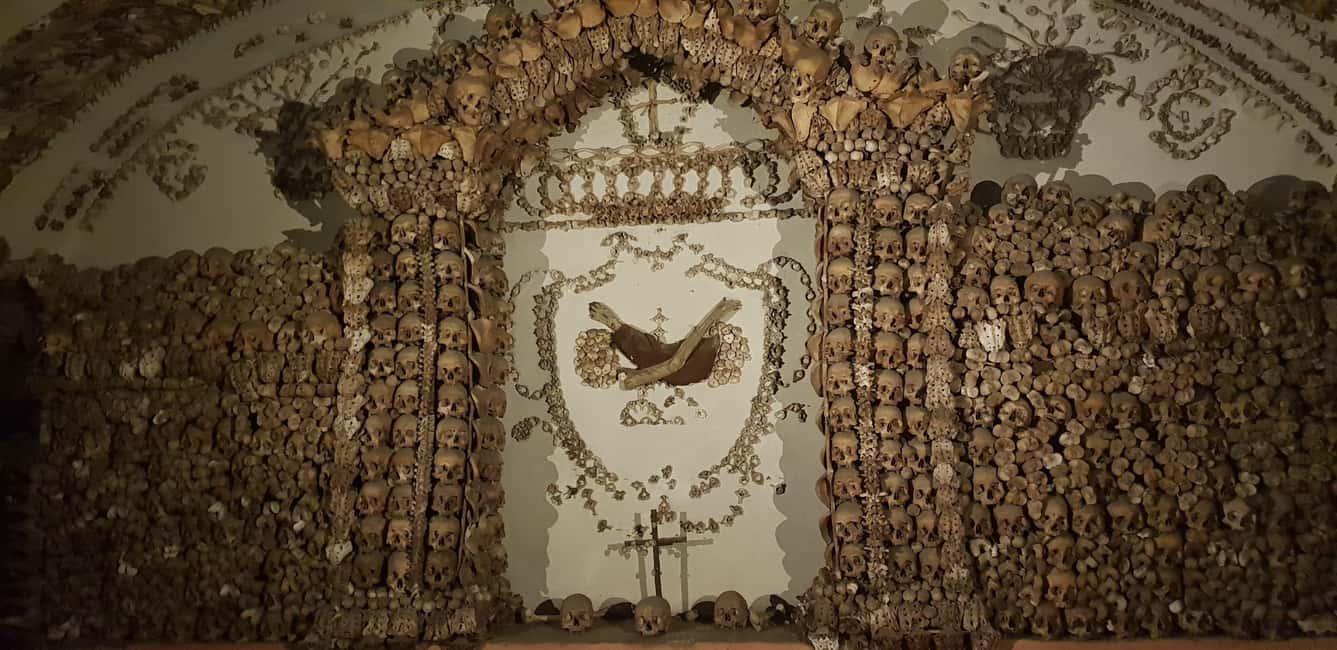
The museum visit is the part that helps you make sense of everything that follows in the crypt. You’ll spend time in 8 rooms, each with a clear focus—so the visit feels like a guided story rather than a random collection of displays.


Convent and Barberini influence (commissioned, completed in 1631)
The first section is about the convent, commissioned by the Barberini family and completed in 1631, based on the design of the Capuchin architect Fra Michele da Bergamo. That’s your opening clue that the Capuchins weren’t isolated from the larger Rome power structure. They were spiritual, yes—but they also had real presence and patrons, at least for building and institutional support.
Practically, this room helps you understand why the complex looks the way it does. Even before you get to the heavier symbolism, you’re seeing how architecture and influence played into the order’s public identity.
Saints and spirituality (images and stories)
The next two sections focus on the Capuchin order and spirituality through images and stories of saints. This gives you the emotional framing: devotion, discipline, and the idea of brotherhood. If you usually skim religious art in big museums, I’d slow down here. These sections are less about technique and more about purpose.
Everyday life items, vestments, and liturgical objects
One of the most interesting sections is dedicated to vestments, liturgical objects, and artifacts of everyday use. This is where the museum becomes tangible. You stop thinking about the Capuchins as an idea and start seeing them as people with routines, clothes, and tools.
It also sets up the order’s reputation in a concrete way: closeness to the poor and a simple lifestyle aren’t just slogans; they show up in the objects chosen for display.
Vestments and objects as a lesson in priorities
In many museum settings, you only see the expensive, impressive pieces. Here, the selection leans toward what mattered in daily spiritual life. That makes the visit feel more human, even though the crypt is anything but comforting.
The Saint Francis painting (possibly Caravaggio)
One highlight in the museum is the painting depicting Saint Francis in meditation, which may have been made by Caravaggio for the Capuchin convent. You’ll see this as part of the museum’s story flow, not in a separate, flashy gallery. That placement is useful because it connects the painting to the Capuchin focus on contemplation and humility.
Important note: you’re following museum rules and there’s no mention of special photo permissions in the painting room. Given the overall restrictions, I’d plan on letting your eyes do the work here, not your camera.
The Capuchins’ 20th-century story: spiritual, cultural, missionary, artistic
The sixth and seventh sections move the timeline forward, covering spiritual, cultural, missionary, and artistic activity of the order in the twentieth century and around the world. This is where the museum expands beyond Rome.
If you’re someone who likes travel experiences that travel with you, this section helps. You leave with a sense that the Capuchins weren’t only a local Roman phenomenon tied to old stones—they were a group that kept working, adapting, and creating new expressions of devotion.
The final stop: Crypt-Cemetery atmosphere and what to expect
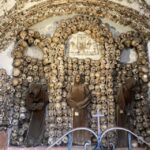
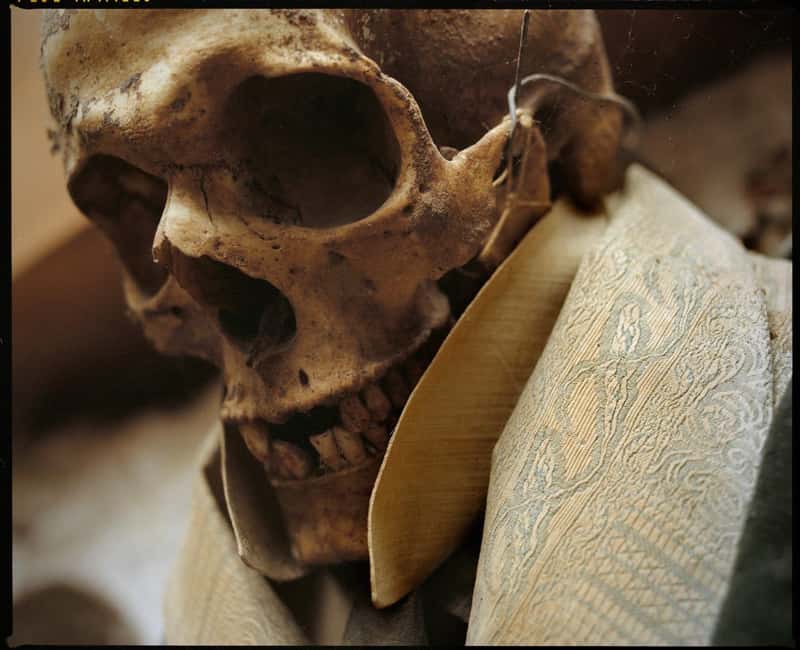
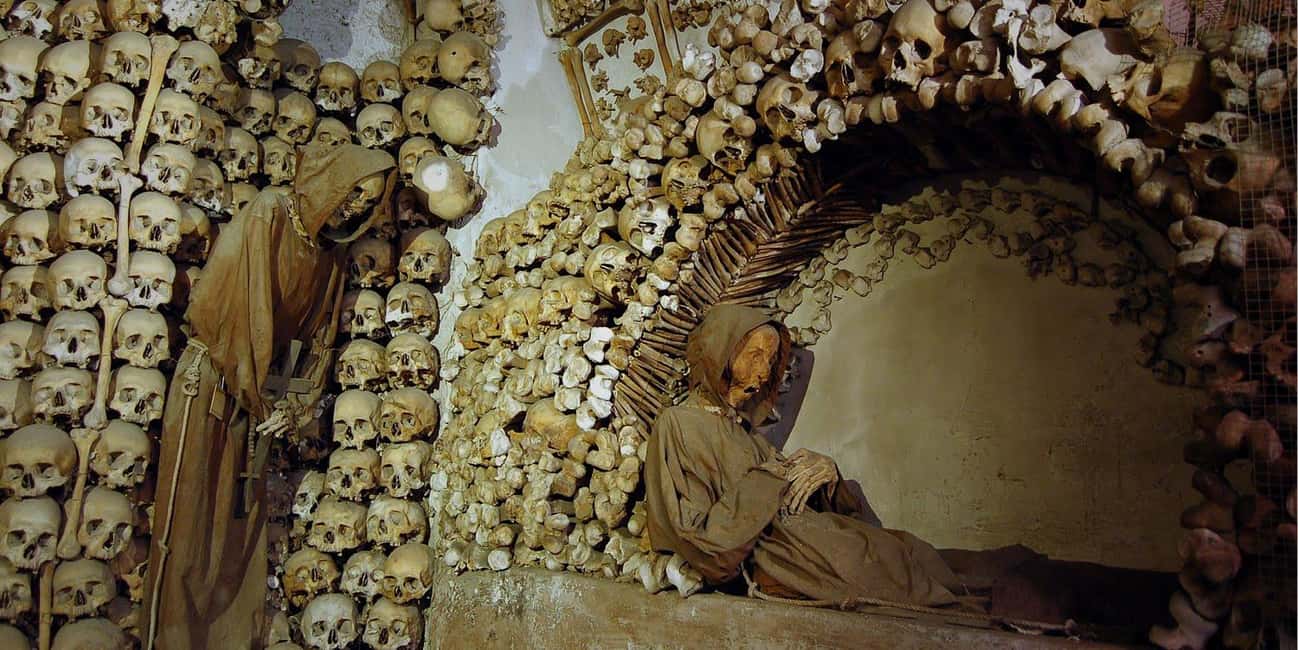
The eighth room introduces the Crypt-Cemetery, and this is where the visit becomes undeniably intense. It’s described as highly evocative, and that matches the purpose of the place: you’re confronting mortality as part of a religious and cultural practice.
This is the point where you should listen to your own comfort level. The visit is not recommended for those who are claustrophobic or sensitive to human remains. If those words even slightly describe you, take it seriously. There’s no sense pushing through and turning the whole experience into stress.
Also remember: no photography inside the crypt. That restriction is there for a reason—you’re supposed to be present, not documenting.
Audio guide during the journey and the Rome app you receive
The inclusion list is a big part of the value here. You get:
- Audioguide for the Capuchin Crypt
- Audio guidance during the journey with main information about Rome
- An audioguide app for Rome with more than 170 points of interest
So even if you only spend 2 hours at the crypt, you’re taking away a tool you can keep using for the rest of your trip. That matters in Rome, where it’s easy to feel like you’re seeing a lot of stones but not always connecting them into a story.
Price and value: what you’re paying for at $43.27
At $43.27 per person for a roughly 2-hour outing, this isn’t a bargain in the cheapest sense. But it also isn’t expensive given what’s included. You’re getting:
- Entrance to the Capuchin Crypt
- Audioguides (crypt + city info during transfer)
- A one-run panoramic bus ticket
- Priority entry
- The Rome app with 170+ points
The value isn’t just the ticket. It’s the flow: bus transfer handled, queue stress reduced, and interpretation provided. If you’ve ever spent time in lines while Rome continues moving without you, priority entry feels like a real quality-of-life upgrade.
Practical tips for a smooth, respectful visit
Here’s how I’d set yourself up to enjoy this without friction:
- Wear comfortable shoes. This is a walking-and-standing experience across rooms and then into the crypt setting.
- Plan your clothing for a sacred place (the tour notes appropriate attire is required).
- Don’t bring a need to photograph inside the crypt. Photography is not allowed inside the crypt, and flash is not permitted.
- If you’re sensitive to remains, you’ll want to think hard before booking, since the crypt-cemetery stop is the climax.
- Expect to move from museum context to crypt atmosphere. Keep some mental flexibility for the emotional shift.
Who this experience suits (and who might skip)
This works best if you like travel moments that are:
- Part art, part anthropology, part faith practice
- Short and well organized
- Focused on objects and storytelling, not just crowd photos
You might particularly enjoy it if you want to understand the Capuchins’ influence in Lazio, and how that influence shows up through vestments, daily items, and the order’s wider work.
On the flip side, it’s not a great match if you need a gentle, light sightseeing day. It also isn’t suitable for wheelchair users, and it isn’t recommended for claustrophobia or those sensitive to human remains.
Should you book this Capuchin Crypt experience with panoramic transfer?
Yes, I think you should book it if you want a time-efficient, interpretation-rich visit that gets you from central Rome to the crypt with less hassle. The combination of panoramic bus transfer, audio guidance, and priority entry is designed for people who want to spend their time learning and seeing, not waiting.
Skip it (or choose a different activity) if the crypt-cemetery stop would feel too intense for you. This is a sacred site with human remains as part of the experience. There’s no soft landing there—so trust your comfort.
FAQ
Where do I redeem my voucher for this experience?
You redeem your voucher at TOURISTATION ARACOELI, Piazza d’Aracoeli 16. Look for a fountain under restoration and orange flags outside the office.
What time does the experience start?
The experience is scheduled with starting times based on availability, and it’s designed to last about 2 hours.
Does the experience include the Capuchin Crypt entrance?
Yes. Entrance to the Capuchin Crypt is included.
Is there an audio guide?
Yes. You get an audioguide for the Capuchin Crypt, plus audio guidance during the journey, and an audioguide app for Rome with more than 170 points of interest.
How do I get from the meeting point to the Capuchin Crypt?
You take the panoramic bus from directly in front of the meeting point to the Barberini stop, where the Capuchin Crypt is located.
What is included in the panoramic transfer?
You receive a one-run panoramic bus ticket delivered to you at the Touristation office along with priority entry.
Do I need to queue for tickets?
No. The experience includes skip the ticket line with priority entry.
Can I take photos inside the crypt?
No. Photography inside the crypt is not allowed. Flash photography is also not allowed.
Is this visit suitable for wheelchair users?
No. It is not suitable for wheelchair users.
Is the crypt recommended if I’m claustrophobic or sensitive to human remains?
No. The visit is not recommended for those who are claustrophobic or sensitive to human remains.
Is there a cancellation policy?
Yes. You can cancel up to 24 hours in advance for a full refund.
If you tell me your travel dates (and whether you prefer early or late start times), I can help you pick the best time slot so this fits smoothly into your Rome day.