REVIEW · ROME
Rome: Castel Sant’Angelo Entrance Ticket
Book on GetYourGuide →Operated by The Voyager · Bookable on GetYourGuide
Castel Sant’Angelo packs centuries into one climb. I love the skip-the-line entry that gets you inside without the ticket counter headache, and the panoramic views from the ramparts that turn Rome into a postcard. One thing to plan for: you’re going up stairs, and this isn’t a good fit if you have mobility limits.
The fortress tells a story you can follow without a guide. You start in the original mausoleum space and then watch how the building shifted roles, from emperor’s tomb to papal refuge to a working military site. If you’re expecting a low-effort stop, you might find the walking and steps more demanding than the ticket description suggests.
In This Review
- Key Points Before You Go
- Skip-The-Line Entry That Actually Saves Time
- Start Where It All Began: Hadrian’s Mausoleum
- The Ramparts: Where Rome Opens Up
- Papal Apartments: Luxury After the Crisis
- Fortress and Prison: The Building’s Harder Side
- A Simple Way to Pace Your Visit
- Price and Value: What $32 Buys You
- Practical Stuff You’ll Be Glad You Know
- Who Should Book This Ticket
- Should You Book Castel Sant’Angelo With Skip-the-Line?
- FAQ
- How do I get my Castel Sant’Angelo ticket?
- Do I need to meet anyone to start the visit?
- How does the skip-the-line access work?
- How long is the ticket valid?
- What identification should I bring?
- What should I wear?
- Is this ticket suitable for wheelchair users or people with mobility impairments?
- What items are not allowed?
Key Points Before You Go
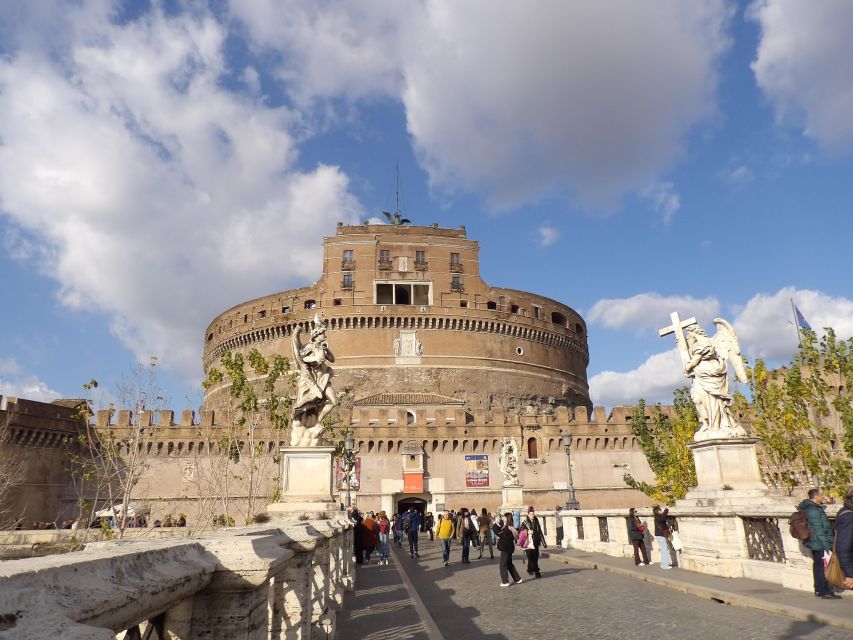
- Fast entry with an e-ticket shown at the entrance, so you spend less time waiting and more time looking.
- Hadrian’s mausoleum as the starting point, so the visit begins with the site’s original purpose.
- Ramparts with Rome-wide sightlines, including views you can use to frame St. Peter’s Basilica and Vatican landmarks.
- Papal Apartments with Renaissance frescoes and period furniture, where luxury meets crisis-ready history.
- A lot of stairs and indoor walking, which matters for comfort and pacing.
Skip-The-Line Entry That Actually Saves Time
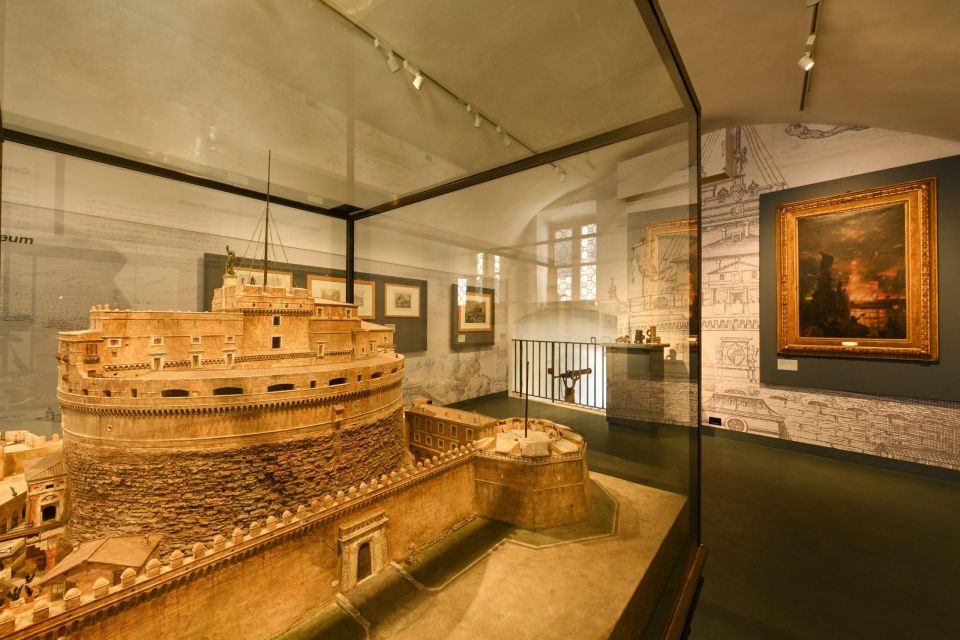
This ticket is all about getting you into Castel Sant’Angelo quickly. Your entry is tied to an e-ticket you receive by email in the late afternoon of the day before you go. There’s no need to meet anyone in person at a set pickup point, and at the gate you just show your ticket on your phone.
That may sound simple, but in practice it changes your day. Castel Sant’Angelo can draw crowds, and waiting in line is time you’ll never get back, especially if you’re already sight-seeing around the Vatican and the Tiber. With skip-the-line access, you can head straight to the first areas and start absorbing the building’s layout right away.
A practical note: bring a passport or ID card. Also expect that your visit will be mostly walking and stair steps once you’re inside, so wear comfortable shoes and plan for a steady pace.
You can also read our reviews of more tours and experiences in Rome


Start Where It All Began: Hadrian’s Mausoleum
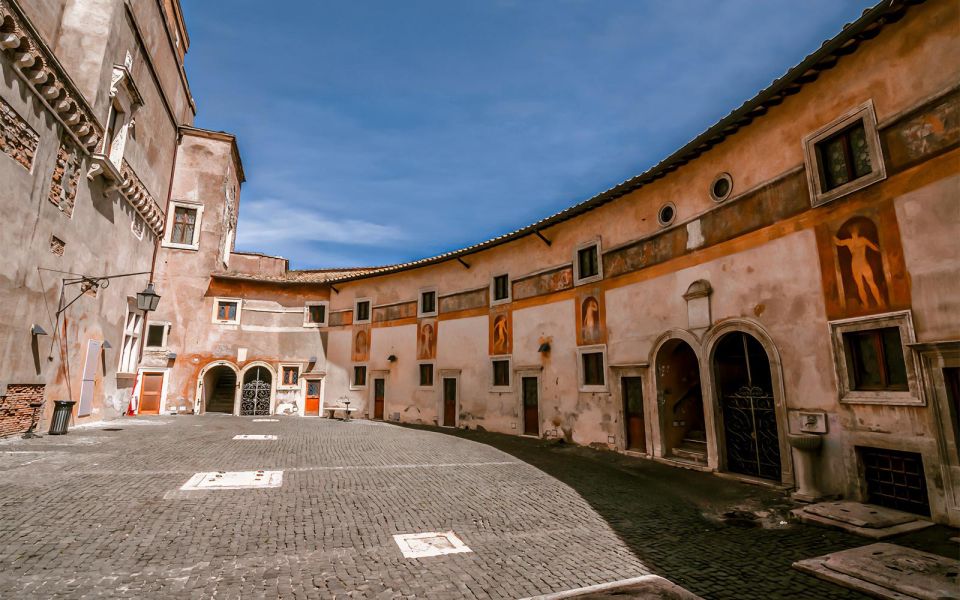
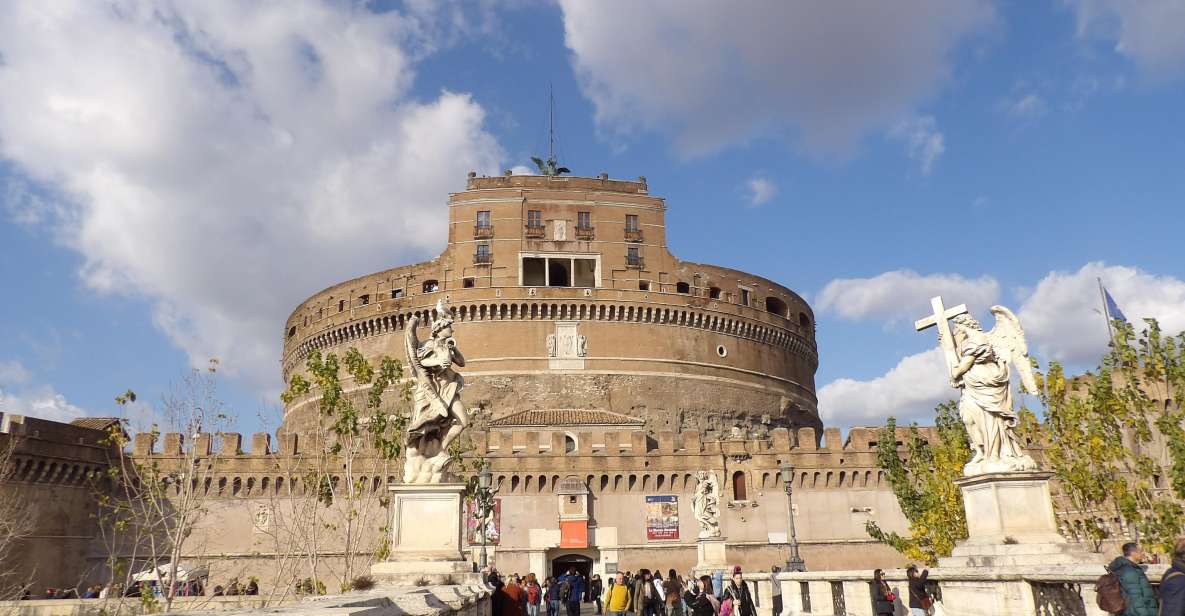
Your route begins in the part of Castel Sant’Angelo that traces back to its origins. The site was first built as a mausoleum for the Roman Emperor Hadrian, and that matters because it sets the tone from minute one. Instead of treating the castle like a blank backdrop for photos, you’re entering a space that was meant to commemorate power and legacy.
From there, the building shows you how the story evolves. You’ll move through impressive corridors and chambers that reflect different eras and different needs. The atmosphere is the “why” behind the structure: it wasn’t just built to impress—it was built to last, and then adapted when Rome’s political and military pressures changed.
If you like architecture that tells a timeline, this is a big win. You’re not just looking at walls; you’re seeing how the same stone can be re-purposed again and again, with each function leaving its mark.
The Ramparts: Where Rome Opens Up

After you work through the interior spaces, the visit rises toward the outdoor perspective. You’ll climb to the terrace and ramparts for panoramic views across Rome, with the Tiber River and major landmarks stretching out below you.
This is one of the strongest reasons to choose Castel Sant’Angelo over a quicker “look and leave” stop. From the terrace, you get a vantage point that’s different from what you see at street level or even from many viewpoint platforms around the city. The site also gives you a natural way to orient yourself: you can spot Rome’s key areas and relate them back to what you’re exploring.
The experience here is practical as well as scenic. You’re positioned high enough to “read” the city from above, and that helps your wider day feel more connected. The ticket info specifically calls out views that include St. Peter’s Basilica and the Vatican, which gives you built-in photo targets without needing extra planning.
One consideration: if stairs wear you out, this is where you’ll feel it. The route to the terrace involves a series of steps, so I’d treat this as your main physical challenge and pace yourself before you reach the top.
Papal Apartments: Luxury After the Crisis
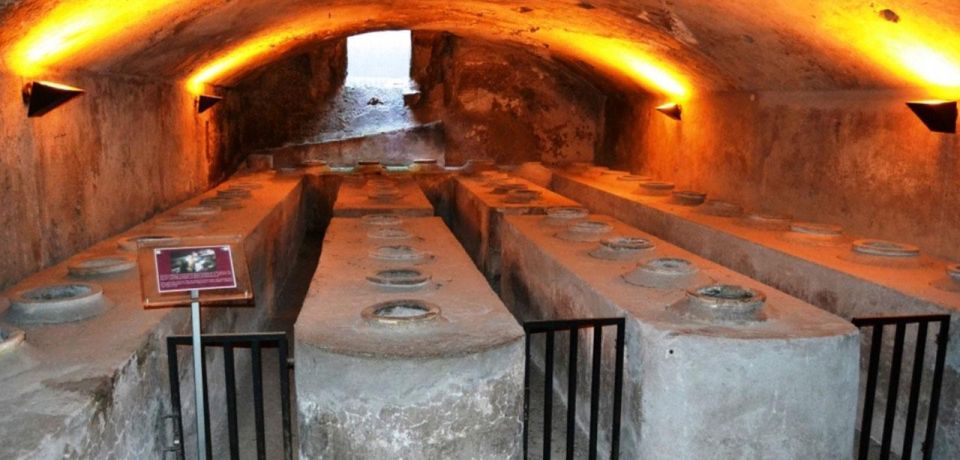
Castel Sant’Angelo isn’t just a fortress in the martial sense. It also served as a place of papal refuge, which is a fascinating twist because it means luxury and survival sit side by side.
The Papal Apartments are where you see the opulent side of the building. Expect Renaissance frescoes and period furniture, plus rooms tied to the era when popes used the castle during times of crisis. Even if you’re not a hard-core art person, the effect is easy to understand: this is what power looks like when it’s trying to feel safe inside a threat-filled world.
This stop also rewards curious visitors who like to connect art to function. The question isn’t just what the rooms look like, but why those rooms existed inside a structure with military duties. The contrast makes the castle feel more human. You’re seeing how leaders adapted their surroundings to maintain comfort and authority when circumstances were unstable.
If your schedule is tight, prioritize this area after you’ve taken in the terrace views. You’ll come back indoors with a fresher mindset, so the paintings and furnishings land with more impact.
Fortress and Prison: The Building’s Harder Side
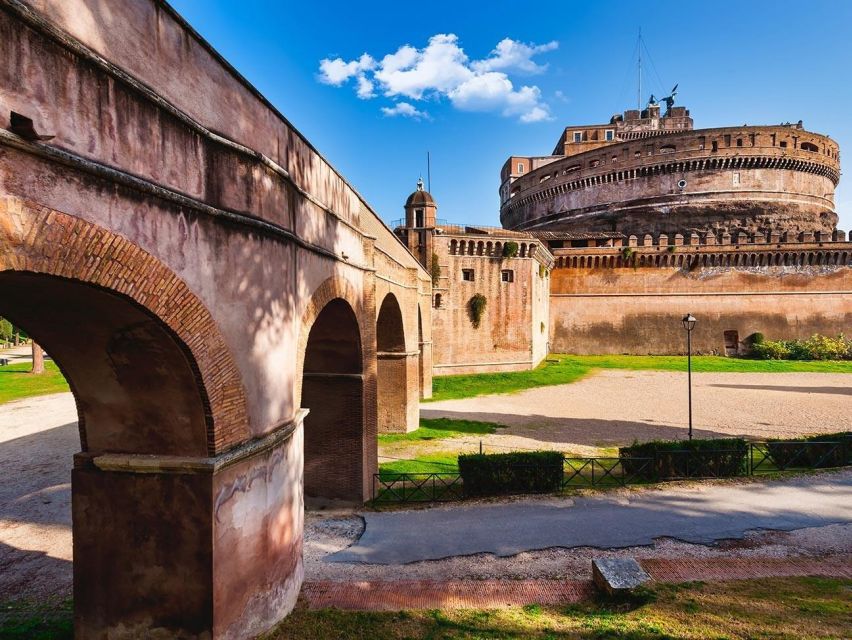
Castel Sant’Angelo has worn multiple jobs over the centuries. At different times it functioned as a fortress, and it also served as a prison. That combination changes how you interpret what you’re walking through.
When you explore the military side of the castle, pay attention to defensive logic: the structure’s placement, its strategic positioning, and the defensive features built into the layout. Even if you don’t have a guide narrating every wall, you can usually feel what the building was designed to do—hold ground, protect key areas, and serve as a command-ready stronghold.
That “tough life” chapter is also what makes the Papal Apartments feel even more dramatic. You can see how the building could offer shelter while still being built for conflict. It’s a reminder that Rome’s history isn’t only monuments and marble views. It’s also control, security, and the constant reshaping of institutions as conditions shift.



A Simple Way to Pace Your Visit
This experience is best approached like a slow walk through layers, not a checklist sprint. Since your entrance starts at the mausoleum and then builds toward ramparts and the Papal Apartments, I’d treat the day like one continuous route where each area changes your perspective.
Here’s a pacing approach that usually works well:
- Start calmly in the mausoleum spaces, letting the original purpose settle in your mind.
- Move toward the ramparts when you’re ready for the payoff view, but take it steady on the stairs.
- After the terrace, switch gears indoors for the Papal Apartments, so your brain doesn’t stay in “photo mode” the whole time.
- Finish by leaning into the fortress and prison angle, which ties together the earlier stops.
The ticket also explicitly notes that you’ll need to climb a series of stairs to reach the panoramic terrace. That means your comfort depends heavily on pace. I’d plan to move slow enough that you’re not rushing at the top, where photos and views are the point.
Price and Value: What $32 Buys You
At about $32 per person, this isn’t the cheapest ticket in Rome, but it’s not overpriced when you look at what you’re paying for. The big value driver is the skip-the-ticket-line access plus the fact you’re visiting one of the city’s most layered sites in a single entry.
Instead of spending your time in queue limbo, you’re spending it inside the building, working your way through major sections: the mausoleum starting point, the terrace ramparts, the Papal Apartments, and the fortress/defense areas. That’s a lot of “site value” for one ticket.
Is it worth it if you’re the type who wants to wander anywhere and never plan? Maybe not. But if you want a clear, high-impact route with an easy entry process, the convenience matters. Rome days are busy, and saving even a small chunk of time at a major attraction can make your whole itinerary feel less stressful.
Practical Stuff You’ll Be Glad You Know

A few rules can affect your comfort and flow:
- Pets aren’t allowed.
- Luggage or large bags aren’t allowed.
- Weapons or sharp objects aren’t allowed.
- Sprays or aerosols aren’t allowed.
Bring comfortable shoes and expect a good amount of walking once you enter. The visit isn’t labeled as suitable for wheelchair users, so if mobility is an issue, plan to choose a different Vatican-area stop.
If you need a sanity check on your ticket: it comes by email the late afternoon before your entry date. If you don’t see it right away, check spam.
Who Should Book This Ticket
You’ll likely love this if you:
- Want big views without needing extra transport to a separate viewpoint.
- Like history that changes shape across centuries, from mausoleum to fortress and papal refuge.
- Prefer a self-paced visit where you can spend longer in the rooms that catch your interest.
You might want to rethink if you:
- Have trouble with stairs or long indoor walking routes.
- Hate delays and would rather pick attractions where you can stay at street level.
This ticket fits both history-minded travelers and casual visitors because the route has clear beats: origin, climb, luxury rooms, then military logic.
Should You Book Castel Sant’Angelo With Skip-the-Line?
If your day includes the Vatican area and you want one strong, high-yield stop, I’d book it. The combination of skip-the-line entry, a clear route through major sections, and terrace views that include key landmarks makes the $32 feel more like a time-saver than a generic museum ticket.
Just don’t underestimate the stairs. If you’re confident moving around, this is one of those places where you’ll keep noticing details as you go—because the building’s many roles don’t feel random. They feel built into the walls.
FAQ
How do I get my Castel Sant’Angelo ticket?
Your ticket is delivered by email in the late afternoon of the day before your entry date. You should show the e-ticket at the entrance, and if you do not receive it, check your spam folder.
Do I need to meet anyone to start the visit?
No. It’s not necessary to meet anyone. You’ll just use the ticket you received by email and go to the entrance.
How does the skip-the-line access work?
You present your e-ticket at the entrance and skip the ticket line for faster entry.
How long is the ticket valid?
The ticket is valid for 1 day. You’ll need to check availability to see starting times.
What identification should I bring?
You should bring a passport or an ID card.
What should I wear?
Wear comfortable shoes and comfortable clothes, since the visit involves walking and stairs.
Is this ticket suitable for wheelchair users or people with mobility impairments?
It is not suitable for wheelchair users, and it is not suitable for people with mobility impairments.
What items are not allowed?
Pets, weapons or sharp objects, luggage or large bags, and sprays or aerosols are not allowed.