REVIEW · ROME
Rome: Colosseum Arena, Forum & Palatine Hill Guided Tour
Book on GetYourGuide →Operated by Nicom Tours · Bookable on GetYourGuide
Stand where gladiators fought.
This guided Rome outing takes you for fast-track entry into the Colosseum and all the way onto the arena floor, then continues on to the Forum and up Palatine Hill. It’s a smart way to see the big three ancient sites without spending your vacation stuck buying tickets.
I also like that you get headsets for clear narration, so you’re not straining to hear over the crowd. Plus, the guide can work in Italian, English, Spanish, French, or German, and you’ll have time to ask questions as you walk.
One thing to plan for: the tour length can run a bit over the stated 2.5 hours if the guide’s pacing is energetic and the group has lots of questions.
In This Review
- Key points to know before you go
- Why this Colosseum Arena tour feels like the right kind of shortcut
- Meeting point near Via delle Terme di Tito: don’t wing it
- Entering the Colosseum with fast-track entry (and what still causes waits)
- The arena floor visit: gladiator energy, Gladiator’s Gate, and dungeons
- Roman Forum stop: where religion and politics lived side by side
- Palatine Hill climb: elite villas, Rome’s origin idea, and city views
- Guide pacing and headset use: how to get the best hour-by-hour experience
- What to wear, what to bring, and what Rome rules you’ll hit
- Who this Colosseum + Forum + Palatine Hill tour is best for
- Should you book this Colosseum, Forum and Palatine Hill guided tour?
- FAQ
- How long is the tour?
- What’s included in the price?
- Is the Colosseum arena floor always open?
- When should I arrive at the meeting point?
- What does fast-track entry mean here?
- Is the tour suitable for wheelchair users or people with mobility impairments?
Key points to know before you go
- Arena floor access: You’ll walk in the Colosseum’s arena area and get special access connected to the Gladiator’s Gate route
- Fast-track ticket entry: Designed to help you avoid the long ticket-purchase lines, even though security lines can still happen
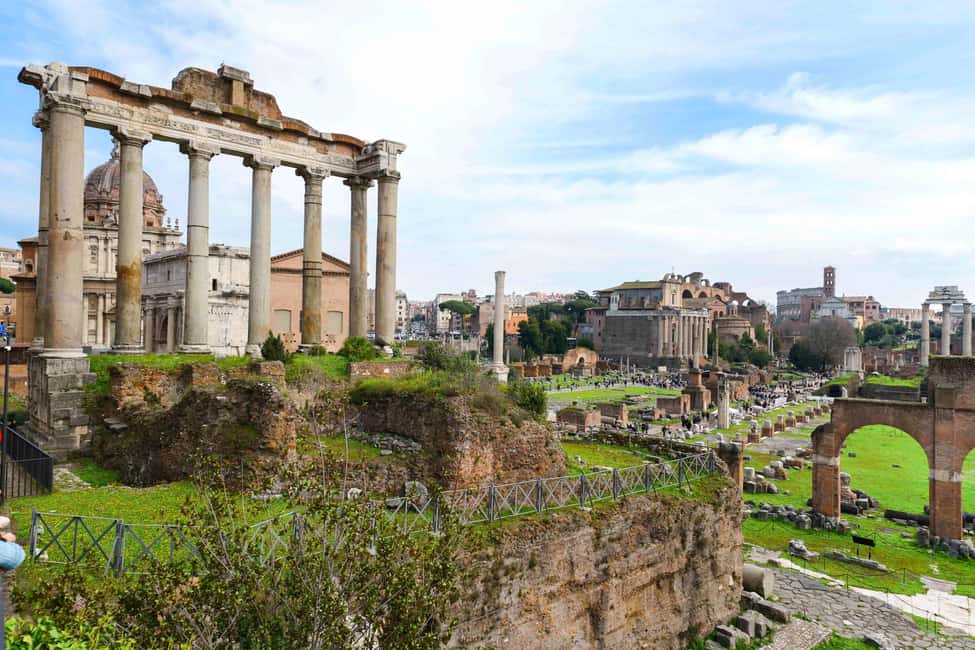
- Roman Forum storytelling focus: Expect major Forum landmarks tied to politics and religion, including the House of the Vestal Virgins and the Temple of Saturn
- Palatine Hill views: You climb for the best “from above” feel of where the city first grew and where elite villas once stood
- Headsets included: Help you hear the guide well throughout the walk
- Stairs are part of the deal: Bring comfortable shoes and plan for lots of steps; a baby carrier is recommended over a stroller
Why this Colosseum Arena tour feels like the right kind of shortcut
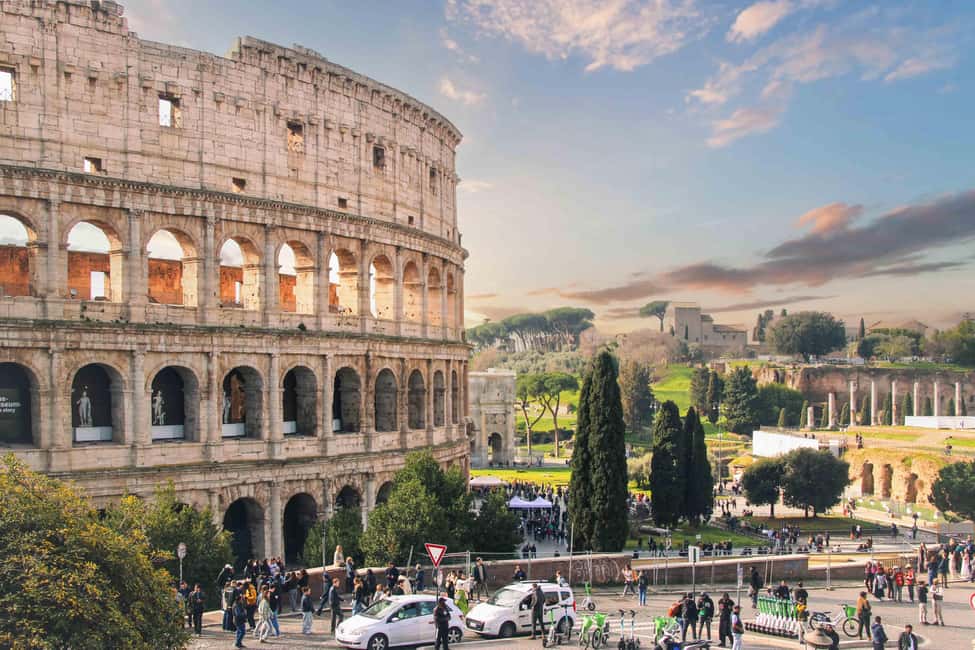
At $89.50 per person, this isn’t a budget “look-and-go” ticket. You’re paying for three things that are hard to replicate on your own on a short trip: a guide, skip-the-line entry, and access that goes beyond basic viewing (including the arena floor area). If you want your time in Rome to feel focused instead of chaotic, that value adds up.
The itinerary is built like a single ancient-city story arc. You start with the Colosseum, move into the Roman Forum (the place where power played out), and then head up Palatine Hill (where Rome’s elite lived and where people believed the city began). That sequencing helps your brain connect what you’re seeing instead of treating each stop like a separate museum.
Also, the included headsets matter more than they sound. In the Colosseum and Forum, crowds compress space and sound gets messy fast. Being able to hear directions and explanations clearly makes the experience feel smoother, and it helps you keep moving at a pace that works for the group.
You can also read our reviews of more guided tours in Rome
Meeting point near Via delle Terme di Tito: don’t wing it
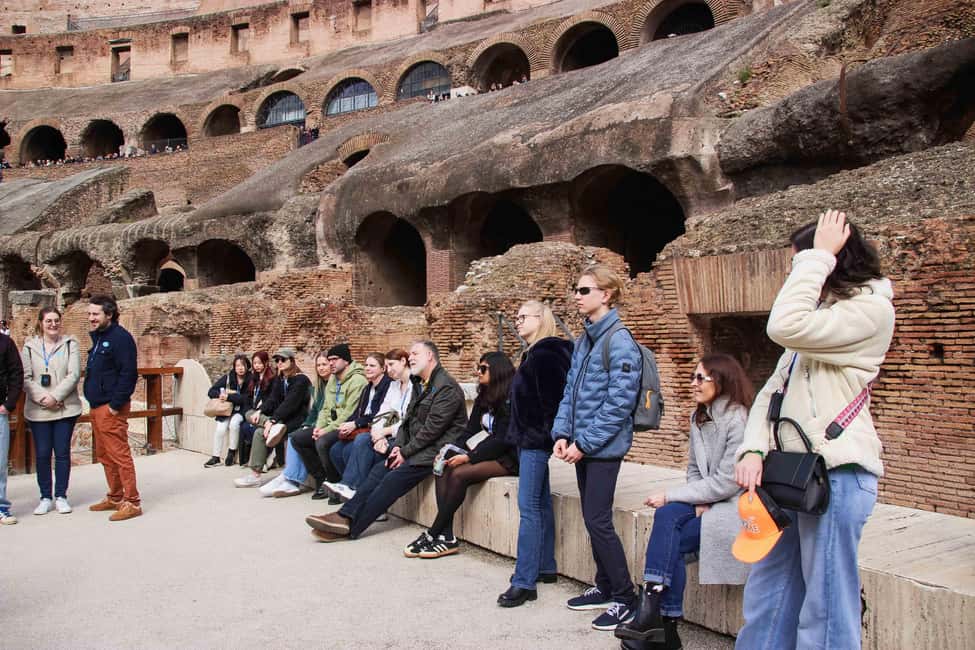
You meet at Via delle Terme di Tito, 93. If you’re coming by metro, the practical detail is that you should reach the terrace above the Colosseo metro station, walk about 100 meters on Via Nicola Salvi, and turn left.
Here’s the thing: this tour requires you to arrive 20 minutes before the advertised start time. No-show scenarios can happen when groups are late, out of sync, or waiting in the wrong spot. If your phone is reliable, keep it on and be ready in case the meeting time changes.
The operator notes the meeting time is subject to change and you may receive a phone call or text. That’s your cue to stay reachable rather than wandering off to find coffee and hoping the timing works out.
Entering the Colosseum with fast-track entry (and what still causes waits)
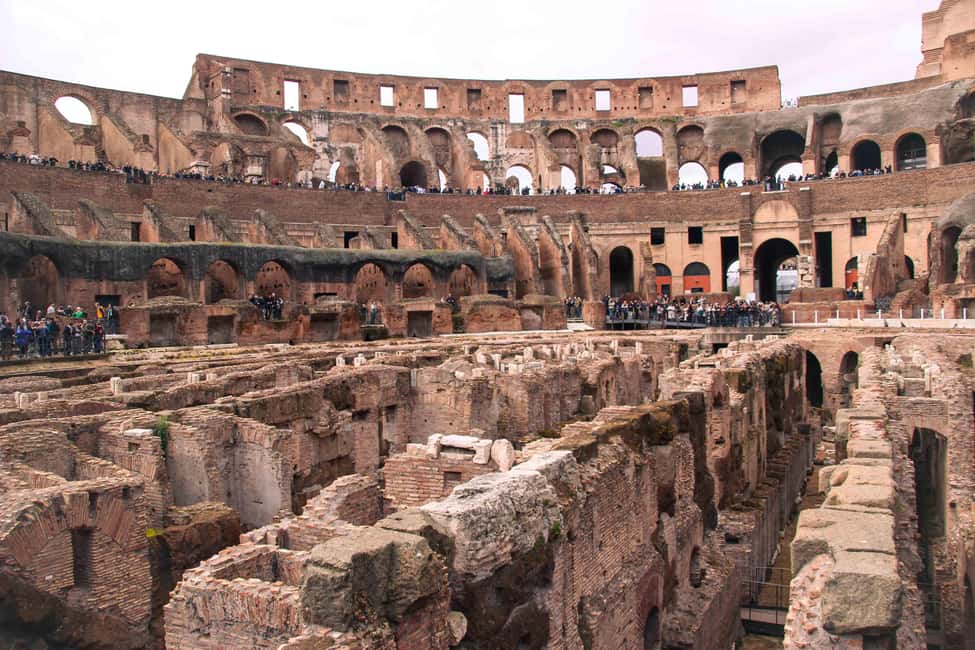
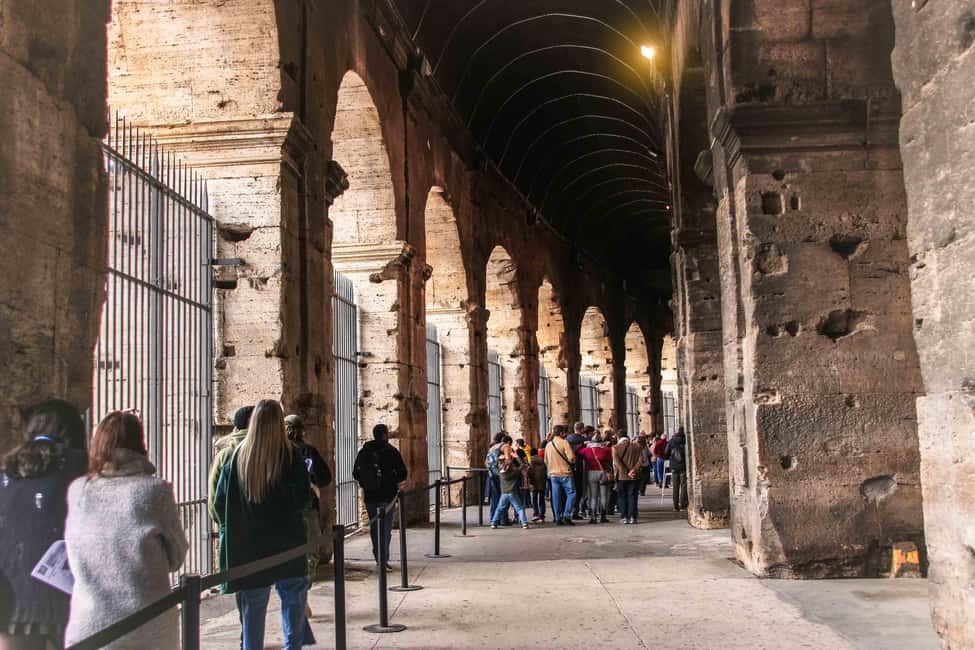
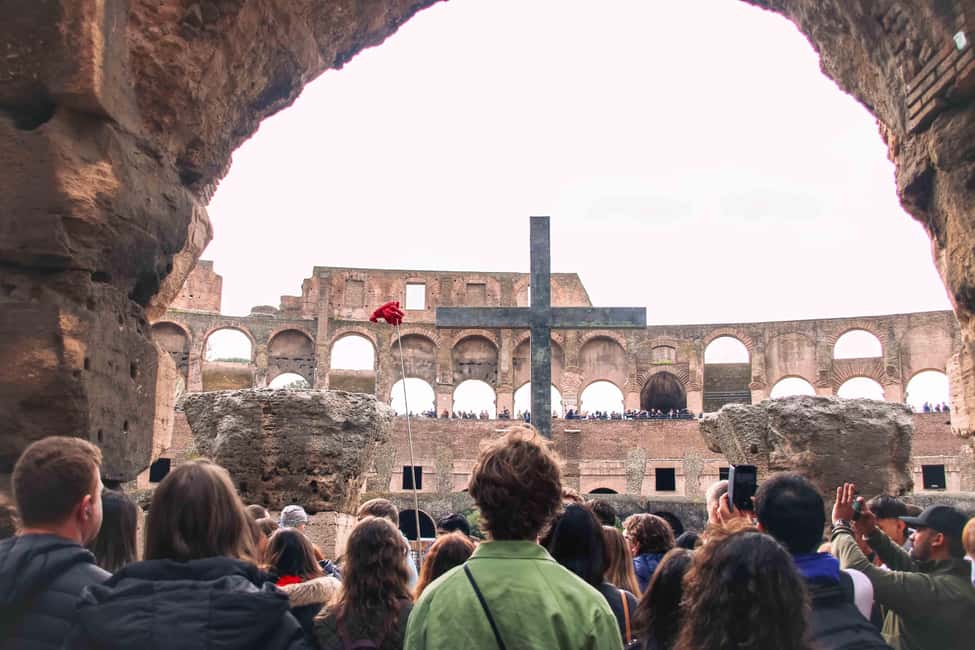
The key promise here is fast-track entry that’s intended to help you skip the long lines for tickets. Once you’re inside, the guided portion starts right away, with about an hour spent in the Colosseum itself.
But be realistic: there may still be a queue due to security checks. In other words, fast-track doesn’t mean zero waiting—it usually means you avoid the slowest part (ticket purchase lines) and get routed through more efficiently once security is underway.
It runs in all weather conditions, but that weather clause matters later. You’ll be walking outdoors, and in heavy conditions, some specific areas (like the arena floor) can be closed. So if you’re traveling in shoulder season or planning around rain, go in with flexibility.
The arena floor visit: gladiator energy, Gladiator’s Gate, and dungeons
This is the part people remember, because it’s not just “look from behind the barrier” sightseeing. The arena floor segment is about 30 minutes, and it includes special access tied to the Gladiator’s Gate area.
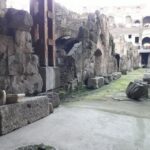
You’ll stand where battles happened and walk along the route that connects the big monument’s spectacle to the machinery behind it. The guide will point out the arena’s dungeons—the spaces that show how tightly controlled the show was, long before anyone had stadium technology.
Timing is tight here. You want to keep your attention on the guide’s directions and not get distracted by photos every ten seconds. If you’re the type who likes to stop and stare quietly for a while, you might feel a little rushed unless your guide gives you breathing room.
Also, remember the weather rule: in bad conditions, the arena floor may close without prior notice, and refunds aren’t provided in those cases. That’s not meant to scare you—it’s just the reality of outdoor access at a high-demand site.
Roman Forum stop: where religion and politics lived side by side
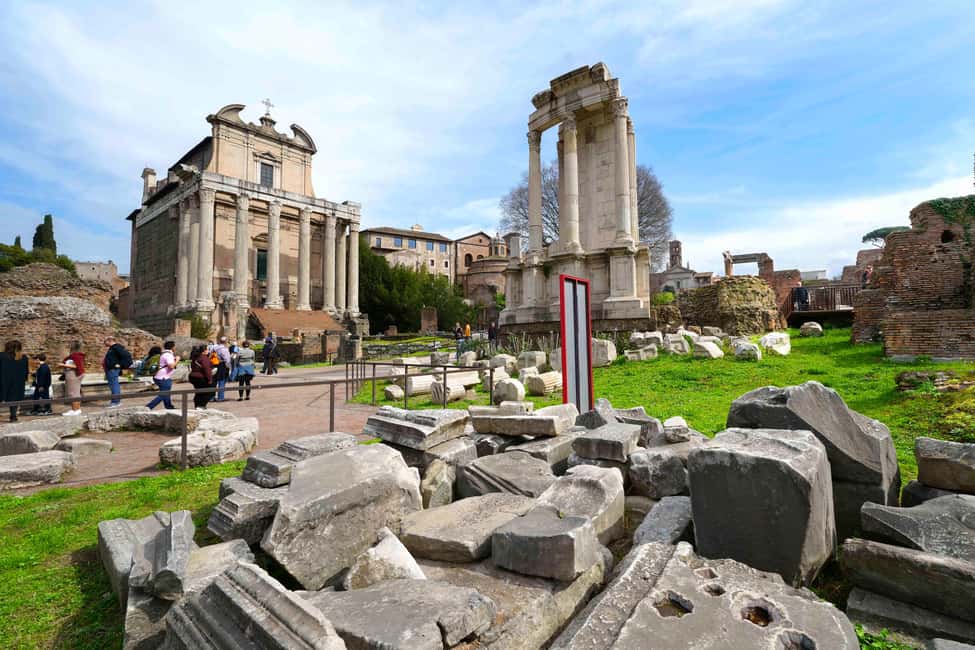
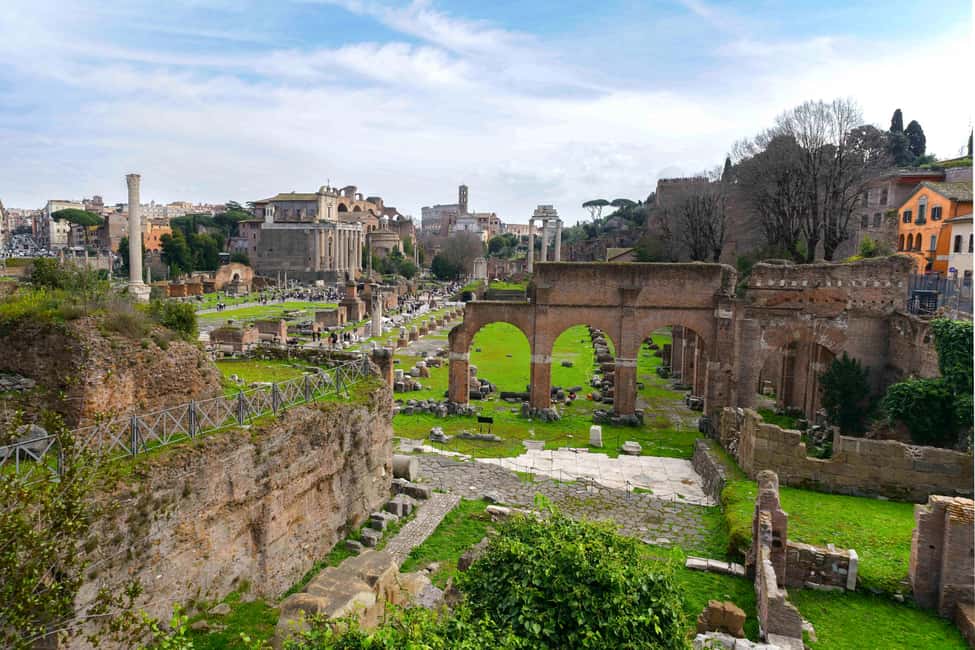
After the Colosseum, you head to the Roman Forum for around 30 minutes. This portion is where the tour starts to feel more like a guided history lesson you can actually picture.
The Forum wasn’t just ruins in a field. It was the social, political, and religious center of ancient Rome, and the guide’s job is to connect the stones to the people who used them. Expect stories tied to political treachery and drama, plus a tour through major landmarks.
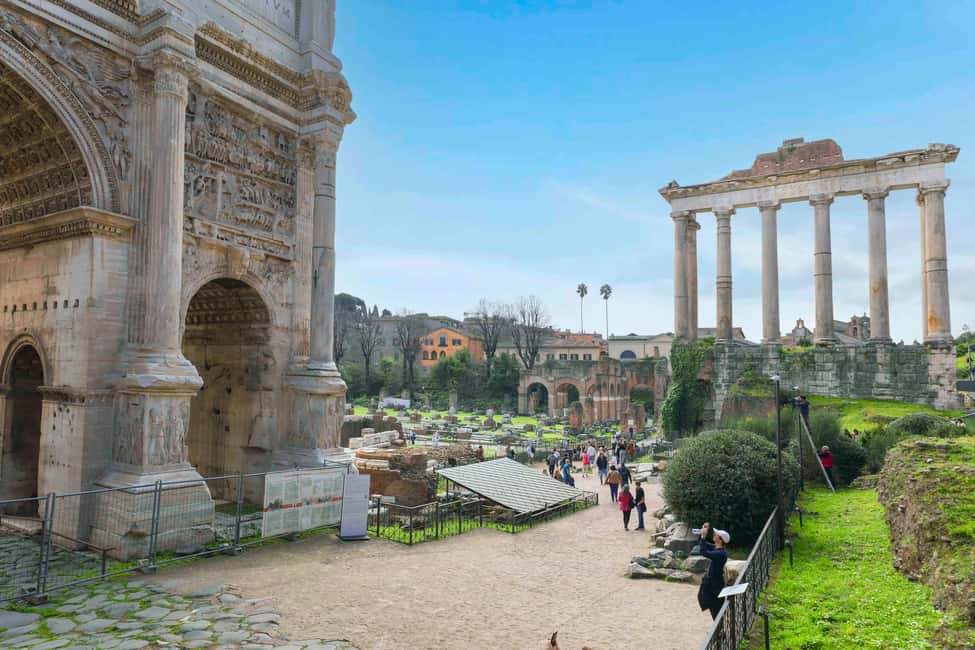
Two names you should look out for as you walk are the House of the Vestal Virgins and the Temple of Saturn. The Vestals represent religion’s public power, and Saturn’s temple anchors an important civic rhythm in the Forum. The guide should also show you more “and more” sites—enough that you don’t feel like you’re seeing only the big poster names.
One practical tip: the Forum’s paths can feel crowded, and the ruins create lots of sightline angles. If you want better photos, position yourself early when the guide stops, not after the group starts moving again.


Palatine Hill climb: elite villas, Rome’s origin idea, and city views
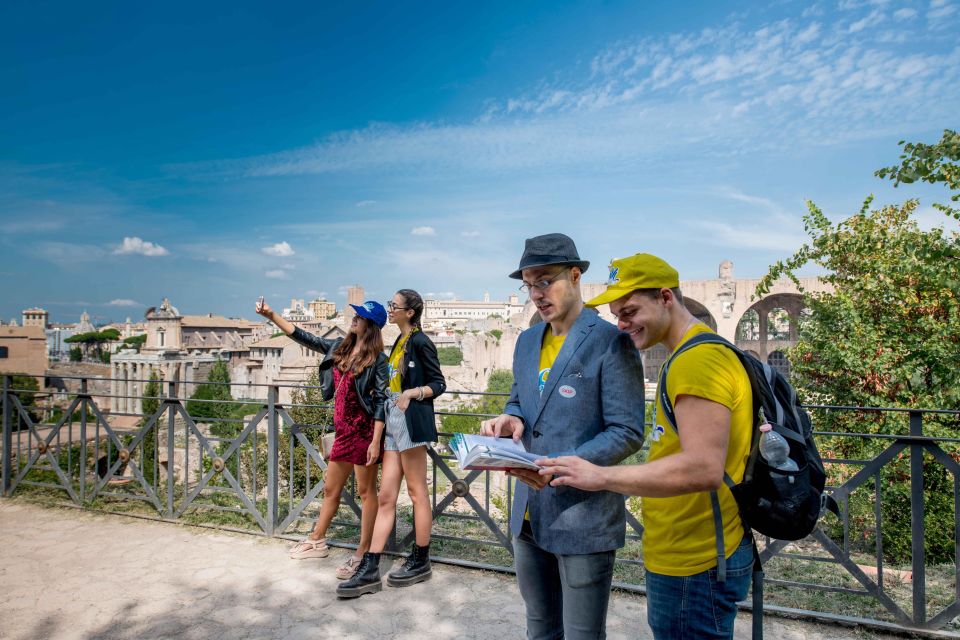
The final major stop is Palatine Hill for about 30 minutes. Palatine is believed to be where the city was founded, and the view is part of why the climb works.
This isn’t just an uphill walk. You’re climbing through a place that once held what was described as the richest neighborhood in the city. The guide points out the remains of villas and ties them to the social status that came with living there.
And then there’s the payoff: the vantage points over Rome. Even if you’ve seen photos before, being up there changes how the city looks. You start understanding why the Romans built where they did—distance, visibility, and control all come into the picture.
Guide pacing and headset use: how to get the best hour-by-hour experience
This tour is guided and question-friendly, and that’s usually a good thing. One detail to plan around is that group energy can affect the schedule. A high-energy style can mean more storytelling and more time spent on Q&A, and in at least one case the experience ran beyond the typical 2.5-hour expectation.
To make this work for you, set a mental goal: you’re not trying to “speed through” the sites. You’re trying to absorb what you’re seeing as the guide connects it. If you prefer to keep things short and quiet, bring that preference up in a gentle way early, or be ready to answer fewer questions and keep moving with the group.
Language support is solid here—Italian, English, Spanish, French, and German are available. With the headsets, you won’t be stuck guessing what the guide said through the crowd noise, which is especially helpful if your group is large.
If you’re lucky enough to have a guide with a strong personality, you’ll likely love the momentum. One guide name that came up as a highlight is Markus from Tyrol, and his energy is described as a win.
What to wear, what to bring, and what Rome rules you’ll hit
Comfort matters most on this kind of route. The tour includes numerous stairs, and it’s not suitable for people with mobility impairments or wheelchair users. If stairs are a challenge for you, this one may feel like too much.
Footwear is also non-negotiable. Bring comfortable shoes, and dress for the weather since the tour runs in all conditions. If it’s hot, light layers help; if it’s rainy, plan for damp stone and slippery edges.
Bring an ID or passport. The operator also notes that complete names for everyone are required for entry, and booking details with incomplete information may not be guaranteed.
For families: the guidance here is clear—bring a baby carrier instead of a stroller because of the stairs.
And check your packing list: pets aren’t allowed, and you can’t bring weapons or sharp objects. Alcohol and drugs are also not allowed, and glass objects are restricted. It’s a good reminder that you’ll want a simple daypack with essentials and nothing complicated.
Who this Colosseum + Forum + Palatine Hill tour is best for
This works best if you want guided context and you value time. If you’re seeing Rome for a day or two and you don’t want to spend hours figuring out ticket logistics, meeting points, and which Forum ruins matter most, this is built for you.
It’s also a good fit for people who learn by conversation. The guide can answer questions as you go, and the headsets help you stay engaged instead of tuning out.
But if your mobility is limited, or if stairs and crowds make you anxious, you may feel better with a different plan. This tour explicitly isn’t suitable for wheelchair users and people with mobility impairments.
Finally, if you’re visiting during weather that could be unstable, remember the arena floor might close without prior notice and refunds aren’t provided in those cases. That doesn’t mean don’t book—it means decide if you’re comfortable with that risk.
Should you book this Colosseum, Forum and Palatine Hill guided tour?
Book it if you want arena access, a guided walkthrough that turns ruins into stories, and an organized route that covers the Colosseum, Roman Forum, and Palatine Hill in one go. The combination of fast-track entry, headsets, and arena-floor special access gives you a lot more than the standard “just enter the building” option.
Skip or reconsider if you can’t handle stairs, or if you’re the kind of visitor who wants total control over your own timing. Also think twice if the possibility of arena floor closure in bad weather would spoil your day.
If you do book, do the simple prep that makes the difference: arrive early, keep your phone ready for a timing change message, wear shoes you can climb in, and expect that the guide’s energy can push you a little past the posted schedule.
FAQ
How long is the tour?
The duration is about 2.5 hours. You can check availability to see the starting times.
What’s included in the price?
The tour includes a live guide, entry to the Colosseum, Roman Forum, and Palatine Hill, access to the Colosseum arena, and headsets so you can hear the guide well.
Is the Colosseum arena floor always open?
In bad weather, the arena floor may be closed without prior notice. If that happens, refunds cannot be provided.
When should I arrive at the meeting point?
You need to be there 20 minutes before the advertised start time. Late arrivals won’t receive a refund.
What does fast-track entry mean here?
Fast-track tickets are meant to help you avoid long lines to purchase tickets for the Colosseum. There may still be a queue due to security checks when entering.
Is the tour suitable for wheelchair users or people with mobility impairments?
No. The tour is not suitable for people with mobility impairments and is not suitable for wheelchair users. It also includes numerous stairs, and a baby carrier is recommended instead of a stroller.