REVIEW · ROME
Rome – Cooking Experience in a Roman family in Trastevere
Book on GetYourGuide →Operated by Ilaria Sparla · Bookable on GetYourGuide
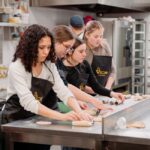
Trastevere pasta nights feel like visiting family. In Ilaria Sparla’s Roman house, you learn to make handmade pasta step by step, then sit down and eat what you made with her family. I love that this isn’t a lecture. You roll dough, shape pasta, and build sauces with fresh market ingredients. Another thing I like a lot is the personal touch from Ilaria and her crew—Samuel and their three children help create a warm, lived-in home vibe. The only potential drawback is timing: it’s a 3.5-hour class with a set start from Via Garibaldi 39, so plan your day around it.
You’ll start with an aperitivo and local wine, then move into three different pastas that match classic Roman flavors. I also like the teaching style: it’s practical, patient, and works even if you have zero pasta experience. Menu items can shift with the season and what the local market has, so the exact sauces and details may not be identical each night. Still, the core focus stays the same: fettuccine, ravioli, and orecchiette made by your hands.
In This Review
- Key things to know before you book
- Trastevere pasta night: what makes Ilaria’s home class special
- What’s included (and why that matters for value)
- Meeting point and how to plan your arrival in Trastevere
- Aperitivo first: mozzarella, fried vegetables, and the wine lesson
- Fettuccine and cacio e pepe: learning texture and timing
- Ravioli with fresh cherry tomato sauce: the hands-on step
- Orecchiette and Norma sauce: shaping Roman pasta confidence
- Tiramù timing: dessert that lands while you’re still warm
- The take-home part: recipes, tricks, and ingredient choices
- Food safety and kitchen comfort you can feel
- Price check: what you actually get for $134.81
- Who this class suits best (and who should consider a different night)
- Should you book Ilaria’s Trastevere pasta class?
- FAQ
- How long is the cooking experience?
- Where do we meet in Rome?
- What pastas and dessert will I learn?
- Is wine and espresso included?
- Do I need any cooking experience?
- Is the class small?
- Can you accommodate vegetarian or dietary restrictions?
Key things to know before you book
- Small-group feel (max 8) means you actually get guidance while you work, not just watch.
- Three pastas + tiramisù in one evening gives you real skills, not just a one-dish demo.
- Aperitivo-style start with mozzarella, bruschette, homemade fried vegetables, and more sets the tone fast.
- Roman sauce training includes cacio e pepe, fresh tomato sauce for ravioli, and Norma sauce for orecchiette.
- Take-home recipes and tricks help you recreate the texture and sauce balance at home.
Trastevere pasta night: what makes Ilaria’s home class special
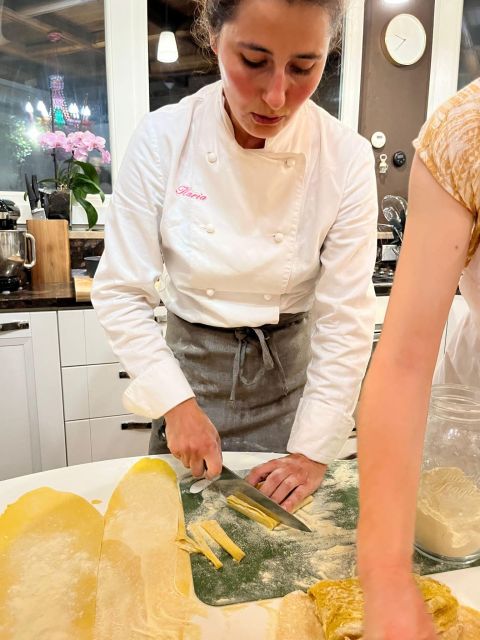
This is a Rome cooking class that feels like an evening at a real Roman family table. The setting matters. You meet at Via Garibaldi 39 in Trastevere, then head into a home environment described as bright and surrounded by greenery near the Botanical Garden vibe. That matters because cooking classes can feel staged. Here, it feels lived in.
Ilaria Sparla runs the kitchen with clear authority, but the mood stays friendly. She trained at Italian culinary school, and she started working in the family restaurant at 15. Her grounding in tradition shows in the way she teaches: you learn why the dough acts the way it does, why the sauce needs a certain texture, and what changes if your ingredients change.
And yes, her family is part of the experience. Samuel, plus their three children, help keep things lively. In one telling detail from the evening vibe, even cats wandered around the home scene. The point isn’t the cats. The point is that this is a family kitchen, not a rented cooking studio with a timer.
You can also read our reviews of more tours and experiences in Rome.


What’s included (and why that matters for value)
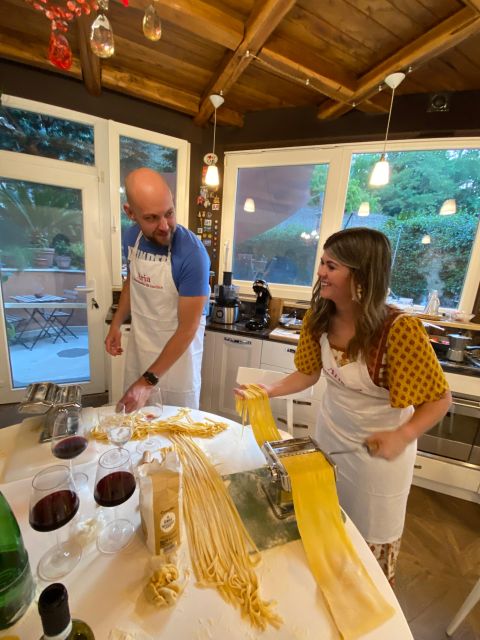
At $134.81 per person for a 3.5-hour experience, you’re paying for more than “a cooking lesson.” You get a full meal arc: aperitivo, three pasta courses, and homemade tiramisù, plus wine, water, and espresso.
Here’s what your night includes:
- Aperitif with mozzarella, bruschette, dry tomatoes/panzanella-style elements, and homemade fried vegetables
- Fettuccine with cacio e pepe
- Ravioli with fresh cherry tomato sauce
- Orecchiette with Norma sauce
- Handmade tiramisù
- Wine, water, and espresso included
The biggest value piece is hands-on time. You don’t just taste and move on. You mix, knead, and shape. Then you gather at the table to eat. That’s where the skill sticks, because you taste the result right after you’ve made it.
Also, the class is HACCP certified for hygiene and food safety in 2024. It’s one of those practical details that makes you feel comfortable when you’re working with dough, raw ingredients, and kitchen tools.
Meeting point and how to plan your arrival in Trastevere
Your meeting point is Via Garibaldi 39, Rome, in front of a green door. When you arrive, ring the intercom labeled Sparla. The activity ends back at the same meeting point.
This is also practical if you’re already exploring central sights. The location is described as a 10-minute walk from Campo de’ Fiori, which makes it easier to pair with an evening of wandering and dinner afterward. I’d still build buffer time. Trastevere streets can be charmingly confusing.
The class also notes languages as Italian and English, and it’s limited to a maximum of 8 participants. That cap is important. You’ll get real attention while you knead and roll.
Aperitivo first: mozzarella, fried vegetables, and the wine lesson
Most people think they’re booking pasta. Then the night starts with aperitivo, and you realize you’re booking the full rhythm of an Italian meal.
You begin with a welcome spread that includes mozzarella, bruschette, dry tomatoes/panzanella-style items, and homemade fried vegetables. Alongside that, you get local wine pairing and plenty of time to settle in before cooking.
This first segment does two smart things:
- It lowers the intimidation factor. You’re already eating and chatting before dough hits the counter.
- It gives you a reference point for the rest of the night. You taste how the flavors work together before you start building sauces.
If you have dietary restrictions, the experience states it can satisfy needs and restrictions. Also, there’s specific guidance provided for vegetarian: after reservation, write to request a vegetarian option. If vegetarian matters to you, do it early so they can plan the menu.
Fettuccine and cacio e pepe: learning texture and timing
Once introductions are done, you move into making fettuccine and then building the classic Roman sauce: cacio e pepe.
What I like about this part is that it teaches core pasta logic. Cacio e pepe isn’t just about using cheese and pepper. The sauce depends on getting the right balance and texture. In a hands-on setting, you learn how to work with the dough so it cooks with the right bite, and you learn how sauce behavior changes based on heat and timing.
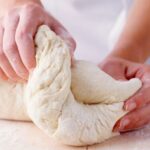
You’ll make the dough, then shape the pasta. And because the class keeps it guided, you’re not stuck guessing what “right” looks like. If you’re an amateur, you’ll get hand placement and technique cues. If you’re an experienced cook, you still benefit from the teacher’s way of explaining sauce pairing.
Seasonality can shift which red/white sauces you see, but cacio e pepe is called out as a key part of the experience. So even if you’re flexible about variations, you should still expect classic Roman comfort.






Ravioli with fresh cherry tomato sauce: the hands-on step
Next comes ravioli, made fresh and filled with a cherry tomato sauce described as fresh.
This segment is where most people feel the difference between pasta made by instinct and pasta made with guidance. Ravioli requires attention: dough thickness matters, filling consistency matters, and sealing matters. The class approach is step-by-step, and it explicitly notes that no previous experience is necessary.
What you’re really practicing here is patience and control:
- how to handle dough without drying it out
- how to distribute and use filling
- how to shape so the ravioli cooks evenly
You’ll also be working with fresh products sourced from the farmers market. That freshness matters for tomato sauce. You can taste it in the final dish, and you learn what “good ingredients” actually do to the end result.
Orecchiette and Norma sauce: shaping Roman pasta confidence
Then you shift to orecchiette with Norma sauce.
Orecchiette is a great choice for a cooking class because it forces you to focus on form. It’s not just about rolling dough. It’s about getting the pasta texture right so it holds onto sauce.
Norma sauce also brings a classic flavor profile that’s distinctly Roman. The class is designed to teach you how pasta pairs with sauce—how to choose what works and how to avoid the common mistake of treating sauce and pasta like two separate dishes.
The upside of this part: by the time you reach orecchiette, you’ve already worked the dough and learned sauce logic from the first courses. That means you start cooking with more confidence, not just following steps.
Tiramù timing: dessert that lands while you’re still warm
The finale is handmade tiramisù.
Tiramisù is one of those desserts where timing and handling matter. The class includes the dessert as a highlight, and the structure described is that the dessert presentation happens while everything sets. That keeps the evening flowing, and it also teaches you to think about the kitchen clock, not only the recipe.
You end up with a full meal you helped create: pasta courses plus dessert, built around local wine and conversation with Ilaria and her family. For me, that’s the difference between a cooking activity and a real culinary experience. The meal feels earned.
The take-home part: recipes, tricks, and ingredient choices
A good cooking class gives you tools. This one gives you practical guidance aimed at helping you cook back home.
You’ll take away recipes and teaching points like:
- different uses of various flours
- how to pair pasta with sauce
- best substitute ingredients you can source at home
This is especially useful because travel kitchens aren’t always like home kitchens. Flours vary. Eggs vary. Even brands of cheese and pepper can change how a sauce behaves. So learning the reasoning behind the technique is what helps your next dinner work.
It’s also a smart way to justify the time you spend. You’re not just eating great food in Rome. You’re collecting the ability to reproduce the idea.
Food safety and kitchen comfort you can feel
It’s not glamorous, but it matters: the class is HACCP certified for hygiene and food safety in 2024.
In a home kitchen, that certification gives you reassurance. It means the staff is trained on hygiene practices and food handling standards. So you can focus on kneading, shaping, and tasting, instead of second-guessing your surroundings.
Price check: what you actually get for $134.81
Let’s talk value without hand-waving.
For $134.81 per person, you get:
- 3.5 hours in a private home setting
- a small group (up to 8)
- hands-on making of three pasta types
- wine pairing, plus water and espresso
- aperitivo, full meal, and homemade tiramisù
- recipe guidance designed for cooking again later
Cooking classes often sell “experience” without feeding you properly. This one feeds you properly. It also teaches you more than one technique. You get dough work, shaping work, and sauce pairing across multiple formats.
If your goal in Rome is to learn something that changes how you cook at home, this price starts to look fair very fast.
Who this class suits best (and who should consider a different night)
This class fits best if you want:
- a hands-on Rome cooking experience
- small-group attention
- classic Roman flavors like cacio e pepe and Norma sauce
- an evening that ends with a real sit-down meal
You don’t need prior skills. The structure is built for beginners, but it also keeps enough detail for someone who already cooks.
If you hate long meal pacing, this might not match your style. It’s a 3.5-hour experience with multiple courses, and it’s meant to be social. If you prefer quick grab-and-go food, choose a shorter format.
Also, if you’re very picky about ingredients, don’t wait. The class notes it can satisfy dietary needs and restrictions, and vegetarian can be requested by writing after reservation. That kind of planning helps them keep the meal coherent for you.
Should you book Ilaria’s Trastevere pasta class?
I think you should book it if you want a Rome memory that isn’t just a photo. This class checks three boxes: skill building, real food, and a warm home atmosphere.
Do it if you care about learning the basics behind classic Roman cooking, not just eating. Three pasta types plus tiramisù means you leave with a wide set of techniques and you get to taste them immediately.
Skip it only if your schedule can’t handle 3.5 hours in one spot, or if you’d rather do a fast activity than a shared family-style dinner rhythm.
If you do book, come hungry, and ask your questions while you’re working. That’s when Ilaria’s teaching style really pays off.
FAQ
How long is the cooking experience?
It runs for about 3.5 hours. Starting times vary, so you’ll need to check availability for the specific slot you want.
Where do we meet in Rome?
You meet at Via Garibaldi 39, Rome, in front of a green door. Ring the intercom labeled Sparla.
What pastas and dessert will I learn?
The experience focuses on making fettuccine, ravioli, and orecchiette, plus homemade tiramisù. The exact sauces can vary based on seasonality and local market availability.
Is wine and espresso included?
Yes. The experience includes wine, water, and espresso.
Do I need any cooking experience?
No previous experience is required. The instructor guides you step by step through mixing dough, kneading, and making the sauces.
Is the class small?
Yes. It’s limited to a maximum group size of 8 participants.
Can you accommodate vegetarian or dietary restrictions?
Yes. The experience says it can satisfy dietary needs and restrictions, and it specifically notes that for a vegetarian option you should write after reservation.