REVIEW · ROME
Rome Explorer Pass: 2 to 7 Attractions – Includes Colosseum
Book on GetYourGuide →Operated by Go City - EMEA · Bookable on GetYourGuide
Rome can be a lot. The Rome Explorer Pass turns that big list into a simple plan with 30-day pacing and phone-based tickets. You pick 2 to 7 attractions from a wide menu that includes the Colosseum, Vatican Museums and Pantheon, so you can build a Rome trip without buying every ticket separately.
I like the way the pass nudges you toward the big-ticket classics and the add-on experiences that feel Roman, like a pizza-cooking session and food walks. I also like that many of the top choices come with reserved entrance or skip-the-line style access (when listed for that specific attraction). The main catch is you still need reservations for the most popular options, and the pass can feel limiting if you want everything to be spontaneous.
If you’re flexible, this is a practical Rome money-saver. If you hate planning, you may find the reservation step and app syncing a little annoying.
In This Review
- Key things to know before you buy
- How the Rome Explorer Pass really works (activation and the 30-day clock)
- Picking your 2 to 7 attractions without wasting Rome time
- Entering the Colosseum, Roman Forum and Palatine Hill with an audio guide
- Tackling Vatican Museums and Sistine Chapel with escorted skip-the-line style entry
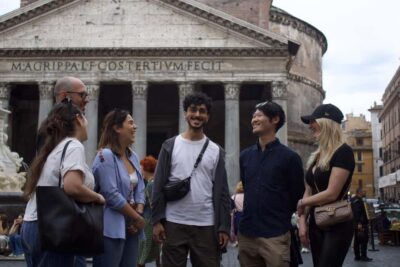
- Getting inside the Pantheon with reserved entrance and audioguide
- Castel Sant’Angelo and St. Peter’s Basilica options for different Vatican moods
- Pizza-cooking, food tours, and Prati District meals that feel local
- Using Big Bus Rome Hop-On Hop-Off and a 24-hour river cruise to connect it all
- Classical music, bike rides, and walking tours for a more active Rome
- Museums, viewpoints, and the Capitolini Museums skip-line option
- What you’ll need on your trip: smartphone, app sync, and the digital guide
- Value for money: does $100.82 per person make sense?
- The main trade-offs that can lower the experience
- Who this pass is best for
- Should you book the Rome Explorer Pass?
- FAQ
- What attractions are included in the Rome Explorer Pass?
- Does the pass include the Colosseum?
- How long is the pass valid?
- How do I activate the pass?
- Do I need to reserve times for attractions?
- What do I need to use the pass?
- Are food and drinks included?
- Is transport included?
- Can I cancel?
- Is the Sistine Chapel open?
Key things to know before you buy

- Choose 2–7 attractions from an over-45 option list, including Colosseum and Vatican Museums
- 30-day visit window after activation, with the pass valid for 1 year from purchase
- Phone-based digital guide plus syncing in the Go City app for each booking
- Skip-the-line and reserved entry appear on several headline attractions
- Optional add-ons range from pizza and gelato walks to Hop-On Hop-Off bus and a 24-hour river cruise
- Sistine Chapel may be closed temporarily, so your plan should be adaptable
How the Rome Explorer Pass really works (activation and the 30-day clock)
This pass is built for self-guided Rome, not one fixed tour route. You start by activating the pass at any included attraction or tour, which means you can choose when your trip actually begins.
Once you activate, you get 30 days to use the number of attractions you purchased. Outside of that, the pass stays valid for 1 year from the purchase date, so you can line it up with your travel plans instead of rushing to use it immediately.
The other big “how it works” piece is that you’re traveling with your phone. You’ll want a charged smartphone all day because you’ll sync your pass with the Go City app and follow instructions there (or save/print a copy). It’s not complicated, but it does mean you’re managing your tickets digitally instead of carrying vouchers.
You can also read our reviews of more tours and experiences in Rome.

Picking your 2 to 7 attractions without wasting Rome time
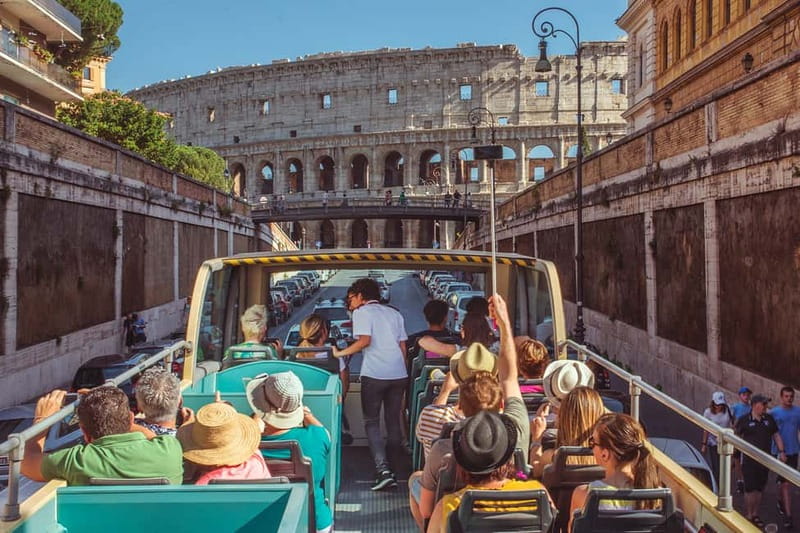
The attraction menu is wide, and that’s good. It also means you should choose with a little strategy, because Rome distances add up and time slots can get tight.
Start by grabbing the non-negotiables: the Colosseum area and the Vatican area are both included options, and they’re the places where time planning matters most. Then pick the next level based on your style.
Here’s a smart approach that keeps your days workable:
- Pick one major morning sight and one lighter afternoon activity most days.
- Mix ticket-heavy monuments with “you can enjoy at your own pace” experiences like panoramic viewpoints or food tours.
- Use transportation add-ons, like the Hop-On Hop-Off bus and river cruise, to reduce the mental load of getting around.
One thing to watch: popular activities require reservations, and reservations needed for the best time slots are exactly what get booked first. If you’re traveling close to a holiday or you’re set on a specific day/time, plan early.
Entering the Colosseum, Roman Forum and Palatine Hill with an audio guide
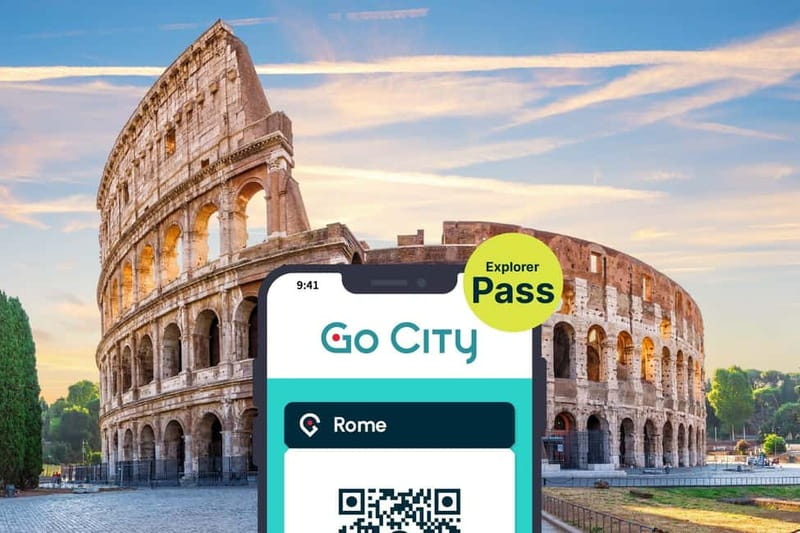
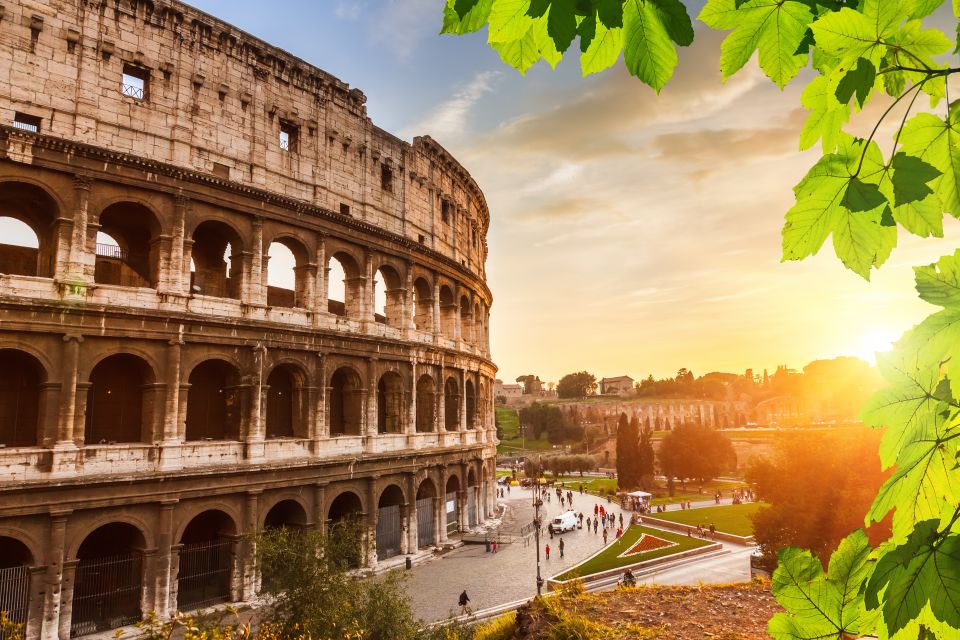
The Colosseum package is one of the strongest reasons to choose this pass. It includes Colosseum, Roman Forum and Palatine Hill with an audio tour and multimedia video.
Why this matters for you: the Colosseum can feel overwhelming in a hurry. With audio, you can slow down and connect the ruins to stories as you walk, instead of just taking photos in every direction. You also get the bonus of spreading your time across the larger complex, not just a quick pass through the main arena.
A practical note: audio tours work best when you pace yourself and give yourself small breaks. Don’t try to cram it all into one sprint. If you do, you’ll finish with great photos and a fuzzy sense of what you just saw.
The Roman Forum and Palatine Hill are where you’ll feel the shape of ancient Rome—wide open viewpoints, scattered remains, and the sense of how the city layers on itself. Even if you’ve read about it before, seeing it physically changes what the words mean.
Tackling Vatican Museums and Sistine Chapel with escorted skip-the-line style entry
The Vatican Museums and Sistine Chapel option is listed with Escorted skip the line tickets and is a top draw in any Rome pass. This is one of those areas where skipping the worst lines can save you hours, and hours in Rome are priceless.
The catch is timing. The info you have flags that the Sistine Chapel is temporarily closed, with an expectation to re-open mid-May. That means you should treat your Vatican day as a plan-with-a-plan-B, even if you’re choosing the pass option that includes it.
If the Sistine Chapel is operating when you go, this is still a big place. Museums have their own flow, and crowds make it easy to feel rushed. An escorted skip-the-line approach helps you start faster, but once you’re inside, you’ll still want a simple plan: pick a few “must-see” rooms and let the rest be bonus.
If the Sistine Chapel is not open, you’ll need to be comfortable shifting your focus within the Vatican Museums itself. The pass gives access to the Vatican experience, but it can’t control which parts are open on your dates.
Getting inside the Pantheon with reserved entrance and audioguide
The Pantheon is included with Reserved Entrance with Audioguide. This is a great pairing with the Colosseum day because both are “big monument” experiences, but they feel totally different.
The Pantheon’s main advantage for you is access that’s designed to reduce the hassle of arrival. A reserved entrance helps you avoid the chaos of waiting and gives you more control over your time window. Add the audioguide and you can spend your time understanding the building, not just staring at it.
Practical tip: the Pantheon area is busy, and it’s easy to accidentally linger in a way that makes your next appointment late. Keep your next stop in mind before you go in, then exit with a clear plan.




Castel Sant’Angelo and St. Peter’s Basilica options for different Vatican moods
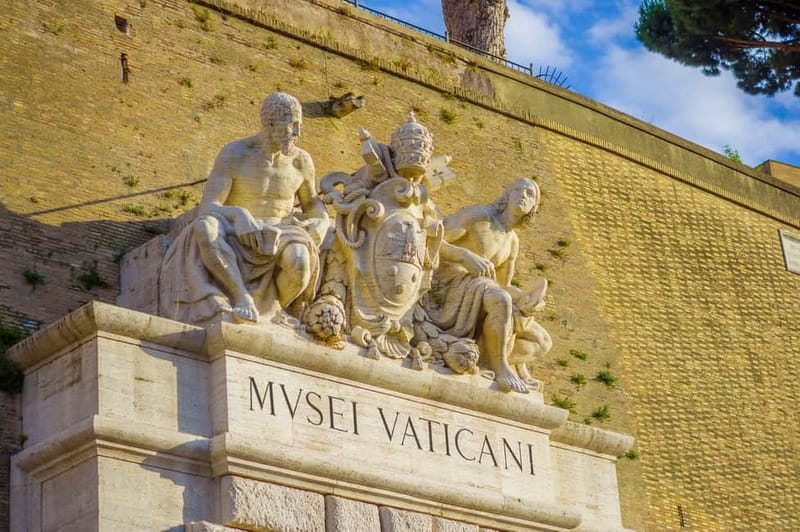
This pass doesn’t force you into only one type of Vatican day. You can also choose Castel Sant’Angelo, and there’s a St. Peter’s Basilica and Cupola Guided Tour with Breakfast plus an audioguide of the papal tombs.
That breakfast detail matters because it changes how you schedule. If you’re doing the Cupola, you’ll likely want a calmer morning routine so you’re not hungry and rushing through your day. The audioguide of the papal tombs also helps you slow down in places where you might otherwise just read plaques briefly.
The trade-off is that guided tours tend to work best when you’re on time and ready to follow the group rhythm. If you prefer strict independence, you’ll likely want to balance those experiences with self-guided options.
Pizza-cooking, food tours, and Prati District meals that feel local
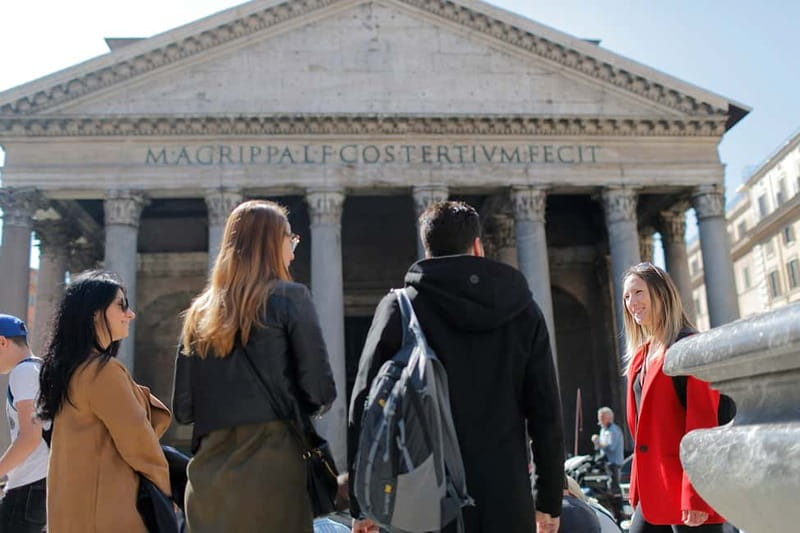
Rome isn’t all museums and ruins. The pass includes experiences that connect you to everyday tastes—stuff you can’t fully replicate by reading reviews.
For example, you can choose a 1-Hour Pizza-cooking Experience, plus an Espresso, Gelato and Tiramisu Tour. There’s also a Sunset pizza tour near the Colosseum and a Pizza Terrace Menu in the Prati District.
This is where the value can really show up. Food experiences are often overpriced when booked casually, and bundled passes can make them easier to justify. The big thing to remember: food and drinks are not automatically included unless they’re part of a specific activity. So you’ll want to check each chosen experience in the digital guide to see what’s actually included.
The Prati District pizza option is also a smart contrast to the center-heavy sights. Prati feels a bit more “real city” than the postcard core, so it can help you decompress after a day of monuments.
Using Big Bus Rome Hop-On Hop-Off and a 24-hour river cruise to connect it all
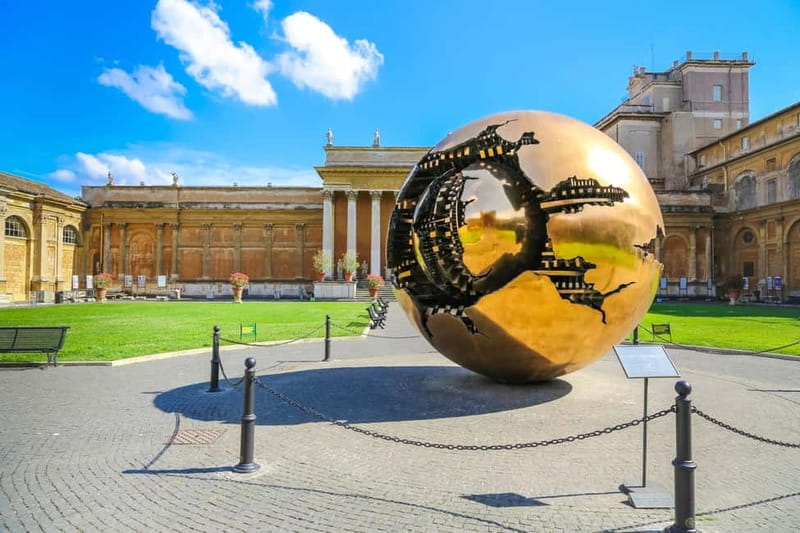
When you have multiple ticketed sights, getting around smoothly becomes part of the trip quality. This pass includes a Big Bus Rome Hop-On Hop-Off 1-Day Discover Ticket and a Hop-on Hop-off River Cruise Ticket (24 Hours).
Why this helps you: you don’t have to plan every transit step. You can use the bus to hop between neighborhoods and keep your bearings. The river cruise adds a different perspective of Rome without the pressure of another museum-style timetable.
A practical way to use this: do one longer scenic transport moment on a day when you don’t have a major timed entry. You’ll see more for less mental strain, and it helps your brain map the city.
Also, transport-related inclusions can offset costs you’d otherwise pay separately. Even if you only use a portion of a Hop-On Hop-Off day, the pass can still be worth it if it saves you from repeated taxi or transit purchases.
Classical music, bike rides, and walking tours for a more active Rome

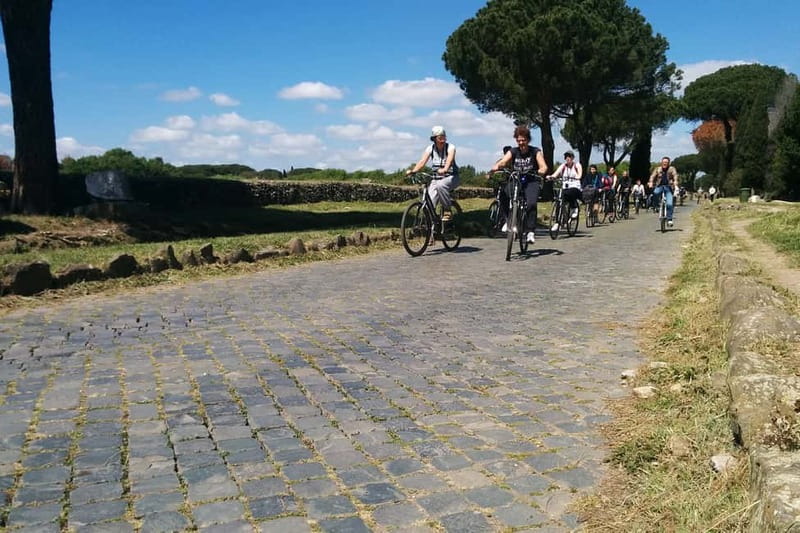
Beyond monuments, the pass list includes options like a classical music concert and a bike ride among ancient Roman ruins. It also includes guided walking options such as the Imperial Rome Walking Tour (including Colosseum exterior).
These are valuable because they add variety to the typical Rome pattern: ruins, church, then dinner. Music and cycling shift your pace and can turn a day of history into something more sensory.
Walking tours are especially useful when you want context. The Imperial Rome walking option, for example, includes the Colosseum exterior, which can work as a warm-up or a follow-up depending on your schedule.
Just keep in mind that reservations are often required for the more popular activities. If you want a specific concert time or a bike session, don’t wait.
Museums, viewpoints, and the Capitolini Museums skip-line option
Not every “Rome museum day” needs to be Vatican-only. You can choose Capitolini Museums with Skip Line Entry and Altar of the Fatherland Panoramic View.
These are good picks if you want:
- A different museum energy than the Vatican
- Great views without committing to a full-day climb
- A day that still feels artsy but not as logistically intense
Skip-line entry can matter here too. A museum you can enter quickly means you spend more time inside and less time standing around.
For the panoramic view, the value is in timing. If you can schedule it around softer light, you’ll get better photos and a calmer experience. If you’re stuck with a harsh midday window, treat it more like a quick reward between bigger sights.
What you’ll need on your trip: smartphone, app sync, and the digital guide
This pass works because the details live in your phone. You’ll want a charged smartphone and a willingness to check instructions for each attraction.
The pass experience includes a digital guide with information and booking instructions. You’ll also need to sync your pass with the Go City app and can save it to your device or print a copy if that’s your preferred backup.
A key mindset shift: don’t treat this like one ticket that just scans. Treat it like a plan you manage. When reservations are required, your experience depends on doing those steps early.
Also, the lineup can change. Attractions and tours are subject to change, and the Go City app has the most up-to-date details like opening times and access instructions. That’s not just fine print. In Rome, it’s the difference between a smooth day and a wasted one.
Value for money: does $100.82 per person make sense?
The listed price is $100.82 per person, and the pass claims up to 50% savings based on sample itineraries. That’s not a promise that you’ll always get half off, but it does suggest the deal is designed to compete with buying separate tickets for major sights.
Here’s how I’d judge value for you:
- If your top choices are the Colosseum plus at least one other headline attraction like the Vatican Museums or Pantheon, the pass is likely to feel reasonable.
- If you only use small-ticket add-ons, savings may not hit the level you hoped for.
- If you can’t get reservations for the most popular items, the pass can turn from a bargain into a headache.
The real value isn’t just “discount.” It’s also time saved through reserved entry and skip-the-line style access on several major options. Time in Rome is money, even if you don’t track it that way.
The main trade-offs that can lower the experience
This pass is well designed for planning, but it has predictable friction points.
The biggest one is reservation dependency. Many popular activities need reservations, and you’ll want to do that early. If your schedule is locked down and your travel dates are peak season, you’ll need to move fast.
Another trade-off is flexibility around openings. The info notes the Sistine Chapel is temporarily closed with an expectation of re-opening mid-May. Even if you choose the Vatican option, some elements may not match the plan you had in mind.
Finally, you’re managing a mix of experiences across different parts of the city. If you choose 6 or 7 attractions and stack them too tightly, you’ll feel it in transit and decision fatigue. A pass helps you plan, but it can’t prevent you from overbooking your own days.
Who this pass is best for
This is a strong fit if you:
- Want a set number of major attractions without buying separate tickets
- Like the idea of using the Go City app and managing reservations from your phone
- Want a balanced Rome mix: monuments plus food tours and city-connection transport like bus and river cruise
- Are comfortable with some planning ahead of time
It’s less ideal if you:
- Want a fully spontaneous itinerary with no reservation mindset
- Have very limited phone access during the day
- Are only interested in one neighborhood and don’t want to move across the city
Should you book the Rome Explorer Pass?
I’d book it if your Rome trip includes the Colosseum and at least one other top anchor like the Vatican Museums or Pantheon, and you’re willing to handle reservations for the best time slots. The combo of reserved/skip-line style access and a digital guide can make a big difference when Rome is crowded and your time is limited.
I’d pause before booking if you’re traveling at a time when the Vatican schedule might shift, or if you prefer a no-planning style. The pass can still work in those cases, but you’ll need to build a flexible plan from the start and make sure your priorities are among the options that actually match your dates.
If you want a practical, streamlined way to cover Rome’s headline sights plus a few local-feeling experiences, this pass is a solid choice. Just treat it like a planning tool, not a magic wand.
FAQ
What attractions are included in the Rome Explorer Pass?
The pass includes entry to any 2, 3, 4, 5, 6, or 7 attractions or activities from an over-45 option list, and it includes top sights such as the Colosseum, Vatican Museums and Sistine Chapel, and Pantheon.
Does the pass include the Colosseum?
Yes. The Rome Explorer Pass includes the Colosseum, Roman Forum and Palatine Hill option.
How long is the pass valid?
The pass is valid for 30 days after activation. The pass itself is valid for 1 year from the purchase date, but it only becomes activated when you visit your first included attraction.
How do I activate the pass?
You can activate your pass at any of the attractions or tours included on the Rome Explorer Pass.
Do I need to reserve times for attractions?
Yes. The most popular activities require reservations, and you should reserve well in advance.
What do I need to use the pass?
You should bring a charged smartphone. You’ll sync your pass with the Go City app and follow instructions in the digital guide.
Are food and drinks included?
Not automatically. Food and drinks are not included unless they’re part of a specific activity.
Is transport included?
Not generally. Transport is not included unless it’s part of an activity included with the pass (such as bus or river cruise options).
Can I cancel?
Yes. There is free cancellation up to 24 hours in advance for a full refund.
Is the Sistine Chapel open?
The information you have notes that the Sistine Chapel is temporarily closed, with an expected re-opening mid-May. You should check the Go City app for the most up-to-date status.