REVIEW · ROME
Rome: Saint Paul Outside the Walls Tour
Book on GetYourGuide →Operated by Mykhailo Hevko · Bookable on GetYourGuide
A Jubilee Holy Door makes this stop feel special. At San Paolo Fuori le Mura, you’ll meet Rome’s quieter spiritual side: the basilica built over Saint Paul’s burial place, rebuilt after a 19th-century fire, and still packed with art that explains what the church believes and remembers.
I especially loved two things: the moment you enter through the Holy Door for the Jubilee Year, and the long, story-filled look at the basilica’s golden mosaics, the triumphal arch, and the medallions of Popes. The only real consideration is practical: you must dress with covered shoulders and knees, and the cloister is optional with an extra entrance fee.
In This Review
- Key highlights you’ll remember
- San Paolo Fuori le Mura: what makes Saint Paul’s basilica different
- Where you meet near Parco Schuster and how the tour starts
- Entering through the Jubilee Holy Door: what to pay attention to
- Inside the basilica: golden mosaics, the triumphal arch, and Pope medallions
- Saint Paul’s tomb beneath the main altar: where the visit turns personal
- The cloister and Benedictine Abbey option (extra 4€)
- Pace, group size, and languages that actually help
- Dress code and on-site rules that matter more than you think
- Price and value: what $28.47 buys you
- Who should book this tour
- Should you book Saint Paul Outside the Walls?
- FAQ
- How long is the Rome: Saint Paul Outside the Walls tour?
- What’s the price per person?
- What languages are offered?
- Where is the meeting point?
- What time should I arrive before the tour?
- Is the tour wheelchair accessible?
- Is the cloister included?
- What should I wear?
- Is there a cancellation policy?
Key highlights you’ll remember
- Jubilee entrance through the Holy Door with a built-in sense of grace and renewal
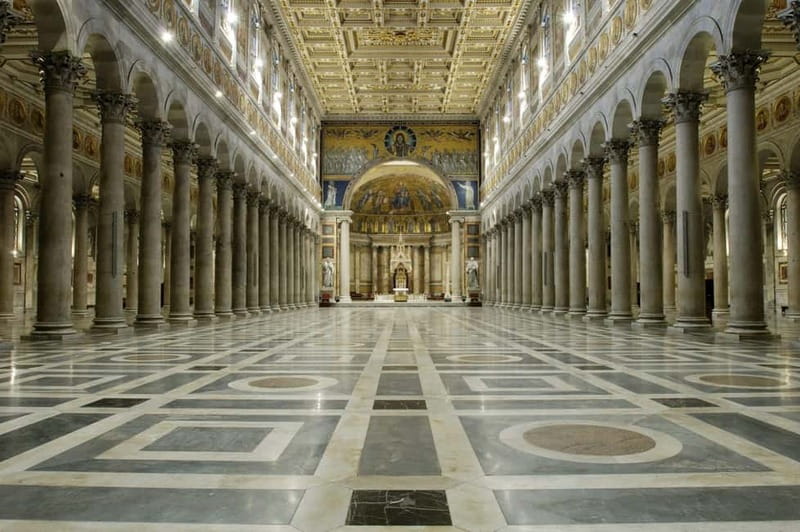
- Golden mosaics and a dramatic triumphal arch inside one of Rome’s four major Papal Basilicas
- Medallions tracing Popes from Saint Peter onward in a long visual line
- Saint Paul’s tomb beneath the main altar for quiet prayer and reflection
- Small group size (max 6) for questions and a more personal feel with guide Mykhailo Hevko
- Cloister visit is optional (additional 4€), so you control how long you stay
San Paolo Fuori le Mura: what makes Saint Paul’s basilica different
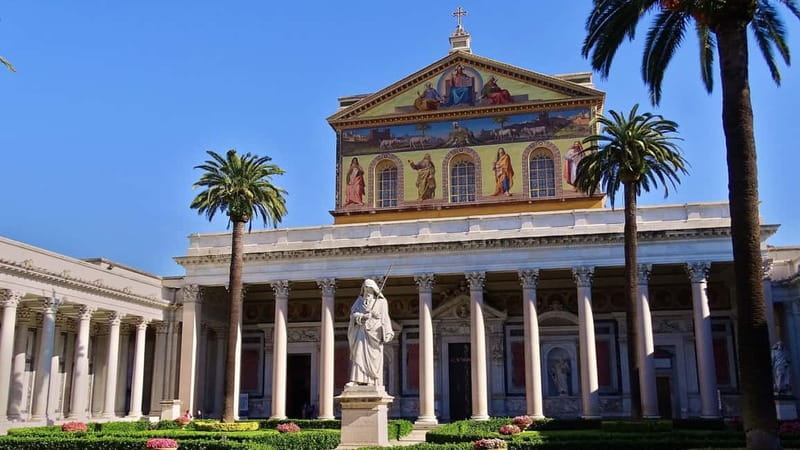
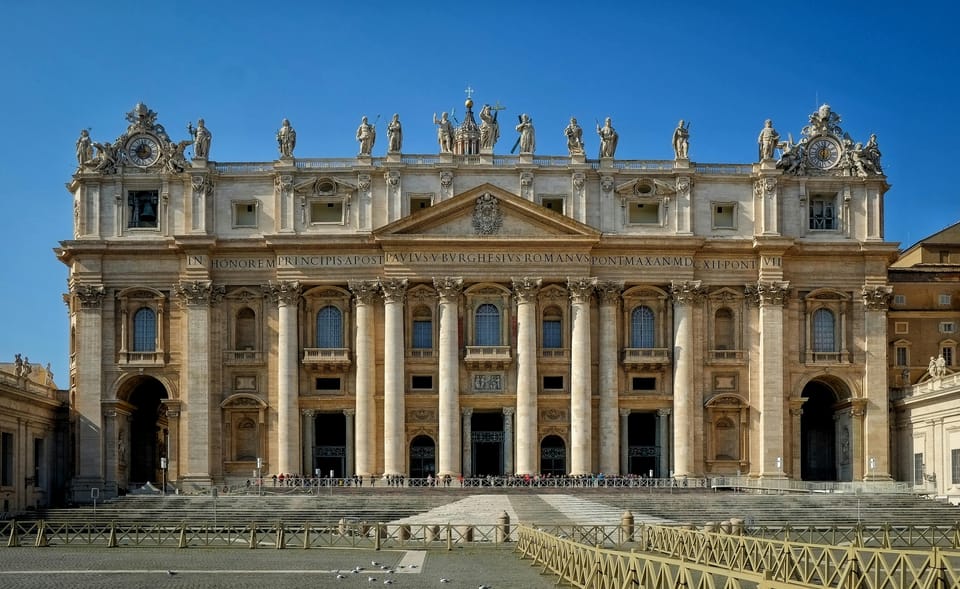
If you’ve done the headline churches in central Rome, this one is a smart companion. San Paolo Fuori le Mura is one of the four major Papal Basilicas, and it has a direct emotional connection: the church was built over the burial site of Saint Paul the Apostle, and later rebuilt after a devastating 19th-century fire.
What I like about this tour is that it doesn’t treat the building like a museum object. It frames the art as a language. The mosaics, the arch, the papal medallions, and even the layout all point to the same idea: faith that survives loss, memory that stays visible, and history that keeps teaching.
You can also read our reviews of more tours and experiences in Rome.
Where you meet near Parco Schuster and how the tour starts
The tour meets at the park, Parco Schuster, near the basilica. Plan to arrive 10 to 15 minutes early. The provider says you’ll get directions on how to find and recognize your guide, so don’t show up right on the dot and then worry.
This start matters more than you might think. San Paolo Fuori le Mura is not the kind of place where you can wander in with zero context and still catch the best details. Having your guide right at the beginning helps you orient fast—where to look first, what the church expects you to notice, and how the Jubilee entrance changes the flow of the visit.
Entering through the Jubilee Holy Door: what to pay attention to
The tour’s signature moment is entering through the Holy Door. This door is opened specially for the Jubilee Year, and it’s presented as a symbol of grace and renewal, not just a decorative entrance.
As you go in, watch the transition. The outside Rome noise fades, and inside you’re in a space built for reverence and reflection. If you’re the type who likes understanding meaning, this is where you’ll feel the payoff. Your guide explains what you’re seeing and why the church treats this threshold as more than an architectural feature.
Practical note: because this is a sacred place, keep your pace respectful. Take your photos only when it feels appropriate, and save your loud questions for after the group settles.
Inside the basilica: golden mosaics, the triumphal arch, and Pope medallions
Once you’re in, the highlights arrive quickly, but not in a rush. You’ll look at the vast, serene interior and then get guided through the main visual features that make the basilica memorable.
Here’s what the tour emphasizes:
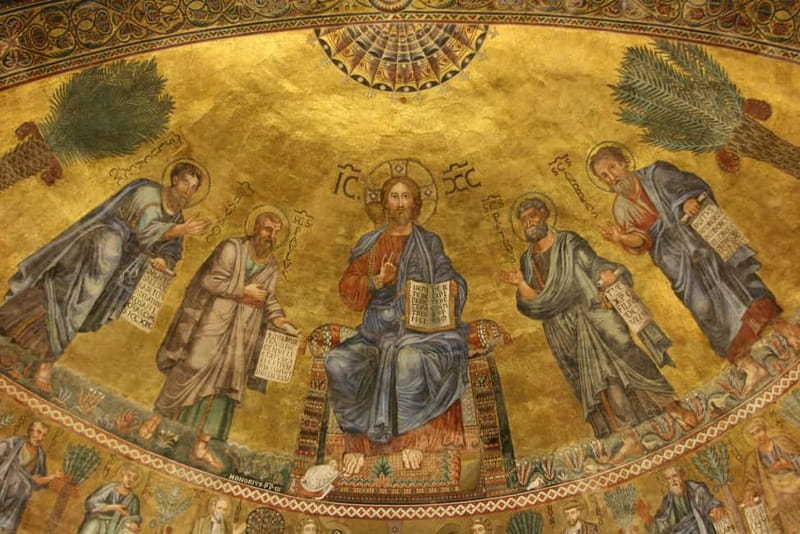
- Golden mosaics: bright, luminous surfaces that shift in feel depending on where you stand.
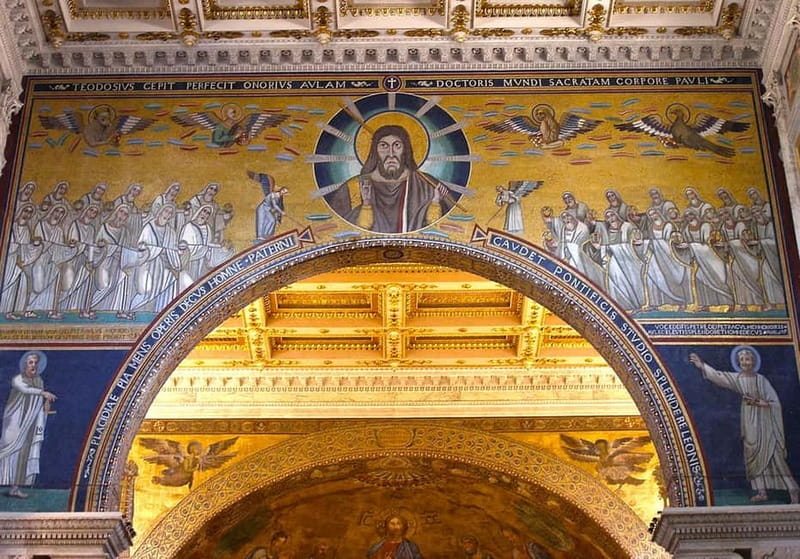
- The imposing triumphal arch: a big focal point that helps you understand how the church directs attention.
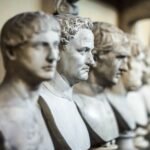
- A long line of medallions depicting the Popes, from Saint Peter to the present day.
Those medallions aren’t just impressive decoration. Think of them as a visual timeline. Your guide helps you connect the artwork to the story the basilica wants to tell: continuity of faith, leadership across centuries, and the idea that Rome’s religious history isn’t random—it’s arranged.
And yes, you’ll likely find yourself looking up more than usual. The interior rewards attention.
Saint Paul’s tomb beneath the main altar: where the visit turns personal
The tour includes a visit to the tomb of Saint Paul, located beneath the main altar. This is the part that often changes the mood of the whole experience. The architecture may be huge, but the point is simple: pilgrims come to pray and reflect.
Even if you’re not doing anything religious beyond quiet observation, this moment lands. It’s difficult to stand in a place tied so directly to a major figure in Christian tradition and not feel the weight of time.
Give yourself a few minutes there. Don’t rush past it for the next photo. Sit or stand where you can still look at the altar area while also taking in the surrounding details your guide has explained.

The cloister and Benedictine Abbey option (extra 4€)
You can also visit the cloister and the Benedictine Abbey, but it’s optional and costs an additional 4€ entrance fee.
If you want more medieval art and a calmer pause after the main church, the cloister is a good add-on. It’s described as a peaceful oasis, which matches how these spaces usually feel: smaller, slower, more contemplative.
The tradeoff is time. The core tour is about 0.5 to 1 hour, and it may run longer if you add the cloister. If you’re working around other plans that day, ask yourself whether you want a tight, focused basilica visit or a more extended, art-and-quiet stop.
Pace, group size, and languages that actually help
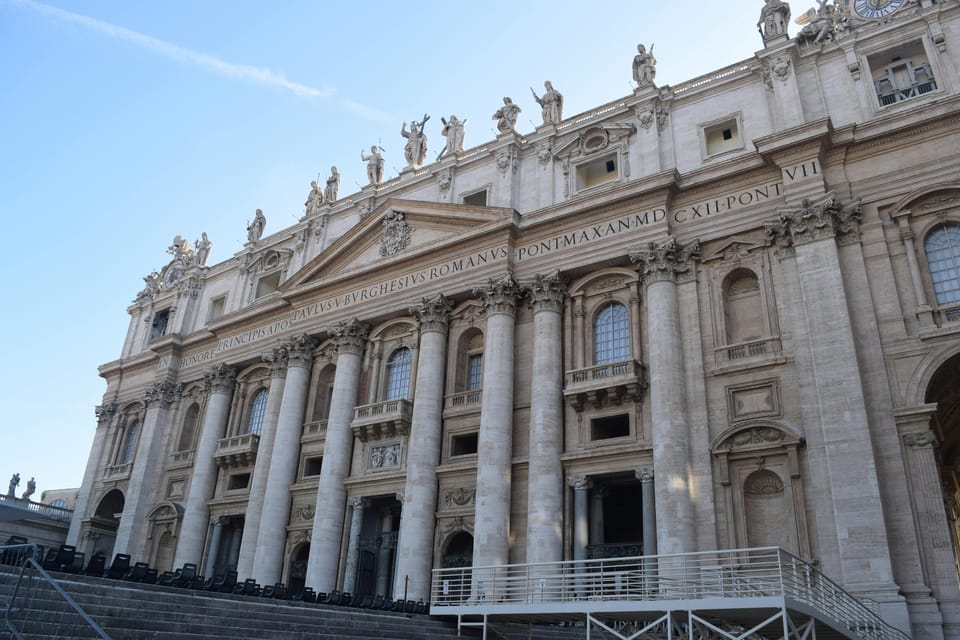
This is a small group tour, limited to 6 participants. That small size changes the feel of the experience. It’s easier to hear your guide, and questions don’t get swallowed by a crowd.
Your guide is Mykhailo Hevko. The feedback points to a guide who stays engaged, welcoming questions with enthusiasm and offering special consideration for someone with mobility issues. I like that. It signals a human pace, not a factory tour.
The tour runs in Italian, English, and Ukrainian, so you can pick a language that lets you fully enjoy the explanations. Sacred art is easier to understand when you’re not struggling to translate.
Dress code and on-site rules that matter more than you think
This tour is in a sacred setting, so plan ahead. You must dress appropriately: shoulders and knees covered.
There are also clear restrictions on what you can bring:
- No weapons or sharp objects
- No short skirts
- No alcohol and drugs
- No glass objects
None of this is meant to ruin your day. It’s about keeping the space respectful and safe. If you’re traveling with a spare scarf or light layer, that’s an easy fix for covered shoulders.
Price and value: what $28.47 buys you
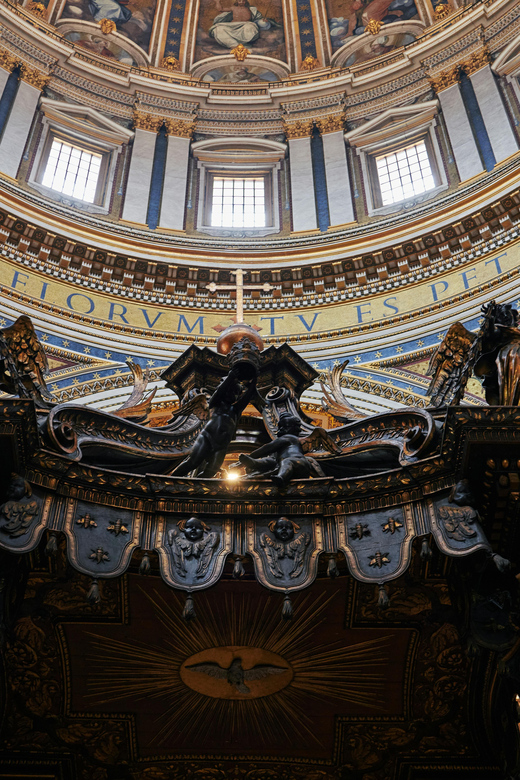
The price is $28.47 per person, with the tour lasting about 1 hour (check availability for starting times).
Is it worth it? For me, the value comes from three things you’re getting together:
- A guided walkthrough of a major basilica’s art and symbolism (not just staring at walls).
- The Jubilee moment at the Holy Door, which turns the visit from sightseeing into a meaningful experience.
- The small group format, which makes it easier to ask follow-up questions and understand details like the Pope medallion line and the story behind the basilica’s rebuilding.
Also, note what isn’t included: the cloister/Benedictine Abbey visit costs extra (4€). If you skip that part, you still get the core church experience and the most distinctive highlight: the Holy Door entrance.
Who should book this tour
I think this tour fits best if you:
- Want a calmer, more spiritual Rome stop than the busiest “must-sees”
- Care about religious art and want it explained in plain language
- Like small groups where your questions are welcome
- Prefer a structured visit in a church that’s easy to misread on your own
If you’re hoping for a fast, surface-level photo route, you might feel the pace is too thoughtful. But if you enjoy meaning, context, and careful looking, this works.
Should you book Saint Paul Outside the Walls?
Yes, you should book this tour if you want the Jubilee Holy Door experience plus a guided explanation of the basilica’s key artwork and symbols. The small group size and the attention your guide brings make it feel personal, and the visit to Saint Paul’s tomb gives the whole outing an emotional center.
Skip it only if you can’t meet the dress requirements or if you’re not interested in religious history and art. Otherwise, this is a smart use of an hour in Rome.
FAQ
How long is the Rome: Saint Paul Outside the Walls tour?
The tour duration is about 1 hour. It can be shorter or longer (from 0.5 to 1 hour), and it may run longer if you add a visit to the cloister.
What’s the price per person?
The price is $28.47 per person.
What languages are offered?
The guided tour is available in English, Italian, and Ukrainian.
Where is the meeting point?
The meeting point is the park Parco Schuster, near the basilica. The guide will provide instructions on how to find and recognize them.
What time should I arrive before the tour?
Plan to arrive 10 to 15 minutes before the start time.
Is the tour wheelchair accessible?
Yes, the activity is wheelchair accessible.
Is the cloister included?
The cloister and Benedictine Abbey are not included. The additional entrance fee is 4€ if you choose to visit.
What should I wear?
Dress appropriately for a sacred place: shoulders and knees must be covered.
Is there a cancellation policy?
Yes. You can cancel up to 24 hours in advance for a full refund.