REVIEW · ROME
Rome: Tour of Colosseum Arena Floor with 1st and 2nd Levels
Book on GetYourGuide →Operated by TOURS OF ROME · Bookable on GetYourGuide
Seeing the Colosseum from the arena floor changes everything. This tour starts where gladiators entered and keeps going up to the First and Second Levels, then finishes with the Roman Forum and Palatine Hill. I like how it gives you the best angle for understanding the show, not just the stone. I also love that the small-group format makes it easier to ask questions and actually hear what matters. The one thing to plan around: the arena floor can be closed in some conditions, and the day involves real walking and stairs.
You’ll meet your guide near the Colosseo metro area and move through the Colosseum in a tight, logical flow. The walk to and across the arena floor brings the space to life, and the Upper levels help you picture how spectators watched the action. If you’re expecting Colosseum Underground access or higher levels (3rd to 5th), you’ll be disappointed because this tour does not include those areas.
In This Review
- Gladiator’s Gate to the Arena Floor: What Makes the Colosseum Feel Real
- The 1st and 2nd Levels: Seeing the Spectator View (Without Guesswork)
- Roman Forum + Palatine Hill: Where Emperors and Temples Built the Stage
- Meeting Point and Timing: How to Start Smoothly
- Security Checks and Passport Rules: Don’t Show Up Unprepared
- What’s Included (and What You Should Expect to Miss)
- Price and Value: Is $88 a Good Deal Here?
- Pacing, Heat, and Practical Comfort Tips
- Who This Tour Is Best For (And Who Should Skip It)
- If You Want a Great Guide, Look for These Strengths
- Should You Book This Colosseum Arena Floor Tour?
- FAQ
- How long is the tour?
- Where is the meeting point?
- Is the arena floor included?
- Which levels of the Colosseum are included?
- Does the tour include the Colosseum Undergrounds?
- Do I need to bring a passport?
- Is this tour wheelchair accessible?
Gladiator’s Gate to the Arena Floor: What Makes the Colosseum Feel Real
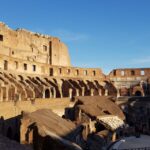
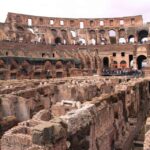
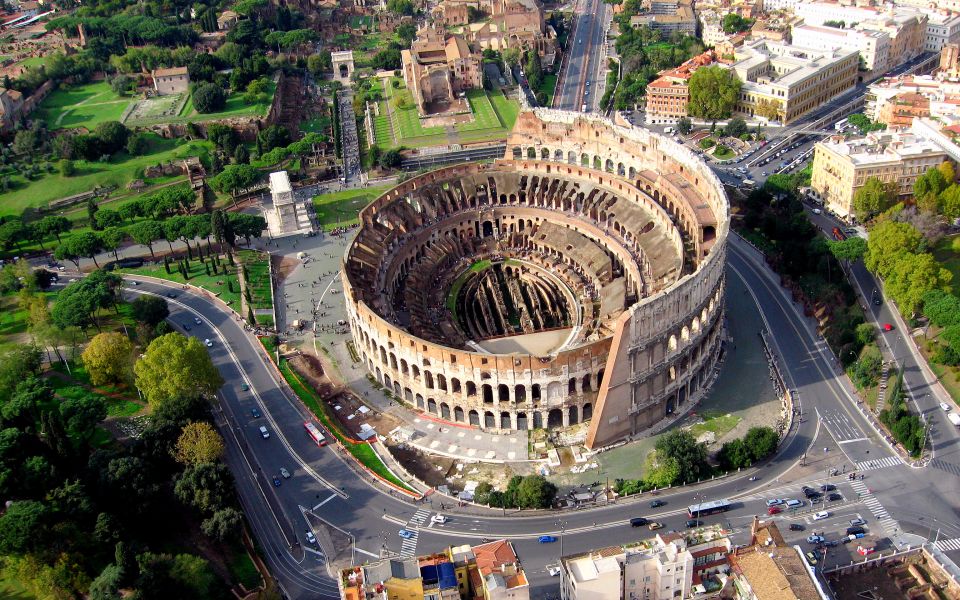
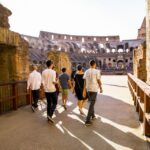
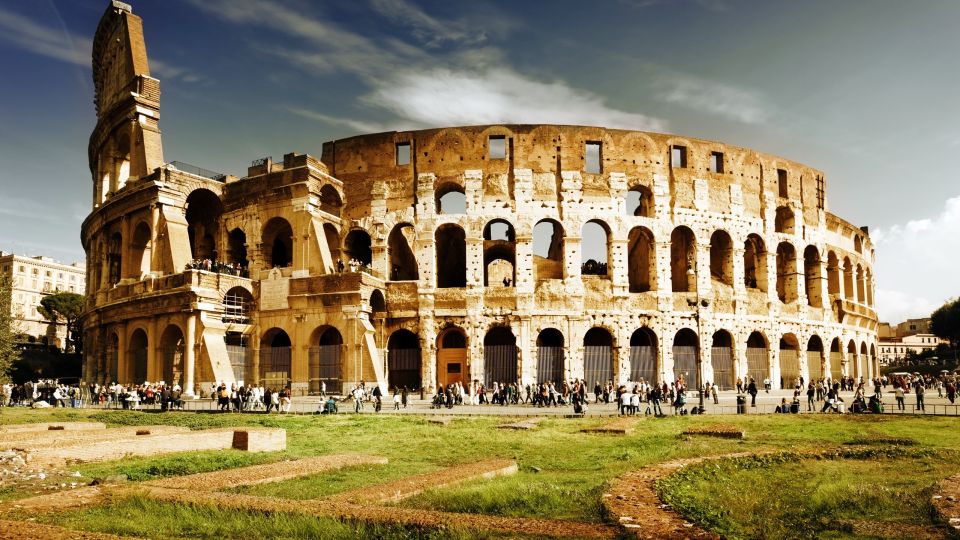
The headline is the arena-floor experience. You’ll walk in the Colosseum through areas tied to the gladiator spectacle, with time to linger around key points as your guide explains what you’re seeing. The moment that clicks for most people is the shift from simply looking at the Colosseum to understanding how it operated as a stage.
You’ll also hear stories about the place’s design and how spectators would have viewed the action. Instead of treating the Colosseum like a big photo stop, the guide frames it as a machine built for crowd noise, timing, and drama.
I especially like that the tour doesn’t toss you onto the floor and leave you guessing. Guides often bring visual aids to help you connect the structure to real-world rules and roles from Roman games. In past tours, guides such as Mido have been praised for using a binder of illustrations right inside the site, which is a smart way to make sense of what you can’t directly see.
The 1st and 2nd Levels: Seeing the Spectator View (Without Guesswork)
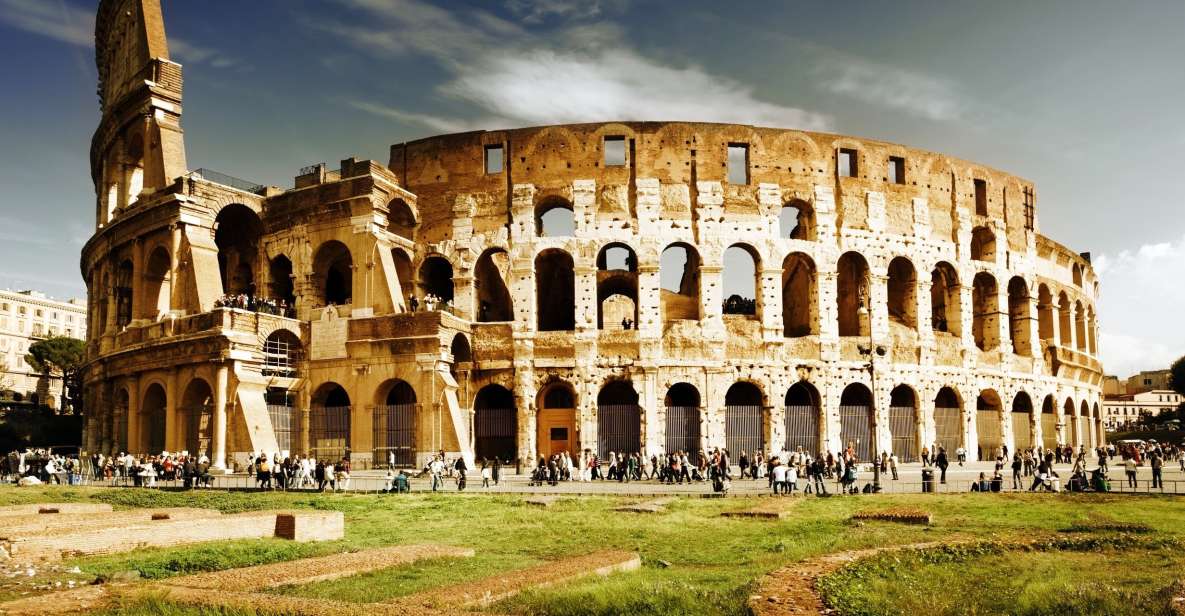
After the arena floor, you move upward to the First and Second Levels. This is the part that helps you stop thinking of the Colosseum as one big bowl. The seating levels change how you interpret sightlines, movement, and the overall scale.
The guided pacing matters here. You’re not wandering alone trying to figure out where everyone sat and why certain areas existed. Your guide connects what you see to what the Romans likely experienced as spectators—so you can look around and actually understand the layout.
One practical note: the Upper levels are still subject to heat and crowds. People often end up tired fast on this route. That doesn’t mean it’s not worth it. It just means you should plan for it like a workout: comfortable shoes, water ready, and a steady pace.
You can also read our reviews of more tours and experiences in Rome.

Roman Forum + Palatine Hill: Where Emperors and Temples Built the Stage
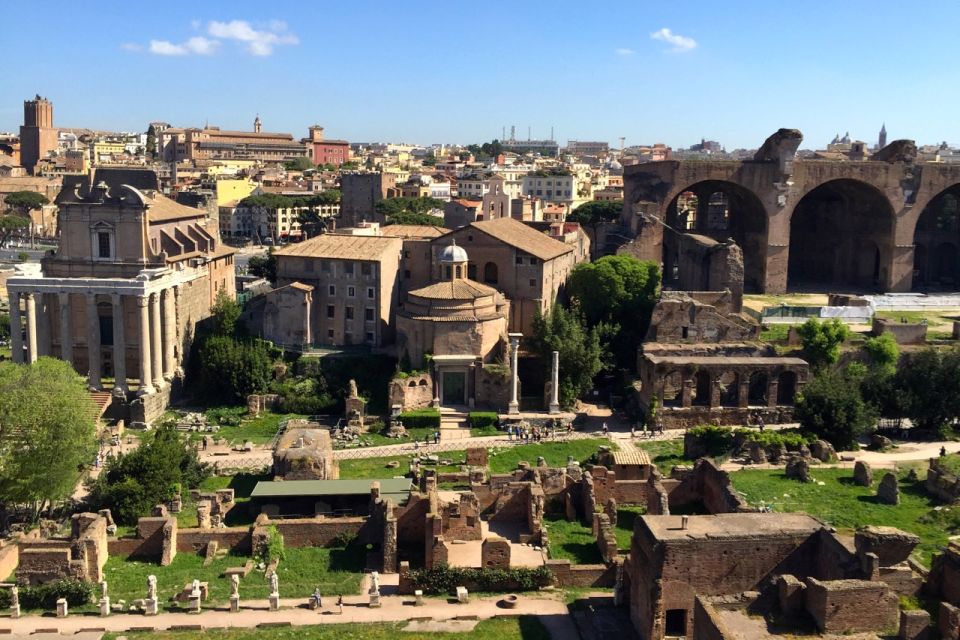
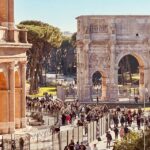
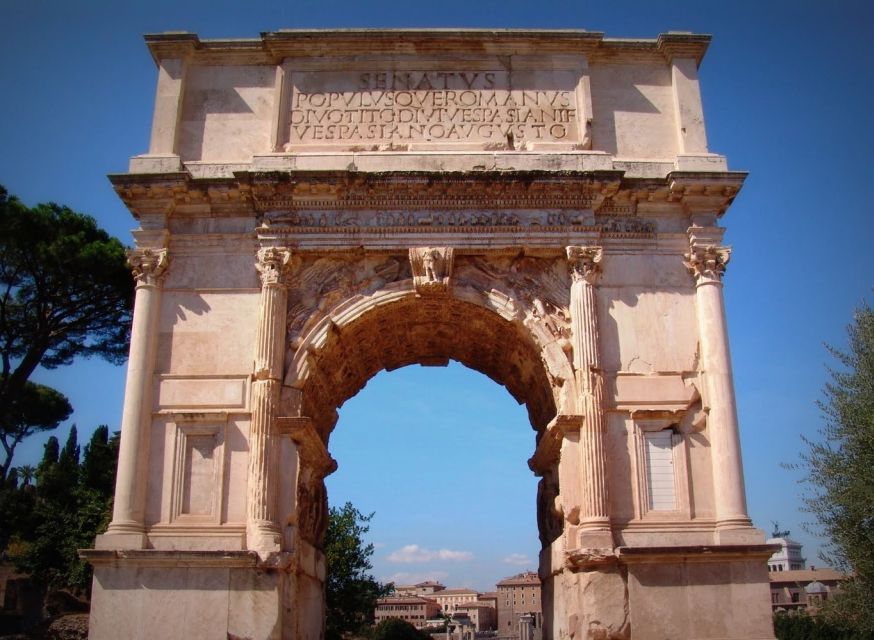
Once you leave the Colosseum, the tour transitions into a walking experience focused on ancient Rome’s power center. You’ll visit the Roman Forum and then head to Palatine Hill, with guided stops designed to connect the dots between government, religion, and imperial life.
The Roman Forum stop is valuable because it turns the Colosseum into context. The games didn’t happen in a vacuum. They were part of a society where emperors built influence through public life, spectacle, and architecture. When your guide points out ruins and explains what they likely represented, the site stops feeling like random walls and starts feeling like a political map.
Palatine Hill adds another layer. It’s closely tied to emperors’ palaces and elite presence, so it helps you understand why this area mattered beyond entertainment. You start seeing how Roman power translated into visible space: temples, palaces, and the routes people walked through every day.
This section also tends to be where guided storytelling really earns its keep. Guides such as Christina and Serena have been praised for making the Forum feel connected to real people and real rules, not just dates on a timeline. If your goal is to leave with a mental picture of ancient Rome, this combo is the reason the tour lasts a full three hours.
Meeting Point and Timing: How to Start Smoothly
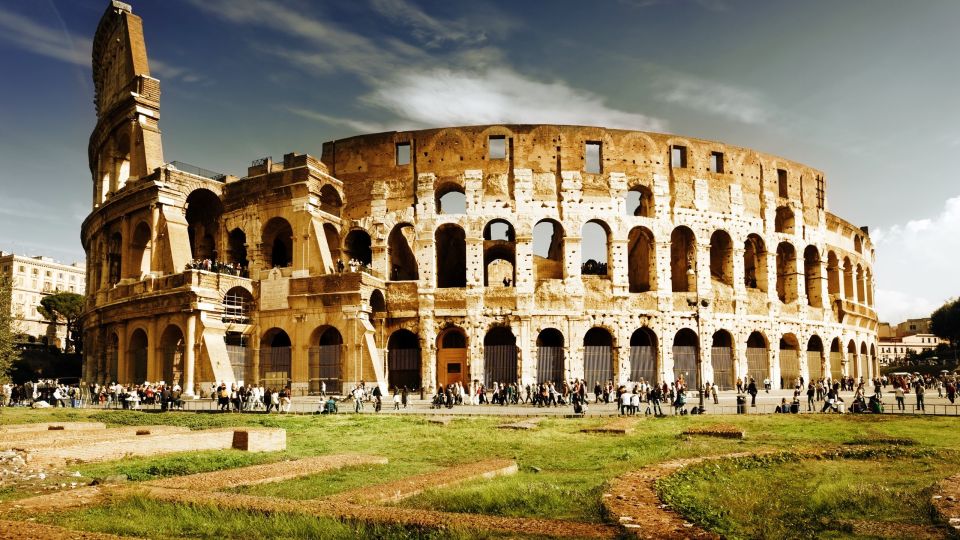
The meeting point is straightforward. Meet your guide by the lower level exit of the Colosseo metro station. Your guide is holding a sign that says Tours of Rome, next to the green kiosk.
Arrive a bit early. Security screening at the Colosseum is taken seriously, and the site uses multiple checks. Multiple people also noted they had to show passports more than once during the process, so you should treat your ID as something you’ll need quickly.
Start times can shift due to special events. That doesn’t mean the tour falls apart—it means the operator will adjust when needed. The best move is to keep your afternoon plan flexible.
Security Checks and Passport Rules: Don’t Show Up Unprepared
This tour requires passport verification. You’ll need your passport or a copy accepted by the operator. This includes children too, so don’t assume kids can skate by with different paperwork.
Expect to show documents at least twice at screening points. It’s not a surprise cost or a last-minute “gotcha,” but it is real. If you’re traveling with luggage, note that luggage or large bags are not allowed on this experience.
Bring a copy strategy that makes your life easy. If you’re carrying multiple documents already, keep the passport or copy accessible rather than buried. You’ll thank yourself later, especially if the lines move slowly or you have to present materials on the move.
What’s Included (and What You Should Expect to Miss)
The value here comes from how much is bundled into the three hours. Included are guided Colosseum time, the arena-floor visit, and access to the First and Second Levels, plus the Roman Forum and Palatine Hill walking component. Entrance tickets are included too.
However, it’s also important to know what’s not part of this package. The tour does not include the Colosseum Undergrounds. It also does not include the 3rd, 4th, and 5th Levels. If those higher levels or underground areas are your top priorities, this isn’t the right fit.
There’s also a weather caveat. The arena floor may be closed in cases of ice, and the arena may be closed in heavy rain. That’s not unique to this tour, but it matters because it’s the whole point of the experience. If your dates are tied to one narrow day, have a Plan B mindset.


Price and Value: Is $88 a Good Deal Here?
At $88 per person for about three hours, this tour isn’t the cheapest way to see the Colosseum. But it doesn’t try to be. You’re paying for guided access, arena-floor time, and the extra Roman Forum plus Palatine Hill component, all tied together.
Here’s why that price can feel fair:
- You’re not just buying entry. You’re buying guided interpretation in multiple zones.
- You get access to the arena floor plus two upper levels, not just a quick lap.
- The Forum and Palatine Hill stops add a second major Roman site experience without needing a separate booking.
If you love facts and want structure, this kind of bundle tends to pay off fast. If you mostly like wandering at your own pace and don’t want to coordinate with a group, you might decide you’d rather self-tour. But if you want the Colosseum explained clearly from multiple angles, $88 usually lands in the reasonable category.
Pacing, Heat, and Practical Comfort Tips
This tour involves a lot of movement. People often end up tired because you’re switching between major zones, and there are stairs on the climb to upper levels. In warmer months, it can feel extra intense.
A useful strategy: treat your first stop like warm-up time. Once you start, keep a steady pace instead of racing ahead. Your guide can only keep the group together if everyone’s moving at a similar speed.
Hydration matters. Even when the guide builds in pauses, you still need water. One practical tip that came up in real-world experiences: pee before you start if you can. The first toilet break may not happen immediately, and waiting in lines while the group stays on schedule is no fun.
In short: comfortable shoes, water, and a realistic attitude about heat will make the whole experience better.
Who This Tour Is Best For (And Who Should Skip It)
This is a great choice if you want:
- A guided route that connects the Colosseum to the Forum and Palatine Hill
- The arena-floor perspective plus First and Second Level views
- A guide who tells stories that make the structure understandable
It’s also a good fit for families and history-minded travelers who like questions. Past small-group feedback has praised guides for answering queries and keeping people together without losing the narrative.
If you’re using a wheelchair, this tour is not suitable. Stairs and site layout are limiting factors here, so you’ll need a different option designed for accessibility.
If You Want a Great Guide, Look for These Strengths
Even without naming every guide you might get, the pattern in strong tours is clear. The best experiences are led by guides who:
- Stop at the right spots for photos instead of just moving on
- Give you a sense of what it was like to be inside the spectacle
- Use visuals or explanations that make the arena structure click
Guides such as Christina, Anna, Elisabetta, Elizabeth, Serena, and Mido have been specifically praised for engagement, clear explanations, and keeping people interested for the full three hours. If you see names you recognize when booking, it’s worth leaning in.
Should You Book This Colosseum Arena Floor Tour?
If your top priority is the arena floor experience plus the spectator view from the First and Second Levels, I think you’ll get real value from booking. The price feels more justified when you consider that you’re also getting the Roman Forum and Palatine Hill guided walk in the same block of time.
Book it if you want structure, interpretation, and a clear route that makes the Colosseum easier to understand. Consider skipping or rethinking if you specifically need Underground access or the 3rd to 5th levels, or if you’re traveling with mobility needs that make stairs hard.
If your goal is to go beyond seeing the Colosseum and actually understand how it worked as a show, this tour is one of the more direct ways to do it in a tight three-hour window.
FAQ
How long is the tour?
The tour lasts 3 hours.
Where is the meeting point?
Meet your guide by the lower level exit of the Colosseo metro station. They’ll be standing next to the green kiosk and holding a sign that says Tours of Rome.
Is the arena floor included?
Yes. The tour includes a guided walk on the Colosseum arena floor, though it may be closed in cases of ice.
Which levels of the Colosseum are included?
You’ll visit the First and Second Levels. The tour does not include the 3rd, 4th, or 5th Levels.
Does the tour include the Colosseum Undergrounds?
No. Underground access is not included.
Do I need to bring a passport?
You’ll need your passport or a copy accepted by the operator. Passport or a copy is required, including for children.
Is this tour wheelchair accessible?
No. It is not suitable for wheelchair users.