REVIEW · ROME
Rome: Colosseum and Ancient Rome Guided Walking Tour
Book on GetYourGuide →Operated by Know my City · Bookable on GetYourGuide
Ancient Rome hits different here. This Colosseum + Forum + Palatine Hill walking tour is 2.5 hours of big scenes and clear explanations, with headsets that keep you in sync even when crowds surge. I liked how guides such as Alessandra can turn the hulking stones into real stories you can follow.
My favorite part is the stop-by-stop flow. You get a focused walk through the Colosseum, then the Roman Forum, then up to Palatine Hill, with the kind of direction that helps you actually understand what you’re seeing. Guides like David and Radu are also known for humor and for answering questions without making you feel rushed.
The main drawback: you’ll walk over uneven ground and climb. Add the metal detector security check at the Colosseum, and on busy days you should expect a short queue even with skip-the-line entry tickets.
In This Review
- Quick hits
- Rome’s Colosseum Tour: Why This 2.5-Hour Loop Works
- Meeting Point at Largo Gaetana Agnesi: Arrive With a Buffer
- Colosseum Security and Skip-the-Line: What You Should Expect
- Entering the Colosseum: 75 Minutes That Go Beyond Photos
- How Guides Make the Gladiator Story Make Sense
- Roman Forum: The Heart of Ancient Rome on Foot (45 Minutes)
- Palatine Hill Ruins and the Terrace Views (45 Minutes)
- Headsets, Pace, and Breaks: Comfort Matters on Ancient Stone
- Price and Value: Is $58 Fair for Three Big Stops?
- Languages and Guide Style: What You Can Expect
- Practical Rules You Should Know Before You Go
- Should You Book This Colosseum and Ancient Rome Walking Tour?
- FAQ
- How long is the Rome Colosseum and Ancient Rome guided walking tour?
- Which sites are included in the tour?
- Are entry tickets and headsets included?
- Does the tour include skip-the-line access?
- What languages are available for the live guide?
- What should I bring, and what can’t I bring?
Quick hits
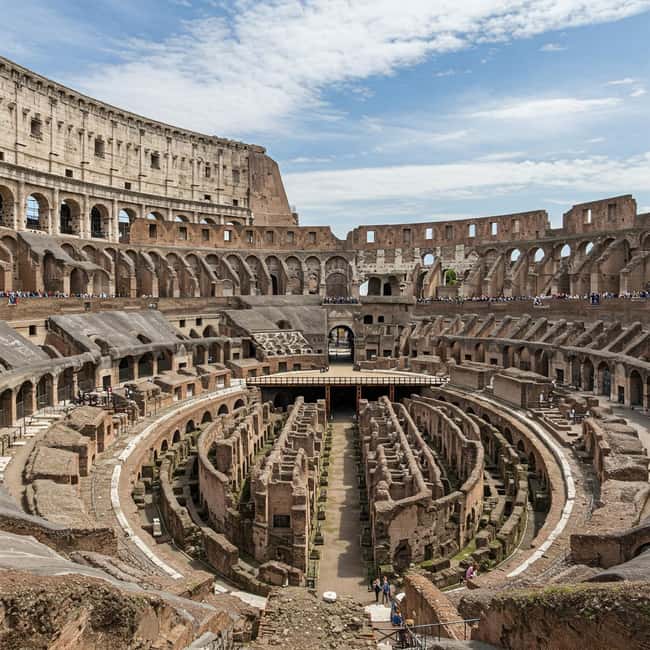
- Skip-the-line tickets, real security check: you still pass through metal detection on the Colosseum
- 75 minutes at the Colosseum: enough time to see it properly, not just pose and sprint
- Roman Forum as the “heart” stop: short and pointed, with stories that tie the ruins together
- Palatine Hill Terrace views: a built-in viewpoint over the ruins of Rome
- Headsets included: helpful in crowds and for clear multilingual guiding
- Guides bring personality: humor and myth-busting show up in examples like David and Radu
Rome’s Colosseum Tour: Why This 2.5-Hour Loop Works
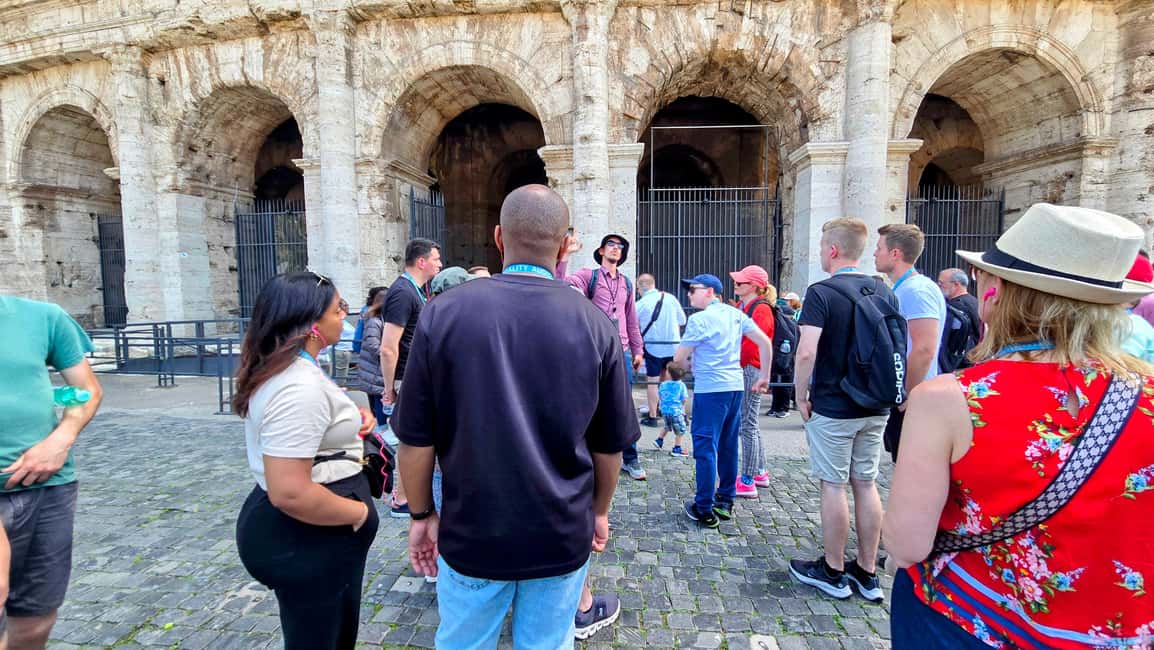
If you’re short on time in Rome (or you just don’t want to spend your whole day translating stone labels), this loop is built for first-timers. You hit three of the biggest ancient stops—Colosseum, Roman Forum, and Palatine Hill—without wasting hours figuring out routes and timing.
What you’re really buying isn’t just entry. It’s a guided storyline that helps you place each ruin in your mental map of ancient Rome. That matters at the Colosseum, where it’s easy to admire the scale but miss the why behind the design.
Also, the format is practical. You get headsets, so the guide’s voice stays clear even if you’re surrounded by people. And the time split is reasonable: the Colosseum gets the longest look, while the Roman Forum and Palatine Hill still get enough time to feel meaningful.
You can also read our reviews of more walking tours in Rome



Meeting Point at Largo Gaetana Agnesi: Arrive With a Buffer
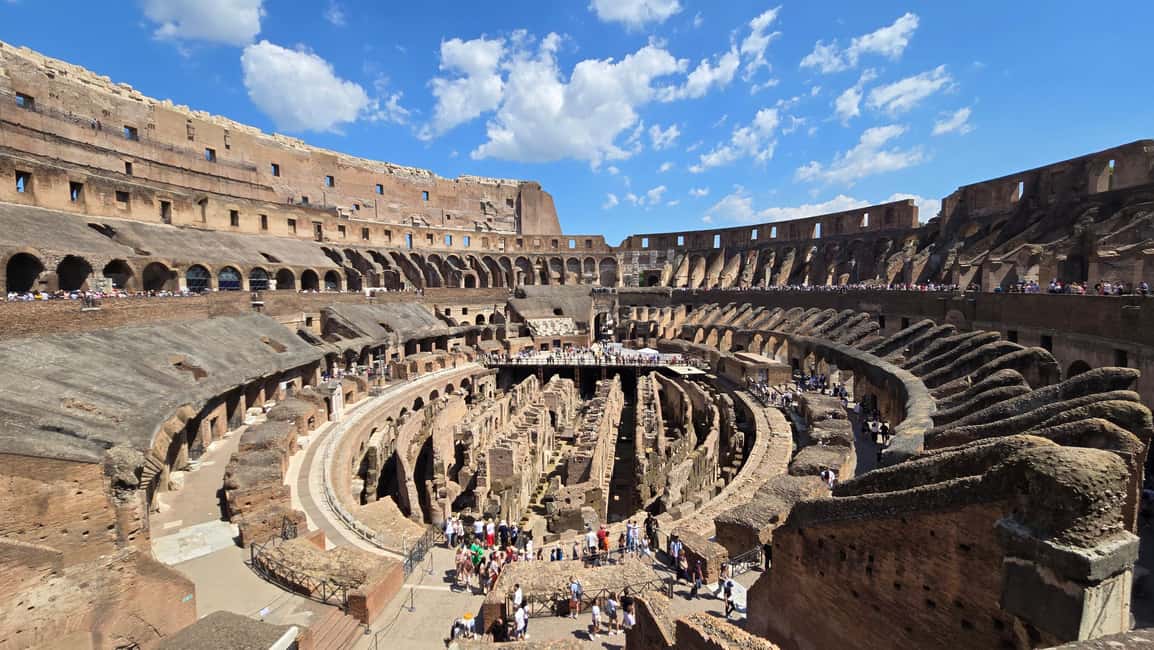
The meeting point may vary depending on the option you book, but the address shown is L.go Gaetana Agnesi, 5. Because it can be tricky to spot the exact start spot, I’d treat “on time” as “early,” not “right at the minute.”
Plan to show up a bit ahead of your slot. That gives you time to get your bearings, use the restroom if needed, and get organized before the group gathers. It also helps if the meeting time shifts slightly; the operator notes that you may be contacted if timing changes.
Once you’re at the right place, the tour starts with a short guided segment before you head into the main sites. Think of it as orientation so the monuments don’t feel like three separate sightseeing errands.
Colosseum Security and Skip-the-Line: What You Should Expect
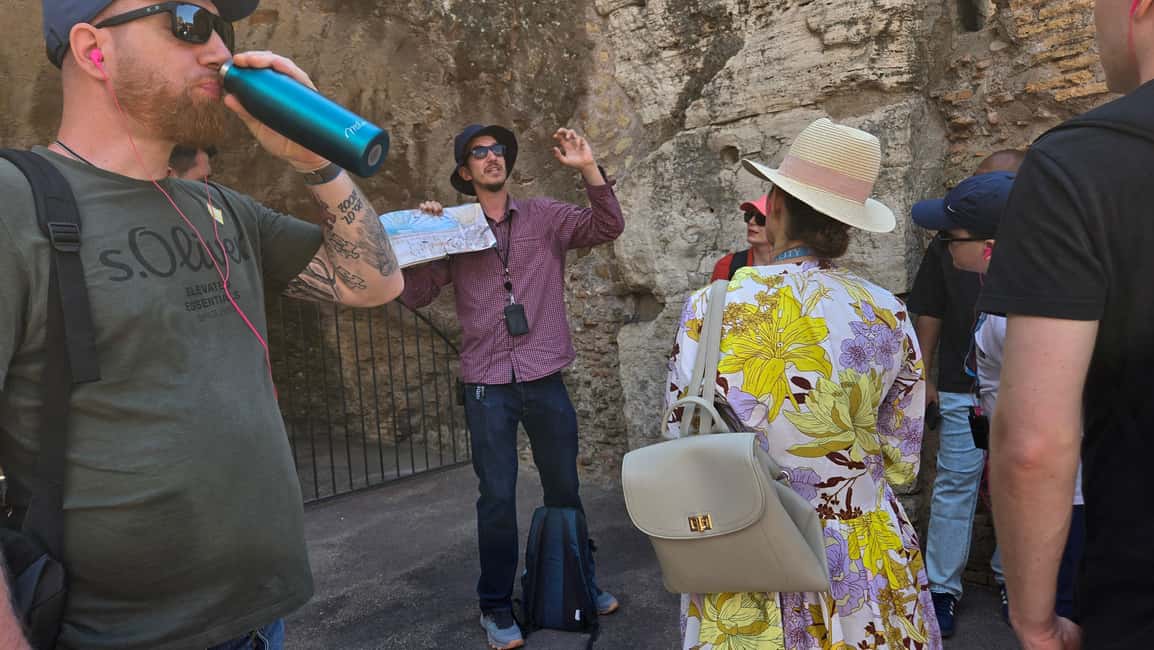
You get skip-the-line tickets, and that’s a real quality-of-life improvement. But you’ll still need to pass through metal detector security to enter the Colosseum.
On busy days, that security check can create a queue. The key point is that the skip-the-line benefit is mainly about the ticket/entry process, not about removing every possible wait. If you hate lines, bring patience—or go in with a flexible mindset and use the wait to get your photos and focus ready.
You’ll also want to keep your bag situation simple. Luggage or large bags aren’t allowed, and the tour lists a bunch of banned items like drones, selfie sticks, alcohol and drugs, sprays/aerosols, and glass objects. If you show up with a backpack, expect to be asked to keep it controlled.
Entering the Colosseum: 75 Minutes That Go Beyond Photos
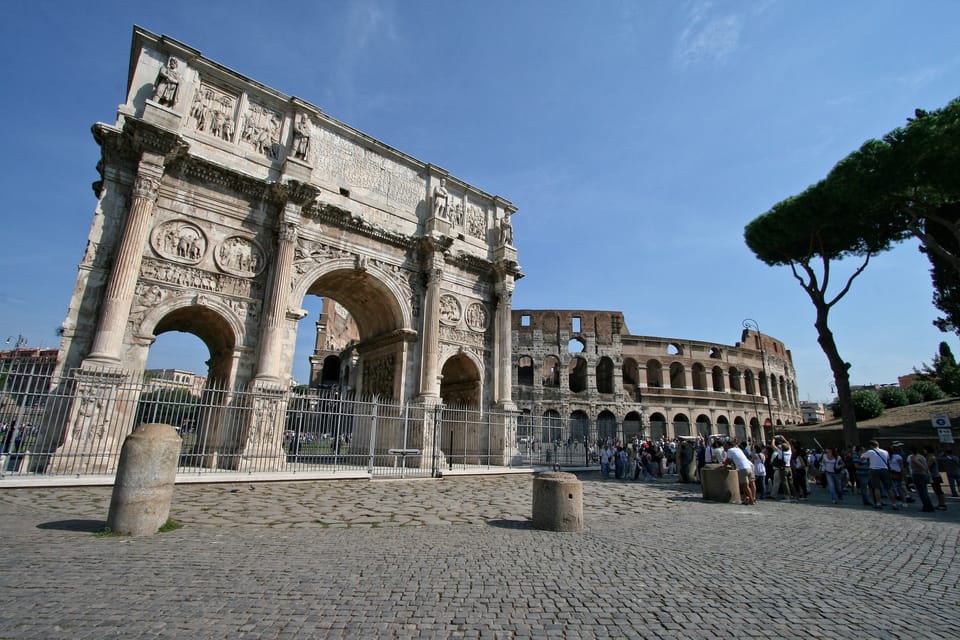
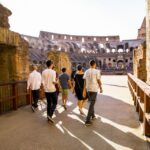
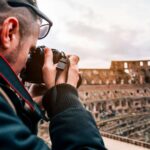
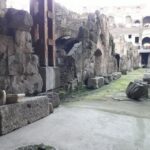
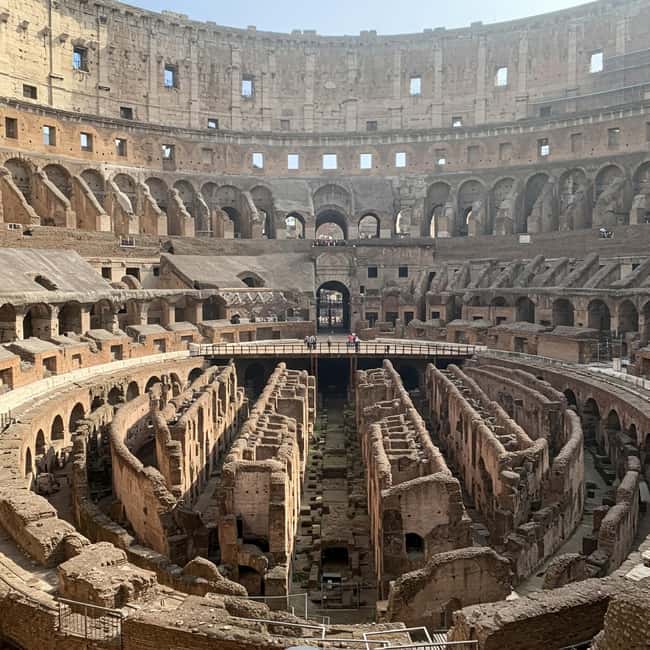
The Colosseum visit is the centerpiece, with 75 minutes dedicated to the amphitheater. You’re not just looking at it from one angle. You’re guided through what you’re seeing, including commentary that helps explain how the space worked.
A big difference with a good guide is that the Colosseum stops being a postcard and starts being a machine. You’ll hear live context while you move through the site, and you’ll get help connecting the architecture to the spectacle it hosted.
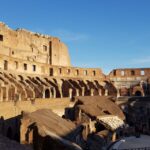
You’re also led to areas where you can take in views from the first floor, described as views that once delighted Roman spectators. That’s important because the Colosseum isn’t just “big.” It’s layered, and the perspective changes as you move.
One practical tip: wear comfortable shoes. The Colosseum is made of stone paths, steps, and uneven edges. If your feet hate you, you’ll stop enjoying the story and start thinking about blisters.
How Guides Make the Gladiator Story Make Sense
The Colosseum is the place where myth and misunderstanding spread fast. That’s why I really like tours where the guide actively explains what’s known and what’s commonly exaggerated.
In examples from this tour experience, guides like Radu have been praised for dispelling myths about the gladiator fights and for answering questions as the group moves. That kind of interaction is the difference between seeing a monument and understanding why people still talk about it.
Another technique that shows up in this experience: guides using before-and-after style visuals. People noted a guide showing photos that help you picture what the Colosseum and Palatine Hill looked like in their heyday. That’s a simple trick, but it works. It turns ruins into a clearer mental image.
You can also read our reviews of more guided tours in Rome

Roman Forum: The Heart of Ancient Rome on Foot (45 Minutes)
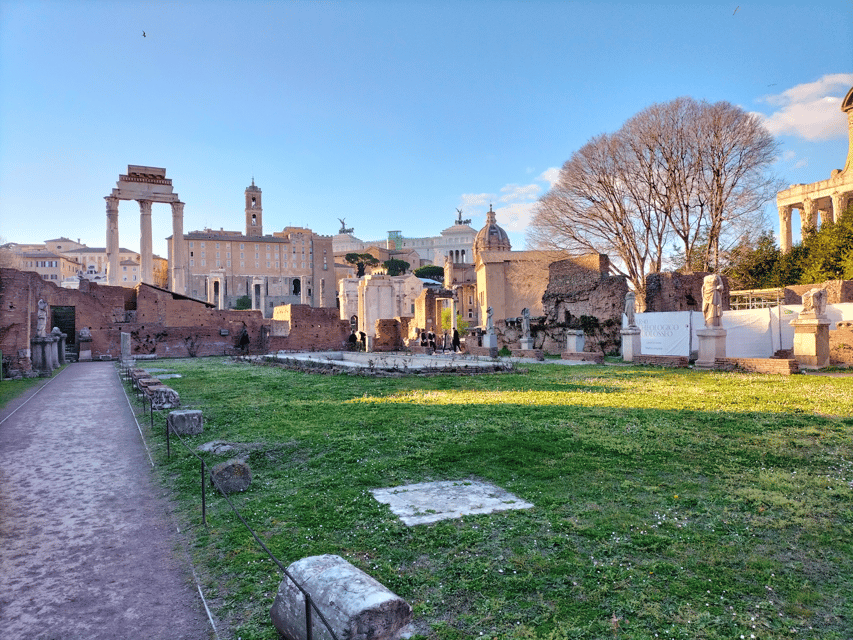
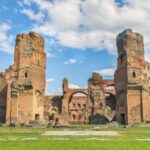
Next comes the Roman Forum, visited for 45 minutes. The operator frames it as the heart of ancient Rome, and that’s exactly how it feels when a guide keeps the focus on what this area was for.
This is where the tour leans into story-building. You’ll walk among ruins while your guide connects them to the larger picture—how civic life, power, and public space shaped daily Rome. Even if you’ve studied Roman history before, hearing it tied to the physical site helps it stick.
One detail to know: the tour order can change. It’s possible you’ll visit the Roman Forum and Palatine Hill before the Colosseum, depending on single-ticket availability or how the day is running. Either order still covers all three key places; just be ready for a different flow.
Palatine Hill Ruins and the Terrace Views (45 Minutes)
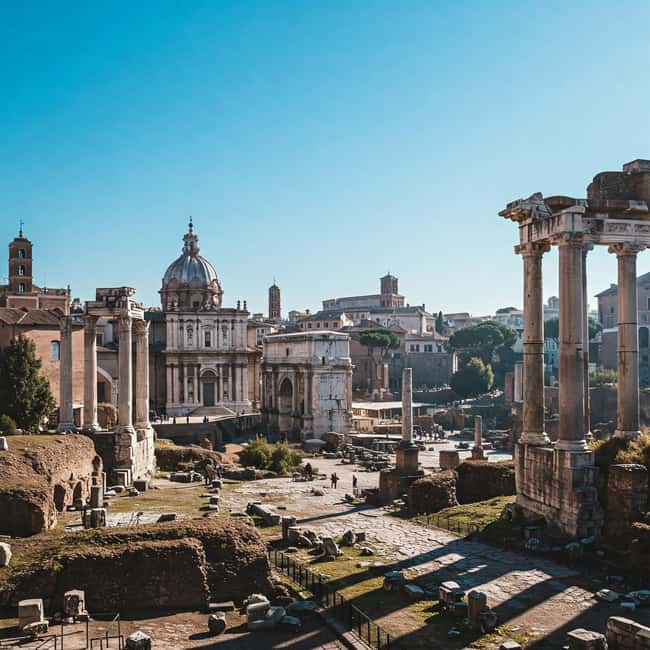
Palatine Hill is your “top of the world” moment. The tour spends 45 minutes here, walking among the ruins of the Emperors of Rome—the sort of place where you can feel the connection to power and status even if only fragments remain.
The tour also includes a payoff: panoramic views from the Palatine Hill Terrace. That viewpoint is useful because it gives your brain a map. You finally see how the ruins relate to each other across the city and why this hill mattered.
You’ll likely notice that the storytelling gets more vivid up here. That’s the natural effect of being elevated and surrounded by remnants. With a guide directing your attention, you can go from “I see stones” to “I see a former seat of authority.”
Headsets, Pace, and Breaks: Comfort Matters on Ancient Stone
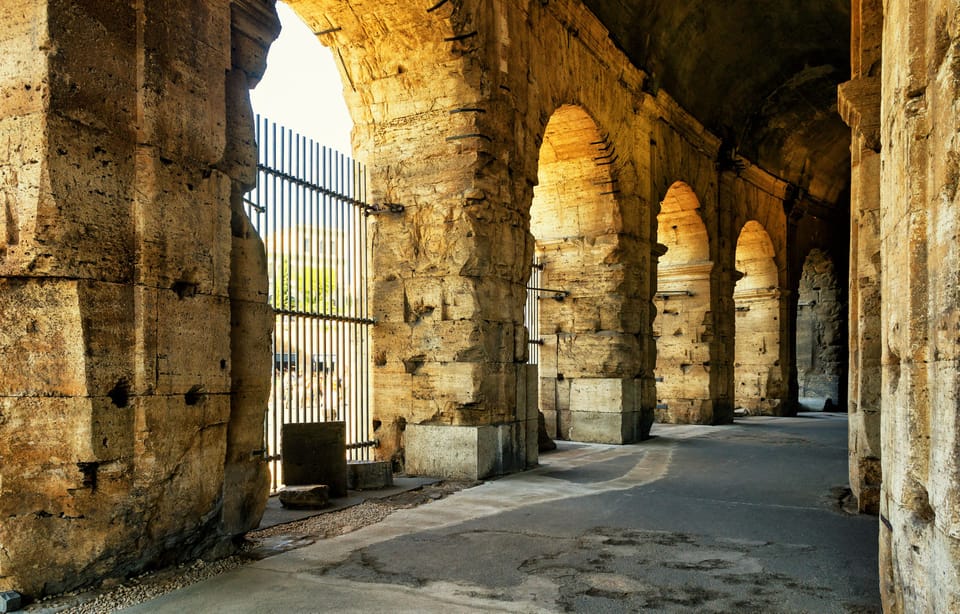
A tour like this lives and dies on pace. This one includes headsets, which help a lot, especially around busy spots where it’s hard to hear. If you’ve ever tried to follow a guide in a thick crowd without audio, you know how quickly that turns into frustration.
You should also expect occasional short pauses for the group to look around and take pictures. In the experience, breaks were mentioned as happening at key points. That helps you absorb the scene rather than rushing past it like a checklist.
One more practical note: the itinerary includes walking between sites. This is not a sit-down museum day. You’ll need to be ready for steps and uneven surfaces across all stops.
And yes, this tour notes it isn’t suitable for wheelchair users or people with mobility impairments. If that applies to you, it’s worth choosing a different format that matches your movement needs.
Price and Value: Is $58 Fair for Three Big Stops?
At $58 per person for a 2.5-hour guided visit, the value comes from what’s included, not just the guide.
You’re paying for:
- Entry tickets for the Colosseum, Roman Forum, and Palatine Hill
- Headsets so you can hear the live commentary
- A live guide experience in Spanish, English, German, or French
- Skip-the-line entry tickets (with the reality of security queues)
If you were to plan this on your own, you’d still need tickets for each site and you’d spend time figuring out what to focus on. A guided tour compresses that learning curve into a few hours.
Is it the cheapest way to do Rome’s ancient core? No. But it’s often the better value if you want meaning, clear context, and a route that keeps the day moving.
Languages and Guide Style: What You Can Expect
The tour offers live guides in Spanish, English, German, and French. That’s a real quality lever for comfort. If you’re fluent or even just comfortable listening in one of these languages, you’ll get more from the stop-by-stop commentary.
Guide style also shows up in the feedback. People praised guides for being funny and entertaining, but also for keeping explanations clear and answering questions. That mix matters. If the facts feel connected to the setting, you’ll remember more after the day ends.
If you get a guide who uses humor well (names like David and Radu came up in examples), you’ll likely enjoy the tour more, especially at the Colosseum where everyone expects it to be impressive but may not know what to look for.
Practical Rules You Should Know Before You Go
This is straightforward, but it’s worth reading because enforcement at historic sites can be strict.
Bring:
- Passport or ID card
- Comfortable shoes
Don’t bring:
- Weapons or sharp objects
- Luggage or large bags
- Drones
- Selfie sticks
- Alcohol and drugs
- Sprays or aerosols
- Glass objects
Also, the operator notes that the meeting time may shift slightly, and you might be contacted in advance. So if your phone battery is low, fix that before you travel.
Finally, photography is fine, but respect the rules inside and follow staff directions. Ancient Rome is popular, and the flow matters.
Should You Book This Colosseum and Ancient Rome Walking Tour?
Book it if you want your time to count. If you’re visiting for the first time, juggling limited hours, and you want the Colosseum, Roman Forum, and Palatine Hill explained in a single organized run, this tour is a smart way to do it.
Also book it if you like learning without feeling like you’re back in class. The guide style you’ll see in this experience is often described as fun, interactive, and strong on answering questions. You’ll get more out of the ruins because someone is pointing out what to notice.
Skip it only if you need an easier mobility setup or you hate walking on uneven ground and steps. And if you’re the type who wants total freedom to wander without timing or group movement, a self-guided plan might feel better.
FAQ
How long is the Rome Colosseum and Ancient Rome guided walking tour?
The tour duration is 2.5 hours.
Which sites are included in the tour?
You’ll visit the Colosseum, the Roman Forum, and Palatine Hill.
Are entry tickets and headsets included?
Yes. Entry tickets for the Colosseum, Roman Forum, and Palatine Hill are included, and headsets are provided so you can hear the guide.
Does the tour include skip-the-line access?
Skip-the-line tickets are included, but you still have to go through a metal detector security check. On busy days, there may be a queue for security.
What languages are available for the live guide?
The live guide is available in Spanish, English, German, and French.
What should I bring, and what can’t I bring?
Bring a passport or ID card and comfortable shoes. The tour does not allow weapons or sharp objects, luggage or large bags, drones, selfie sticks, alcohol and drugs, sprays or aerosols, or glass objects.