REVIEW · ROME
Private Golf Cart Tour with Roman and Gelato (more options)
Book on GetYourGuide →Operated by Aromatour srls · Bookable on GetYourGuide
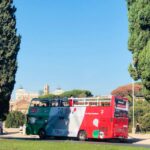
Rome, minus the walking slog. On this private golf cart tour, I love how quickly you roll past Rome’s top sights (hello, Colosseum and Trevi Fountain) without turning your feet into protest signs. I also like that the guide is a native Roman, so the stories feel specific, not canned, and you get practical local color along the way.
One thing to consider: this ride is not suitable for people with back problems, and you also can’t bring luggage or large bags. If that’s you, plan a different format and keep the day comfortable.
In This Review
- Key Things I’d Book for
- Why a Private Golf Cart Works So Well in Rome
- Getting Started at Piazza della Repubblica (and Why That’s Handy)
- The Colosseum and Roman Forum Area: Seeing Power Up Close
- Trevi Fountain and Pantheon: Big Hits, Better Context
- Suburra, Marcellus Theater, and the Insula Idea of Living
- Aventine Hill, Mouth of Truth, and Santa Maria Maggiore
- Gelato Included: A Real Stop, Not a Random Sugar Break
- Roman Food Advice: How to Eat Like a Roman (Not Like a Tourist)
- Optional Upgrade Paths: Wine and Apulian Snack or Roman Pizza
- When Rome Changes the Plan: Event-Day Stop Shifts
- Language, Pace, and Who This Tour Is Best For
- Value and Price: Is $132.54 Per Person Worth It?
- Should You Book This Private Golf Cart Tour?
- FAQ
- How long is the private golf cart tour?
- Is this tour private?
- What’s included in the price?
- Where do I meet the guide?
- Does the tour include hotel pickup and drop-off?
- What languages are available for the live guide?
- Can I bring luggage or large bags?
Key Things I’d Book for
- Native Roman storytelling with anecdotes about battles, writers, and poets as you ride
- Photo-friendly stops at the big hitters, plus viewpoint time to breathe and reset
- Gelato included from an artisanal shop that’s been around since 1947
- Local food advice to help you eat like a Roman and steer clear of tourist traps
- Smart options like Roman pizza (if chosen) or wine and a small Apulian snack at the Orange Garden
Why a Private Golf Cart Works So Well in Rome
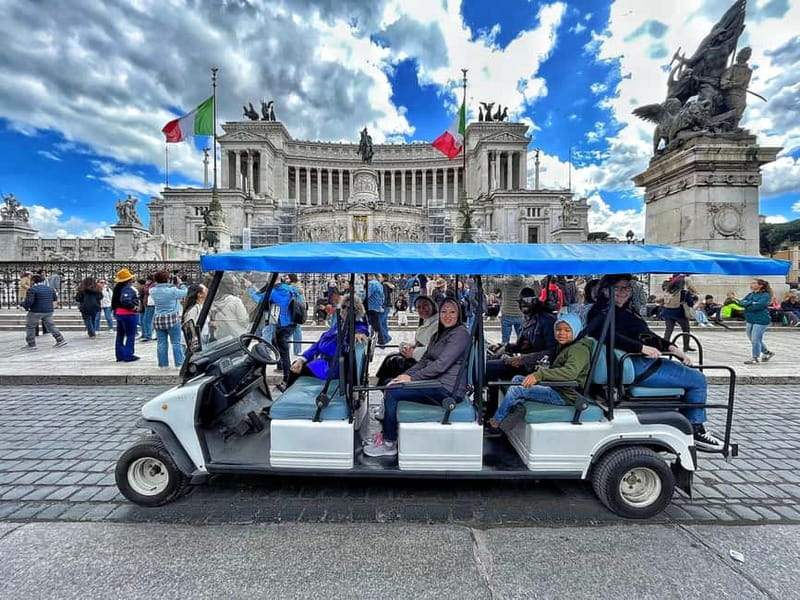
Rome looks compact on a map and feels huge in real life. The advantage of a golf cart is simple: you get to cover a lot of ground while keeping your day readable. In about three hours, you can hit the kind of sights most people cram into a whole itinerary—without treating the sidewalks like a daily training plan.
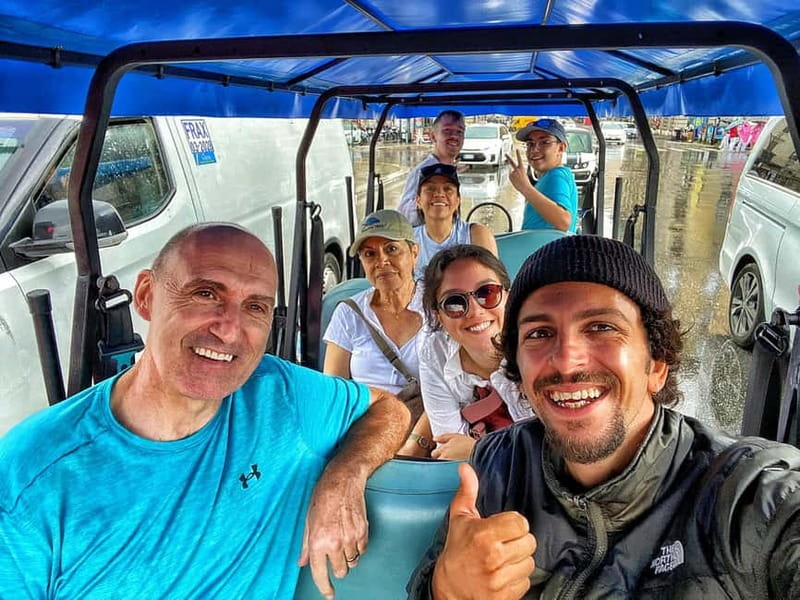
This is also a private group format, so you’re not stuck playing “guess the schedule” with strangers. You ride with your guide, your pace, and your photo stops, which makes the tour feel more like a guided walk in the sky-speed mode.
And because you’re in a vehicle, your guide can shape the order of what you see. That matters when you want context for what you’re passing: from ancient Rome’s power spots to the Rome of today, with the right turns and perspective.
You can also read our reviews of more private tours in Rome
Getting Started at Piazza della Repubblica (and Why That’s Handy)
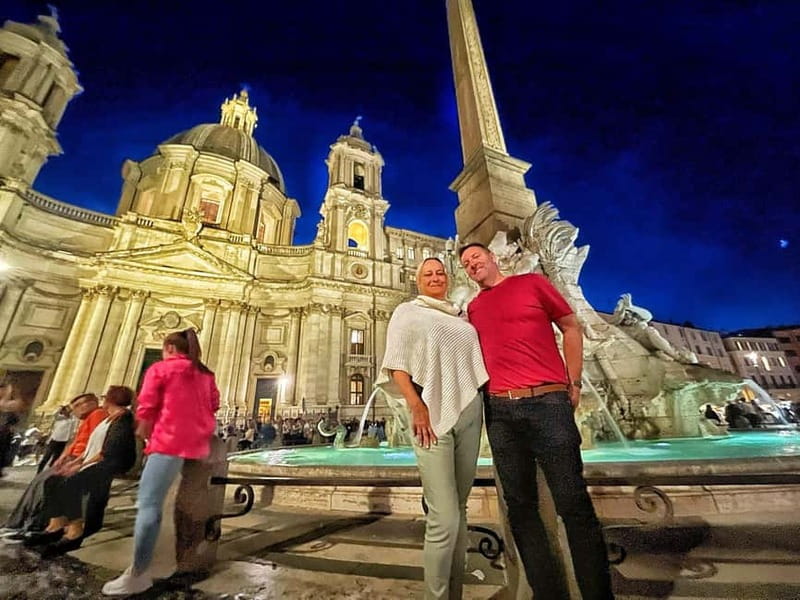
Your meeting point is Piazza della Repubblica, 48, right in front of Hotel Anantara. If you’re using public transit, the closest option is Metro A at Repubblica. This start is useful because it’s a central hub—easy to reach on foot or by transit, and it sets you up for an efficient loop through the core sights.
You’ll ride out and back to the same meeting location. That “in and out” structure helps a lot on a first-timer day, especially if you’re trying to plan around dinner.
The Colosseum and Roman Forum Area: Seeing Power Up Close

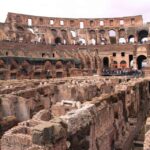
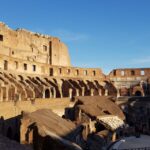
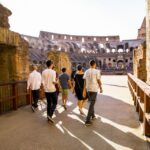
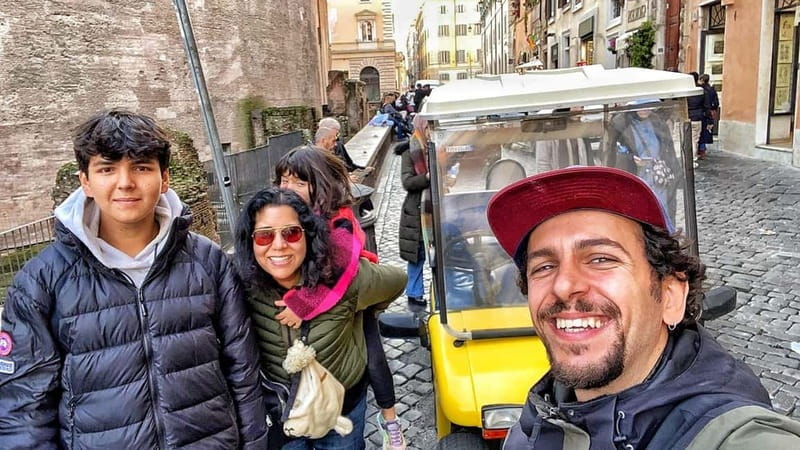
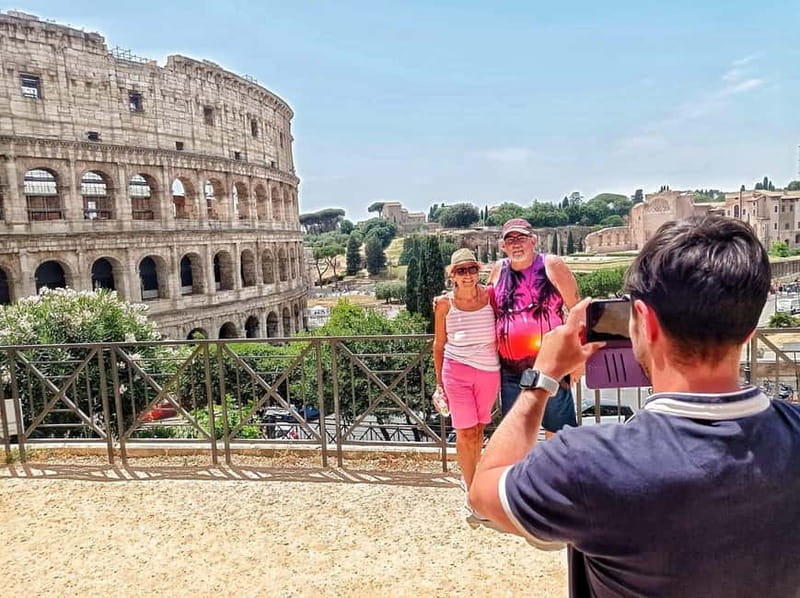
The Colosseum is the big magnet, but what I like here is that the cart format lets your guide build a clear story around it. You’re not only looking at an icon; you’re learning how to connect the dots between the stadium era and the surrounding political world.
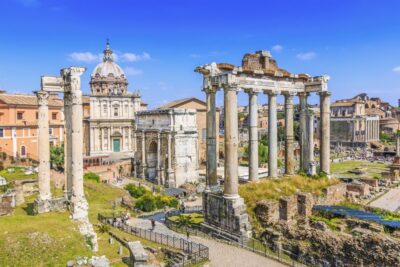
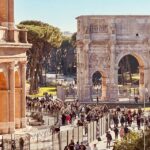
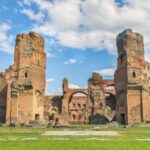
Expect the route to include the Colosseum, the Roman Forum (outside), and the area around Trajan’s Column. The Forum being outside means you’re observing from the right vantage points instead of turning your day into a long ticket line marathon. You get the “this is where decisions happened” feeling without losing hours.
Your guide’s job is to make the architecture make sense. The tour description points to stories involving epic battles, plus writers and poets—exactly the kind of context that helps the ruins feel like places, not just shapes in the distance. On a golf cart, you can actually listen as things roll by.
Photo note: you’ll have opportunities to stop and take pictures. Still, Rome’s crowded and busy, so being flexible about angles is smart. The guide can help you find the best view spots as you go.
Trevi Fountain and Pantheon: Big Hits, Better Context
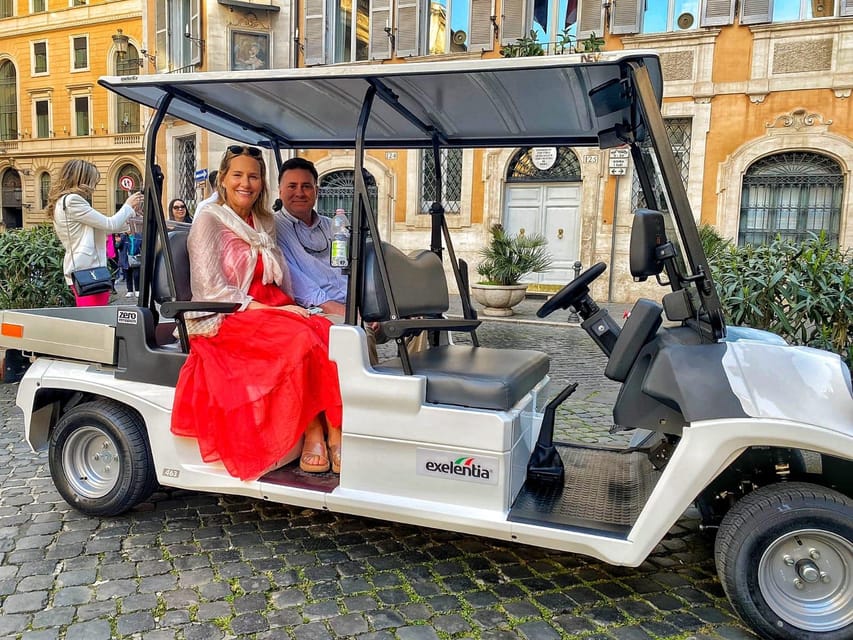
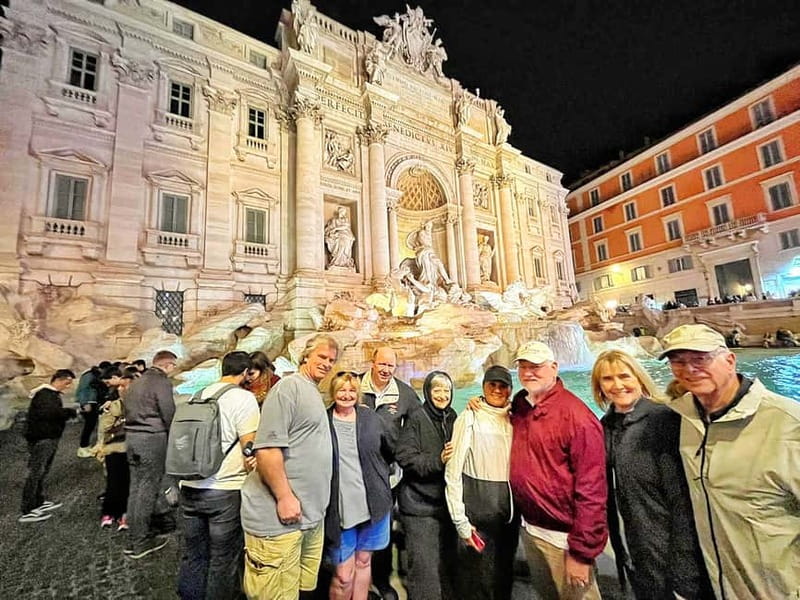
Trevi Fountain is one of those spots that can feel chaotic when you arrive on your own. On this tour, you’re seeing it as part of a sequence, which helps. The guide can explain what you’re looking at and why it matters in Rome’s story—so your photos end up with more meaning than just postcards.
The route also includes Pantheon. Even if you’ve seen it in photos before, it’s one of those buildings you “get” faster when someone walks you through what it represents. Having the guide on the cart helps because you can stay oriented: where you are, what came before, and what you’re passing next.
You’ll also stop in Venice Square, which is a useful waypoint for perspective and a break from nonstop looking. For many people, these stops are the moment the tour clicks: you realize you’re not just collecting photos—you’re understanding Rome’s layout and layers.
Potential drawback: if there are political, sporting, or musical events, some stops and timing may shift. That doesn’t mean the day is ruined, but it does mean you should keep a little flexibility.
Suburra, Marcellus Theater, and the Insula Idea of Living
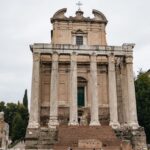
The itinerary includes stops around Suburra, Marcellus Theater, and Insula (first condominium in the world). This is the area where the tour stops feeling like a greatest-hits reel and starts feeling like a real city history lesson.
Suburra brings you to the idea of neighborhoods and street-life energy in ancient times. Marcellus Theater helps you connect entertainment and politics. And the Insula detail is a standout for me because it reframes daily life: the idea that people lived in multi-story housing—early “stacked living”—is a strong mental hook.
If you like learning the “how people lived” version of history, this part gives you that. You’re not just seeing monuments; you’re getting reminders of how crowded urban life can be across centuries.


Aventine Hill, Mouth of Truth, and Santa Maria Maggiore
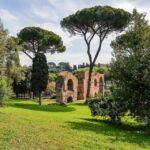
As you head toward Aventine Hill, the vibe shifts from pure spectacle to viewpoint and atmosphere. The route also includes the Mouth of Truth, a spot that most people know by name, but the cart tour helps you place it in context as part of the wider area.
Then you reach the Papal Basilica of Saint Mary Major. Even from the outside or along the route, it’s a major sight, and this tour includes it as a defined stop so it doesn’t get swallowed by a “we’ll see it if we have time” plan.
This sequence is useful if you want Rome’s modern spiritual identity side, not only the Roman Empire power side. It gives your day a more balanced shape.
Gelato Included: A Real Stop, Not a Random Sugar Break
Your tour ends up including gelato, and the details matter here. It’s described as an artisanal ice cream stop from 1947—so you’re not picking up a generic cone from wherever has the shortest line.
This is one of the most praised parts of the experience because it’s built into the day at a natural moment: you’ve been riding, looking, and listening, and now you get a breather that’s actually fun. It’s also a low-effort way to experience something quintessentially Roman without turning it into a separate hunt.
A small practical tip: gelato melts fast. If you want photos, plan to snap them quickly and then enjoy the first spoonful right away.
Roman Food Advice: How to Eat Like a Roman (Not Like a Tourist)
One of the included items is restaurant advice—the kind that’s more useful than a generic list. The tour explicitly aims to help you eat like a true Roman and avoid tourist traps.
What I’d do with this advice is keep it flexible. Ask the guide what to pick based on your day’s energy level: quick and casual versus something longer. Rome has plenty of options, but guidance helps you avoid places that feel designed for convenience more than for flavor.
Also, if you choose the option for real Roman pizza, that can fit naturally into the tour rhythm so you’re not searching right when you’re hungry.
Optional Upgrade Paths: Wine and Apulian Snack or Roman Pizza
This tour isn’t only one flavor of experience. You can choose between options that add a taste-driven angle to the sightseeing.
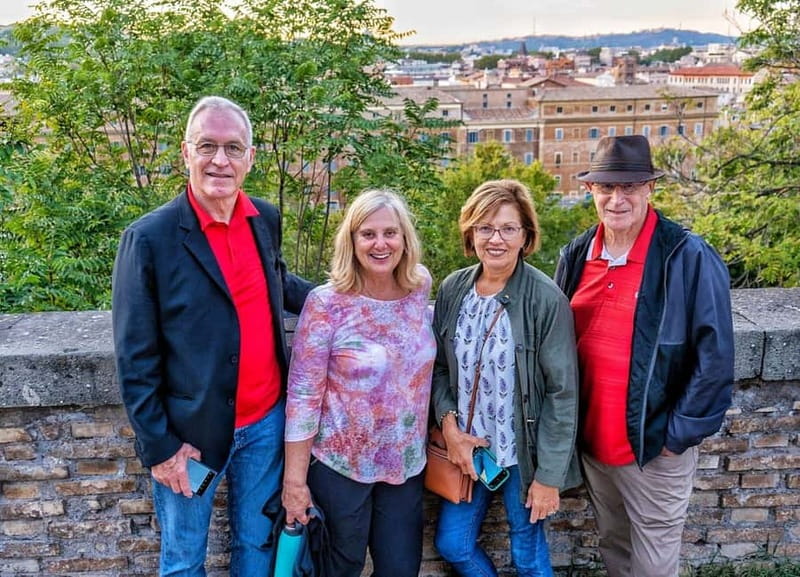
Option 2 includes wine and a small snack (from Apulian) at the Orange Garden, described as a beautiful, romantic panoramic point over Rome. If you like a view with your sip and snack, this is the kind of add-on that turns a good tour into a memorable moment. It’s also a chance to reset your brain with scenery rather than monuments.
There’s also an option where you can taste real Roman pizza if you choose that add-on. For many people, that’s the easiest way to get a local food win without gambling on a random place later.
Pick based on your travel style:
- If you want a scenic pause, lean toward the Orange Garden option.
- If you want a classic meal moment, lean toward Roman pizza.
When Rome Changes the Plan: Event-Day Stop Shifts
Rome is Rome. The tour notes that stops could change for political, sporting, or musical events, and that there may be time changes for visits or demonstrations. You’ll be notified soon.
The practical takeaway: treat this like a guided route, not a rigid script. Your guide can adjust to what’s possible while still covering the essential monuments and experiences. As long as your expectations are flexible, that adaptability is usually a plus—not a problem.
Language, Pace, and Who This Tour Is Best For
The tour offers live guide support in English, Spanish, Russian, and Italian, which makes it easier to feel fully included and to ask questions instead of just listening.
Pace-wise, it’s a comfortable “see a lot” plan rather than a slow ramble. That makes it a good fit for:
- First-time Rome visitors who want the headline sights without the endless walking
- People who prefer guided context more than self-planning
- Anyone who wants an organized way to fit Colosseum, Trevi, and more into about three hours
It’s not a great fit if you have back problems or if you’re pregnant. Also, you’ll want to travel light because luggage or large bags aren’t allowed.
Finally, note the tour includes insurance and is wheelchair accessible. If mobility is part of your planning, this is worth checking directly during booking, but the baseline accessibility is listed as supported.
Value and Price: Is $132.54 Per Person Worth It?
At $132.54 per person for roughly three hours, this is not a budget activity. But it doesn’t try to be one. You’re paying for:
- A private golf cart experience
- A native Roman guide who tells stories and shares local tips
- Included gelato plus restaurant advice
- Efficient coverage of major monuments and viewpoint stops
If you compare it to the cost of buying time back—because you’re not grinding through long routes on foot—the price can start to feel reasonable. You’re also getting something intangible: a guide who can explain what you’re seeing as you ride, plus food guidance that may save you from at least one mediocre meal.
In other words: you’re paying for convenience and context together, not just transportation.
Should You Book This Private Golf Cart Tour?
I’d book this if you want a smart, guided way to see Rome’s most famous sights without spending your legs on a marathon. It’s especially worth it if you care about story and practical advice—because this tour is built around what a native Roman guide can point out, not only what’s on a standard photo list.
Skip it (or switch formats) if you have back concerns, because it’s not suitable for people with back problems. Also keep the luggage rules in mind.
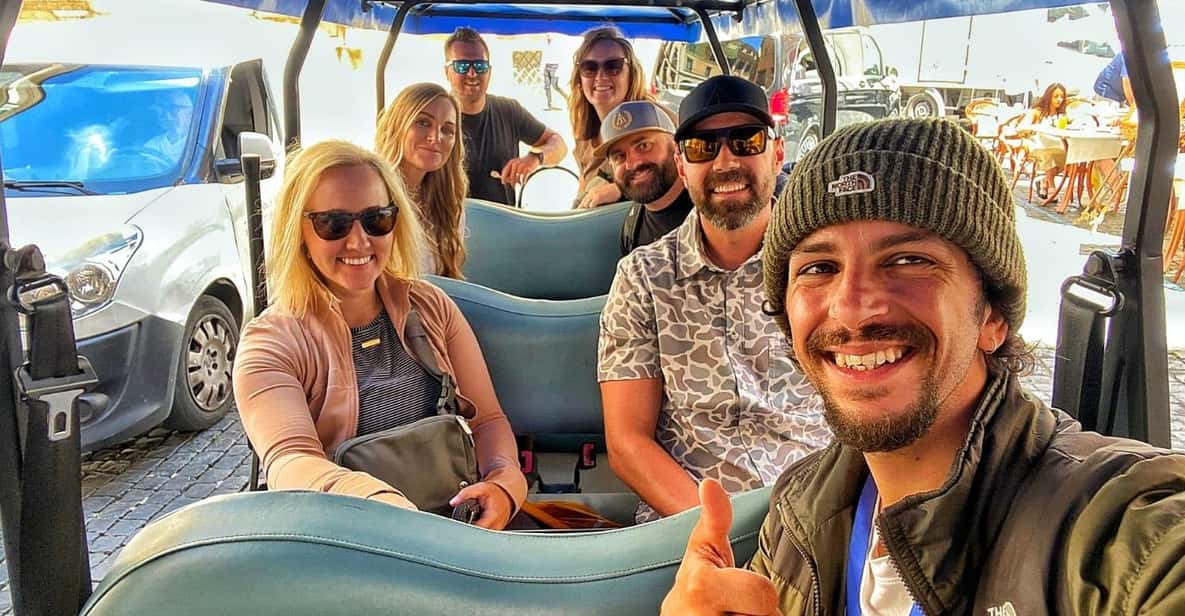
One more reason to feel good about booking: the experience has a strong quality signal from guide-led fun and clear positivity. In at least one set of experiences, a guide named Victor was specifically highlighted for being both informative and upbeat—exactly the kind of energy that makes a short tour feel longer in the best way.
If your goal is to get oriented fast, eat well, and still have energy for the rest of your day, this private golf cart route is a solid bet.
FAQ
How long is the private golf cart tour?
The tour duration is 3 hours.
Is this tour private?
Yes. It’s a private group tour, so only your group participates.
What’s included in the price?
Included are the golf cart tour, a guide, insurance, gelato, and restaurant advice.
Where do I meet the guide?
You meet at Piazza della Repubblica, 48, 00184 Roma RM, Italy, in front of Hotel Anantara. The tour ends back at the same meeting point.
Does the tour include hotel pickup and drop-off?
No. Hotel pickup and drop-off are not included.
What languages are available for the live guide?
The guide is available in English, Spanish, Russian, and Italian.
Can I bring luggage or large bags?
No. Luggage or large bags are not allowed.