REVIEW · ROME
Rome: Ultimate Colosseum, Roman Forum & Palatine Hill Tour
Book on GetYourGuide →Operated by Through Eternity Tours · Bookable on GetYourGuide
Rome can feel huge. It helps when someone guides the steps. This Colosseum, Roman Forum, and Palatine Hill tour keeps things tight and human-sized, while you learn the real story behind gladiator combat and the myths that grew around it. I especially like the way you get fact vs fiction about the games, and I love walking the Via Sacra where you can still spot ancient wheel-ruts.
The one thing to plan for is the walking. This is a 3-hour trek across major archaeological areas with uneven surfaces and stairs, so comfortable shoes and water are not optional. Also, if you prefer fully level ground, this probably won’t be your best Rome match.
In This Review
- Key Things I’d Not Skip
- The Smart Value of This 3-Hour Colosseum-Forum-Palatine Hill Loop
- Meeting at Largo Corrado Ricci: What to Do Before You Start Walking
- Inside the Colosseum Attic (Floors 3–5): Gladiators, Myths, and a Higher View
- Roman Forum: The Political Heart You Can Still Feel
- Palatine Hill Emperor Palaces and the Romulus Legend
- How the Guide and Small Group Shape Your Experience
- What You’re Really Paying For: Tickets, Fees, and Time With a Real Plan
- When Changes Happen (Jubilee Restoration) and How to Stay Flexible
- Should You Book This Colosseum, Roman Forum, and Palatine Hill Tour?
- FAQ
- Where do I meet the guide?
- How long is the tour?
- How many people are in the group?
- Is the tour in English?
- Is transportation to and from included?
- Does the price include entrance tickets and fees?
- What should I bring, and what’s not allowed?
- Is this tour wheelchair accessible?
- What is the cancellation policy?
Key Things I’d Not Skip
- Small group pacing: limited to 10 participants, so you’re not lost in a crowd.
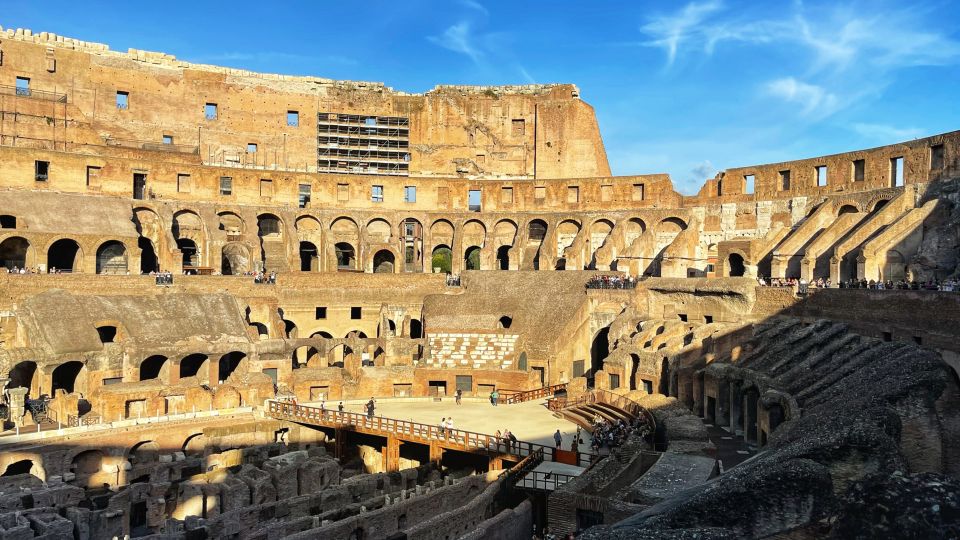
- Colosseum Attic access (floors 3–5): you get height and context, not just the ground-level photos.
- Gladiator stories with corrections: the guide focuses on what’s known versus what’s movie-ready.
- Roman Forum specifics: Senate area, Vestal Virgins, basilicas, major temples, plus triumphal arches.
- Via Sacra wheel-ruts: a rare “you can see it with your own eyes” moment.
- Palatine Hill emperor palaces: you walk the site tied to power and the Romulus legend.
The Smart Value of This 3-Hour Colosseum-Forum-Palatine Hill Loop
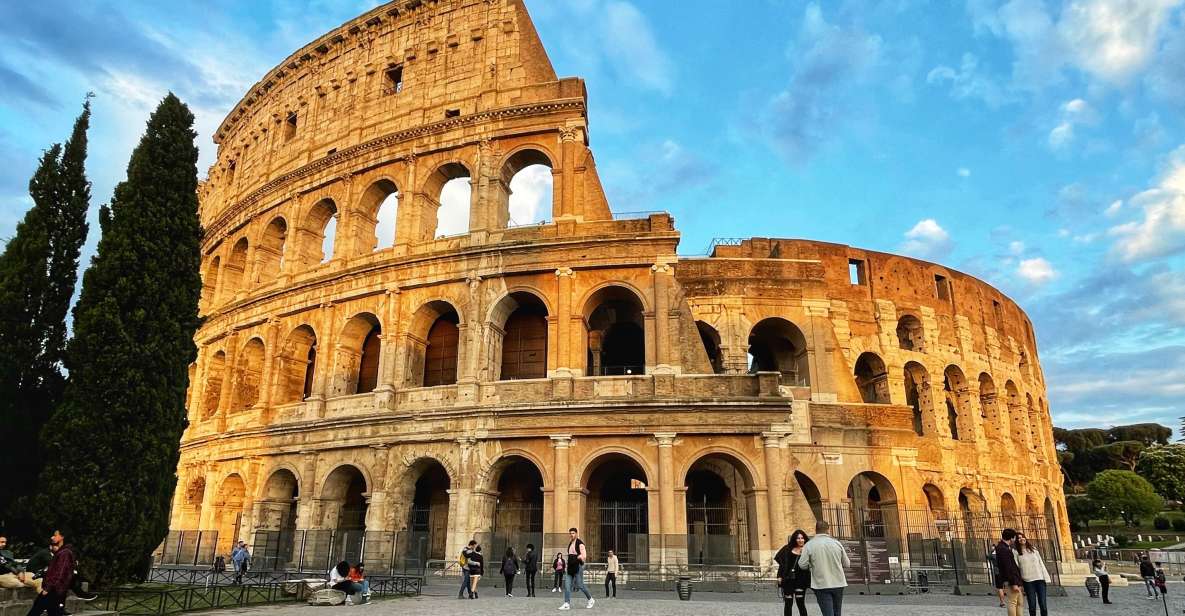
For a first-time Rome visit, you usually get one of two experiences: a long day with too many stops, or a short stop where you don’t really connect the dots. This tour aims for the sweet spot—3 hours covering the three heavy-hitters you came for. You’ll move from the imperial stage of the Colosseum to the political center of the Roman Forum, then up to the power homes on Palatine Hill.
Price matters in Rome, and this one is priced at $92 per person for a guided loop that includes entrance tickets and fees. In plain terms, you’re paying for the guide time plus the site access, not just “someone pointing at stones.” Since you’re also getting headsets for groups of 6 or more, the experience is set up to keep you hearing the explanations as you walk.
A big part of value here is focus. You don’t just look at monuments—you learn how they connect. The gladiator arena isn’t treated like a standalone postcard. It’s explained alongside the broader Roman world that made gladiators so central to public life.
You can also read our reviews of more tours and experiences in Rome.

Meeting at Largo Corrado Ricci: What to Do Before You Start Walking
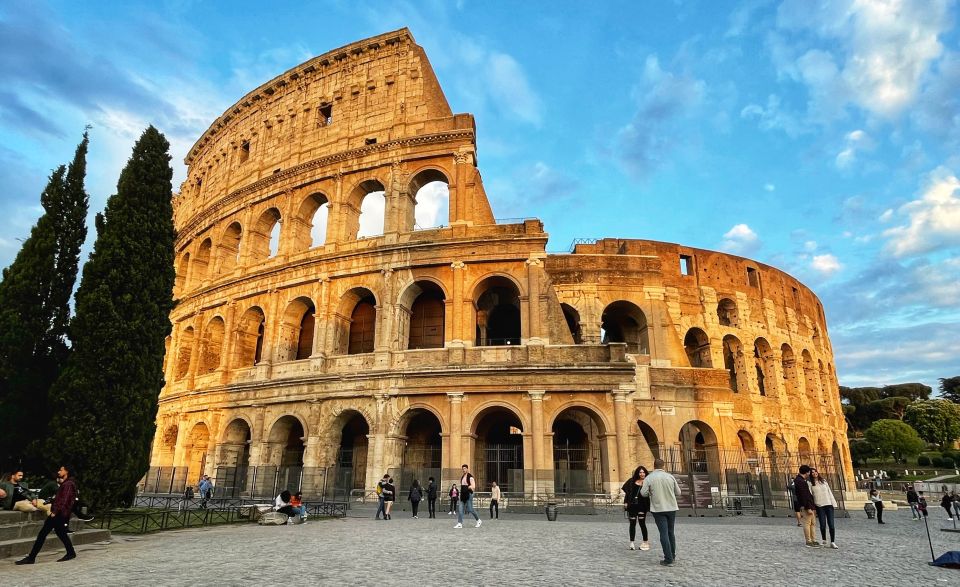
You meet at Largo Corrado Ricci, 43a, in front of Cafe/Restaurant Angelino ai Fori. Your guide should be holding a Through Eternity sign or flag. I like meeting in a real café area because it’s easy to orient yourself, and you can take a breath before the climbing and stepping begin.
The tour starts with a walk through large archaeological zones, so it’s worth arriving a few minutes early. You’re not just waiting for a time slot—you’re preparing your body for uneven stone, steps, and tight spaces.
Two practical notes from the tour rules: leave luggage and large bags behind (not allowed), and bring a bottle of water plus comfortable shoes. Even on a “short” tour, the sites are spread out enough that your legs will notice.
Inside the Colosseum Attic (Floors 3–5): Gladiators, Myths, and a Higher View
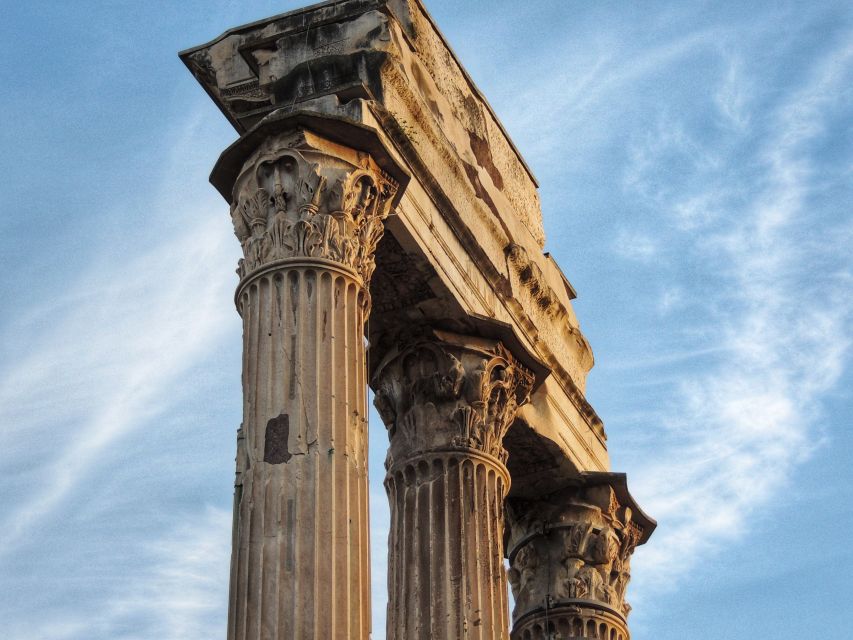
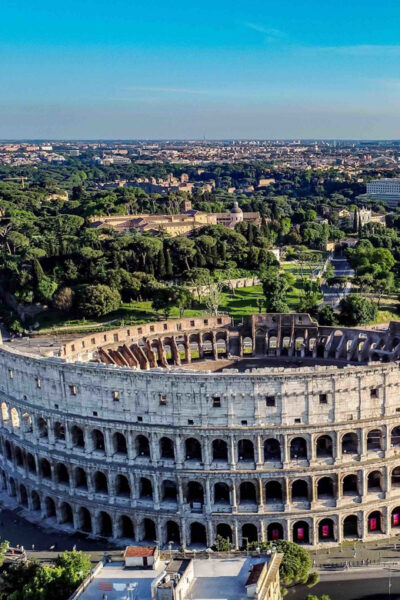
The Colosseum is the headline. But what makes this stop better than a quick photo loop is the way the guide frames it: the tour focuses on gladiator history and specifically the difference between fact and fiction. That matters because a lot of what people think they know about gladiators is movie-shaped, not source-shaped.
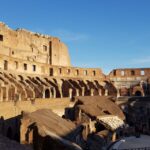
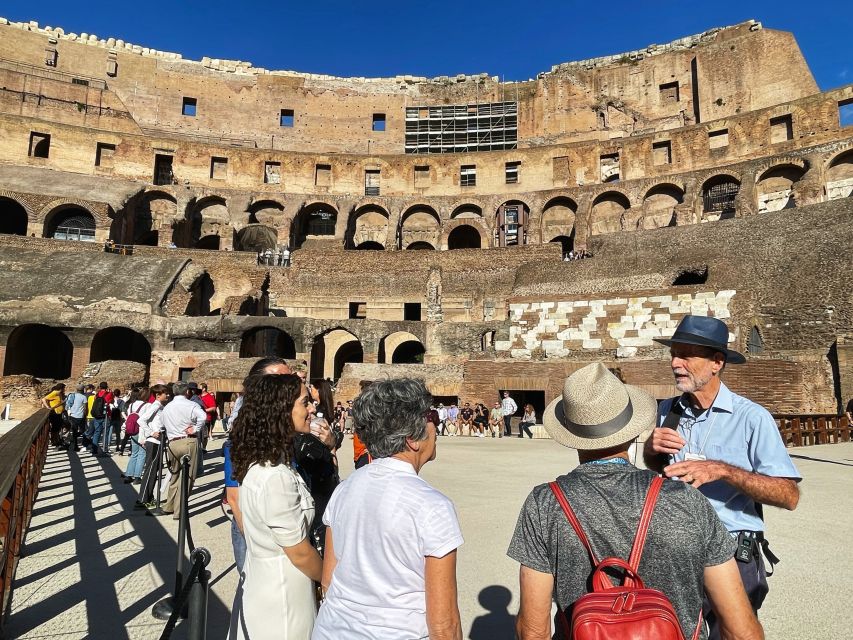
You’ll visit the Colosseum Attic on floors 3 to 5. Going higher helps your brain understand the space. From above, you can better grasp sight lines, crowd movement, and how spectacle was engineered on a scale that stunned even people at the time. It’s one thing to stand in the arena’s shadow; it’s another to see the building as a machine designed for entertainment.
This is also where the emotional payoff comes in. Gladiatorial games are legendary for a reason, and the tour connects that legend to what the venue was built to do. You’ll walk away feeling like you understand why the Colosseum landed in Roman politics and power, not just in popular culture.
If you’re the kind of person who hates feeling rushed, you might appreciate that the Colosseum segment is guided for about an hour. It’s long enough to absorb the story, not just enough to pass through.
Roman Forum: The Political Heart You Can Still Feel
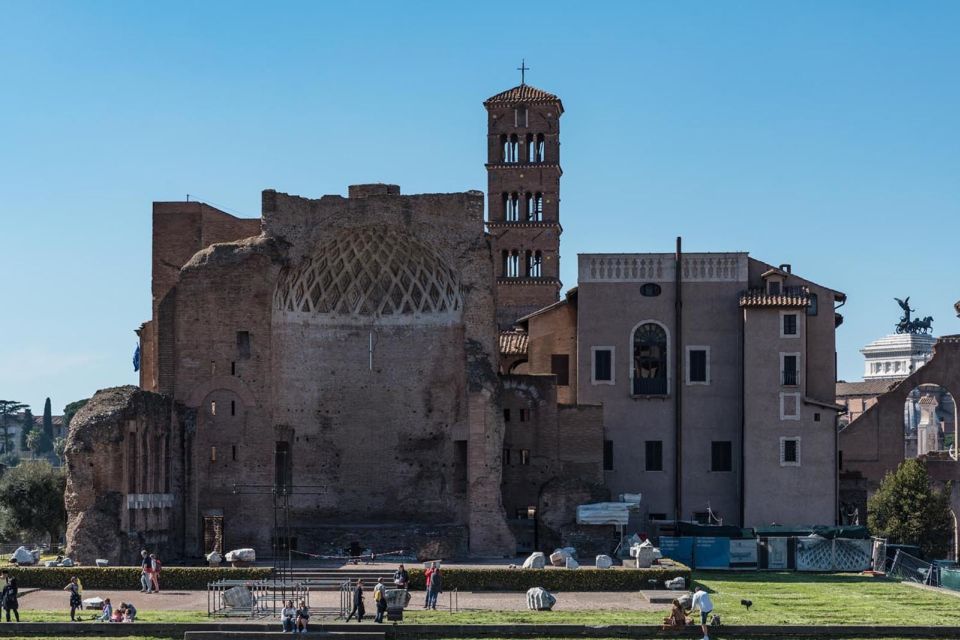
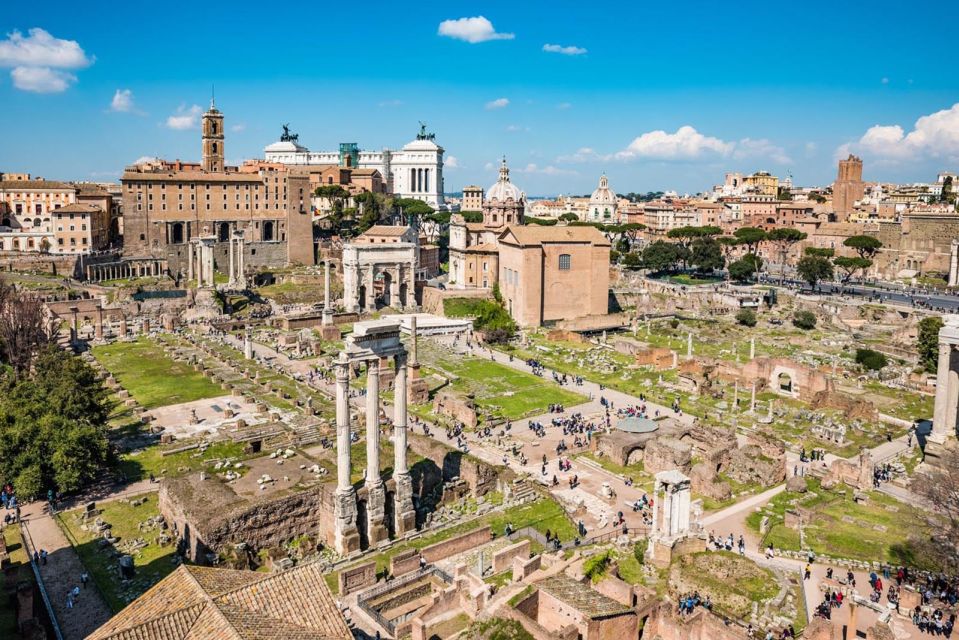
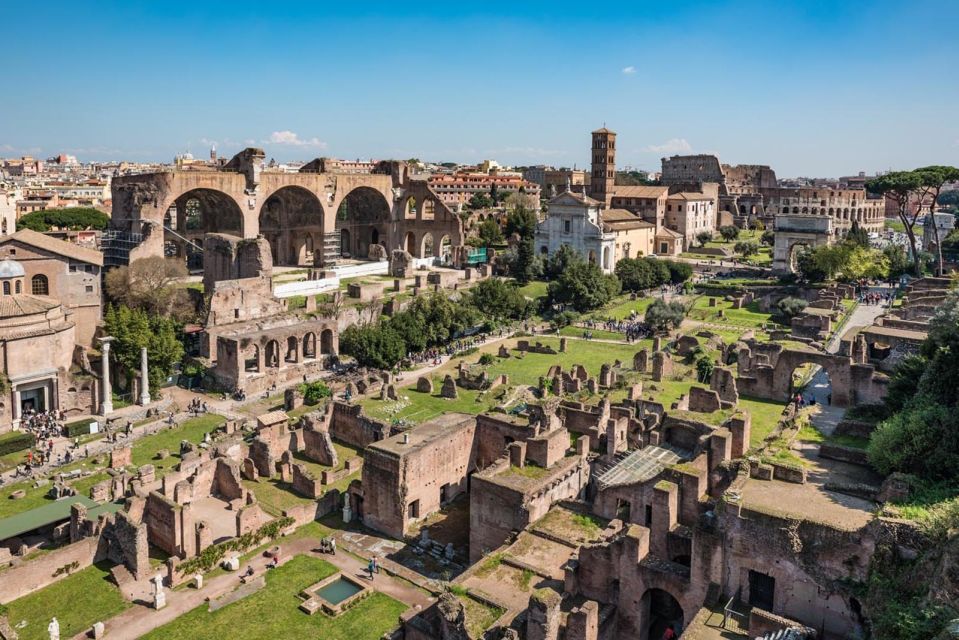
If the Colosseum is the stage, the Roman Forum is the control room. This stop is timed at about 1 hour of guided exploring, and it’s packed with landmarks that explain how Rome organized public life. The ruins can feel atmospheric in the best way—because they’re not rebuilt into something tidy. You’re reading history through the layout and the surviving details.
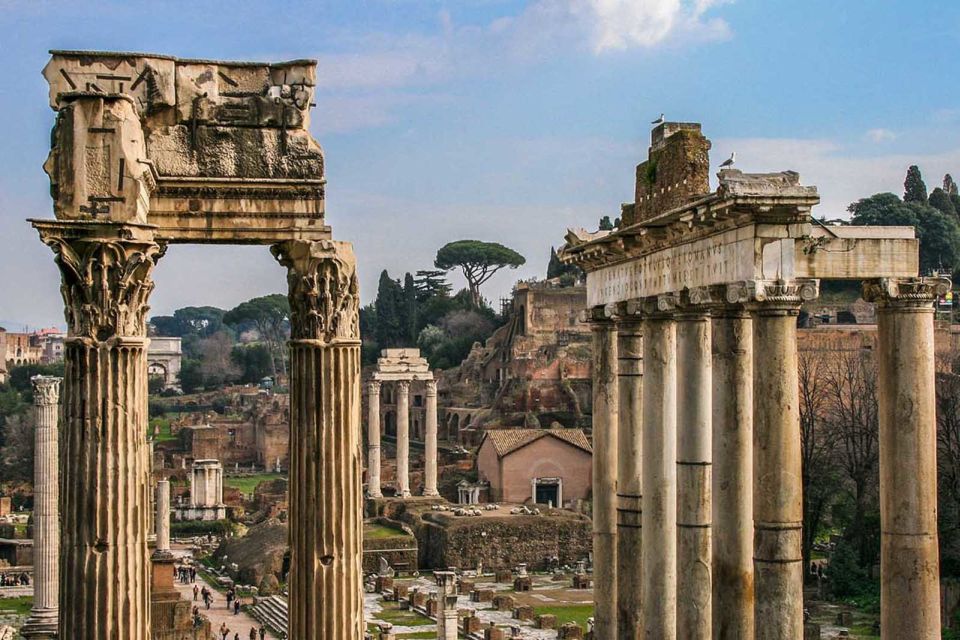
The tour includes major areas tied to government and religion: the Senate, the gardens, and the House of the Vestal Virgins. You’ll also see the Basilica of Julia and the Basilica of Maxentius, plus key temples such as Saturn and Castor and Pollux, and the Temple of Antoninus and Faustina.
Here’s what I think is the real win: the guide helps you connect these sites into a functioning world. You’re not collecting random names. You’re building a mental map of where people made decisions, honored deities, and managed civic life. That makes the Forum much more than a dramatic pile of columns.
One extra highlight here is the route itself. You’ll walk on the Via Sacra, one of the most important Roman roads, where you can still see the wheel-ruts carved by centuries of carriages. That’s the kind of detail that instantly makes the place feel real—your eyes land on evidence you’d never get from a museum caption.
And don’t skip the triumphal arches. The Arch of Titus and the Arch of Septimius Severus are included, giving you a visual reminder that Rome loved telling stories of victory in stone. It all reinforces the theme: spectacle and politics weren’t separate things. They were tangled together.
Palatine Hill Emperor Palaces and the Romulus Legend
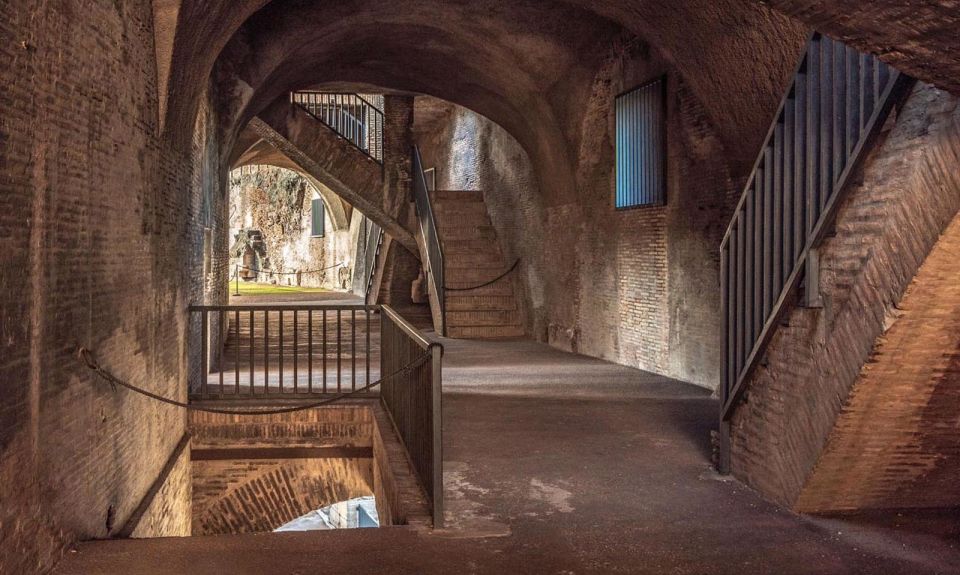
After the Forum, Palatine Hill shifts the mood. It’s not just public life anymore—it’s the world of power. This stop also lasts about 1 hour, and it focuses on the palaces of the emperors.
Palatine Hill is described as one of the most beautiful parts of ancient Rome, and it’s also tied to the site’s earliest legends. According to tradition, this was connected to the she-wolf story—where Romulus and Remus were found—then later where Romulus founded Rome. That blend of myth and place is exactly why Palatine matters. You’re standing somewhere that people in antiquity believed was tied to origins, not just later construction.
The practical payoff is the perspective. You look across areas associated with the city’s center, and you begin to understand why emperors wanted to live above the crowd. Even without heavy imagination, the location gives you a sense of control and visibility—an emperor’s advantage in a city built for image.
This is also a good moment for a slow-down. If you’ve been moving fast through the Forum’s tight corridors, Palatine’s open views can help your brain reset. You’ll still walk and climb, but the experience has a different rhythm.


How the Guide and Small Group Shape Your Experience
This tour is run as a small group limited to 10 participants, and that changes everything. Large groups make archaeology feel like a conveyor belt. Smaller groups make it easier to ask questions and get answers that match what you’re actually looking at in that moment.
You’ll travel with a live English guide. For groups of 6 or more, you get headsets, which is a huge help when you’re walking and talking over street noise and stone echo. Even if you consider yourself good at listening outdoors, headsets reduce frustration—and frustration is the enemy of enjoying Rome.
From the reviews, the guide experience stands out strongly: people describe a guide who was more than expected, and they felt the time flew by because the tour was engaging. There’s also a note that one person wanted a slower pace, which tells me the pace can feel quick depending on your style. The best move is simple: if you want more time to look at details, just say so during the tour so the guide can adjust.
What You’re Really Paying For: Tickets, Fees, and Time With a Real Plan
At $92 per person, this isn’t a bargain-basement deal, but it also isn’t overpriced for what’s included. You get entrance tickets and all fees and taxes, plus a guide who covers three high-demand sites in one organized loop.
You’re not paying separately for access, and you’re not paying for time spent figuring out logistics on your own. That’s where guided tours often earn their keep. Rome’s top sites are famous, which means they’re also famous for complicated entry systems and busy crowds.
Also, because it’s only 3 hours, you’ll see the most important areas without turning your trip into a full-day endurance event. If you want a first pass that helps you decide what to revisit later at your own pace, this is a smart way to start.
Just remember what isn’t included: transportation to and from the meeting and end point, and food and beverages. Plan to eat before or after, and don’t count on a snack stop during the tour window.
When Changes Happen (Jubilee Restoration) and How to Stay Flexible
Rome keeps updating its monuments. The tour notes that due to the Jubilee, some monuments may be under restoration, and you might receive messages about changes. That’s normal for a city where major sites keep cycling through maintenance.
If something shifts, treat it as part of the deal: the guide still focuses on the overall story of the Colosseum–Forum–Palatine Hill arc. Keep your expectations flexible, and stay ready to adapt if a specific area is temporarily closed.
Should You Book This Colosseum, Roman Forum, and Palatine Hill Tour?
I’d book this if you want a tight, guided route through Rome’s three biggest power sites, with explanations that separate gladiator legend from what’s actually known. The strongest reason to choose it is the combination of guided access (including tickets) and a pace that doesn’t drown you in details.
I’d skip or rethink it if you need fully accessible ground. The tour is not suitable for wheelchair users, and the walking involves steps and uneven surfaces. If you struggle with long walks or mobility limits, another format might serve you better.
One more decision tip: this tour ends at the Colosseum, which can be convenient for your next plan nearby. If you want to keep exploring the area afterward—either for photos or for a slower second look—this makes that easy.
FAQ
Where do I meet the guide?
You meet your guide in front of Cafe/Restaurant Angelino ai Fori at Largo Corrado Ricci, 43a. The guide will have a Through Eternity sign or flag.
How long is the tour?
The tour duration is 3 hours.
How many people are in the group?
This is a small group limited to 10 participants.
Is the tour in English?
Yes, the tour is guided in English.
Is transportation to and from included?
No. Transportation to and from the meeting and end point is not included.
Does the price include entrance tickets and fees?
Yes. The tour includes all fees and taxes, plus entrance tickets.
What should I bring, and what’s not allowed?
Bring comfortable shoes and water. Luggage or large bags are not allowed.
Is this tour wheelchair accessible?
No. It is not suitable for wheelchair users.
What is the cancellation policy?
The activity is non-refundable.