REVIEW · ROME
The Marvels of Rome: A Journey through Time and Landmarks
Book on GetYourGuide →Operated by Rome - Tour · Bookable on GetYourGuide
Five squares. One easy walking loop. This tour strings together Rome’s most famous corners into a tight time-saving route with story-first guidance that helps you notice what you’d otherwise pass by.
The one real consideration is walking time on uneven pavement. This experience is not recommended for limited mobility and isn’t a fit for mobility impairments.
In This Review
- Key points
- A 2-hour Rome route that makes $35 feel like a deal
- Piazza del Popolo: where your Rome story starts
- What to watch for during the Popolo stop
- Piazza di Spagna and the Spanish Steps: classic Rome, explained
- A practical tip for the Spanish Steps
- Trevi Fountain: Baroque drama plus the coin-toss ritual
- How to make Trevi less stressful
- Pantheon: the stop that turns architecture into something you can grasp
- Why 20 minutes works here
- Piazza Navona: Bernini’s fountains and a lively finish
- What you’ll remember from Navona
- The guide quality is the real differentiator (Celia, Estefani, Sarah)
- Price and value: $35 for five big landmark areas
- What to bring, what to wear, and what to skip
- Who should book this tour—and who should choose something else
- Should you book The Marvels of Rome?
- FAQ
- How long is the tour?
- What does it cost?
- Where do I meet the guide?
- What’s included?
- What languages does the live guide speak?
- What should I bring, and what clothing is not allowed?
- Is this tour suitable for limited mobility?
Key points
- Start at Piazza del Popolo (Santa Maria del Popolo)—your guide meets you right in front of the church with a company sign.
- Spanish Steps plus Piazza di Spagna—you’ll get a guided walk through the area that’s famous for more than one reason.
- Trevi Fountain includes the coin-toss tradition—a classic moment with context, not just photos.
- Pantheon stop for ancient architecture basics—great if you like engineering you can actually see.
- End in Piazza Navona near Bernini’s fountains—easy finishing point for cafes and street performers.
- Small, human touches from guides—from patient pacing to language fluency and even before/after visuals.
A 2-hour Rome route that makes $35 feel like a deal
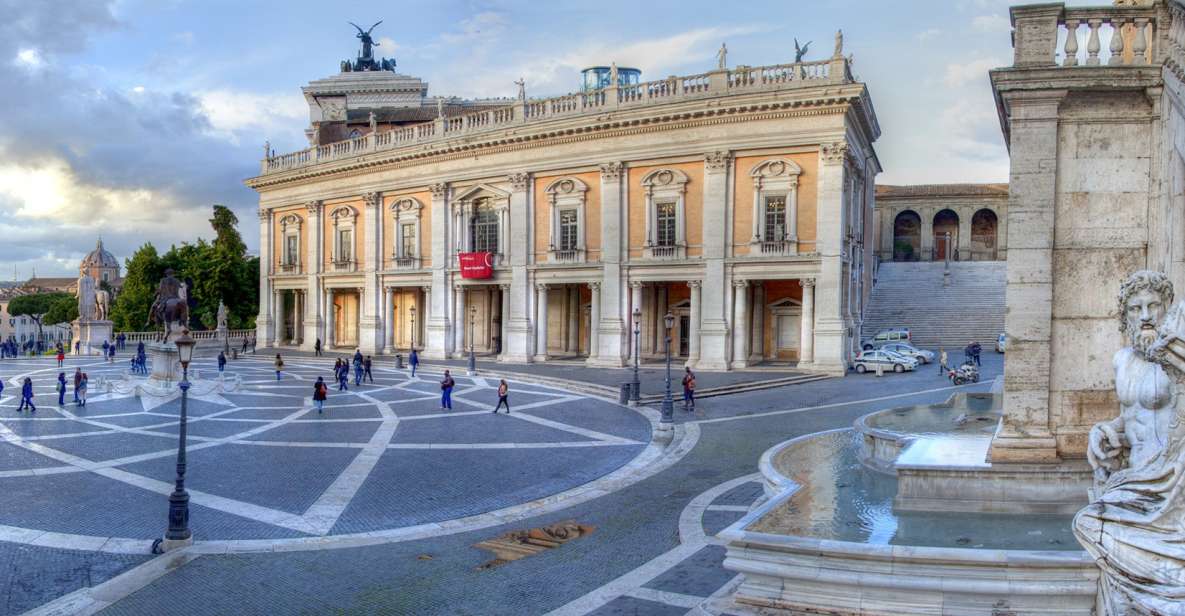
Rome can swallow time fast. You show up, you get lost, and suddenly the day is gone. This tour keeps you moving through five major landmark areas in two hours, with built-in stops timed for a quick “see it, understand it, move on” flow.
At $35 per person, the value comes from two things. First, you’re paying for a licensed guide who explains what matters at each stop (not just pointing). Second, the route reduces the planning headache of hopping between the Eternal City’s headline squares.
The tour is also practical for a short visit: if you only have a couple hours and want the highlights—Popolo, the Spanish Steps, Trevi, the Pantheon, and Navona—you’ll get them in one walk. Just keep your expectations realistic. This is a highlights-and-context experience, not a deep seminar.
You can also read our reviews of more tours and experiences in Rome.
Piazza del Popolo: where your Rome story starts
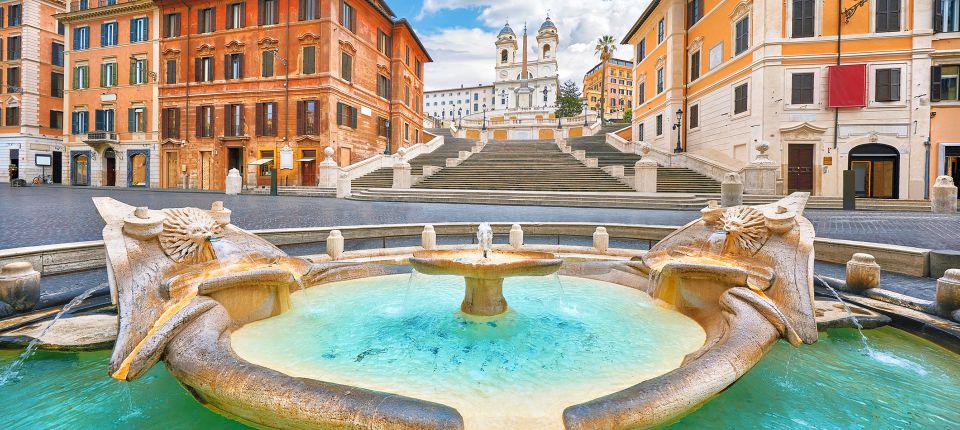
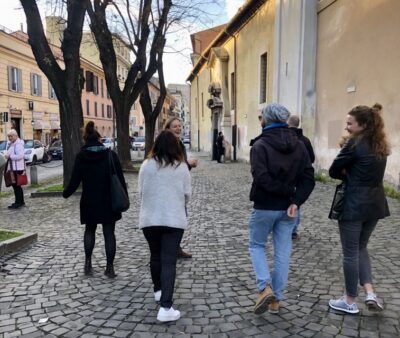
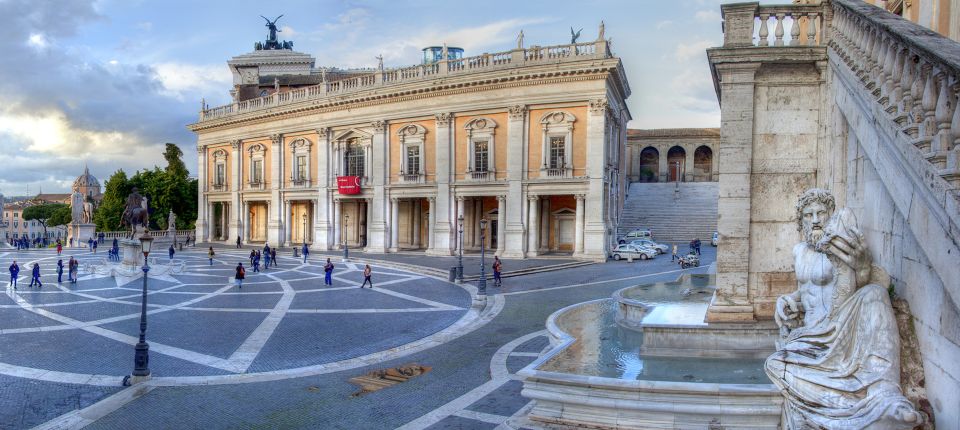
You begin at Basilica Parrocchiale Santa Maria del Popolo, meeting your guide in Piazza del Popolo in front of the church, holding a sign for the company. It’s a smart starting choice. Popolo is central, and it sets the tone: Rome as a layered city where squares aren’t just scenery—they’re stages.
Expect a guided look around Piazza del Popolo with time to take it in on foot. The guide’s job here is to give you mental anchors. Once you understand what you’re looking at in one square, the rest of the walk makes more sense.
What to watch for during the Popolo stop
You’ll get the most out of this first phase if you’re ready to slow down. Don’t rush the edges of the plaza. Rome’s entrances and sightlines matter, and your guide will help you connect the dots so you don’t just collect photos.
Piazza di Spagna and the Spanish Steps: classic Rome, explained
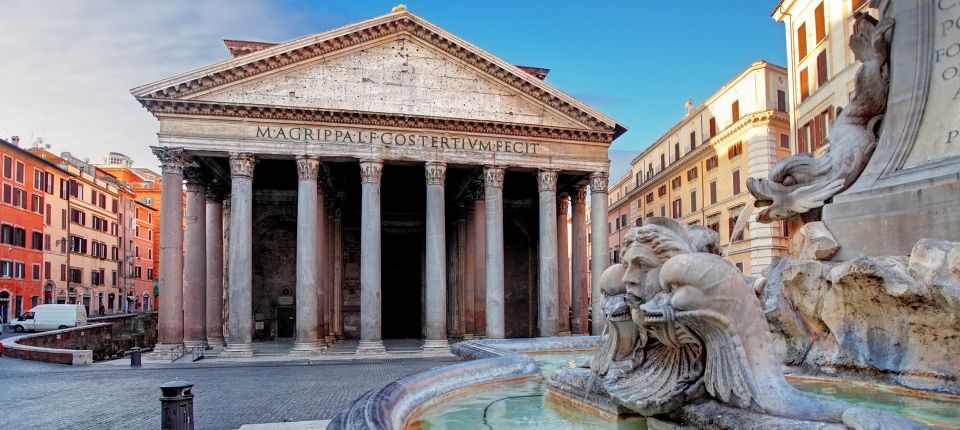
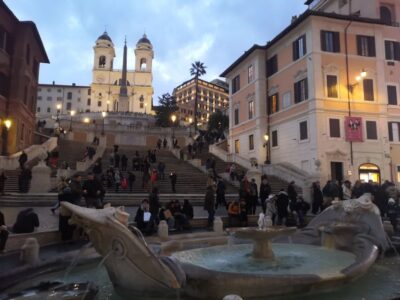
Next comes Piazza di Spagna, with a guided visit around the Spanish Steps area. This is one of those Rome locations everyone recognizes—yet it still helps to have someone frame it. You’re not just looking at stairs. You’re looking at how a landmark area became part of the city’s social life over time.
The stop is timed (around 20 minutes), so you’ll want to move with purpose. If you’re the type who likes to wander independently, do it after the guided segment. During the guide time, let their points lead you to the best angles and the details they think are worth noticing.
A practical tip for the Spanish Steps
Wear shoes that can handle curb cuts and uneven stone. You’ll be repositioning as you move between views, and the guide’s explanations go fastest when you’re not fighting your feet.


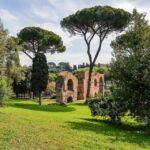

Trevi Fountain: Baroque drama plus the coin-toss ritual
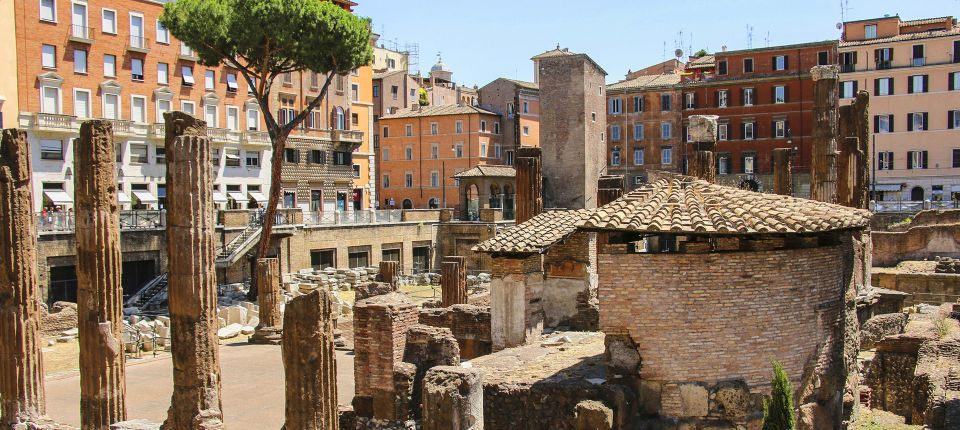
Then you reach Trevi Fountain, and this stop lasts longer (around 30 minutes). That extra time is a gift. Trevi is one of those places where your first sight can be a blur if you don’t pause. With a guide, you’re more likely to notice the design and the feeling of theatrical motion that makes the fountain famous.
This is also where the tour leans into a tradition. You’ll take part in the coin-toss custom—an old ritual tied to the idea you’ll return to Rome. Even if you don’t take traditions literally, the moment works because it makes you participate instead of just stand there.
How to make Trevi less stressful
Trevi is a magnet, so plan on staying flexible. The guide helps you find moments to look without feeling like you’re trapped in the thickest crowd. Bring patience, not speed. This stop rewards calm attention.
Pantheon: the stop that turns architecture into something you can grasp
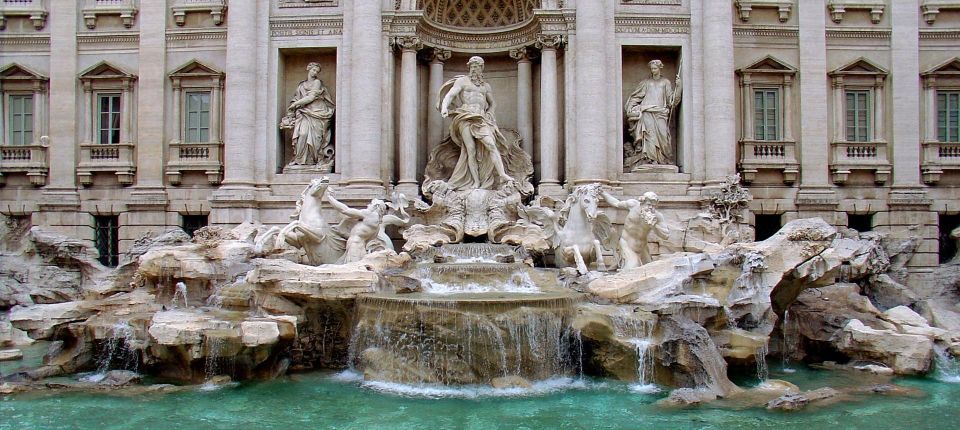
Next up: Pantheon, Rome. The guided time here is shorter (about 20 minutes), but the payoff is strong because you’re focusing on one building with huge visual impact.
Your guide frames the Pantheon as a lesson in ancient Roman engineering and architectural genius—the kind of explanation that makes a building feel more than just a postcard. This is a good match for people who like structure and design, not only dates and names.
Why 20 minutes works here
At some sites, spending extra minutes just means staring at the same view. At the Pantheon, a guide helps you notice “why this shape, why this space.” Once you understand the main idea, you can enjoy the building on your own afterward too.
Piazza Navona: Bernini’s fountains and a lively finish

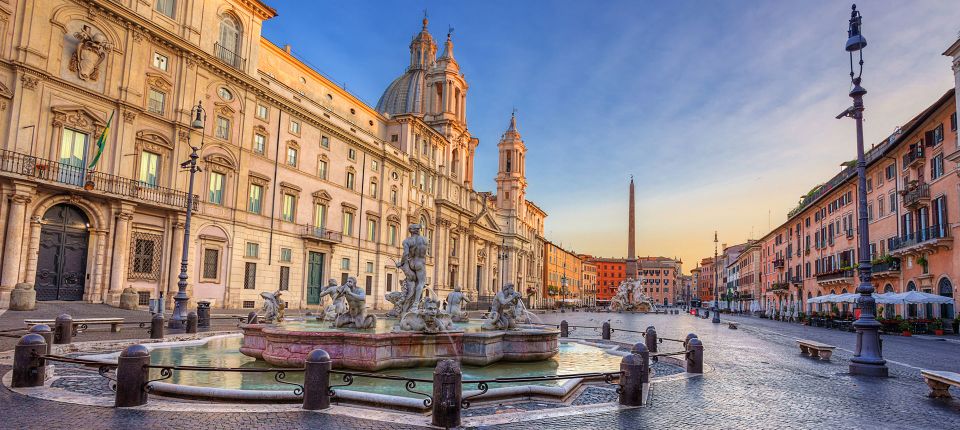
The tour ends at Piazza Navona, around 20 minutes on foot with guided sightseeing. This square is famous for its fountains linked to Bernini, and it’s also a practical finishing point because the area is geared for lingering—cafes, people-watching, and street performers.
The best way to use this final stop is simple: let the guide’s points settle into your mind, then spend a few extra moments just observing the square like it’s a stage. Navona is the kind of place where Rome’s public life feels right there in front of you.
What you’ll remember from Navona
You’ll likely remember two things: the fountain features and how the square feels like an outdoor room. It’s a strong “wrap-up” location, especially if you’re continuing exploring afterward.
The guide quality is the real differentiator (Celia, Estefani, Sarah)
A tour lives or dies by the person leading it. The reviews highlight that the guides bring warmth, patience, and real communication skills.
- Celia gets praise for being kind, considerate, and patient, and that matters because Rome landmarks can be tiring fast.
- Estefani is mentioned for being exceptionally organized and for using a book with before-and-after visuals, which helps you compare how places look now versus how they used to function.
- Sarah receives notes for being a great guide with strong command of French, which is a big deal if language fluency affects your ability to follow details.
There’s also one caution. One review notes that the historical detail wasn’t enough for someone looking for deeper content. So if you’re the type who wants an academic-level lecture on every corner, this tour may feel short on specifics. But if you want clarity and context for major sights, it tends to hit the sweet spot.
Price and value: $35 for five big landmark areas
Let’s talk money without the hand-waving. $35 for a 2-hour guided walk through five major landmark areas is not crazy if you understand what you’re buying.
You’re buying:
- a licensed guide who adds meaning to what you see
- a route that strings together major squares efficiently
- enough time per stop to get context without burning half a day
You’re not buying:
- a slow, hour-by-hour immersion in one monument
- a full-on research project with deep historical citations
For many visitors, that’s exactly right. If your schedule is tight, this is a way to stack the best-known sights with explanations that make your photos feel smarter.
What to bring, what to wear, and what to skip
This tour is built for walking, so your preparation matters.
Bring:
- Comfortable shoes
- Water
Wear guidance:
- No sleeveless shirts (this is listed as not allowed)
Don’t bring:
- luggage or large bags (also listed as not allowed)
If you hate carrying anything, pack light. Rome squares are manageable until you’re stuck juggling bags and water bottles while trying to keep up.
Who should book this tour—and who should choose something else
This is a strong fit if you:
- want a quick highlights loop through Popolo, Spanish Steps, Trevi, the Pantheon, and Navona
- appreciate a guide who explains what you’re seeing in plain language
- prefer structured sightseeing over planning every hop yourself
This is not the best fit if you:
- need an accessibility-friendly route, because it’s not recommended for limited mobility
- require a long, deeply detailed history lesson at each stop, since the timing is designed for a short overall experience
If you’re balancing Rome fatigue (and you will), this tour’s structure can actually help. It gives you a clear path and keeps you from spending your energy wandering without direction.
Should you book The Marvels of Rome?
If you have two hours, want the headline squares, and like the idea of a guide making the places click, I think you’ll be glad you booked. The best part is the combination of major landmarks plus a route that keeps you from wasting time between stops.
Skip it only if your priorities lean toward heavy, academic-depth history or if mobility needs make walking this route unrealistic. For everyone else, this is a solid way to get an educated, photo-friendly taste of Rome’s central icons without turning the day into a logistics puzzle.
FAQ
How long is the tour?
The tour duration is 2 hours.
What does it cost?
The price is $35 per person.
Where do I meet the guide?
Meet the guide in Piazza del Popolo, right in front of Santa Maria del Popolo. The guide will be holding a sign with the company name.
What’s included?
A licensed English-speaking guide is included.
What languages does the live guide speak?
The live tour guide is available in Spanish, French, and English.
What should I bring, and what clothing is not allowed?
Bring comfortable shoes and water. Sleeveless shirts are not allowed.
Is this tour suitable for limited mobility?
No. It is not recommended for people with limited mobility, and it is not suitable for mobility impairments.