REVIEW · ROME
Assisi & Orvieto Day Trip from Rome
Book on GetYourGuide →Operated by Green Line Tours · Bookable on GetYourGuide
A day trip to Orvieto and Assisi changes your pace fast. You get a guided walk through Assisi’s most important Franciscan sights and a stop at Orvieto Cathedral, sitting above the Umbrian valleys like a carved crown. It’s the kind of itinerary that feels both scenic and educational, without needing a car or complicated planning.
What I like most is the pairing: Orvieto’s Gothic Duomo first, then Assisi’s sacred center later in the day when the light and crowds can feel different. I also love that lunch is included and the itinerary is built around actual local stops, not just photo pull-offs.
One drawback to keep in mind: this is a long day and a bit of a whirlwind, so if you want to linger for hours in either town, you may feel time pressure, especially around major church visits with dress rules and strict entry rules.
In This Review
- Key things to know before you go
- From Rome to Umbria: why this day trip works
- The long bus ride, and how to make it comfortable
- Orvieto first: the Duomo you can’t unsee
- Tuscany hills and wine-country views from the bus
- Lunch included: what it buys you (and what to watch)
- Assisi on foot: St Francis, St Clare, and key landmarks
- St Francis Basilica: frescoes, rules, and how to plan your moment
- Timing and pacing: where the day feels tight
- Price and value: is $174.46 a fair deal?
- Who should book this tour, and who should skip it
- Booking decision: should you go on this Assisi and Orvieto day trip?
- FAQ
- FAQ
- How long is the Assisi & Orvieto day trip from Rome?
- What does the tour price include?
- Are drinks included with lunch?
- Where do I meet the group in Rome?
- What time will I be back in Rome?
- Is there a dress code?
- Do I need comfortable shoes?
- Is the tour suitable for people with mobility impairments?
- Are pets allowed?
- Is the Orvieto Cathedral entrance included?
Key things to know before you go
- Orvieto Cathedral (14th-century Gothic): the main wow factor, with a small chance you’ll need an entry ticket for the cathedral itself.
- Guided Assisi walk: you’ll cover the key Franciscan and historic landmarks in one efficient route.
- Real countryside driving: Tiber Valley out of Rome, plus Lake Trasimeno along the way back.
- Lunch included: traditional dishes served during a proper break from bus time.
- St Francis Basilica visit: plan around a no-photography rule inside.
- Dress code enforced at churches: shoulders and knees covered, no sleeveless tops or shorts.
From Rome to Umbria: why this day trip works
If Rome is your trip’s main character, Umbria is the side story that steals the show. This tour keeps you out of the city stress for a full day and replaces it with hill towns, big views, and guided walking that helps you understand what you’re seeing. Even the drive matters here: the route through the Tiber Valley and the later pass by Lake Trasimeno give the day a sense of movement, not just a shuttle to two stops.
You get two different flavors of Italy in one go. Orvieto is a dramatic, medieval hill town with one standout centerpiece: its cathedral. Assisi is slower in feeling, built around religious architecture and the sites connected to St Francis and St Clare. Put together, it’s a very “Italy” mix: stone, faith, and countryside.
You can also read our reviews of more tours and experiences in Rome
The long bus ride, and how to make it comfortable
This tour is built around transportation, so the bus time isn’t optional. You leave Rome and drive north along the Tiber Valley to reach Orvieto, then you continue through the green hills of central Italy before heading to Lake Trasimeno and finally Assisi. Returning to Rome lands you around 7:30–8:00pm, which is why the day feels full.
Bring a couple of comfort basics and you’ll enjoy it more. Comfortable shoes help because you’ll walk in both towns. The tour also has a dress code for church interiors, so plan your outfit early: no sleeveless tops and no shorts, with shoulders and knees covered. On a day like this, that rule shapes everything from what you wear on the bus to what you can quickly change into for church stops.
If you’re sensitive to long days, consider that you’ll spend more time traveling than you might expect for a 12-hour outing. Reviews also describe some days running a touch longer than planned, so you’ll want a flexible mindset.
Orvieto first: the Duomo you can’t unsee
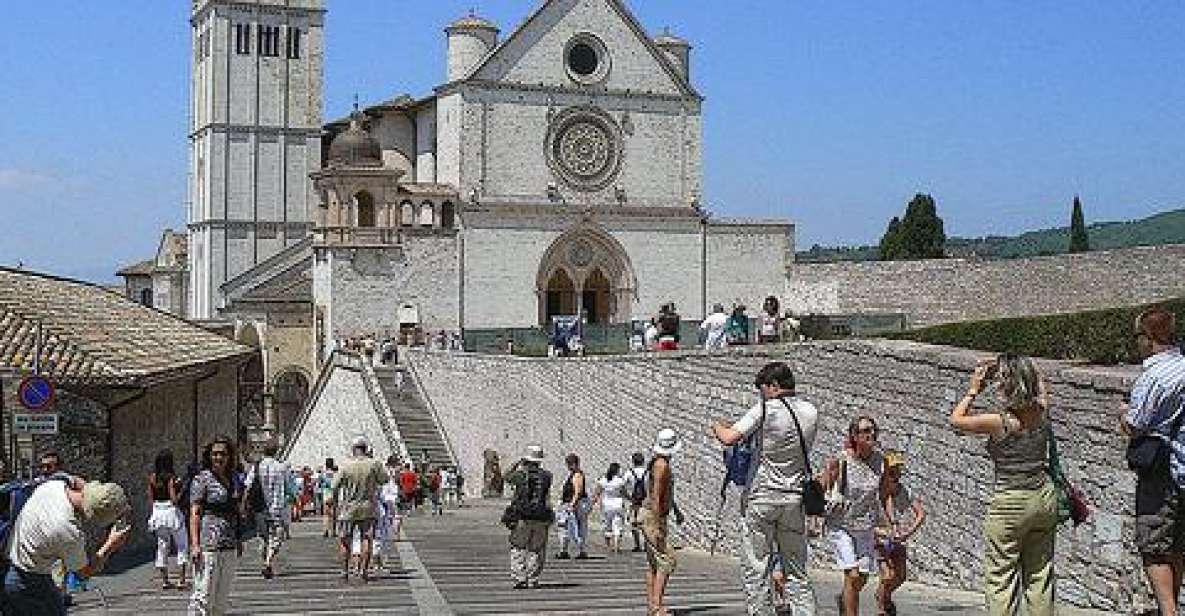
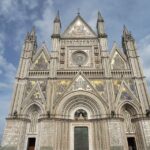
Orvieto is one of those towns that looks like it was designed for drama. It sits up high, with the old streets stacked around the cathedral area. You’ll reach Orvieto as your first stop, with time to admire the 14th-century cathedral—a Gothic masterpiece that dominates the skyline.
What makes the Duomo stop special is how clearly it tells you what Orvieto was about. The town has Etruscan roots, but the cathedral is the loud medieval statement. Up close, the architecture feels intricate rather than just grand. You’re not only looking at a pretty building; you’re seeing a work designed to last centuries and announce itself from far away.
Practical note: the cathedral entrance may cost extra on-site. In one common experience, people reported a small entry ticket for the Orvieto Cathedral itself (purchase on site). So if you care about going inside, assume you might pay an add-on and bring cash or a card just in case.
Orvieto can also feel a little maze-like once you’re in the old town streets. If you want to shop or wander, you’ll be juggling that with your guided time. My advice: treat the cathedral area as your anchor. If you’re hungry, plan a snack later. If you want photos, pick your best angles near the cathedral rather than trying to cover every alley.
Tuscany hills and wine-country views from the bus
Between Orvieto and Assisi, the driving route does a quiet job of teaching you the geography of the region. You pass through rolling countryside with olive groves and vineyards—exactly the setting you’d expect in Italy’s central wine belt.
This is also where the tour connects to famous wine names you’ll hear in shops and restaurants back in Rome. The itinerary mentions that the area is known for D.O.C. wines, including Orvieto, Chianti, and Brunello di Montalcino. You won’t be doing a formal tasting here, but you are seeing the kind of landscape that makes those wines possible.
What this means for you: even if you’re not a wine super-fan, the views help break up the day. It’s a nice mental reset between two towns where you’ll do a lot of walking and looking up at buildings.
Lunch included: what it buys you (and what to watch)
Lunch is included, and that matters more than it sounds. When a day trip covers two big towns, meal breaks become part of the pacing, not just the food. Here, lunch is served as a traditional local meal, and the idea is simple: give your legs and brain a reset between bus time and the next walking tour.
From experiences people shared, lunch is often served at a farm or agriturismo-style setting. That usually means a more relaxed atmosphere than a quick tourist cafeteria stop. The food itself is described as good, and in a lot of cases it’s enough to genuinely feel like a local moment instead of just a checkbox.
Two practical points to plan around:
- Drinks may not be included, so you might pay for water or other beverages at lunch.
- Since the day is time-tight, you won’t have a huge window for lingering. Eat at a normal pace, and you’ll be fine.
If you’re picky, it’s still smart to be realistic. This isn’t a custom tasting menu, and included lunches on tours tend to be traditional and straightforward. If you’re open to Umbrian and Tuscan comfort food, you’ll probably feel like lunch was a solid win.



Assisi on foot: St Francis, St Clare, and key landmarks
Assisi is where the tour slows down in meaning even if the schedule stays full. You arrive in the early afternoon and get a guided walk through the historic center at the foot of Mount Subasio. The town is famous for St Francis’ birthplace, and the itinerary is built around that story.
You’ll see sites tied to the Franciscan legacy, including the Church of St Claire and the area connected to St Francis’ birthplace and childhood home. You also pass major landmarks such as Townhall Square, the People’s Palace, and a Roman temple dedicated to Minerva. These aren’t just trivia stops. They help you understand how Assisi blends medieval Christian life with older layers of Roman-era presence.
The highlight for many people is the time spent at St Francis’ Basilica, near the ancient city walls. That part of the day feels like the emotional center of the tour: you go from town streets and explanations to the kind of sacred space where the architecture and frescoes do most of the talking.
St Francis Basilica: frescoes, rules, and how to plan your moment
Inside St Francis Basilica, the tour focuses on the spectacular frescoes painted between the 12th and 14th centuries. This is the reason many people sign up in the first place. The frescoes aren’t just decoration; they’re the visual timeline of the story the basilica is telling.
There’s also an important rule that affects your experience: photography may be prohibited inside. If you’re hoping for a full set of pictures for social media or keepsakes, plan to rely on your memory for the core scenes. The good news is that the basilica is visually overwhelming in person, and spending time simply looking tends to feel better than rushing for shots anyway.
Dress code is also strictly enforced at churches. So before you leave the bus, check your outfit. Shoulders and knees must be covered for both men and women. If you show up with sleeveless tops or shorts, you risk being refused entry.
Timing and pacing: where the day feels tight
This tour is long, and the walking is real. You’re dealing with travel time, two town centers, and guided visits to major church interiors. That’s why people who want free roaming time can feel slightly limited.
In Orvieto, the time for exploring can feel short compared with how big the cathedral area and streets feel once you’re there. In Assisi, you may get a better sense of the town, but the basilica visit and religious-site rules still shape your schedule.
My practical takeaway: go in with the right expectations. This day trip is built for seeing highlights with a guide and then absorbing the atmosphere. It’s not built for slow wandering in every lane.
If you want extra time in either town, do one of these:
- Choose strong priorities: cathedral in Orvieto, basilica in Assisi.
- Plan to buy snacks on the go rather than assuming you’ll stop for a long café break.
- Accept that you’re returning to Rome late evening, so conserve energy earlier in the day.
Price and value: is $174.46 a fair deal?
The price is $174.46 per person, with a 12-hour day. That sounds like a lot until you map what’s included versus what isn’t.
Included:
- Transportation by coach
- Lunch
- Local guides
Not included:
- Drinks
- Hotel pickup/drop-off
- Potential on-site entry fees (for example, a reported extra fee for the Orvieto Cathedral)
So what you’re paying for is not just the drive. You’re paying for guided time in both towns, plus a structured day that removes navigation stress. If you were doing this solo, you’d still need transport out of Rome, time on the ground, and some way to make sense of the religious architecture—none of which is free in time or money.
Where the value can feel weaker is when you want more independent time. If you’d rather go at your own pace, or spend hours in churches without a schedule, you may feel like the day is over-organized. If you’re happy following a route and learning what you’re seeing, it often feels like strong value for a first-time visit to both places.
Who should book this tour, and who should skip it
This tour is a good fit if you want a guided overview of two top Umbrian towns and you don’t want the hassle of planning logistics. It’s especially attractive for first-timers to Assisi who care about St Francis’ basilica and want the story explained while you walk.
It’s also a decent choice if you like comfort. The bus ride is part of the experience, and the included lunch gives you a break from sightseeing pressure. Many people also highlighted how smoothly the day runs when you have a strong driver and a clear guide.
It’s not ideal if:
- You have mobility issues. The tour is listed as not suitable for people with mobility impairments.
- You want lots of unstructured time. This is a guided highlights day.
- You dislike dress code rules. Churches require shoulders and knees covered, and enforcement is strict.
Booking decision: should you go on this Assisi and Orvieto day trip?
I’d book this tour if your priority is seeing Orvieto’s Gothic Duomo and experiencing Assisi’s Franciscan sites with guidance, plus having lunch handled for you. It’s one of the more efficient ways to cover a big slice of Umbria from Rome without renting a car.
I wouldn’t book it if you’re chasing a slow, long lingering day. This itinerary is designed for highlights, not deep free time. If you can’t handle long coach hours and tightly managed church visits, you’ll likely feel rushed.
Quick final check before you book: pack comfy shoes, plan for a no-photography church moment, and dress in a way that passes the strict rules without stress. If you do that, this day trip can feel like a perfect contrast to Rome.
FAQ
FAQ
How long is the Assisi & Orvieto day trip from Rome?
It runs for about 12 hours.
What does the tour price include?
The tour includes transportation, lunch, and local guides.
Are drinks included with lunch?
No. Drinks are not included.
Where do I meet the group in Rome?
The meeting point is at 32 Via Giovanni Amendola (GLT terminal), about 10 minutes before departure.
What time will I be back in Rome?
The tour returns to the meeting point around 7:30 to 8:00pm.
Is there a dress code?
Yes. For places of worship and selected museums, you must cover knees and shoulders. Sleeveless tops and shorts are not allowed.
Do I need comfortable shoes?
Yes. Comfortable shoes are recommended because you will walk during the guided parts of the tour.
Is the tour suitable for people with mobility impairments?
No. It is listed as not suitable for people with mobility impairments.
Are pets allowed?
No pets are allowed, but assistance dogs are allowed.
Is the Orvieto Cathedral entrance included?
The tour description doesn’t specify entry fees for the cathedral. One reported experience is that the cathedral ticket may be purchased on site.