REVIEW · ROME
Rome: Campo de Fiori, Jewish Ghetto and Trastevere Food Tour
Book on GetYourGuide →Operated by Eating Europe Food Tours · Bookable on GetYourGuide
A food tour in Rome works best when it teaches your feet, not just your stomach. This one strings together Campo de’ Fiori, the Jewish Ghetto, and Trastevere so you taste your way through real neighborhoods. Two things I really like: you get a serious mix of flavors (not just carbs on carbs), and the evening energy in Trastevere keeps the tour from feeling like a history lesson on repeat.
The food is a big deal here, and that’s the point. Just keep in mind there are rules: severe or life-threatening allergies can’t join, and the tour isn’t for wheelchair users. Also, the Campo de Fiori market stop only happens on the morning tour.
In This Review
- Key highlights you’ll actually notice
- From Campo de’ Fiori to Trastevere: a route built for flavor
- Meeting point reality check (and why arriving early helps)
- Morning vs evening: when Campo de’ Fiori makes the difference
- Stop-by-stop: what you’ll eat and where the flavors come from
- 1) Campo de’ Fiori market stop: scents first, then tastes
- 2) Jewish Ghetto tasting: Roman-Jewish classics with real character
- 3) Da Enzo in Trastevere: the fried artichoke moment
- 4) Spirito Divino: pasta with wine and a cellar story
- 5) Porchetta and other included Roman bites
- 6) Dessert and gelato: sour cherry tart plus the cooling finish
- The Jewish Ghetto walking component: more than food
- Trastevere lanes: how the walking makes the food make sense
- Price and value: what $146.14 really buys you
- Who should book this tour (and who should skip it)
- Should you book the Rome Campo de’ Fiori, Jewish Ghetto, and Trastevere Food Tour?
- FAQ
- How long is the tour?
- What does the price include?
- Where do I meet the guide?
- Do I visit Campo de’ Fiori market every day?
- What happens on the evening tour?
- Is it wheelchair accessible?
- Are pets allowed?
Key highlights you’ll actually notice
- 6 food stops that include wine, beer, and multiple Roman classics
- Spirito di Divino for a fresh pasta meal paired with wine
- Da Enzo for the legendary Jewish-style fried artichoke
- Jewish Ghetto landmarks and local favorites you won’t get just by wandering
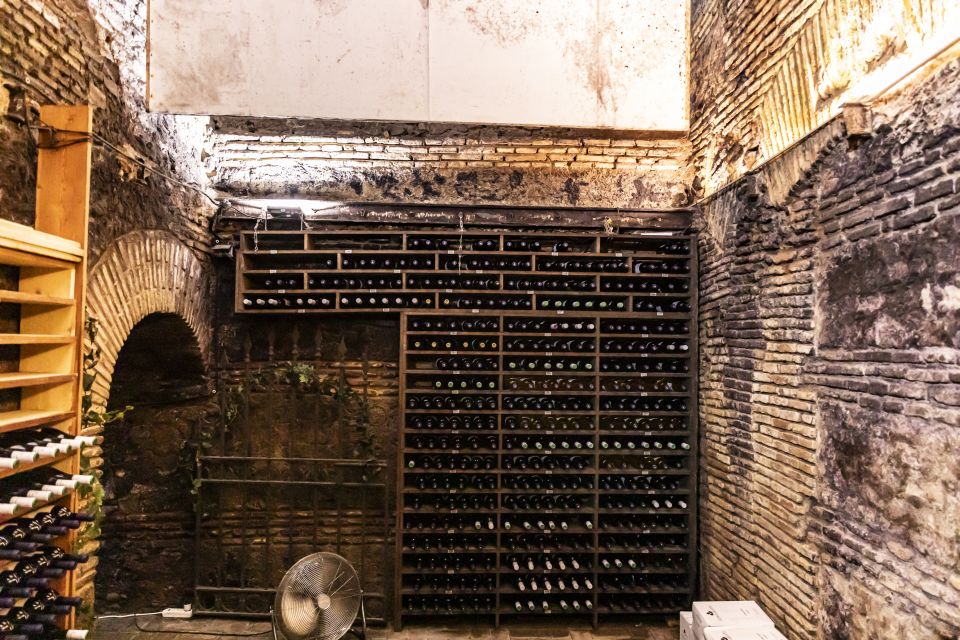
- A wine cellar visit tied to the slow-food story at Spirito Divino
From Campo de’ Fiori to Trastevere: a route built for flavor
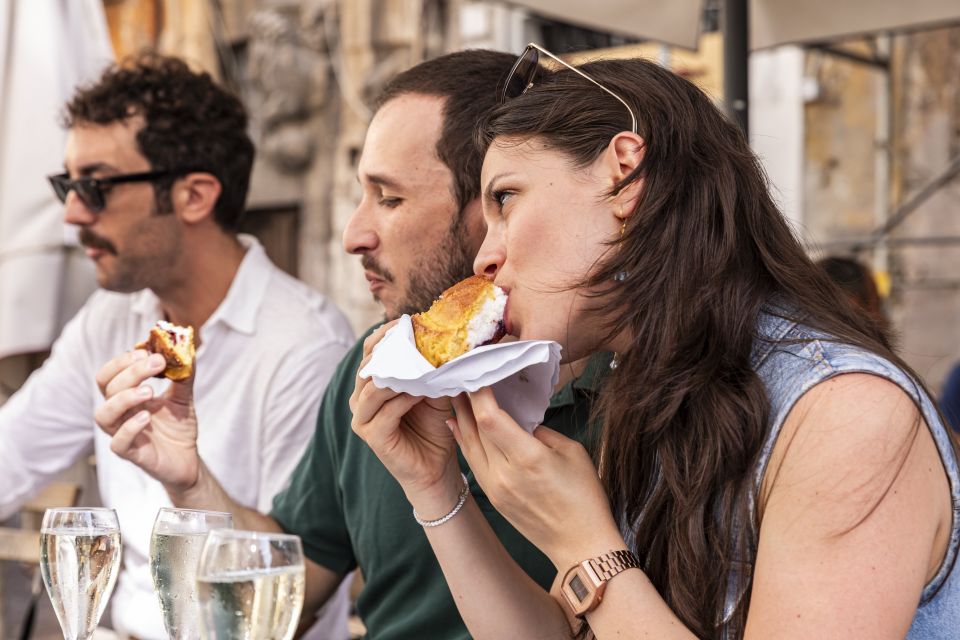
The best part of this tour is the flow. You start at Campo de Fiori, then move into the Jewish Ghetto, then finish in Trastevere, with each area changing the mood and the kind of food you’re offered. It’s a walking tour with enough structure to prevent the usual Rome problem: you know you’re hungry, but you’re not sure what to trust.
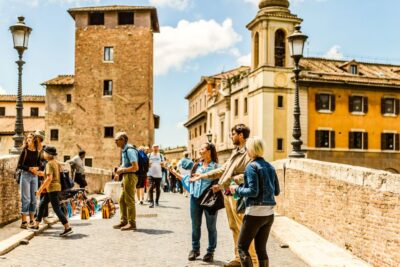
You’ll also cover real Rome geography in a short time. Along the way, you cross Rome’s oldest bridge and weave through Trastevere’s hidden passages, so it feels like a guided shortcut through lanes you’d otherwise walk past twice. That matters because the food is served in context—each stop connects to where you are and what the neighborhood is known for.
You can also read our reviews of more food & drink experiences in Rome


Meeting point reality check (and why arriving early helps)
Your guide meets you next to the only newspaper stand in the square. Look for someone holding an Eating Europe sign. The tour starts on time, so arriving 15 minutes early is the easiest way to avoid a rushed start.
From the reviews, I also took note of a recurring theme: guides like Georgia and Walter are described as friendly, funny, and sharp on details. That’s exactly what you want on a food tour—someone who can keep things moving and answer questions without turning every stop into a lecture.
One practical note: the tour ends back at the meeting point. That’s helpful because it makes it easy to plan a post-tour dinner (or a gelato stop that doesn’t require navigation gymnastics).
Morning vs evening: when Campo de’ Fiori makes the difference
This tour comes in different timing styles. In the morning tour, you actually visit Campo de Fiori market, so you get the scents and action of the market while it’s open. In the evening tour, Campo de Fiori isn’t part of the schedule, so you’ll head to an ancient Roman street-food business for a fried delicacy once the market has closed.
Why you should care: the market visit changes the tone. Morning tours give you that lived-in market buzz—more energy, more sensory detail, more “we’re in the place where food happens.” Evening tours trade that market atmosphere for later-day Trastevere wandering and food that leans even more into casual street-style eating.
Stop-by-stop: what you’ll eat and where the flavors come from
1) Campo de’ Fiori market stop: scents first, then tastes
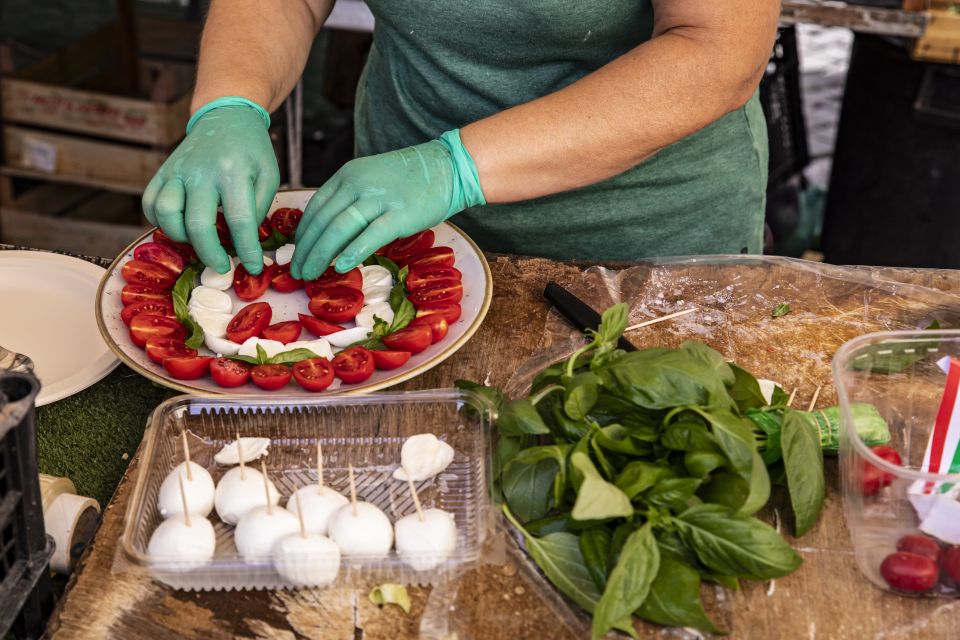
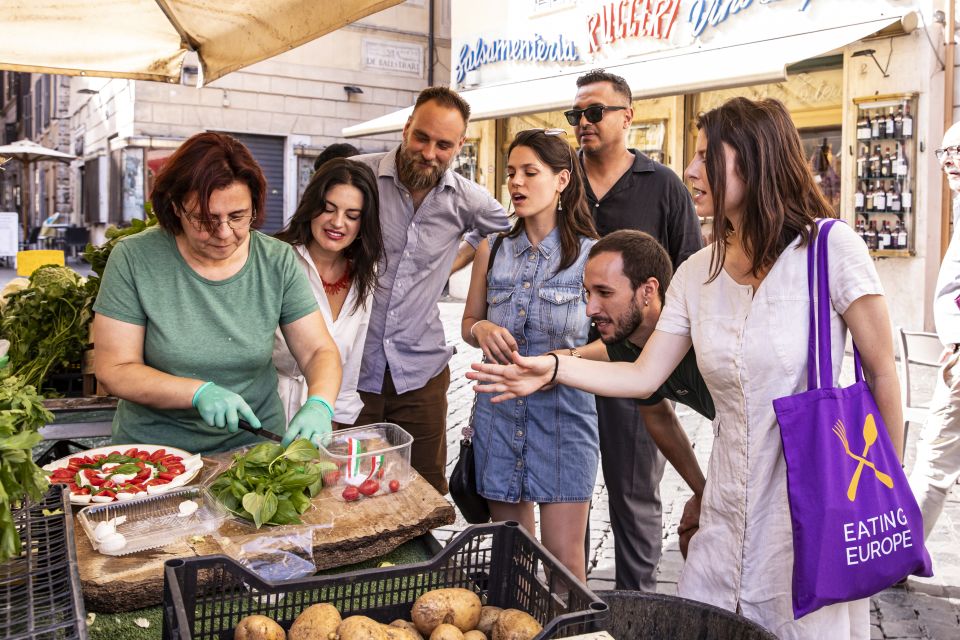
If you’re on the morning tour, this is your kickoff. You soak in the lively atmosphere of Campo de Fiori and sample typical local items. The goal here isn’t to overload you—it’s to get your taste buds calibrated for Roman food and to teach you what to look for later.
What I like about this setup is how it prevents the “blind tasting” problem. After a market start, you’re better at noticing what makes one shop’s pasta or cheese different from another.
You can also read our reviews of more tours and experiences in Rome



2) Jewish Ghetto tasting: Roman-Jewish classics with real character
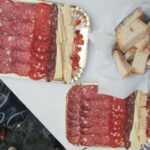
As you move into the Jewish Ghetto, the food focus gets more specific. You’ll find traditional Roman-Jewish style dishes, plus sweet and savory bites tied to the community’s food traditions.
Two standouts from the tour’s included items are:
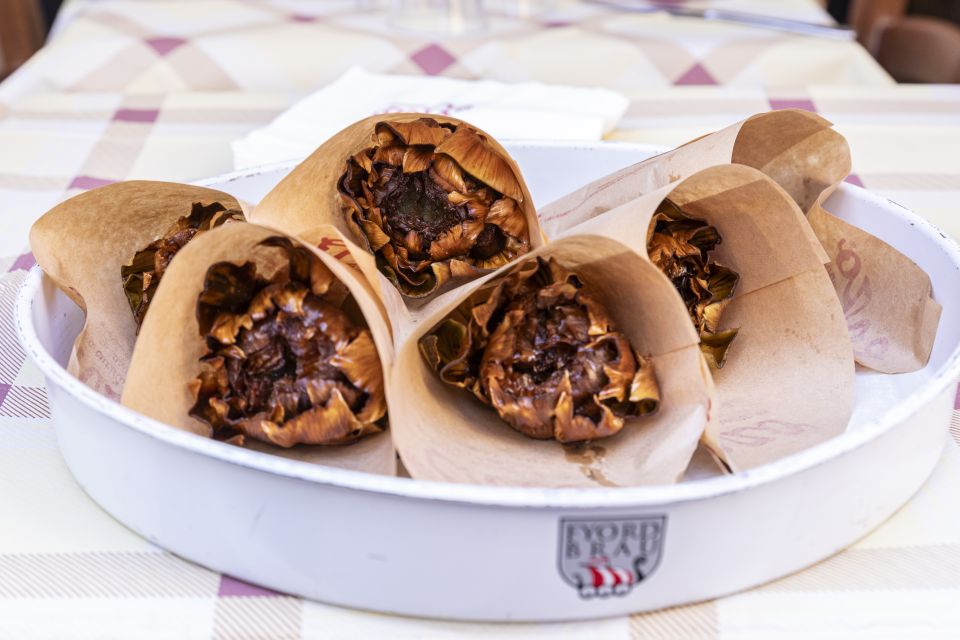
- Traditional Roman-Jewish artichokes, served as a fried specialty
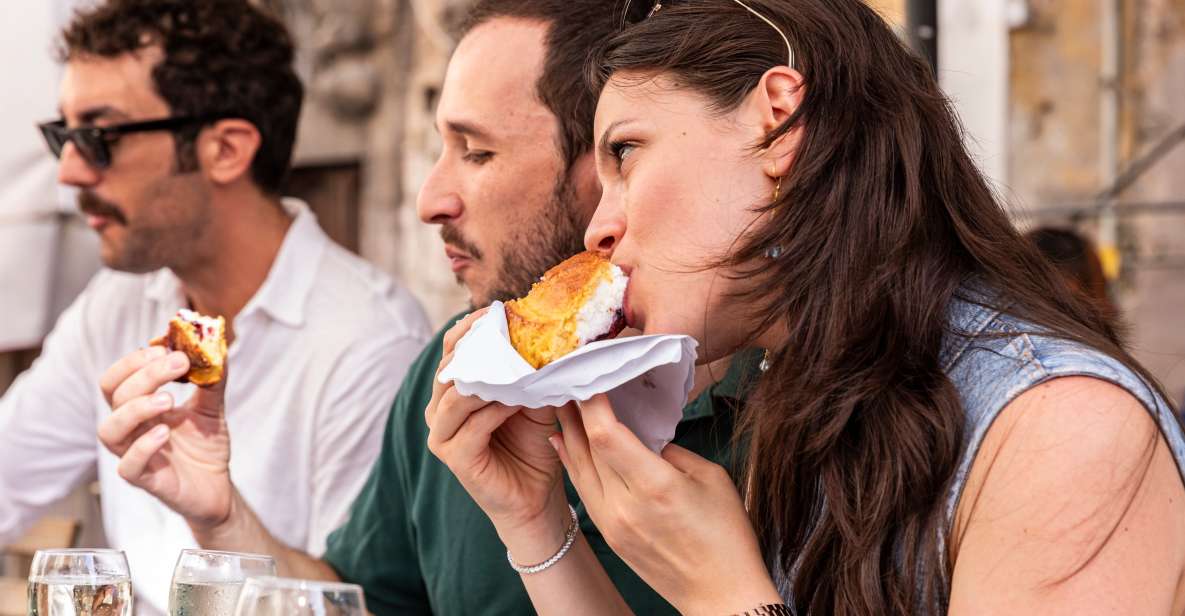
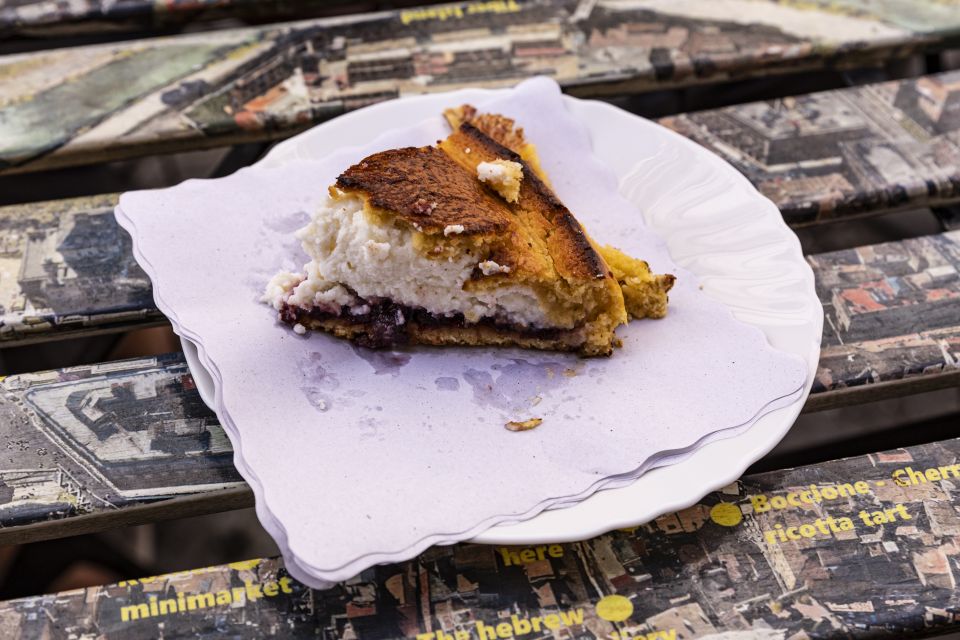
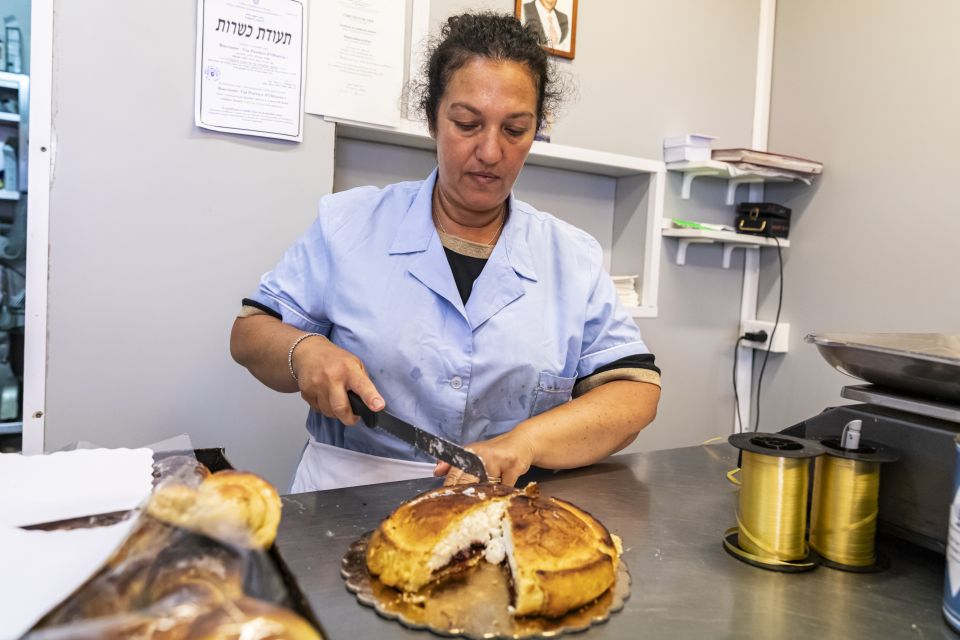
- A sour cherry tart dessert, plus other sweet notes like gelato and ricotta-based treats
This is where the tour earns its keep. Rome can feel like one big food blur, but the Jewish Ghetto segment gives you a clearer “why this tastes like this” story through the flavors you try.
3) Da Enzo in Trastevere: the fried artichoke moment
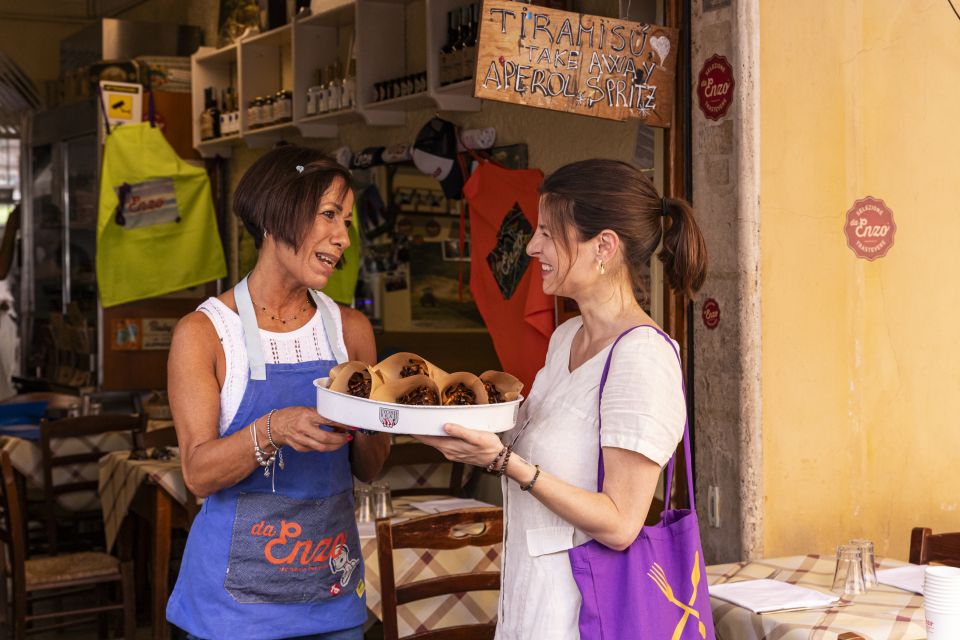
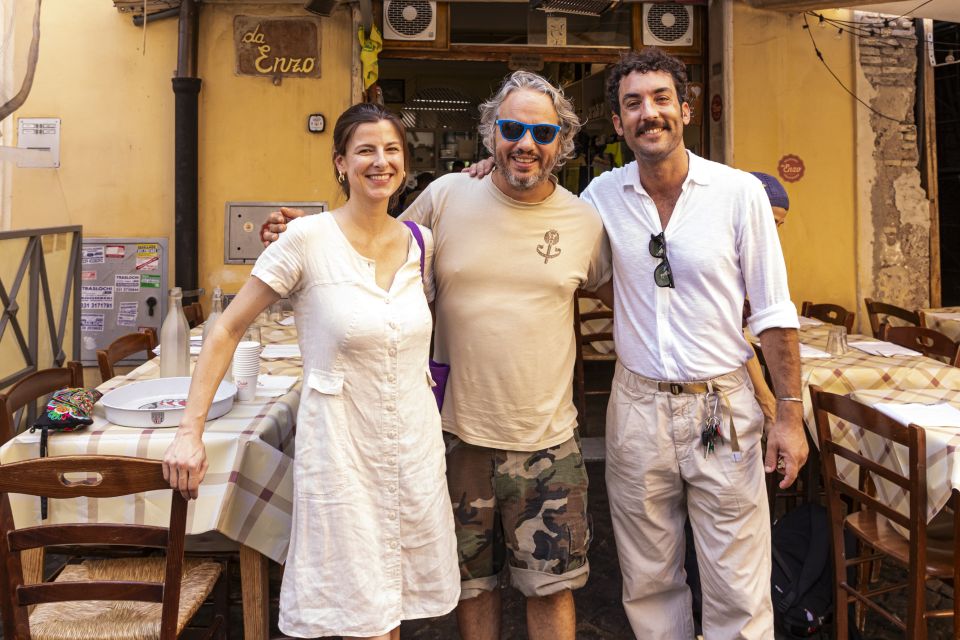
One stop many people get excited about is the Jewish-style fried artichoke at Da Enzo in Trastevere. This is the kind of dish that’s both simple and oddly hard to replicate well elsewhere: the texture and crispness matter, and the flavor comes through best when it’s fresh and served as part of a proper Rome meal.
Here’s the practical part for you: fried food pairs well with walking. It gives you energy for the next stretch of streets, and the timing tends to work because the tour doesn’t dump every heavy bite all at once.
4) Spirito Divino: pasta with wine and a cellar story
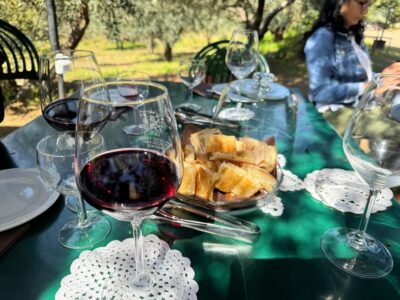
The tour highlights a meal at Spirito Divino, a slow-food restaurant experience where you’ll enjoy a freshly prepared pasta feast paired with wine. What makes it memorable isn’t just the pasta—it’s the whole setting.
You also get a visit to a wine cellar connected to the restaurant’s story, described as older than the Colosseum. That detail helps you understand why the guide pushes wine as part of the food experience rather than a random add-on. In other words: wine is treated like a companion to the meal, not a separate event.
5) Porchetta and other included Roman bites
The included list also mentions porchetta as part of the food stops. That’s a big part of why this tour feels satisfying. You’re not only eating vegetarian-leaning items or only sweets. You’re getting that classic Roman mix of savory meats, pasta comfort, and gelato/ricotta-style finishers.
And because there are 6 food stops total, you’re getting a rhythm: taste, walk, taste again, then settle into the stronger meal segment later.
6) Dessert and gelato: sour cherry tart plus the cooling finish
By the time dessert arrives, you’ll likely feel that nice Rome balance: salty bites have done their work, and now you need something that cuts through and resets. Included fare includes ricotta, gelato, and the sour cherry tart.
That sour cherry note is a smart dessert choice because it’s not just sweet. It has acidity, which makes it feel lighter than a heavy cream dessert and helps you finish the tour without feeling stuffed.
The Jewish Ghetto walking component: more than food
This tour isn’t only about what’s on the plate. You also visit Jewish Ghetto landmarks and learn about local favorites and culinary hotspots. The value here is simple: without context, food can feel like a series of tastings. With the neighborhood guidance, you start understanding the patterns—why certain dishes show up, where people historically shopped and ate, and how the streets themselves shape the experience.
You’ll also see hidden passages and cross important Rome landmarks as you go, including Rome’s oldest bridge. Even if you’ve visited Rome before, that kind of guided routing can make the city feel less like a checklist and more like a connected place.
Trastevere lanes: how the walking makes the food make sense
Trastevere is where the tour turns from tasting to exploring. Expect hidden passages, a change in atmosphere, and more street-level eating energy. Trastevere is the kind of neighborhood where wandering is fun, but it’s easy to wander into dead ends or over-touristed pockets.
This is where the guide’s job really matters. With a planned route, you get the best of Trastevere without turning the second half of your day into a navigation project.
It also helps that the tour includes Prosecco, Italian wines, and beer. When alcohol is provided in a thoughtful way across stops, it keeps the experience cohesive—especially when the final meal at Spirito Divino comes with wine pairing.
Price and value: what $146.14 really buys you
At $146.14 per person for about 4 hours, you’re paying for more than a few snacks. The included items are specific: 6 food stops, Prosecco plus Italian wines and beer, a pasta meal, porchetta, Jewish-style fried artichoke, plus dessert and gelato/ricotta items. You also get a wine cellar visit and a Rome Food Guide PDF.
Is it budget-friendly? Not exactly. But it’s fair value when you compare it to buying multiple restaurant meals and drinks separately, especially in central Rome where pricing and availability can vary wildly. The structure matters too—having a local guide connect your tastings to the neighborhoods you’re walking through saves time and reduces the guesswork.
Who should book this tour (and who should skip it)
This tour is a strong fit if you want:
- A food-and-wine experience that spans three neighborhoods, not just one
- A guided route through the Jewish Ghetto and Trastevere
- Multiple tastings across the morning or evening flow
- Enough food to feel satisfied, not snack-hollow
It may not be a great fit if:
- You’re in a wheelchair (the tour isn’t suitable)
- You have severe or life-threatening allergies (not allowed)
- You’re traveling with pets (pets aren’t allowed; assistance dogs are allowed)
- You’re looking for a calm, quiet museum-style tour (this is a walking food outing)
Should you book the Rome Campo de’ Fiori, Jewish Ghetto, and Trastevere Food Tour?
I’d book it if you want a guided way to eat in Rome without second-guessing where to go. The mix of market experience, Jewish Ghetto flavors, and a sit-down pasta-and-wine meal at Spirito Divino makes the tour feel like a full arc, not a random collection of bites. Add in the wine cellar visit and the fried artichoke stop at Da Enzo, and you get a lineup that feels intentionally chosen.
Skip it if your needs are accessibility-heavy or allergy-sensitive, or if you prefer self-guided wandering with no structure. For everyone else, it’s a smart way to spend 4 hours: you’ll leave knowing the city by taste, not just by photos.
FAQ
How long is the tour?
The tour lasts 4 hours.
What does the price include?
It includes a local guide, 6 food stops, Prosecco/Italian wines/beer, Jewish-style fried artichoke, pasta and porchetta, a wine cellar visit, plus ricotta, sour cherry tart, and gelato. You also receive a Rome Food Guide PDF.
Where do I meet the guide?
The guide meets you next to the only newspaper stand in the square. Look for a guide holding an Eating Europe sign.
Do I visit Campo de’ Fiori market every day?
No. The Campo de Fiori market is only visited on the morning tour.
What happens on the evening tour?
On the evening tour, since the market is closed, you go to an ancient Roman street-food business for a fried delicacy.
Is it wheelchair accessible?
No, it is not suitable for wheelchair users.
Are pets allowed?
Pets aren’t allowed. Assistance dogs are allowed.