REVIEW · ROME
Horse Sanctuary in Rome
Book on GetYourGuide →Operated by Equestrians in Italy · Bookable on GetYourGuide
Rescued horses, real countryside, and ancient ruins. This small-group ride pairs horse sanctuary care with a relaxing horseback trail near Rome’s coast. I especially like that you start with meeting, grooming, and feeding the horses, not just hopping in the saddle.
You’ll also get a short instruction session so both first-timers and seasoned riders have clear guidance. The one thing to consider is that it’s not set up for everyone: there are limits for mobility and weight, and the activity requires solid balance on the ground and in the saddle.
In This Review
- Key highlights you’ll feel immediately
- From Rome to pinewood and Roman ruins: why this ride feels different
- Meeting point ritual: croissant, coffee, then horses
- The sanctuary portion: grooming, feeding, and learning horse behavior
- Your lesson and safety setup: what beginners should pay attention to
- The horseback trail near Rome: pacing, pinewood, and calm progress
- Roman Empire ruins on horseback: how history fits without killing the vibe
- “Volunteer” care in the natural reserve: what you’re actually doing
- What’s included for $106, and why it can feel fair
- What to bring (and what to avoid) so the ride stays enjoyable
- Group size, languages, and who guides your ride
- Who this horse sanctuary ride is best for
- Practical logistics: getting there and timing your day
- Should you book the Horse Sanctuary in Rome?
- FAQ
- How long is the Horse Sanctuary in Rome experience?
- Is this ride suitable for beginners?
- What’s included in the price?
- What should I bring and wear?
- Where is the meeting point, and how do I get there?
- Are there age or weight limits?
Key highlights you’ll feel immediately
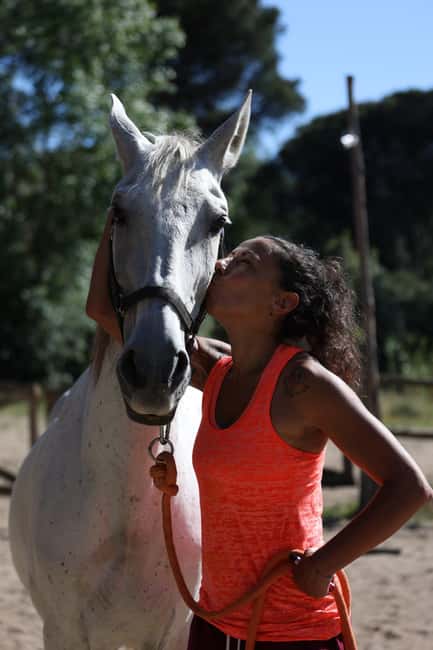
- Grooming and feeding before riding: you learn the basics and help the horses settle in.
- Beginner-friendly but not boring: there’s a lesson first, and the experience can adapt for more experienced riders.
- A pinewood ride near the beach: it’s a countryside escape without needing days of travel.
- Roman Empire ruins on horseback: history is part of the trail, not a separate museum stop.
- Small group size (max 10): more time with your instructor and less waiting around.
- Free shuttle from the meeting point: you avoid the biggest headache of getting out to the ranch.
From Rome to pinewood and Roman ruins: why this ride feels different
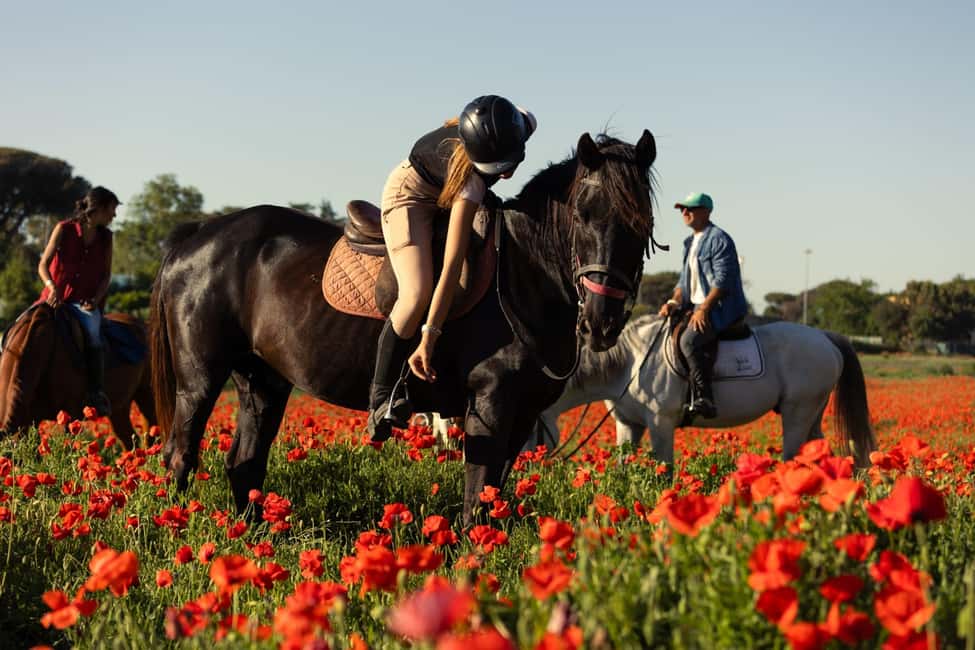
This is the kind of experience that makes you slow down. You’re not just doing a “horseback ride with a view.” You’re starting by connecting with rescued horses that live in a natural reserve, then moving into the countryside near the coast for a guided trail that includes Roman-era ruins.
I like that the pace is built around people, not just horses. The format makes sense for a mixed group: you’ll have a lesson before you set off, and the route is described as relaxing and pleasant, so you’re not forced into a full-on athletic workout.
The most valuable part is the combination. Rome can feel like a nonstop sprint of crowds and monuments. This gives you a quieter half-day where you trade city noise for pinewood air, then top it off with history along the way.
You can also read our reviews of more tours and experiences in Rome.

Meeting point ritual: croissant, coffee, then horses
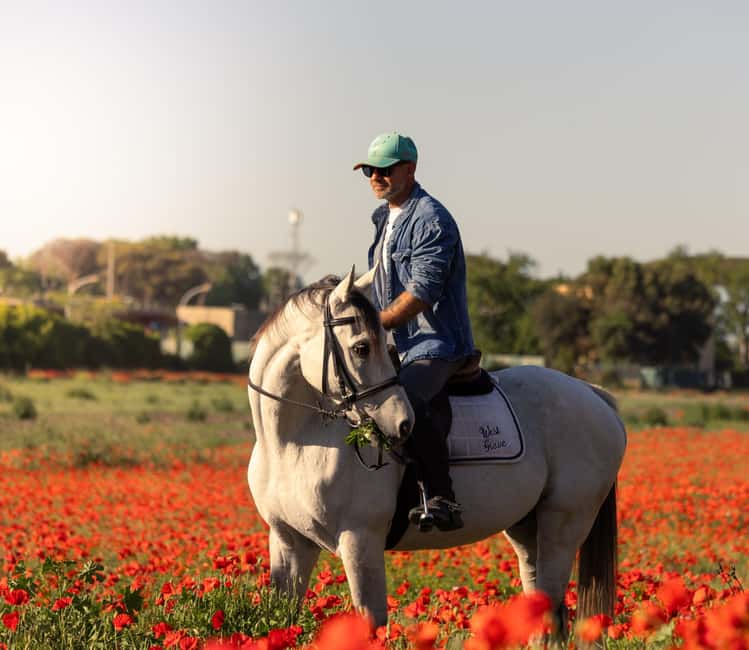
You meet at a coffee shop, and the welcome is simple: ask for a coffee and croissant. The activity also mentions an Italian breakfast setup once you’re there, so it’s worth arriving ready to snack and get your bearings.
This matters more than you might think. When a tour starts with a calm “first step” instead of a scramble, you’re better prepared to focus once you reach the ranch. Horse care can be a little sensory—smells, sounds, lots of small movements—so you’ll enjoy the start more if you’re not rushing.
From there, you’ll go to the ranch. The good news: a free shuttle service runs from the meeting point to the ranch with return, so you’re not stuck figuring out local transport. If you’re organizing a more direct transfer, the information also notes that a private car with driver is available for an additional cost.
The sanctuary portion: grooming, feeding, and learning horse behavior
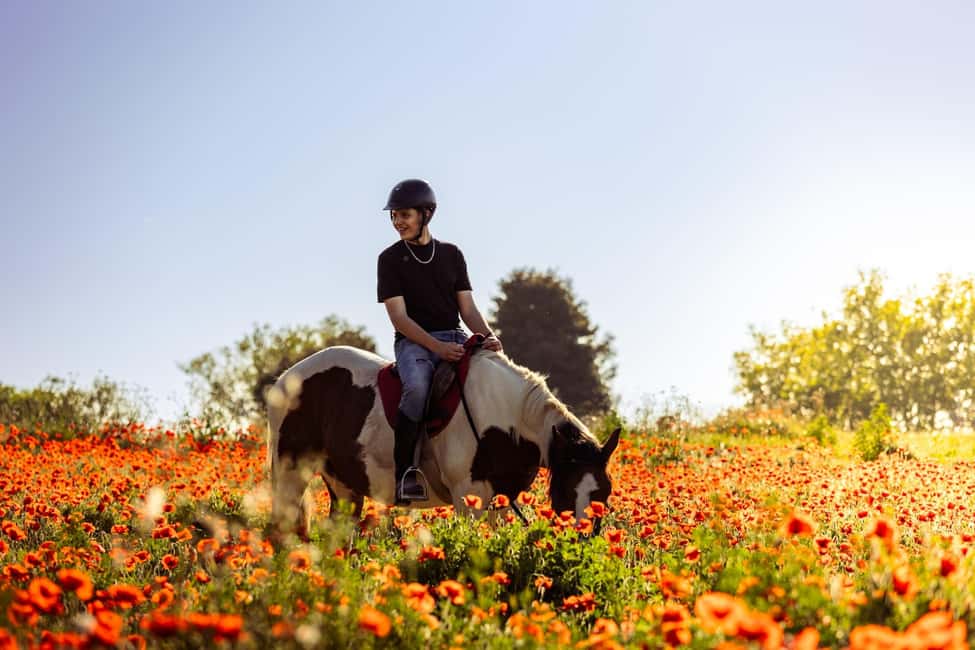
Before riding, you meet a herd of rescued horses and learn how to care for them. That usually means you’ll get hands-on time for grooming and feeding, and you’ll also get guidance on habits and behaviors.
This is where the experience becomes meaningful. Boarding-style riding can feel like a transfer between you and the horse with no context. Here, you’re taught what to look for and how to act, which makes the ride feel safer and more respectful.
Expect an intro that covers practical basics—how to handle yourself around the horse, how grooming works, and how feeding routines connect to calm behavior. Even if you’ve ridden before, the value is still there. You’re not just practicing riding technique; you’re learning to read the horse as a living partner.
Small extra details in the feedback make this feel real: people highlight the guides’ care for the horses’ different personalities and behavior. That’s exactly what you want in a sanctuary setting. When the staff understands the herd, you get a smoother start and better instruction during the ride.
Your lesson and safety setup: what beginners should pay attention to
The tour includes an experienced instructor and a short lesson before you ride. The key point for you: it’s designed for both beginner and advanced riders, which usually means the basics are taught clearly, without talking down to anyone.
What you should focus on during the lesson:
- How mounting and basic control work for your specific horse
- How to hold yourself and move with the horse at a walk
- What the instructor wants you to do if something feels unfamiliar
You’ll also get a helmet as part of the included gear, which is a comfort factor you can count on. And because the group is limited to 10 participants, you’re more likely to get direct corrections instead of generic “try this” instructions.
If you’re an experienced rider, don’t assume it will be exactly like your regular riding club session. The information and feedback both suggest the ride is guided and relaxed, with history woven in—so even for more confident riders, your attention will shift from training goals to experience and comfort.
The horseback trail near Rome: pacing, pinewood, and calm progress
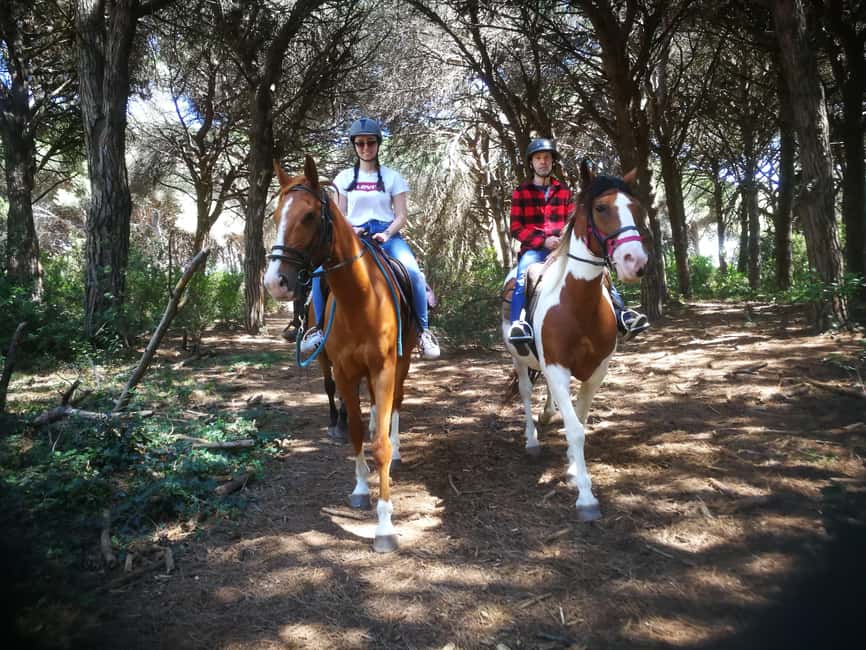
Once you’re set, you head out for a relaxing ride through pinewood countryside. The description emphasizes that it’s not only about motion—it’s also about the feel of being out in nature near Rome, away from city pressure.
For beginners, the best part is the structure. Instead of being thrown into an unfamiliar situation, you’re taught how to get comfortable first, then you ride with guidance. People mention that first-time riders are helped with mounting and getting settled in the saddle, which is huge. If you feel nervous about the “first ten minutes” on a horse, this kind of support tends to make the whole day click.
For more experienced riders, the chance to do more than just a slow walk can appear, depending on how the session is going and what your horse feels like. Just remember: the ride is described as relaxing and pleasant, so the goal is not to turn it into a speed event.
Also note the equipment and clothing rules. High heels are not allowed, and sandals or flip-flops don’t work around tack and footing. Wear comfortable shoes that can handle dirt and a bit of walking. This is one of those details that can make or break your comfort in a short 3-hour window.



Roman Empire ruins on horseback: how history fits without killing the vibe
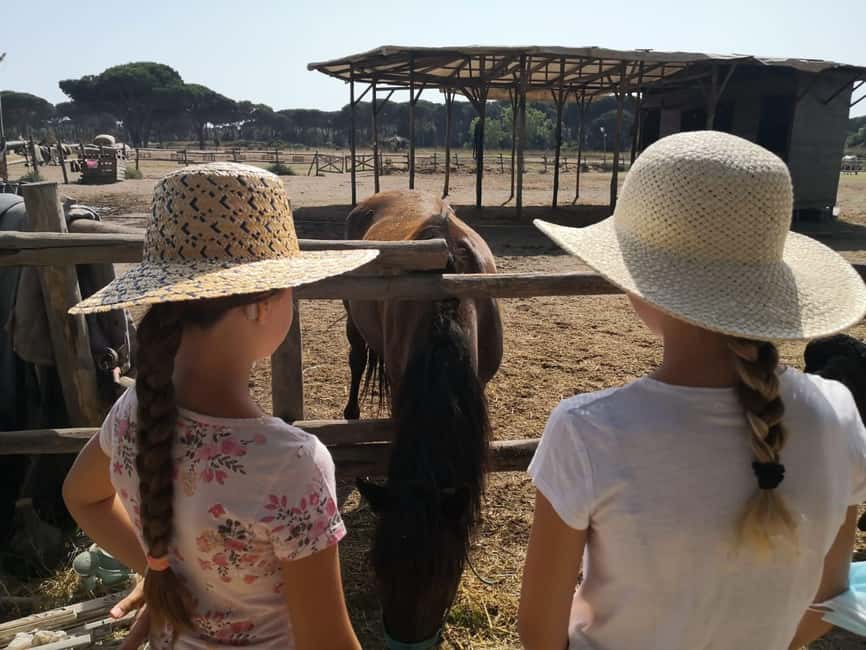
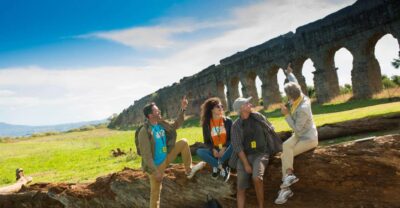
A standout detail is that you’ll visit ruins from the Roman Empire during the ride. You’ll also get explanations of the local history as you go—so history isn’t a lecture in a classroom. It’s part of the route, which keeps your brain engaged while your body stays calm.
Here’s the practical advantage of this style. If you’re already planning other Roman sites on foot, it’s easy to burn out. This gives you a different angle: you’re moving through countryside, and the ruins become a “pause point” rather than another crowded stop.
The possible drawback is timing and attention. Because you’re on horseback, you won’t be able to wander or spend long moments staring at every stone like you would on foot. If you love slow, detailed museum-style history, treat this as a guided highlight that complements your other Roman time.
Still, people mention the history talks as genuinely fascinating, especially when they connect the past to the present area around Rome.
“Volunteer” care in the natural reserve: what you’re actually doing
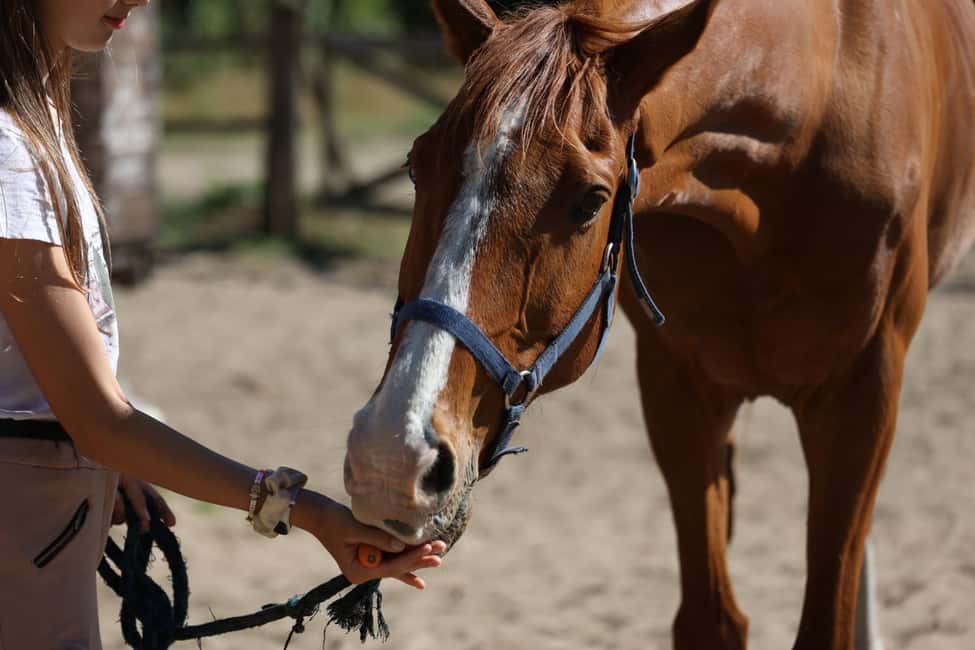
The experience is described as a chance to become involved in caring for the rescue horses in the natural reserve. In real terms, that translates into the hands-on work you do before and after riding—feeding, grooming, and learning the horses’ behaviors.
This is also why the tour doesn’t feel like a factory line. You aren’t just consuming a service. You’re participating in daily routines at a sanctuary, and that gives you a deeper connection to the animals.
One detail I’d watch for: the staff seems to tailor the time you spend with the horses to the group and to individual comfort. People mention a family feel and strong guidance, which usually means you’ll be supported if you’re uncertain around animals or equipment.
If you’re coming mainly for sightseeing, you’ll still get a countryside escape plus history. But if you’re coming for animals, this is one of the better structured options around Rome because it starts with care, not a shortcut.
What’s included for $106, and why it can feel fair
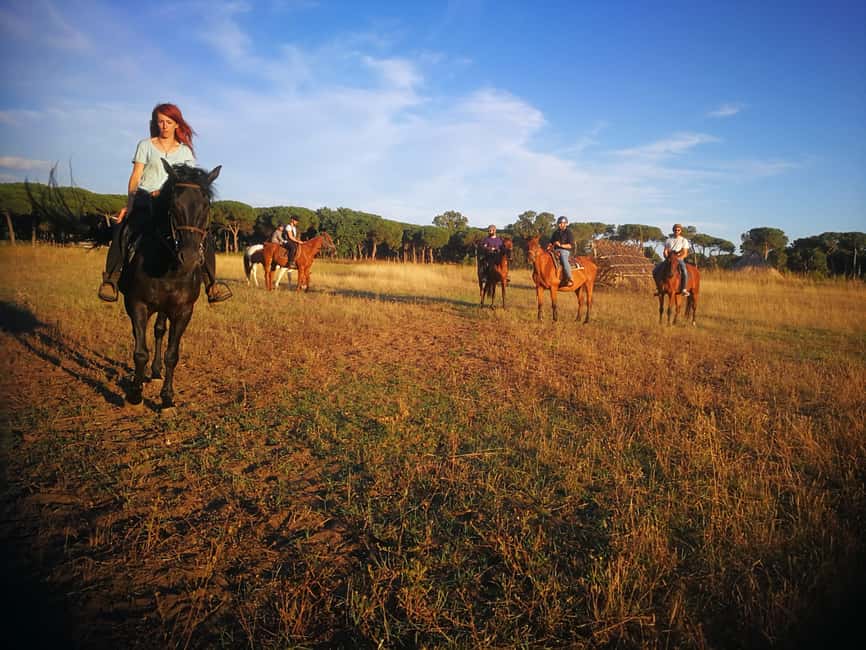
The price is listed at $106 per person for 3 hours. On paper, that sounds like a “tour price” until you look at what’s included.
Your included items:
- Experienced instructor
- Meet and groom the horse
- Horse riding trail
- Helmet
- Light breakfast or ice cream
- Free shuttle from the meeting point to the ranch with return
When you combine that, the cost starts to make sense. You’re paying for instruction, safety gear, and guided time with the horses, plus transport out to the ranch. The helmet alone is often not included with lower-cost riding options, and the shuttle saves both time and stress.
So I’d frame it like this: you’re buying a structured morning experience that merges three things—animal care, riding, and guided history—within a short time block.
What to bring (and what to avoid) so the ride stays enjoyable
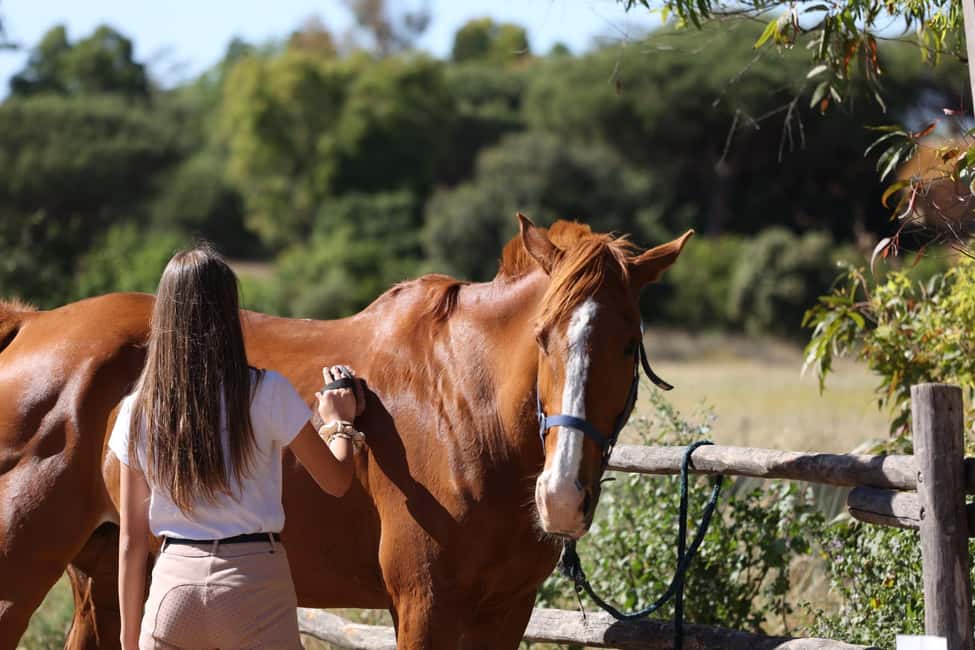
The tour info keeps it pretty simple, but it’s still worth preparing.
Bring:
- Camera (you’ll want pictures after grooming and during the ride)
- Sunscreen
- Water
- Comfortable shoes
Avoid:
- High-heeled shoes
- Sandals or flip-flops
If you want one practical tip: bring a water bottle you can sip during any breaks. Even if it’s not hot, countryside sun hits fast in Italy.
Also, if you’re the type who likes to travel with a bigger bag, keep it light. You’ll be moving around a ranch area, and you don’t want your day turning into a gear management problem.
Group size, languages, and who guides your ride
This is a small group experience limited to 10 participants. That’s a sweet spot: big enough to feel social, small enough for hands-on attention.
Instruction is offered in English and Italian. In the feedback, the guide name Alessia comes up repeatedly, and another guide name, Vivian, is also mentioned. In other words, you can expect a real horse-centered team, not just someone reading a script.
If you’re nervous about your riding ability, pay attention to the fact that instruction adapts. People describe first-time riders being helped with mounting and settling in. That’s the kind of support you want when your confidence is still building.
Who this horse sanctuary ride is best for
This is ideal if you want an active, calm break from Rome. It’s especially good for:
- Animal lovers who want more than a “look and go” experience
- People who enjoy nature outside the city but still want guided structure
- First-timers who need a lesson and confidence-building support
- Experienced riders who want a scenic change of pace plus history
It’s not a match if:
- You have mobility impairments (listed as not suitable)
- You weigh over 209 lbs / 95 kg (listed limit)
- You’re traveling with children under 6 years (not suitable)
If you fall into one of those categories, it’s worth choosing a different Rome activity that fits your needs better.
Practical logistics: getting there and timing your day
The meeting point is reached easily by public transport from central Rome or from Fiumicino International Airport. You don’t need to come early—when you arrive, you can ask for the Italian breakfast item mentioned at the start.
Because the activity runs for 3 hours, you’ll want to plan your Rome day around it. I’d treat it like a half-day anchor: schedule it when you want to be out of the city, not between two must-see tickets that both require you to be on time.
Also remember the visit is outdoors. Even when it’s “pleasant,” you’ll appreciate sunscreen and water. Your future self will thank you.
Should you book the Horse Sanctuary in Rome?
If your idea of a great Rome day includes horses, countryside air, and a guided connection to Roman-era ruins, this is a strong pick. The biggest reasons to book are the hands-on sanctuary time (grooming and feeding), the fact that the experience is built for both beginners and experienced riders, and the value of having instruction, a helmet, and transport included.
Skip it if you’re looking for a long self-guided walk through major ruins. This is horseback and guided, so you get highlights and storytelling, not roaming at your own pace.
My advice: book it if you want a quieter, more human-scale experience outside Rome that still ties into Italy’s history. It’s one of those rare tours that feels like care for animals first, then riding second—and that order matters.
FAQ
How long is the Horse Sanctuary in Rome experience?
The total duration is 3 hours.
Is this ride suitable for beginners?
Yes. The experience is designed for both beginners and advanced riders, and there is a short lesson before you start riding.
What’s included in the price?
Included are the experienced instructor, time to meet and groom the horse, a guided riding trail, helmet, light breakfast or ice cream, and a free shuttle from the meeting point to the ranch with return.
What should I bring and wear?
Bring a camera, sunscreen, water, and comfortable shoes. Avoid high-heeled shoes, sandals, and flip-flops.
Where is the meeting point, and how do I get there?
You meet at a coffee shop. It’s easy to reach by public transport from central Rome or from Fiumicino International Airport.
Are there age or weight limits?
Yes. It’s not suitable for children under 6 years, and people over 209 lbs (95 kg) should not book. It’s also not suitable for people with mobility impairments.