REVIEW · ROME
Rome: Treasures of the City 3-Hour Morning Tour
Book on GetYourGuide →Operated by Green Line Tours · Bookable on GetYourGuide
Rome in three hours is possible here. You’ll hit Trevi Fountain and St. Peter’s Basilica with a coach for the long stretches and walking for the good views, while your guide stitches the city together with clear explanations. It’s a smart first-morning option when you want Rome’s biggest hits fast, without feeling like you’re just herding yourself around.
Two things I really like are the way the route builds momentum (you’re seeing more than one “wow” moment) and the fact you get help with what to notice as you move. One consideration: the time inside St. Peter’s area can feel crowded, especially in busy chapels where you’ll be packed in and moving at other people’s pace.
In This Review
- Key Points to Know Before You Go
- A 3-Hour Rome Reset: Coach Comfort and Short Walks
- Trevi Fountain and Marco Aurelio’s Column: The Big-Scene Start
- Piazza della Repubblica and the Fountain of the Naiads
- Bernini-Era Landmarks: Palazzo Montecitorio and Palazzo Madama
- Piazza Navona: Rome’s Outdoor Theater Feeling
- Pantheon vs. St. Peter’s: How the Route Has Shifted
- St. Peter’s Square and Inside the Basilica: What You’ll Actually Do
- The Dress Code Reality Check (St. Peter’s Means Business)
- Crowds, Chapel Timing, and the Guide’s Voice
- Sundays and Pope Blessing: Great Potential, Tightened Access
- Meeting Point and Starting Smart at Termini Area
- Does This $48 Morning Tour Offer Good Value?
- Should You Book This Tour?
- FAQ
- FAQ
- What’s the duration of the Rome Treasures of the City tour?
- How much does the tour cost?
- Where do I meet the tour?
- What’s included in the price?
- Are food and drinks included?
- Is the entrance fee to St. Peter’s Basilica included?
- Will I definitely see the Pantheon?
- Is St. Peter’s Basilica visit inside possible on Sundays?
- Are pets allowed?
Key Points to Know Before You Go
- Quick-hit itinerary covering major central landmarks in about 3 hours
- Coach plus walking so you’re not exhausted before you even start
- St. Peter’s Square and Basilica time, with occasional limits for religious celebrations
- Dress code enforcement for entry at religious sites (plan your outfit)
- Small window for crowds where some interior spots get very busy
- Guide style matters; if you get Luigi, his enthusiasm is often a highlight
A 3-Hour Rome Reset: Coach Comfort and Short Walks
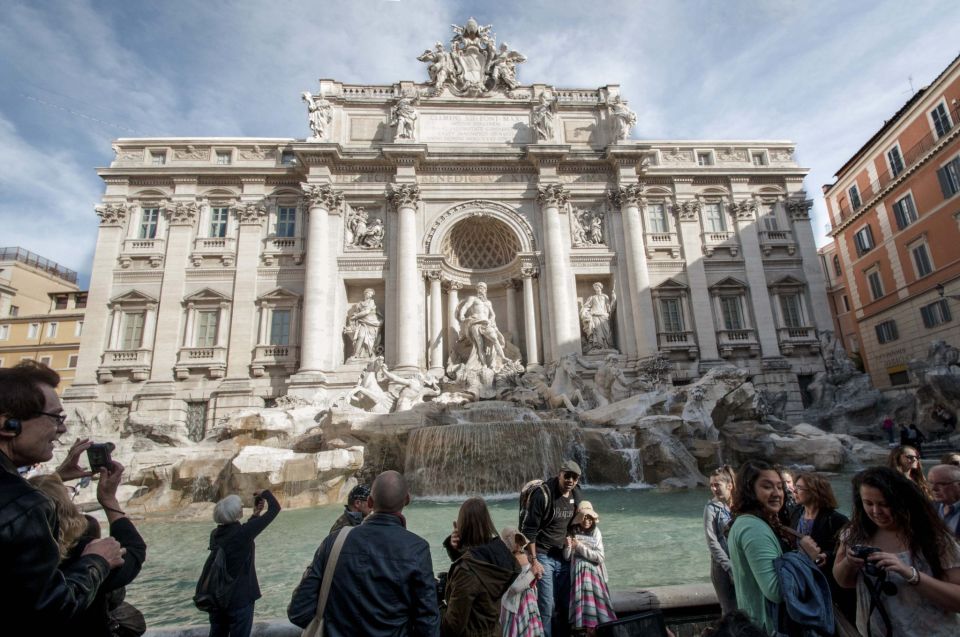
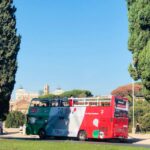
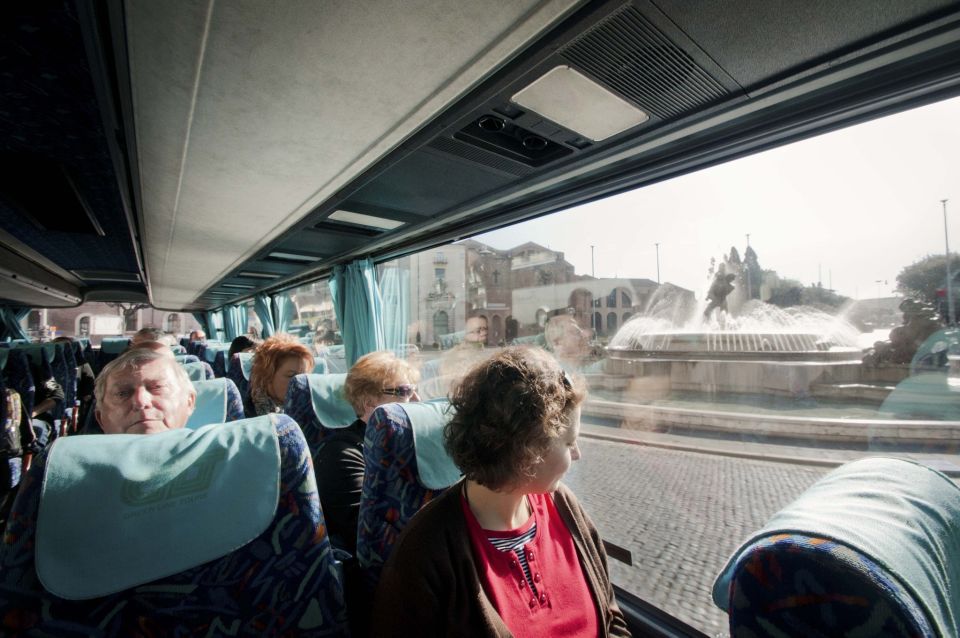
This is built for efficiency. You start with bus transportation for the stretches between landmarks, then switch to walking in the historical center where the details are worth slowing down for. In just three hours, you cover several “must-see” stops, which is great if you’re doing Rome on a tight schedule or you want a useful baseline for the rest of your trip.
The pace is also practical: you’re not signing up for a full-day marathon, and you’re not stuck doing everything from a map on your phone. Your tour leader handles the order, the timing, and the main points at each site, so you can spend your energy on seeing rather than figuring out.
One extra bonus: this kind of morning tour gives you visual bearings. After you’ve seen Trevi Fountain, Piazza Navona, and the Vatican area from the ground, you’ll have an easier time choosing where to return later for photos, a longer look, or a quieter moment.
You can also read our reviews of more city tours in Rome

Trevi Fountain and Marco Aurelio’s Column: The Big-Scene Start
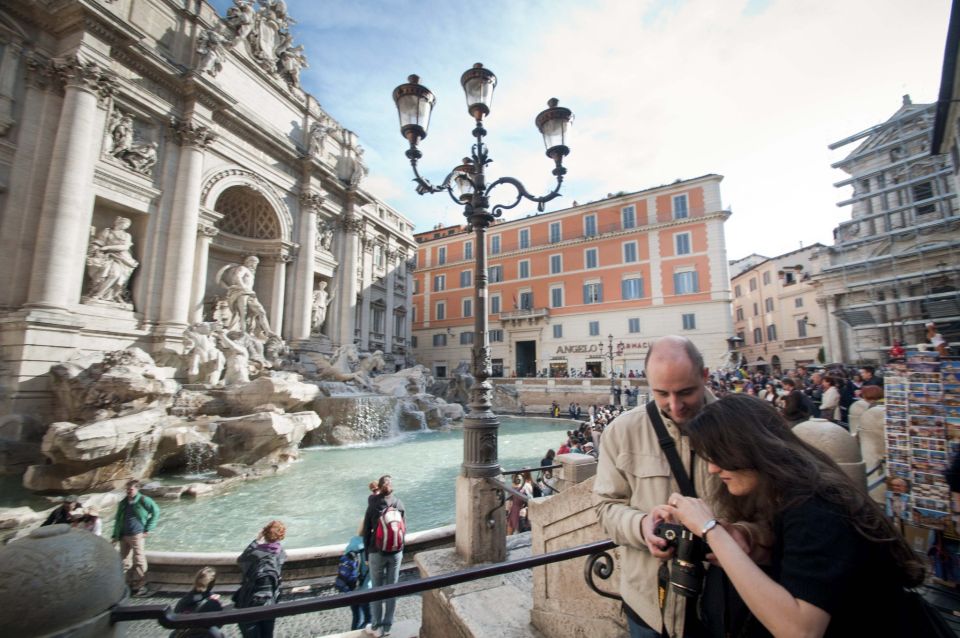
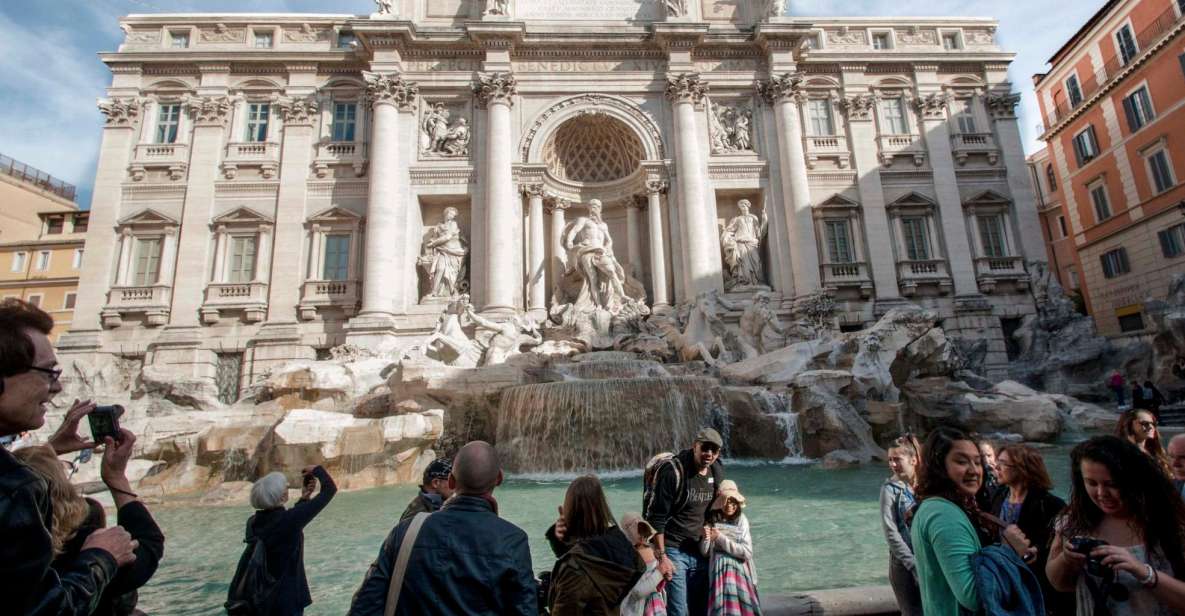
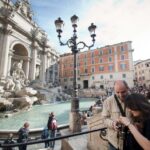
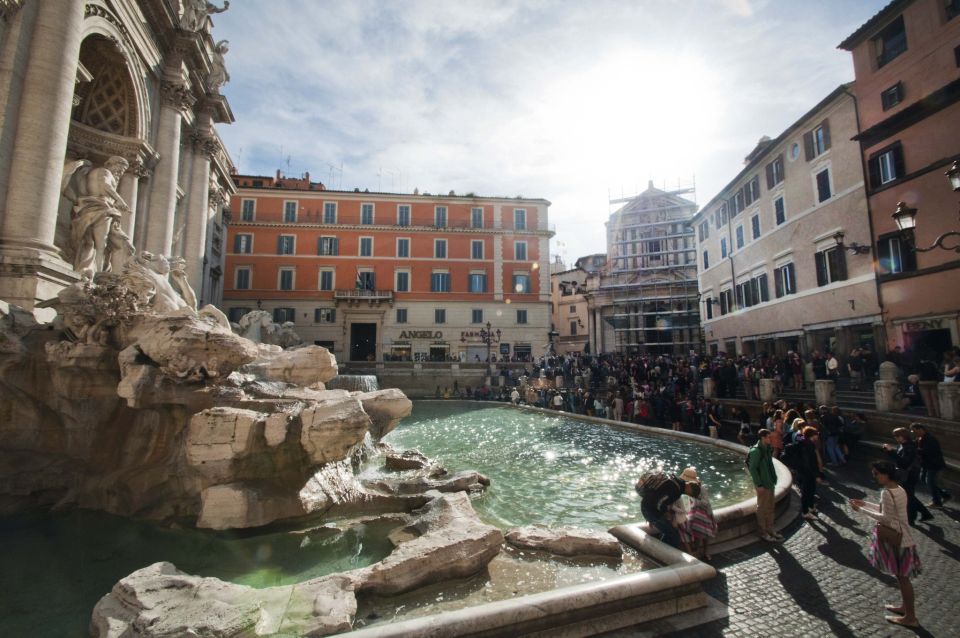
Your morning begins with iconic Rome energy—start with views around the center and then move toward the headline moments. You’ll admire the Trevi Fountain, and your guide will point out what you’re looking at so it’s not just a quick photo stop. The key is that Trevi is one of those places where the details matter: statues, composition, and the way the square works from different angles.
As you continue, you’ll also see La Colonna di Marco Aurelio. It’s the kind of landmark many people rush past, but it’s a useful contrast to the theatrical fountain. A column like this helps you read Rome as a layered city—empire-era monuments still shaping what you experience today.
Between stops, you’ll get small orientation cues too: where you are relative to major streets and landmarks. That makes the walking portions feel less random and more like a guided path through the city’s center rather than a list of stops.
Piazza della Repubblica and the Fountain of the Naiads
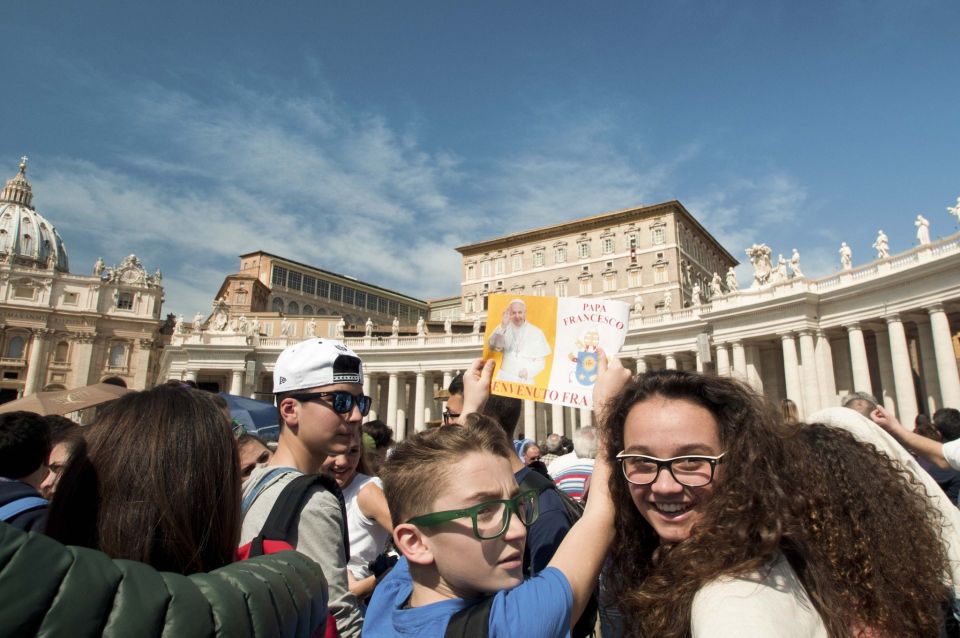
Before you reach the heart of the classic sights, the tour passes through Piazza della Repubblica. You’ll also see the Fountain of the Naiads, which is one of those Rome moments that rewards your attention even if it isn’t as famous as Trevi.
Why this matters: it’s a reminder that Rome isn’t only ancient ruins and Renaissance churches. Even in the city’s “famous postcard” zone, you’re seeing different eras and different styles working side by side. Your guide’s context helps you understand how the city’s layout funnels you from one landmark district to the next.
This portion is also a gentle warm-up. You’re building up to the heavier hitters (Trevi and Navona) without feeling like you’re thrown into a crowd immediately.
Bernini-Era Landmarks: Palazzo Montecitorio and Palazzo Madama
You’ll pass by important buildings tied to Rome’s architectural storytelling, including the Bernini-designed Palazzo di Montecitorio and the Palazzo Madama. Even if you don’t go inside (and you usually won’t on a tour like this), the payoff is learning to recognize what you’re looking at when you’re walking around later.
A quick note on expectations: this is sightseeing from the street and bus windows at parts of the route. That’s not a drawback—Rome works best when you can see facades and street alignments. Once you understand which buildings are tied to which artists or eras, your self-guided explorations become way more satisfying.
If you like learning while you walk, these passing views are a strong reason to pick a guided morning tour instead of trying to cover everything solo. The guide turns “pretty buildings” into landmarks with meaning.
Piazza Navona: Rome’s Outdoor Theater Feeling
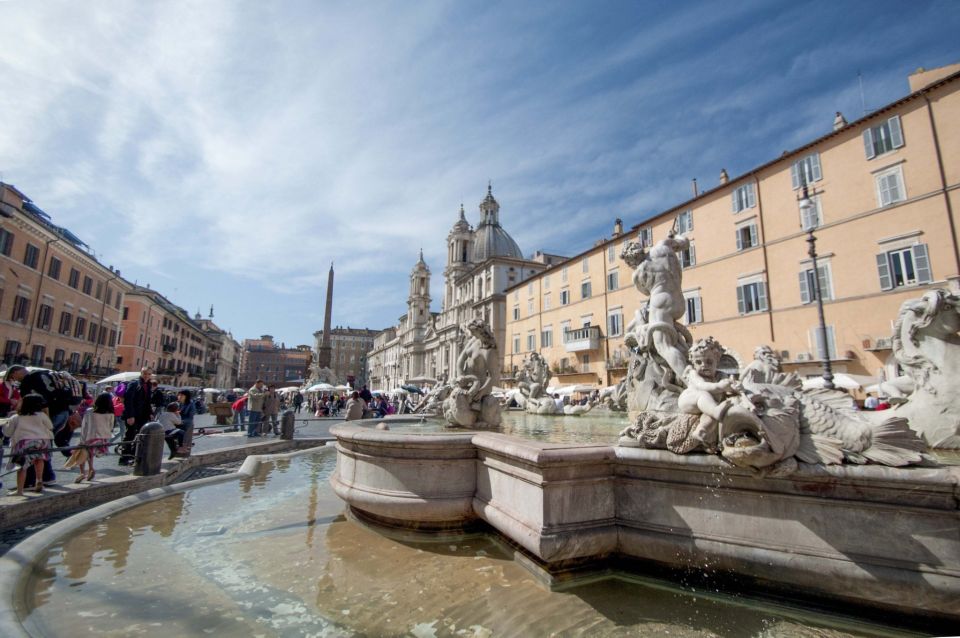
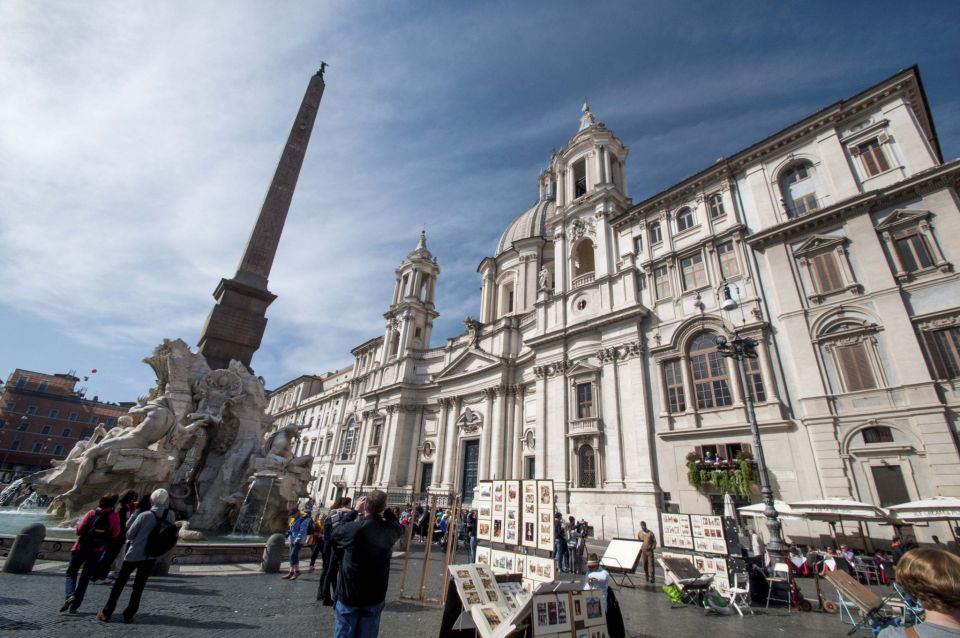
Then comes Piazza Navona, one of the best places in central Rome to feel how the city lives outside. It’s a square that looks like a set—planned, sculpted, and built for people to gather.
Your guide will help you frame it: what you’re seeing and why the square works the way it does. That kind of explanation makes your photos better too, because you’re not just shooting crowds—you’re shooting the geometry of the place.
One practical tip for this stop: leave extra time for standing back and taking in the overall view before you move toward closer angles. Piazza Navona can feel busy, but it’s also one of those spots where the best perspective comes from stepping slightly away and letting your eyes catch the whole scene.
You can also read our reviews of more tours and experiences in Rome


Pantheon vs. St. Peter’s: How the Route Has Shifted
A key detail for planning: your tour experience may not include the Pantheon visit. From April 1, 2018, the Pantheon stop can be replaced with time inside Saint Peter’s Basilica.
Why it matters to you: this changes how you’ll spend your time in the second half of the tour. If the Pantheon is swapped out, you’ll want to be ready to focus on the Vatican interior instead, with the same intensity—because the Basilica is where you’ll want your camera, your patience, and your dress-code compliance.
If you’re the type who really wants the Pantheon dome, it’s worth checking what’s scheduled on the day you book. But either way, the tour is still designed to concentrate on Rome’s top-tier “wow” experiences within the short morning window.
St. Peter’s Square and Inside the Basilica: What You’ll Actually Do
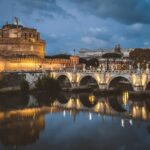
As the tour moves toward the Vatican area, you’ll pass Castel Sant’Angelo and then get dropped off near Vatican City. From there, you’ll see St. Peter’s Square and get an explanation of the Basilica—what matters, what to look for, and how the space is organized.
Then you typically have time to explore St. Peter’s Basilica on your own, with one big caveat: your visit can be limited when religious celebrations are happening. The tour also notes that you might be unable to visit inside on certain days, especially Wednesdays and Sundays.
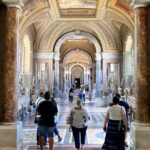
Inside, when you can enter, you’ll see standout masterpieces such as Michelangelo’s Pietà and Bernini’s bronze canopy. These are the kind of works where scale hits you after the first look. The guide context helps because you’ll understand what the objects are and why they’re famous, rather than just seeing them as sculptures you’re rushing past.
Also remember: St. Peter’s Basilica entrance fees are not included. So you’ll want to plan for that cost separately and make sure you’re ready at the right time so you don’t get stuck waiting.
The Dress Code Reality Check (St. Peter’s Means Business)
Rome is casual until it isn’t. For this tour, the Basilica is the big dress-code test. You’ll need clothing that covers knees and shoulders—so no shorts or sleeveless tops. And the policy is strictly enforced, with risk of refused entry if you don’t meet the requirement.
This is one of those details that can ruin a good morning if you ignore it. If your plan is to wear something light because Rome feels warm, bring a layer that still looks reasonable on you—something that covers your shoulders and comes down past your knees.
Think of it as smart travel gear, not fashion drama. Getting turned away at St. Peter’s isn’t just inconvenient; it breaks the whole point of this half of the tour.
Crowds, Chapel Timing, and the Guide’s Voice
The tour is built around major sights, and major sights in Rome attract crowds. One issue that can happen is overcrowding in busy areas inside the church, where you might feel packed in around certain chapels. That’s not unique to this tour, but it can shape how much you enjoy the experience once inside.
Another practical point: your enjoyment depends partly on your guide’s communication style. The experience can be excellent when your guide is very friendly and energetic. One commonly mentioned guide name is Luigi, and his enthusiasm often gets high marks. At the same time, if your guide uses a strong Italian accent, you might catch less of the details—so don’t bank on every word. Focus on the big ideas and the landmarks he’s pointing you toward.
If you want the best results, arrive ready to move when the group moves. Don’t try to linger too aggressively at one point when the plan is tight. Treat the tour like a guided highlight reel that sets you up for a return visit later if you want a slower, quieter re-see.
Sundays and Pope Blessing: Great Potential, Tightened Access
The tour includes an interesting Sunday element: the chance to experience a blessing by the Pope on Sundays. That’s a special cultural and spiritual moment, and it can be one of the reasons to choose this morning option even if you’re visiting for the first time.
Here’s the tradeoff. On Sundays (and Wednesdays), the tour notes that visiting inside St. Peter’s Basilica may not be possible during the scheduled time. Instead, you get the chance to visit on your own after 13:30.
So for Sunday travelers, plan your day with flexibility. You might spend your tour time more focused on the Square and explanations, then go back later for the interior when access is possible.
This also means you should keep your schedule gentle around that window. A Pope-related moment can add meaning, but it can also affect timing in ways you can’t fully control.
Meeting Point and Starting Smart at Termini Area
You meet at 32 Via Giovanni Amendola, near Termini station. This location is convenient if you’re staying in the central Rome orbit, and it often makes it easier to get there without long connections.
I suggest treating arrival like a buffer day, not a strict clock event. Rome traffic and pedestrian flow can slow you down, especially near transit hubs. Give yourself a little margin so you’re ready to board and start at the correct time.
Also, since the tour includes walking in the historic center and a visit to a religious site with a strict dress code, plan to go in comfortable footwear. You’ll be on your feet more than you think, even if the coach handles a lot of the distance.
Does This $48 Morning Tour Offer Good Value?
For $48 per person for a 3-hour coach-and-walking tour, the value depends on how you like to travel.
If your goal is to see the biggest highlights efficiently—Trevi Fountain, Piazza Navona, and the Vatican area—this is a solid deal because you’re paying for transport plus a guide who connects the dots while you move. You’re not paying extra for a long day, and the time focus matters when you’re juggling reservations and other priorities.
If you’re the type who enjoys slow wandering with no structure at all, you might find the walking bits too quick and the coach segments a little too convenient. In that case, you could stitch the route together on your own. But you’d be giving up the contextual explanations and the “order of operations” that helps you understand what you’re seeing.
For most first-timers, though, this morning tour is the kind of investment that pays you back the rest of the trip. You’ll know where things are, what matters most, and what you’ll want to return to when you’re no longer on a clock.
Should You Book This Tour?
I’d book it if you want a high-impact Rome orientation in just a morning and you care about seeing Trevi Fountain, Piazza Navona, and the Vatican area without trying to manage the route yourself. It’s especially worth considering for first-time visitors or anyone who’s short on time but still wants the key “Rome looks like this” landmarks.
I wouldn’t book it as your only plan for St. Peter’s if you’re sensitive to crowds or if you’re traveling on a Wednesday or Sunday, when inside access can be restricted during the tour. If that’s your situation, plan to return after 13:30 so you can experience the Basilica interior at a pace that works for you.
FAQ
FAQ
What’s the duration of the Rome Treasures of the City tour?
It lasts 3 hours.
How much does the tour cost?
The price is $48 per person.
Where do I meet the tour?
The meeting point is 32 Via Giovanni Amendola, near Termini station.
What’s included in the price?
Transportation by tourist bus and a multi-lingual tour leader are included.
Are food and drinks included?
No, food and drinks are not included.
Is the entrance fee to St. Peter’s Basilica included?
No, entrance fees for St. Peter’s Basilica are not included.
Will I definitely see the Pantheon?
From April 1, 2018, the Pantheon visit can be replaced by an inside visit to Saint Peter’s Basilica.
Is St. Peter’s Basilica visit inside possible on Sundays?
The tour information says that on Wednesdays and Sundays, visiting inside Saint Peter’s Basilica is not possible during the tour, with time to visit on your own after 13:30.
Are pets allowed?
Pets are not allowed (assistance dogs are allowed).