REVIEW · ROME
Morning Vespa Sidecar Tour with Cappuccino
Book on GetYourGuide →Operated by Vespa Sidecar Tour · Bookable on GetYourGuide
Rome moves fast. That is the point.
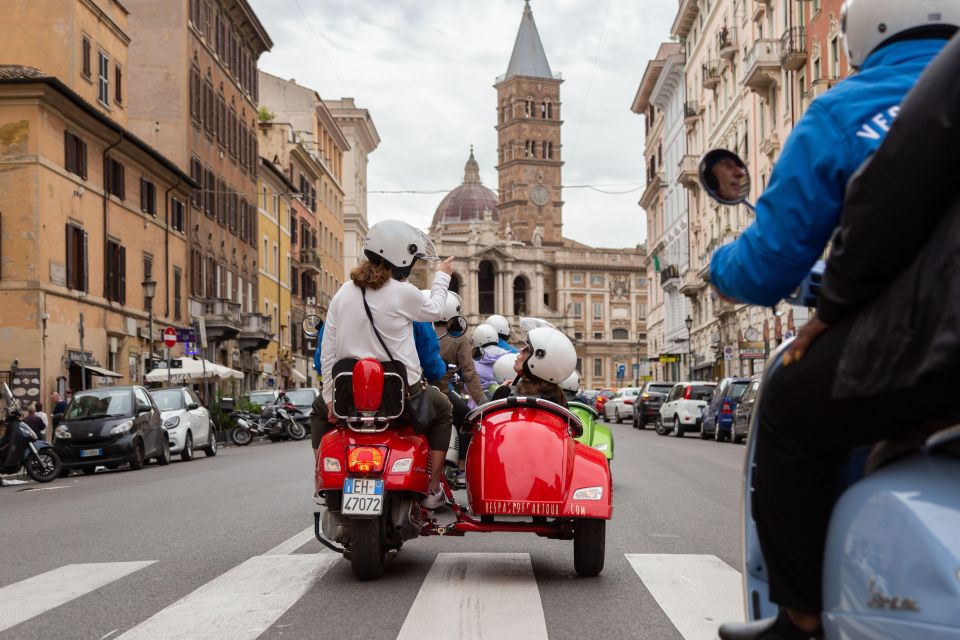
On this Vespa sidecar morning tour, you ride shotgun while a licensed guide talks through headphones, so the city makes sense as you pass the biggest sights. I especially liked the combination of seeing Roman highlights up close and starting with an Italian breakfast: cappuccino and cornetto. It feels like getting Rome explained and served at the same time, without you having to plan a thing.
Second, I love how you get both “wow” moments and the smaller streets. The route covers 12 must-see attractions across thousands of years, with stops that include panoramic lookout points and access to narrower lanes you would never pick on your own. That relaxed pace is the best part.
One drawback to consider: this is not for everyone. It is not recommended if you have back or heart problems, it is not for pregnant travelers, and there are age/height/weight limits for seating and riding. If you fall into those categories, you will want to choose a different style of tour.
In This Review
- Key highlights at a glance
- Why a Vespa Sidecar Tour Works for First-Time Rome
- Cappuccino and Cornetto: The Right Pace to Start at 9:00
- Quirinale to Trevi: Getting the Big Pictures Fast
- Quirinale
- Fontana di Trevi
- Pantheon Stop: One Ticket Included, One Great Room of Rome
- Piazza Navona and St. Peter’s Area: Rome’s Drama in Two Different Moods
- Piazza Navona
- S. Peter (St. Peter’s area)
- Gianicolo Hill: Panoramic Views That Put Rome in Context
- Trastevere and the Jewish Ghetto: Tight Streets From the Best Seat
- Piazza Venezia to the Colosseum: Ending With a Heavy Hitter
- Piazza Venezia
- The Colosseum
- Gear and Comfort: Helmets, Seat Belts, Ponchos, and Winter Extras
- Price and Value: What You Really Get for $152.93
- Who Should Book This Morning Vespa Sidecar Tour
- Should You Book This Vespa Sidecar Tour With Cappuccino?
- FAQ
- How long is the morning Vespa sidecar tour with cappuccino?
- Where is the meeting point for the tour?
- What breakfast is included?
- Is the Pantheon entry ticket included?
- Will I be able to hear the guide during the ride?
- Do you provide helmets and seat belts?
- What happens if it rains?
- Are passengers allowed to drive the Vespa sidecars?
- Is this tour suitable for pregnant travelers or wheelchair users?
Key highlights at a glance
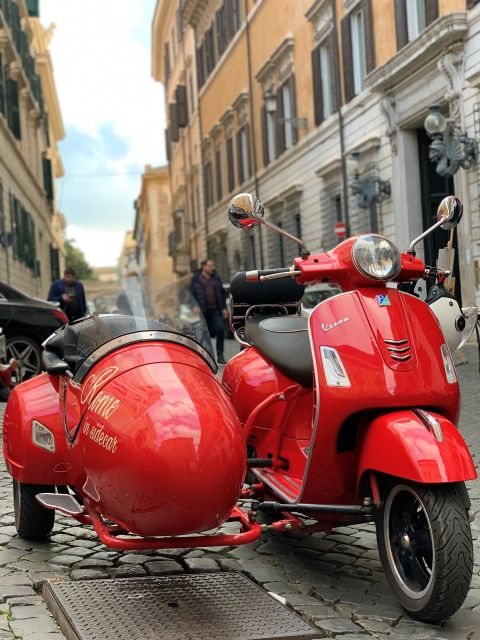
- Licensed guide with live English narration via on-board headphones, so you stay oriented the whole time
- Cappuccino and cornetto breakfast before you hit the sights
- 12 top Roman stops plus panoramic viewpoints and tight-street access
- Pantheon entry included, saving you from ticket-hunting mid-tour
- Helmet, seat belt, and weather gear included for safety and comfort
Why a Vespa Sidecar Tour Works for First-Time Rome
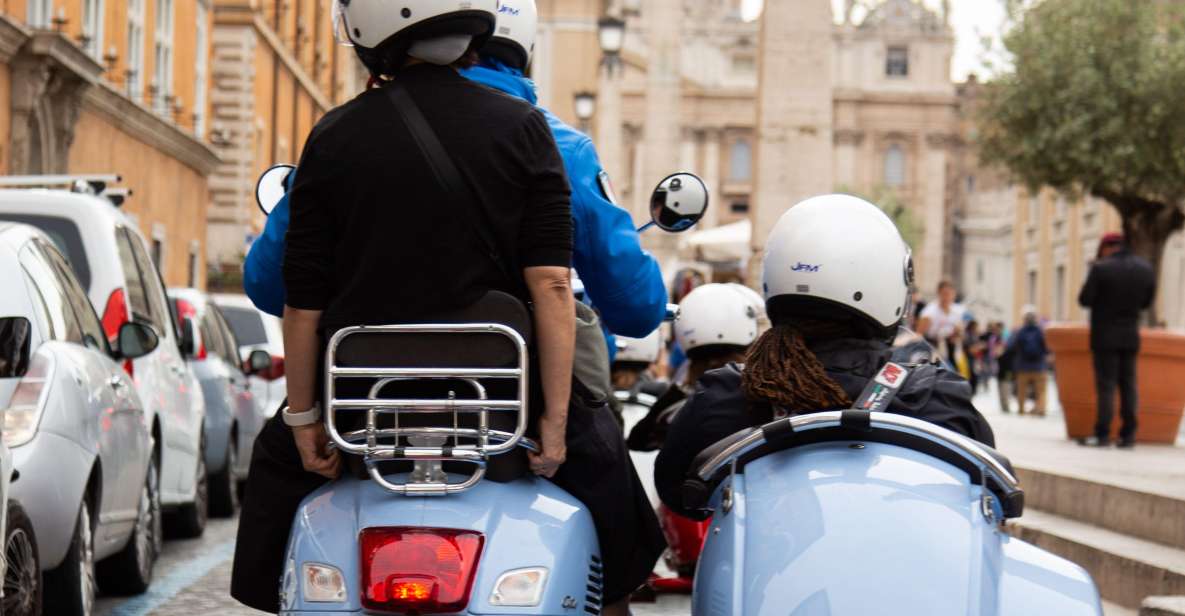
I like Rome best when I can stop thinking and start noticing. This tour is built for exactly that. You do not drive, you do not park, and you do not have to track where the next site is. The driver handles the road work, while the guide keeps the story moving through your headphones.
The sidecar format also changes how you experience the city. You sit higher than you would on a walking-only tour, so you can actually read the city’s layout—big squares when you need them, narrow streets when you want the real feel. And since the route includes panoramic lookout points, you get built-in moments to look out and then connect those views to what you are seeing on the ground.
One more thing I appreciated: the headphones are not just extra commentary. They are live narration, so you get crucial context right when you need it—no waiting until you reach a museum door or later in the day. That makes the whole morning click.
You can also read our reviews of more tours and experiences in Rome
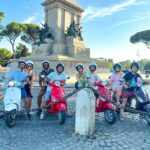
Cappuccino and Cornetto: The Right Pace to Start at 9:00
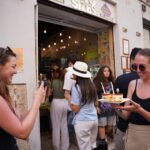
Meeting time is 9:00 AM, and the tour includes a traditional breakfast with cappuccino and cornetto. That matters more than it sounds. Rome mornings can be a mix of sun and cool air, and you do not want to power through sights on an empty stomach.
The breakfast also sets the tone: you are not rushing to tickets or crowded attractions right away. Instead, you get a calm start, then shift into a moving tour where breakfast becomes your fuel for a full circuit of the city’s most recognizable stops.
Quirinale to Trevi: Getting the Big Pictures Fast
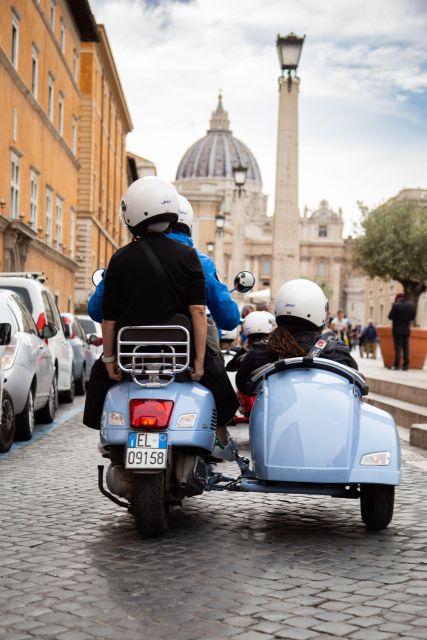
The morning route begins with Quirinale, then swings toward major landmarks like Fontana di Trevi. This is a smart way to start because it gives you immediate “Rome scale.” You see where important power centers sit, then you see the famous postcard places, and you begin understanding why they are placed where they are.
Quirinale
Quirinale is one of those Rome areas where the details matter. Even if you are not getting out for a long walk, you get the essential sense of how the city’s hills and viewpoints affect where people built monuments and government spaces.
Fontana di Trevi
Trevi is famous for a reason, but the sidecar angle helps you stay grounded. From the road and nearby stops, you can appreciate it as part of the surrounding streets, not just as a single photo spot. Just remember that Trevi is a magnet—so even with the tour format, plan on the area feeling busy.
You can also read our reviews of more tours and experiences in Rome
Pantheon Stop: One Ticket Included, One Great Room of Rome
The tour includes entry tickets to the Pantheon, which is one of the easiest value boosts in the whole experience. When a tour includes access to a major site, it removes friction from your day. You are not stuck figuring out lines, ticket types, or timing.
What I like most about doing the Pantheon mid-morning on a guided loop: you have already started learning the city’s rhythm. By the time you arrive, the guide’s live narration helps you connect what you are looking at to what you heard earlier—so the Pantheon does not feel like a standalone stop.
Even without getting lost in architectural jargon, the Pantheon is a place where “seeing” becomes “understanding.” If you pay attention to the dome shape and the light falling inside, you will get why this building became a long-lasting reference point. You also get a reminder that Rome’s best sites are not just for outside photos.
Piazza Navona and St. Peter’s Area: Rome’s Drama in Two Different Moods
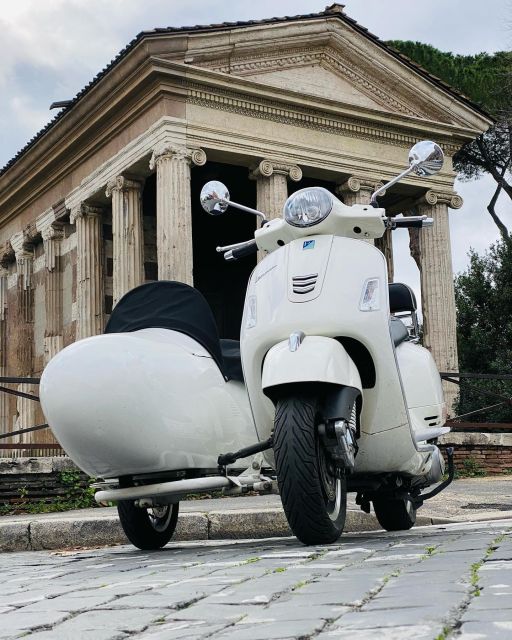
From the Pantheon area, the tour continues toward Piazza Navona and then S. Peter. These stops show you Rome’s range—public space and church power, all in the same morning.
Piazza Navona
Navona feels like a stage. Even when you are not walking for ages, you can read the square’s layout quickly. It is the kind of place where you can sense how crowds and daily life flow around monumental architecture. For a first-time visitor, it is a fast way to understand that Rome is not just ancient stones—it is lived-in space.
S. Peter (St. Peter’s area)
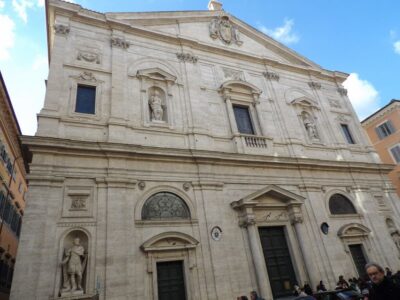
With S. Peter, you get the change in mood: the scale shifts, and the city’s spiritual gravity takes over. The sidecar format makes it easy to pass through key sightlines while the guide fills in what you are seeing and why it matters.
Just a quick note for your expectations: the tour is about moving and viewpoint stops, not an all-day deep walk. If you want long, slow time inside every building, you may find this style less satisfying. But if your goal is to get oriented fast and still hit the icons, it works.
Gianicolo Hill: Panoramic Views That Put Rome in Context
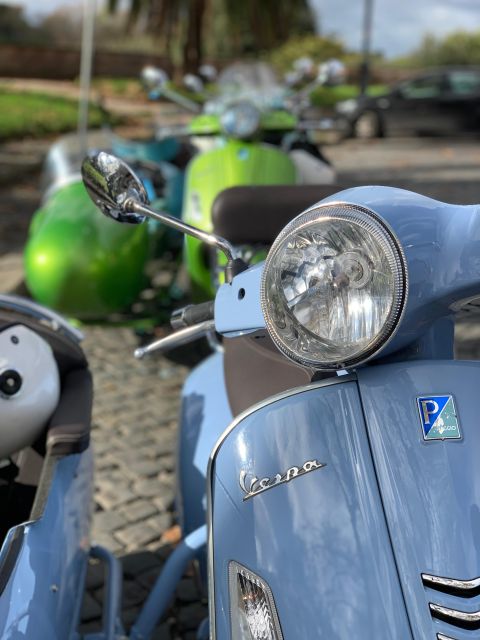
One of the strengths of this tour is that it includes panoramic lookout points. Gianicolo Hill is the kind of stop that turns Rome from a list of attractions into a place with geography.
From a hill, you finally understand why Rome has so many angles and sightlines. The river, the spread of neighborhoods, and the way buildings step across distance become obvious. And because the guide is narrating live, your “look out” moment connects to earlier talk about how and why these places were positioned.
If you like photos, you will have plenty of chances to frame scenes here. If you care more about understanding than snapshots, this is still worth it—you get the mental map that makes later exploring easier.
Trastevere and the Jewish Ghetto: Tight Streets From the Best Seat
The route includes Trastevere & the Jewish Ghetto, and this is where the sidecar format shines. Rome’s older neighborhoods have narrow lanes where you would spend time stuck on the wrong street or searching for the right entrance. On a Vespa sidecar, you can see those lanes from the moving route and at stops, without doing the navigation yourself.
In Trastevere, you get the feel of a neighborhood that has a different pace than the monument zones. It is more about street character—how buildings hug the road and how the area feels at human scale. In the Jewish Ghetto section, the atmosphere shifts again, and your guide’s narration helps tie the story of place to what you are seeing.
A practical tip: bring a little patience for crowds and tight traffic areas. The tour does not remove the reality of Rome streets. It just lets you experience them without the stress of driving.
Piazza Venezia to the Colosseum: Ending With a Heavy Hitter
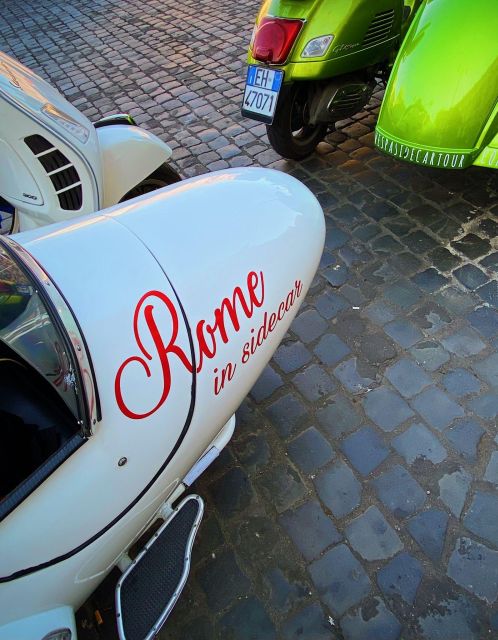
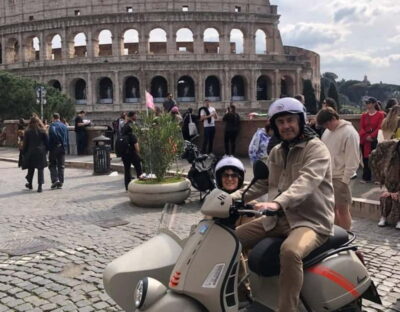
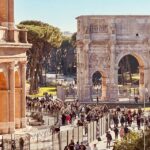
The later portion brings you through Piazza Venezia and then to the Colosseum. If you want a “grand finale,” this is a good arc. You move from viewpoints and neighborhood streets toward Rome’s most recognizable ruin, and the contrast hits harder after seeing the city’s layout.
Piazza Venezia
Piazza Venezia is a turning point in how Rome feels. It is a hub area where the city’s openness begins to show more. Even if you do not spend a long time walking, it is useful as a mental waypoint. It helps you connect the monument zones you visited earlier with the ancient centerpiece ahead.
The Colosseum
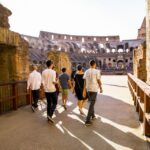
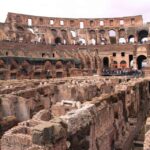
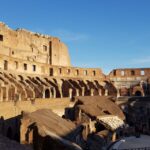
The Colosseum is a place you will feel even if you are not a big “arena” person. It is big enough to anchor your morning, and it gives your internal map a clear destination. Seeing it from the route and ending near it is a satisfying way to close a 3-hour loop, especially if you plan to explore further afterward on your own.
Gear and Comfort: Helmets, Seat Belts, Ponchos, and Winter Extras
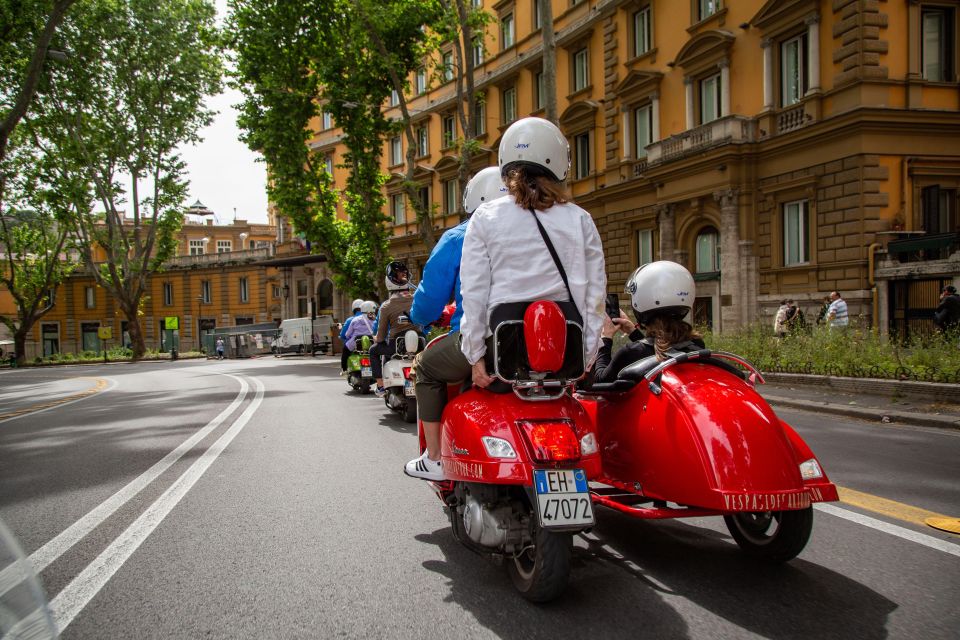
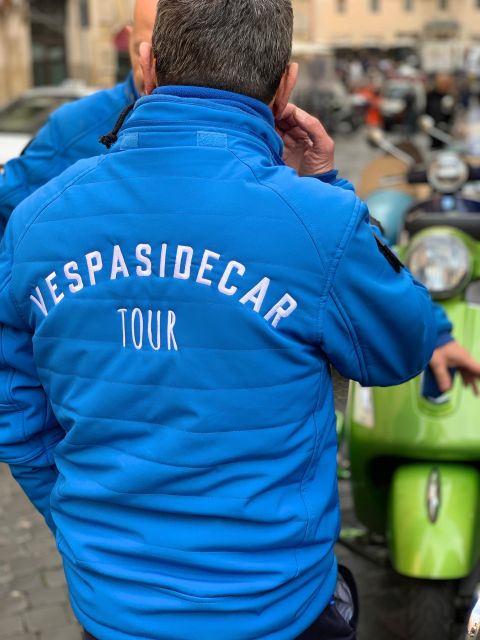
Safety and comfort are handled in a very practical way. You get homologated CE helmets and sterilized disposable head covers for hygiene. You also get seat belts for the passenger riding in the sidecar. That is important because this is not a slow, stationary tram ride—it is movement through real roads.
If weather is a concern, you are covered. The tour provides waterproof ponchos in case of rain. And if you are traveling in colder months, there are blankets and electric water bottles available in winter, which is one of those details you appreciate more than you think you will once the morning cool hits.
One more rule that matters for your planning: for legal and safety reasons, passengers are not allowed to drive the vehicles. So if you booked expecting to take the handlebars, you will want to know that up front.
Price and Value: What You Really Get for $152.93
At $152.93 per person, this tour is not the cheapest way to see Rome. But it is also not just a “ride around.” You are paying for a bundle of things that add up fast:
- a licensed English guide with live narration via headphones
- professional drivers doing the driving for you
- breakfast (cappuccino and cornetto)
- Pantheon entry tickets included
- full insurance policy included
- safety and comfort equipment: helmets, seat belts, ponchos, plus winter extras
If you try to build a similar day yourself—guide time plus multiple paid sites plus transport plus planning—you will usually spend more than you expect. The big value move here is that you get to sit back while you cover a lot of ground in a short window.
This tour is especially good when you only have limited time in Rome or you want to start your trip with a strong orientation. In fact, the best feedback I came across was basically the same idea: this is a fun, efficient way to see the highlights, and the guide quality is a major part of why it feels worth doing.
Who Should Book This Morning Vespa Sidecar Tour
This fits best if you want:
- a first-day or first-morning view of Rome’s greatest hits
- a break from walking and self-driving
- a guided narrative delivered at the right moment through headphones
- panoramic stops that help you build a map in your head
It may not fit if you:
- need wheelchair access (it is not suitable for wheelchair users)
- have back problems or heart conditions (not recommended)
- are pregnant (not permitted)
- want to bring very young children (children must be at least 5, with rules about seating height)
Also check the practical limits: the sidecar can hold up to 110 kg / 242 lbs, and there is a maximum height of 1.90 m for riders in the relevant seating areas. Weight limits are clearly part of the safety setup.
Should You Book This Vespa Sidecar Tour With Cappuccino?
Book it if you like the idea of Rome as a moving story—where you cover major sites in about 3 hours, get cappuccino and cornetto, hear clear explanations through headphones, and still enjoy viewpoint stops like Gianicolo Hill. If you want a smart first look that makes later exploring easier, this is one of the more efficient ways to do it.
Skip it (or choose something else) if your health situation doesn’t match the tour recommendations, you need wheelchair access, or you are expecting to drive the vehicle yourself. For the right person, though, this is one of those rare tours where the “fun” and the “learning” arrive together.
FAQ
How long is the morning Vespa sidecar tour with cappuccino?
The tour lasts 3 hours, with the exact starting times depending on availability.
Where is the meeting point for the tour?
The meeting point is P.za della Repubblica, 41, Roma RM, Italy, near the green newspaper kiosk.
What breakfast is included?
The tour includes a traditional breakfast with cappuccino and cornetto.
Is the Pantheon entry ticket included?
Yes. Entry tickets to the Pantheon are included in the tour price.
Will I be able to hear the guide during the ride?
Yes. You get headsets to hear the live English narration from the guide throughout the tour.
Do you provide helmets and seat belts?
Yes. You’ll receive CE helmets with sterilized disposable head covers, and there are seat belts for the passenger riding in the sidecar.
What happens if it rains?
The tour provides waterproof ponchos in case of rain.
Are passengers allowed to drive the Vespa sidecars?
No. For legal and safety reasons, passengers are not allowed to drive the vehicles.
Is this tour suitable for pregnant travelers or wheelchair users?
No. It is not permitted for pregnant travelers and it is not suitable for wheelchair users.