REVIEW · ROME
Renaissance Women of Caravaggio and the Borgia Family
Book on GetYourGuide →Operated by Storytelling Rome Tours & Walks · Bookable on GetYourGuide
Step into Rome’s gossip-soaked Renaissance—without the snoozing. This walking tour turns famous paintings and church art into stories about courtesans, power, and survival. Caravaggio and Raphael’s muses come to life as you move through real central Rome.
I especially loved the story-first format—no lecture tone, just sharp character-driven storytelling. I also liked that the route mixes major sights with smaller, less familiar corners, plus multiple church stops where the art themes start to click.
One thing to plan around: you are entering churches, so you’ll need to follow the dress rules (covered shoulders and clothing that won’t get you turned away).
In This Review
- Key highlights I’d prioritize
- Renaissance courtesans, Rome streets, and art that finally has a face
- Meeting at Trajan’s Column: the tour starts with a big visual anchor
- Piazza Venezia to the Doria Pamphilj area: start with power, then get personal
- Sant’Agostino: when court gossip meets church walls
- Santa Maria sopra Minerva: art, intelligence, and why these women mattered
- Santa Maria della Pace: Borgia intrigue and the politics of reputation
- The story doesn’t stay in one lane: Cleopatra and Julia Domna show up
- Walking through 16th-century homes and lesser-known backdrops
- Timing, pace, and the one mid-walk pause you might appreciate
- Dress code for church stops: plan this part first
- Price and value: $44 for a women-focused, story-led Rome walk
- Ending in Piazza Farnese: a good place to decompress
- Who this tour is for (and who might skip it)
- Should you book Renaissance Women of Caravaggio and the Borgia Family?
- FAQ
- Where is the meeting point?
- How long is the tour?
- What does the tour cost?
- What language is the tour in?
- Is the tour wheelchair accessible?
- Do we enter churches?
- What should I wear for church stops?
- Where does the tour end?
- Is there a chance to buy food or drinks?
- FAQ
- Can I cancel for a full refund?
- Is the tour focused on Renaissance women?
- Do I need to pay immediately?
Key highlights I’d prioritize
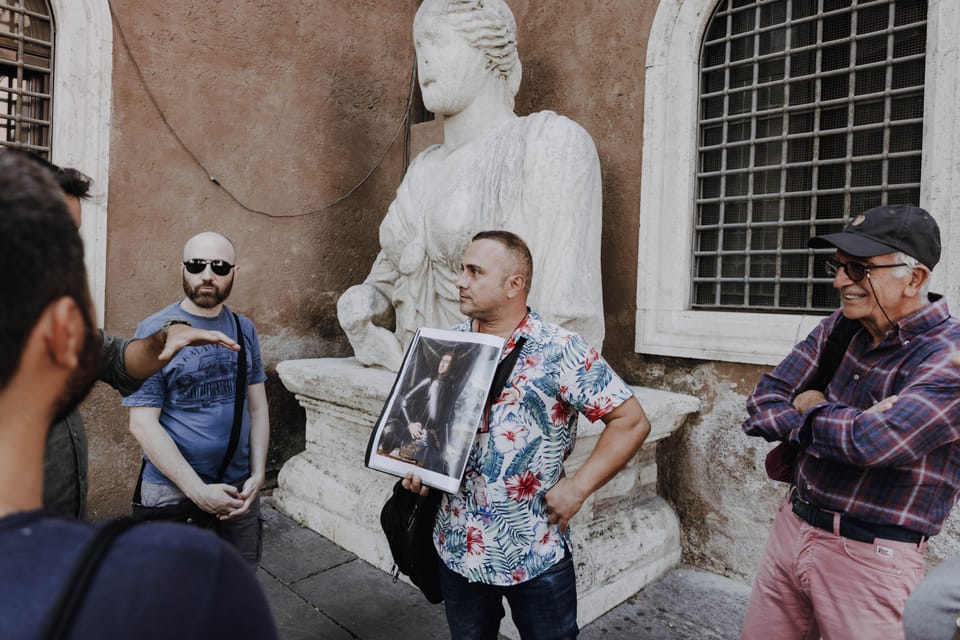
- Seven “Scarlet Ladies” stories that connect Renaissance court life to the art you came to see
- Caravaggio and Raphael treated as part of a bigger social story, not just a name on a museum wall
- Borgia family mistresses and political intrigue woven into the walk, not tacked on at the end
- Church visits to places like Sant’Agostino and Santa Maria sopra Minerva that shape how the stories land
- A finish in Piazza Farnese with time for a drink or dinner at the end of the walk
- The guide, Massimo, is repeatedly praised for wit and energy, making 3 hours feel lively rather than long
Renaissance courtesans, Rome streets, and art that finally has a face
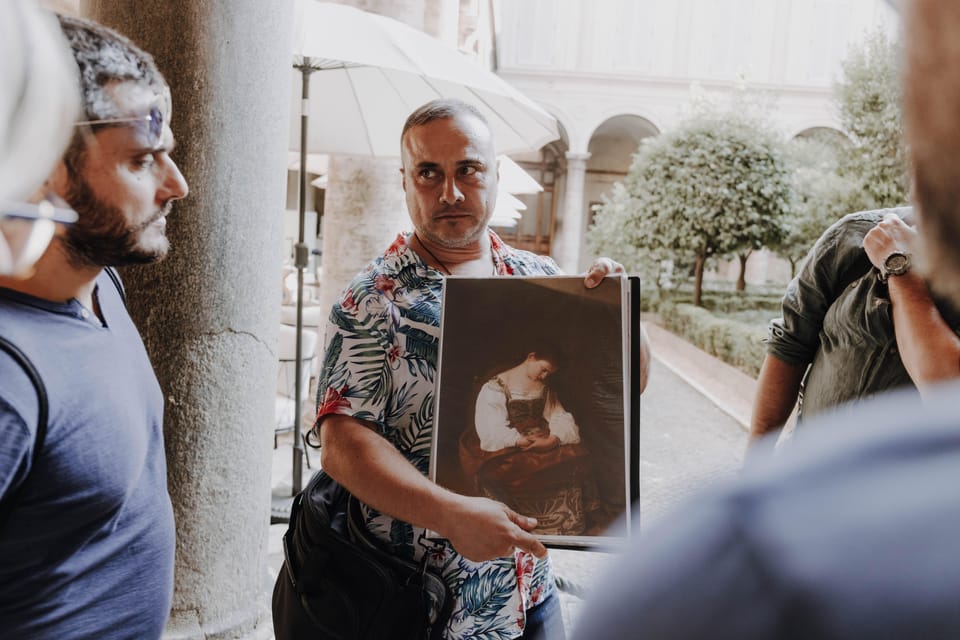
If you’ve ever walked past a church painting in Rome and wondered who on earth the artist was really depicting, this tour is built for that question. You’ll hear how seven Renaissance women were seen as muses, rivals, and political actors—and why Rome both celebrated and condemned them.
This is not a standard art tour where you learn dates and move on. Instead, you follow a set of characters through the city, so the artwork stops being wallpaper and starts feeling like evidence in a long-running story.
You can also read our reviews of more tours and experiences in Rome.


Meeting at Trajan’s Column: the tour starts with a big visual anchor
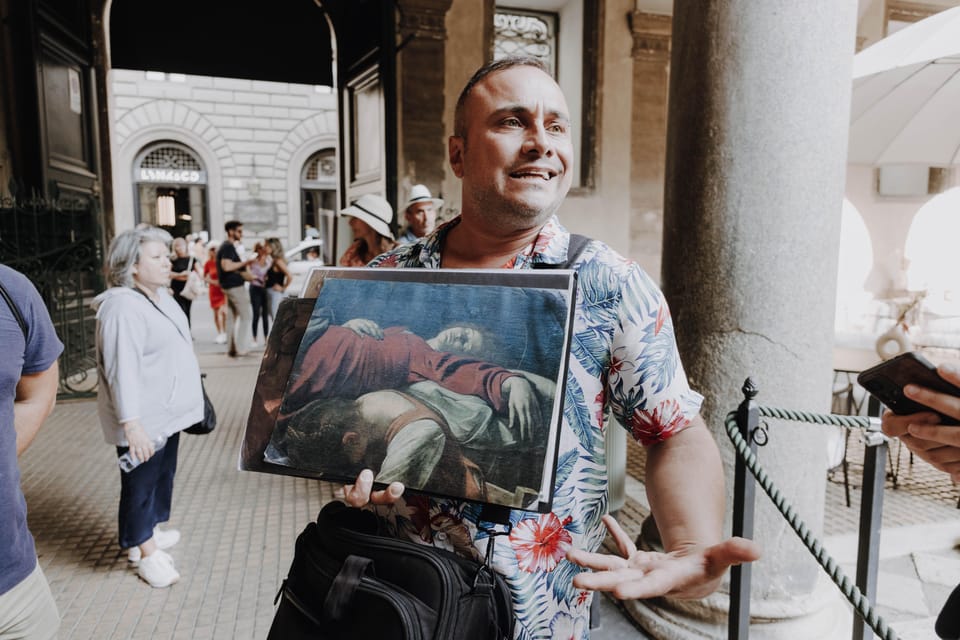
The meeting point is easy to find: you’ll meet your guide by Trajan’s Column, right next to Piazza Venezia. Massimo (or your guide) stands holding a sign for the Renaissance Scarlet Ladies Tour, so you’re not hunting around for a meetup point.
Why I like this start: Piazza Venezia is a practical location. It’s central, it’s recognizable, and it makes it simple to build the rest of your day around a 3-hour walk. You also get Rome’s “stone and power” vibe immediately, before the stories pull you deeper into courtesan-world drama.
Piazza Venezia to the Doria Pamphilj area: start with power, then get personal
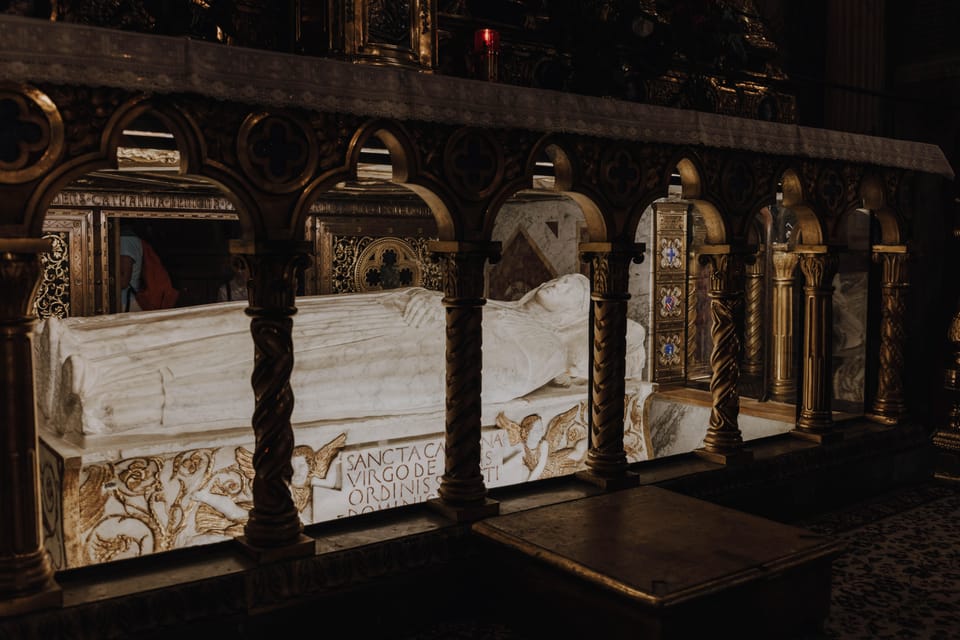
From Piazza Venezia, the walk heads through the city center and includes stops around areas like the Galleria Doria Pamphilj, which you’ll pass by during the tour. Even when you’re just seeing a place from the sidewalk, the storytelling helps you read the architecture differently.
Instead of treating Renaissance Rome as a backdrop, the tour frames it as a stage. And once you see how power and reputation worked for these women, you’ll likely notice more symbolism in the buildings and church settings as you go.
Practical note: this portion is a walking warm-up. If you’re a slower walker, wear shoes you can rely on for uneven pavement and repeated stops.
Sant’Agostino: when court gossip meets church walls
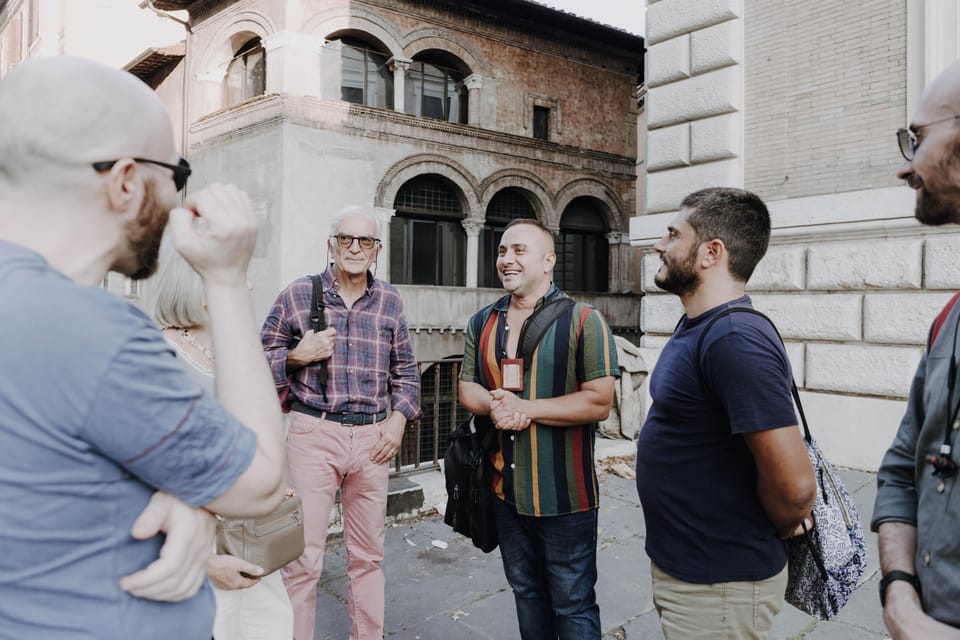
One of the key church stops is Sant’Agostino. Churches in Rome matter here because courtesans were not just “painted subjects.” They were part of the conversations that shaped what people admired, feared, and tried to control.
At this stop, the story focus helps you connect three things:
- how these women lived in a world built for men
- how artists turned them into enduring images
- why the church setting adds tension rather than calm
A drawback to keep in mind: church entry means you’re subject to dress expectations. If you show up with bare shoulders or short, revealing outfits, you can lose time fast if entry is refused.
Santa Maria sopra Minerva: art, intelligence, and why these women mattered
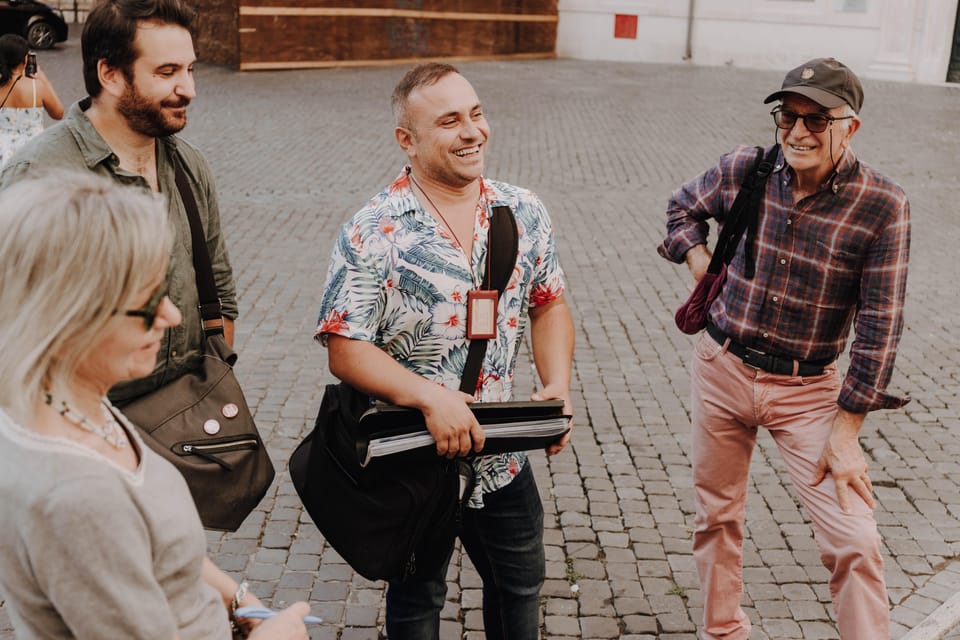
You’ll also visit Santa Maria sopra Minerva, another standout stop. This is where I’d expect you to feel the “why now” effect of the tour. The Renaissance story isn’t just about romance or scandal; it’s about strategy.
One review highlight that’s worth noting for your expectations: Massimo’s storytelling doesn’t keep everything inside a single bubble. You might hear connections that even reach earlier figures like Cleopatra, presented with a more historical approach but still kept engaging. The point isn’t Hollywood drama—it’s how women navigated authority and survival across different eras.
This kind of context is useful. It helps you understand that art and patronage were tied to real reputations, real influence, and real consequences.




Santa Maria della Pace: Borgia intrigue and the politics of reputation
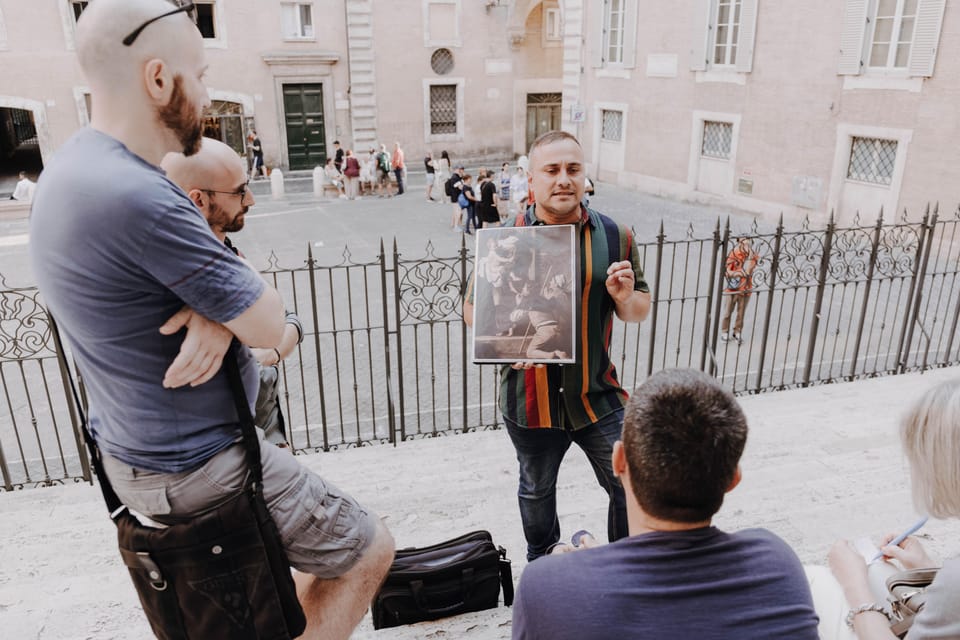
Another major church stop is Santa Maria della Pace. The tour explicitly includes mistresses of the Borgia family, and this stop is where that theme tends to feel especially grounded.
Why? Because in Rome, religious spaces often sit directly above (or beside) the social and political networks that people were trying to hide. The stories make it clear that “respectability” was something you could manage, perform, or lose.
When the Borgia angle comes up, you’ll likely get a better sense of how courtesans could be seen as both useful and dangerous. In a world where education for women was limited, the tour frames court life as one of the ways ambitious women seized leverage.
The story doesn’t stay in one lane: Cleopatra and Julia Domna show up

What I found refreshing is the way the storytelling can branch. Even though the tour’s focus is on Renaissance courtesans connected to Caravaggio and Raphael, some of the narrative examples stretch beyond that narrow frame.
For instance, a review calls out Cleopatra as a story delivered in a historical way, and Julia Domna as a standout discovery. That matters because it changes the experience from “scandal trivia” into “a pattern you can see.” You start to recognize the recurring theme: power bends toward whoever can shape perception.
So if you love character-driven history, this tour should click.
Walking through 16th-century homes and lesser-known backdrops
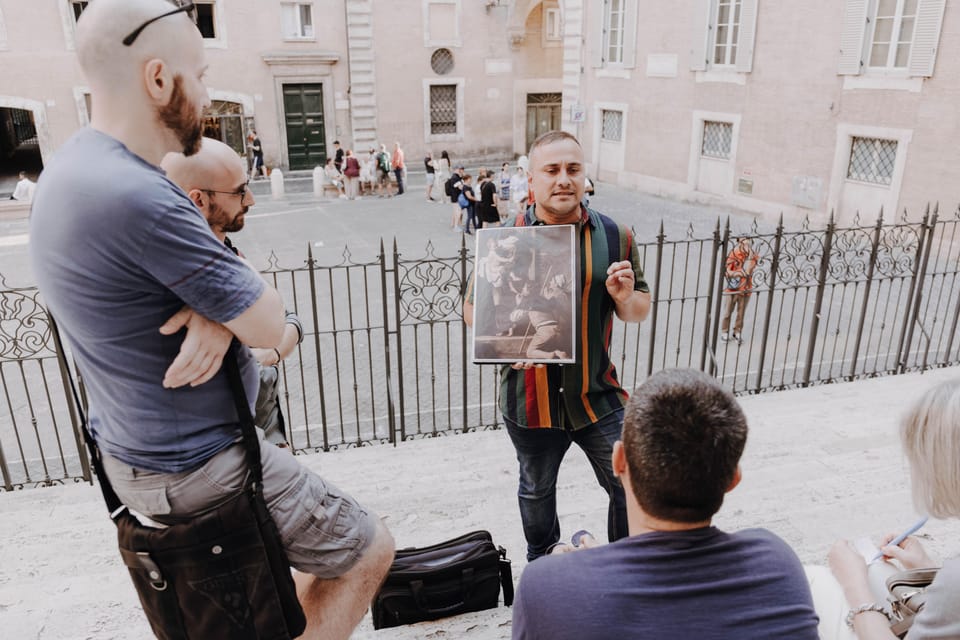
Along the route, you’ll see more than just big-ticket monuments. The tour includes scenes at places that feel like they still carry echoes of the 16th-century homes and city-center settings that made these stories believable.
Even when you’re not going inside every site, standing in the right place can change how the story lands. Courtesan life doesn’t feel abstract when the setting looks like it’s still holding the same street geometry and visual rhythm.
I’d call this one of the value drivers of the tour. You get variety without needing museum tickets, and you’re guided through context so you’re not just looking at stone—you’re reading it.
Timing, pace, and the one mid-walk pause you might appreciate
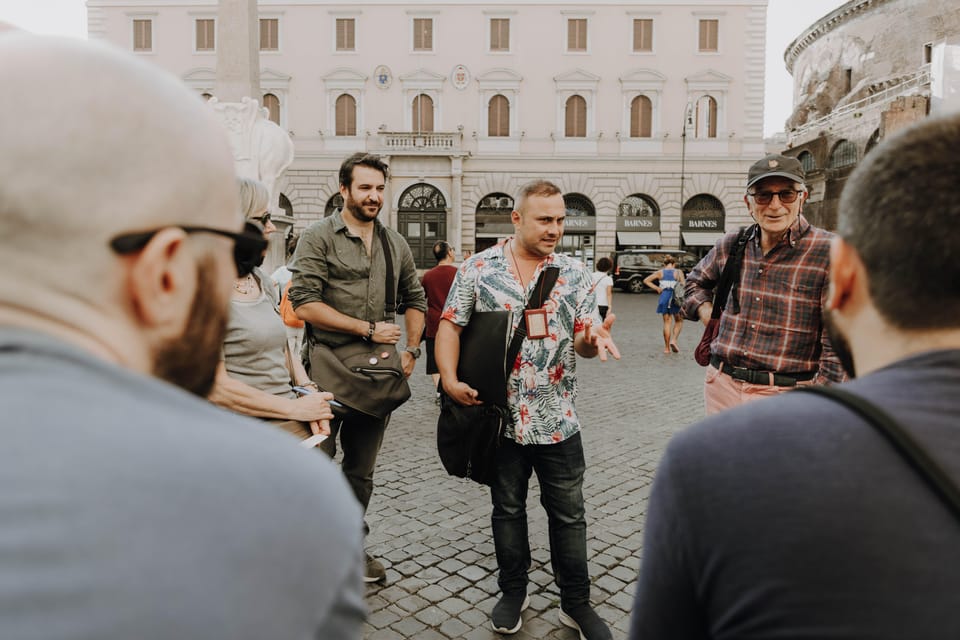
The total duration is 3 hours, and the pace is built for a multi-stop city walk with several church entries. The tour notes that a short break halfway through is possible, which is a thoughtful touch for a city day.
There’s also a practical reality: you’ll likely want a snack or drink at some point, and those are not included. The good news is the tour ends in a great place to keep the day going.
If you’re someone who gets restless on long walks, this one is still likely manageable because the storytelling keeps moving. But come with water and sensible shoes anyway.
Dress code for church stops: plan this part first
This tour does enter churches, and you need to respect the dress rules. The guidance is clear:
- No short skirts
- No sleeveless shirts
- Shoulders need to be covered inside church spaces
- Clothes should align with church norms, including when you’re visiting with deltoids covered
If you’re traveling with lighter summer clothing, I strongly recommend packing a simple layer you can add quickly. A light scarf or wrap can help you handle last-minute adjustments without turning your day into a wardrobe emergency.
Churches can refuse entry if you’re dressed inappropriately, so this isn’t just about being polite. It’s about keeping your tour time intact.
Price and value: $44 for a women-focused, story-led Rome walk
At $44 per person for 3 hours, this tour sits in a mid-range spot for guided experiences in central Rome. The value comes from a few practical things:
- It’s entirely focused on historical women, which is unusual for Rome’s usual mix of monuments and male-centered timelines
- You get multiple sites (including churches) and a story designed around those locations
- The content connects art and storytelling, so you’re not paying only for movement through streets
In plain terms: you’re paying for a guide who makes the characters matter. If you love learning through narrative and you want art to come with context, this price can feel fair. If you’re only interested in formal art history details, you might find the approach more personality-driven than academic.
Ending in Piazza Farnese: a good place to decompress
The tour ends in Piazza Farnese, which is a solid finish zone. The tour specifically calls out this as a good spot to stop for a glass of wine or dinner and enjoy the sunset in downtown Rome.
Why that matters: ending in a relaxed, scenic piazza makes it easier to turn the tour into a full afternoon plan. You don’t have to immediately re-navigate Rome to find somewhere to eat after standing and walking for hours.
If you like to linger, this is the right kind of finish.
Who this tour is for (and who might skip it)
This is a great fit if you:
- enjoy stories more than timelines
- like your art connected to people, not just dates
- want a women-focused angle on Renaissance Rome
- appreciate a guide who brings energy, humor, and clear passion (Massimo is repeatedly praised for this)
You might think twice if you:
- want a strict academic lecture format
- prefer museum-only experiences with no churches and dress rules
- plan to wear clothing that won’t meet church requirements
Should you book Renaissance Women of Caravaggio and the Borgia Family?
I think you should book it if you want Rome to feel personal and slightly scandalous, the fun way. The combination of Renaissance courtesans, Caravaggio and Raphael connections, and Borgia intrigue makes this more distinctive than a typical walk.
Book it now if you’re the kind of traveler who likes a guide who can keep 3 hours moving with wit and character detail. Skip it only if you already know you want formal art lecture style and zero church time.
FAQ
Where is the meeting point?
You meet by Trajan’s Column, adjacent to Piazza Venezia. The guide waits there holding a sign for the Renaissance Scarlet Ladies Tour.
How long is the tour?
The tour lasts 3 hours.
What does the tour cost?
The price is $44 per person.
What language is the tour in?
The tour is offered in English.
Is the tour wheelchair accessible?
Yes, it is listed as wheelchair accessible.
Do we enter churches?
Yes. The tour includes church visits, and you should plan for dress code requirements.
What should I wear for church stops?
Shoulders need to be covered when inside. The tour also notes that short skirts and sleeveless shirts are not allowed, and churches may refuse entry if you’re dressed inappropriately.
Where does the tour end?
The tour ends in Piazza Farnese.
Is there a chance to buy food or drinks?
Yes. A snack or beverage is not included, so you can buy your own during the tour.
FAQ
Can I cancel for a full refund?
Free cancellation is available up to 24 hours in advance for a full refund.
Is the tour focused on Renaissance women?
Yes. The tour is described as being entirely focused on historical women, with stories about Renaissance courtesans and links to major artists.
Do I need to pay immediately?
The listing offers reserve now & pay later, so you can book your spot without paying that day.