REVIEW · ROME
“Rome and Vatican: 753BCE – 2025AD” Jubilee Year Guidebook
Book on GetYourGuide →Operated by Taras Dzyubanskyy · Bookable on GetYourGuide
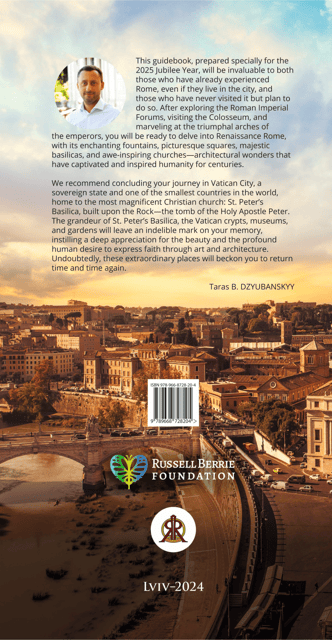
Jubilee Year turns Rome into a living classroom. This Rome and Vatican guidebook is built for the 2025 Jubilee moment, guiding you through the story behind the big monuments and the Vatican’s most sacred spaces. I love how it puts the focus on the Vatican Necropolis and the humble Tomb of Peter. I also like the way it threads in the historical Jewish origins of Christianity, so the meaning lands while you’re looking at the art and architecture. A fair consideration: it’s a guidebook format with a limited time window, not a live walking guide who can stop and answer your questions on the spot.
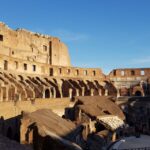
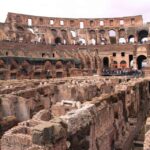
What really makes this feel useful is the author and the approach. The book is by Dr. Taras Dzyubanskyy, a theologian and seasoned Vatican-and-Rome guide, and it’s organized with walking help, maps, and practical recommendations for what else to do in Rome. It also gives you the kind of “what you’re seeing” commentary people usually wish they had halfway through a visit, like when you’re standing near major sites such as the Colosseum, Vatican Museums, the Sistine Chapel, and St. Peter’s Basilica.
In This Review
- Key Things I’d Focus on Before You Buy
- Jubilee Year 2025: What Changes When You Tour With This Theme?
- Who Dr. Taras Dzyubanskyy Is and Why His Angle Helps
- One Hour, Big Names: How to Think About the Time Window
- Entering The Story World of St. Peter’s: Tomb of Peter and the Necropolis
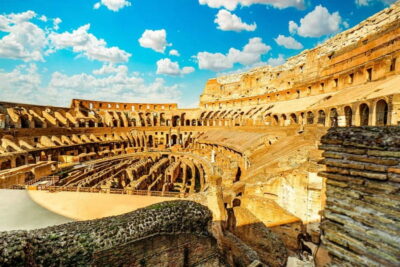
- Rome’s Monument Map: Colosseum, Museums, Sistine Chapel, and Basilica
- Jewish Origins of Christianity: The Extra Context That Changes How You See Everything
- Practical On-Site Help: Shoes, Water, Camera, and Dress Rules
- “Skip the Ticket Line” Versus Real-World Expectations
- Price and Value: Is $29 a Good Deal for Rome and the Vatican?
- Who This Works Best For (And Who Might Find It Frustrating)
- The One Thing to Watch: Pickup Confusion
- Should You Book This Rome and Vatican Jubilee Guidebook?
Key Things I’d Focus on Before You Buy
- Jubilee Year 2025 framing: the guidebook is designed for the 2025 pilgrimage atmosphere.
- Vatican Necropolis + Tomb of Peter emphasis: the standout content people praise.
- Connecting Christianity’s Jewish roots: adds meaning to what you see in the Vatican.
- Maps and walking tours: helps you plan Rome’s routes without guessing.
- Practical Rome add-ons: you get ideas beyond the headlines (not just monuments).
- Watch the delivery/pickup details: at least one buyer reported confusion when the pickup point didn’t match what they expected.
Jubilee Year 2025: What Changes When You Tour With This Theme?
The Jubilee Year isn’t just a date on a calendar. It shapes the tone of a visit. Instead of treating Rome and the Vatican like a checklist, this guidebook nudges you to read the sites as part of one long, interconnected story.
That matters because Rome can otherwise feel like “I saw it, I moved on.” This guide helps you slow down in the right places—especially around the Vatican sites where the history is not only artistic, but also spiritual and layered.
I also like that it’s openly aimed at both first-timers and repeat visitors. If you already know the names, you can use the book as a meaning-maker. If you’re new, you’re less likely to feel lost once you’re inside the Vatican complex.
You can also read our reviews of more tours and experiences in Rome.
Who Dr. Taras Dzyubanskyy Is and Why His Angle Helps
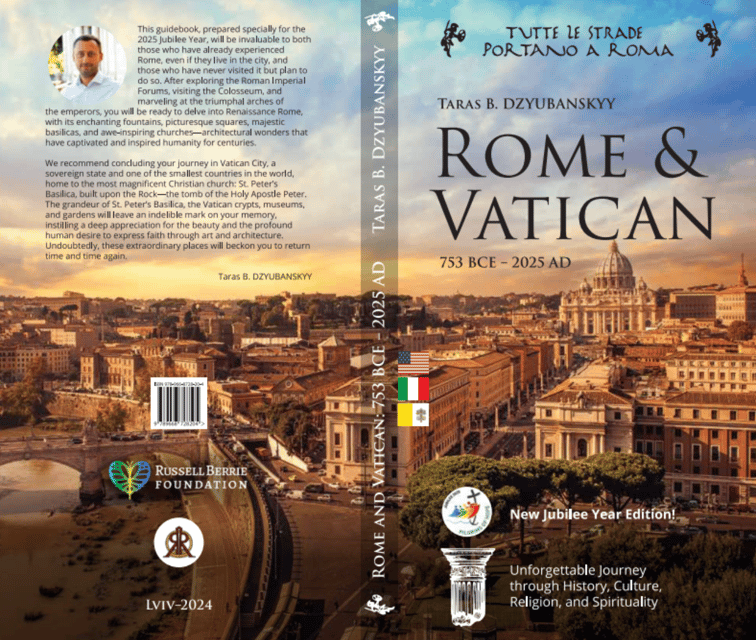
Dr. Taras Dzyubanskyy is a theologian who’s also worked as a guide in the Vatican and Rome. That combination shows up in how the guidebook is described: it’s not only history-by-dates. It’s history-as-interpretation—how a site’s meaning develops over time.
A key reason this works on-site is that the Vatican’s “greatest hits” can blur together if you don’t have a framework. The author’s focus on places like the Necropolis and the Tomb of Peter gives you a spine to hang the rest of what you see on. One piece of feedback strongly highlighted this exact strength, which lines up with the book’s stated emphasis.
If your goal is to understand what you’re looking at (not just photograph it), this kind of authorial focus is a big deal.
One Hour, Big Names: How to Think About the Time Window
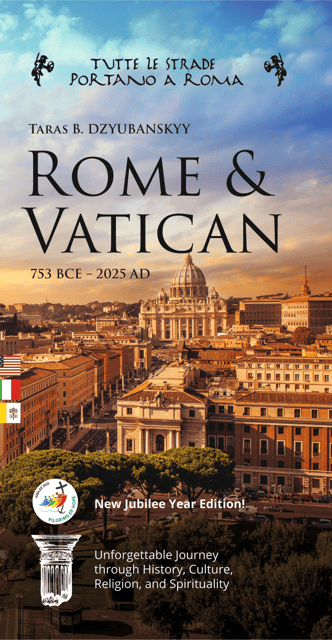
This experience is listed as valid for 1 hour. That doesn’t mean you’ll see the entire Vatican and Rome in 60 minutes. It does mean you should plan your use of the guidebook with intention.
Here’s the smart way to approach it:
- Pick one “anchor” area you’ll read about and connect to while you’re there.
- Use the maps and walking tours to avoid wasting time early.
- Prioritize the major stops that are specifically called out in the guidebook—then use the extra context to make those stops click.
If you try to do everything, you’ll end up skim-reading while standing still. Instead, treat the hour as a “planning + on-site orientation” window. You’ll get more value by reading a few sections carefully than by bouncing around trying to absorb everything at once.
Entering The Story World of St. Peter’s: Tomb of Peter and the Necropolis
The most praised content is the one that many first-time visitors skip or misunderstand: the connection between the Vatican Necropolis and the Tomb of Peter.
Even if you know St. Peter’s Basilica is important, it helps to understand what the Necropolis angle adds. It turns the experience from a purely visual pilgrimage—marble, mosaics, grand scale—into something more grounded. You’re looking at a sacred tradition that’s tied to place in a very direct way.
This is also where the guide’s theology-friendly perspective pays off. You’re not just learning a fact. You’re getting a framework for why these spaces are treated with such care.
My advice: don’t rush this section. If your time is tight, cut back on one other stop so you can spend a little more attention here. The payoff is bigger than you expect.
Rome’s Monument Map: Colosseum, Museums, Sistine Chapel, and Basilica
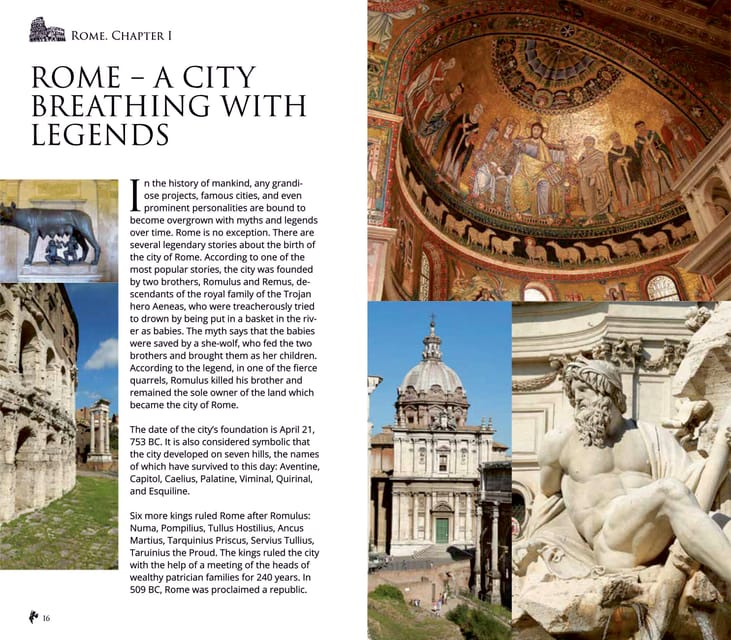
The guidebook’s chapters are described as covering headline sights across both Rome and the Vatican, including:
- the Colosseum
- the Vatican Museums
- the Sistine Chapel
- St. Peter’s Basilica
To make that list useful, the guide adds commentary and practical walking help. Rome’s ancient streets can feel like a maze even when you’ve got the “must-see” map. That’s why detailed maps and walking tours matter. They help you build a route that keeps you moving in a direction that makes sense, instead of backtracking because you missed a turn.
For the Vatican Museum and Sistine Chapel area, the value is less about the artworks being famous (they are), and more about having a guide-to-the-meaning while you’re inside. When you understand what you’re looking at, the experience stops feeling like visual noise.
And for St. Peter’s Basilica, the tomb/necropolis focus adds a layer that helps you connect the building to the story instead of treating it as just another church stop.


Jewish Origins of Christianity: The Extra Context That Changes How You See Everything
One of the guidebook’s standout themes is the historical Jewish origins of Christianity. That might sound like “extra reading,” but it’s actually practical.
Why? Because it reduces the mental gap many people feel between Old World Jewish history and New Testament Christianity. When you tour the Vatican without this bridge, you can miss the deeper continuity behind the symbolism and traditions.
With this guide’s framing, you can see the Vatican not just as an art museum and monument complex, but as a place where layered tradition is expressed through space, ritual, and interpretation.
If you’re the type who likes to understand why people keep returning to the same sacred places through centuries, this section will likely be a highlight.
Practical On-Site Help: Shoes, Water, Camera, and Dress Rules
This is where Rome and the Vatican can quickly become annoying—if you show up unprepared. This guidebook experience has a clear set of practical do’s and don’ts.
Bring:
- Comfortable shoes
- Camera
- Water
Not allowed:
- Shorts
- Short skirts
- Sleeveless shirts
- Flash photography
- Backpacks
That dress code detail is not small. The Vatican environment is strict enough that showing up in the wrong outfit can mean waiting, changing, or being turned away. If you’re traveling in warmer months, plan ahead and pack a light layer you can wear quickly.
Flash photography rules also matter. Even if you’re sure you won’t use flash, double-check your camera settings before you enter.
If you’re doing lots of walking around Rome that day, leave the backpack plan in favor of something smaller. You’ll move easier and avoid last-minute friction.
“Skip the Ticket Line” Versus Real-World Expectations
The activity details include skip the ticket line. At the same time, it’s described as not including a live guide.
So here’s the balanced way to think about it:
- You may still need to follow each venue’s entry rules and security flow.
- “Skip the ticket line” likely refers to ticketing/entry processing, not “skip all waiting forever” across every site.
If you’re trying to compress multiple big stops into one day, confirm what that perk covers for your specific dates and venues. When you’re dealing with Rome/Vatican crowds, the difference between “shorter line” and “no line” can decide whether your hour stays relaxing or turns stressful.
Price and Value: Is $29 a Good Deal for Rome and the Vatican?
The price is listed at $29 per person for a 1-hour experience tied to a Jubilee Year 2025 guidebook.
On pure cost, it’s not a “cheap museum pamphlet.” It’s also not the price of a multi-hour, live, custom tour with transportation. So you’re buying a specific value type:
- organized context (what to read while you’re there)
- maps and walking tour help
- photo-rich, chapter-based explanations
- Jubilee Year 2025 framing tailored to the moment
To decide if it’s worth it for you, ask one question: Do you enjoy structured self-guiding with explanations, or do you want someone live to manage timing and answer questions?
If you’re comfortable navigating on your own and you like meaning while you look, $29 can be a solid deal. If you want a person to shepherd you through the day and handle all logistics, you may feel under-served because a live guide is explicitly not included.
Who This Works Best For (And Who Might Find It Frustrating)
This experience makes the most sense for:
- first-time visitors who want context fast
- repeat visitors who want deeper meaning around the Vatican sites
- people who like reading while they walk and want maps to reduce wrong turns
- history-and-faith travelers who care about the Necropolis/Tomb of Peter angle
A few people may find it frustrating if:
- you need a live guide to explain everything in real time
- you’re relying on flexibility because the time window is limited
- you expect pickup or fulfillment to work exactly like a normal “show up at the gate” service
Also, there’s a note conflict to pay attention to. The details mention wheelchair accessibility, but it also states it’s not suitable for wheelchair users and that people with mobility impairments may not be served well. If mobility is a factor, plan extra buffer time and double-check suitability before you go.
The One Thing to Watch: Pickup Confusion
One downside that came up clearly is confusion around a plotted pickup point. The problem wasn’t the content quality—it was the logistics: someone went to the expected shop area, and it wasn’t carrying what they needed, leaving them unsure where to pick up.
That’s rare, but it’s real enough that I’d treat it as your reminder:
- confirm the exact pickup location (and what it’s called)
- save your confirmation details
- be ready to ask for help quickly rather than wandering
If you’re traveling during peak Jubilee crowds, this kind of uncertainty is what turns a simple plan into a stressful hour.
Should You Book This Rome and Vatican Jubilee Guidebook?
Book it if you want a $29-priced, Jubilee-themed guide that you can use to make the Vatican sites—especially the Necropolis and Tomb of Peter—feel meaningful, not just impressive.
Skip it (or look for a live guided alternative) if you want a person to lead the day, manage timing, and handle the messy parts of entry and navigation. The guidebook format is great for self-directed travelers, but it won’t replace a real-time guide.
My final take: if you enjoy reading while you tour and you care about the deeper connections—like how Jewish origins shape early Christianity—this is the kind of purchase that can improve your whole day fast.