REVIEW · ROME
Rome: Barberini Palace Guided Tour
Book on GetYourGuide →Operated by Doooing · Bookable on GetYourGuide
Caravaggio and Baroque power come together here. In 2 hours, you’ll get a guided look at Palazzo Barberini—and the art and architecture the Barberini family used to shape Rome’s culture. You’ll see big-name works like Raphael’s La Fornarina, Pietro da Cortona’s ceiling fresco, and the kind of Bernini-and-Borromini drama that makes you stop walking.
What I like most is how the guide connects paintings to politics and religion, instead of treating art like museum wallpaper. The second big win: the tour spotlights the palace itself—so you understand why these works were commissioned and how the building and the art argue with each other.
One thing to plan around: depending on your dates, you might miss certain displays. The palace’s 18th-century rooms temporarily close from Aug 26 to Oct 21, and Caravaggio’s Judith-themed painting is on loan starting Sept 4 until Jan 31, 2026.
In This Review
- Key points before you go
- Palazzo Barberini: why this isn’t just another art stop
- Meeting point in the garden (and how to find the group fast)
- The Barberini family story: politics and faith behind the masterpieces
- Raphael’s La Fornarina: the Renaissance anchor of the tour
- Caravaggio’s Judith: powerful art with real date limits
- Pietro da Cortona’s Divina Provvidenza ceiling: where Baroque scale gets real
- Bernini and Borromini: the palace as an argument
- Other works on the route: Holbein, Tintoretto, and more
- The Rome-area stops: landmarks and small moments
- Timing and pacing: what 2 hours really means
- Value: skip the line, but also skip the confusion
- Who should book this tour?
- Should you book the Rome: Barberini Palace Guided Tour?
- FAQ
- How long is the Rome: Barberini Palace Guided Tour?
- Where do I meet the group?
- Which languages are offered?
- Do I need to wait in line for tickets?
- What famous artworks and artists are included?
- Is Caravaggio’s Judith painting always on display?
- Are the palace rooms always open?
- What’s the cancellation policy?
Key points before you go
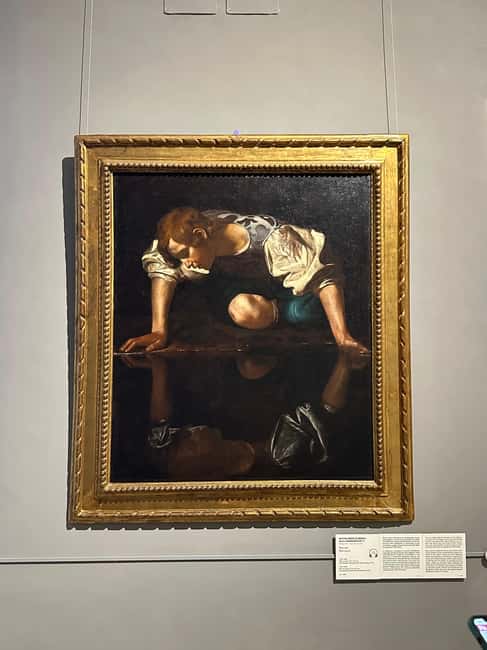
- Skip-the-line entry saves time when Rome’s queues get cranky
- Max group size of 20 keeps the pace readable and questions possible
- Raphael, Caravaggio, da Cortona, Bernini, Borromini in one guided circuit
- Barberini family context turns names you’ve heard into a clear story
- Date-based viewing changes can affect what you see (especially Caravaggio and some rooms)
- Spanish, Italian, and English options make it easy to find a comfortable match
Palazzo Barberini: why this isn’t just another art stop
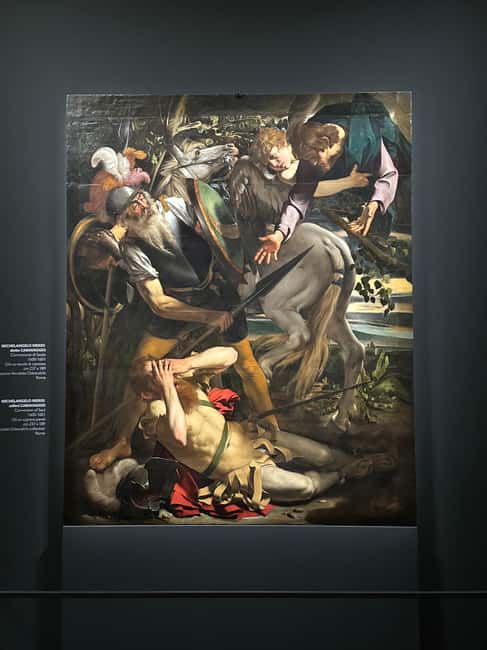
If you like Baroque Rome, this tour hits the sweet spot: art inside a palace where the family who paid for it also helped write the city’s cultural rules. The Barberini story isn’t background noise—it’s the reason the art feels so intentional. You’ll hear how the family’s influence pulled together artists, ideas, and prestige at a time when religion and politics couldn’t be separated.
I also like that the guide doesn’t only point at masterpieces. You get explanations for what’s going on in the images, and why certain commissions mattered. That’s the difference between seeing a painting and understanding the pressure that shaped it.
Finally, the palace setting is part of the show. Even before the big works, you’re already in the right atmosphere: elegant rooms, architectural attitude, and that Roman sense that power likes to decorate itself.
You can also read our reviews of more guided tours in Rome
Meeting point in the garden (and how to find the group fast)
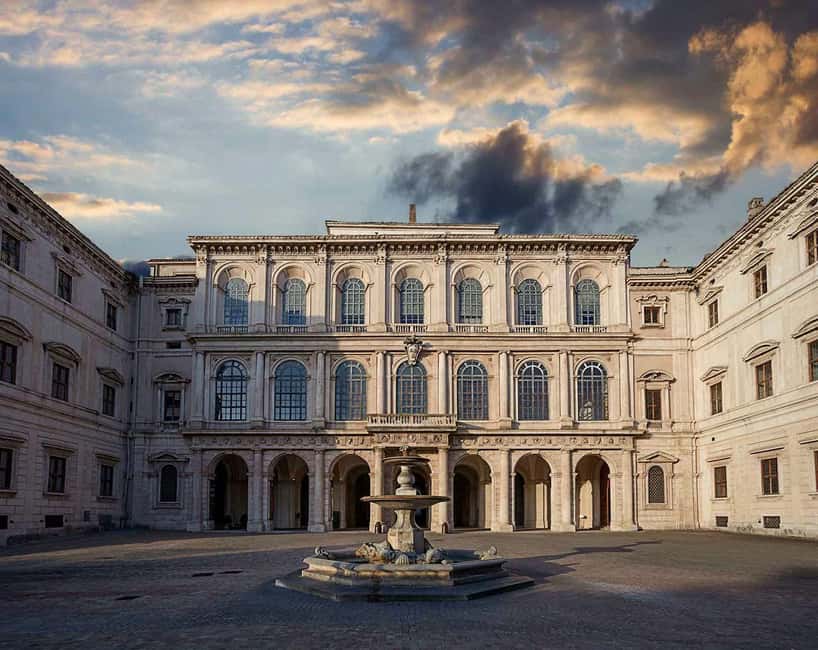
You meet inside the garden of Palazzo Barberini, around the fountain, at Via delle Quattro Fontane, 13, 00184 Roma. Your staff will hold a blue flag that says Doooing Experience—a simple visual cue when you’re standing in a busy neighborhood with a lot of stone and a lot of directions.
Practical tip: aim to arrive a few minutes early. Two things make this easier—your start time, and getting oriented before the group forms. Once you’re inside, you can settle into the tour without the usual Rome shuffle.
Also note: luggage or large bags aren’t allowed, so travel light. If you’re touring with a big backpack, plan to store it before you meet.
The Barberini family story: politics and faith behind the masterpieces
The tour’s backbone is the Barberini family’s influence on art and culture. You’ll get a guided explanation of how patronage worked—who funded the work, what they wanted to communicate, and how shifting religious and political conditions shaped what artists created.
That context matters for two reasons:
First, it explains why certain themes show up with force and drama. Baroque art didn’t happen in a vacuum. It responds to the world it’s living in.
Second, it helps you read the choices of different artists. When you understand what the Barberinis were trying to signal, the stylistic differences—Renaissance calm versus Baroque intensity—start making sense instead of feeling random.
In the same spirit, guides like Zenda have been praised for linking art and architecture to the historical time periods, so you can connect paintings to the physical space they were displayed in. Another guide, Federica, was highlighted for introducing both the residence and the artworks with clarity and energy.
Raphael’s La Fornarina: the Renaissance anchor of the tour
One of the stops is Raphael’s iconic La Fornarina. This isn’t just a famous title on a museum label. The guide’s job here is to help you notice why Raphael’s Renaissance language is so readable: balanced composition, human presence, and an emotional quality that isn’t trying to shout.
When a tour gives you context for patronage and display, Raphael lands differently. You can start to see how a Renaissance masterpiece would function in a later, more theatrical world—especially inside a palace tied to political power.
If you’re the type of visitor who wants one artwork to “teach you how to look,” this is a strong one. The tour frames it as an anchor point before shifting into the heavier Baroque mood.
Caravaggio’s Judith: powerful art with real date limits
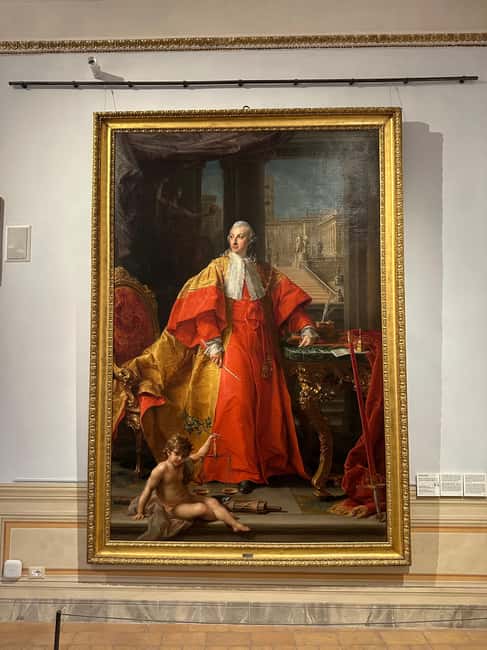
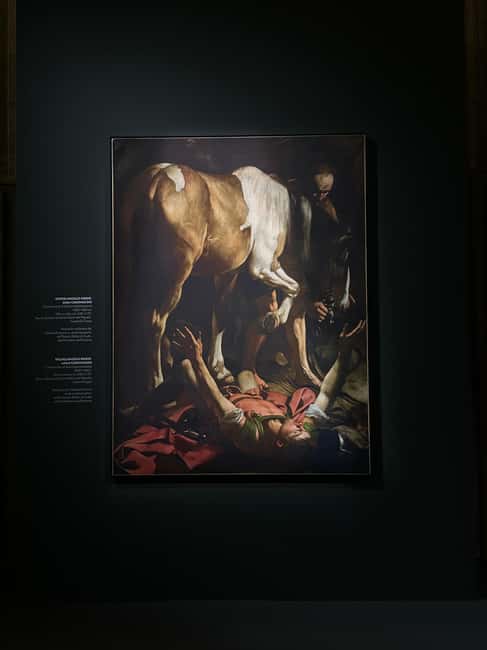
You’ll also be guided through Caravaggio’s Judith Beheading Holofernes (listed as Judith Slaying Holofernes in the updated display note). This is where planning dates matters, because the painting’s availability changes.
- The painting will not be on display from the end of August 2025 until January 2026.
- Starting September 4, it is on loan to the KAM Art Museum in Fort Worth, Texas, and won’t return until January 31, 2026.
So if you’re traveling in late summer or early fall 2025, you should assume Caravaggio may be missing from your specific visit. The tour still covers the Barberini collection and the other major works, but this is the one item where your calendar can directly change the lineup.
If Caravaggio is your top priority, check your travel dates before booking. For some people, the whole value hinges on seeing that work in person.


Pietro da Cortona’s Divina Provvidenza ceiling: where Baroque scale gets real
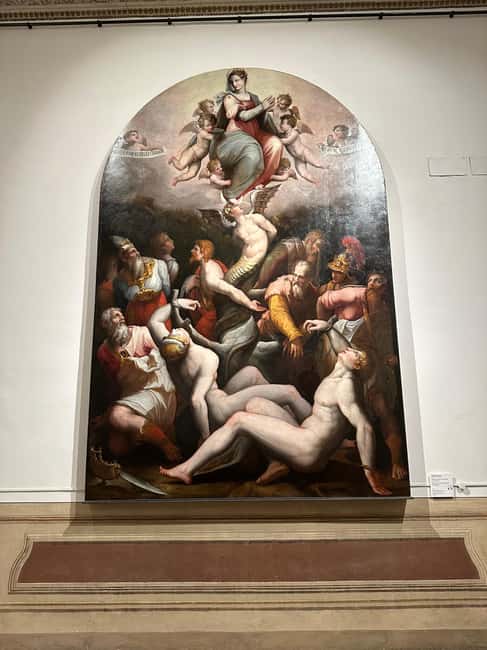
Next comes a signature moment: Pietro da Cortona’s Divina Provvidenza ceiling fresco. Baroque ceiling art can feel abstract if you’re not told how to look up. Here, you’re given guidance that turns the ceiling from “paint on the top” into a living statement—an illusion that pulls your attention across the architecture.
What makes this stop work on a guided tour is the explanation. You’ll learn how Baroque ceiling painting functions as part of the room, not a separate attraction. When you understand the intent, the fresco stops being a visual detour and becomes a central piece of the experience.
And because the tour also covers the Barberini story, you’ll see why this kind of dramatic, religious-influenced visual language suited the moment.
Bernini and Borromini: the palace as an argument
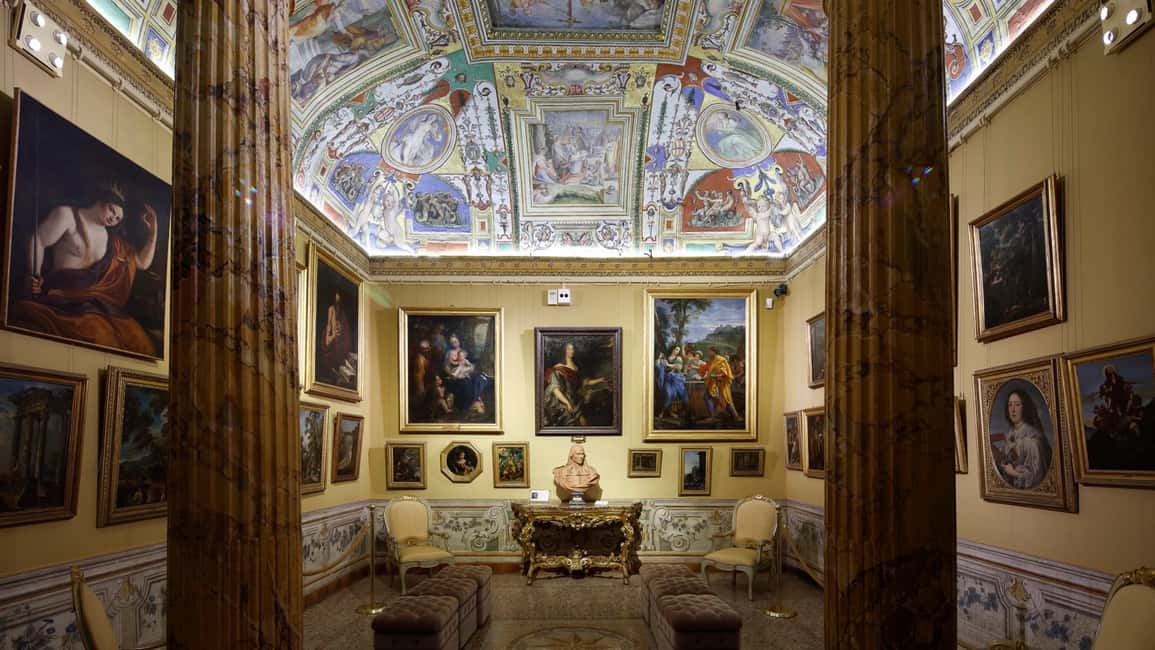
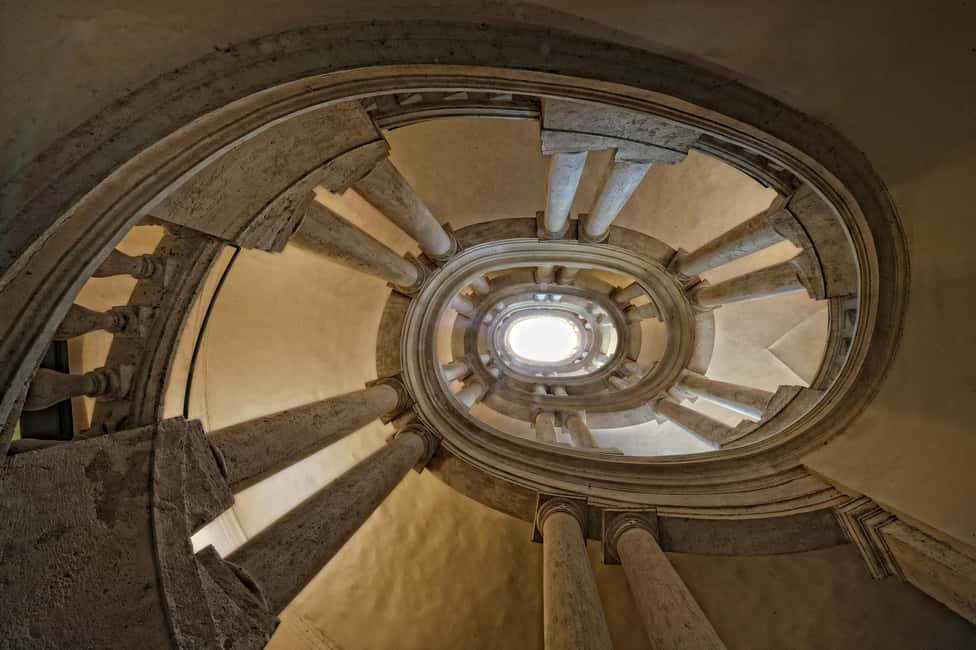
You’ll also see how Bernini and Borromini’s architectural genius shaped the palace world. This part is less about memorizing styles and more about recognizing different kinds of theatricality.
- Bernini’s influence tends to feel persuasive, alive, and motion-driven.
- Borromini’s approach often feels sharper, more inventive, and willing to challenge expectations.
With a guide, you get the “why” behind the visual effects—how architecture communicates status, taste, and religious-political messaging. You’re not just staring at stone; you’re understanding the persuasive language of design.
If you’ve ever walked through Rome and wondered why some buildings feel emotionally loud, this is a good place to get answers without a graduate seminar.
Other works on the route: Holbein, Tintoretto, and more
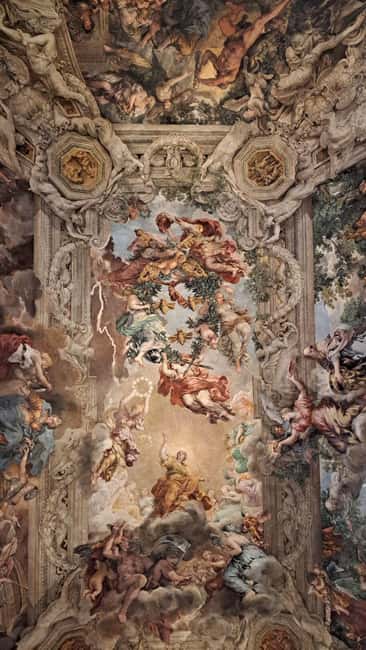
Beyond the headline names, the tour points you toward additional masterpieces by artists including Holbein and Tintoretto, plus more great names. The benefit of a guided format is that these works don’t become a blur of frames and dates.
Instead, the guide helps you connect the dots—how different schools and artists contributed to the Barberini collection, and how themes and messages traveled through the collection over time.
You’ll come away with a sense of how broad the gathering is: not only one era or one style, but a curated mix shaped by patronage, taste, and changing priorities.
The Rome-area stops: landmarks and small moments
The experience also includes time for famous landmarks and hidden gems around the city. The exact stops can vary by day and routing, but the purpose stays the same: give you context beyond the palace doors.
This matters because Palazzo Barberini sits in the real Rome—streets, sightlines, and urban logic. Even short pauses outside the palace can help you “map” what you’re seeing inside. You’re building a mental picture of how the art world connects to the city itself.
If you’re a “show me the exact painting again” person, this portion may feel lighter than the indoor galleries. But if you like understanding place, it adds glue to the whole tour.
Timing and pacing: what 2 hours really means
This is a 2-hour guided tour, with a maximum group size of 20. That’s a sweet spot for Rome. Big enough to feel social, small enough for the guide to steer you and keep explanations on track.
Two hours also means you’ll see major works rather than try to “do everything.” That’s good value for most visitors. You get depth on key pieces—especially when the guide explains how art and architecture reflect the era’s political and religious changes.
If you go in expecting a slow, contemplative museum crawl, you might want something longer. If you want focused context and clear highlights, this duration fits.
Value: skip the line, but also skip the confusion
Even without a pricing breakdown in front of you, you can judge value by what you trade off:
- Skip the ticket line means you lose less time to Rome’s queue reality.
- A live guide gives you the context that most visitors miss when they wander solo.
- The tour groups major artworks into a coherent story: Barberini influence → artistic choices → style differences across eras.
In other words, you’re paying for interpretation, not just access. For first-timers to Palazzo Barberini, that’s the smart use of time. For repeat visitors, it still works if you like architectural and thematic explanations more than hunting every corner alone.
Who should book this tour?
This is a strong fit if you:
- Want Renaissance and Baroque in one session (with major names like Raphael, Caravaggio, da Cortona, Bernini, Borromini)
- Like your art with politics and religion context, not just titles and dates
- Prefer guided pacing that keeps you from feeling lost in a palace setting
It may be a poor fit if you:
- Need an accessibility-friendly plan, since the experience is not suitable for people with mobility impairments or wheelchair users
- Travel with a lot of luggage (large bags aren’t allowed)
Should you book the Rome: Barberini Palace Guided Tour?
I’d book it if your ideal Rome day includes masterpieces plus a clear explanation of why they exist, and you’re flexible about museum logistics. The strongest reason to go is the combination of inside art and inside-the-why guidance—especially around the Barberini family’s role and how that shaped what you see.
Before you decide, check two timing issues:
1) If your dates fall during Aug 26–Oct 21, 2025, expect the 18th-century rooms to be closed to the public.
2) If you care about Caravaggio, remember Judith Beheading/Judith Slaying Holofernes is not on display from the end of August 2025 until Jan 31, 2026, with the loan noted starting Sept 4.
If that doesn’t ruin your priorities, this tour is a smart, time-efficient way to experience Palazzo Barberini and the artists tied to it.
FAQ
How long is the Rome: Barberini Palace Guided Tour?
The tour lasts 2 hours.
Where do I meet the group?
Meet inside the garden of Palazzo Barberini, around the fountain, at Via delle Quattro Fontane, 13, 00184 Roma RM. Staff will be waiting with a blue flag that says Doooing Experience.
Which languages are offered?
The live guide is available in Spanish, Italian, and English.
Do I need to wait in line for tickets?
No. The experience includes skip-the-ticket line.
What famous artworks and artists are included?
You’ll see highlights such as Raphael’s La Fornarina, Caravaggio’s Judith Beheading/Holofernes, Pietro da Cortona’s Divina Provvidenza ceiling, and works connected to Bernini, Borromini, plus pieces by Holbein and Tintoretto.
Is Caravaggio’s Judith painting always on display?
No. Caravaggio’s Judith Slaying Holofernes will not be on display from end of August 2025 until January 2026, and specifically starting September 4 it’s on loan until January 31, 2026.
Are the palace rooms always open?
No. Starting August 26th, the 18th-century Rooms of Palazzo Barberini will be temporarily closed. They are scheduled to reopen on October 21st.
What’s the cancellation policy?
There is free cancellation up to 2 days in advance for a full refund.
If you tell me your travel month, I can help you sanity-check what’s most likely to be on display for your dates.