REVIEW · ROME
Rome: Bioparco di Roma Zoological Garden Entry Ticket
Book on GetYourGuide →Operated by C-WAY Srl Unipersonale · Bookable on GetYourGuide
A zoo in Rome can be a refreshing detour. Bioparco di Roma, set on part of the old Villa Borghese estate, is a 42-acre day trip where you can work your way through over 1,200 animals from around 200 species across 5 continents. If you want a change of pace from churches and ruins, this is a very different kind of sightseeing that’s still right inside the city.
What I like most is the variety. You’ll pass through zones featuring mammals, birds, reptiles, and amphibians, and you’ll get lots of on-site learning as you go. For many people, the Reptile House is the headline stop, with iguanas, snakes, and lizards drawing big reactions.
One key consideration: this park is big, and you will walk. Depending on your route and how long you linger, it can easily turn into a multi-hour stroll (some visitors reported around 6 miles).
In This Review
- Key Highlights You Should Actually Care About
- Bioparco di Roma in Villa Borghese: How This Zoo Fits Into a Rome Day
- Ticket Value and Skip-the-Line Reality at the Gate
- Your Best Route Through the Park (Self-Guided, But Not Random)
- Reptile House: Why Iguanas and Snakes Become the Main Event
- Primates, Birds, and the Fun of Just Wandering
- Big Cats and Bears: Good Viewing, With Expectations in Check
- Conservation and Learning: Why This Zoo Feels More Than Entertainment
- Food Inside the Park vs. Picnics Outside
- Getting There: Don’t Let Transport Steal Your Zoo Time
- Timing Tricks: When to Go to See More Animals
- Layout, Strolling Pace, and Where Rest Fits In
- Accessibility and Ticket Rules You Should Know Before You Arrive
- Who This Zoo Day Suits Best (And Who Might Skip It)
- Should You Book Bioparco di Roma?
- FAQ
- How many animals and species does Bioparco di Roma have?
- How long is the ticket valid?
- Does the ticket include skip-the-line entry?
- Is hotel pickup or drop-off included?
- Is there food available inside the park?
- Are the animal signs available in English?
- How are children’s tickets priced?
- Is there free entry for disabled visitors?
- Is the experience wheelchair accessible?
Key Highlights You Should Actually Care About
- Skip-the-line entry: Your ticket lets you go through a separate entrance/ticket line at the gate, so you’re not stuck waiting.
- Reptile House is a real must: Reviews repeatedly call it out as a top moment, especially if you enjoy animals you don’t see at home.
- Clean, well-kept enclosures (most of the time): Many comments note the park feels tidy and the animals look well cared for.
- Bilingual animal info boards: You can usually read animal details in Italian and English, which makes the walk feel more rewarding.
- Early timing can mean more action: When you arrive early, you’re more likely to see animals active rather than asleep or tucked away.
- Bring your own pace: It’s laid out for strolling, but the size means comfy shoes matter.
Bioparco di Roma in Villa Borghese: How This Zoo Fits Into a Rome Day
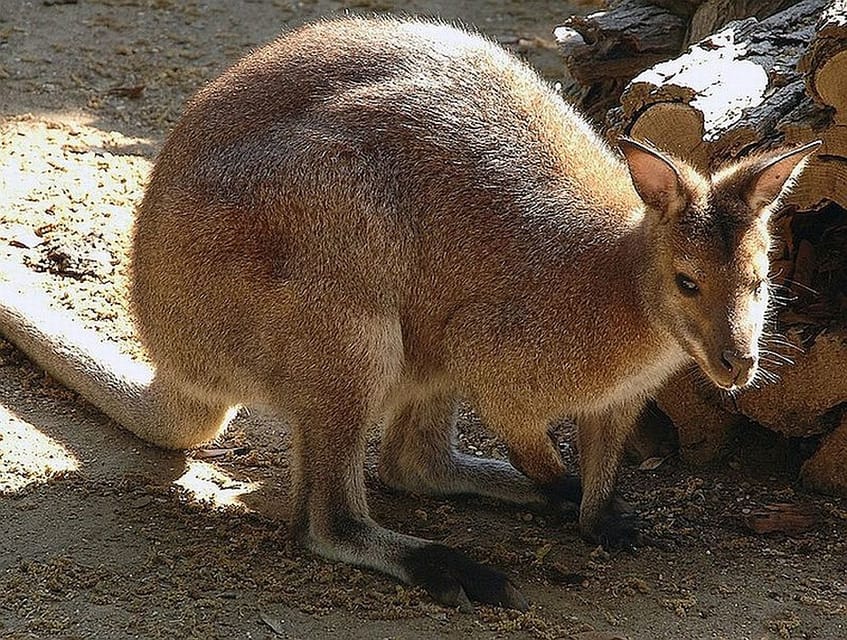
Bioparco di Roma is not the kind of zoo you do in one quick lap. It’s a proper park experience—42 acres of pathways, viewing spots, and rest areas—located on part of the original Villa Borghese grounds. That location matters, because it makes the day feel less like a stop on a checklist and more like a calm break inside Rome.
You’re seeing animals from five continents, with animals that fall across multiple groups: mammals, birds, reptiles, and amphibians. The mix is part of the appeal. Even if you only have half a day, you’ll still come away feeling like you explored something real instead of just taking a few photos.
If you’re traveling with kids, this setup is a win. You can constantly redirect attention: one minute it’s birds, the next it’s primates, then you’re hunting for the reptiles people keep mentioning. If you’re traveling solo or as a couple, the same logic holds: the park gives you enough variety to stay curious.
You can also read our reviews of more tours and experiences in Rome


Ticket Value and Skip-the-Line Reality at the Gate
The price is listed at about $25 per person, with a 1-day entry window. For Rome, that price can make sense because it’s not just “a zoo ticket.” It’s a whole-day outing option—especially if you’ll actually take your time and see multiple areas.
The big value lever here is the skip-the-line entry. Instead of arriving and waiting while others funnel into the main entrance, you use a separate entrance/ticket line at the gate. In practice, it means you start walking sooner, and in a zoo that can change your day—more time for animal viewing, less time standing still.
A couple of practical points I’d keep in mind:
- Online ticketing can sometimes be cheaper than paying at the office, and getting tickets straight to your phone helps you avoid extra steps.
- The skip-the-line benefit matters most on busier days, so if you can plan a weekday or an earlier slot, you’ll likely feel the advantage more.
Your Best Route Through the Park (Self-Guided, But Not Random)
Bioparco di Roma is self-guided. That’s great, because you can match the route to your interests—reptiles first, birds first, or big mammals first. The tradeoff is that the park is large enough to make a plan useful.
A simple strategy works well:
- Start early to catch animals more likely to be active.
- Hit your favorite “anchor” exhibit while you’re fresh.
- Build in breaks as you go—there are places to sit and grab refreshments.
Reviews also mention the layout is easy to follow and doesn’t force you to zigzag as much. Still, it’s worth accepting that you’ll walk. Comfortable shoes aren’t optional.
If you want a day that feels smooth rather than rushed, give yourself at least a few hours. Several visitors describe getting around in roughly three hours, while others spent longer to see everything slowly.
Reptile House: Why Iguanas and Snakes Become the Main Event

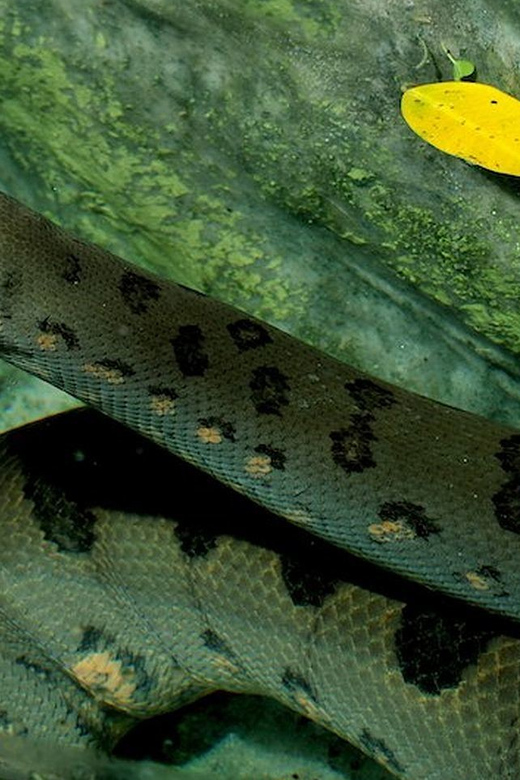
If you’re deciding what to prioritize, make the Reptile House your anchor. This is one of the most consistently praised parts of Bioparco di Roma, and it’s specifically highlighted for a great variety of iguanas, snakes, and lizards.
Why it’s such a good stop:
- Reptiles are often more visible during parts of the day than people expect, especially when you arrive earlier.
- The enclosure design usually makes viewing straightforward, so you’re not stuck guessing where the animal is.
- Even if reptiles aren’t your top interest, this is where the park feels most different from what you’d find at home.
Practical tip: if you want the best chance of seeing animals out and moving, don’t treat the Reptile House as a last-minute detour. Go earlier in your visit, then use the rest of the day for everything else.
Primates, Birds, and the Fun of Just Wandering
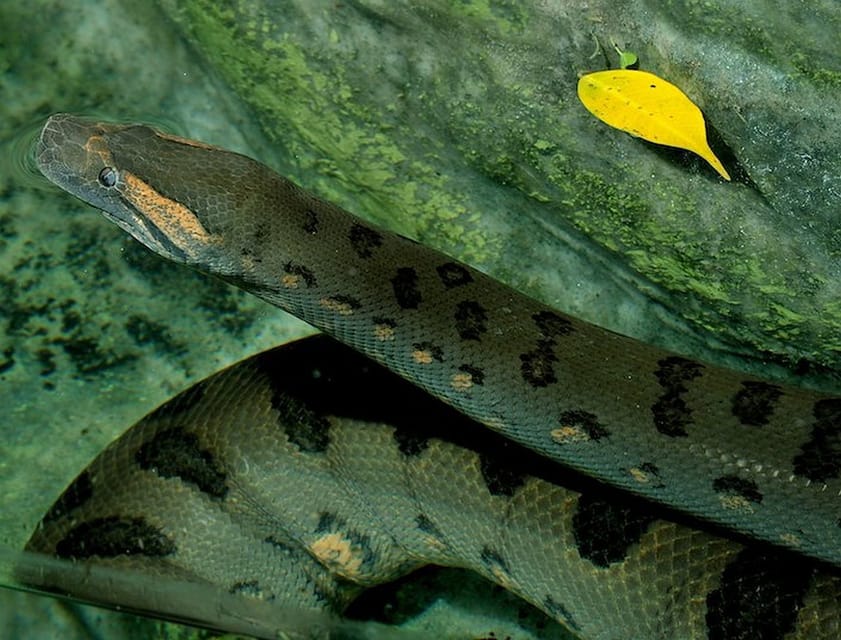
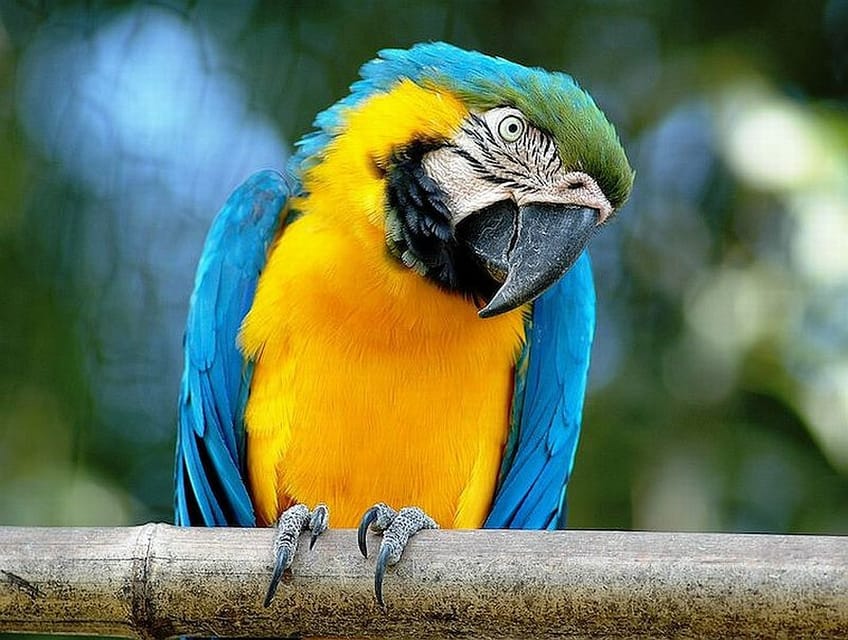
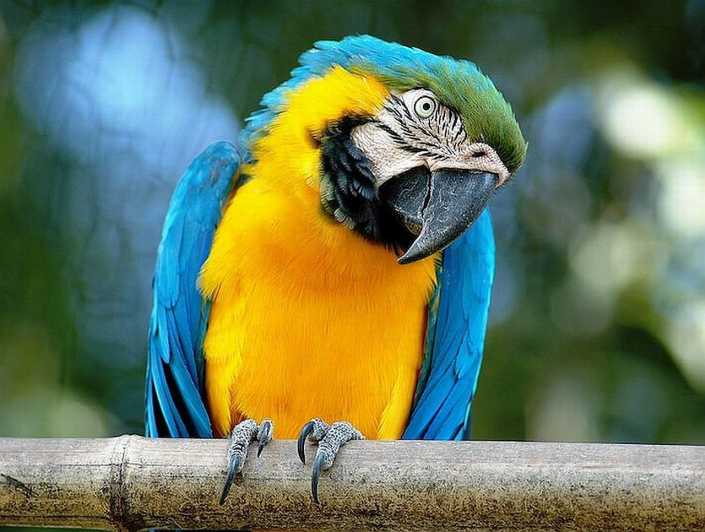
Bioparco di Roma covers more than just reptiles. You’ll see primates such as lemurs and chimpanzees, and you’ll also find birds from around the world. These areas add that “keep looking” feeling because animals don’t always stay in the same spot.
One charming detail that shows up in feedback: peacocks can roam freely around parts of the park. That’s the kind of unexpected moment that turns a normal zoo walk into something that feels a little like a nature walk in the middle of Rome.
The bird and primate areas are also where reading the signage helps. Many people note that the animal info boards are conveniently available in both Italian and English, so you can learn without doing extra app work.
And yes, sometimes you’ll reach a spot and find the animal sleeping or tucked away. That’s normal zoo behavior. The real question is whether the park gives you enough chances across different exhibits to still feel satisfied—and based on what’s praised, it usually does.



Big Cats and Bears: Good Viewing, With Expectations in Check
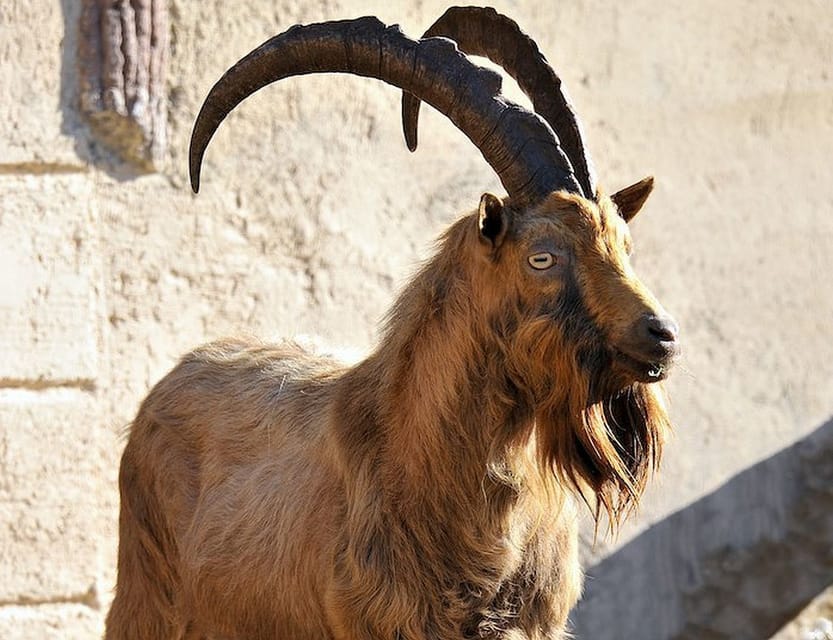
Rome’s Bioparco includes headline animals like tigers and bears. People also mention elephants and giraffes, plus other favorites depending on what you’re most excited to see.
What I’d keep realistic expectations for:
- Some enclosures may look like they could use more space, especially if you’re comparing to large wildlife parks or sanctuaries.
- At certain times, animals may seem inactive. That’s not always a sign of trouble, but it can affect how exciting a given enclosure feels in the moment.
Still, the positive side is strong. Many visitors describe the park as clean and the animals as well cared for, with enclosures that allow clear viewing. In particular, comments highlight brown bears and an area with a view that lets you see them swimming and playing. That kind of viewing experience is memorable because it’s not just staring behind glass.
Conservation and Learning: Why This Zoo Feels More Than Entertainment
Bioparco di Roma isn’t just about seeing animals. It’s active in conservation efforts, environmental education, and scientific research. Even if you don’t read every sign, you’ll feel this in the way the park presents animal stories—especially around endangered species.
This is one of the reasons I think the experience is worth your time even if you’ve visited other zoos before. The educational component adds meaning. You’re not only watching; you’re learning what conservation efforts are focused on and why those species matter.
It also helps that many visitors point out the information boards are written in both Italian and English. That makes it easier to understand what you’re looking at and why it’s there.
Food Inside the Park vs. Picnics Outside
Food is available in the park, and there are several cafes and snack options scattered around. Reviews often mention that cafes exist and that some people found food reasonable for a zoo.
Still, the most consistent practical advice is this: don’t expect a full gourmet lunch. Several comments say food options inside can be limited, and that bringing a picnic can be a smart move—especially if you want to control costs and reduce decision stress.
A good compromise:
- If you want to keep walking, grab a quick snack on-site.
- If you want a calmer mid-day break, bring a picnic and use the park’s seating areas.
If your plan includes a specific pickup item, there’s a tramezzino pickup time window from 11:00 AM to 5:00 PM, available at places inside the park such as Bar Ninfeo, Ristorante Mascagni, Chiosco Oasi del Lago, or Bar Voliera. If your booking includes that pickup, plan your lunch around that window.
Getting There: Don’t Let Transport Steal Your Zoo Time
Bioparco di Roma isn’t right next to the most famous sights, so most visitors plan on transport. Reviews include advice that you may need a cab, and that public transport can also work depending on your starting point.
If you’re taking a taxi, one practical warning shows up: avoid the white taxis and use Uber or order a black cab instead. The reasoning given is overcharging and longer routes. I can’t verify local dispatch rules, but the core tip is solid: protect your time and watch the route.
If you’re using bus connections, there’s at least one helpful detail reported: the zoo area has bus connections right outside that can get you toward Trevi Fountain afterward. That’s useful because it makes it easier to pair your zoo break with a Rome evening plan.
Timing Tricks: When to Go to See More Animals
Timing changes zoo days. If you want animals out and moving, go earlier rather than later. Many visitors specifically mention that arriving near opening means more activity, and that early feeding times can increase what you see.
Late afternoon can also be smart when the weather is hot, because you’re less likely to roast while waiting for an animal to come forward. One tip that comes through clearly: avoid very hot mid-day if you can.
A small but real-life strategy: use the bathrooms early. At a zoo, the best time to handle a restroom stop is before you’re tired and distracted.
Layout, Strolling Pace, and Where Rest Fits In
Bioparco di Roma is designed for walking. Reviews mention a layout that feels well organized and easy to follow, with places to stop and enjoy the sunshine. Many people spend around three to four hours, but some stay longer—especially if they slow down to really watch animals.
If you’re traveling with kids, look at the park as a controlled break from “must-see” Rome. It’s a chance to let them burn energy and to keep your own day from becoming one long sprint between landmarks.
For adults, the park can still work even if you’re not a diehard zoo person. Several comments highlight it as peaceful, spacious, and easy to enjoy without fighting crowds—especially on quieter weekdays.
Accessibility and Ticket Rules You Should Know Before You Arrive
Bioparco di Roma is listed as wheelchair accessible, which is a big deal for planning a stress-free day.
Kids’ tickets are based on height, not age. The rule given is:
- children under 1 meter enter for free
- children over 1 meter and up to 10 years should select the child rate
At entry, children’s height is measured, and any discrepancies must be handled on-site.
There’s also free entrance for disabled visitors when the disability is 100% and certified, and a companion also qualifies. You collect free tickets at the Bioparco ticket office by showing documents that certify the disability percentage.
If you’re thinking about schedule changes, note the ticket is non-refundable. That’s not the fun part of planning, but it’s better to know up front so you don’t gamble with your timetable.
Who This Zoo Day Suits Best (And Who Might Skip It)
This is a great fit if you:
- want a break from the main Rome sights for a few hours
- enjoy animal variety beyond the same few exhibits
- like a place where you can actually read the signage because it’s in Italian and English
It may be less ideal if you:
- want a tiny, quick zoo visit
- hate walking long distances in warmer weather
- are only interested in one or two specific species, because the park spreads the experience across many exhibits
If you’re traveling as a family, the park tends to deliver a “we can do this all day” feeling, with parks and stalls in addition to animals.
Should You Book Bioparco di Roma?
Yes, I’d book Bioparco di Roma if you’re looking for an easy, city-based day out with real animal variety and conservation learning. The skip-the-line entry is a smart add-on, and the fact that the Reptile House gets repeated praise gives you a strong anchor for your visit.
Do it especially if:
- you can go earlier in the day
- you’re okay with a good walking workout
- you want something different from the usual Rome highlights
If your time is ultra-tight, prioritize what matters most. Pick one or two zones to focus on, then treat the rest as bonus. That way you still get a satisfying zoo day without feeling trapped in a long itinerary.
FAQ
How many animals and species does Bioparco di Roma have?
The zoo features over 1,200 animals representing around 200 species from around the world, across 5 continents.
How long is the ticket valid?
The ticket is valid for 1 day (you enter on one day only).
Does the ticket include skip-the-line entry?
Yes. Your ticket includes skip-the-line entry through a separate ticket line/entrance at the gate.
Is hotel pickup or drop-off included?
No. Hotel pickup and drop-off are not included.
Is there food available inside the park?
Food and drinks are not included in the ticket, but there are cafes and snack options inside the park.
Are the animal signs available in English?
Many animal information boards are available in both Italian and English.
How are children’s tickets priced?
Children’s tickets are based on height. Children under 1 meter enter for free. Children over 1 meter and up to 10 years should select the child rate, and height is checked at entry.
Is there free entry for disabled visitors?
Free entrance is available if the disability is 100% and certified, and a companion can also qualify. Free tickets are collected at the ticket office with the required documents.
Is the experience wheelchair accessible?
Yes, the activity is listed as wheelchair accessible.