REVIEW · ROME
Rome: Borghese Gallery Skip-the-Line Entrance Ticket
Book on GetYourGuide →Operated by Inside Out Italy · Bookable on GetYourGuide
Borghese is art you actually feel. With a skip-the-line timed ticket, you walk right in and spend your time where it matters: inside the rooms filled with works by Bernini, Canova, and Caravaggio.
I love the way this ticket is designed for control—pick your entry time, show up, and skip the last-minute scramble for access. I also like the human help built into it, with a host on hand (and even phone or in-person support) so the process stays calm.
One thing to keep in mind: the collection can rotate, so some pieces you expect might not be on display that day. And if you book the 17:45 entry, you only get 1 hour inside.
In This Review
- Key things to know before you go
- Entering Borghese Gallery: how fast-track really helps
- Getting your tickets at the door (with a real human)
- Your 2-hour self-paced visit plan (what to do first)
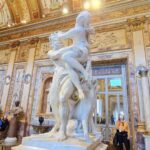
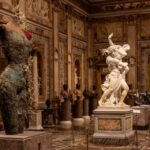
- Bernini at Borghese: Apollo & Daphne and the emotion of marble
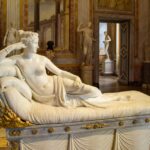
- Canova’s Paolina Borghese: when portraits become sculpture
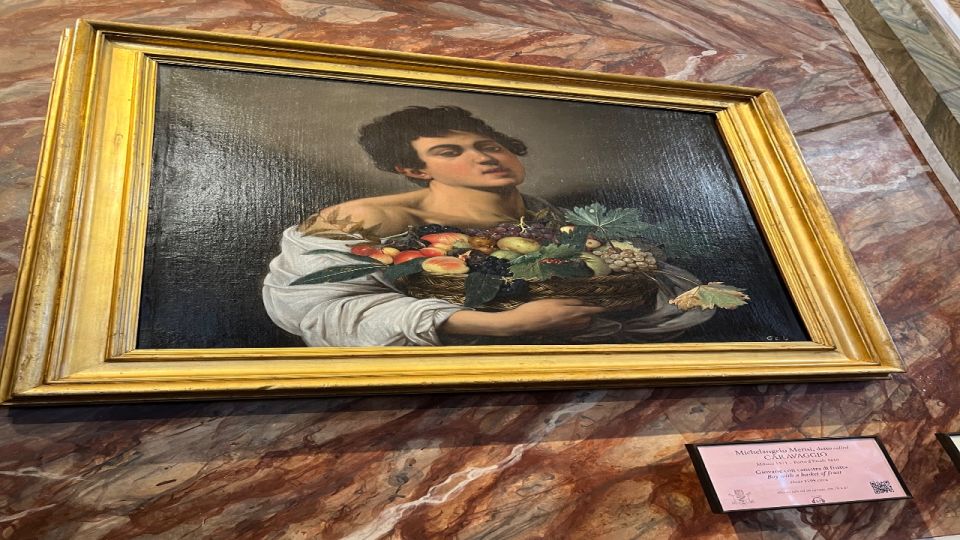
- Caravaggio in the rooms: famous paintings hit harder in person
- When art plans change: what if works are not on display
- Choosing your entry time: the trade-off with the 17:45 slot
- Practical rules inside: what to pack and what to leave behind
- Value check: is $41 worth it for Borghese access?
- Who should book this ticket (and who might not need it)
- Should you book Borghese Gallery skip-the-line entrance?
- FAQ
- Where do I meet the host to collect tickets?
- How long is the visit?
- Is a guide or audio guide included?
- What’s the group size and language?
- Are kids allowed in?
- What can’t I bring inside?
Key things to know before you go
- Timed access beats wandering: you choose a start time, then enter without waiting in the public ticket line.
- Small group size helps the experience: limited to 10 participants, so it stays manageable.
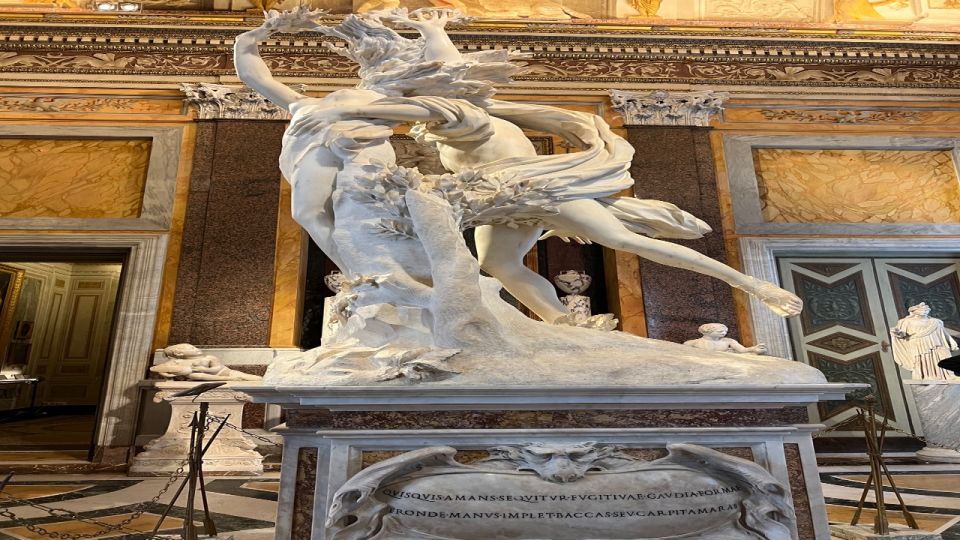
- High-impact masterpieces are the draw: Bernini’s Apollo & Daphne, Canova’s Paolina Borghese, and standout Caravaggio paintings.
- It’s self-paced, not a guided tour: no guide or audio guide is included, so plan how you want to learn.
- Show up ready to move light: no food, no luggage/large bags, and no backpacks allowed.
Entering Borghese Gallery: how fast-track really helps
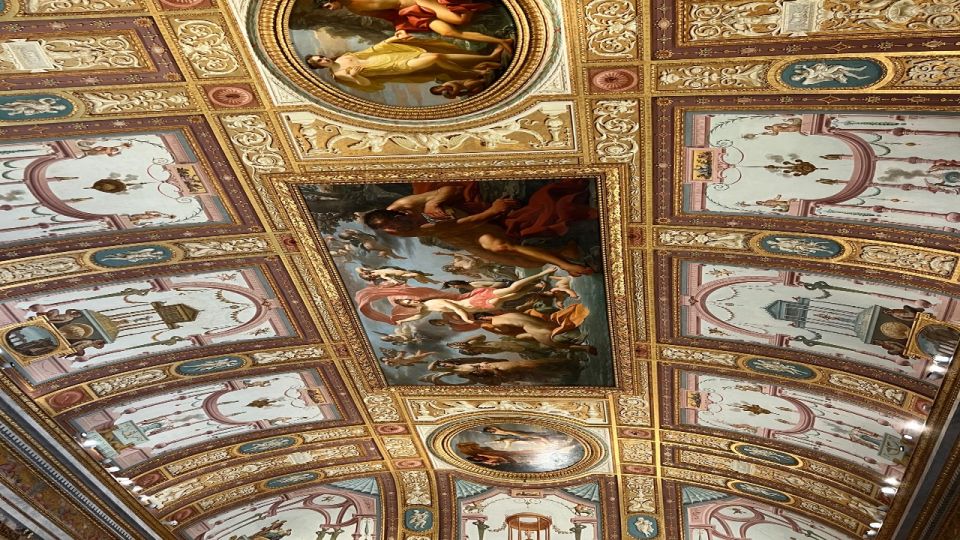
The Borghese Gallery in Rome is one of those places where “just showing up” can go sideways. Timed tickets matter here, because entry isn’t one free-for-all stream. With this fast-track setup, you’re aiming to do the sensible thing: get through the process quickly, then spend your energy looking at art instead of watching lines.
In practice, that means your experience starts with a checkpoint. You don’t rely on a last-minute desk or guesswork. You arrive during your window, handle the ticket handoff, and then you’re inside for your planned visit time.
And yes, the self-paced format is a big deal. You can linger in front of a sculpture that grabs you, then move on when your legs want a break. This gallery rewards people who can pace themselves.
You can also read our reviews of more tours and experiences in Rome


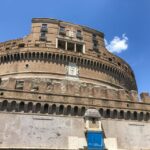
Getting your tickets at the door (with a real human)

Here’s the part that saves time: the ticket isn’t just a “scan and go” situation for everyone. You’ll either collect your tickets from a host or, if you were emailed official entrance tickets, you can present those directly.
Your meeting point start is clear: look for a host holding an INSIDE OUT ITALY sign in front of the Borghese Gallery entrance. That’s where you pick up the actual tickets unless you’ve received emailed tickets at least 24 hours before.
I like this approach because it cuts through the most common stress with skip-the-line products: confusion over where to go. Clear signage + a staff member you can find beats standing around hoping the right door is open.
One extra detail worth noticing: the host communication can be very direct. There’s evidence of guides sending clear WhatsApp instructions ahead of time and meeting the group early. That kind of planning matters if you’re trying to fit Borghese into a full Rome day.
Your 2-hour self-paced visit plan (what to do first)
The ticket is listed as 2 hours, and that’s a realistic window for making meaningful choices. Borghese isn’t huge compared to some museums, but it’s packed with high-impact works, so you don’t want to rush. You also don’t want to wander slowly without a focus.
A smart way to use your time:
- Start with the pieces that are hardest to replace in your memory. For many people, that means the big names: Bernini, Canova, and the Caravaggio works.
- Then move room to room in a rhythm: look at the sculpture close up, step back, then read the details if you’re using interpretive help (your phone, printed info, or an audio track if you add one).
- Save some energy for the moment you realize you’re repeating steps because you keep wanting to see a face, a pose, or a gesture again. That’s the point of this gallery.
Also, this is one of those museums where having a plan for learning helps. The ticket itself does not include a guide or audio guide, but you might want to add an audio guide on-site. I’m sharing that because it’s commonly seen as the fastest way to turn “I saw it” into “I understood what I saw” without adding a full guided group tour.
Bernini at Borghese: Apollo & Daphne and the emotion of marble
If you’re coming for one artist, make it Bernini. His works are not just impressive because they’re famous. They’re impressive because they feel alive. Even in photos, you get a sense of movement. In person, the scale and facial expressions land differently.
Two highlighted must-sees are:
- Apollo & Daphne: a sculpture built on tension—motion, transformation, and that split-second before everything changes.
- The Rape of Proserpina (and Aeneas): works that lean into dramatic storytelling and sculpted momentum.
What I love about Bernini here is how quickly your brain shifts from “wow” to “how did they do this?” You’ll likely find yourself focusing on small things: how a surface catches light, how hands curve, and how the composition guides your eyes.
If you’re short on time, don’t try to do everything equally. Spend extra minutes at the Bernini pieces. They’re the backbone of a Borghese visit.
Canova’s Paolina Borghese: when portraits become sculpture
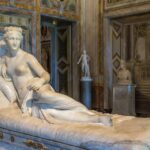
Canova’s Paolina Borghese is another highlight on this ticket, and for good reason. Portrait sculpture can go one of two ways: either it feels distant, or it feels present. Canova’s work tends to land closer, with a strong sense of personality and physical presence.
When you stand in front of Paolina, slow down. Look at the modeling and how the figure occupies space. Don’t rush to the “I’ve seen it” moment. This is the kind of piece that grows on you the longer you stay.
If your museum style is more visual than textual, Canova is a smart choice because you don’t need tons of background to feel what’s happening. Still, if you add interpretive help (like an audio guide), you’ll likely pick up more from the choices behind the pose and styling.
You can also read our reviews of more museum experiences in Rome
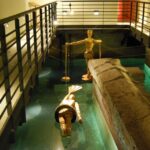
Caravaggio in the rooms: famous paintings hit harder in person
Caravaggio is often discussed like a legend, but the real reason you’ll remember him here is what happens when you’re in front of the paintings. The lighting effect, the contrasts, and the intensity of expression tend to feel more direct face-to-face than they do online.
This ticket specifically points to Caravaggio’s most famous paintings. Even without a provided guide, you can still get a lot from a simple routine:
- Look at the faces first.
- Then track where the light seems to come from.
- Finally, notice the way the composition shapes attention.
If you’re the kind of person who wants context, consider pairing this with an audio guide. Without one, you’ll still enjoy the drama, but you might miss some of the storytelling cues Caravaggio builds into the scene.
When art plans change: what if works are not on display
A reality check: the Borghese collection can change for lending to other museums and exhibitions. That means some artworks you’re expecting might not be on display on your specific date.
This isn’t a deal-breaker, but it is worth treating seriously so you don’t go in with a brittle checklist. Your best approach is mindset-based:
- Pick your top 3 and treat everything else as bonus.
- If a highlighted piece is missing, re-center on the next major artist name in the rooms.
And one more scheduling-related note: some entry times come with less time inside (more on that next). When you combine reduced time with rotated displays, your buffer shrinks.
Choosing your entry time: the trade-off with the 17:45 slot
The gallery visit is time-based, and this matters more than you’d think. The 17:45 entrance only allows you 1 hour inside, and it’s listed with a discounted price to match that shorter slot.
So here’s the decision rule:
- If you want a calmer visit with time for details, choose a slot that gives you the full 2 hours.
- If you’re squeezing Borghese into an evening schedule and you’re comfortable with a quicker pace, the 17:45 slot can work.
Either way, plan to move efficiently right after you enter. The last thing you want is to spend your first 20 minutes still figuring out your route.
Practical rules inside: what to pack and what to leave behind
This is a museum visit where you’ll be moving through rooms with restrictions. The main “pack light” points:
- No food or drinks
- No luggage or large bags
- No backpacks
If you’re doing Borghese as part of a day that includes markets or long walks, consider leaving larger items at your lodging or using a service that stores baggage. You’ll enjoy the visit more when your hands are free and you’re not trying to manage a bag while looking at art.
Also, wear shoes that can handle museum floors and frequent standing. You’ll likely stay upright for long stretches.
Value check: is $41 worth it for Borghese access?
Let’s talk money honestly. At about $41 per person, you’re paying for three things:
1) Fast-track entry tied to a time slot
2) A host/assistance component, so you’re not stuck guessing
3) A protected window of time inside (2 hours, unless you choose 17:45)
Could you theoretically find cheaper options? Maybe, depending on day and availability. But Borghese is one of those museums where “saving a few dollars” can cost you hours of stress—or worse, you arrive and discover the timing didn’t work.
For value, the key is what this ticket buys you emotionally. You trade uncertainty for structure. And when you’re traveling in Rome, those hours feel expensive too.
One more value angle: this is a self-paced visit with a small group cap. That means you’re not paying for a full guide format. You’re paying for entry and support, and then you decide how you want to experience the art.
Who should book this ticket (and who might not need it)
This Borghese Gallery skip-the-line ticket fits best if you:
- Want to see the headline masterpieces (Bernini, Canova, Caravaggio) without gambling on timing
- Prefer self-guided wandering over a scripted tour
- Like having a host available for clear instructions and support
- Are traveling with a group that benefits from a small-group cap (limited to 10)
It may be less ideal if:
- You strongly want a guided commentary package (since no guide is included)
- You want a longer stay than the time window allows
- You’re coming at 17:45 and hoping for a full museum pace (that slot is only 1 hour)
Should you book Borghese Gallery skip-the-line entrance?
If your goal is to walk into the Borghese Gallery smoothly and spend time on the art you came for, I think booking this is a smart move. The value is mostly about access and stress reduction: timed fast-track entry, small-group limits, and real-world help at the meeting point.
My main caution is planning mindset. Expect that some artworks can be off display, and choose your time slot with care—especially if you’re tempted by 17:45 and its shorter inside time. If you want a relaxed 2-hour visit, pick the longer window.
FAQ
Where do I meet the host to collect tickets?
Look for a host holding an INSIDE OUT ITALY sign in front of the Borghese Gallery entrance. If you received official entrance tickets by email at least 24 hours before, you won’t need to check in and can present the emailed tickets at the entrance.
How long is the visit?
The duration is listed as 2 hours (with specific start times shown at booking). The 17:45 entrance allows only 1 hour inside.
Is a guide or audio guide included?
No. A guide or audio guide is not included with the ticket.
What’s the group size and language?
It’s a small group limited to 10 participants, and the host or greeter is in English.
Are kids allowed in?
All visitors, including those eligible for free admission such as children under 18, especially those over 5, must have a reservation to enter.
What can’t I bring inside?
Food and drinks aren’t allowed. You also can’t bring luggage or large bags, and backpacks are not allowed.