REVIEW · ROME
Rome: “Chopin & Italian Friends” Piano Concert
Book on GetYourGuide →Operated by Opera da Camera di Roma · Bookable on GetYourGuide
A church, a piano, and Chopin in Rome. This one-hour concert is a lovely change of pace: solo piano versions of Italian opera melodies paired with Fryderyk Chopin, performed in an atmospheric church setting.
What I really like is the mix of moods in a tight program, so you get both the lyric side of Chopin and the big, vocal-like sweep of Verdi, Mascagni, and Puccini—without leaving your seat.
My second favorite part is the venue itself. You’re not just hearing classical music; you’re hearing it in a real church space, where the sound can feel close and clear (when the room is quiet). One possible drawback to consider: the street can be noisy outside in some moments, and on rare occasions a piece may not match the written program order you’re expecting.
In This Review
- Key things to know before you go
- Why this Chopin-and-Italy church concert feels different in Rome
- Choosing your day: Waldensian Church vs Methodist Church
- The meeting point and what to do before the first note
- Inside the church: acoustics, noise, and how to get the best seat
- The 1-hour program: what you’ll hear and what to listen for
- Price and value: is $35 for one hour a fair deal?
- Who will love this, and who should think twice
- Booking basics, in plain terms
- Should you book it?
- FAQ
- How long is the Rome Chopin and Italian Friends piano concert?
- What is the price per person?
- Where does the concert take place in Rome?
- What music will be performed?
- Is the concert performed for solo piano?
- What time do performances start?
- Where is the meeting point?
- Which languages will the host or greeter speak?
- Is the venue wheelchair accessible?
- What booking flexibility is available?
Key things to know before you go
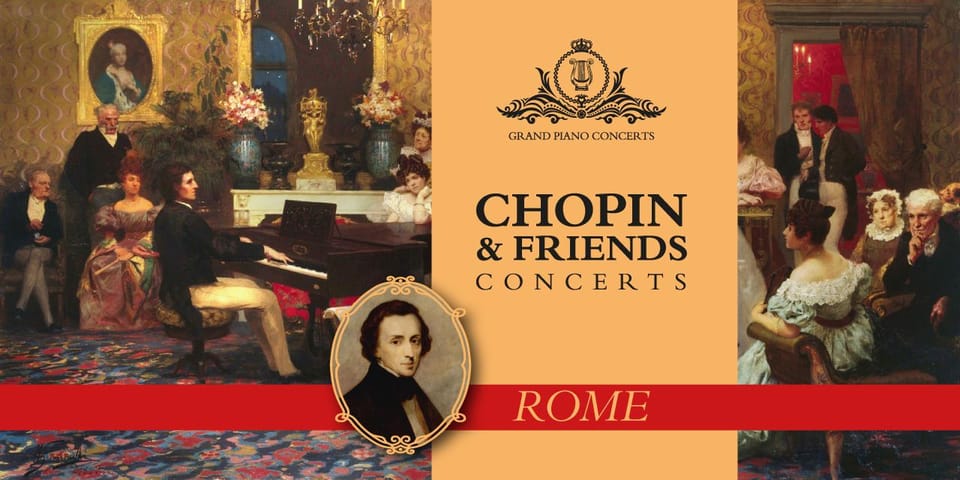
- Chopin is the centerpiece with multiple works by Fryderyk Chopin across the set.
- Italian opera themes become solo piano through special arrangements that still feel operatic.
- Church location depends on the day: Waldensian Church from Monday to Saturday, Methodist Church on Sundays.
- A full hour with fast mood shifts from lyrical preludes to showy virtuoso moments.
- You’ll hear more than just classical with Debussy and Gershwin appearing alongside the nineteenth-century composers.
- It’s an intimate listen—great if you like close-up dynamics more than a big concert-hall spectacle.
Why this Chopin-and-Italy church concert feels different in Rome
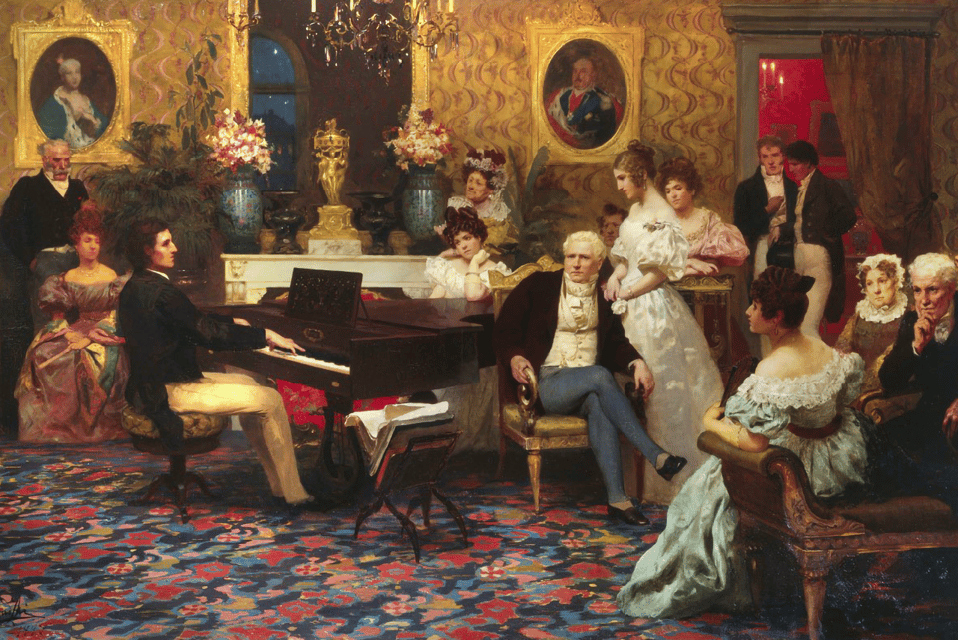
Rome has plenty of musical evenings. What makes this one click is the combo: church acoustics plus a program built around Chopin and Italian composers, all performed on solo piano. That changes how you experience the phrasing. In a church, notes can hang in the air a bit longer, so the music feels less like background and more like something you’re inside of.
I also like that the concept is simple. Start with Italian drama, weave in Chopin’s inner intensity, and then—without any long lecture—move through recognizable melodies and mood changes. If you like concerts that feel intimate and focused, rather than formal and distant, this fits.
There’s also a practical bonus: it’s only one hour. You can slip it into a busy Rome day—after dinner, or before you go chasing the next landmark.
You can also read our reviews of more tours and experiences in Rome
Choosing your day: Waldensian Church vs Methodist Church
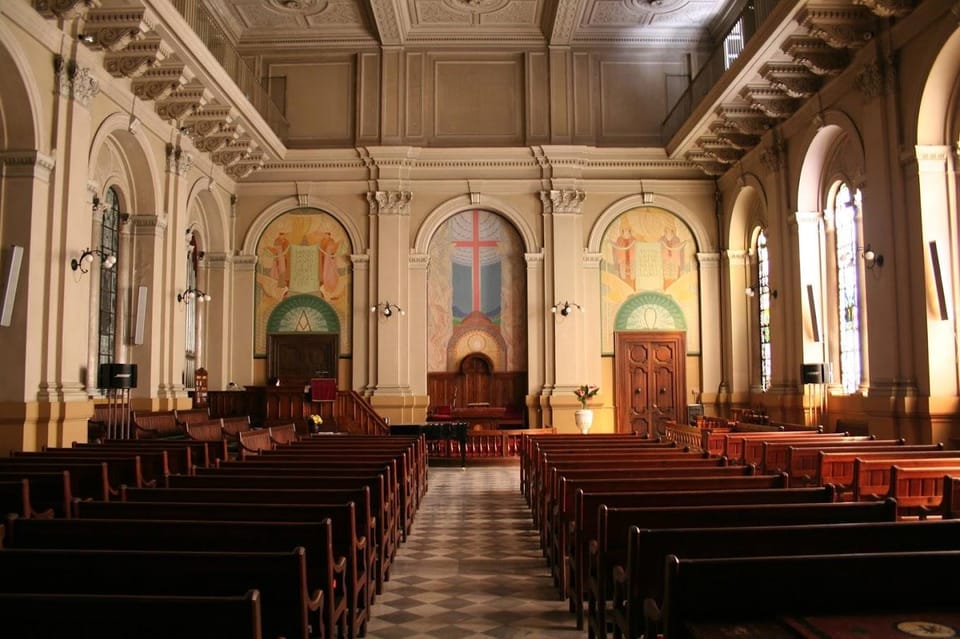
The schedule matters because the venue changes with the day. From Monday to Saturday, the concert happens at the Waldensian Church. On Sundays, it’s at the Methodist Church.
Why you should care: different church rooms can handle sound differently—clarity, echo length, and how easily small details (soft passages, quick runs) come through. I can’t promise which room is “better” for every listener, but choosing your day is your best lever if you have strong preferences for how music should sound.
If you’re the type who gets picky about acoustics, look at the day you can attend first, then decide. And if you’re sensitive to noise, try to arrive early enough to find a spot where you can hear the piano clearly from start to finish.
The meeting point and what to do before the first note
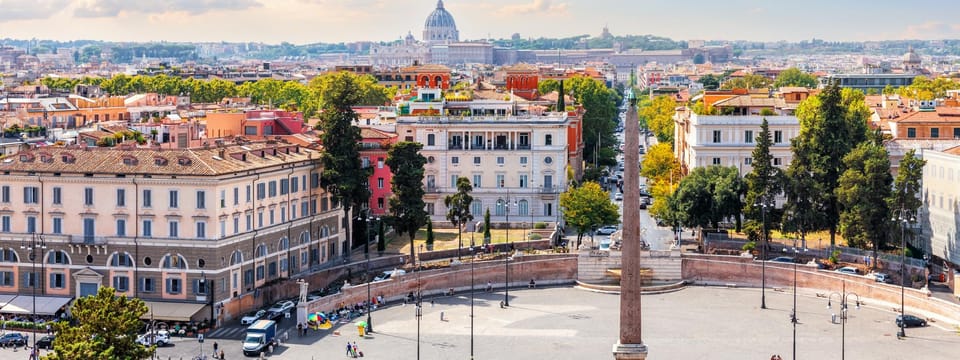
The meeting point may vary depending on the option you book, so don’t show up assuming the same pickup location you used earlier in the trip. If you want a smooth start, give yourself a little buffer time to get oriented in the neighborhood and find the exact place.
Once you’re in, the vibe is usually calm and expectant—like everyone is there for the same reason: to listen closely. This isn’t the kind of performance where you want to be constantly checking your phone. If you prefer distraction-free experiences, you’ll probably enjoy the set-up.
Also, bring the mindset of a viewer at a small theater. A church piano concert rewards attention. The sound can be very detailed, and solo piano means you get the full range of dynamics—quiet bits are truly quiet.
Inside the church: acoustics, noise, and how to get the best seat
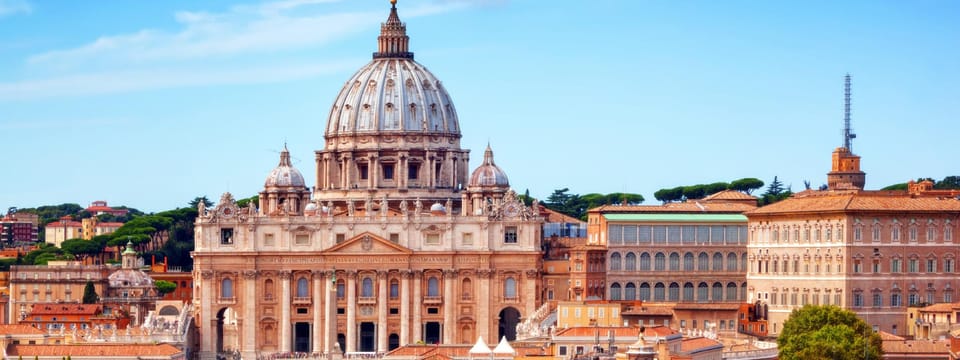
Solo piano in a church can be magic, but the reality is still physics. Stone and wood surfaces bounce sound; that can make the music feel vivid. It can also make outside noise more noticeable if people are near doors or if street sound travels in.
A concrete tip: once you arrive, take a quick moment to listen in the room before the pianist starts. If you hear street noise cutting through, shift slightly if there’s space. Even minor changes in where you stand or sit can affect what you hear—especially during soft passages like preludes.
If you’re hoping for absolute quiet, aim to be there early. You’ll have time to settle, and you won’t spend the first few minutes thinking about whether the street outside is winning.
The 1-hour program: what you’ll hear and what to listen for
The concert runs about an hour, and the program moves in dramatic swings. Here’s how the set reads, and what I’d focus on as a listener.
It opens with G. Verdi: Preludio da Traviata. Even on solo piano, Verdi’s writing tends to feel like voices—breaths, phrasing, and a kind of forward motion. Listen for how the pianist shapes the melody line, as if it’s being sung.
Then you get F. Chopin: Étude op. 25 no. 1. This is one of those pieces where control matters as much as speed. The best performances make the rhythm feel inevitable, not mechanical. I like to listen for evenness—whether each phrase feels like it belongs to a larger conversation.
Next is F. Chopin: Fantaisie-Impromptu op. 66. This is a turn toward showmanship. Expect quick changes in intensity and a feeling of momentum. If you love virtuoso playing, this is one of the moments where you’ll feel the pianist’s craft most clearly.
After that, P. Mascagni: Intermezzo da Cavalleria adds a softer, more reflective color. This intermezzo often feels like a cinematic pause. In a church setting, slower pieces can sound especially human because the resonance supports the melody.
Then G. Puccini: Intermezzo da Manon Lescaut continues the opera mood, leaning into emotion and tenderness. Watch how the pianist balances clarity with warmth—too bright and it sounds sharp, too shaded and the line disappears.
The middle includes F. Chopin: Prelude op. 28 no. 4, which is a compact mood in miniature. Short pieces like this are great tests of touch. You’ll hear how well the pianist controls sustain and how cleanly they separate notes.
Then there’s G. Ponte: Tarantella. A tarantella usually means springy rhythm and movement. In solo piano, the rhythm can carry the whole scene, so listen for spring in the phrasing rather than just accuracy.
Another big centerpiece follows: F. Chopin: Ballade op. 23. Ballades are long-breath storytelling for piano. If you like performances where the musician clearly guides you from one emotional idea to the next, this is where the concert starts to feel like a full mini-journey.
After the Ballade comes G. Puccini: Foglio d’album. It’s a change of texture, less thunder and more elegance. This helps reset your ears after the intensity of the Chopin ballade.
Then you’ll hear C. Debussy: Clair de lune. Debussy is all about atmosphere—soft dynamics, shifting color, and careful pedal work. In a church, this can sound especially haunting if the room acoustics cooperate and the room stays still.
After that comes something that widens the lens: Gershwin: Rhapsody in Blue. Hearing Gershwin in solo piano form is a nice reminder that the piano can do both classical lyricism and American jazz attitude. Listen for whether the pianist keeps the rhythm feeling alive rather than turning it into a polite arrangement.
The concert closes with F. Chopin: Scherzo no. 2 op. 31, ending on a high-energy note. This scherzo tends to feel restless and clever—quick turns, sharp accents, and intensity that makes the final moment feel like a clean landing back in the real world.
One practical note: the written program is the program you’re told to expect. But there have been cases where a piece wasn’t played exactly as listed. If you have a must-hear work—say Clair de lune or Fantaisie-Impromptu—mentally treat the set list as the plan, not a contract. That’s rare, but worth remembering.

Price and value: is $35 for one hour a fair deal?
At $35 per person for one hour, the main value question is simple: do you want this exact format?
Here’s why I think it can be good value. You’re paying for a live performance by a pianist, in a special acoustic space, with a program that blends Chopin and Italian opera themes plus a couple curveballs like Debussy and Gershwin. That mix is harder to find in a standard Rome venue where you might get only one composer or a longer show.
Also, because it’s short, you’re not committing an evening. In a city full of long tours, a clean one-hour concert can be a smart use of time. If you enjoy listening as a break from sightseeing pressure, this price becomes less about cost and more about experience-per-hour.
Where the price might feel steep for some people: if you’re mainly hunting for a specific piece and you’re very noise-sensitive, or if you’re expecting an ultra-quiet, concert-hall calm. The church setting is unique, but the world outside still exists.
Who will love this, and who should think twice
This concert suits you if:
- You love Chopin and want multiple works in one sitting.
- You like hearing opera melodies translated into solo piano rather than staying strictly in the orchestral world.
- You want an evening that feels slightly unusual—because it’s in a church and only lasts about an hour.
- You enjoy detailed listening. Solo piano rewards a quieter attention span.
Think twice if:
- You need zero street noise. In at least some cases, outside noise can be noticeable, and that can steal focus during soft moments.
- You’re extremely strict about the exact program order. One booking issue in the past involved missing pieces, so if you’re attending purely for one rare work, plan with flexibility in mind.
Booking basics, in plain terms
This activity is run by Opera da Camera di Roma. You’ll have an English/Italian host or greeter, and the event is wheelchair accessible.
You get an entrance ticket for the concert, and you can either plan ahead or keep things flexible since there’s free cancellation up to 24 hours in advance for a full refund, plus reserve now pay later options.
Should you book it?
I’d book this if you want a focused, listening-first evening in Rome: Chopin plus Italian opera on solo piano, performed in a real church room with acoustics that can make notes feel close. The one-hour length is the practical win, and the program variety keeps it from turning into a single mood the whole time.
I’d skip or reconsider if you’re very sensitive to outside noise or you’re attending with a strict must-hear list and no tolerance for small program changes. For most people, though, this is exactly the kind of Rome evening that feels authentic without needing a big logistical production.
FAQ
How long is the Rome Chopin and Italian Friends piano concert?
The concert lasts 1 hour.
What is the price per person?
It costs $35 per person.
Where does the concert take place in Rome?
It happens at the Waldensian Church from Monday to Saturday, and at the Methodist Church on Sundays.
What music will be performed?
The program is dedicated to Fryderyk Chopin and also includes Italian composer selections, with additional pieces that can include Verdi, Mascagni, Puccini, Debussy, and Gershwin.
Is the concert performed for solo piano?
Yes. It is a piano concert performed with solo piano arrangements.
What time do performances start?
Starting times vary, so you’ll need to check availability for the specific slot you want.
Where is the meeting point?
The meeting point may vary depending on the option booked.
Which languages will the host or greeter speak?
The host or greeter speaks English and Italian.
Is the venue wheelchair accessible?
Yes, it is wheelchair accessible.
What booking flexibility is available?
You can reserve now and pay later, and you can cancel up to 24 hours in advance for a full refund.