REVIEW · ROME
Rome: Colosseum Guided Tour with Entry Tickets
Book on GetYourGuide →Operated by Rutas Romanas · Bookable on GetYourGuide
One hour can change how you see Rome. This guided Colosseum experience is built for focus, with special entry tickets that cut down the worst queues and a guide who points out what you’d miss on your own. You’ll move from the Colosseum’s outside façade into the interior corridors, ending at the spot where the emperor’s box stood.
I like two things a lot here. First, the headsets help you actually hear the guide while you’re packed into the crowd, and guides like Henry and Alessandra can keep the story flowing without losing people. Second, you get more than a photo stop: you also reach the Roman Forum and Palatine Hill, which turns the Colosseum from a standalone monument into part of the city’s daily power and drama.
One consideration: even with skip-the-line style entry, you still pass through a security check, and on busy days you can lose some minutes. Also, rain can close parts of the Forum and Palatine Hill, so your final walking route may shift.
In This Review
- Key things to know before you go
- Why a One-Hour Colosseum Tour Feels Just Right
- Meeting at Via del Colosseo 41 (and How to Find It Quickly)
- Skip-the-Line Entry: What It Helps, What It Can’t Control
- First Stop Inside: The Colosseum Façade to the Corridors
- Understanding the Seating System and Social Class
- The Built-In Services: How the Venue Managed Chaos
- The Educational Corridor: Panels and Reconstructive Models
- Arena Views From Above: Seeing the Reconstruction
- Ending at the Emperor’s Box (and Why It’s a Big Emotional Beat)
- Roman Forum and Palatine Hill: What You’ll Gain Beyond the Amphitheater
- Guide Quality: What Makes the Best Tours Work
- Price and Value: Is $65 a Smart Spend?
- What to Bring (and What Will Slow You Down)
- Who This Tour Suits Best (and Who Should Rethink It)
- Should You Book This Colosseum Tour?
- FAQ
- How long is the tour?
- What’s the meeting point?
- What’s included in the price?
- What’s not included?
- Will I avoid long lines?
- Do the tour and sites operate in bad weather?
- What languages are the guides available in?
- What should I bring for the tour?
- Is the tour suitable for wheelchair users or mobility impairments?
- What can get you turned away?
Key things to know before you go
- Outside first, then inside: you start at the Colosseum façade to get your bearings fast
- Special entry tickets: you avoid the long ticket-office lines, though security queues can still happen
- Headsets are included: easier listening in a noisy, crowded monument
- You’ll learn the seating logic: how spectators were divided by social class
- The emperor’s box is a highlight: a clear end point that makes the whole space click
- Forum + Palatine access: the tour pairs the amphitheater with the political heart of Rome
Why a One-Hour Colosseum Tour Feels Just Right
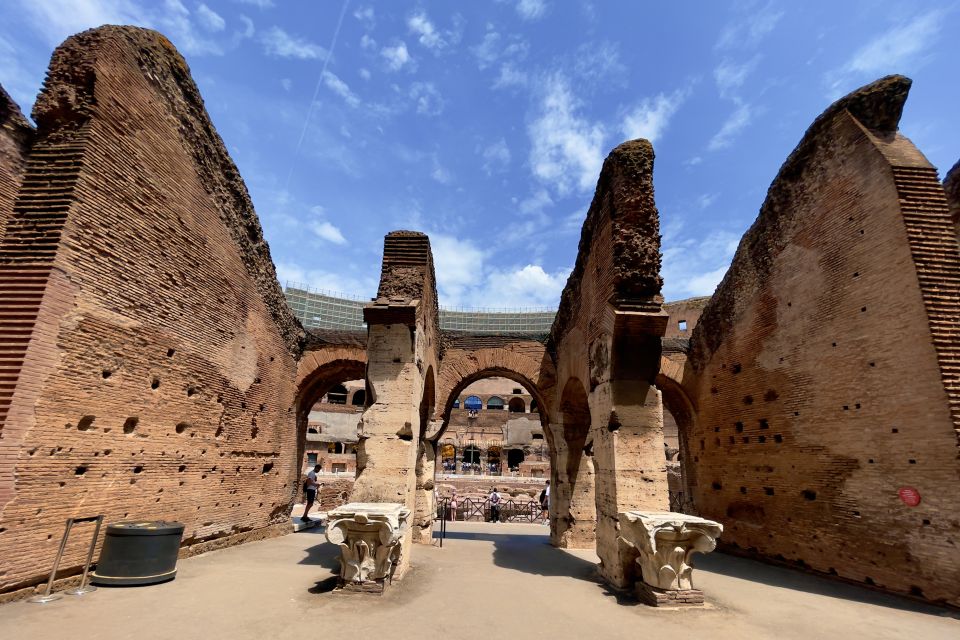
The Colosseum can overwhelm you. It’s huge, loud, crowded, and full of information that’s hard to organize when you’re walking without context. A one-hour guided format solves that. You get a tight route where the guide connects major architectural features to what was happening there—so you leave understanding the space instead of just seeing stone.
The value angle is simple. You’re paying for three things that are hard to DIY in the same way:
- guided interpretation (the “what you’re looking at” layer)
- entry that helps you avoid the ticket-office mess
- access to the Roman Forum and Palatine Hill as part of the same overall visit
At $65 per person for roughly an hour, it’s not the cheapest way into the site. But the combination of guide + entry + headsets can make the difference between drifting and actually learning.
You can also read our reviews of more tours and experiences in Rome


Meeting at Via del Colosseo 41 (and How to Find It Quickly)
Your meeting point is Via del Colosseo 41, above the Colosseum Metro Station, in front of Caffe Roma. Staff will be holding a Rutas Romanas sign.
This matters more than people think, because the area around the Colosseum is busy and signage can be confusing. Aim to arrive early enough to settle in, check your ID, and put on comfortable shoes before you meet the group.
Bring your passport or ID card. If you’re traveling with kids, having the ID ready (not scrambling for it at the last second) saves stress during the security flow.
Skip-the-Line Entry: What It Helps, What It Can’t Control
The tour uses special entry tickets to help you avoid long queues at the ticket office. That’s the big win. The Colosseum lines can be brutal, and wasting time before you even begin your tour is the fastest way to ruin your day.
But there’s a limit to what any operator can guarantee. You must pass through a security check, and during peak days there may be a queue that’s unavoidable. That can push the effective start time back. The good news: once you’re inside, the tour pace is designed to keep you moving through the best parts of the experience.
Practical tip: treat your scheduled start time like a target, not a promise. If you’ve got a timed dinner, a timed museum ticket, or a later appointment, build in buffer.
First Stop Inside: The Colosseum Façade to the Corridors
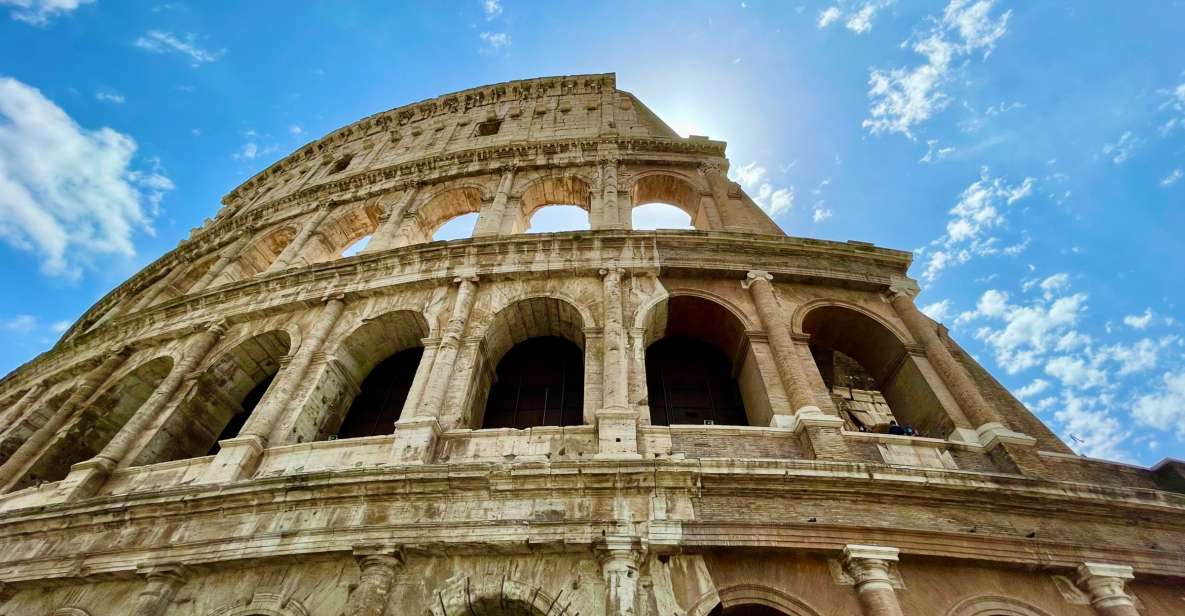
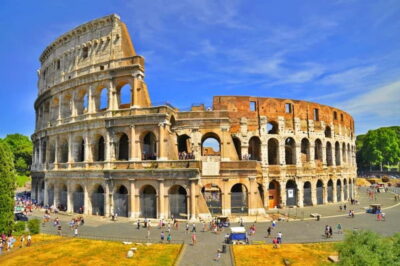
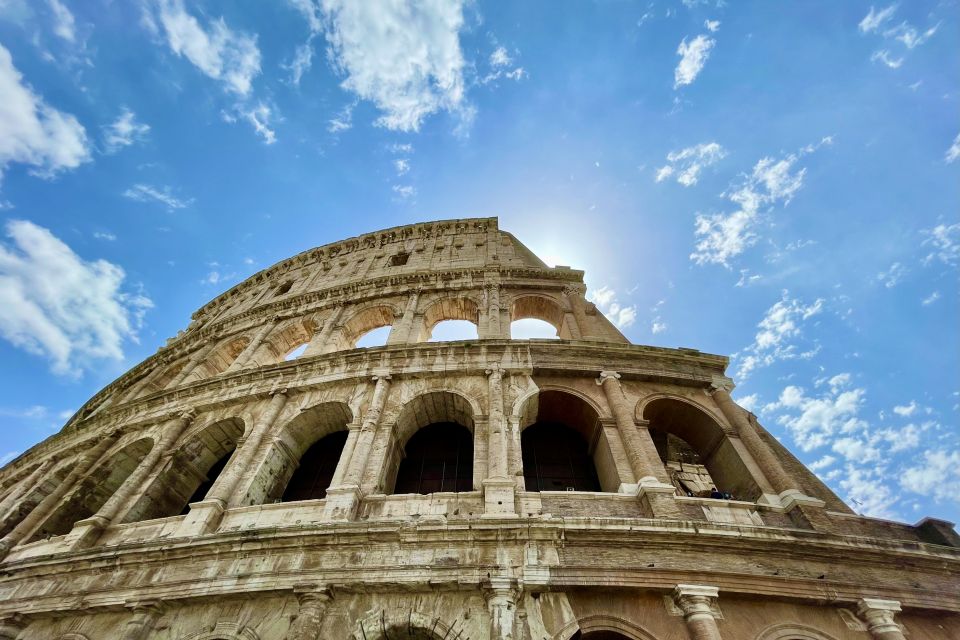
Your route begins outside, where you get the imposing façade in front of you. Starting here is smart. The Colosseum’s size and design can be hard to grasp once you’re only looking downward from inside walkways.
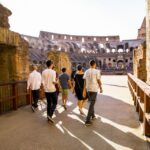
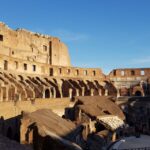
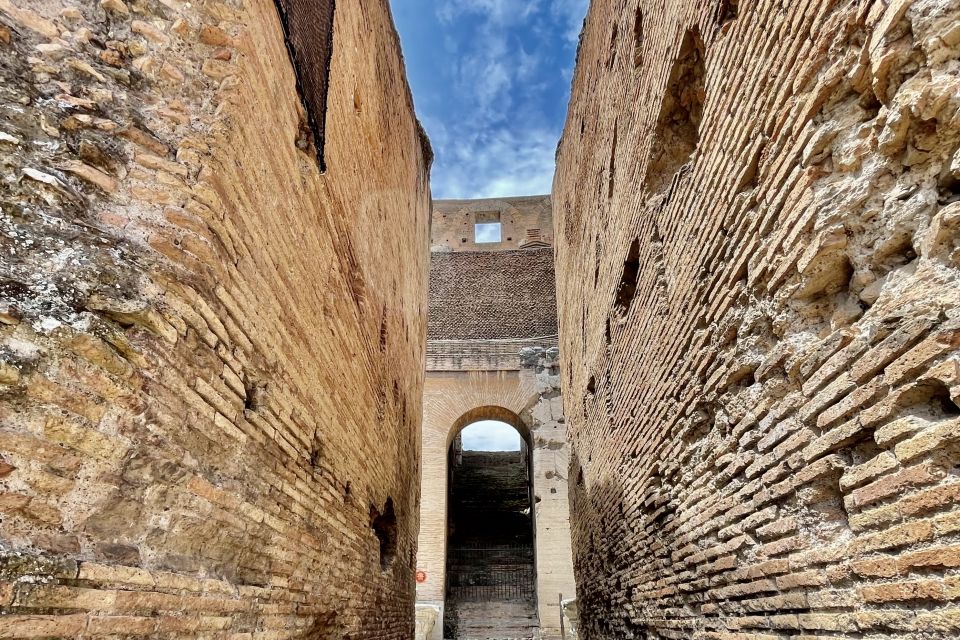
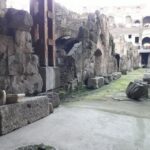
Then you head into the monument to stroll through the corridors used in ancient times by vast numbers of spectators. This is where the guide’s job really pays off. They point out the architectural details that would otherwise look like random stonework—arches, levels, and transitions between spaces that once controlled movement and sightlines.
One thing I like about how this tour is structured: it doesn’t just name features. It explains how the system was built to handle crowd flow and events. You end up understanding the Colosseum as a working machine, not a ruined shell.
Understanding the Seating System and Social Class
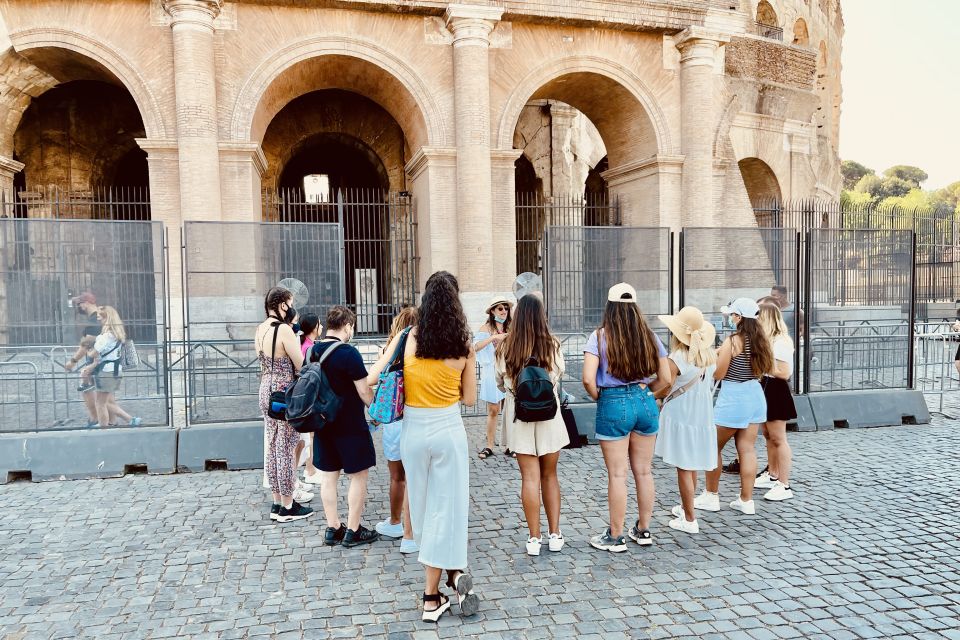
A key part of the storytelling is how people were divided. You’ll learn how spectators were arranged according to social class. That’s not trivia. It’s the difference between thinking of the Colosseum as a generic arena and realizing it was a visible, public ranking system.
As you move through the tour, the guide points out where the audience would have been positioned and how the structure supported that separation. The message lands quickly: your perspective in the Colosseum was part of the performance, too.
If you’re the type who likes a reason behind the design, this is a strong stop. Even if the arena floor is partly reconstructed or limited in access, the explanation gives the layout meaning.
You can also read our reviews of more guided tours in Rome
The Built-In Services: How the Venue Managed Chaos
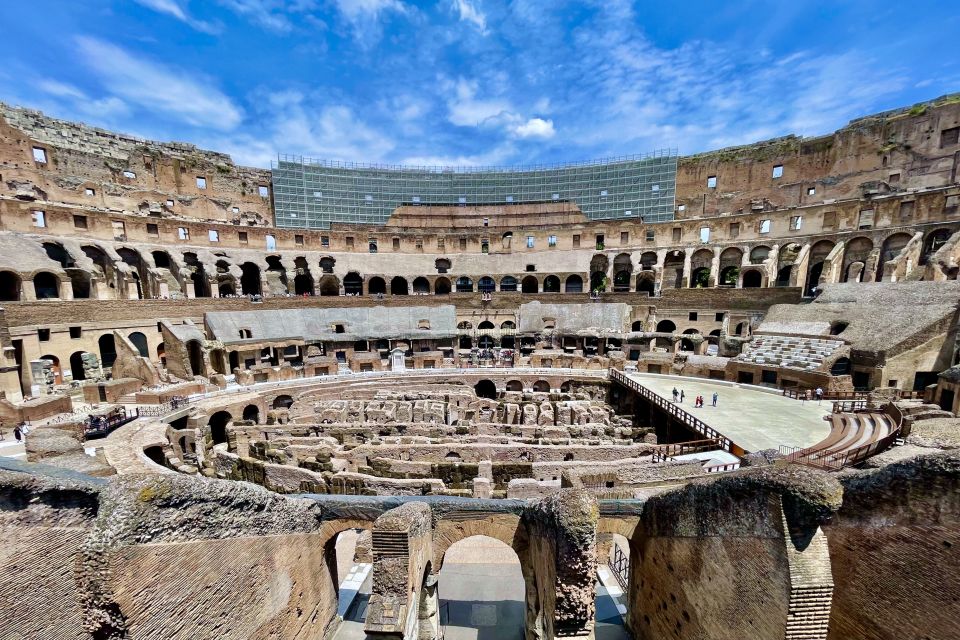
Another highlight is the guide’s explanation of the Colosseum’s complex system of services created to accommodate a huge number of spectators. The tour doesn’t just say it could hold people. It explains how the venue was organized to support events—movement, access, and the overall logistics of handling crowds.
Think of it this way: the Colosseum wasn’t a static monument. It was a live events platform. Once you understand that, the scale makes more sense. You start noticing transitions and narrow corridors that would have helped manage timing and movement during shows.
The Educational Corridor: Panels and Reconstructive Models
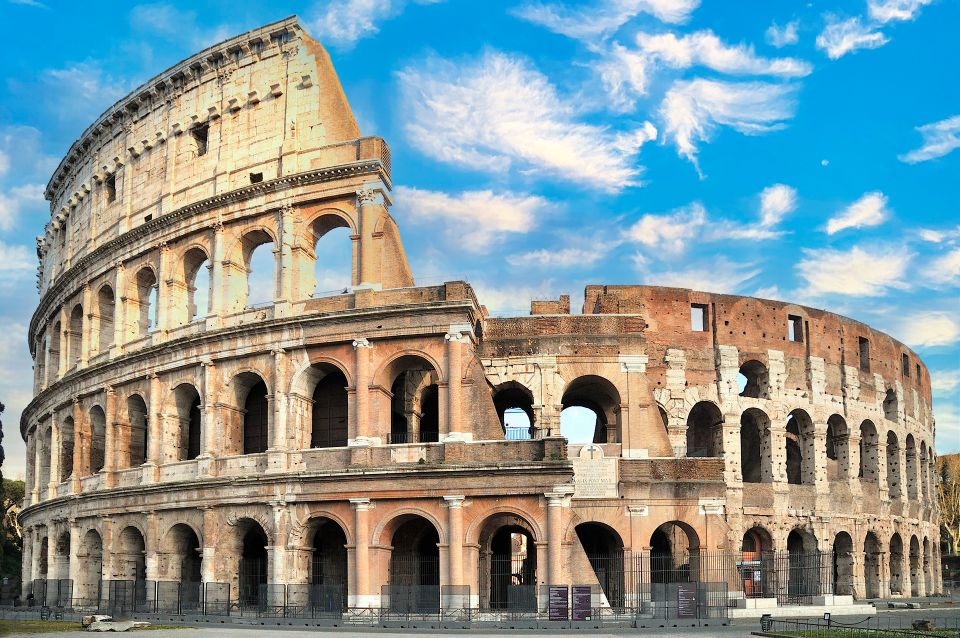
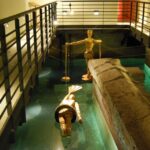
You’ll also walk along a corridor with an educational section equipped with explanatory panels and reconstructive models. This part helps you fill the gaps between what remains and what once existed.
What’s practical about this: you don’t have to guess. Instead, the tour gives you visual anchors, so your mental picture snaps into place. It’s also a good place to slow down briefly if you’re photo-focused.
Arena Views From Above: Seeing the Reconstruction
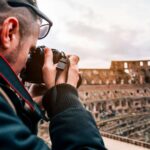
From above, you’ll admire a reconstructed portion of the arena. This is another moment where the guide’s timing helps. Seeing the space from a higher vantage gives you better geometry than standing at floor level.
You’ll get a sense of how the event stage, audience placement, and architectural structure worked together. Even with partial reconstructions, the view reinforces what the guide has been explaining about design and crowd separation.
Ending at the Emperor’s Box (and Why It’s a Big Emotional Beat)
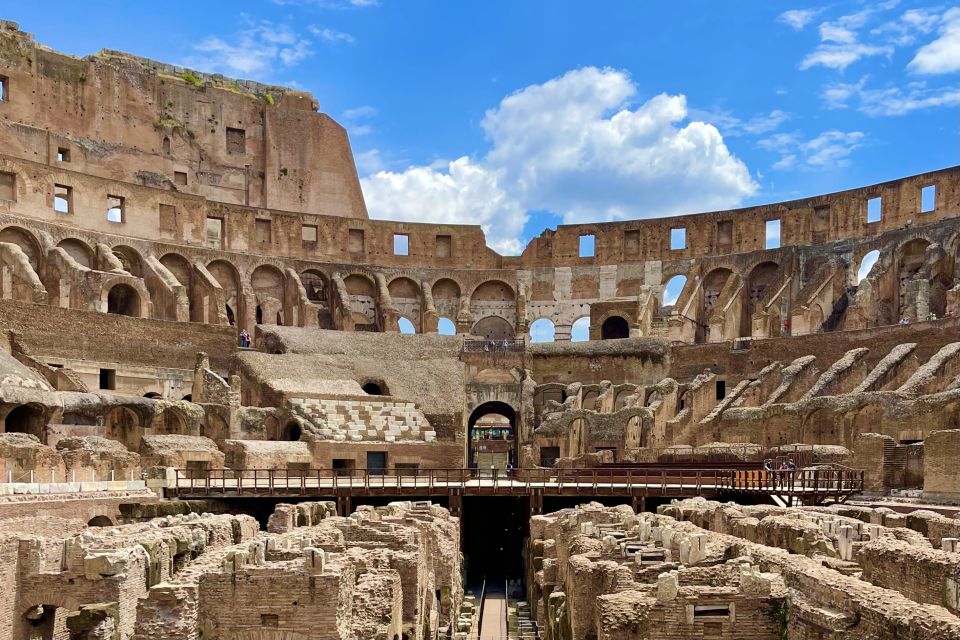
The tour ends in the place where the emperor’s box was located, where his family and guests of honor would sit. This is a powerful ending point because it reframes everything you just saw.
Once you stand near that area, the Colosseum stops being just a historic spectacle. It becomes a stage for power and social order—where the ruler wasn’t hidden in a private box. The setting says, loudly, that authority had a physical place here.
If your itinerary route variant ends you somewhere else (it can), look for this kind of final “anchor moment.” The tour is designed so you leave with a clear takeaway, not just a pile of images.
Roman Forum and Palatine Hill: What You’ll Gain Beyond the Amphitheater
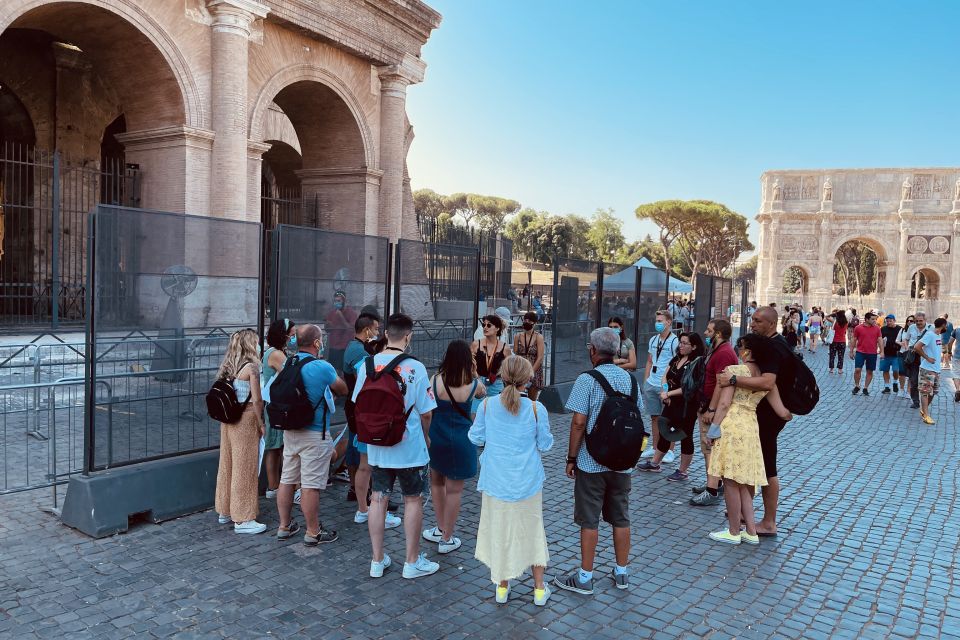
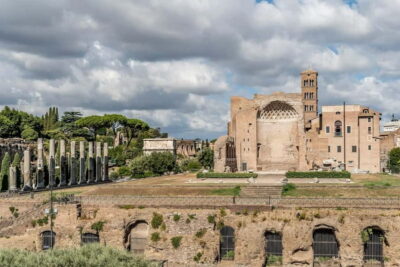
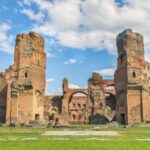
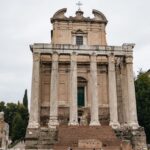
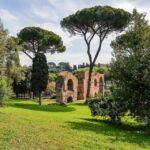
Not every Colosseum tour includes these extra ruins, and that’s why this package works. The Roman Forum and Palatine Hill are where Rome’s political and everyday power story becomes tangible.
With access included, you’re able to connect the dots:
- The Colosseum shows public spectacle and social structure.
- The Forum and Palatine Hill connect that spectacle to the city’s real centers of influence.
A note on route changes: the tour’s start and end points can swap depending on the day. Sometimes it may begin from the Forum and Palatine Hill and end inside the Colosseum. On other days, you may start at the Colosseum and finish out at the archaeological areas. Either way, the value comes from getting both zones in your time window.
Weather can also matter. Some parts of the Forum and Palatine Hill might not be accessible during bad conditions. If you’re visiting in a rainy season, keep your expectations flexible and pack accordingly.
Guide Quality: What Makes the Best Tours Work
This tour runs with live guides in Spanish, French, and English, and the guide has a big impact on how much you get out of the hour. The best guides don’t just list facts—they turn the architecture into a story you can picture.
Names you may recognize from past departures include Henry, Alessandra, Agostino, Alessia, Rita, and Ginevra. Across different styles, the common thread is engagement. Some guides use theatrical storytelling moments; others focus on clear explanation and steady pacing. If your preference is a mix of facts and showmanship, Alessandra stands out in the way she brings moments to life, including interactive play-acting.
Headsets help here, too. When you can hear the guide clearly, you can stay in the story instead of constantly asking the person next to you what was said.
Price and Value: Is $65 a Smart Spend?
At $65 per person, you’re buying a lot more than entry. You’re paying for:
- a professional guide to organize what you’re seeing
- headsets so you can actually follow the explanation
- entry to multiple major areas: Colosseum, Roman Forum, and Palatine Hill
So when is it worth it?
- When you have limited time in Rome and want the big-ticket highlights tied together
- When you don’t want to spend your energy figuring out which ruins matter most
- When you’d rather pay for interpretation than fight through signage and crowd chaos
When might you hesitate?
- If your schedule is extremely tight and you’re worried about minor delays from security or weather route changes
- If you strongly prefer unguided wandering, without anyone setting a pace
For most first-time visitors doing a fast Rome plan, this price can feel reasonable because it compresses a lot of high-impact sightseeing into one guided window.
What to Bring (and What Will Slow You Down)
Plan for comfort and for the rules. The tour requires comfortable shoes, and you should bring your passport or ID card. Security is part of the day, so anything you carry that doesn’t fit the rules could slow you down.
What’s not allowed includes:
- pets
- weapons or sharp objects
- luggage or large bags
- alcohol and drugs
- sprays or aerosols
- glass objects
On hot days, go in prepared. One useful habit: use the restroom before you start. Then bring water and sun protection. If you’re worried about staying cool, the guide may help you find the best places to get water on-site, and there are fountains in the general area.
Who This Tour Suits Best (and Who Should Rethink It)
This is a great choice if you want your Colosseum time structured, explained, and efficient. It also suits families when the group stays engaged—some guides are used to making the experience work for mixed ages.
But it’s not suitable for:
- people with mobility impairments
- wheelchair users
That matters because the Colosseum and surrounding archaeological paths involve uneven surfaces, steps, and crowd navigation.
Should You Book This Colosseum Tour?
Book it if you want the best use of a short Rome visit. The hour-long format gives you orientation, the headsets make the guide usable in crowds, and the included Roman Forum and Palatine Hill access turns the Colosseum into part of a bigger story.
I’d skip it if you’re determined to wander slowly without a set route, or if mobility limitations would make the walk uncomfortable. Also, if you have a very strict schedule, build in buffer for security timing and possible weather access changes.
If your goal is understanding the Colosseum fast—and leaving with a mental map—this is one of the smarter ways to do it.
FAQ
How long is the tour?
The duration is 1 hour.
What’s the meeting point?
Meet at Via del Colosseo 41, above Colosseum Metro Station in front of Caffe Roma. Staff will be holding a Rutas Romanas sign.
What’s included in the price?
Included are entrance to the Colosseum, Roman Forum, and Palatine Hill, a professional tour guide, and headsets to hear the guide clearly.
What’s not included?
Hotel pickup and drop-off, plus food and drinks.
Will I avoid long lines?
You’ll use special entry tickets to avoid long queues at the ticket office, but you still must pass through security. On busy days, security lines can add waiting time.
Do the tour and sites operate in bad weather?
The tour takes place rain or shine, but some parts of the Roman Forum and Palatine Hill might not be accessible during bad weather.
What languages are the guides available in?
Live tour guides are available in Spanish, French, and English.
What should I bring for the tour?
Bring a passport or ID card and wear comfortable shoes.
Is the tour suitable for wheelchair users or mobility impairments?
No. It is not suitable for people with mobility impairments or wheelchair users.
What can get you turned away?
Pets, weapons or sharp objects, luggage or large bags, alcohol or drugs, sprays or aerosols, and glass objects are not allowed.