REVIEW · ROME
Rome: Dining Experience at a Local’s Home
Book on GetYourGuide →Operated by Cesarine · Bookable on GetYourGuide
Dinner in a Roman home is a small-time machine.
You swap restaurant noise for a warm Cesarine welcome, a 3-course meal, and a private cooking demo using family recipes.
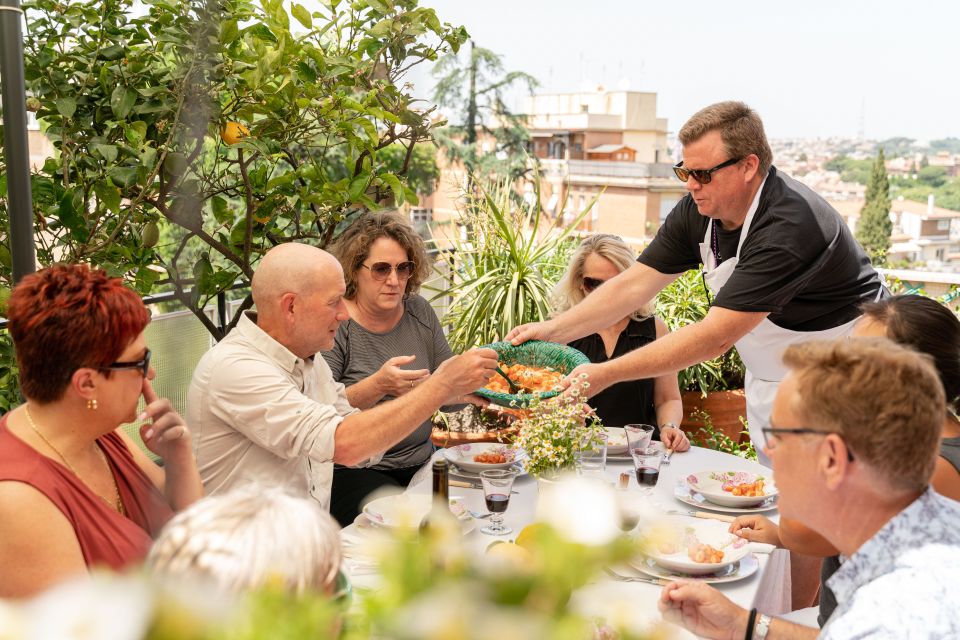
What I like most is the feeling of getting taught, not just fed. In real homes, hosts like Gianluca and Emanuela explain what they’re making and why, then you sit down with the people who cooked it.
The one thing to consider is that you’re in someone’s private space. That means the evening is less “tour schedule” and more “family rhythm,” so it’s not the best fit if you want a highly scripted, instantly predictable experience.
In This Review
- Key things to know before you go
- Why this Cesarine home dinner beats a typical Roman restaurant
- The menu: what a real 3-course Roman meal usually looks like
- The cooking demo: how much you’ll actually do
- What drinks are included, and why it changes the meal
- Arriving at a host home: the small-group difference in Rome
- Price and value: what you’re really buying for $100 per person
- Dietary needs: what you can and can’t assume
- Practical tips to get the most from your night
- Should you book this Cesarine dinner in Rome?
- FAQ
- What’s included in the Cesarine Rome dining experience?
- What drinks are included?
- How long does the experience last?
- How many people are in the group?
- Where do we meet?
- What time do the dining sessions start?
- Can the dinner accommodate dietary requirements?
Key things to know before you go
- Cesarine home cooks open their own houses, not a restaurant stage
- 3-course menu: starter, pasta, dessert, all freshly made
- Cooking demo included with a real chance to help, depending on the host
- Wine, coffee, and water included with red and white options from regional cellars
- Small group (up to 8) keeps the chat going and the pace relaxed
- Address is shared after reservation and the host meets you at the door
Why this Cesarine home dinner beats a typical Roman restaurant
Rome has no shortage of great meals. The trick is finding one where you understand the food, not just taste it. A Cesarine dinner is built around a simple idea: Italian cooking lives in kitchens and family habits, passed down and repeated.
I love that the experience centers on local specialties pulled from family cookbooks. You’re not eating a “tour menu.” You’re eating what a household actually serves and values, with context from the person who made it.
Another reason it’s such good value is that the price includes the full evening: a 3-course meal plus wine and coffee, and the cooking demo time with your host. With a normal restaurant dinner, you’d pay separately for instruction, additional servings, and often even for tastings.
The format also helps you feel connected quickly. You arrive, ring the doorbell, and you’re welcomed like a person, not a booking reference. That’s why hosts such as Marco, Carmello, Giovanna, and Valeria repeatedly show up in people’s stories: the warmth is part of the package.
You can also read our reviews of more tours and experiences in Rome



The menu: what a real 3-course Roman meal usually looks like
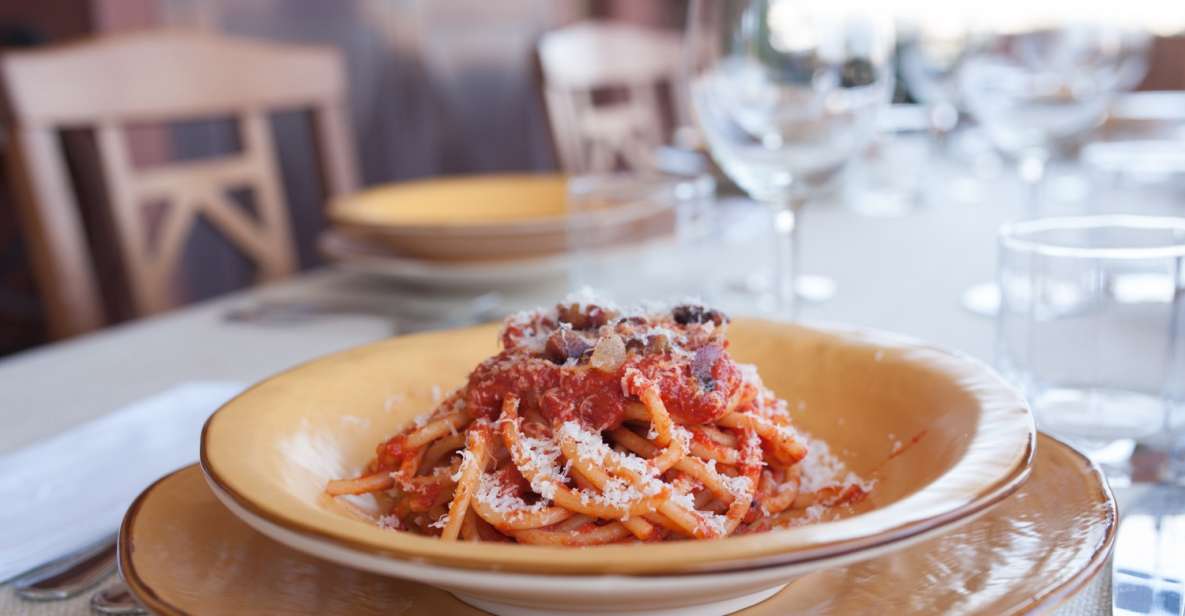
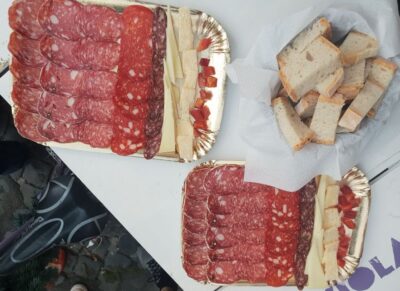
This dinner is set up as three courses: a starter, then pasta, then dessert. It’s not just a sequence—it’s a teaching arc. You taste, watch how it’s built, and then sit down with the finished plates.
You’ll also be eating “family cookbook” recipes. The Cesarine network is designed around hosts using traditional regional dishes from the recipes they’ve grown up with, not random ideas from a cookbook shelf. If you’re curious about what makes Roman or Lazio flavors different, pasta and sauces are where you’ll actually see the logic.
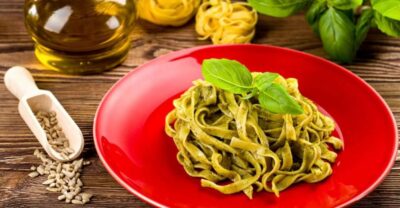
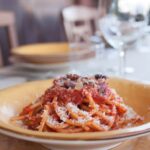
From the menu structure, you can expect the pasta course to be the anchor. Even when the exact dish changes by household, the common theme is that pasta is made thoughtfully and served with confidence, not as a filler course.
Dessert usually lands as the most emotional course. Many home cooks treat dessert like a signature, and you often get extra attention to technique—think of sweets like tiramisu when a host is in that mood and willing to show the steps.
One practical note: you should come hungry and ready to linger. This kind of dinner is paced for conversation, not quick turnover, and the 2.5-hour duration supports that.
The cooking demo: how much you’ll actually do
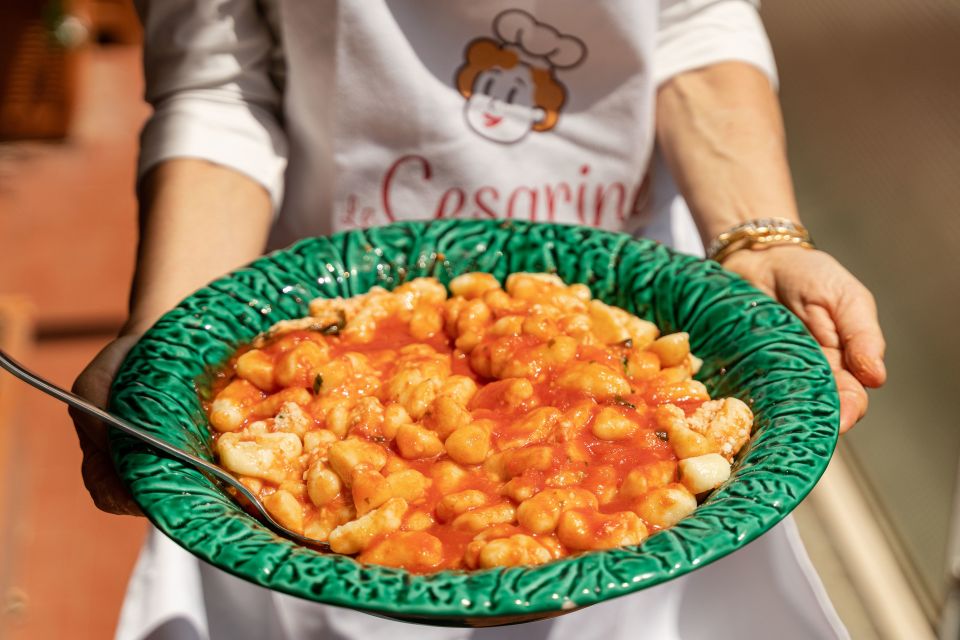
This experience includes a show cooking demo, with the host guiding you through what’s cooking and why. In homes, the demo isn’t a lecture in a chair; it’s kitchen work happening in real time, with ingredients close enough to smell and touch.
In many evenings, you may get hands-on moments. People share that they helped with parts of the meal such as slicing ingredients and learning how pasta is made. Others describe rolling gnocchi or pitching in with dessert preparation like tiramisu. You won’t control what your specific menu is, but you can usually count on some involvement if the kitchen has room.
The best way to get value from the demo is to ask direct questions. Don’t ask generic things like how long does it take. Ask what the host does when the sauce is too thick, or what they watch for in the pasta dough. That’s where the real “family method” comes out.
Also, pay attention to the pace. Italian home cooking often moves in small steps, with pauses for tasting, adjusting, and coordinating multiple dishes. If you watch carefully, you start to understand why the final plates taste so balanced.
Language-wise, the host can operate in English and Italian. That’s useful because you can still ask questions even if your Italian is basic. If you speak a little, you’ll likely get rewarded for trying.
What drinks are included, and why it changes the meal
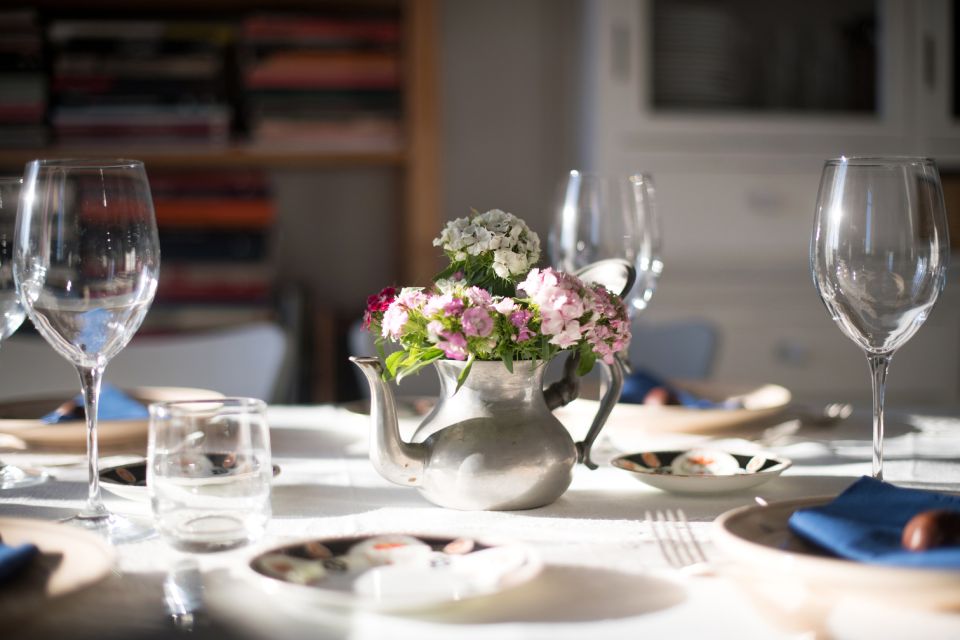
Drinks are included: water, a selection of red and white wines from regional cellars, and coffee. This matters because it turns the dinner into a full dining experience, not just food plus a show.
Wine included in a home meal also tends to match the cooking. When a host chooses from regional options, it often aligns with the flavors on the table—especially with pasta sauces and richer desserts.
You can expect the coffee at the end as a natural finish, part of the household rhythm. In some cases, hosts add an extra after-dinner sip like limoncello, depending on what they like to serve and how the evening is going.
The overall vibe is calmer than a restaurant. With wine flowing and coffee waiting at the end, you’ll feel less rushed to “get through” courses and more inclined to stay in the moment.
If you’re the type who likes to learn about what you’re drinking, you’ll have an easy opening. Ask what they pair with which course. In these homes, that conversation usually comes naturally.
Arriving at a host home: the small-group difference in Rome
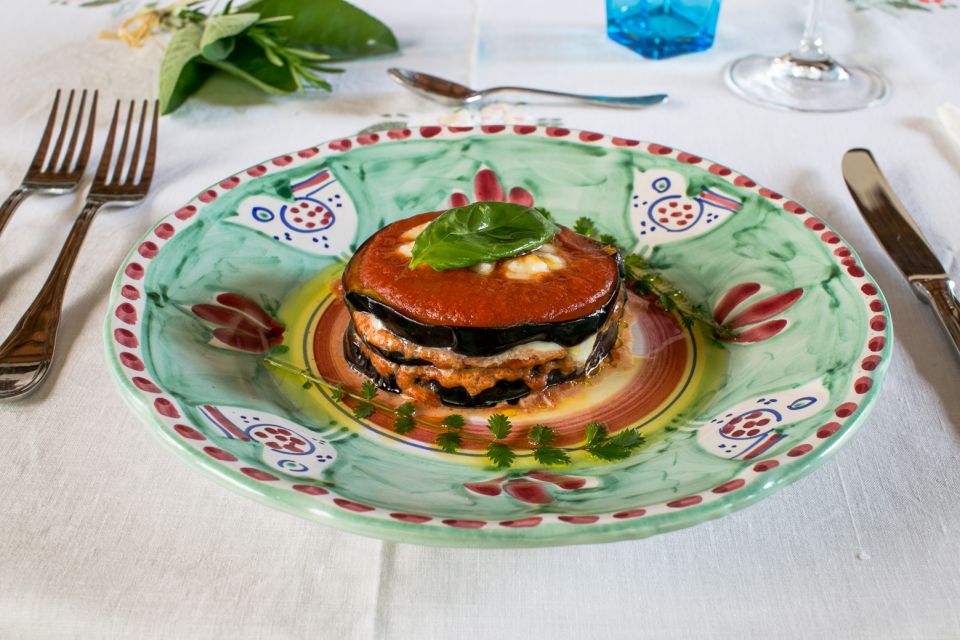
Your meeting point is the home itself. After you book, you’ll be contacted by customer care via email with the host address and a mobile number, and you ring the doorbell when you arrive.
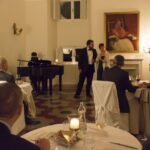
Because it’s a small group capped at 8 participants, the dinner doesn’t feel like seating at a table in a crowd. You’re more likely to get a conversation going with your fellow diners too. That’s helpful if you’re traveling solo, because the social piece isn’t left to chance.
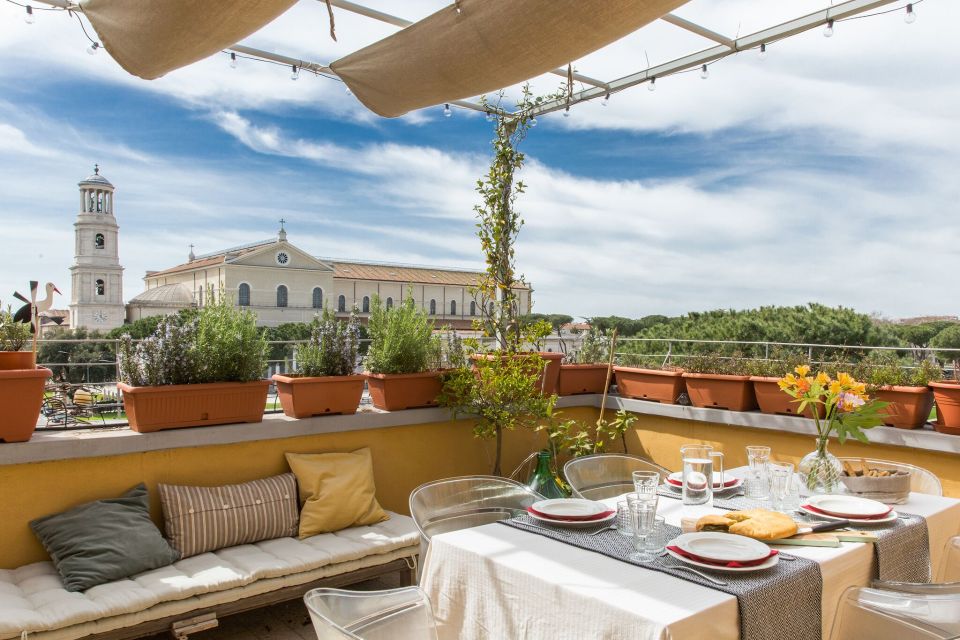
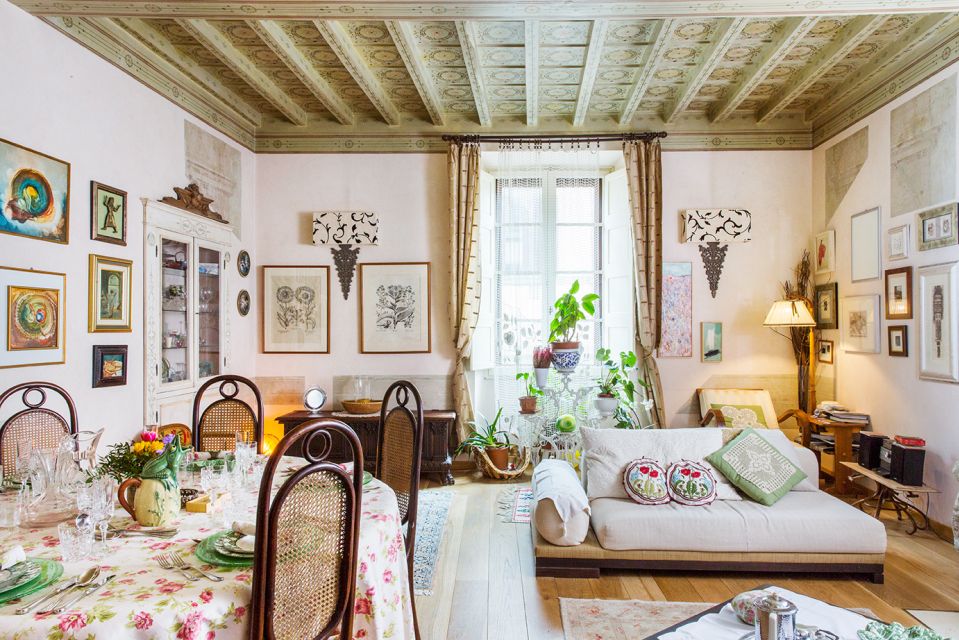
The home setting also means details matter. People describe cozy, gorgeous home spaces and warm hospitality, and those details are part of what you’re paying for. A restaurant can be charming, but it’s still built for turnover. A home dinner is built for living.
One more thing: expect a “family arrival.” Hosts often greet you personally and guide you through where to sit. If you’re early, that’s good. If you’re late, it can throw off kitchen timing, so give yourself buffer time.
You can also read our reviews of more tours and experiences in Rome



Price and value: what you’re really buying for $100 per person
At $100 per person, this costs more than a basic Roman restaurant meal. That might feel steep until you break down what’s included.
You’re paying for:
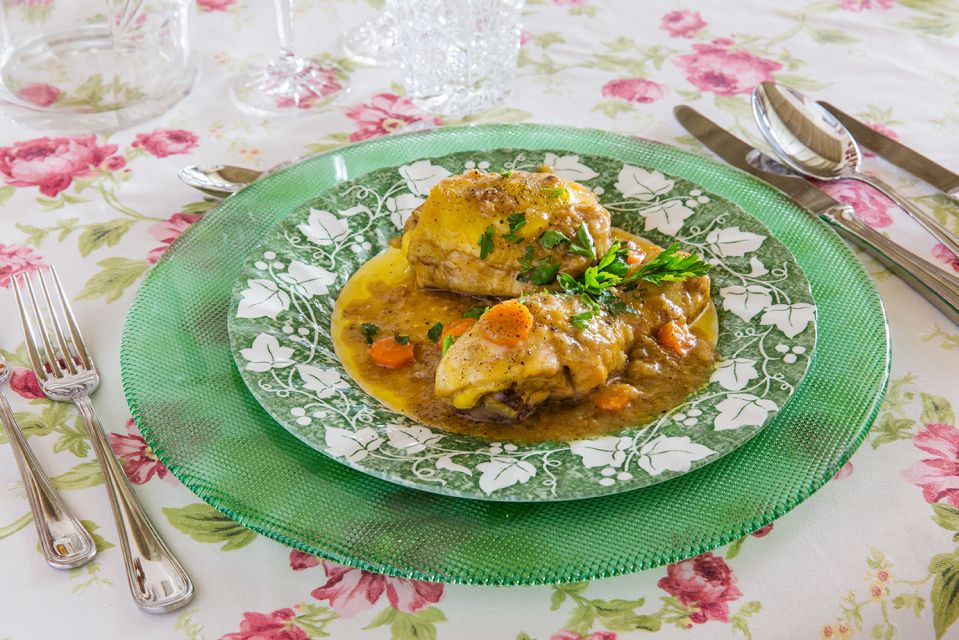
- A 3-course dinner made fresh in a private home
- A cooking demonstration with instruction in a working kitchen
- Wine and coffee included, plus water
- A small-group setting with real conversation time
In other words, you’re buying the experience of being taught, hosted, and fed—not just fed. The cooking demo is the hidden part of the value. You’re not watching cooking from behind glass. You’re learning from the person doing it.
For me, the sweet spot is when you want more than food. If your Rome plan already includes churches, ruins, and museums, a home dinner becomes the contrast—sensory and human, not just architectural.
It also works well if you like culinary travel, but you don’t want to do a full cooking class day. This gives you hands-on glimpses in a shorter, more social format.
Dietary needs: what you can and can’t assume
This experience can cater to different dietary requirements, but you must confirm that directly with the service organizer after booking. That’s important because you don’t want to assume your needs will be handled without discussion.
The good news is that dietary accommodation is stated as possible. The safer approach is to contact the organizer promptly and be clear about your requirements (allergies and restrictions), so the host has time to plan.
Because the meal is based on traditional recipes, the host may adapt ingredients while keeping the method. That adaptation takes communication, and in a home setting, that’s even more crucial.
Practical tips to get the most from your night
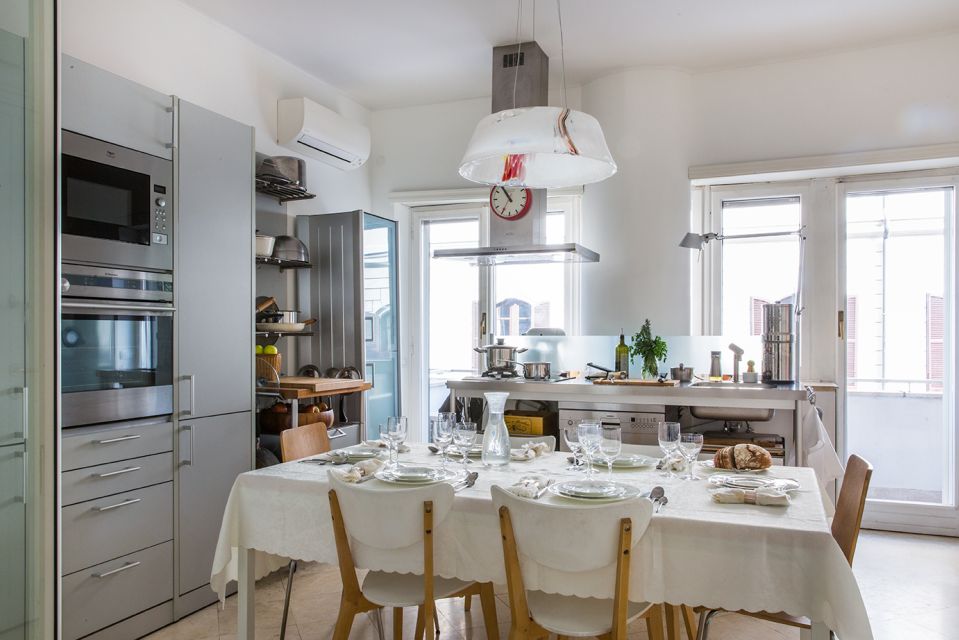
If you want a smooth dinner, treat it like a visit, not a performance.
- Come with questions. Ask what makes the sauce theirs, or how they judge the pasta.
- Be ready for small kitchen moments. Even if you’re not “the cook,” you might be invited to help with steps like slicing or shaping.
- Dress for warmth and normal home comfort. Roman homes can vary, and you’ll likely spend time standing at the kitchen edge.
- If you drink wine, pace yourself. It’s included, but the goal is enjoying the meal, not rushing through it.
- If you have dietary requirements, message the organizer quickly after booking.
Also, remember the meeting point is at the host’s home. That’s part of the charm, but it means the last-minute details matter. The address and mobile number arrive after reservation, so keep an eye on your email.
Should you book this Cesarine dinner in Rome?
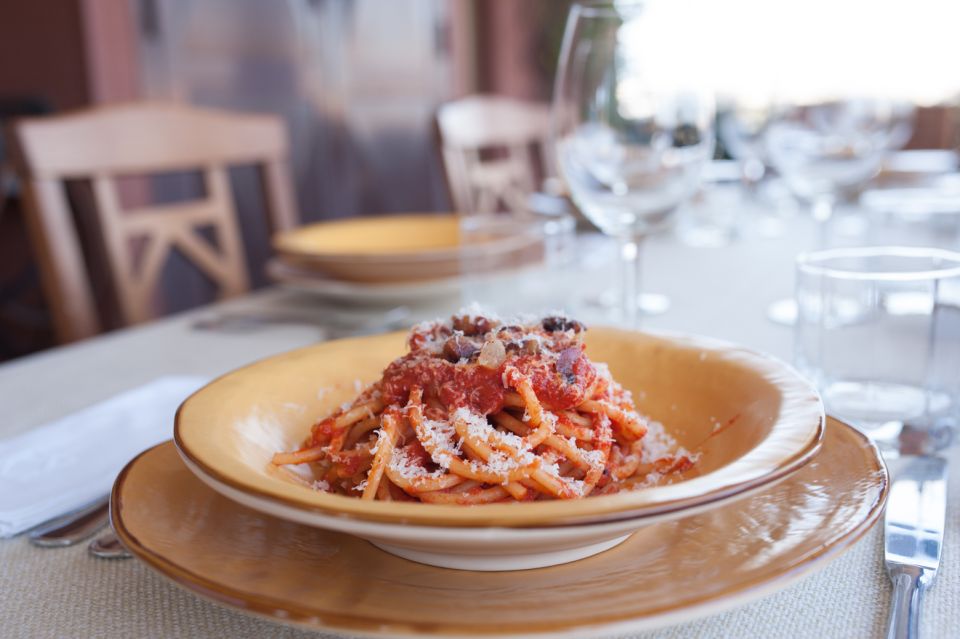
Book it if you want a real Italian table experience with a cooking demo and included wine. This is best for couples, small friend groups, and solo travelers who enjoy conversation and learning by doing.
Skip it if you need a very rigid schedule or you dislike being in a private home environment. The dinner is guided by your host’s kitchen flow, so it’s less like a choreographed tour and more like joining a family dinner.
If your goal is to taste Rome through the lens of Lazio kitchens—family recipes, wine choices, and the small rituals of dessert—this is a strong bet for your limited time in the city.
FAQ
What’s included in the Cesarine Rome dining experience?
You get a 3-course lunch or dinner (starter, pasta, and dessert), a cooking demo, and included drinks.
What drinks are included?
The included drinks are water, a selection of red and white wines from regional cellars, and coffee.
How long does the experience last?
The duration is 2.5 hours.
How many people are in the group?
The group is small, limited to 8 participants.
Where do we meet?
You meet at your host home. The exact address is shared after reservation, and you ring the doorbell when you arrive.
What time do the dining sessions start?
Dining typically begins at 12:00PM or 7:00PM, and tour times are flexible with advance requests.
Can the dinner accommodate dietary requirements?
Dietary requirements can be accommodated, but you must confirm them directly with the service organizer after booking.