REVIEW · ROME
Pasta Cooking Class with Pesto Sauce Making in Rome Center
Book on GetYourGuide →Operated by IPM COETUS SRL · Bookable on GetYourGuide
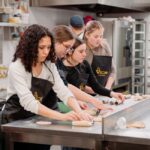
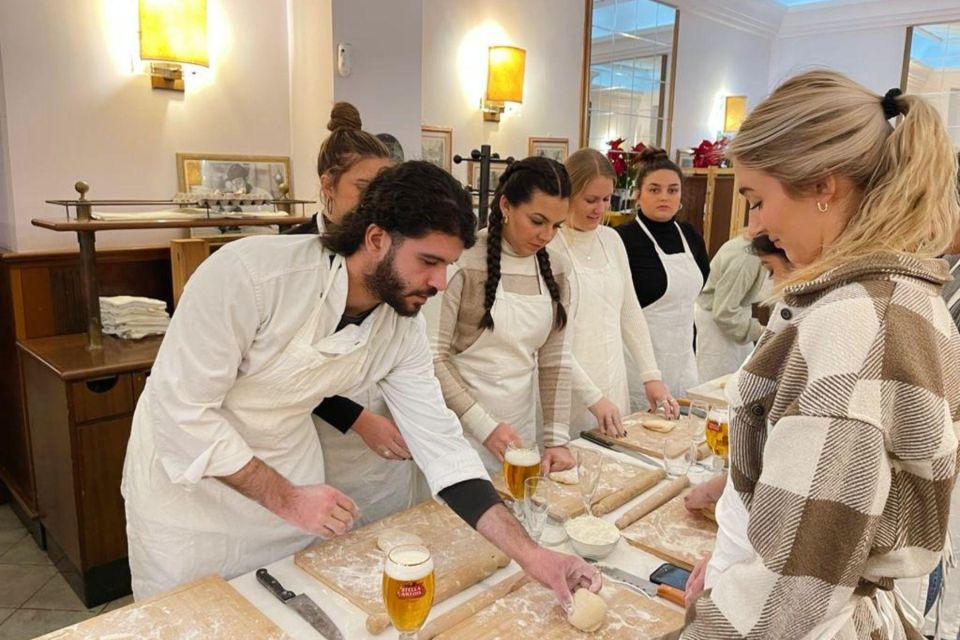
Rome smells like basil and fresh pasta. In this small-group cooking class near Piazza Navona, you learn Genovese pesto and handmade fettuccine, then eat what you make. It’s one of those Rome activities that feels hands-on from the first minute, not like a lecture with pictures at the end.
I love how practical the lesson is: you’ll actually work the ingredients and techniques, not just watch. I also like the fact that it ends with you sitting down to a full comfort-food meal in the restaurant setting, so the cooking turns into something you can taste right away.
One thing to plan for: it’s not suitable for vegans, people with gluten intolerance, or nut allergies, so check your dietary needs before booking.
In This Review
- Key highlights at a glance
- Piazza Navona Setup: Finding Ristorante Panzirone and Getting Started
- The Small-Group Advantage: Learning in English Without Feeling Rushed
- Making Genovese Pesto: A Sauce You Can Actually Feel Confident About
- Handmade Fettuccine: The Dough Work Part (and What the Chef Handles)
- The Classroom to Dining Table Switch: Bruschetta, Drinks, and a Real Meal
- Chef Energy and Real Teaching: Sara, Bea, and Lisa’s Helpful Touch
- Timing That Works: A 2.5-Hour Block You Can Plan Around
- Price and Value in Rome: What $69.78 Usually Buys Here
- Who This Pesto and Fettuccine Class Is Best For
- Should You Book This Class? My Practical Take
- FAQ
- FAQ
- Where does the cooking class start?
- How long is the pasta cooking class?
- Is the class taught in English?
- What’s included with the meal?
- Is this class suitable for vegans or gluten intolerance?
- What group size should I expect?
Key highlights at a glance
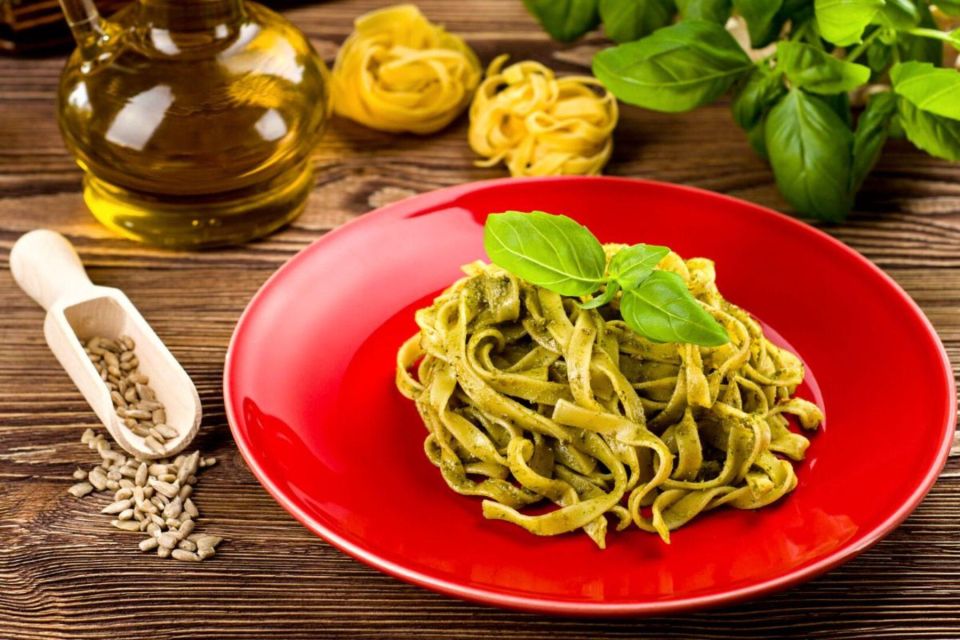
- Up to 7 people means you get real time with the chef and instructors
- Genovese pesto and fresh fettuccine taught with traditional methods
- Pesto made without cooking so you spend less time near heat and more time learning
- Hands-on workshop, restaurant finish with bruschetta, drinks, and a post-meal coffee or limoncello
- English instruction for smoother explanations and Q&A
Piazza Navona Setup: Finding Ristorante Panzirone and Getting Started
This class is in the heart of Rome, right on Piazza Navona, one of the easiest places to orient yourself on foot. Your meeting point is inside Ristorante Panzirone, at Piazza Navona 73. Arrive about 10 minutes early if you can. You’ll meet the staff inside, then they’ll guide you to where the class is happening.
That matters more than it sounds. Piazza Navona gets crowded, and you don’t want to spend your first 15 minutes hunting for the room while everyone else is already chopping, mixing, and learning. A quick buffer keeps the whole experience calm and fun.
Also, notice the pace: this isn’t a half-day commitment. It’s a focused 2.5-hour session that includes cooking and then a proper meal, so you can fit it into your day without turning it into a production.
You can also read our reviews of more cooking classes in Rome

The Small-Group Advantage: Learning in English Without Feeling Rushed
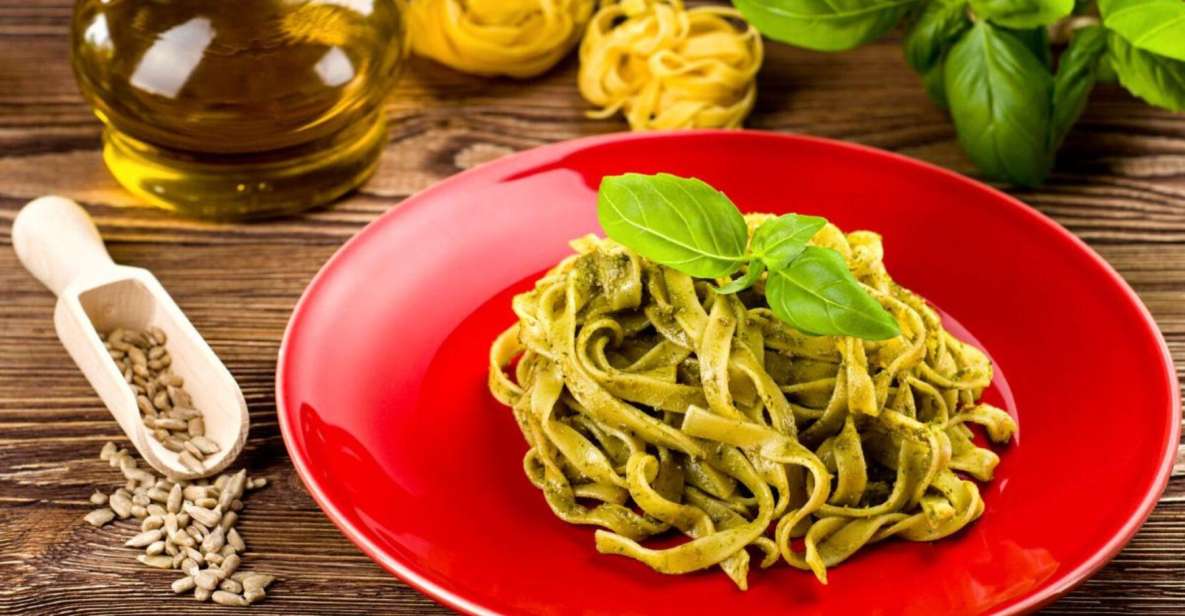
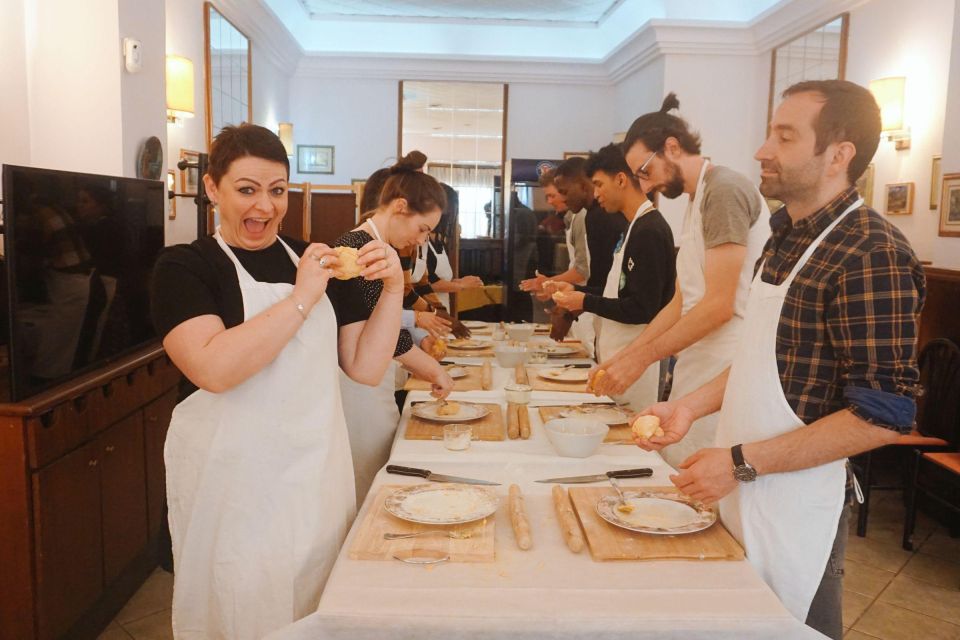
This is built as a small group experience, limited to 7 participants. In practice, that usually means the chef and instructors can slow down for each person’s questions and mistakes. You’re not competing for attention with a big crowd, and you’re more likely to get feedback while you’re doing the work.
The instruction is in English, which makes a difference for cooking classes. You’ll understand not only what you’re doing, but why. That’s key with something like pesto, where texture and balance matter, and with fresh pasta, where dough feel is part of the skill.
If you’re the type who likes learning by doing, this format tends to click fast. Even better, the experience is described as being interactive—so you’re not stuck pretending you know what to do with dough while someone else plates.
Making Genovese Pesto: A Sauce You Can Actually Feel Confident About
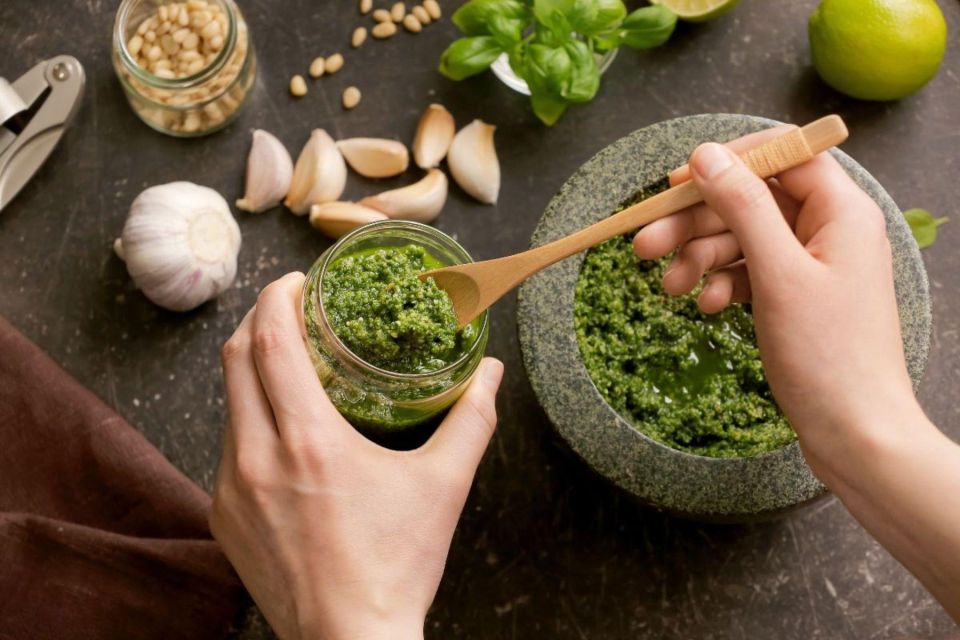
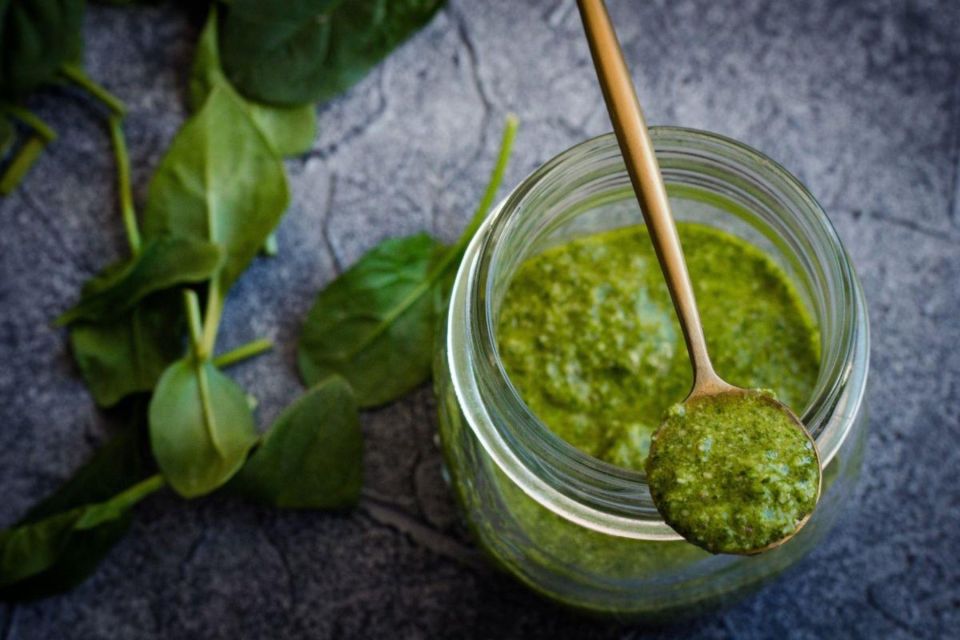
The headline for this class is traditional Genovese pesto sauce. One of the nicest parts is that pesto is taught as a sauce you don’t cook. That means you’re not leaning over heat for long stretches, and you can focus on mixing, texture, and getting the flavor right.
Why that’s such a big deal: cooked sauces require you to babysit timing and temperature. Pesto shifts the focus toward preparation—how the ingredients come together, how you build thickness, and how you balance what you’re tasting. It’s easier to learn quickly because the process is direct: mix, adjust, and taste.
You’ll make pesto alongside the chef and instructors, and the class is set up so you’ll connect your work to the final meal. That’s what transforms pesto from a jarred convenience into something that feels like your cooking.
Also, this class is not suitable for everyone dietary-wise, so keep that in mind. It’s marked as not suitable for vegans, and it’s also not suitable for nut allergies. If either applies to you, don’t assume you can substitute—stick to what the class explicitly supports.
Handmade Fettuccine: The Dough Work Part (and What the Chef Handles)
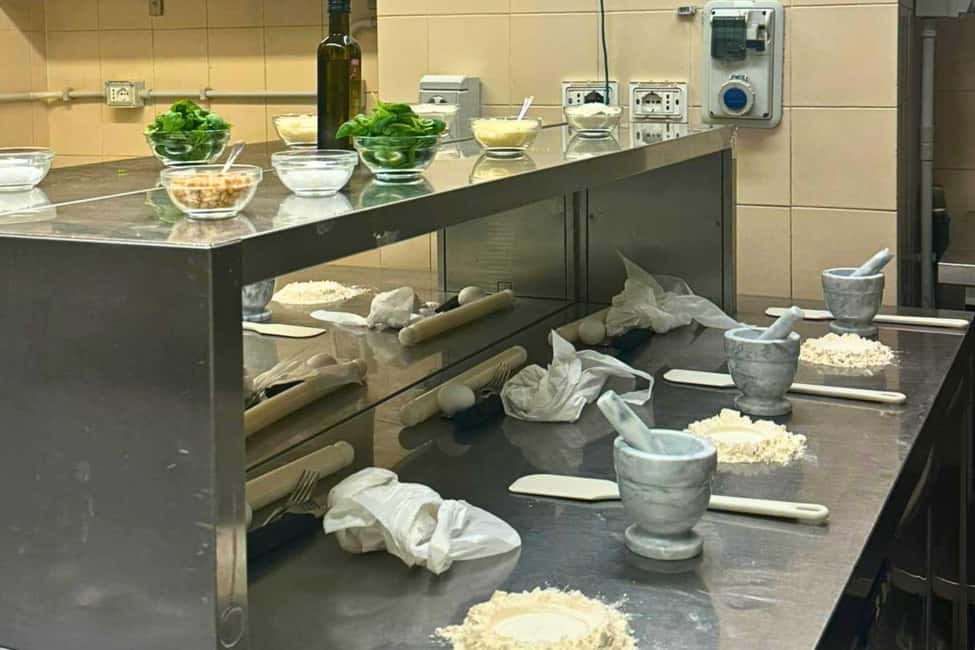
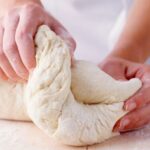
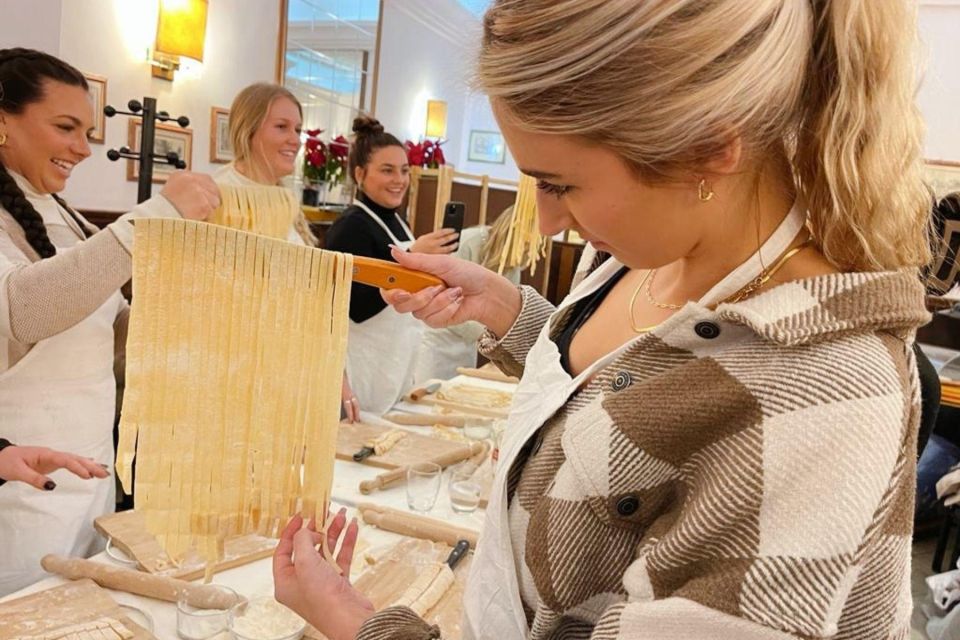
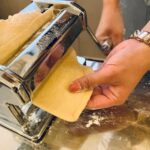
On the pasta side, you’re making fettuccine. The class includes instruction for how to make the pasta by hand. Then, after your dough work, the restaurant chef cooks the fettuccine for you.
That division of labor is actually smart. Making pasta dough is the learning curve—you get the feel for mixing and shaping. But cooking pasta perfectly requires timing and technique, and the class design saves you from waiting anxiously over a pot while your attention should be on learning the fundamentals.
Here’s what I like about this structure: it keeps the lesson active without making it stressful. You still get to be hands-on with the pasta, but you’re not trapped in the role of full-time line cook.
And you’ll eat the result at the restaurant. That matters. Fresh pasta is one of those foods where the difference between good and great is obvious once you take a bite.
The Classroom to Dining Table Switch: Bruschetta, Drinks, and a Real Meal
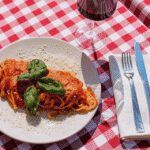
After the cooking portion, the experience moves into the meal part. You’ll be served in the restaurant where you’re accommodated, with the pesto and pasta served at the table.
Included in the meal:
- Bruschetta appetizer
- A drink: a glass of wine or a small glass of beer for adults, and soda for children
- Coffee or limoncello after the meal for adults
You should plan to treat this like dinner, not like a snack. The class description doesn’t position it as a tiny tasting; it’s a full sit-down meal with multiple courses and drinks included.
And that’s one of the biggest practical wins for this activity. In Rome, it’s easy to overspend on food that’s convenient but not memorable. Here, the meal is the payoff for the class. You’re not just paying for instruction—you’re also paying for a structured dining experience tied directly to what you made.
You can also read our reviews of more tours and experiences in Rome
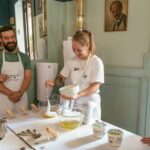
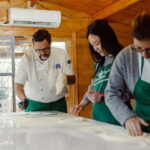
Chef Energy and Real Teaching: Sara, Bea, and Lisa’s Helpful Touch
One of the most repeatedly praised parts of this experience is the way the chefs guide you. You’ll see names like Sara and Bea showing up in feedback, and Lisa is also mentioned as part of the instruction team.
The best cooking classes don’t just teach steps; they help you avoid the common mistakes. From what’s reflected in the feedback, the instructors give tips while you’re working and keep things organized enough that you’re not left guessing.
There’s also a nice human element described: conversation during the lesson and a sense of pride after you’ve finished. That’s the difference between a class that feels like a task and one that feels like a small shared experience in the middle of Rome.
Small group size plays into this too. With fewer people, it’s easier for a chef like Bea to stay nearby, answer questions quickly, and keep the mood light—especially if you’re a couple or solo and not with a big loud group.
Timing That Works: A 2.5-Hour Block You Can Plan Around
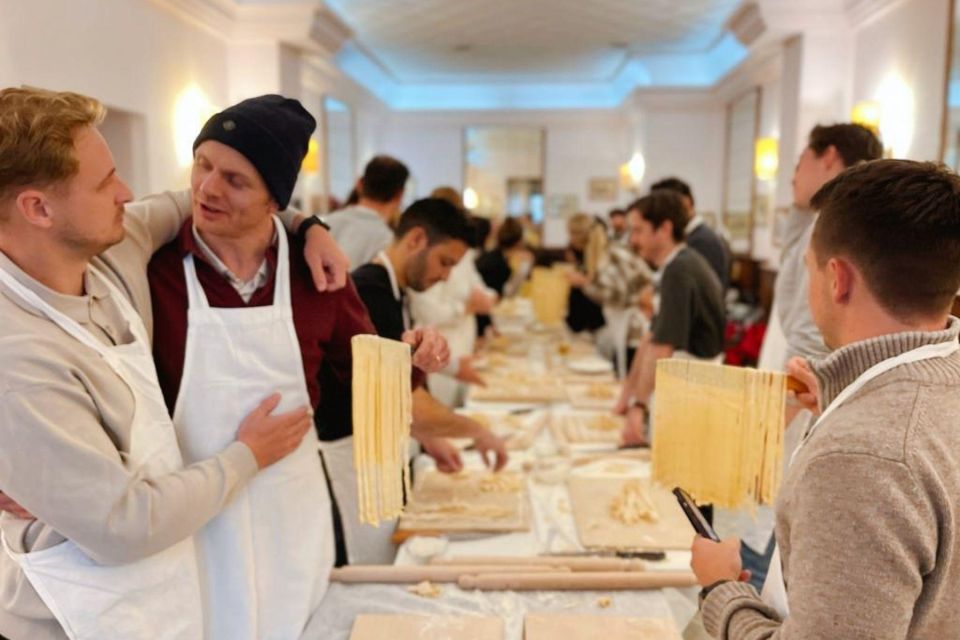
This activity runs 2.5 hours. That’s a sweet spot. Long enough to learn the processes for pesto and fettuccine, but short enough that you won’t lose your entire evening.
Because the end time is tied to the class and meal, it helps to plan your other activities around it rather than forcing dinner plans afterward. The meal is included, and once you’re done, you can leave when you prefer.
Also, since it starts inside the restaurant on Piazza Navona, you can treat it like a base point. If you want to stroll afterward, this is a good location for that—just be sure you’ve built time for relaxing afterward, because you’ll likely feel like you worked up an appetite (and you’ll have earned it).
Price and Value in Rome: What $69.78 Usually Buys Here
The price is $69.78 per person. That number can look either steep or reasonable depending on what you compare it to.
Here, it feels more justified because you’re paying for a full package:
- Ingredients and tools included
- Local chefs guiding both pesto and pasta making
- An appetizer (bruschetta)
- A drink with the meal (adult wine/beer, soda for children)
- Coffee or limoncello afterward for adults
In other words, you’re not just buying a cooking lesson and then separately paying for food and drinks. You’re combining instruction plus a structured dining experience in a central location.
If you love cooking, the value is strongest because you’re taking home technique and confidence. If you’re mainly a foodie who wants the best meal possible, it still makes sense because you’re eating what you made, in an actual restaurant setting.
The main “watch-out” for value is dietary fit. If your needs don’t match the class rules—like vegan, gluten intolerance, nut allergies—then you’d miss out on a big part of why this is a good deal. For your situation, a different option might be safer and more enjoyable.
Who This Pesto and Fettuccine Class Is Best For
This class fits best if you want a hands-on Rome experience that stays social but not chaotic.
It’s a great match for:
- Couples who want a shared activity that ends with a meal
- Solo travelers who like meeting other people in a tight group
- Anyone who learns best by doing—mixing pesto, working dough, then tasting the result
It may be a poor match if:
- You’re looking for a vegan-friendly class (it’s marked not suitable for vegans)
- You need gluten-free options (it’s marked not suitable for people with gluten intolerance)
- You have nut allergies (it’s marked not suitable)
- You have mobility concerns (it’s marked not suitable for people with mobility impairments)
- You’re traveling with younger kids (it’s marked not suitable for children under 7)
Also, the class is in English, so it’s ideal if you’d rather not rely on translation for cooking technique.
Should You Book This Class? My Practical Take
Book it if you want a Rome activity where you do real cooking and then get a proper meal, all in Piazza Navona’s center. The combination of small group size, traditional Genovese pesto, and the included dining makes it feel like more than a ticket—you get skills, plus you get dinner.
Skip it if your dietary requirements don’t match what’s supported here. Those restrictions matter, because the class is clearly designed around specific ingredients and a traditional approach. If you fall into one of the “not suitable” categories, you’ll be happier choosing an option that can truly accommodate you.
If you’re on the fence, here’s an easy decision rule: if you’d enjoy learning one Italian sauce and one pasta shape well enough to recreate it later, this is your kind of afternoon.
FAQ
FAQ
Where does the cooking class start?
The class meets inside Ristorante Panzirone, located at Piazza Navona 73.
How long is the pasta cooking class?
The class lasts 2.5 hours.
Is the class taught in English?
Yes. Instruction is in English.
What’s included with the meal?
You get bruschetta as an appetizer, pesto and pasta served at your table, a drink (wine or beer for adults, soda for children), and coffee or a limoncello after the meal for adults.
Is this class suitable for vegans or gluten intolerance?
No. It’s marked not suitable for vegans and not suitable for people with gluten intolerance.
What group size should I expect?
It’s a small group limited to 7 participants.