REVIEW · ROME
Rome: Fresh Pasta-Making Class with Italian Chef and Wine
Book on GetYourGuide →Operated by Rome Cooking Club - Pasta Class and Sauces (by Riccardo Cooking Class) · Bookable on GetYourGuide
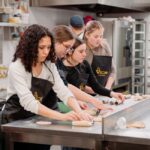
Fresh pasta dough turns into real Roman comfort. Chef Riccardo and his team guide you through hands-on dough work and classic sauces in a small-group setting, often in a family-style kitchen. I like that the class isn’t just watching—it’s doing, from start to shaping.
I also like how the menu focuses on practical Roman skills, including pasta types like ravioli and fettuccine plus Roman sauce methods you can actually repeat at home. One possible consideration: since it’s a small group, if others in your session speak a different language than you, you may catch more stories and explanations in that language than in yours.
If you like food that has rules (and reasons), this is for you.
In This Review
- Key highlights you’ll care about
- A Roman pasta class that feels like a real kitchen day
- Where you meet and what “local kitchen” means here
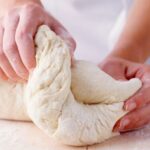
- The pasta-making part: shaping skills you can actually reuse
- Roman sauce technique: carbonara and cacio e pepe methods that stick
- The meal and wine: you eat what you make (and it’s a lot)
- What chefs do well here: clear teaching, smart adjustments, and fun energy
- Vegetarian and dietary needs: plan ahead so the class still feels fair
- Price and value: what $97 buys in a 3-hour Rome food class
- Who this pasta class suits best
- Should you book this Rome pasta-making class?
- FAQ
- How long is the pasta-making class?
- Where does the class meet in Rome?
- Is the class a small group?
- What’s included in the price?
- Is there wine during the class?
- Can vegetarians eat in this class?
- What if I have allergies or dietary restrictions?
- What languages are used during the class?
- Are aprons included, and can I keep them?
- Is the activity wheelchair accessible?
Key highlights you’ll care about
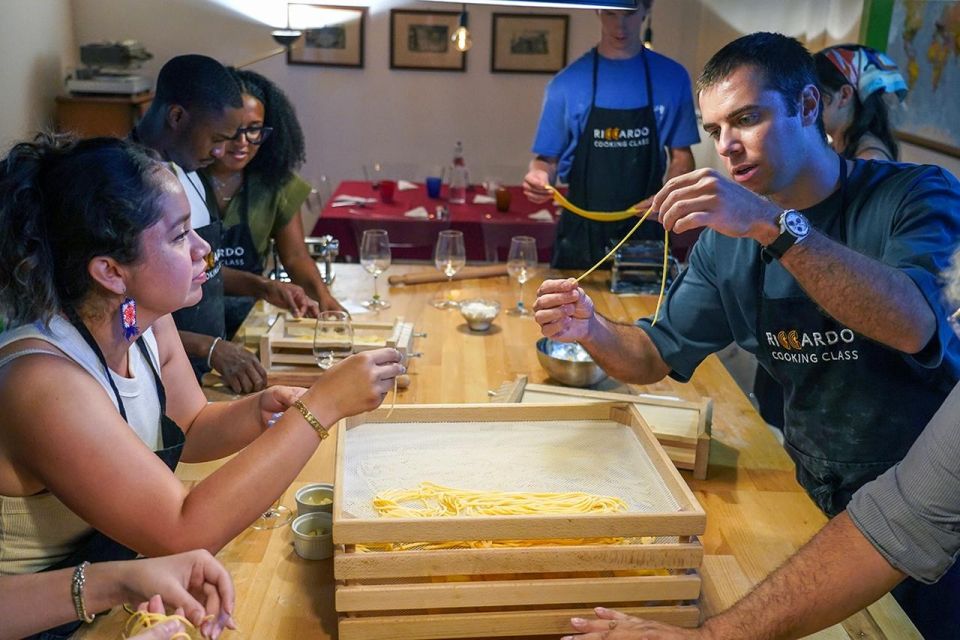
- Small group size (up to 10) means you get real attention while shaping and cooking.
- Multiple pasta styles are covered, from long pasta to stuffed options like ravioli and similar forms.
- Roman sauce technique focus includes classics such as carbonara and cacio e pepe methods.
- Quality ingredients plus wine are part of the learning meal, not an afterthought.
- English/Italian instruction with flexible accommodations when you share dietary needs.
A Roman pasta class that feels like a real kitchen day
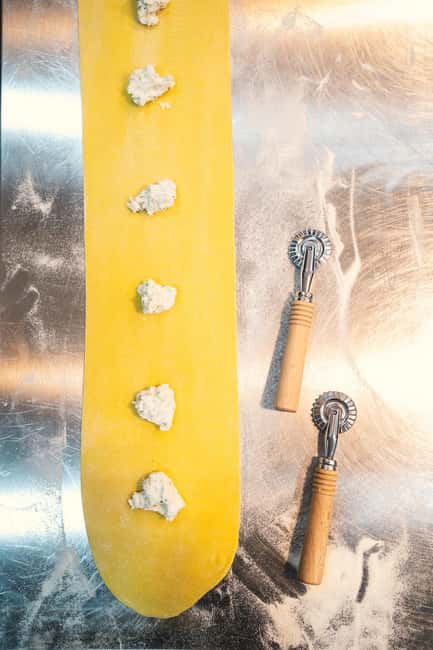
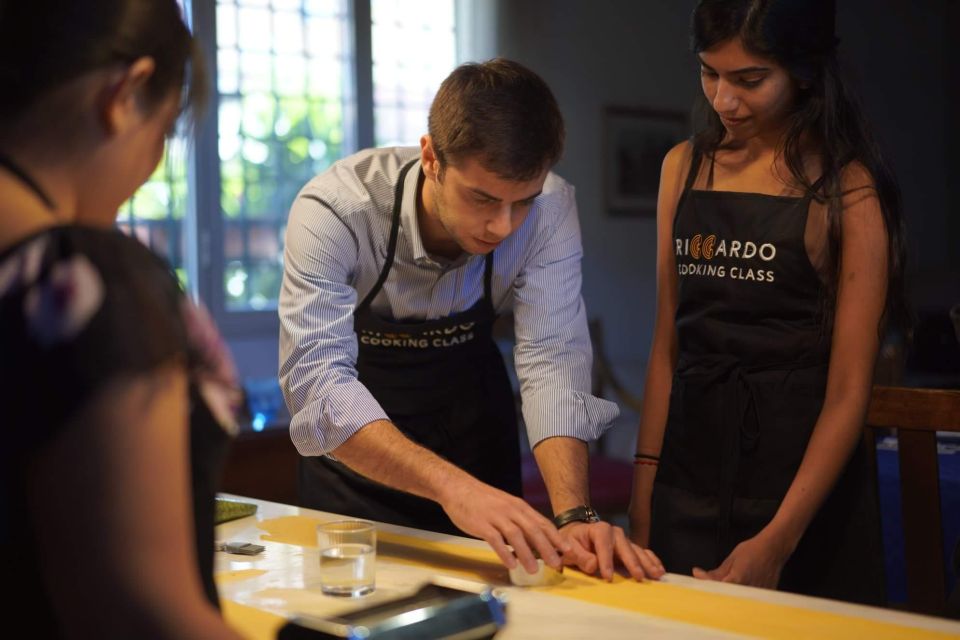
Rome has plenty of food experiences that are fun. This one leans more serious. You’re not just sampling. You’re practicing the basics that make Italian pasta taste like Italian pasta: dough texture, rolling thickness, filling balance, sauce timing, and how to finish dishes so they hold together.
The vibe is also grounded. People describe it as cozy and home-style, like cooking with locals. Several sessions are hosted through Chef Riccardo’s network—either at his grandma’s place or at The Cooking Lab—so the setting can feel less like a classroom and more like a working kitchen.
It’s the kind of experience where you leave with confidence, not just recipes on paper. And you’ll likely have a laugh or two while you’re learning, since instructors are clearly there to teach the process, not just get you through steps.
You can also read our reviews of more cooking classes in Rome

Where you meet and what “local kitchen” means here
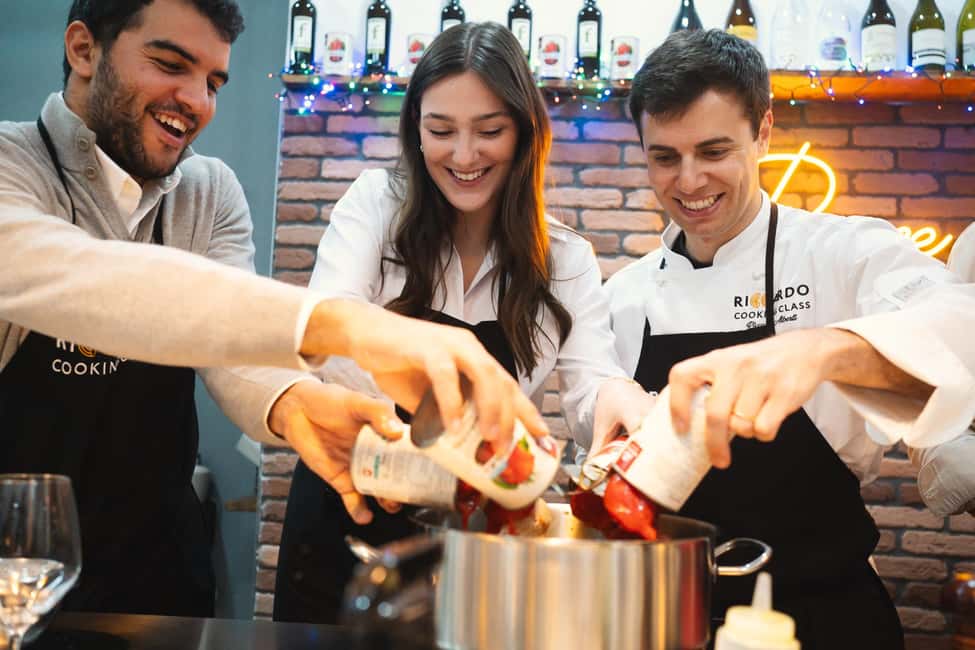
You’ll start at the Cooking Lab near a café at Circonvallazione Gianicolense 418, 00152 – Roma. In some cases, the session begins with the chefs meeting you at Riccardo’s grandma’s house or at the Cooking Lab, depending on the class flow.
Why this matters for you: location and setup affect how relaxed your start is. If you’re staying central, you’ll want to plan transit early so you can arrive without stress. Once you’re inside, the pacing tends to feel natural—welcome, quick orientation, then hands-on work.
You’ll also use provided aprons during the class. People note the aprons are available, and there’s an extra cost mentioned if you want to keep them afterward.
The pasta-making part: shaping skills you can actually reuse
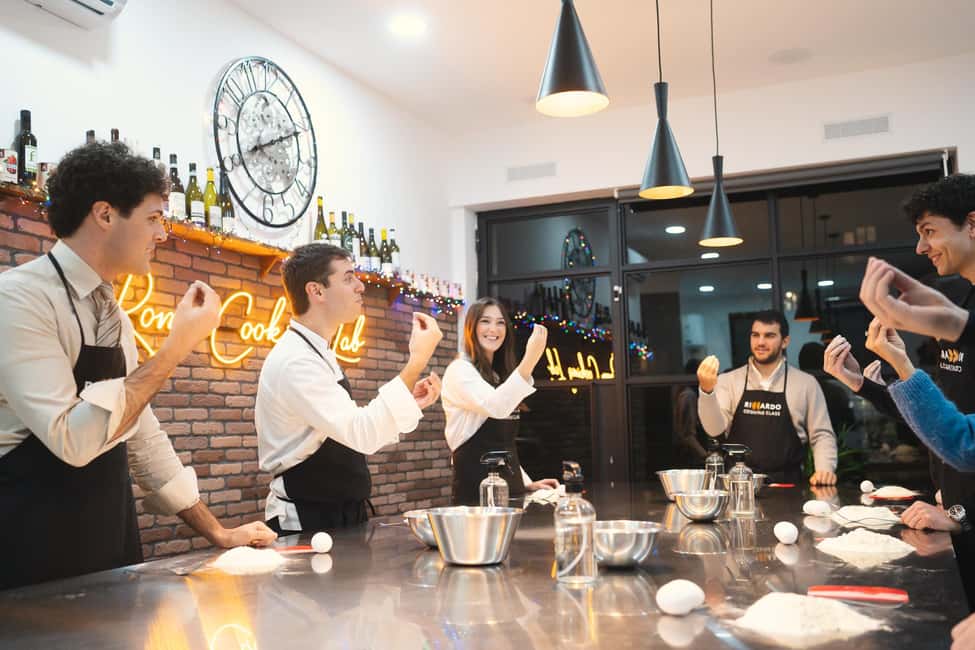
Fresh pasta is simple in concept and tricky in execution. That’s exactly why this class works. You learn what to do step by step, and you get adjustments while you work.
In the sessions described, you typically make multiple kinds of pasta, often a mix of:
- Long pasta (like fettuccine)
- Stuffed pasta (like ravioli, and similar forms such as tortellini/cappelletti in some classes)
- Spaghetti alla Chitarra (a style associated with Roman/central Italian technique)
So instead of learning one shape and calling it a day, you practice different mechanics:
- Long pasta teaches thickness and even rolling.
- Stuffed pasta teaches portioning and sealing so it doesn’t leak.
- Spaghetti alla chitarra adds a different textural finish from the cutting method.
A few reviews also highlight how chefs explain not only what you’re doing, but why: how dough behaves, what changes when the kitchen is too dry or too warm, and how to adjust on the fly. That’s the part that translates best when you cook at home later.
Also note the course is designed for small groups of up to 10. That size is big enough to feel like a lively class, but small enough for instructors to watch your hands and correct issues early.
Roman sauce technique: carbonara and cacio e pepe methods that stick
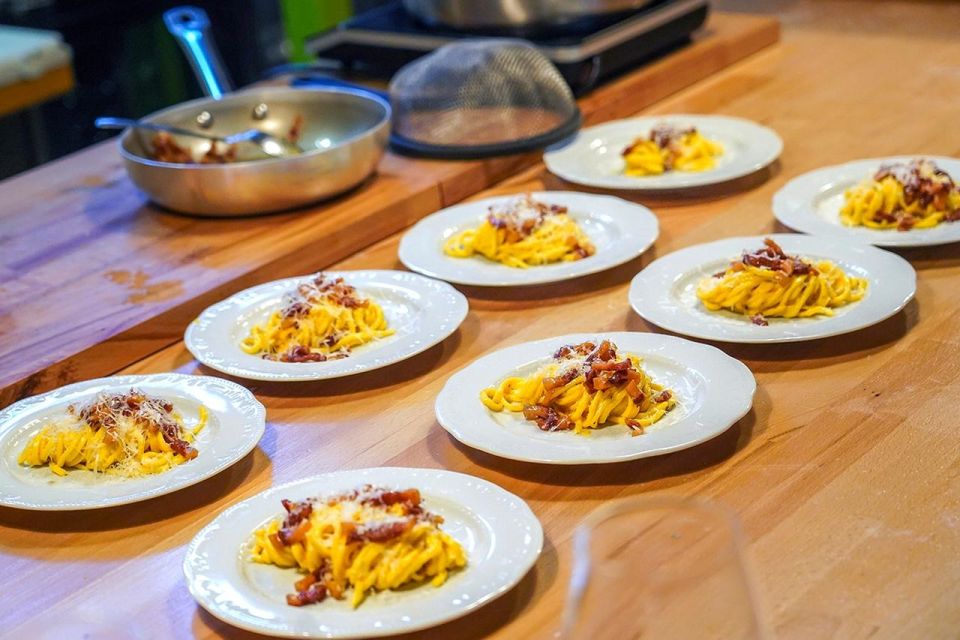
A common reason pasta classes disappoint is that sauce becomes an afterthought. Here, sauces get serious attention, and Roman classics are part of the teaching.
The experience includes famous Italian sauces made from scratch. It also specifically points you toward cooking methods for carbonara and cacio e pepe—two Roman staples that many visitors think they know, until they see the technique in action.
From the class descriptions and feedback, you’ll likely cover sauces like:
- Carbonara (with emphasis on using the right pork product such as guanciale, and on timing)
- Cacio e pepe (cheese-and-pepper sauce method, where technique matters for texture)
- Arrabbiata (often paired with other pasta in class menus)
Why this is valuable: carbonara isn’t just ingredients. It’s about controlling heat so the sauce becomes silky instead of scrambled. Cacio e pepe isn’t just cheese plus pepper. It’s getting the emulsion right so the sauce clings to pasta instead of turning grainy.
And when instructors explain the logic—when to add things, how to manage temperature, how to finish—you get usable habits, not just a list of steps.
Some reviews mention wine pairing with each part of the meal, too. That makes it easier to remember flavor profiles, especially if you’re new to Italian wine.
The meal and wine: you eat what you make (and it’s a lot)
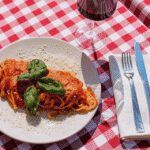
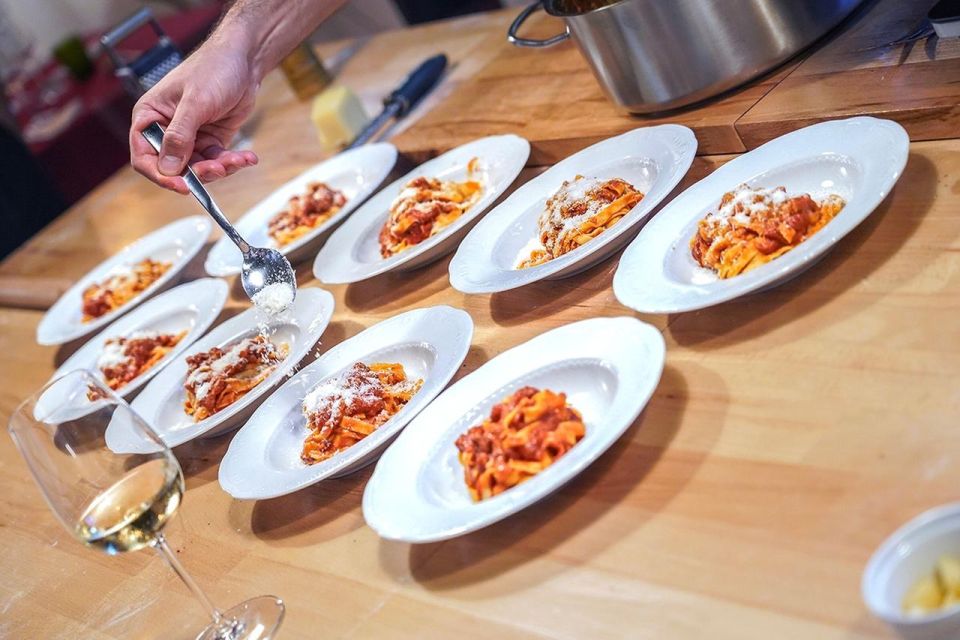
This isn’t a quick tasting. You get a 3-course meal with selected wine tasting included. You’ll sit down to enjoy what you made, which is the best test of whether you timed the pasta and balanced the sauce correctly.
Wine shows up during the class as well. Several people mention prosecco or wine flowing during the cooking and then continuing with the meal. The experience also emphasizes organic wine, which matters if you care about what you’re drinking.
What you’ll likely feel during the meal:
- A little proud, because you shaped the pasta.
- A little amazed, because fresh pasta cooks fast and tastes different from packaged.
- A little stuffed, because classes are built to serve enough food to justify all the work you did.
One practical tip for you: pace your water. With wine, plus hot pans and fresh pasta steam, you’ll feel best if you stay hydrated.
You can also read our reviews of more wine tours in Rome


What chefs do well here: clear teaching, smart adjustments, and fun energy
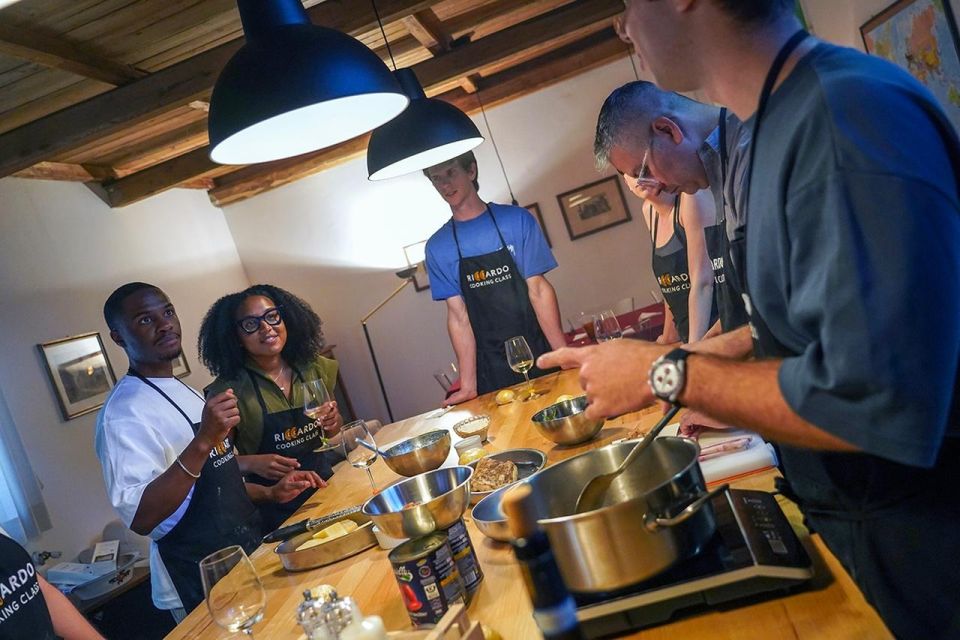
The teacher mix varies by session, but Chef Riccardo is central to the brand. Reviews also name instructors like Leo, William, Mattia, Bruno, and Marco, and at least one mentions another instructor (spelled differently) who helped teach.
The strongest pattern across feedback is how teachers handle the “messy middle” of learning:
- They explain each step simply.
- They watch what you do, then adjust you in real time.
- They explain the reasoning behind the technique, so you don’t just copy motions.
That matters because pasta work punishes shortcuts. If your dough is too dry, it tears. If your filling is too wet, it leaks. If your sauce timing is off, it won’t coat properly. Good instruction prevents those common failures.
One small caution from a review: because group sessions can include participants speaking different languages, you might find yourself hearing more explanations in the instructor’s working language than you expected at times. The listed languages for instruction are English and Italian, but group dynamics can still affect what you catch.
Vegetarian and dietary needs: plan ahead so the class still feels fair
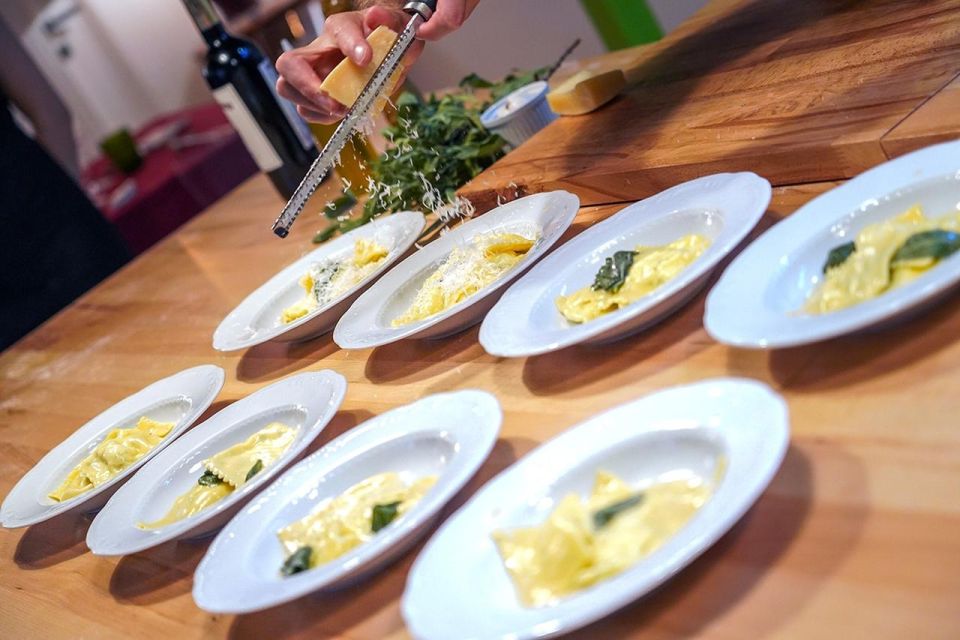
The class includes a vegetarian option—there’s a special menu if you don’t eat meat. That’s a good sign because vegetarian pasta can still be satisfying when sauces are built thoughtfully.
If you have allergies or dietary restrictions, the guidance is clear: you should inform the organizers ahead of time. People also report that chefs can accommodate allergies when informed, so the key for you is to share needs early and clearly.
One more detail that helps: the experience says there are options for special recipes in private classes, including things like gnocchi, tiramisu, risotto, and special dietary restrictions such as gluten-free, dairy-free, or vegan. So if your needs are complex, a private session may be the smoother route.
Price and value: what $97 buys in a 3-hour Rome food class
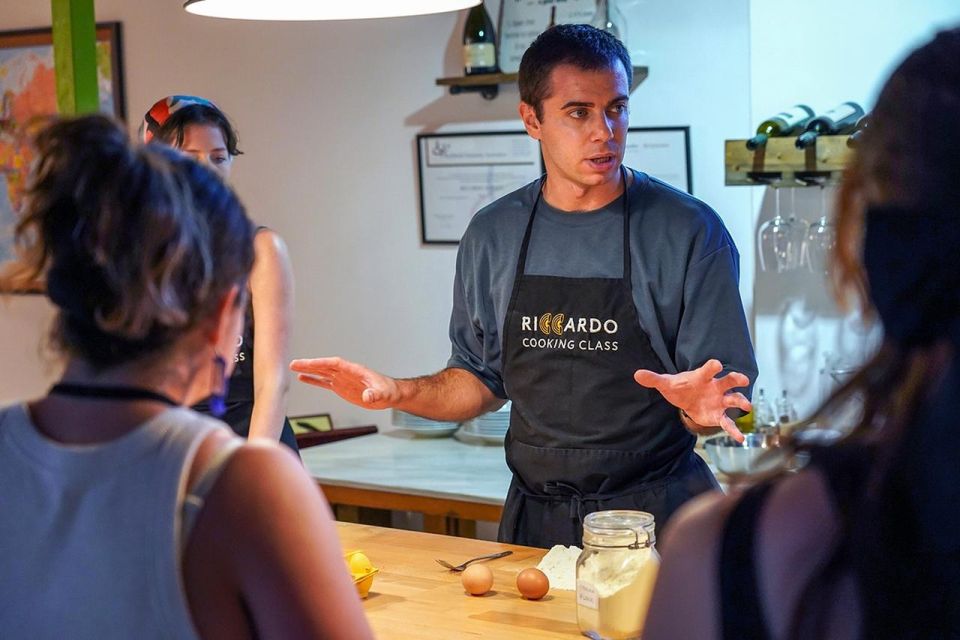
At $97 per person for about 3 hours, you’re paying for a few things at once:
- Hands-on instruction in a small group (up to 10)
- Top-quality organic ingredients
- A selected wine tasting
- A full meal included (3 courses)
- Equipment basics like aprons during the class
Food classes in Rome range from cheap-and-cheerful to more polished experiences. What makes this one feel like value is that it doesn’t stop at eating—it has structured learning you can repeat. You’re not just paying for a seat at a table. You’re paying for coaching and ingredients so you can build real pasta skills.
You also get a lesson that tends to stick. Making fresh pasta and sauces is hard to improvise later without practice, and that’s what you’re getting here: repeated technique in one session.
Who this pasta class suits best
This experience fits you well if:
- You want a Rome pasta making class with real technique, not just a tourist meal
- You enjoy hands-on cooking and want skills for home
- You like Roman food and want to understand how carbonara/cacio e pepe methods work
- You travel with friends or family and want a shared activity that ends in a good meal
You might want to think twice if:
- You prefer very guided sightseeing structure (this is kitchen-focused)
- You’re uncomfortable working with dough and heat
- You’re extremely sensitive to group-language dynamics (though instruction is offered in English/Italian)
If you’re building your Rome itinerary, I’d also place this earlier rather than later. You’ll likely pick up restaurant ideas from the chefs—practical suggestions on where to eat and what to look for.
Should you book this Rome pasta-making class?
Book it if you want a fun, hands-on fresh pasta experience that also teaches Roman sauce technique with wine and a real sit-down meal. The small group size, the mix of pasta types, and the focus on sauces like carbonara and cacio e pepe are the big reasons it keeps earning top marks.
Skip or switch to another option if you only want a quick taste of pasta with no real practice, or if your schedule doesn’t allow you to commit the full 3 hours.
If you do book, do two things: tell them about allergies or dietary needs in advance, and show up hungry. You’ll be working, tasting, and eating what you made—and it adds up fast.
FAQ
How long is the pasta-making class?
The class duration is listed as 3 hours.
Where does the class meet in Rome?
The meeting point is the Cooking Lab near a cafe at Circonvallazione Gianicolense 418, 00152 – Roma.
Is the class a small group?
Yes. It’s limited to 10 participants.
What’s included in the price?
Included are the hands-on pasta-making class, top-quality organic ingredients, selected wine, the meal (3 courses), and aprons to use during the class.
Is there wine during the class?
Yes. Wine tasting is included with the 3-course meal, and wine appears as part of the class experience.
Can vegetarians eat in this class?
Yes. The class notes a special vegetarian menu.
What if I have allergies or dietary restrictions?
You should inform the organizers about allergies/intolerances/dietary restrictions and ingredients you can’t eat. For private classes, special dietary restrictions like gluten-free, dairy-free, or vegan are listed as possible options.
What languages are used during the class?
The instructor languages listed are English and Italian.
Are aprons included, and can I keep them?
Aprons are provided for use during the class. The information also notes aprons can be kept for an extra cost.
Is the activity wheelchair accessible?
Yes, wheelchair accessible is listed.