REVIEW · ROME
Rome: Illuminati Trail Angels & Demons Tour
Book on GetYourGuide →Operated by Romaetravel · Bookable on GetYourGuide
Illuminati clues meet real Rome streets. This 4-hour walking tour follows Dan Brown’s Angels & Demons route across sites like Santa Maria della Vittoria, the Pantheon, and St. Peter’s Square, explained by a local guide focused on symbols and storytelling. You’ll move at a human pace, with just enough drama to keep it fun.
I love the way the tour connects Bernini’s art to the book’s symbol logic, especially the idea of the four elements (fire, air, earth, water). I also like the small-group setup, and the reviews back it up with guides such as Antonio (fact-versus-fiction explanations) and Luisa (extremely detailed, question-friendly guiding).
One consideration: it’s not suitable for wheelchair users, and you should expect a solid amount of walking on Roman sidewalks and inside churches.
In This Review
- Key things that make this tour worth your time
- How the Illuminati Trail fits inside real Rome
- Price and walking pace: what $79 buys you
- Santa Maria della Vittoria: where the mystery begins
- Castel Sant’Angelo and the Passetto connection
- Pantheon: turning a famous landmark into a story clue
- Santa Maria del Popolo: Bernini, symbols, and a church many skip
- St. Peter’s Square: the drama reaches its peak
- Why the guide quality matters more than you’d think
- What to wear, and how to make the most of 4 hours
- The ideal traveler for this Illuminati Trail
- Should you book the Rome Illuminati Trail tour?
- FAQ
- FAQ
- Where does the tour start?
- How long is the tour?
- How much does it cost?
- What’s included in the tour price?
- What is not included?
- What languages are offered?
Key things that make this tour worth your time
- A full Illuminati Trail route with major “book moments” tied to real places
- Symbol decoding (the four elements) using what you can actually see in churches and monuments
- Bernini and other standout art stops, with clear explanations of what you’re looking at
- Small-group feel, often leading to more Q&A and a more personal pace
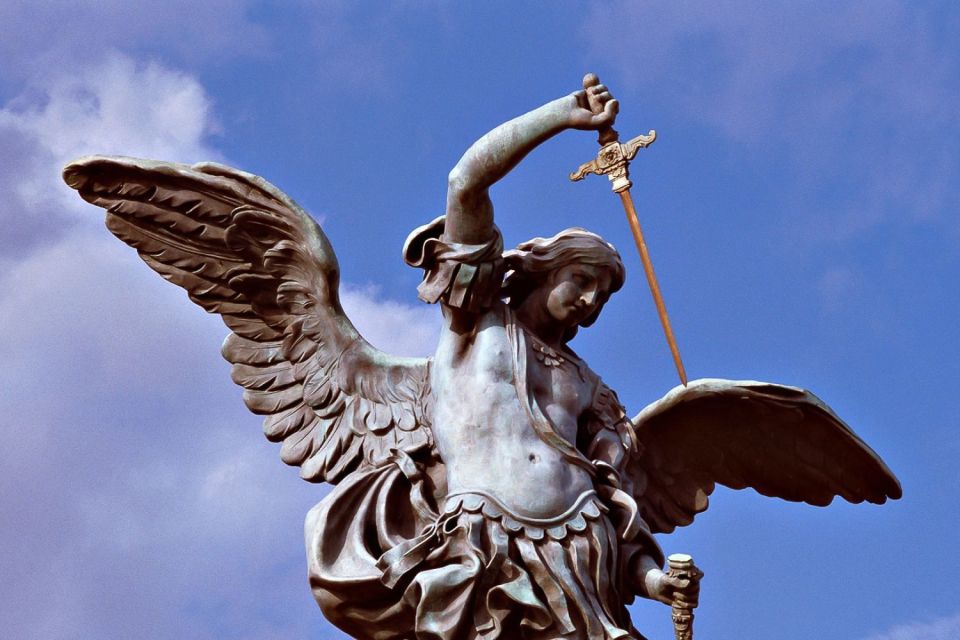
- Passetto storytelling at Castel Sant’Angelo, including the hidden passage concept
- Guide-led fact checks, with some guides explicitly separating movie/book flair from reality
How the Illuminati Trail fits inside real Rome
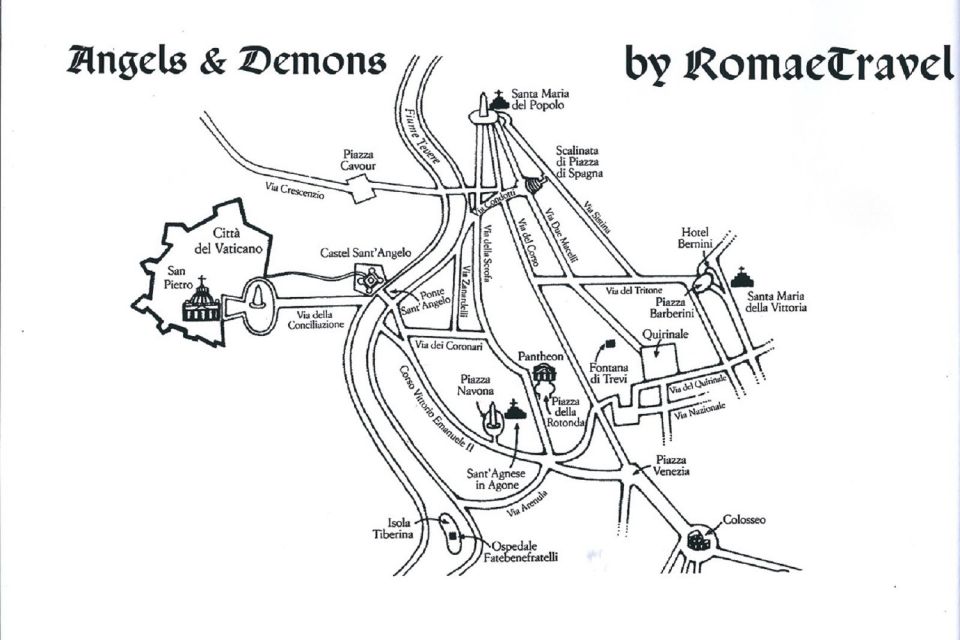
This isn’t a generic “see the sights” walk. The structure is built like a guided reading of Rome as a symbol machine. You’ll start at Santa Maria della Vittoria, then keep moving through the city toward Castel Sant’Angelo and the Vatican-area drama, using the plot as a way to remember what you’re seeing.
That’s the key value here. Rome can feel like a blur of domes and columns if you don’t have a thread. The tour gives you one. Instead of stopping randomly, you connect each landmark to a clue, an artwork detail, or a story about how symbols were used by artists and patrons.
And yes, it helps if you’ve read or watched Angels & Demons. But it’s not required. Even if you forget parts of the plot, the guide’s main job is to point at what’s in front of you, then explain why it mattered.
You can also read our reviews of more tours and experiences in Rome.
Price and walking pace: what $79 buys you
At $79 per person for a 4-hour guided walking tour, you’re paying for three things:
- A local guide who can point out details most people miss
- A curated route that strings major landmarks together into a logical sequence
- On-the-ground context that turns monuments into something you can actually picture in your mind
The tour also includes guided visits to key Angels & Demons locations, but with one catch: Castel Sant’Angelo admission isn’t included. That means your final cost could be a bit higher if you choose to go inside (or if your guide recommends it as part of the experience you want).
Pace-wise, it’s a true walking tour. One review bluntly said to wear tennis shoes, and that advice is hard to improve on. If you prefer a sit-down version of Rome, this likely feels like too much movement.
Santa Maria della Vittoria: where the mystery begins
You meet in front of Chiesa di Santa Maria della Vittoria (Via Venti Settembre, 17). This is where the tour’s tone sets itself: church art, symbolism, and explanations that help you look longer than you would on your own.
Expect the guide to frame this stop as the start of Robert Langdon’s trail, then connect what you’re seeing with the plot’s symbol logic. The goal isn’t just to say what happens in the story. It’s to translate the story into visual cues you can actually spot in religious art.
This stop also tends to be dramatic in real life because it’s a working church. One review noted that an area linked to the Ecstasy of St. Theresa was missed because of an ongoing private mass. Translation for your planning: if a service is underway, access and viewing angles can change.
Castel Sant’Angelo and the Passetto connection
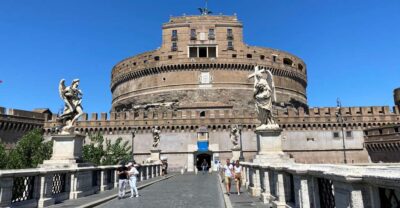
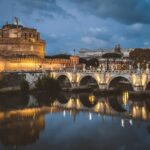
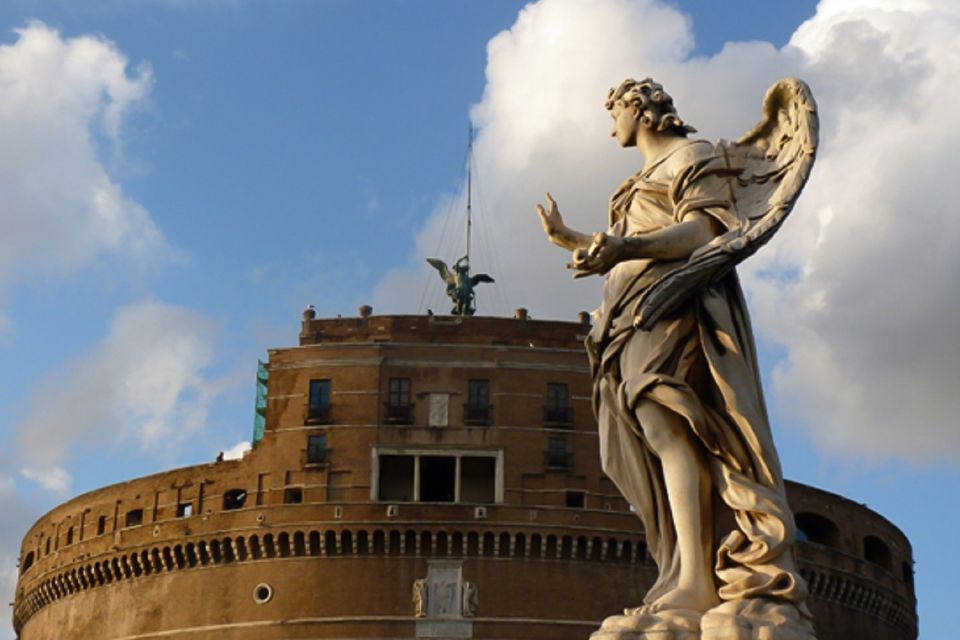
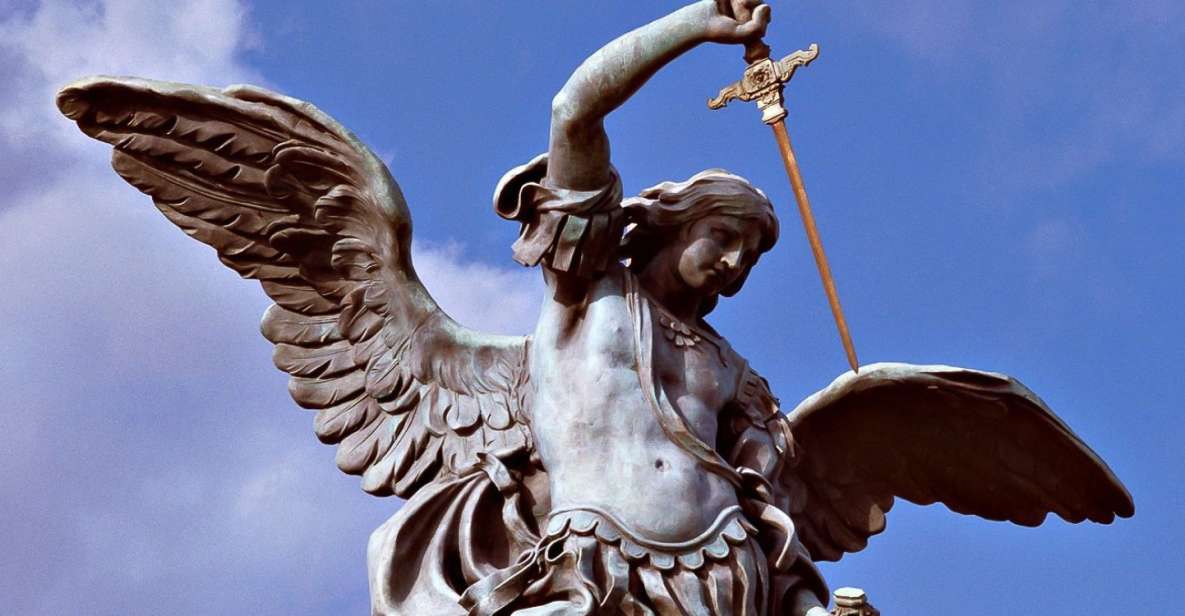
From there, the route moves toward Castel Sant’Angelo, which the tour treats as a legendary meeting point. This is where the “thriller map” feeling really clicks. The monument sits like a fortress in the city story, and the guide uses that to explain how the novel’s idea of hidden movement makes sense in Rome.
A standout detail mentioned in the tour description is the Passetto, the hidden passage that links Castel Sant’Angelo toward Vatican City. Even if you’re not focused on the book, the concept helps you understand how power, secrecy, and infrastructure can overlap in one place.
Practical note: Castel Sant’Angelo admission fee is not included. So you’ll want to decide whether you care about entering and paying for interior access. If your main interest is the symbolism and viewpoint storytelling, you can still get a lot from the guided portion without treating it like a must-do museum day.
Pantheon: turning a famous landmark into a story clue
Next comes the Pantheon, another place where Rome’s “showy” fame can hide what’s useful. The tour uses it as a plot anchor, but it also works as a reminder that the Pantheon is more than a postcard dome.
What I like about this kind of stop is that it keeps the tour from becoming only “book talk.” When you’re at the Pantheon, you’re also absorbing how Roman architecture communicates with order, symmetry, and intention. The guide’s job is to help you connect those visual signals to the way the novel uses symbols.
Time at the Pantheon is listed as 30 minutes, which tells you the intent: you’re not getting a slow museum-style visit. You’re getting a guided snapshot that leaves you with enough clarity to enjoy the building on a deeper level afterward.

Santa Maria del Popolo: Bernini, symbols, and a church many skip
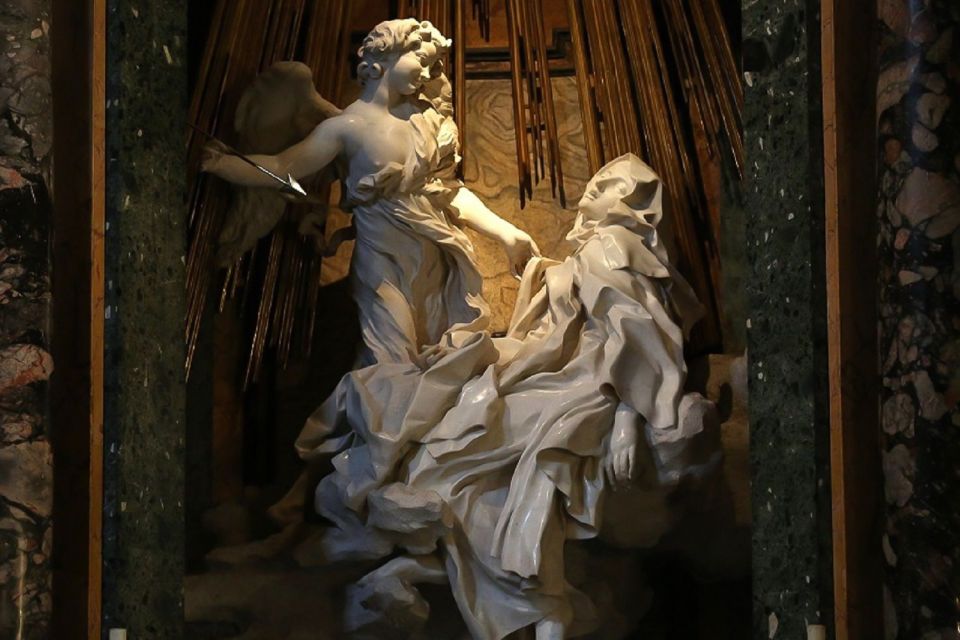
Then the tour heads to the Church of Santa Maria del Popolo for a longer stop (listed at 1 hour). This is a big one for art fans, because church interiors are where Rome’s symbolism really lives.
The description calls out hidden symbols and Bernini’s masterpieces, and reviews point to one specific highlight: the Chigi Chapel. If that name sounds familiar to you, great. If it doesn’t, don’t worry. A good guide can translate the meaning of the space into something you can actually see, not just hear.
This is also a spot where the tour’s “four elements” theme can feel real. Fire, air, earth, water aren’t abstract concepts here. With the guide’s direction, you start noticing how artists and patrons used imagery, placement, and themes to communicate ideas across a complex visual environment.
If you’ve been to other churches in Rome and felt like you were racing the guidebook, this is where the tour tries to slow you down—without killing your schedule.
St. Peter’s Square: the drama reaches its peak
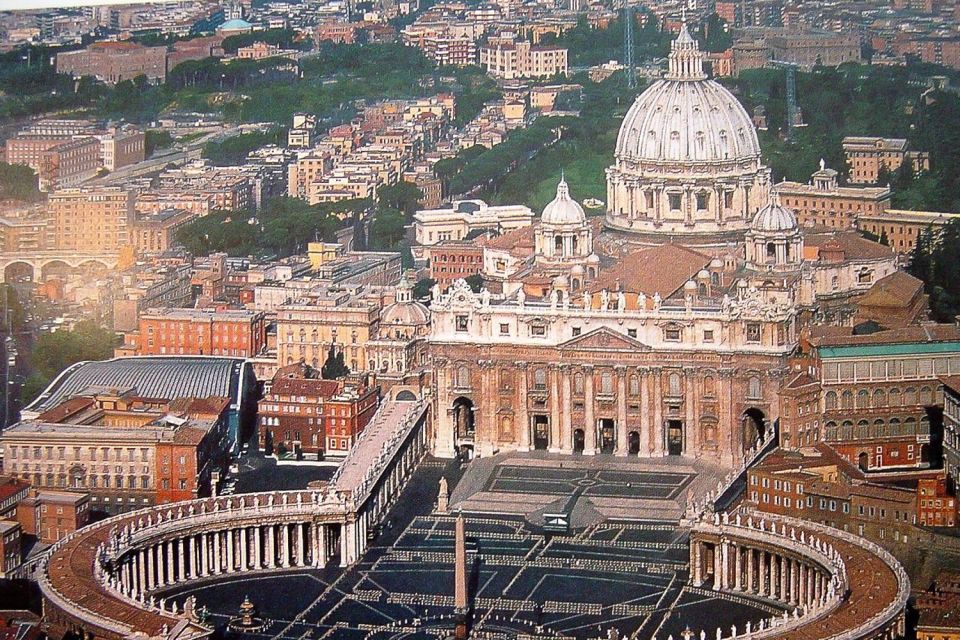
The final major segment centers on St. Peter’s Square, with the tour finishing at Piazza San Pietro. This is where the story payoff lands, because the setting is so unmistakable that it makes the novel feel like it could happen in the daytime.
Expect big-picture storytelling here: how the plot’s climax maps onto the scale of the Vatican area, plus more decoding of what the guide wants you to notice. You also get a “Rome at the end of the day” vibe, and some reviews mention the sunset timing feeling especially beautiful.
One review also mentioned that the walking route included chances to pause for views and a mid-tour break. Since the tour is 4 hours long, that kind of planned breathing room matters, especially when you’re stacking churches and monuments back-to-back.
Why the guide quality matters more than you’d think
The tour lives or dies on the guide. That’s not marketing talk. It’s because the experience blends three kinds of attention: art, symbol interpretation, and the story thread. If the guide is good, you leave with pictures in your head. If not, you leave with names you forget the moment you turn the corner.
The reviews are loud on this point. Antonio is specifically praised for explaining the difference between real facts and movie/novel fiction. Irene is praised for fascinating stories. Luisa shows up repeatedly as a top-tier guide, including one review calling her a professor of medieval history and another praising how she kept information dynamic and fun rather than dry.
And then there are guides like Felice and Anestis, praised for answering lots of questions and keeping the walking route interesting with constant Roman context, not just plot summaries.
My advice: if you’re booking because you love Angels & Demons, pick a time when you’ll have the energy to ask questions. The tour’s value is in the conversation you can have along the way.
What to wear, and how to make the most of 4 hours
This is a walking tour, and Rome sidewalks are not the smooth, flat kind. Plan for:
- Comfortable walking shoes (this was directly recommended in reviews)
- Water and a simple snack strategy if you know you get tired
- A light layer for church interiors and open-air sections (Rome weather can shift fast)
Church stops also mean you’ll want to move politely through spaces where people come for worship. If something is closed or a specific artwork area is affected by a service, don’t panic. That’s part of the reality of visiting active churches, and a strong guide adjusts while keeping you on the most important points.
If you do this earlier in your day, you’ll often feel better while walking. One review suggested doing it in the morning because the city can get hot.
The ideal traveler for this Illuminati Trail
This tour is a great match if you’re the kind of traveler who likes to connect dots:
- You read Angels & Demons (or watched it) and want the story landmarks in real life
- You enjoy art details, especially in churches and chapels
- You want a route that’s efficient enough for a short stay
- You like having a guide separate what’s true from what’s dramatized
It might not be the best match if you want a low-walking, museum-like day with minimal stairs and minimal time on your feet. Also, it’s not suitable for wheelchair users, so mobility planning matters.
Should you book the Rome Illuminati Trail tour?
If you’re curious about Angels & Demons and you want more than just a list of sights, I’d book this. The price feels fair for a guide-led, symbol-focused route that uses real landmarks to explain why the story resonated in the first place. The small-group feel is a major advantage, and the consistent praise for guides like Antonio and Luisa suggests you’re likely to get strong guidance.
Book it especially if you enjoy art interpretation, like the idea of spotting Bernini-related details, and you want a “guided brain” that keeps the city from turning into one big blur. If you hate walking or need full accessibility support, you should look for a different format.
FAQ
FAQ
Where does the tour start?
The meeting point is in front of Church Santa Maria della Vittoria, Via Venti Settembre, 17, 00187 Rome.
How long is the tour?
The tour duration is 4 hours.
How much does it cost?
The price is $79 per person.
What’s included in the tour price?
It includes a local guide, a small-group walking tour, and guided visits to key Angels & Demons locations with personalized attention.
What is not included?
Admission fees for Castel Sant’Angelo are not included.
What languages are offered?
The live tour guide is available in English and Italian.