REVIEW · ROME
Rome: Palazzo Braschi Reserved Entrance Ticket
Book on GetYourGuide →Operated by TOURISTATION · Bookable on GetYourGuide
Rome can feel like a blur of stone and selfies—but this short ticket gives you structure. You get a reserved entrance into Palazzo Braschi, plus an English audio guide that strings together some of Rome’s most famous stops. I like that it’s timed tightly (so you don’t burn a whole day), and I also like the museum setting inside a gorgeous 18th-century building. One thing to consider: the whole experience is only about 1 hour, so if you’re hoping for a long, relaxed museum visit, this may feel too quick.
Palazzo Braschi is one of those places that rewards your attention. The architecture by Cosimo Morelli and the museum’s mix of art, photographs, and statues make it more interesting than a generic “check-the-box” site. If you’re mainly in Rome for the big names outdoors, you’ll still get your photo moments—especially around Piazza Navona and Trevi—but the museum itself won’t appeal to everyone.
In This Review
- Key things to know before you go
- Palazzo Braschi reserved entrance: the staircase and the Morelli building
- Piazza Navona with a professional English audio guide
- Pantheon from the outside: the architecture Rome keeps talking about
- Trevi Fountain: the coin flip and what you’ll listen for
- Finishing with the Panoramic Glass Elevator and your museum option
- Price and value: what $37 buys in a 1-hour format
- What to expect on the ground: walking pace and practical rules
- Who this is best for (and who should skip it)
- The one thing to watch: it won’t impress everyone
- Should you book Palazzo Braschi reserved entrance + the audio walk?
- FAQ
- Where do I collect the official entrance ticket?
- How long is the experience?
- What’s included in the ticket?
- Is the Pantheon included inside or outside?
- Are temporary exhibitions included?
- What should I bring?
- Is it suitable for wheelchair users or limited mobility?
Key things to know before you go
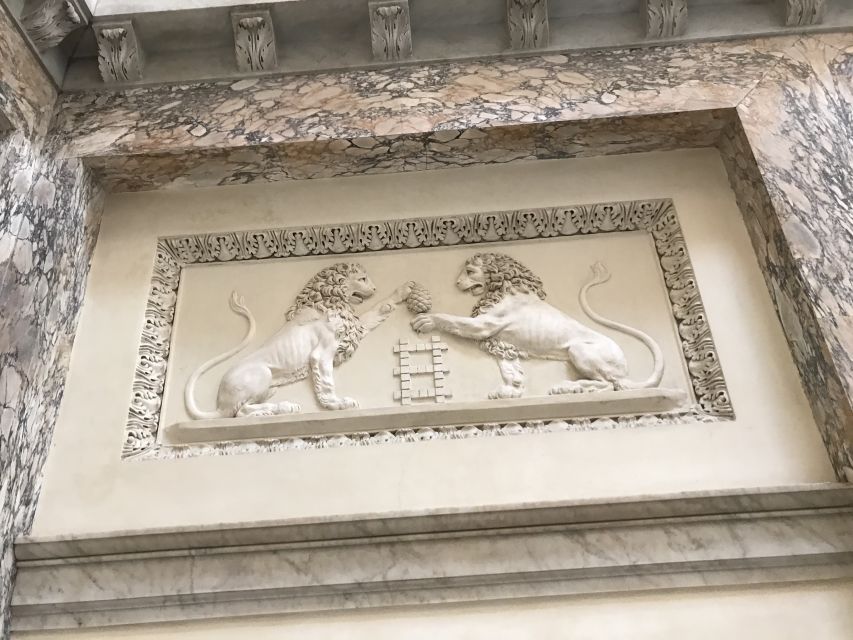
- Reserved entry to Palazzo Braschi inside an 18th-century setting by Cosimo Morelli
- English audio guide that guides you through classic sights like Piazza Navona, the Pantheon (outside), and Trevi
- Piazza Navona fountains and Bernini’s Four Rivers are built into the experience
- Pantheon context with Michelangelo’s take on its design (angelic, not human)
- A short, focused format designed for a one-hour window rather than a full-day museum plan
- Your finish depends on your option: Panoramic glass elevator plus Palazzo Venezia/Risorgimento Museum or the Capitoline Museums
Palazzo Braschi reserved entrance: the staircase and the Morelli building
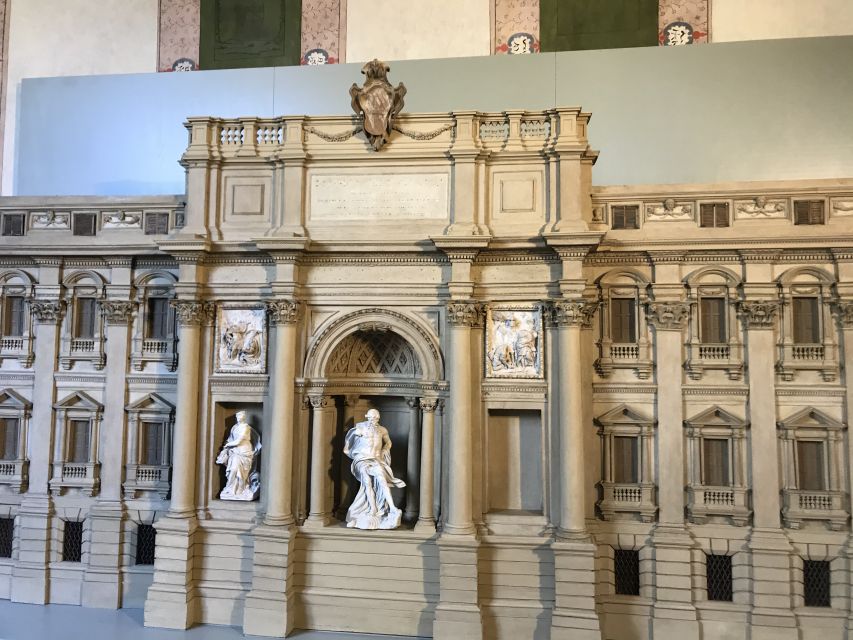
Palazzo Braschi sits in the heart of Rome, and the building itself is part of the show. The museum is housed in an 18th-century palace designed by Cosimo Morelli, so even before you get to the collections, you’re stepping into a different Rome than the street view suggests.
I particularly like the entrance experience because it sets the tone fast. The monumentality of the main staircase is the kind of moment where you stop, look, and automatically start taking pictures. It’s not just pretty—it helps you understand why this museum can feel more special than a standard gallery visit.
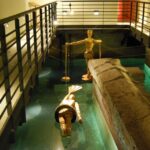
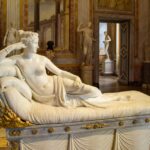
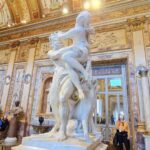
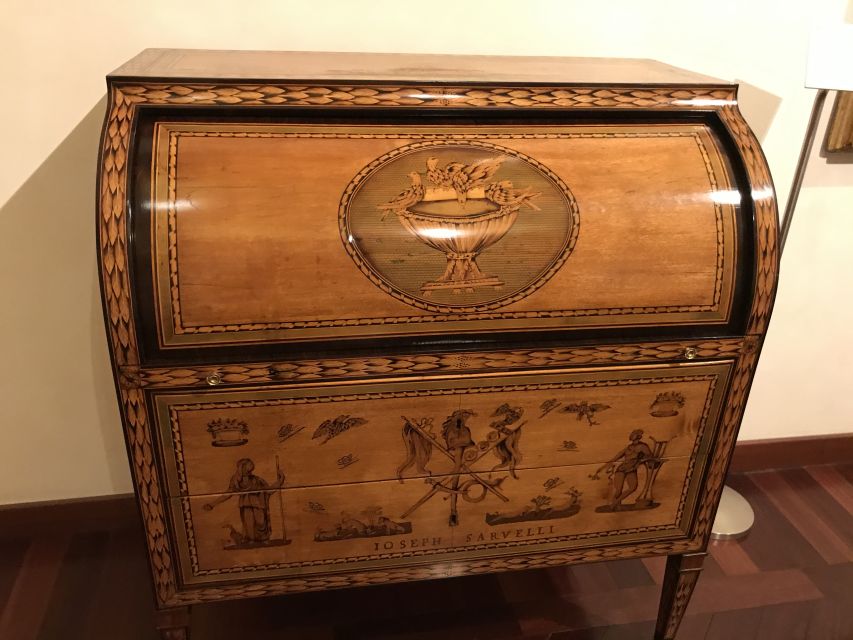
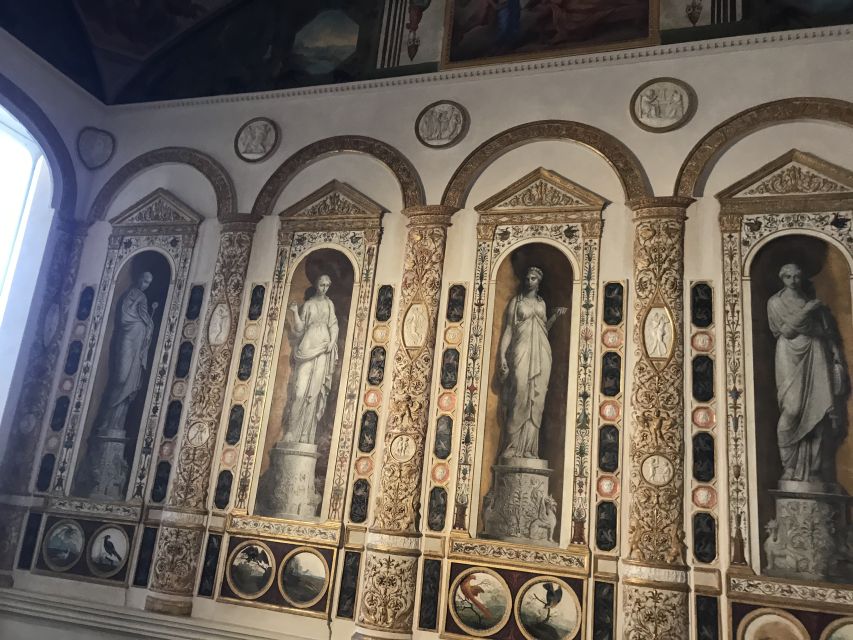
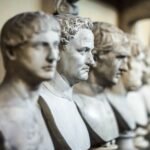
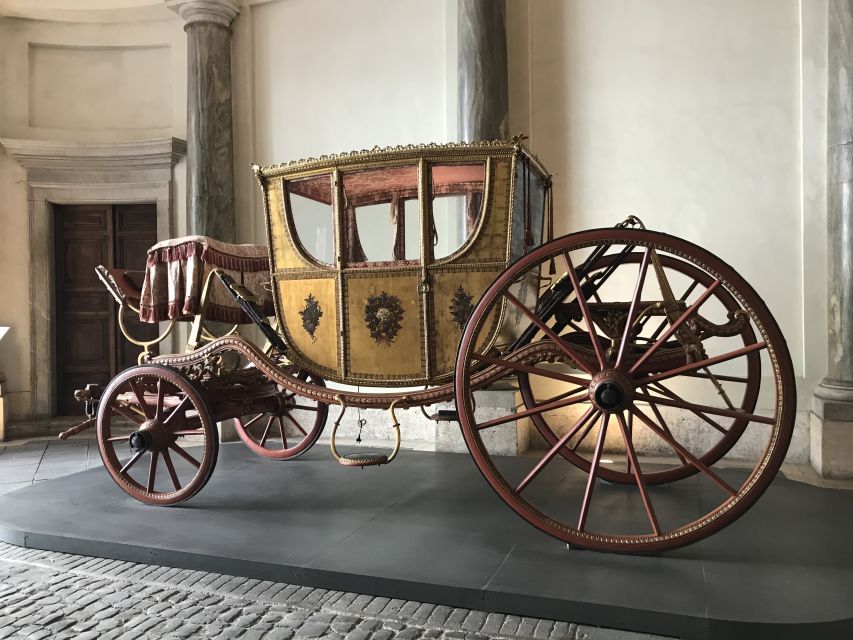
Inside, you’ll see a collection that includes art plus photographs and statues, which can be a nice change of pace if you’ve been surrounded by ancient ruins all week. Also, temporary exhibitions aren’t part of the deal here, so plan on the permanent museum content being your core focus.
You can also read our reviews of more tours and experiences in Rome


Piazza Navona with a professional English audio guide
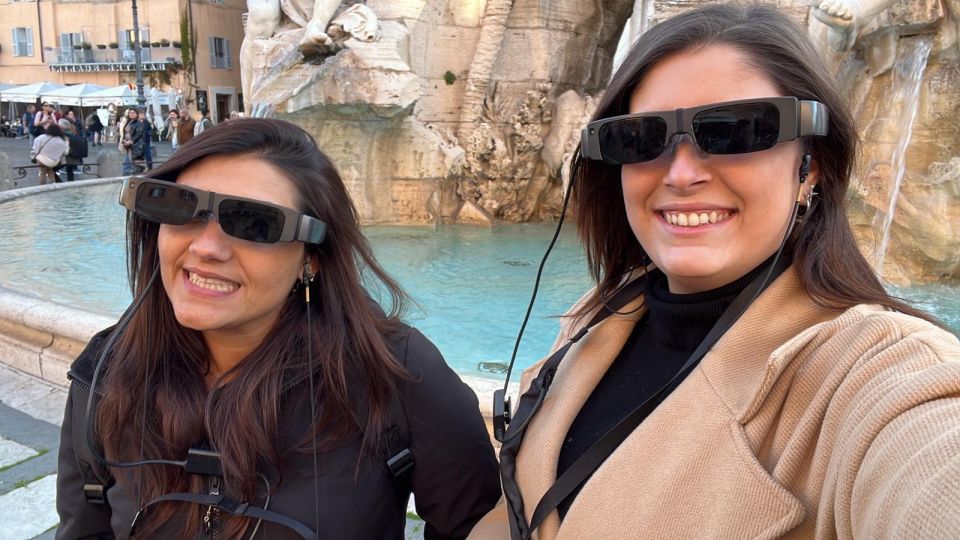
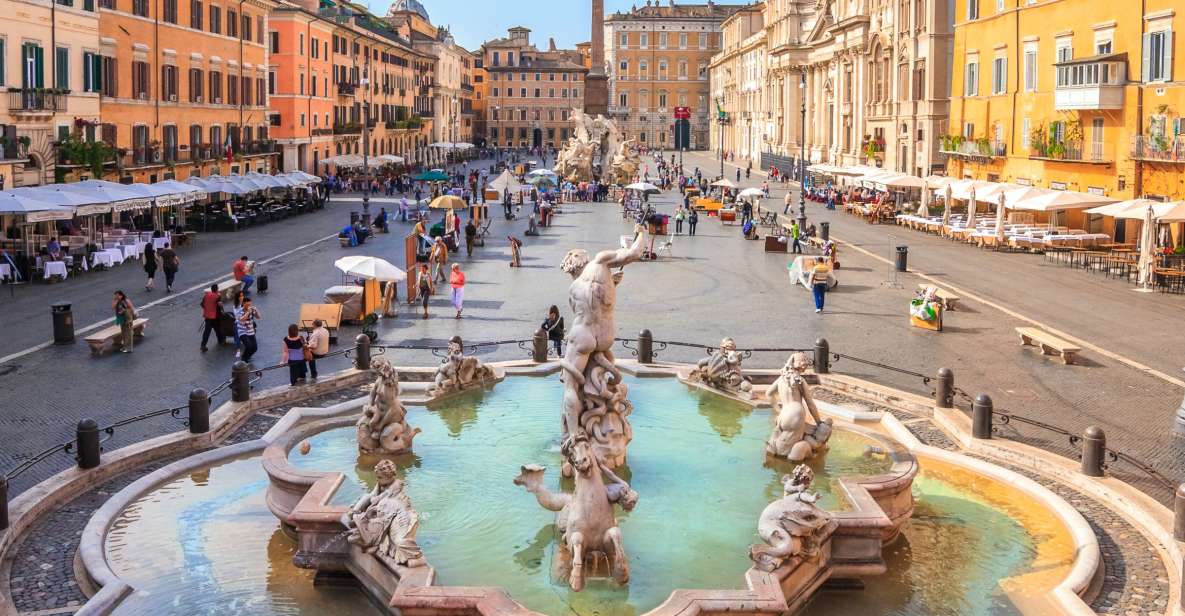
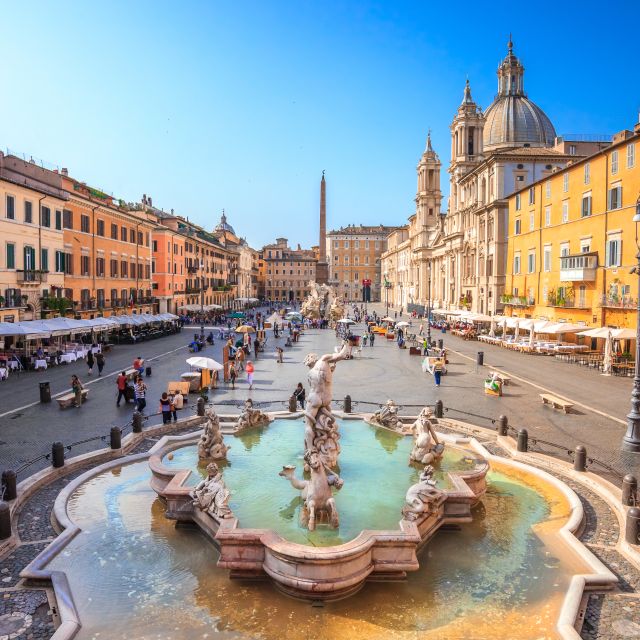
The route quickly pulls you into one of Rome’s most photogenic public squares: Piazza Navona. This stop matters because it’s not a quick glance. You walk through the square while the English audio guide helps you connect what you’re seeing with what it meant historically.
Piazza Navona’s fountains do most of the heavy lifting. You’ll focus on the famous Fountain of the Four Rivers by Bernini, and that’s where the audio moments pay off. When you know the theme behind the artwork, you’ll likely look longer—and you’ll notice more details in photos.
This is also one of those places where the “selfie strategy” is simple: stand back for the big fountain composition, then move in for the carved details. Since the audio guide is running, you’ll get a natural reason to pause instead of rushing. The square is ideal for that Rome-in-one-shot feeling.
Pantheon from the outside: the architecture Rome keeps talking about
Next comes the Pantheon, and the key detail is that you’ll experience it from the outside. That can sound limiting, but it actually works well in a short format like this. Even from outside, the Pantheon communicates its importance immediately: it’s one of the best-preserved ancient temple buildings in the world.
You’re also given context as you look. The Pantheon is described as a temple dedicated to all divinities, and the audio guide frames why Michelangelo was so impressed. You’ll hear that Michelangelo considered it closer to angelic design than human design—an attitude that helps you stop thinking of the Pantheon as just another old building.
Practically, I’d use this stop for two things: getting the classic façade shot without sprinting, and walking around enough to appreciate the scale. With a one-hour total duration, that pacing matters. You’re not trying to “do everything.” You’re trying to see enough to get the point.
Trevi Fountain: the coin flip and what you’ll listen for
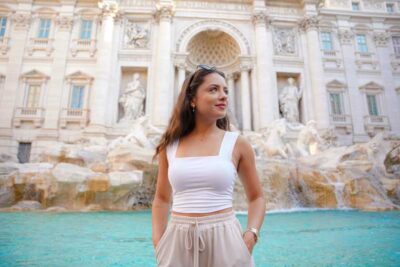
Then you hit Trevi Fountain, and yes, it’s the one that’s always on postcards for a reason. It’s described as Rome’s largest and best-known fountain, and the audio guide adds a layer beyond the obvious photo.
The experience includes the tradition: toss a coin into the fountain to help ensure you’ll return to Rome one day. Even if you’ve heard the ritual before, it helps to have the moment guided because it slows you down right when you’d normally rush for a quick picture.
What makes Trevi worth more than the line and the crowds is the audio content. You’re told the secrets the fountain holds, which nudges you to look at the fountain’s story rather than treating it like a stoplight for tourists. If you want photos, aim for the wider angle composition first, then come back for close-ups once you’ve understood what to look for.
Finishing with the Panoramic Glass Elevator and your museum option
The last part is where this experience can vary depending on what you booked. You’ll complete it with a Panoramic Glass Elevator, plus either:
- Palazzo Venezia and the Risorgimental Museum, or
- the Capitoline Museums
If you choose the Capitoline Museums option, you’re given a big historical anchor: they’re described as the world’s first museum opened to the public in 1734. That’s useful context because it changes how you see the site. You stop treating it like a random museum building and start thinking about how long the idea of public collections has been shaping Rome’s cultural life.
Even with limited time, this finish can make the experience feel more like a “mini Rome day” rather than just museum entry plus outdoor sightseeing. The glass elevator is named as panoramic, which signals that the payout is a view—something you’ll enjoy if you like your Rome moments with height and scale.

Price and value: what $37 buys in a 1-hour format
At about $37 per person with reserved entrance to Palazzo Braschi and an audio guide, you’re paying for convenience more than for hours. The biggest value isn’t that you get a huge menu of stops. It’s that you get a guided structure that keeps you from wandering aimlessly between major sights.
The time commitment matters. One hour is short, so you’ll want to match the experience to your travel style:
- If you like quick hits and photo stops with context, this works.
- If you prefer slow museum reading and long pauses, this might feel compressed.
Also note what’s not included: temporary exhibitions. That’s normal for many museum packages, but it means you shouldn’t expect that special rotating show to be part of the ticket. You’ll be focused on the core museum content and the outside Rome walking part.
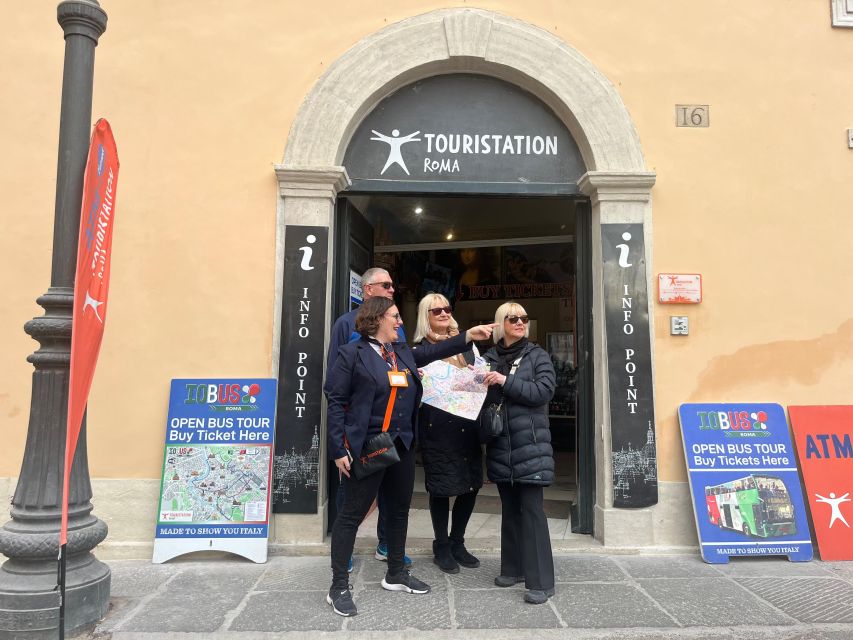
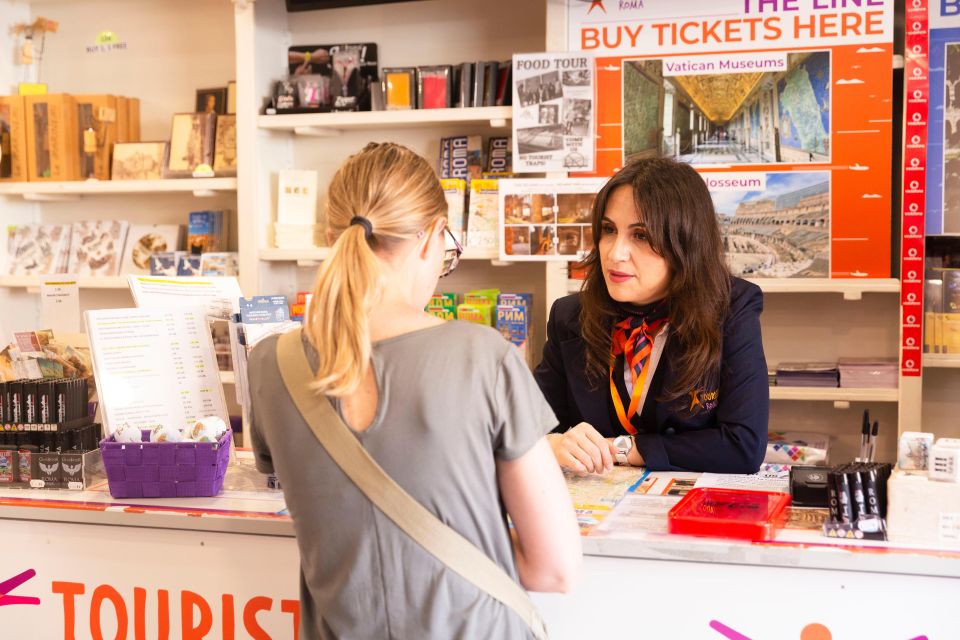
And since your voucher is not the ticket, plan on collecting the official entrance ticket at the Touristation Office in Piazza Navona 25. That’s the kind of small admin step that can throw off your mood if you show up late or rush without checking.
What to expect on the ground: walking pace and practical rules
This is a walking-based experience with several iconic stops. Wear comfortable shoes because you’ll be moving between sights and spending time pausing for photos and audio cues.
There are also a few practical restrictions:
- Pets aren’t allowed.
- Weapons or sharp objects aren’t allowed.
- Large bags or luggage aren’t allowed.
- You’ll need a passport or ID card.
And for accessibility: it’s not suitable for people with mobility impairments or wheelchair users. If that applies to you, you’ll want a different format that doesn’t rely on this walking-and-standing pace.
Who this is best for (and who should skip it)
This experience is a good fit if you want a tight, central Rome plan. I’d point it toward first-timers who want the big exterior classics—Piazza Navona, Pantheon area views, Trevi—without spending half a day getting oriented.
It’s also a solid match if you enjoy museums but don’t need a full afternoon. The Palazzo Braschi reserved entrance helps you get into a lesser-known-but-real Rome museum setting, and the architecture by Cosimo Morelli gives you something to focus on beyond just the artwork.
You might skip it if:
- You want a long, quiet museum day.
- You only care about ancient ruins and temples and aren’t interested in art, photographs, and statuary in a palace setting.
- You expect temporary exhibitions to be part of what you see.
The one thing to watch: it won’t impress everyone
This museum-style stop can land differently depending on your taste. One of the less positive reactions tied directly to the idea that the museum didn’t feel interesting enough for the price and time.
So my advice is simple: go in expecting a short curated museum experience, not a “spend hours reading every label” outing. If you love architecture, set pieces, and a mix of art forms, Palazzo Braschi is more likely to click for you. If you’re looking for a major, world-famous blockbuster museum, you may feel underwhelmed.
Should you book Palazzo Braschi reserved entrance + the audio walk?
Book it if you want an efficient Rome hit with context. For around $37, you’re buying reserved museum entry plus an English audio guide that connects the dots between Piazza Navona, the Pantheon area, and Trevi—then finishes with a panoramic elevator and one of two museum options.
Don’t book it if your heart is set on long time inside museums or you’re the type who needs temporary exhibitions and deep label-by-label reading. Also, plan your expectations for the museum: it’s more about the building and the collection mix than about a huge, time-consuming sweep.
If you’re flexible, one-hour formats are often the easiest way to squeeze in “good Rome” even during a busy itinerary—and this one is especially good for architecture lovers and anyone who wants their photos to come with a reason.
FAQ
Where do I collect the official entrance ticket?
Your voucher isn’t the ticket. You collect the official entrance ticket at the Touristation Office in Piazza Navona 25.
How long is the experience?
It runs for about 1 hour.
What’s included in the ticket?
You get a Palazzo Braschi reserved entrance ticket and a City App audioguide.
Is the Pantheon included inside or outside?
The Pantheon is included from the outside as part of the guided audio route.
Are temporary exhibitions included?
No. Temporary exhibitions aren’t included.
What should I bring?
Bring a passport or ID card and wear comfortable shoes.
Is it suitable for wheelchair users or limited mobility?
No, it isn’t suitable for people with mobility impairments or wheelchair users.