REVIEW · ROME
Vatican Museums, Sistine Chapel & Basilica
Book on GetYourGuide →Operated by Groupstudio srl · Bookable on GetYourGuide
The Vatican is famous for crowds, so it helps when your day starts early and stays organized. This semi-private tour pairs Vatican Museums highlights with a guided walk to the Sistine Chapel, then sends you into St. Peter’s Basilica using a skip-the-line route. I especially like that you get a licensed guide plus headsets, which makes the art feel understandable rather than overwhelming. I also like the built-in time-saving move at St. Peter’s Basilica, since the tour includes skip-the-line access. One drawback to consider: at 2.5 hours, you’ll see major stops, but you won’t linger forever in every room.
You’ll move through some of the Vatican’s most recognizable areas—Pio-Clementine Museums, Raphael Rooms, and the Borgia apartments—before reaching the Sistine Chapel. The tour is in English, designed for a small group, and it ends back at the meeting point. Just note the usual Vatican realities: you’ll deal with security rules and a clear dress code, so plan your outfit early.
In This Review
- The vibe and the pacing: compact, guided, and focused
- Key points at a glance
- Early Morning Vatican Museums: Why This Timing Helps
- Pio-Clementine Museums: The Big Names You’ll Want to See
- Galleries of Maps and Tapestries: Not Just Pretty Walls
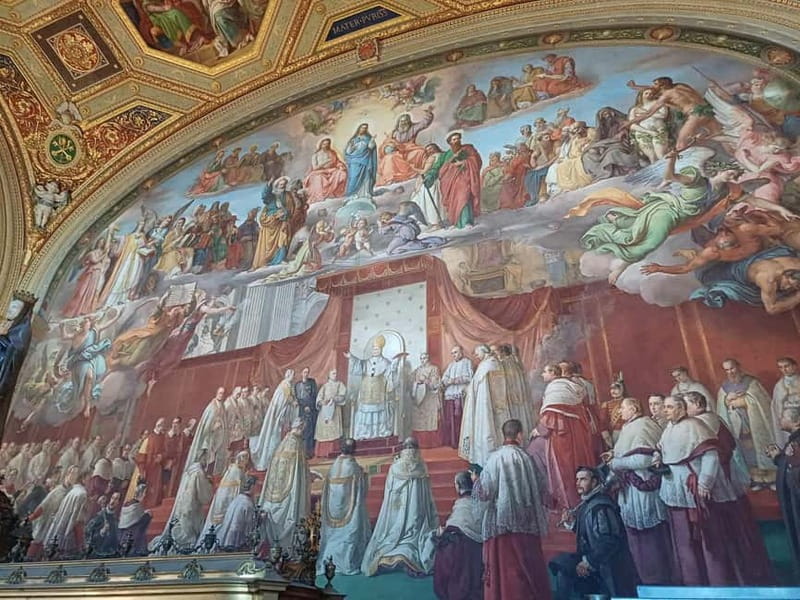
- Raphael Rooms and Borgia Apartments: Palace-Like Interiors
- Sistine Chapel: How to Make the Most of Limited Time
- Entering St. Peter’s Basilica Via a Guided Exit
- Licensed English Guide + Headsets: The Real Upgrade
- Price and Value: Is $101.96 a Smart Deal?
- Practical Stuff Before You Go: Dress Code and Security Rules
- Who This Tour Fits Best (And Who Might Want Another Option)
- Should You Book This Early Morning Vatican Tour?
- FAQ
- How long is the Vatican Museums, Sistine Chapel & Basilica tour?
- Does this tour include skip-the-line access to St. Peter’s Basilica?
- What’s included in the price?
- What isn’t included?
- What language is the tour guide?
- What do I need to bring?
- Are there dress or security restrictions?
- How should I handle booking details for multiple people?
The vibe and the pacing: compact, guided, and focused
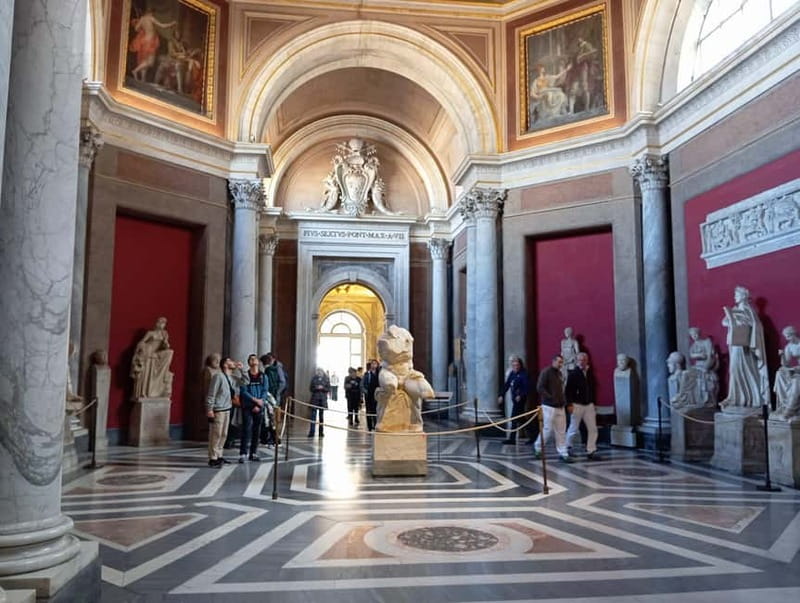
Think of this as a best-of route rather than a slow museum marathon. The guide leads you with headsets, which is a big deal when you’re trying to hear explanations in busy halls. And because the tour heads out through a guided tour exit not open to the general public toward St. Peter’s Basilica, your time feels more efficient than if you’re hunting your way across the complex on your own.
Key points at a glance
- Semi-private group touring keeps the experience more manageable than full-group chaos
- Headsets included so the guide’s explanations stay clear in crowded rooms
- Pio-Clementine Museums stops include the Laocoon group and Belvedere torso
- Sistine Chapel time with context focused on Michelangelo’s ceiling and the Last Judgment
- Skip-the-line access to St. Peter’s Basilica through a separate, guided route
You can also read our reviews of more museum experiences in Rome
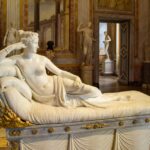
Early Morning Vatican Museums: Why This Timing Helps
The Vatican Museums are not a place you want to show up whenever your feet decide to wake up. This tour is built around an early morning start, which generally means you get to begin before the day fully locks into peak tourist mode. Even if you’re already excited, there’s a practical payoff: you spend less of your energy waiting and more time looking closely.
You also get a set duration—2.5 hours—so you can plan the rest of your day without guessing how long lines and wandering might take. Starting times depend on availability, but the key idea stays the same: you’re working with a morning schedule that’s meant to keep the route tight and the experience flowing.
One more small but important point: the meeting point can vary depending on the option you book, and the tour ends back at the meeting point. That structure matters in Rome’s traffic-and-streetmaze world, because it prevents the usual end-of-tour scramble.
Pio-Clementine Museums: The Big Names You’ll Want to See
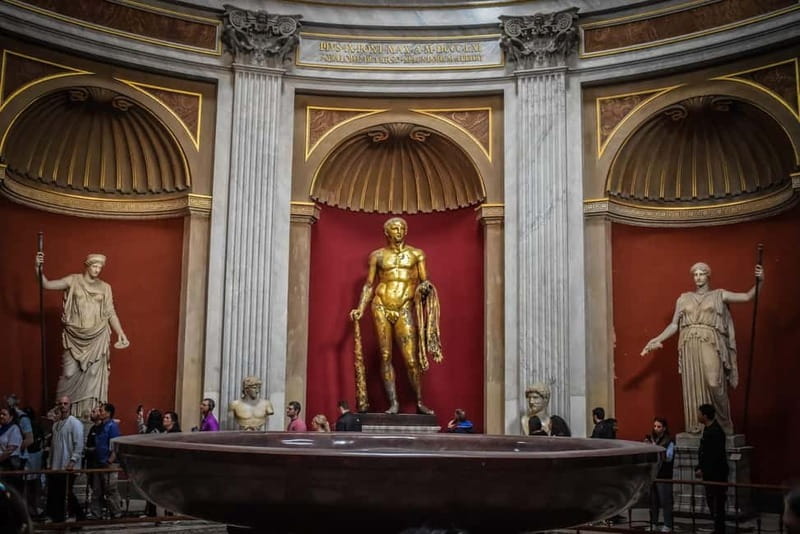
This is where the tour gets serious about “what to prioritize.” The route takes you through the Pio-Clementine Museums, described as home to some of the world’s most famous statues. Even if you don’t know art history terms, you can still get a lot out of this section because the guide steers you toward recognizably important pieces.
Two specific highlights are included:
- Laocoon group
- Belvedere torso
Why those matter for you: these are the kind of artworks that people mention for a reason. When you’re in a museum with hundreds of exhibits, it’s easy to feel like you’re collecting facts instead of experiencing something. A guided focus on a few monumental works gives you a sense of the “why” behind the fame, and it helps you form a mental map of the collection instead of just walking through.
You’ll also move through areas that aren’t only about one single statue. The tour includes major visual rooms, and that balance is smart. You get anchored moments (like Laocoon and the Belvedere torso) and then you move on to other galleries that keep the pace from turning repetitive.
Galleries of Maps and Tapestries: Not Just Pretty Walls
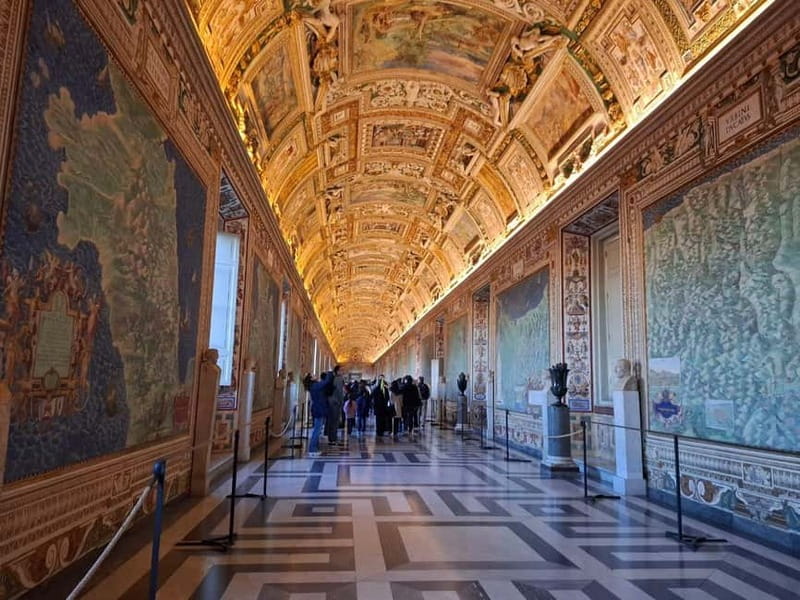
After the Pio-Clementine section, the tour shifts into galleries that feel different from sculpture rooms—specifically the Gallery of Maps and the Gallery of Tapestries.
The Gallery of Maps is a 16th-century highlight on this route. Maps in this context aren’t just references; they reflect how people understood the world at the time. If you like seeing how art and information mix, this stop tends to click because you’re looking at a visual style with clear historical roots.
Then there’s the Gallery of Tapestries. Even without getting lost in technical details, you can still appreciate the effect: these kinds of spaces tend to make the museum feel less like a storage space and more like a designed environment. It’s also a good reset from sculpture, giving your eyes a different job.
The practical value here is pacing. The tour doesn’t only stack masterpieces back-to-back. It alternates types of artwork, which makes the 2.5 hours feel fuller and less exhausting.
Raphael Rooms and Borgia Apartments: Palace-Like Interiors
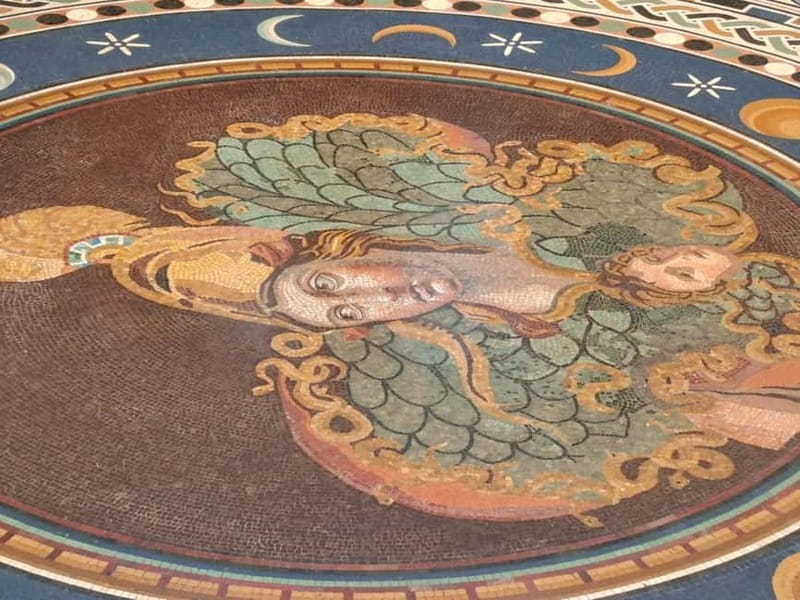
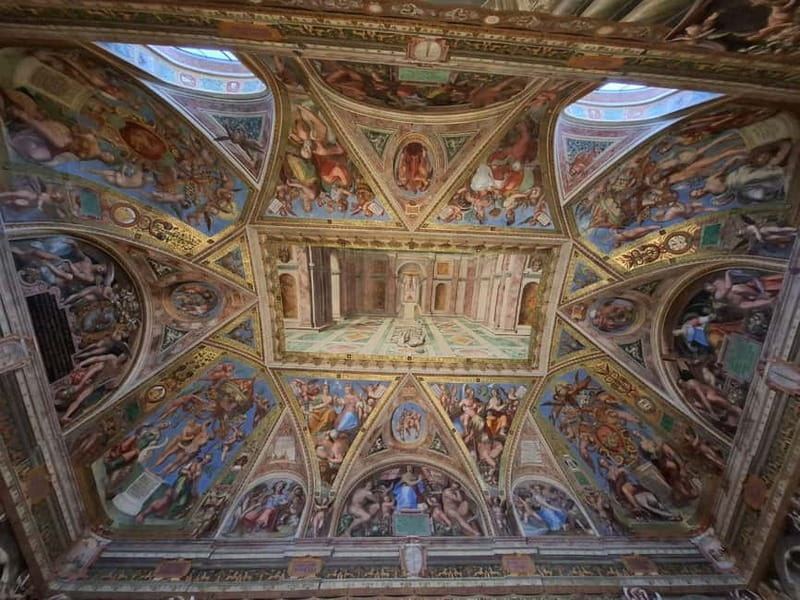
From the galleries, you move into what the tour calls the former Papal apartments: the Raphael Rooms and the Borgia apartments.
Why this section matters for your experience: once you’re in Raphael Rooms and Borgia apartments, the Vatican shifts from museum display to something closer to lived-in rooms of power. You’re walking through spaces that weren’t built for public wandering. That changes how your brain reads the walls—suddenly you’re paying attention to layout, placement, and the feeling of rooms designed for authority and ceremony.
A guided explanation helps here, because these areas can be visually impressive but still confusing if you’re only going by sight. The tour format keeps you moving with context, so you’re not just staring and guessing.
Also, this is one of the reasons a semi-private route can be worth it. A small group and a guide’s flow help you keep momentum through rooms that could otherwise feel long or repetitive.


Sistine Chapel: How to Make the Most of Limited Time
Next comes the Sistine Chapel, named after Pope Sixtus IV, and this is likely the emotional center of the whole tour. The Sistine Chapel experience here is described as spending a little time, enough to take in the frescoes, with a focus on Michelangelo Buonarotti’s work—years of effort on the ceiling and the Last Judgment.
Here’s the thing: the Sistine Chapel is where people often feel torn between urgency and reverence. If you’re rushed, it’s hard to take anything in. If you linger too long, you fall behind the plan. This tour’s “a little time” approach is designed to help you actually look rather than simply pass through.
Since the guide is there with you (and you have headsets), you’ll get help focusing on what matters visually. The goal isn’t to memorize every detail. It’s to leave the chapel understanding why Michelangelo’s ceiling and the Last Judgment are treated like cultural landmarks.
One tip for you during this stop: don’t spend all your time staring straight up. Even with the ceiling as the star, you’ll get more meaning if you shift your gaze slowly and let the guide’s direction shape what you notice next.
Entering St. Peter’s Basilica Via a Guided Exit
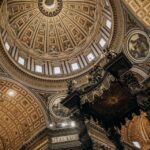
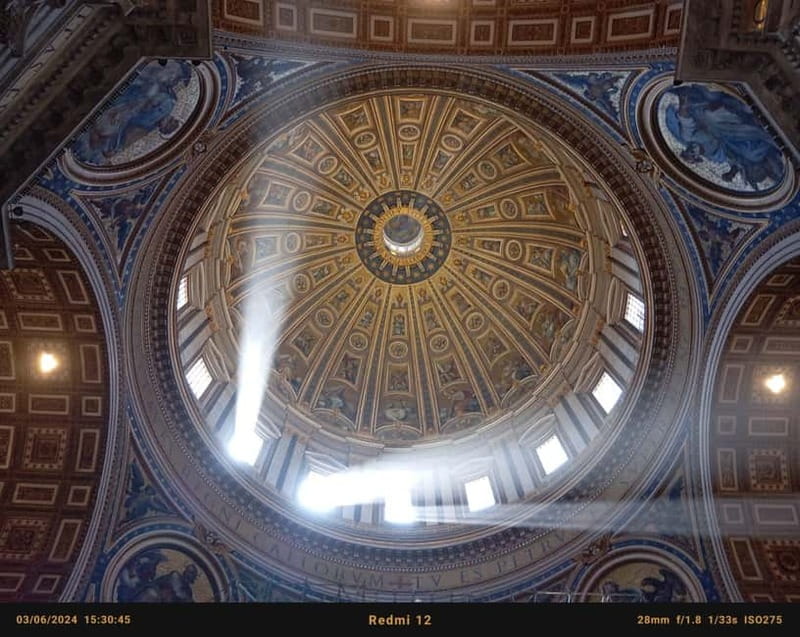
After the Sistine Chapel, the tour takes you out via a guided tour exit that isn’t open to the general public, moving you toward St. Peter’s Basilica. Then you get skip-the-line access to St. Peter’s Basilica through a separate entrance.
This is one of those logistics points that can make or break the day. If you arrive at St. Peter’s with a line snaking in front of you, your energy drops fast. With skip-the-line access, you keep your momentum and you’re more likely to feel ready to take in what you came for.
The tour also keeps your flow guided. You’re not left trying to interpret the basilica entry process on your own. Instead, the licensed guide gets you into the basilica as part of the tour experience.
What I like about this structure for you: it reduces the “end-of-tour scramble.” People often end a Vatican museum day tired, hungry, and slightly frazzled. A direct, guided transition helps you stay present rather than just trying to get it over with.
Licensed English Guide + Headsets: The Real Upgrade
A lot of Vatican tours sell the same big-ticket stops: museums, Sistine Chapel, and the basilica. What often separates an okay tour from a great one is communication—especially in crowded spaces.
This tour includes:
- Licensed tour guide
- Headsets to hear better
That combination matters because Vatican Museums can be noisy in the “everyone talking at once” way. Headsets let you actually track what the guide is saying about the works you’re seeing—like why specific statues and rooms are worth your attention. And because the language listed is English, the explanations are designed to be understandable for an English-speaking group.
If you’re the kind of traveler who likes to enjoy the art without having to research everything before you go, this kind of guided setup is a strong fit.
Price and Value: Is $101.96 a Smart Deal?
The price listed is $101.96 per person, with a tour duration of 2.5 hours. On paper, that sounds like a lot—until you look at what’s included.
Included with your ticket:
- Entry ticket to the Vatican Museums
- Headsets
- Licensed guide
- Skip-the-line access to St. Peter’s Basilica
Not included:
- Transfer
- Food and drinks
So what are you really paying for? You’re paying for a timed, early-morning guided circuit plus two value drivers: museum admission and the basilica skip-the-line advantage. For most visitors, waiting is the hidden cost. Reducing waiting time and providing guided navigation inside a massive site can be worth more than you’d think—especially if you want to see the key areas without losing time.
Also, if you’re traveling with limited time in Rome, a 2.5-hour “major sights” format can feel like a smart use of one half-day. You can still plan other activities afterward since you’re not floating without a schedule.
Practical Stuff Before You Go: Dress Code and Security Rules
If you’re even slightly unprepared, Vatican security and dress rules can turn into an annoying time-waster. The tour explicitly lists what to bring and what not to do, so you can plan ahead.
Bring:
- Passport or ID card
Not allowed:
- Weapons or sharp objects
- Short skirts
- Drones
- Sleeveless shirts
- Tripods
- Alcohol and drugs
- Touching the exhibits
- Loose clothing
- Bare feet
That list affects what you pack more than you might expect. If you’re tempted to show up in summer clothes, double-check the sleeveless rule and the short-skirt rule. Loose clothing can also matter, so go with something fitted enough to satisfy security.
And one booking detail you should take seriously: every participant’s full name is needed for the booking. It’s the kind of small detail that can slow you down later if it’s missing.
Who This Tour Fits Best (And Who Might Want Another Option)
This tour is a good match if you:
- Want to see major Vatican highlights without spending your day sorting out routes
- Prefer a small-group feel over a large crowd
- Appreciate explanations, especially with headsets
- Care about time and hate wasting it in lines
It may feel less ideal if you:
- Plan to spend lots of time lingering alone in museums
- Want a longer, more flexible route than 2.5 hours
- Are traveling without much patience for strict clothing and security requirements
In other words, this is built for focused visitors who want maximum impact from a short window.
Should You Book This Early Morning Vatican Tour?
I’d book it if your goal is to hit the most important Vatican Museums areas, experience the Sistine Chapel with guided focus, and then reach St. Peter’s Basilica without line stress. The value is strongest when you weigh what’s included: museum entry, a licensed guide, headsets, and skip-the-line access at the basilica.
If you’re the type who enjoys museums at your own pace for hours, you might prefer a longer, less structured format. But if you want a clean, efficient, guided route that makes the big sights easier to understand and easier to fit into a day, this early morning semi-private plan is a smart choice.
FAQ
How long is the Vatican Museums, Sistine Chapel & Basilica tour?
The duration is 2.5 hours. Starting times depend on availability.
Does this tour include skip-the-line access to St. Peter’s Basilica?
Yes. You get skip-the-line access to St. Peter’s Basilica with a separate entrance.
What’s included in the price?
The listed inclusions are entry ticket to the museum, headsets to hear the guide better, a licensed tour guide, and skip-the-line access to St. Peter’s Basilica.
What isn’t included?
Transfers and food and drinks are not included.
What language is the tour guide?
The tour is listed as English only.
What do I need to bring?
You should bring your passport or ID card.
Are there dress or security restrictions?
Yes. You can’t bring weapons or sharp objects, drones, tripods, or alcohol and drugs. Clothing rules include no short skirts and no sleeveless shirts, and you can’t go bare feet. You also can’t touch exhibits.
How should I handle booking details for multiple people?
For the booking, every participant’s full name is needed.