REVIEW · ROME
Roma Museo Vaticano y Capilla Sixtina Tour guiado
Book on GetYourGuide →Operated by Discoverers · Bookable on GetYourGuide
This tour turns Vatican City into something you can actually process. You get skip-the-line entry, headsets for clear guidance, and an official guide who walks you through what you’re seeing—without leaving you to guess.
I especially like the way the visit is organized around art that matters, not just rooms that exist. You’ll spend time with the Raphael Rooms and the Sistine Chapel, plus you’ll get context for the big moments people come for.
One thing to keep in mind: this is not a dome experience. You’ll visit St. Peter’s Basilica, but the tour data says the dome access and guided dome time are not included.
In This Review
- Key Takeaways Before You Go
- Entering Vatican Museums Without Losing Your Morning
- Why this logistics piece matters
- Gallery of Maps: Seeing How People Used to Imagine the World
- Raphael Rooms: Art You Can Read, Not Just Look At
- A practical tip for this part
- Sistine Chapel: Why the Guide’s Timing Is Everything
- Real-world note
- St. Peter’s Basilica: What You’ll See in the Time You Have
- Why the basilica stop can still feel worth it
- Tour Length, Group Size, and How to Make It Work for You
- Price and Value: Is $106 for 3 Hours Fair?
- The Most Praised Parts: What You Should Watch For
- Who This Tour Is Best For
- Should You Book This Vatican and Sistine Tour?
- FAQ
- What’s included in the Vatican Museums and Sistine Chapel guided tour?
- What does the tour include at St. Peter’s Basilica?
- How long is the tour?
- What languages are available for the live guide?
- Are there headsets for the group?
- What should I bring to the Vatican?
- What items are not allowed?
- Is security required before entering?
- Is the tour suitable for people with mobility impairments?
Key Takeaways Before You Go
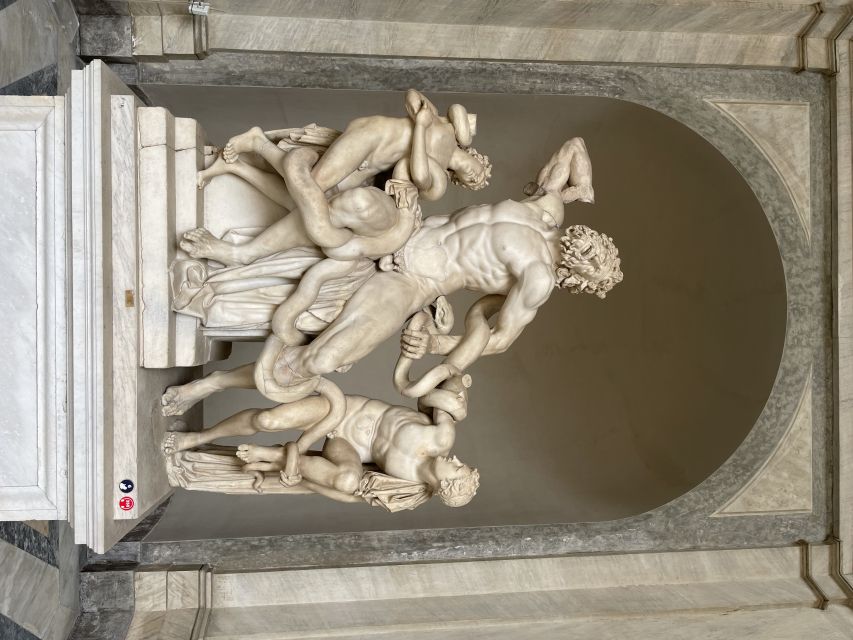
- Skip-the-line tickets help you start with momentum instead of wasting time at the gates.
- Headsets make a big difference in crowded galleries where voices get swallowed.
- Raphael Rooms give you a concentrated dose of his work and why it’s influential.
- Gallery of Maps explains how people in the past tried to picture the world.
- Sistine Chapel focus connects Michelangelo’s art with the Papal Conclave story.
- Basilica time is shorter and dome access is excluded.
Entering Vatican Museums Without Losing Your Morning
The Vatican Museums can feel like a maze if you show up alone. This tour fixes that problem fast. You start at the Vatican Museums with skip-the-line ticket entrance, which matters because security and crowds can swallow hours if you’re not ready.
Once you’re in, you’re not just wandering. You’re moving through a guided route with an official Vatican tour guide, and you’ll have headsets so you can actually hear the explanation. That’s a small detail with a huge payoff. In long museum halls, it’s easy to miss the story if you keep having to strain for sound.
Expect that you’ll pass through airport-style security. That means a real wait, even with the skip-the-line benefit for entry. Bring your passport or ID card, wear something that won’t violate the dress rules (no sleeveless shirts), and keep your bag size reasonable. Flash photography is also off-limits, so plan to enjoy the art with your eyes, not your camera.
You can also read our reviews of more tours and experiences in Rome.

Why this logistics piece matters
If you’ve ever tried to see the Vatican on your own, you know the issue: too many rooms, too little time, and too much guessing. With this format, you’re paying for direction. The tour doesn’t try to cover every museum space. It targets the high-impact stops that help the rest of the building make sense.
Gallery of Maps: Seeing How People Used to Imagine the World
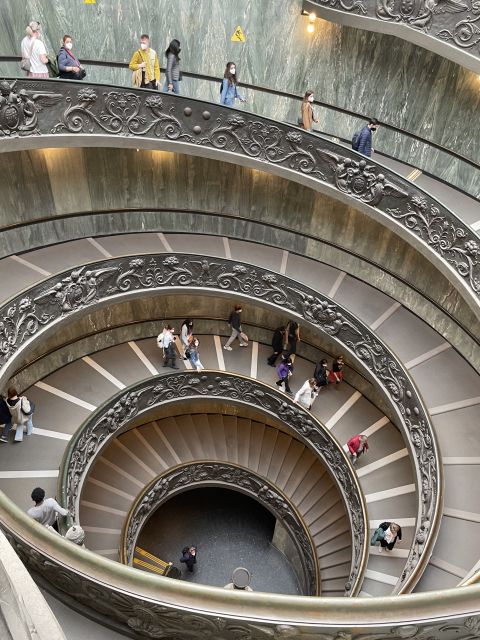
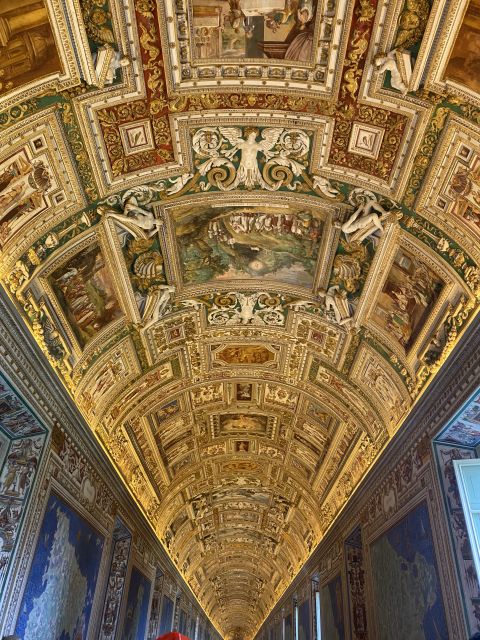
One of the most interesting stops on this kind of itinerary is the Gallery of Maps. It’s easy to walk past map galleries thinking, Okay, more history. But with a good guide, maps become a window into mindset.
The tour specifically calls out that you’ll see into the gallery maps and understand how the world was interpreted in the past. That kind of framing changes the way you look. Instead of treating the maps as static decoration, you start noticing what they prioritize, what they assume, and what they get wrong. It’s history you can feel, because you’re watching people try to build knowledge with the tools they had.
This stop is also useful because it breaks the pattern of pure religious art. You get variety. And variety is not a luxury in the Vatican. It’s what prevents the whole experience from blurring into one long visual lecture.
Raphael Rooms: Art You Can Read, Not Just Look At
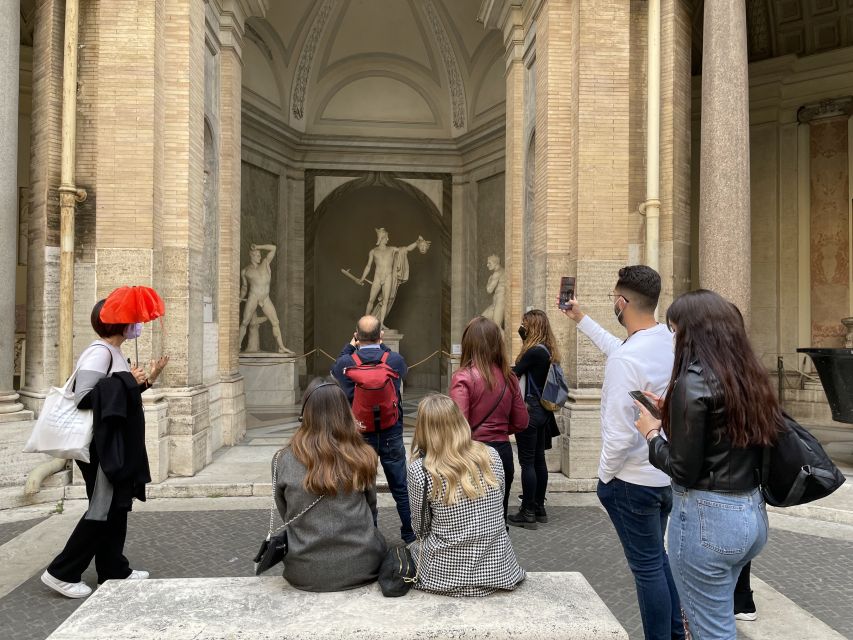
After the maps, the tour leans back into the big name art—especially the Raphael Rooms. If you’ve heard of Raphael but don’t know why he’s such a big deal, this is a smart place to focus. The value here isn’t only that the art is famous. It’s that you’ll get help understanding what you’re seeing as you go.
You’ll appreciate artwork tied to Raphael’s vision and influence, and the guide’s job is to connect the dots between the themes inside the rooms. That means fewer blank stares and more, Oh, that’s what they were trying to say.
A practical tip for this part
Go slower than you think you should. The Raphael Rooms reward attention. Even with a guide moving you along, pause when something catches your eye. Then listen to the explanation that follows. That timing is where the story clicks.




Sistine Chapel: Why the Guide’s Timing Is Everything
The Sistine Chapel is the main event, but the way you get there matters. The tour includes a visit focused on the Sistine Chapel, with a guided experience around art and history. You’ll also hear about the Papal Conclave, which is a big deal in how people understand the chapel’s purpose and context.
The highlight here is not just seeing Michelangelo’s work. It’s learning what the guide calls out as you walk through. The Sistine Chapel can be overwhelming on your own because you’re stuck trying to connect symbols, themes, and events without a map of meaning.
This tour helps with that. Once you pass through the museum route, the guide brings you into the Sistine Chapel experience as a structured lesson. You’ll learn as you look, which is the only way the chapel really lands.
Real-world note
The tour data says you’ll climb some steps to reach the Sistine Chapel. Build in a little patience for that part. Wear shoes that handle stairs and stone floors.
St. Peter’s Basilica: What You’ll See in the Time You Have
After the Sistine Chapel, you’ll head to St. Peter’s Basilica for a visit of about 30 minutes. That’s enough time to see the most important highlights, but it’s not a deep exploration.
Also, read the fine print in a way that’s actually useful: the tour does not include access and guided tour of the dome. If your personal goal is the dome view and the full dome experience, you’ll need a different option.
So what do you get? You get a guided stop inside the basilica that fits into a tight 3-hour flow. Think of it as a strong closing chapter, not the final sentence in a full book.
Why the basilica stop can still feel worth it
St. Peter’s is huge, and it can swallow time quickly. A shorter visit is sometimes a blessing. You keep your energy, you avoid getting lost in the scale, and you still get a powerful sense of place.
Tour Length, Group Size, and How to Make It Work for You
This is a 3-hour guided experience with a small group available option. The upside of a small group is you’re less likely to be completely separated from the guide’s explanations. The downside is there’s still going to be crowd pressure once you hit the chapel and basilica areas.
For timing, you should assume you’ll follow the guide’s pace. You’ll spend around an hour at the Vatican City portion with guided touring, around an hour on the Gallery of Maps, about an hour in the Sistine Chapel, then a shorter visit to St. Peter’s Basilica.
There’s one more key logistics point: there’s a rule that no refund is issued for latecomers. That doesn’t mean you have to be crazy early, but it does mean you should give yourself buffer time for security and meeting logistics.
Price and Value: Is $106 for 3 Hours Fair?
At $106 per person for a 3-hour tour, you’re paying for three main things:
- Skip-the-line ticket entrance, which saves time you can’t really replace with willpower.
- An official Vatican tour guide, which you’ll feel most at the Sistine Chapel and Raphael Rooms when the context turns art into understanding.
- Headsets, which make the explanation usable in real museum conditions.
If you’re the type who likes to look, read, and learn, this price can feel fair quickly. If you just want quick photos and broad vibes, you might question the cost, because the tour is structured for learning.
My take: for most first-timers, this is a solid value because the Vatican is where guidance is worth paying for. You can absolutely go on your own—but you’ll spend that extra money in time, confusion, and missed context.
The Most Praised Parts: What You Should Watch For
The strongest positive signals in the experience are simple: people describe it as necessary and interesting, and they emphasize that it’s agile and entertaining. That matters. In the Vatican, you don’t want a slow, wandering tour that turns into exhaustion.
The experience also gets high marks for the overall quality of the visit itself. You’re not only seeing famous places. You’re getting guided interpretation that keeps you engaged.
There is one recurring caution worth taking seriously: meeting instructions can be unclear, and that can turn into a frustrating delay at the start. In one case, the group had to coordinate via WhatsApp after spending time locating the guide. So do yourself a favor: double-check the meeting details the day before, and keep your phone available on the day of the tour.
Who This Tour Is Best For
This tour fits best if you want a high-impact Vatican highlight run and you care about context.
You’ll probably love it if:
- You’re seeing the Vatican for the first time and want the key masterpieces without getting lost.
- You like learning stories tied to what you see, especially at the Sistine Chapel.
- You prefer a guided pace with headsets to reduce stress in crowds.
You may want to think twice if:
- Your top priority is St. Peter’s dome access. This tour doesn’t include it.
- You have mobility limitations. The data says it’s not suitable for people with mobility impairments, and there are steps involved.
Should You Book This Vatican and Sistine Tour?
If your goal is to see the Vatican Museums, hit the Sistine Chapel, and end in St. Peter’s Basilica with a guide you can actually hear, I’d say it’s a strong booking choice. The skip-the-line part plus the headsets plus the structured stops are what make it feel like value, not just a ticket.
I’d only hesitate if you specifically want the dome experience or if you know you need very clear, low-risk meeting logistics. If you’re the kind of traveler who can confirm meeting points ahead of time and arrive with a buffer, you’ll set yourself up for a smooth, satisfying visit.
FAQ
What’s included in the Vatican Museums and Sistine Chapel guided tour?
It includes skip-the-line ticket entrance, an official Vatican tour guide, and headsets so you can hear the guide clearly.
What does the tour include at St. Peter’s Basilica?
You’ll have a visit at St. Peter’s Basilica, but access and guide tour of the dome are not included.
How long is the tour?
The duration is 3 hours.
What languages are available for the live guide?
The live tour guide is available in Spanish and English.
Are there headsets for the group?
Yes, headsets are included to hear the tour guide clearly.
What should I bring to the Vatican?
Bring your passport or ID card.
What items are not allowed?
Flash photography, pets, sleeveless shirts, and oversize luggage are not allowed.
Is security required before entering?
Yes. You must pass through airport-style security.
Is the tour suitable for people with mobility impairments?
No. The tour is listed as not suitable for people with mobility impairments.