REVIEW · ROME
Rome: 6 hoursDaily Private Golf Cart Tour with typical lunch
Book on GetYourGuide →Operated by RomeByCart · Bookable on GetYourGuide
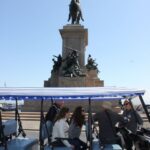
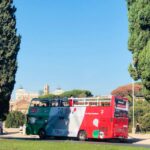
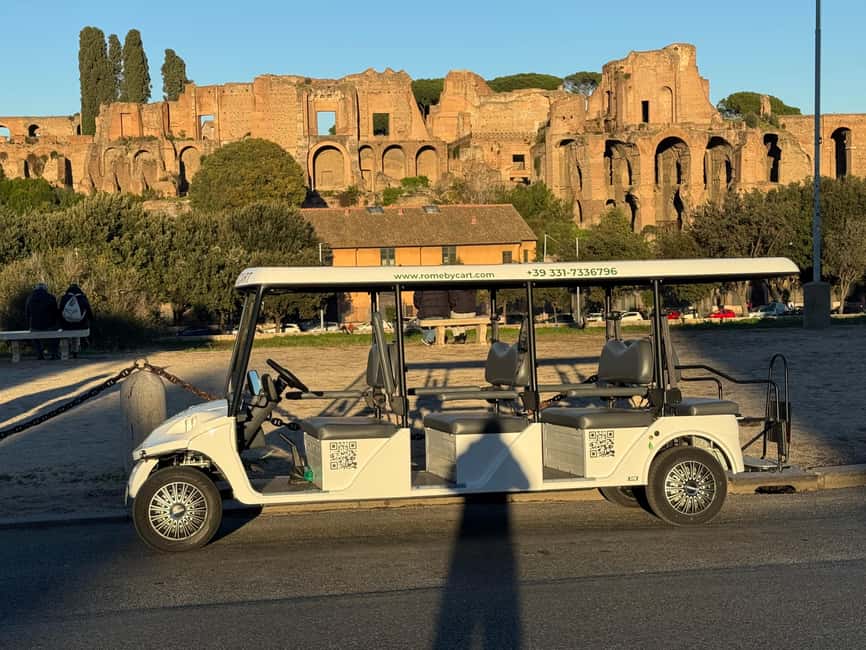
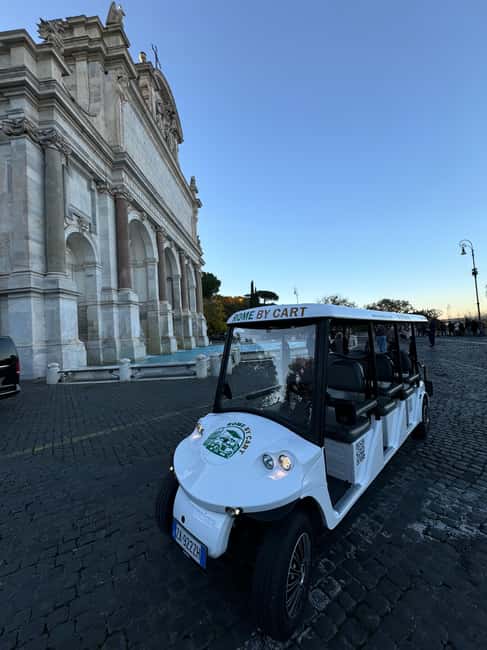
Rome by golf cart sounds almost unfair. But in a good way: you cover serious ground fast, without turning every outing into a leg workout. You’ll get a private golf cart tour with a dedicated guide, and you can shape the route around what you care about most.
The day also includes authentic Roman cuisine at local spots for lunch, so you’re not just sightseeing—you’re eating like you’re in Rome.
One heads-up: even with the cart, you’ll still do some walking and steps when you arrive at key sights. And the tour isn’t set up for wheelchair users.
In This Review
- Key highlights you’ll feel right away
- A private golf cart way to see Rome without the leg marathon
- How the route flows: from Piazza di Spagna to Rome’s biggest hits
- Piazza di Spagna and the Spanish Steps: classic Rome, handled efficiently
- Piazza del Popolo: a quick orientation stop that pays off later
- The Pantheon and Piazza Navona: two eras, one walking rhythm
- St. Peter’s Basilica and Janiculum Hill: Vatican power, then a view break
- Fontana dell’Acqua Paola and Santa Cecilia: the kind of stops you remember later
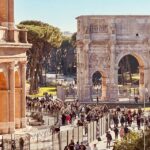
- Roman Forum, Colosseum, and Circus Maximus: ancient Rome in three hits
- San Pietro in Vincoli, Castel Sant’Angelo, and Sant’Ignazio di Loyola: art-focused church time
- Lunch and Roman flavors: why the food stop is more than a break
- Price and value: what $225.44 gets you in 6 hours
- Who this tour fits best (and who should think twice)
- Booking-day tips that make the cart feel like magic
- Should you book this RomeByCart golf cart tour?
- FAQ
- How long is the Rome private golf cart tour?
- Is this tour private?
- What languages are available for the guide?
- Is lunch included?
- Do I need to pay entrance fees separately?
- Can the tour start and end where I want?
- Is the tour suitable for wheelchair users?
- What should I bring?
- Is free cancellation available?
- Does the tour run at fixed times?
Key highlights you’ll feel right away
- Private, dedicated guide who tailors the flow to your interests
- Custom route flexibility so you’re not stuck with a one-size-fits-all loop
- Lunch included with Roman flavors at selected local eateries
- Icon-and-art focus across ancient Rome, Renaissance, Baroque, and beyond
- Major landmarks in one day including the Pantheon, Forum area, Colosseum, and Vatican highlights
A private golf cart way to see Rome without the leg marathon
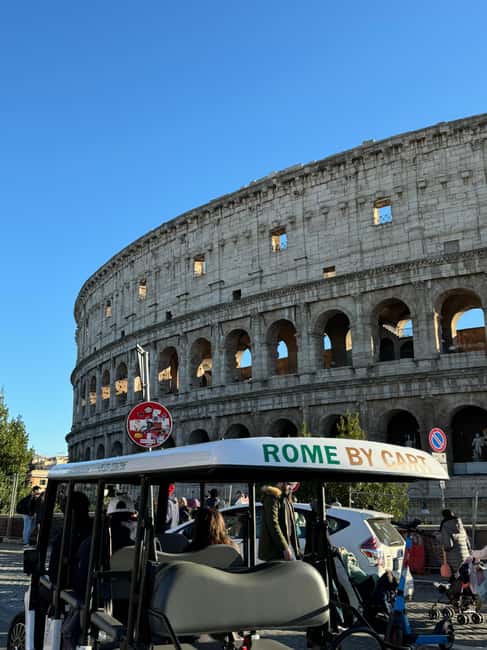
Rome has a talent for exhausting you. The sidewalks are uneven, the distances add up, and “quick photo stop” turns into “why are we still here?” fast. This is why the golf cart format works so well: you get the benefits of a guided tour, but with far less time trudging between spots.
I like that the tour is private. That matters in Rome, because crowd pressure and route pace can make or break your day. When it’s just your group, you can go at a comfortable speed and spend more time where you actually want it.
The dedicated guide is another big deal. You’re not only collecting famous buildings—you’re getting the stories and art context that make Rome make sense. You’ll hear about the city’s myths from ancient times, plus the follies and customs of the popes and everyday Romans. And you’ll get references to the big-name artists you’ve studied in school—Michelangelo, Bernini, Borromini, Caravaggio—woven into what you’re seeing.
You can also read our reviews of more private tours in Rome
How the route flows: from Piazza di Spagna to Rome’s biggest hits
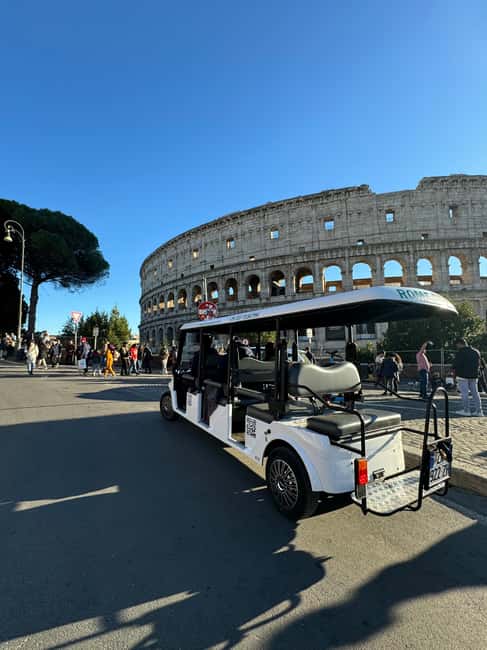
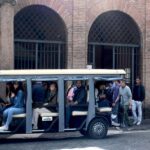
This tour is built as a smooth “greatest hits” route with short guided stops. The total time is six hours, and the visit durations are intentionally structured: you’ll get guided time at each stop, then move on before boredom sets in. It’s paced for seeing a lot, without pretending you’ll become a Rome scholar by noon.
You can also start where you prefer within Rome and end back at your starting point. That flexibility is practical. When you plan your pickup near where you’re already centered, you lose less time in transfers and more time out in the streets.
Expect a mix of classic squares, major churches, and ancient sites—plus a couple of scenic views and fountains that help break up the “just monuments” feeling. The guide also builds in time for quick photos and for understanding what you’re looking at.
Piazza di Spagna and the Spanish Steps: classic Rome, handled efficiently
The day starts with Piazza di Spagna for about 10 minutes, then the Spanish Steps for another short guided visit. These stops are famous for a reason: the architecture, the stairs, and the way the area frames the city feel like the Rome postcard that actually matches reality.
With only a short guided window, the smart move is to use the guide’s time well. Ask what you should notice first—materials, layout, the role the area has played over time—so you’re not just standing there taking pictures. You’ll leave with a clearer sense of why this corner is such a magnet.
Practical note: this is one place where footwear matters. Even if you’re on a cart much of the way, you’ll likely feel the steps and uneven edges when you move around for photos.
Piazza del Popolo: a quick orientation stop that pays off later
Next up is Piazza del Popolo (about 20 minutes). This square works like an orientation hub. It helps you understand where you are in Rome’s geometry—how areas connect and why certain routes make sense.
This is also a strong “energy reset” stop. After the Spanish Steps area, you get a wider-open space to regroup before heading into more concentrated sights.
The Pantheon and Piazza Navona: two eras, one walking rhythm
You’ll then visit the Pantheon for about 20 minutes, followed by Piazza Navona for another 20 minutes. These two stops together are a nice combo because they show different Rome moods.
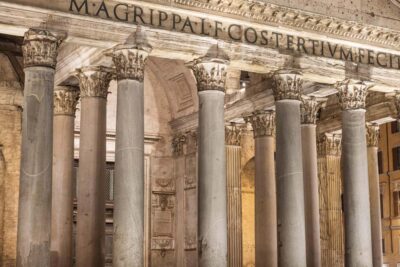
The Pantheon is about scale and design. Even without lingering long, you can grasp how its structure became a template for later architecture. The guide’s job here is to help you look past the wow-factor and understand what makes the place feel so “right,” even centuries later.
Piazza Navona flips the mood toward Baroque street life. It’s a square where the architecture and the layout make the space feel staged. You’ll get enough time to absorb the look and hear what makes it historically important, without losing the day to a long wait.
You can also read our reviews of more tours and experiences in Rome


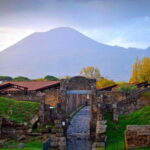
St. Peter’s Basilica and Janiculum Hill: Vatican power, then a view break
Then comes St. Peter’s Basilica for about 25 minutes. This is a big one, and the guided time helps you focus. Without a guide, it’s easy to get overwhelmed by scale and end up remembering only how huge everything felt. With a guide, you can learn what to watch for—art, symbolism, and how the different eras sit in the same space.
After that, you’ll head to Janiculum Hill for about 10 minutes. This stop is short, but it’s useful for your brain. You’re switching from interior art energy to an outdoor reset, and you’ll get that sense of Rome stretching out beyond the immediate sights. If you’re traveling with older family or anyone who prefers less stair time, this is the kind of stop that helps keep the day enjoyable.
Fontana dell’Acqua Paola and Santa Cecilia: the kind of stops you remember later
The tour includes Fontana dell’Acqua Paola (about 15 minutes) and Church of Santa Cecilia (about 20 minutes). These aren’t just “more buildings.” They’re a reminder that Rome isn’t only ancient ruins and famous squares.
The fountain stop gives you a break from church interiors and big monuments. You can pause, take photos, and absorb the way Rome mixes utility and artistry—waterworks and design that look planned to delight the eye.
Santa Cecilia adds a church visit with guided context. The tour description highlights learning through the art you’ll encounter—paintings, sculptures, frescoes, mosaics, and works from different eras. You’ll get the story behind what you see, which is where guided time becomes worth it.
Roman Forum, Colosseum, and Circus Maximus: ancient Rome in three hits
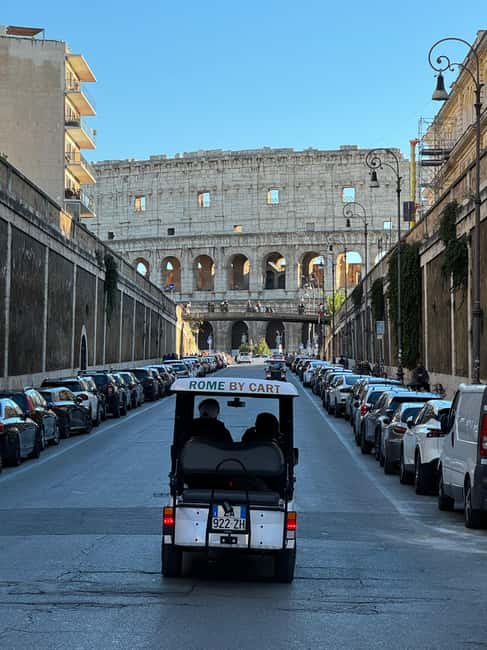
If you’re here for antiquity, this is where the day gets serious. You’ll visit:
- Roman Forum (about 20 minutes)
- Colosseum (about 20 minutes)
- Circus Maximus (about 20 minutes)
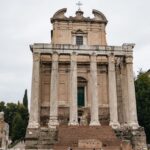
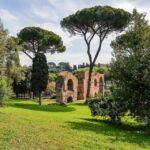
The Forum stop helps you understand how Rome functioned as a city center. Even in a limited time window, the guide can connect the dots: what areas were used for, what the space meant, and why it shaped later Rome.
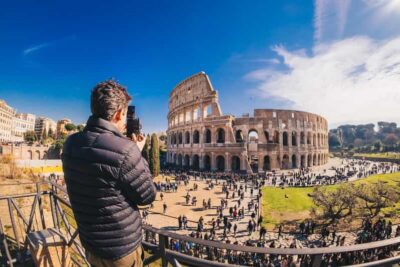
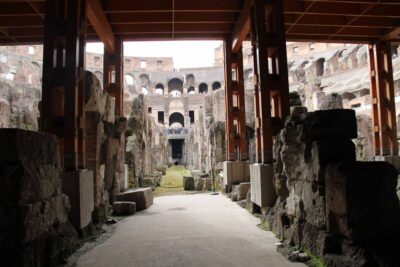
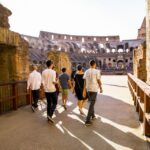
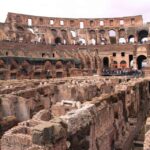
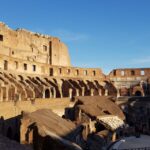
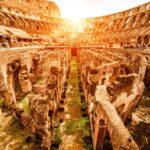
At the Colosseum, you get a similar “fast but guided” approach. Twenty minutes isn’t enough to do everything in the way a dedicated archaeology day would, but it’s enough to grasp why it became the icon it is. Your guide’s stories about the city and its characters make the structure feel less like a ruin and more like a place that once mattered daily.
Circus Maximus is a smart inclusion. It’s famous, but it doesn’t get the same attention as the Colosseum. Having a guided stop here adds variety and helps you see Rome’s entertainment culture beyond one monument.
San Pietro in Vincoli, Castel Sant’Angelo, and Sant’Ignazio di Loyola: art-focused church time
Next comes a strong string of church-and-monument visits:
- San Pietro in Vincoli (about 25 minutes)
- Castel Sant’Angelo (about 20 minutes)
- Church of Sant’Ignazio di Loyola (about 20 minutes)
San Pietro in Vincoli gets the extra time. That usually means the guide will spend more effort on explaining what’s important and why. This is one of those stops where you’ll appreciate having someone translate the symbolism and art choices into something you can actually understand in real time.
Castel Sant’Angelo adds a change of scenery. It’s a landmark that feels tied to the city’s ongoing story, not just its ancient chapter. Even if you only get a short guided visit, it helps you connect “Rome as an empire” to “Rome as a living city.”
Sant’Ignazio di Loyola rounds out the day with more art storytelling. The tour description calls out how you’ll learn from works across eras and artists like Borromini and Caravaggio. You may not spot every reference on your own, but with a guide you’ll at least know what to look for.
Lunch and Roman flavors: why the food stop is more than a break
Lunch is included, and it’s described as Roman culinary tradition at selected local eateries. In plain terms: you’re trying real food, not just grabbing whatever is convenient near a monument.
This is one of the best value parts of the tour. Food can easily become the hidden expense in Rome days—especially when you’re sightseeing all morning. By building lunch into the experience, the day feels more complete. It also slows the pace slightly, so you don’t hit the afternoon exhausted.
Ask your guide what to order. Since the tour is private, you can tailor questions based on preferences—meat, pasta, lighter options—without feeling rushed.
Price and value: what $225.44 gets you in 6 hours
At $225.44 per person for a six-hour private tour, it’s not a budget activity. But it also isn’t just “a cart and a driver.” You’re paying for:
- a dedicated guide
- guided time across many major sights
- customization flexibility
- lunch included
When this kind of tour makes sense value-wise is when you want breadth without spending days doing it. In one sitting, you cover a long list of iconic stops—Spanish Steps, Pantheon, Piazza Navona, St. Peter’s Basilica, Roman Forum, Colosseum, and more—plus church visits and scenic corners.
It can also be worth it for groups where comfort matters. One person noted that after two knee surgeries, the reduced walking made the day manageable, with only some steps at the sights. That kind of practical benefit often justifies the price more than the “how many places can we see?” math.
Who this tour fits best (and who should think twice)
This tour fits best if you want:
- major Rome highlights without turning your legs into rubble
- a guide who can explain art and stories while you go
- a private pace (especially helpful with parents or mixed-age groups)
It also seems to work well for older visitors. One highlight mentioned a guide named Felipe being great for parents, with the day stretching from Piazza del Popolo toward the Colosseum.
The big “don’t book” signal is accessibility. It’s not suitable for wheelchair users. And even if you’re not in a wheelchair, you should still plan on comfortable walking and stairs at some stops.
Booking-day tips that make the cart feel like magic
Do these things and the day goes smoother:
- Wear comfortable shoes you can handle on cobblestones and steps.
- Bring a hat and sunscreen. Rome sun is not gentle.
- Pack a water bottle and use it between stops.
- Have your camera ready, because the classic views happen in short windows.
Also, pick your priorities before you go. If you know what you want most—ancient sites, churches, viewpoints, or food—tell your guide early. Customization works best when you give clear preferences instead of a vague “show me Rome.”
Should you book this RomeByCart golf cart tour?
If your goal is to see a lot of Rome with a guide, eat lunch that feels local, and reduce walking stress, this is a strong choice. The private format and guided stops make the day feel intentional, not like a checklist you rush through.
Skip it if you need full wheelchair access, or if you prefer a slower “only one neighborhood per day” style trip with long museum-style time. This tour is built for movement and guided highlights.
If you’re choosing between this and multiple separate tickets and meetups, the math often favors the cart tour. You get structure, context, and a comfortable pace in one package—plus lunch, which in Rome is never a small detail.
FAQ
How long is the Rome private golf cart tour?
It lasts 6 hours.
Is this tour private?
Yes. It’s a private group with a dedicated guide.
What languages are available for the guide?
The live guide is available in English, Italian, and Spanish.
Is lunch included?
Yes. A tasting of authentic Roman flavors is included, with typical lunch provided.
Do I need to pay entrance fees separately?
Entrance fees to attractions are not included.
Can the tour start and end where I want?
You can start from where you prefer, and you’ll be comfortably returned to your starting point at the end.
Is the tour suitable for wheelchair users?
No, it is not suitable for wheelchair users.
What should I bring?
Bring comfortable shoes, a hat, camera, sunscreen, and water.
Is free cancellation available?
Yes. You can cancel up to 24 hours in advance for a full refund.
Does the tour run at fixed times?
Starting times can vary. Check availability to see what times are offered.